Cool season vegetables do not include any winter squash. All squash are warm season vegetables. They all begin their growing season in early spring to grow through summer. Their foliage begins to fade by autumn, and then succumbs to winter chill. The difference between summer and winter squash is their harvest time. Winter squash ripen for winter.
Conversely, summer squash produce for summer. They produce several more individual fruit that are ready for harvest before they ripen. They produce even more in response to the harvest of their juvenile fruit. Any fruit that matures for too long can get big and tough. It also diverts resources that should otherwise sustain production of fresh young squash.
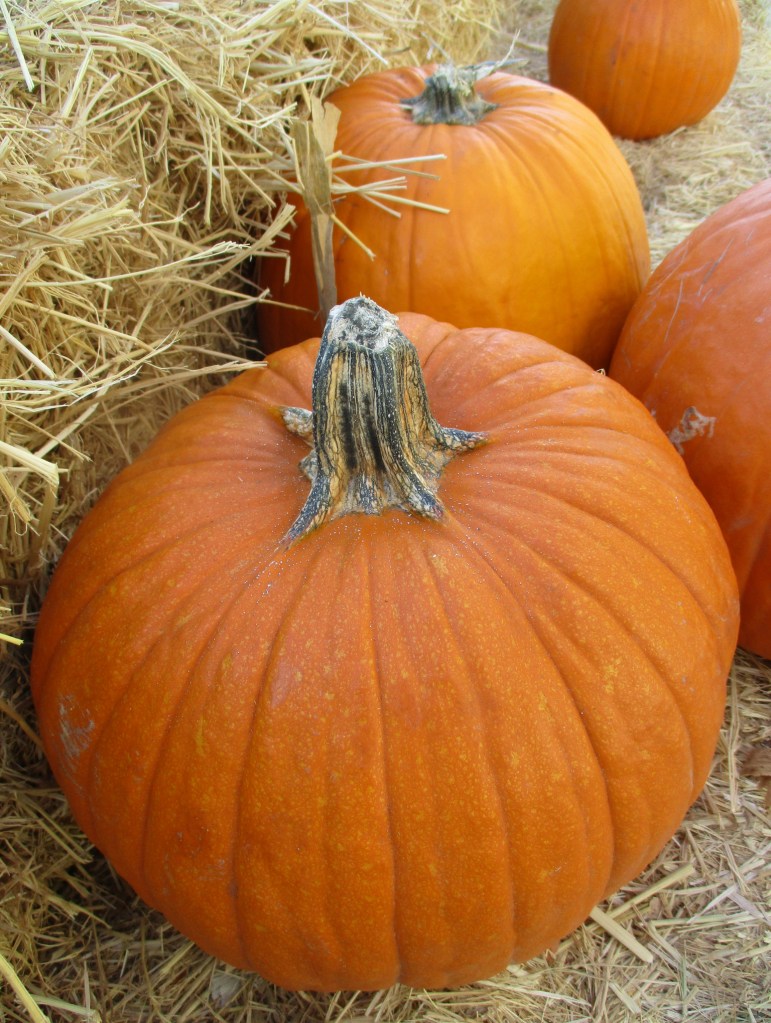
Winter squash produce fewer fruit that mature through summer to ripen by autumn. Some types produce only two or three individual fruit. Fewer fruit concentrate resources, so that individual fruit are relatively large. Pumpkin, which is a famously big winter squash, may grow singly on its vines. Once ripe, some winter squash might last for months into winter.
Ideally, some type of squash should always be available from the garden. Winter squash become available as summer squash finish. Then, summer squash become available as stored winter squash deplete. However, winter squash are supposedly better if they cure for two weeks after harvest. Summer squash might finish a while before that can happen.
Hubbard, butternut, acorn and kabocha squash are all types of winter squash. Countless others are available. Their vines are more rampant than those of typical summer squash. Those with relatively lightweight fruit can climb trellises or shrubbery to conserve space. Although they do not bloom as much as summer squash, their yellow flowers are edible.
Winter squash develop more uniformly with occasional turning as they grow. This entails turning fruit weekly so that all sides of it get exposure sometime. By now, the palest sides should face upward. Fruit should retain its short stem when cut from its vine. It is likely to mold without it. There is no rush to harvest though, since fruit can remain as vines wither. Exposure to mild frost supposedly enhances the flavor of winter squash.
 Tony Tomeo