Utility Clearance Can Disfigure Trees

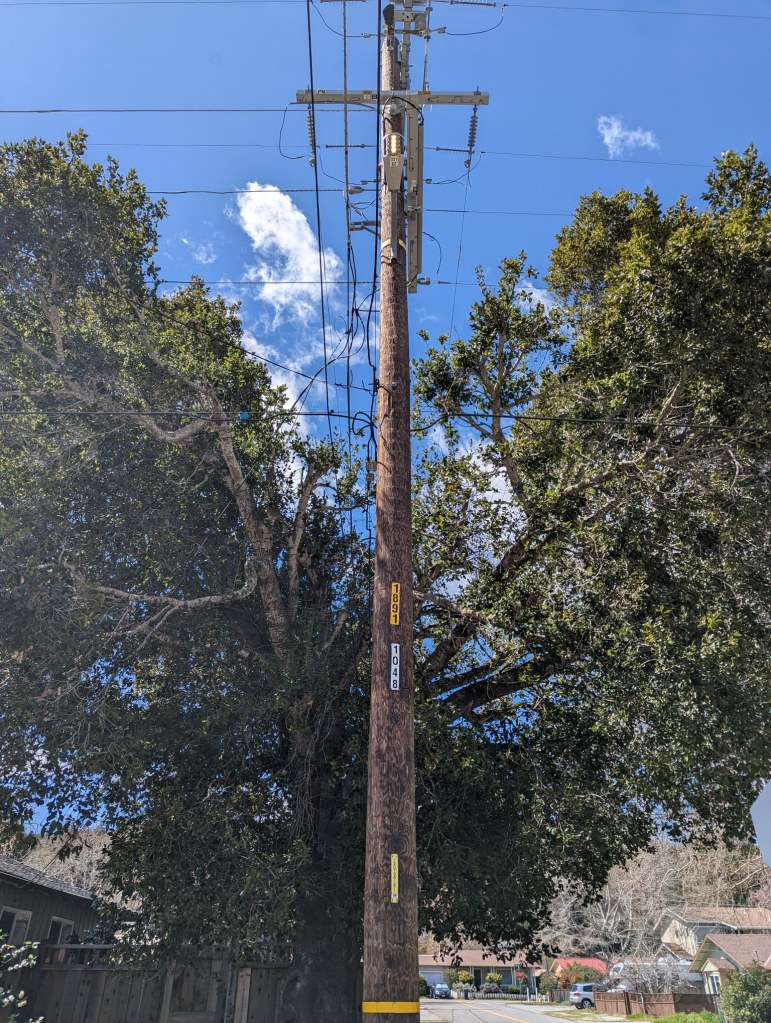
Utility cables need clearance from trees.

Last winter was a doozy! It involved historic frost, snow, rain, wind, floods and mudslides. A few roads remain closed in some regions. Major electrical outages were too numerous for prompt repair. Weather alone did not cause such outages though. It merely dislodged vegetation that did so. This demonstrates the necessity for utility clearance maintenance.

Utility pruning is a specialized but very often unpleasant sort of arboriculture. It maintains necessary clearance between vegetation and utility cables. Its unpleasantry derives from its harsh efficiency. Clearance is the priority. Proper arboricultural technique is not. There is no compromise. Trees that encroach too closely to cables are likely to regret doing so.

Proper arboricultural procedures are too expensive to justify for utility clearance pruning. Otherwise, electricity and other utilities that utilize cable would be much more expensive. Besides, for many trees within utility easements, proper arboriculture is impossible. They can not accommodate necessary pruning without disfigurement. Several can not survive such disfigurement.

Palms, for example, can not survive without their single terminal buds. They lack limbs to divert growth to. Removal of a terminal bud that encroaches too closely to utility cables is lethal. Palms generally grow only upward. Those that grow tall rapidly can not live below utility cables for long. Very few palms remain low enough to maintain minimal clearance.

Excurrent trees are generally more vulnerable to disfigurement than decurrent trees. The single central trunks of excurrent redwoods and spruces do not adapt to redirection. The several main limbs of decurrent oaks and elms are more cooperative. Compact trees that are unlikely to reach cables are least problematic. Of course, many trees are unplanned.

Arborists can repair some minor clearance pruning damage or disfigurement. They might prevent some damage by timely pruning for containment. Unfortunately, some damage is neither repairable nor preventable. Also, such procedures are too dangerous for anyone who lacks qualification for them. Typical garden enthusiasts must avoid electrical cables!

Springtime On Time

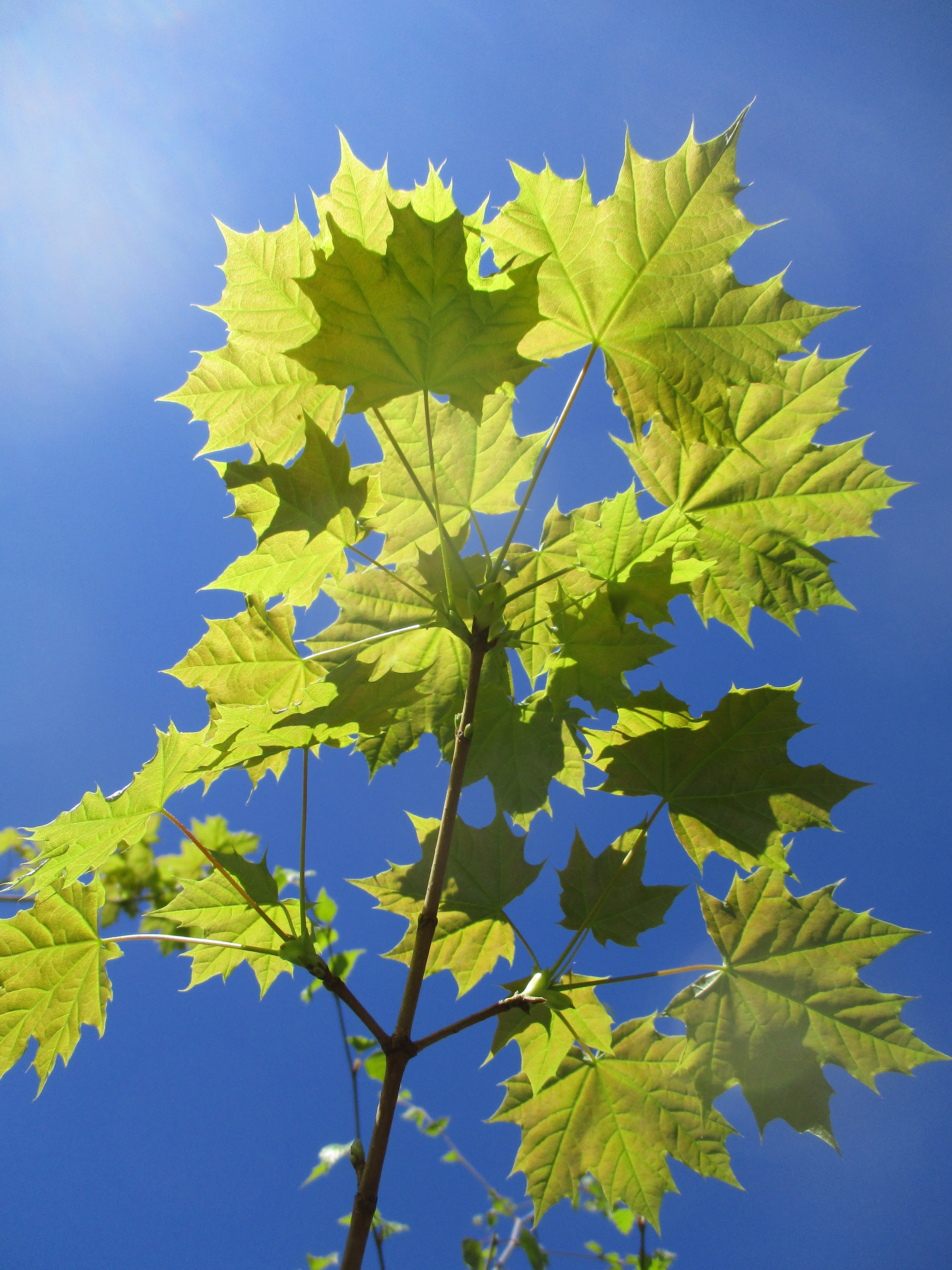
These Norway maples are certainly not as advanced this year as they were at this time three years ago.

tonytomeo's avatarTony Tomeo

P00405 According to these maples, spring is right on time.
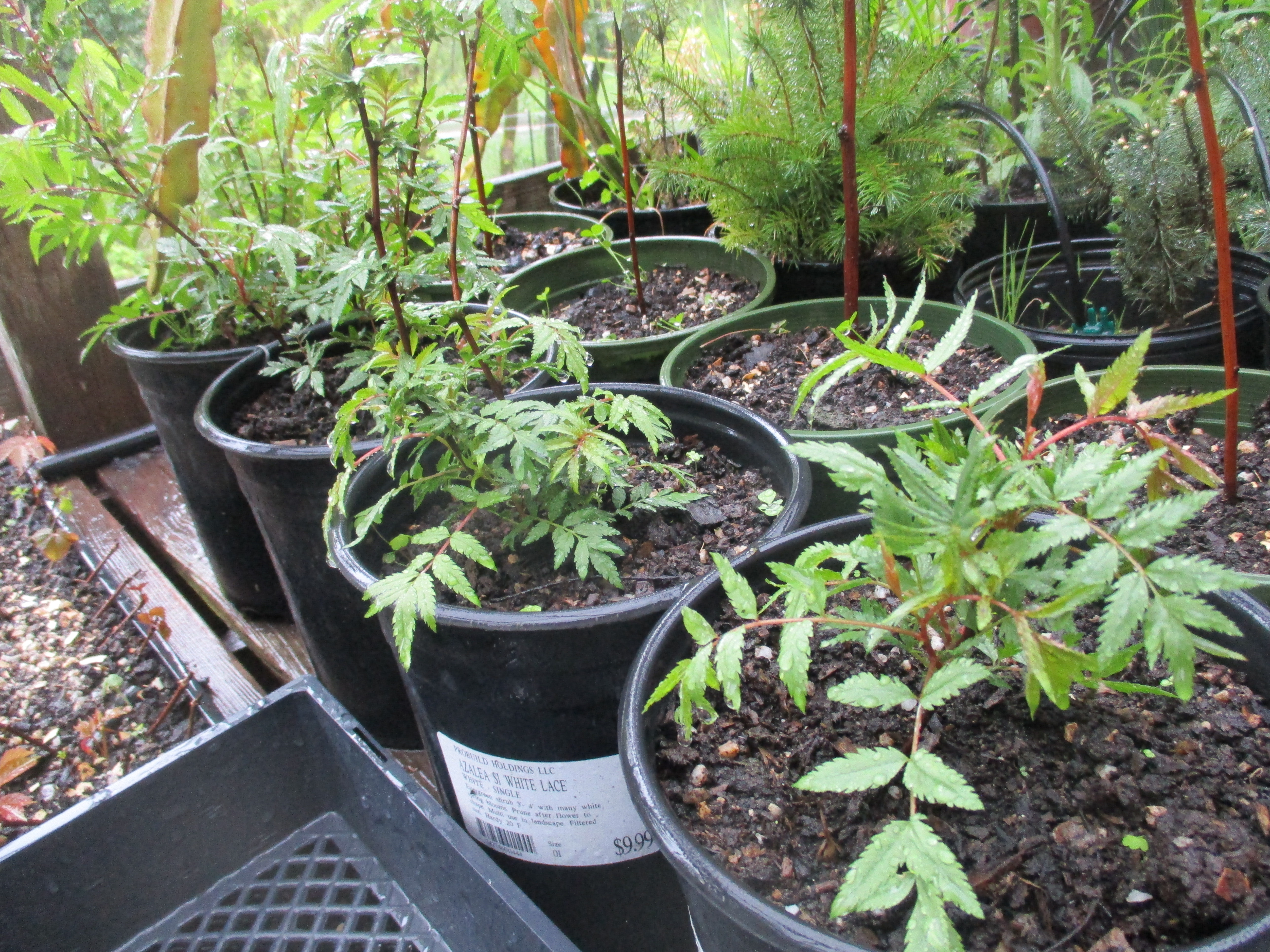
Seasons in the Santa Clara Valley are not very distinct. They are not much more distinct in the Santa Cruz Mountains above. Hot weather in summer does not last for more than a few days, and usually cools off somewhat at night. Winter is never very cold, with light snow rarely falling only on the tops of the highest peaks.

Some believe that summer is our only season, with a few days of ‘not summer’. I would say that it is more like springtime all the time, with a few warm days, a few cool days, and a few rainy days. In many ways, it is great for gardening. However, it can be limiting for species that prefer more warmth in summer, or a good chill in winter. It can also be rather boring.

The vast orchards that formerly occupied the…

View original post 350 more words

Two at Two

Three years later, some of the Rhus still awaits placement in a permanent home, but the buckeye now lives in Ilwaco, near where I am now vacationing. (Now that this article is recycled, it is not two hours late, as described.)

tonytomeo's avatarTony Tomeo

P00404K-1 This species of Rhus remains unidentified.
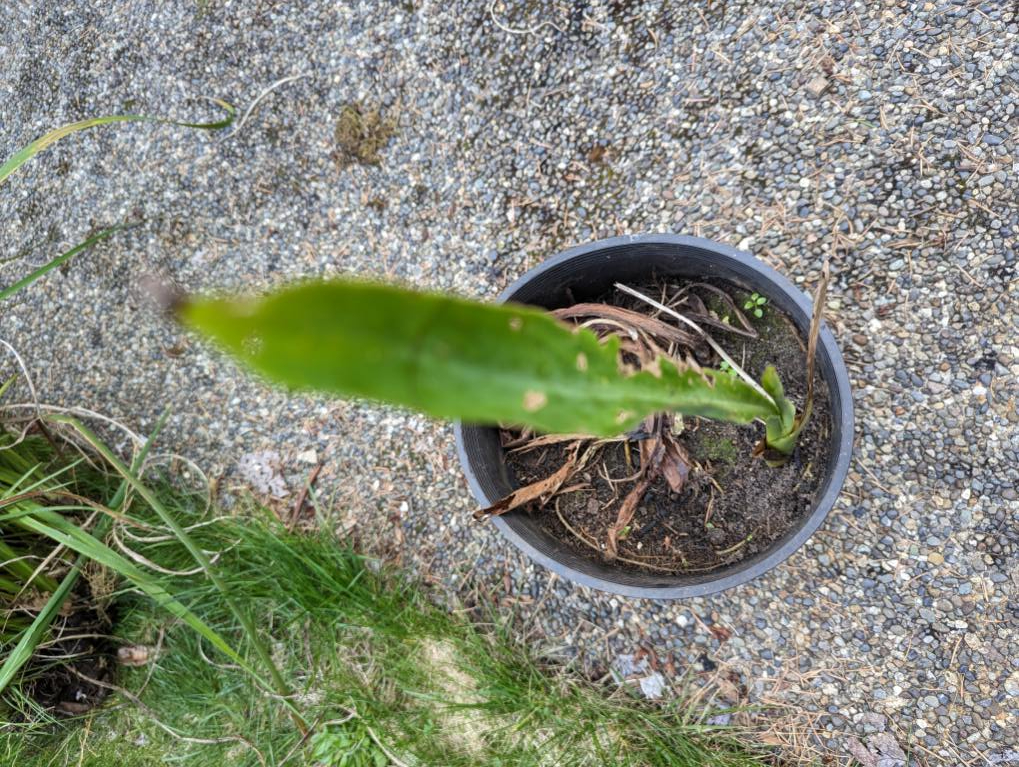
Apologies for the delay of posting something for noon as I typically do.

These are just two pictures of two species that were not interesting enough for my Six on Saturday post this morning. Now that it is past one as I write this, it will be scheduled to post at two, hence Two at Two.

Most of what we propagate or recycle here has some potential to be used in the landscapes. Sometimes, we salvage something just because it it too appealing to waste, even if there is no plan for what will be done with it later. For example, we now have five nicely canned but otherwise useless Norway maples, just because they needed to be removed from a landscape.

I canned the four specimens of unidentified Rhus in the picture above because I thought I knew what they are, and that…

View original post 166 more words

Six on Saturday: Skooter Approved

Rhody, Carson and I finally left on vacation. Although this trip was planned a year ago, it was delayed weekly since February. I had intended to leave prior to March. I finally realized that the timing would never be convenient, so left anyway, after midnight on Wednesday morning. We arrived in Ilwaco on Wednesday night, and went to Skooter’s Garden at Tangly Cottage Gardening in the morning. Of course, we stayed later than intended, ate cookies with coffee, and arrived in Silverdale later than we should have on Thursday night. The first four of my Six here are gifts from Tangly Cottage Gardening, so are approved by Skooter. The last two were at the Port of Ilwaco.

1. Canna ‘Stuttgart’ is tall and elegant, with small peachy orange flowers and irregularly white variegated foliage. I requested a copy of it shortly after leaving without it last year.

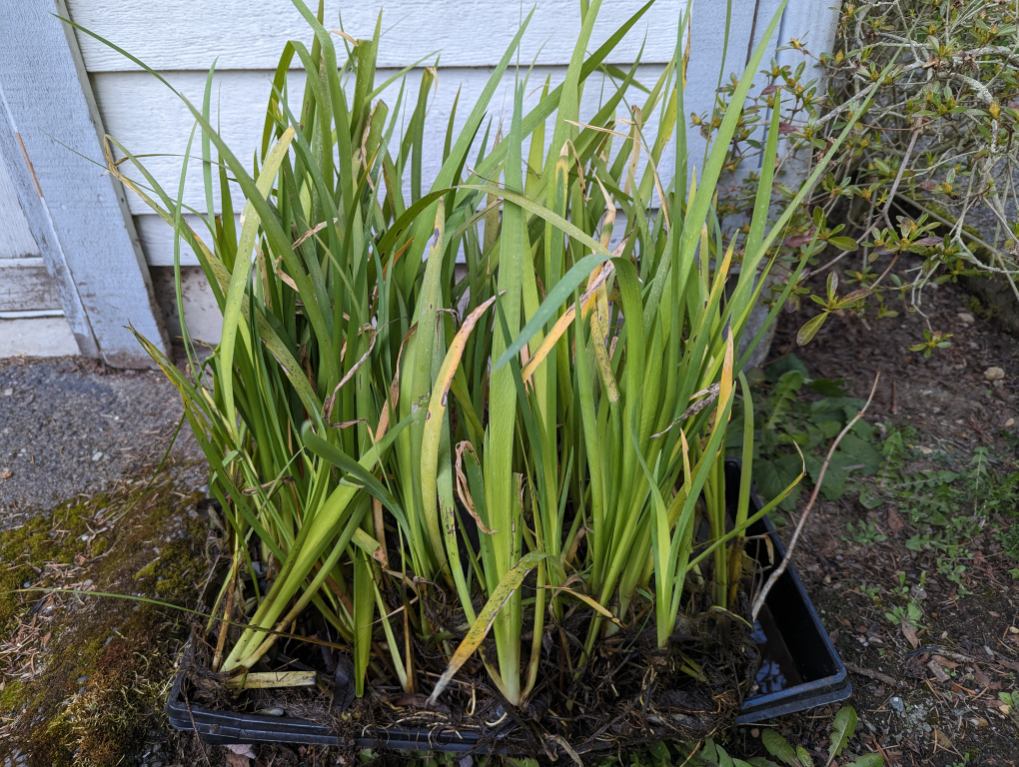
2. Iris X Louisiana ‘Black Gamecock’ is the most popular Louisiana iris, with dark purplish blue bloom. I requested some of it when it was removed from Skooter’s Gaden. This colony will divide into many individual rhizomes. I expect to get significant mileage from them, and I know they will multiply efficiently.

3. Iris unguicularis, Algerian iris was s surprise. It was split after my arrival, directly from a healthy colony within Skooter’s Garden. I had been impressed with the sky blue bloom, but could not justify trying it. Now, no justification is necessary. We will likely put much of it within the Blue Garden. I know that this colony is not very impressive in this picture, but the rhizomes are the important parts.

4. Sambucus racemosa, red elderberry grows wild in Skooter’s Garden. I had been wanting this for a while, but did not think to request it last year. I requested it this year, so got four good wild seedlings.

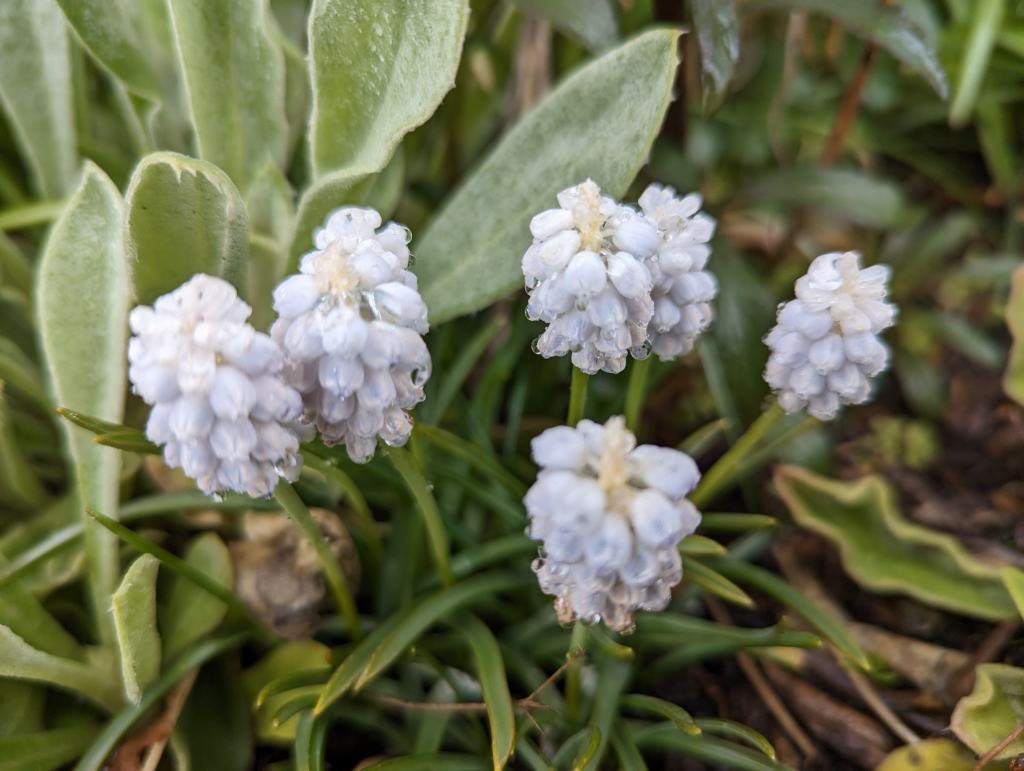
5. Muscari armeniacum ‘Album’, white grape hyacinth inhabits the landscapes at the Port of Ilwaco. I got copies of this last year because I had been wanting it for a while. I know that blue is the most traditional color for grape hyacinth, but white is my favorit color. It may go into the White Garden at work.

6. Muscari armeniacum, grape hyacinth is quite abundant at the Port of Ilwaco. I did not request any of it because I already have a small colony of it for my own garden, and I do not want any others to mingle with them, regardless of how similar they seem to be.

This is the link for Six on Saturday, for anyone else who would like to participate: https://thepropagatorblog.wordpress.com/2017/09/18/six-on-saturday-a-participant-guide/

Richmond Begonia

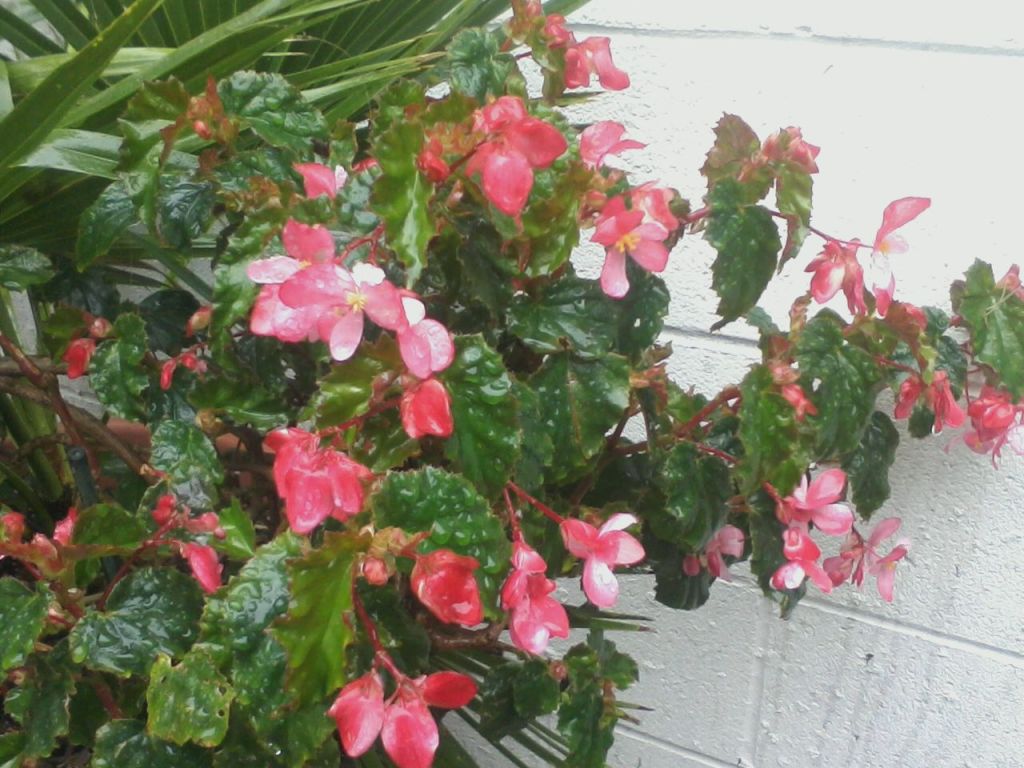
Richmond begonia is very easy to propagate by cuttings.

It is difficult to say whether Richmond begonia, Begonia ‘Richmondensis’, is grown more for unusual waxy pink flowers that bloom throughout the year, or rich glossy green leaves with bronzy red undersides. Perhaps it is the distinctive combination of both characteristics. Perhaps it is because Richmond begonia is so easy to grow in partial shade near porches or atriums where other flowering plants would want more sunlight. It only wants relatively rich soil and regular watering, and is quite happy in pots. Mature plants eventually grow to two feet tall and broad. Lanky branches that get cut back to promote dense growth can be rooted elsewhere in the garden.

Warm Up To Warm Season Annuals

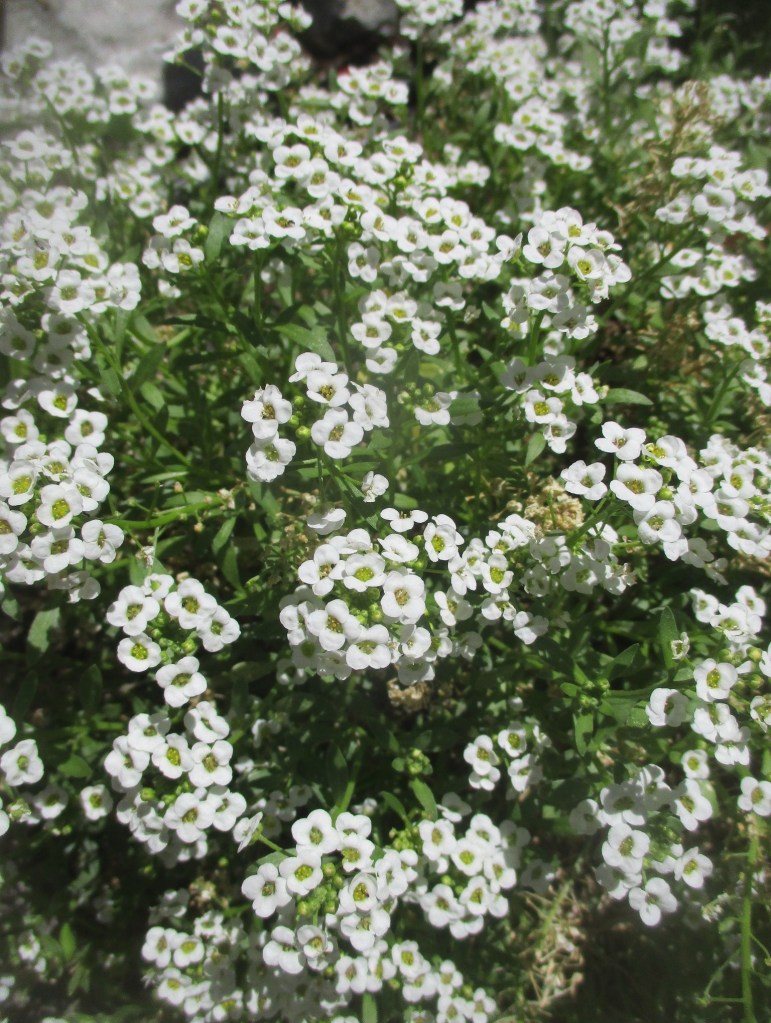
Sweet alyssum can seem to be perennial, but bloom best during warm weather.

The common and almost stigmatized nasturtium has always been my favorite of the flowering annuals. It is technically a warm season annual that gets its seed sown at the end of winter so that it can grow and bloom with bright yellow, orange and sometimes even red flowers all spring and summer and into autumn. However, because winters are so mild here, the foliage is appealing even while bloom is inhibited by cool winter weather. By the time older plants die out, seedlings are already maturing to replace them; so they function like perennials. Nasturtiums are so easy to grow that many garden enthusiasts consider them to be weeds, or too cheap and common to bother with. Yet, their carefree nature is precisely why so many of us enjoy them so much.

Sweet alyssum shares the same reputation that causes it to be shunned by some but appreciated by others. It can be white, pink or purple when initially planted, but eventually reverts to white as it naturalizes. (Pink and purple types produce white blooming seedlings.) Like nasturtium, it blooms less over winter, but never really goes away, since seedlings are always there to replace older plants. It is easy to grow from seed sown late in winter, or can be planted from cell packs after winter for more immediate results.

All sorts of warm season annuals that are now available in nurseries are ready to replace the cool season annuals that bloomed through winter. Busy Lizzy (impatiens) and petunias are the most popular as well as the most colorful. French marigold has the best yellows and oranges, as well as bronze. Lobelia is a classic companion for sweet alyssum or marigold, providing all kinds of blues, as well as purple, purplish rose and white (although white is rather redundant to alyssum). Cosmos blooms in many shades of pink, from very pale to almost red, as well as white. Most varieties stay quite low while others get a few feet tall.

The less popular warm season annuals are sought by those who like their unique colors or other appealing characteristics. Floss flower blooms pale blue or lavender with funny fuzzy flowers. Cockscomb are mostly the colors of marigold as well as red, but with unusual plume-like blooms. Verbena and moss rose may not fill in soon enough to work as bedding plants, but have rich colors that look great with other assorted annuals or perennials. Although statice, pincushion flower (scabiosa) and zinnia can function as bedding plants, they are more often grown singly, in small groups or as borders around more homogenous bedding plants.

Horridculture – Major Improvement

After deprivation of my rant three years ago, I notice that this particular landscape has reverted to its former dysfunction, although not quite as badly as several years ago.

tonytomeo's avatarTony Tomeo

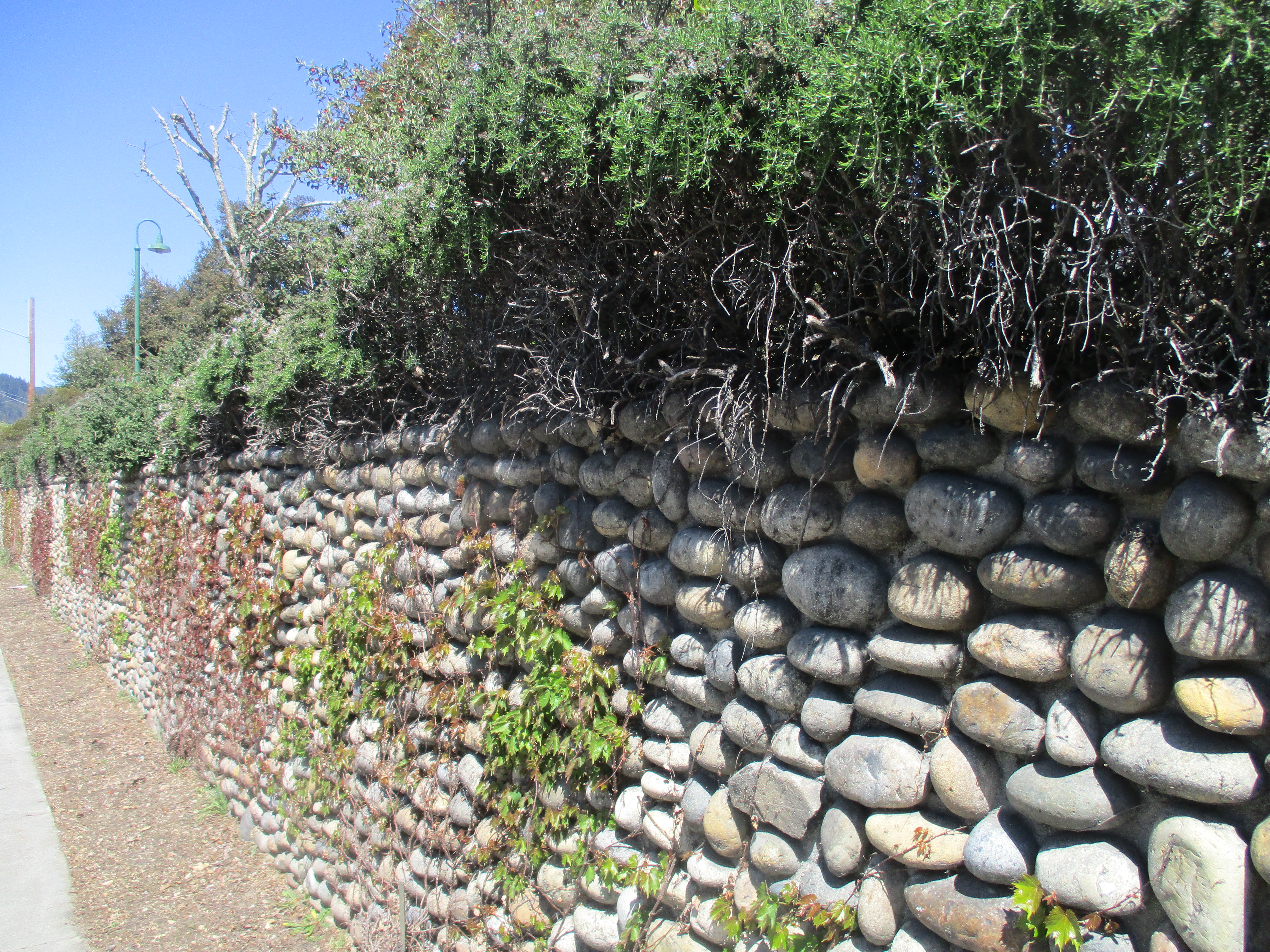
P00401-1 A bit of Boston ivy adds a bit of texture and color to the stone wall.

My rant for this week is that I was deprived of my rant. I went to a nearby landscape that had been trashed by the so-called ‘gardeners’ for many years, only to find some unexpected and major improvements. I do not know what happened. Although it will take some time for the landscape to recover from the prior damage, it is already starting to function as intended.

It is obvious that the landscape was very well designed. Although I know very little about design, I know what is horticulturally correct. The designer selected species that are very appropriate for every application, even though none were particularly trendy at the time. Those who were hired to maintain the landscape only interfered with its intended development.

I noticed several improvements, but got pictures of only two…

View original post 343 more words

Star Magnolia

Star magnolia insists it is springtime.

Unusually wintry weather did not seem to delay star magnolia, Magnolia stellata, bloom. Such bloom can begin immediately prior to March, or finish immediately afterward. Yet, it typically occurs at about the same time annually within any particular situation. Few here were notably later than they were last year. Bloom lasts only for about two weeks though.

Nonetheless, bright white bloom is spectacular prior to foliation of otherwise bare stems. Formerly rare cultivars with blushed or pastel pink bloom are becoming popular. Delicate floral fragrance is proportionate to profusion of bloom. Individual flowers are about three inches wide with many narrow tepals. Deciduous foliage appears as bloom deteriorates.

Star magnolia may be more comparable to large shrubbery than small trees. Most do not grow much taller than six feet. Some of the largest may be twice as tall and broad, with a few trunks. Old trunks and branches can be somewhat sculptural. Bark is pallid, like that of fig trees. As their plump floral buds begin to burst, bare stems are conducive to forcing.

Winter Weather Lingers Into Spring

Late wintry weather delays early bloom.

Winter was epic! Snow was more abundant than since 1976. Rain was more continuous than since 1982. Frost was colder than since 1990. All of this happened within this same winter! Californians generally appreciate rain and snow, and tolerate typically minor chill. Chaparral and desert climates here rarely get much. However, this weather is excessive!

Furthermore, such excessively cold or wet weather was unconducive to gardening. Most of us wanted to stay inside. Home gardens consequently endured neglect in conjunction with extreme weather. Regardless of the current weather conditions, winter is technically done. Now that it is spring, gardens should begin their systematic processes of recovery.

This may entail more effort for those who enjoy gardening than for the associated plants. Most plants are resilient to harsher winter weather than they endured here recently. That is how they survive other less temperate climates. Some may respond favorably to more thorough than typical grooming. Some might prefer later grooming while they regenerate.

Chill can actually enhance performance of some plants that prefer cooler winter weather. For example, some cultivars of apple are barely satisfied with the more typical local chill. They may perform better this year, after a cooler chill. Flowering cherry, purple leaf plum, lilac, wisteria, and many others may do the same. Stone fruits might be more productive.

Several plants do succumb to frost though. Some that typically die back but then recover may not recover this year. For some, the unusually cold frost was lethal. Others rotted as a result of lingering cool dampness. Kaffir lily that is blooming well now may succumb to rot later. Canna that grew early only to succumb to later frost should recover well though.

Some plants that endured frost and saturation last winter might delay their spring bloom. Roses could bloom better but also later, both as a result of cooler than typical chill. Some early spring bulbs that bloomed when they should suffered for it. Rain and wind knocked them into the mud. Later bulbs might avoid a similar fate by delaying their bloom slightly. Fewer conform to a comparably strict schedule.

Viability

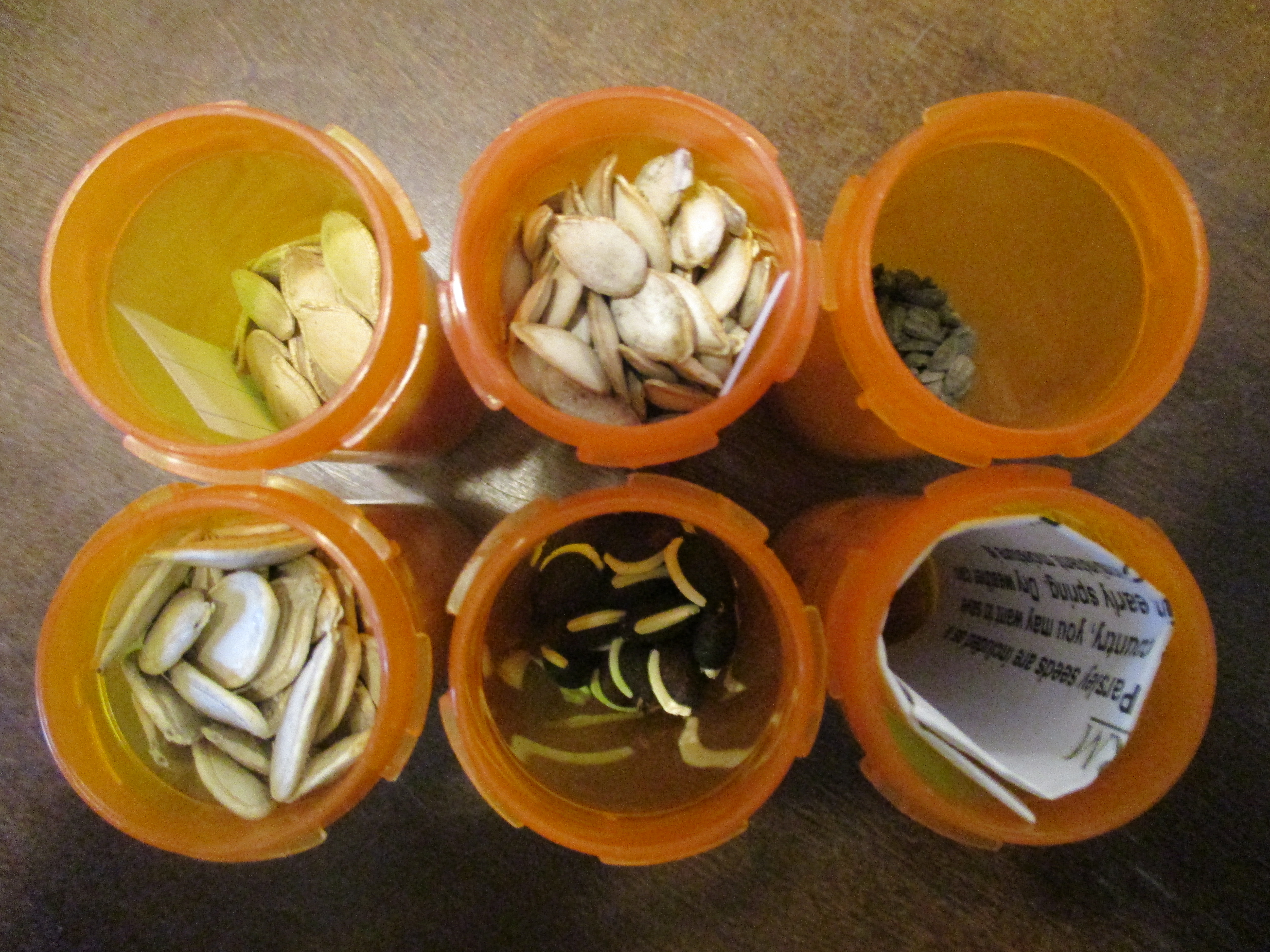
This is another recycled article that should have gotten an update. Of these seed, only the hyacinth bean and blue dawn flower did not grow. They hyacinth bean likely grew, but then got pulled up as weeds.

tonytomeo's avatarTony Tomeo

P00329 Oldies but not likely goodies.

31,800 years or so ago, busy arctic squirrels of northeastern Siberia stored more campion seed than they could consume. Of a store of more than 600,000 such seed, which were found deep below permafrost, three immature seed contained viable embryos. These three embryos were extracted and grown into plants that bloomed and produced new seed as they would have 31,800 years ago.

A 2,000 year old date palm seed, which was found in the palace of Herod the Great on Masada in Israel, is the oldest known intact and mature seed to germinate. It was approximately 29,800 years younger than the miraculously viable embryos of the Siberian squirrel stashed campion seed, but is ridiculously older than the oldest of the old seed in my partly neglected collection. There is hope.

Some of the seed that I saved is not dated because, at the time, I…

View original post 156 more words