Elderberry Glut

‘Black Tower’ European black elderberry is not very black yet.

Perhaps my explanation of the elderberry glut here was a bit brief last Saturday. Allow me to explain.

Sambucus caerulea, blue elderberry is native and grows wild here, so was innately the first on the scene.

Sambucus nigra ‘Black Lace’ European black elderberry arrived next. I do not know who procured it or why, but it was left here in a can before my time. I put it into a landscape just to get it out of the storage nursery. In other words, I was none too keen on it, so I just wanted to make it go away. Instead, because it was so popular with those who saw it in the landscape, I learned to appreciate it. Then, I figured that it would be even more appealing if it produces berries for birds, so I sought a mate for it.

Sambucus nigra ‘Madonna’ European black elderberry was almost the perfect mate. I would have preferred ‘Albomarginata’, but did not want to pay for it. ‘Madonna’ in a #1 can was available for only a few dollars because it looked so shabby two winters ago.

Sambucus racemosa, red elderberry was a gift from Tangly Cottage Gardening shortly afterward. They were a group of four seedlings, so needed no mate for pollination. Although they are supposedly native here, I had never seen them before, but want to grow them.

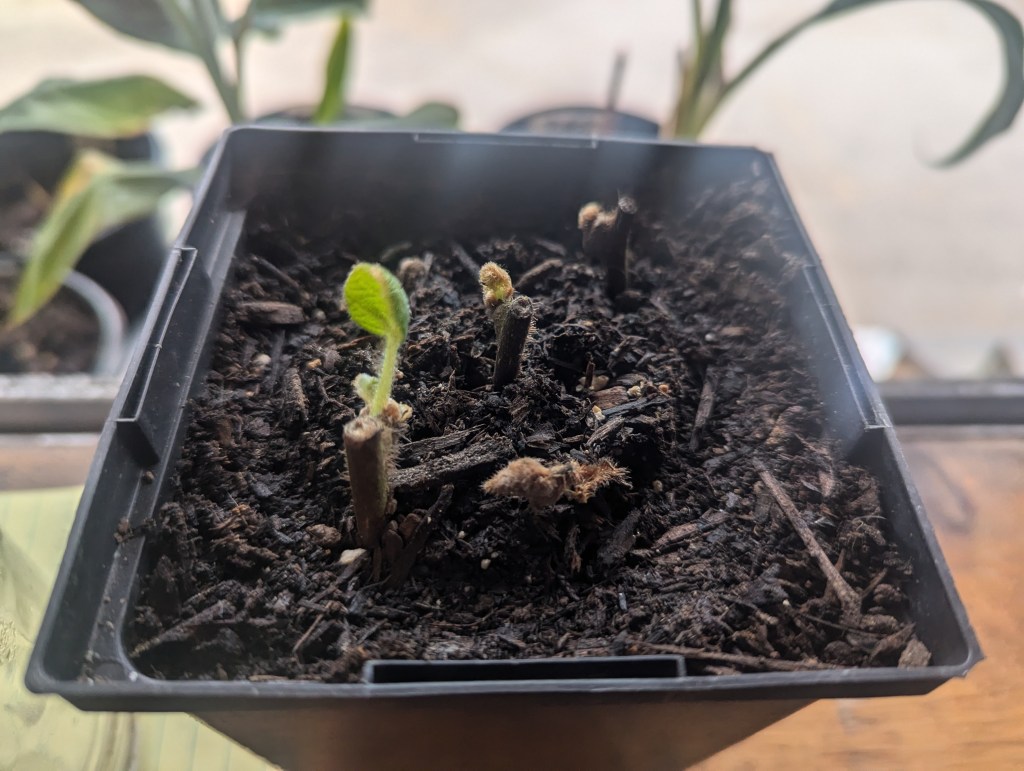
Sambucus nigra ‘Albomarginata’, ‘Atropurpurea’ and ‘Black Tower’ European black elderberry, and Sambucus racemosa ‘Lemony Lace’ red elderberry unexpectedly became available for a few dollars each just last winter because, like ‘Madonna’ European black elderberry two years prior, they were shabby while dormant. Without a plan, I procured all of them. ‘Lemony Lace’ red elderberry, the only red elderberry of the four, could be pollinated by the red elderberries that already came from Tangly Cottage Gardening. As I mentioned, ‘Albomarginata’ was the cultivar that I would have preferred to ‘Madonna’ that I procured earlier.

Sambucus canadensis ‘Nova’ and ‘York’ American black elderberry were the last acquisitions at the end of bare root season last winter. They are for fruit production in my home garden.

I would have been pleased with only ‘Black Lace’ and one other pollinator cultivar for it within the landscapes at work. For my home garden, I wanted only blue elderberry, red elderberry and American black elderberry. I would have preferred wild American black elderberry, but can not complain about the cultivars that I got. Collectively, we got much more than we bargained for.

Hosta

Hosta exhibits a lushly woodsy style.

Even for some understory species, shade can inhibit bloom. For Hosta, that would not be much of a problem. Its late summer bloom is merely an added bonus to its lushly colorful foliage. Actually, the foliage is more appealing without its tall floral spikes. Such bloom is prettier in a vase anyway. The hanging white or lavender flowers are an inch or two long.

Where summer weather is cooler, some Hosta can grow three feet tall and twice as wide. Locally, only a few of the largest cultivars can grow as wide as three feet during summer. Then, they defoliate by winter. Most have broadly rounded leaves, but a few have narrow or wavy leaves. Many have paler green, yellow or white variegation, or glaucous foliage.

Hosta is uncommon here, probably because it may be somewhat demanding. It requires very regular watering to avoid desiccation. It craves organically rich soil or potting media. Fertilizer can enhance lushness, but can burn foliage if just slightly excessive. Slugs and snails can ruin foliage. However, Hosta are understory plants that tolerate a bit of shade.

Understory Is Made For Shade

Andromeda tolerates a bit of shade.

Shade influences every ecosystem. Where it is scarce, some vegetation adapts to harsh exposure to sunlight. Some develops glaucous foliar color to reflect some of the sunlight. Some develops tomentum, or foliar fuzz, to shade its foliar surfaces below. Where shade is abundant, understory vegetation adapts as efficiently. Essentially, it is made for shade.

Understory vegetation naturally grows beneath larger trees and shrubbery. It is therefore more tolerant of partial shade. Some tolerates significant shade. Ferns that inhabit forest floors beneath shady redwood trees are notable examples. So are most houseplants that originated from tropical rainforest. Naturally, most live in the shade of bigger forest trees.

Not all understory vegetation is diminutive. Some Japanese maple trees can grow rather large. However, they naturally inhabit forests of trees that grow larger. Some palms begin as understory vegetation to become the tallest trees of their gardens. Their foliage simply adapts as it becomes more exposed. Banana and tree fern foliage might adapt similarly.

Such adaptation is an advantage now that home gardens are becoming shadier. Modern homes are taller, so produce bigger shadows than older homes. They are closer to other tall homes with comparable shadows. Fences are higher to compensate for the proximity of homes. Garden spaces are more compact, with less space that is not partially shaded.

No vegetation survives without sunlight. Understory vegetation is simply more tolerant of partial shade than most other sorts. It is adapted to it, just as some vegetation is adapted to extreme exposure. Generally, understory vegetation is deep green, to absorb as much sunlight as possible. For the same reason, individual leaves are typically large and lush.

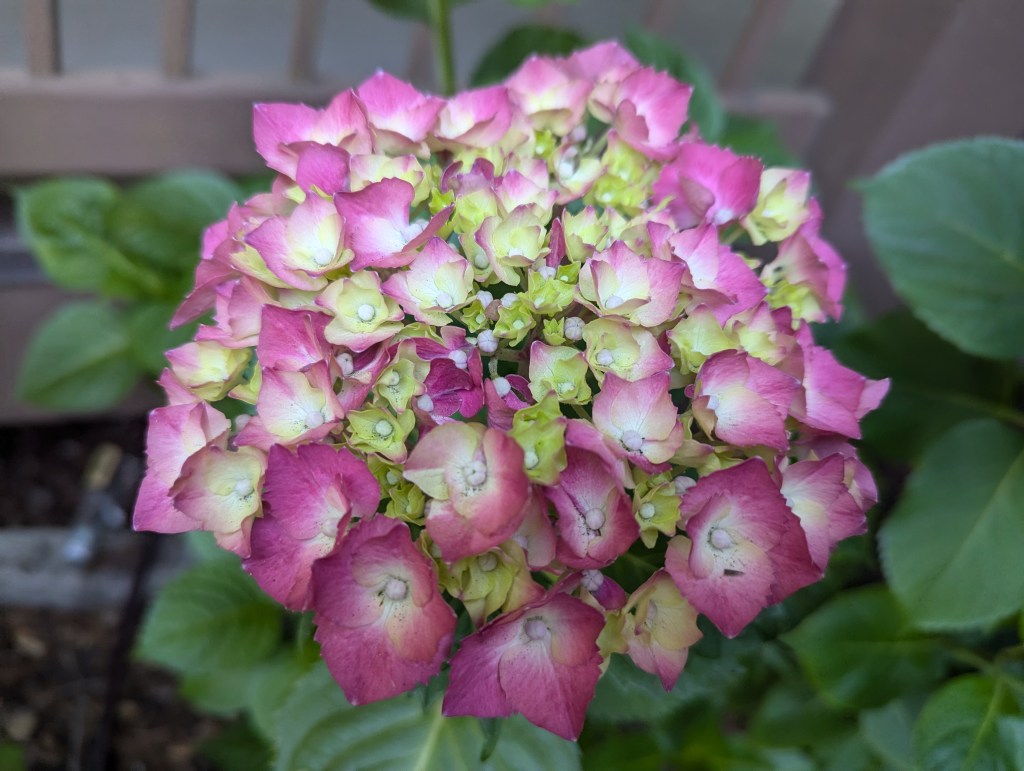
Cast iron plant seems to tolerate more shade than any other understory vegetation. Kaffir lily and hosta tolerate almost as much shade as some ferns. Rhododendron, azalea and andromeda prefer only partial shade. Excessive shade inhibits bloom. The same applies to camellia and hydrangea. Realistically, all species of understory vegetation are unique. Each tolerates a particular degree of shade that it is adapted to.

Six on Saturday: Elderberry Foliage

Only six of ten elderberries here were selected for “Six on Saturday”. Four were omitted:

Sambucus canadensis ‘Nova’ and ‘York’ American elderberry

Sambucus caerulea, blue elderberry

Sambucus nigra ‘Black Tower’ European black elderberry

I would have liked to include all of them, but realistically, American elderberry and blue elderberry are not much to see, and I was unmotivated to take a picture of ‘Black Tower’ European black elderberry. Although it is my favorite of the European black elderberries here, taking its picture after neglecting to do so while there earlier yesterday would have necessitated a short drive and a long walk. These six are in the storage nursery, either as cuttings, or because they were not installed into a landscape yet.

1. Sambucus racemosa, red elderberry is a gift from Skyler of Tangly Cottage Gardening. They are a group of four seedlings, so can pollinate each other, as well as a more recently acquired ‘Lemony Lace’. The species is native and grows wild in Tangly Cottage Garden.

2. ‘Lemony Lace’ is a cultivar of red elderberry that I acquired with three European black elderberry cultivars, in a manner that is not illegal. I am very pleased that it is a progeny of ‘Sutherland Gold’, which I had been coveting in the garden of The Random Gardener.

3. ‘Black Lace’ is the cultivar of Sambucus nigra, European black elderberry, that started it all. It was here before my time. I was not so keen on it, but learned to like it because so many admired it in the landscape. I procured ‘Madonna’ as a pollinator, and kept going.

4. ‘Madonna’ and ‘Black Lace’ are so MTV in 1989. This ‘Madonna’ is not so exciting. Its chartreuse variegation looks sickly while it is small. I know it will be prettier as it grows. It arrived two years prior to the three other newly acquired European black elderberries.

5. ‘Purpurea’ is one of the three recently acquired cultivars of European black elderberry that arrived with the ‘Lemony Lace’ red elderberry. I am unimpressed by its bland foliar color, but will learn to appreciate it if I work with it long enough. I like its foliar texture.

6. ‘Albomarginata’ was the European black elderberry cultivar that I initially wanted as a pollinator for ‘Black Lace’, but it was unavailable two years ago. I prefer its creamy white variegation and larger size to the chartreuse variegation and compact size of ‘Madonna’.

This is the link for Six on Saturday, for anyone else who would like to participate: https://thepropagatorblog.wordpress.com/2017/09/18/six-on-saturday-a-participant-guide/
Atemisia ‘Powis Castle’

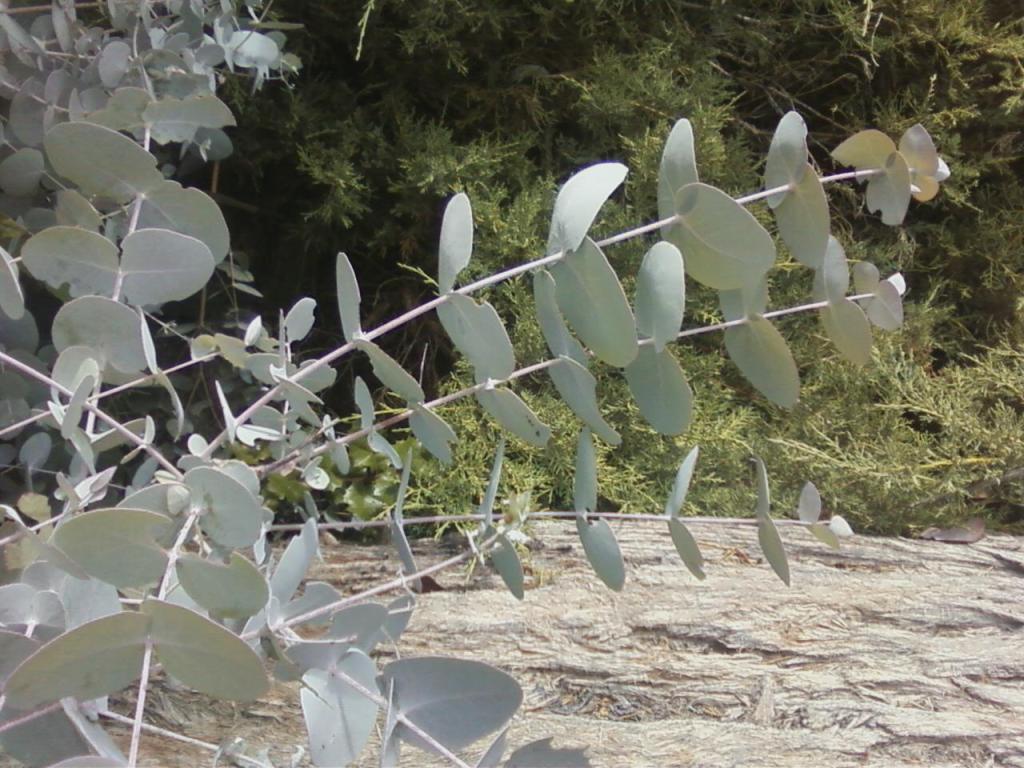
Artemisia ‘Powis Castle’ is more foliar than floral.

The pleasantly aromatic and lacy silvery gray foliage of Artemisia ‘Powis Castle’ can either mix well with pink, lavender or light blue flowers, or contrast against bright red or orange. The dark angular leaves of bronze New Zealand flax or bronze cannas are striking against its low and softly mounding form, which stays less than two feet tall and not much more than twice as wide. Contrary to how Artemisia ‘Powis Castle’ enhances the color of other flowers and foliage, its own flowers are not much to look at, if they get noticed at all.

Foliage is fluffiest if mature plants get pruned down at the end of winter. New plants can be propagated by division in spring or autumn. As plants get established, good drainage becomes more important than frequent watering.

Aphids

Aphid enjoy fresh new growth of roses.

Since the seeds arrived in the mail from Renee’s Garden, I have been waiting for the pale yellowish white ‘Buttercream’ nasturtiums to bloom. The appearance of their first few leaves was quite an event. They then started to grow a bit faster like annuals do this time of year. Then, suddenly and without warning, they where overtaken by a herd of hungry aphids!

These small but prolific insects congregate at the tips of new foliage and flower buds. They pierce fresh tissue and suck out the juices within. They are more often yellowish green, but can be grayish black, pale white or sickly pink. Although minute, the fattest aphids can be as plump as caviar.

Fortunately, aphid are typically not problematic for very long, and are easier to control than other insect pests. Even without insecticides, their festivities will be brief before their natural predators move in and break up the party. Pesticides can actually be detrimental by also killing some of the natural predators, and delaying their conquest of the aphids.

Right now though, I do not care! The aphids are hurting the nasturtiums. They must die!

On tougher plants like roses, aphids can be blasted off with water from a hose. Because roses can get mildew if their foliage stays wet too long, they should get blasted early in the day, so that they can dry in the sun. This procedure does not kill all the aphids, and may not even dislodge all of them, but it slows their proliferation so that the natural predators have the advantage.

Nasturtiums and other annuals that are too soft to get blasted with water can instead be sprayed gently with very slightly soapy water, which efficiently kills aphids. Water with a bit of vinegar, or a ‘tea’ made from cigarette butts, also work. Foliage is less likely to be damaged if rinsed afterward. This likewise does not kill all aphids, but controls them long enough for the predators to take over.

Parasitic wasps, syrphid flies, lacewings, lady beetles and predatory midges all eat aphids. They only need some time to do so because they rely on the primary proliferation of aphids to feed their own proliferation. In other words, there must be enough aphids to feed the predators before there can be enough predators to feed on the aphids.

However, aphids have an ally. Ants dutifully protect aphids from their predators, and actually cultivate aphids on choice plants because they like to eat the ‘honeydew’ excreted by the aphids. (ICK!) That is why lemon trees that are infested with aphids also have an abundance of busy ants commuting up and down the trunks.

Trimming an aphid infested lemon tree so that it does not touch anything else, and circling the base of the trunk with axle grease, will keep the ants out without preventing predatory wasps from flying in. Just like with roses, blasting with water dislodges many of the aphids and  stranded ants; but the wasps simply get out of the way and return when it is safe. It may all seem unfair to the aphids and the ants, but is gratifying for the predatory wasps, the lemon tree and whoever cares for the lemon tree.

Oem Update

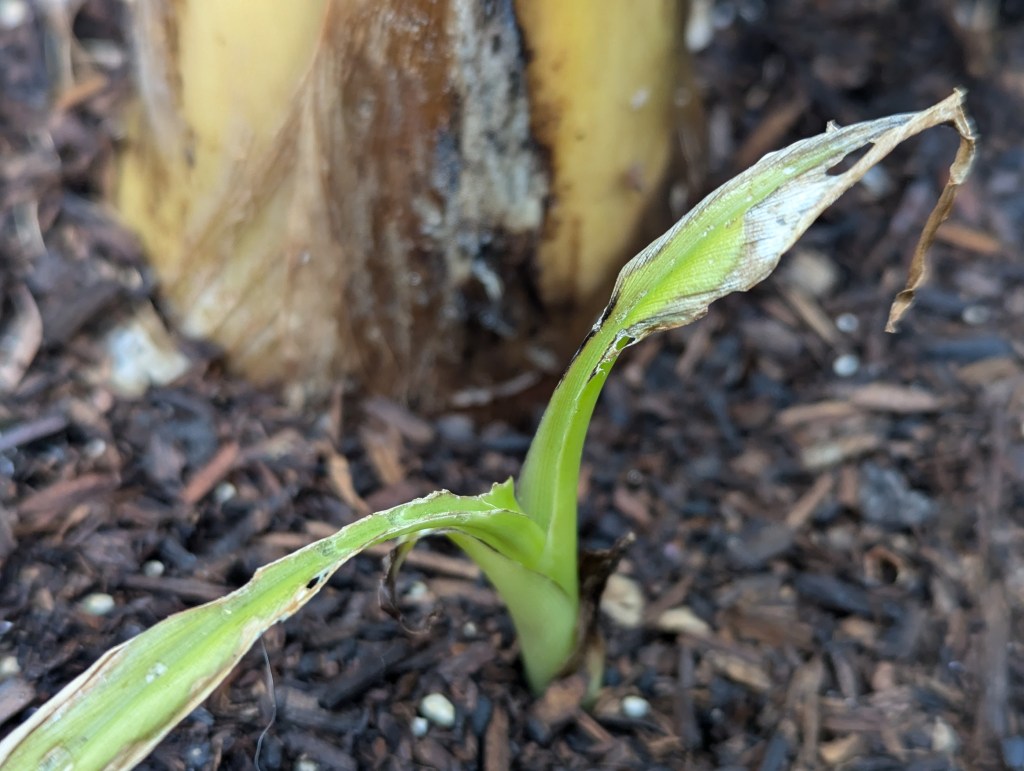
This is the larger of two oem pups.

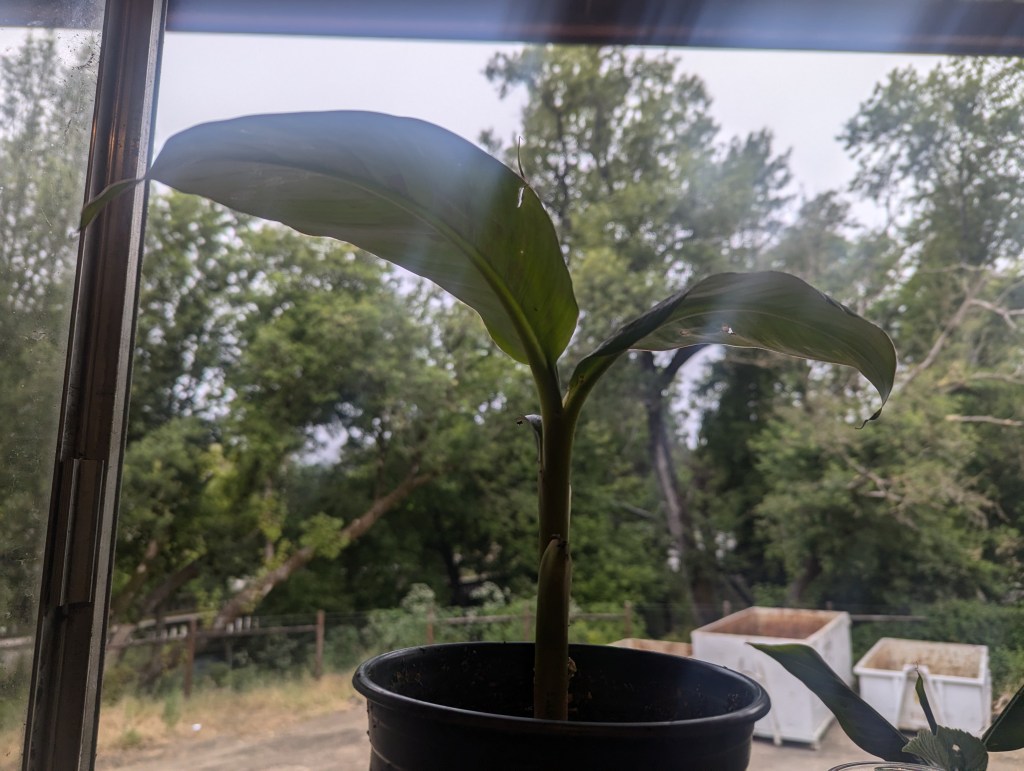
Oem is beginning its third spring here. Fortunately, it has not yet grown too big to stay. That could change soon now that the weather is warming. I still do not know what to do with it as it grows. It is the largest species of banana in the World, Musa ingens. The foliage of the original pseudostem was frosted enough last winter to get trimmed away, leaving only an unsightly bare trunk. It is only beginning to replace its foliage for this season. Just as readily though, it produced two pups, which will likely grow faster than the original pseudostem did during the last two seasons. They are growing from a larger rootbase. Meanwhile, there are several other cultivars of banana growing here also. There were about fourteen last year. There are about two dozen this year! Only a few will remain compact enough to inhabit the landscapes at work, but even fewer will be appropriate there. Banana trees are not exactly comparable with the style of a redwood forest. Most, including the oem, will likely inhabit a riparian area of my home garden, which is also in a redwood forest. Goodness! I really should have planned this better.

Pacific Coast Hybrid Iris

Hybridization has produced unnaturally rich color.

Several species of iris are native to the West Coast of North America. Iris douglasiana is probably the most colorful species. Hybridization with the others improved its floral color range and other characteristics. Several of such hybrid cultivars collectively became the Pacific Coast hybrid iris. However, the various cultivars developed from various ancestry.

Most Pacific Coast hybrid iris are finishing their bloom about now. Some bloomed earlier, at the end of last winter. Their flowers can be various shades of blue, purple, red, orange, yellow or white. This includes lavender, burgundy, rust, rose, coral, gold or creamy white. Only green colors lack. Brown pods of sterile seed are visually unappealing after bloom.

Flowers are about three or four inches wide and stand about a foot tall. Individual flowers do not last long, but bloom in succession for quite a while. Grassy and dark green foliage develops low mounds that stay lower than bloom. Propagation is simple by division from large foliar mounds during autumn. Generous watering can cause rot and patchy growth.

Hybrids Of The Botanical Nature

Fancy gladiolus are products of hybridization.

Botanical nomenclature has gotten sloppy. So has breeding. Hybrids of different species are now common. Their botanical names often lack proper species designation. Instead, their names include only their genus names with their variety or cultivar names. This can seem simpler. However, it complicates the simplicity of binomial botanical nomenclature.

Interspecific hybrids involved different species of the same genus. Therefore, any genus name is the same as that of both parents. An “X” precedes its species name to indicate it as an interspecific hybrid. Its species name is as new and unique as the new hybrid. Any cultivar or variety name follows its species name in single quotes. it is all quite sensible.

Intergeneric hybrids involved different genera. Therefore, an “X” precedes a genus name of an intergeneric hybrid to designate it as such. Its entire name is as new and unique as the hybrid. Like for all botanical names, both its genus and species names are italicized. This designates them as ‘Latin’ names. Variety and cultivar names lack such italicization.

Many hybrids are naturally sterile. Most that can produce viable seed are not true to type. In other words, their progeny is very different from them, and commonly of inferior quality. Most hybrids are therefore cultivars, or cultivated varieties. They are reliant on unnatural cultivation for perpetuation. However, some naturally perpetuate vegetatively, like canna.

Tree ivy, X Fatshedera lizei, is an example of an intergeneric hybrid. The “X” in its name precedes its genus name. London plane, Platanus X acerifolia, is an interspecific hybrid. The “X” precedes its species name. Platanus X acerifolia ‘Liberty’ is a cultivar of London plane. Its species name remains, which is proper with botanical nomenclature of hybrids.

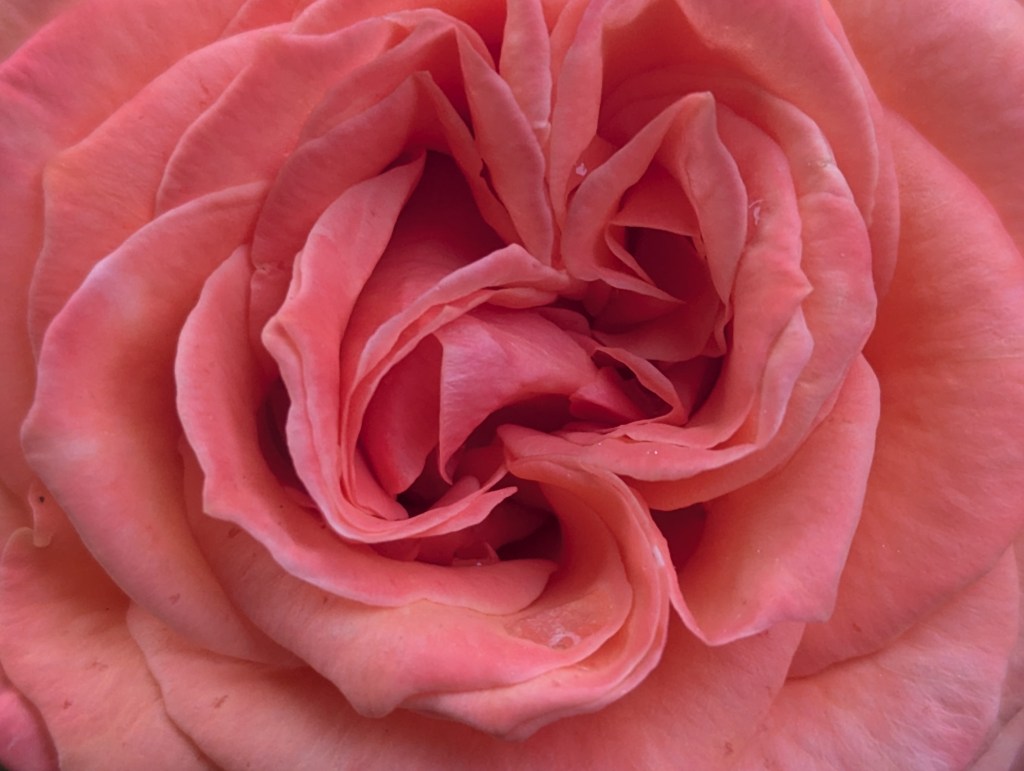
Rhododendron and rose hybrids violate nomenclature rules because of their breeding. It is too extensive for their species to be identifiable. For them, the abbreviation “spp.” may substitute for a species name. It is for “species pluralis”, which means “multiple species”. Although it is Latin, it is not italicized. Nor are their more important cultivar names after it.