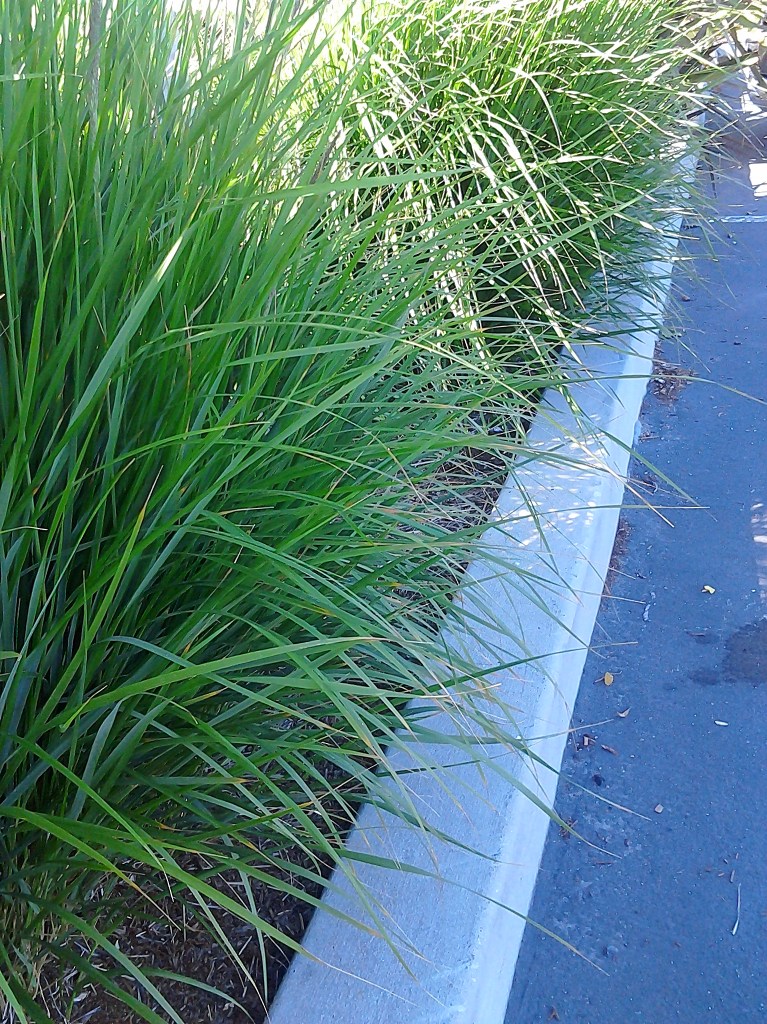
Shear Hedges Seasonably And Properly

Scheduling is important to hedging too.

There are rules to hedging. For example, hedges should be uniform and exclusive to just a single cultivar. A modern ‘Green Beauty’ boxwood will never conform within a hedge of more yellowish old fashioned boxwood. Hedges should also remain within confinement. It is important to shear them back from obtrusion into walkways and other usable spaces.

It is not as simple as it seems to be. That is why so few hedges get proper maintenance. Almost all occupy and therefore waste more space than they need. Most have wide tops that shade out narrower lower growth. Moreover, many plants that are not components of hedges all too commonly succumb to inappropriate shearing too. It is sheer shear abuse!

Even if done properly, only hedges and a few other plants are conducive to shearing and hedging. It is an aggressive procedure that compromises form, texture and bloom cycles of involved plants. For hedges, that is not a problem. They need not bloom, and adapt to a refined hedged form, which is more desirable than their natural shrubby form would be.

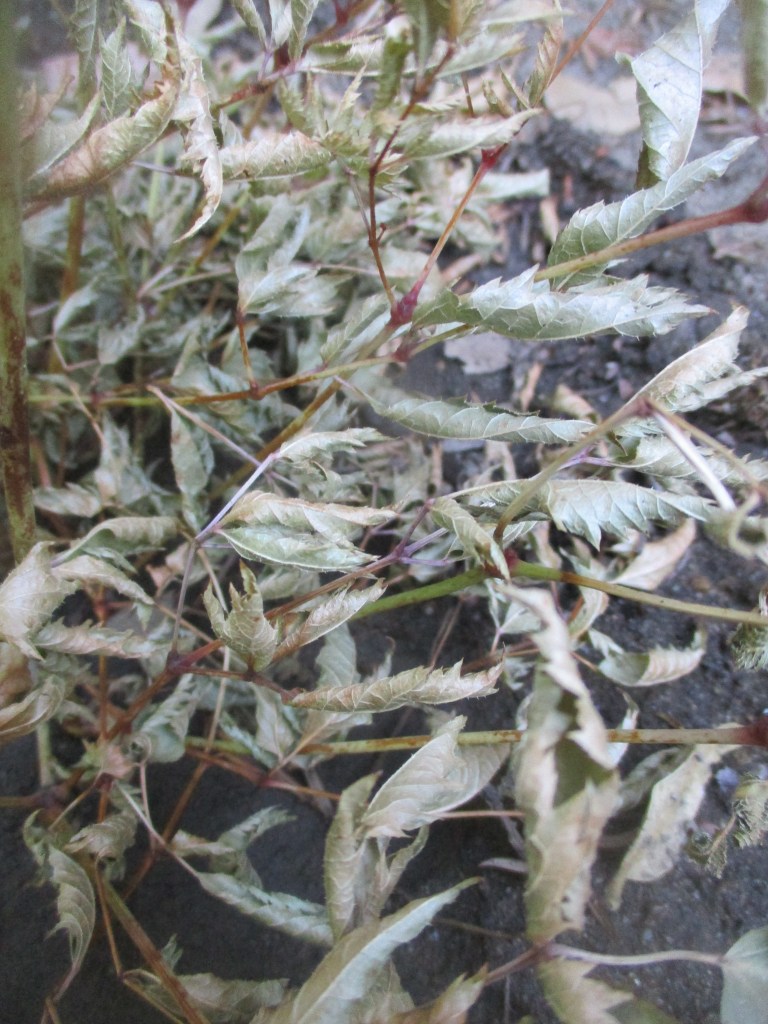
However, it is important to not unnecessarily shear plants that bloom, or provide intricate foliar texture or form. Shearing deprives rhododendron of young floral buds. It ruins foliar texture of Heavenly bamboo, and foliar form of Japanese maple. It is acceptable to shear boxwood only because it responds by generating such appealingly uniform foliar growth.

With proper scheduling, it is possible to shear only a few blooming plants without ruining all of their bloom. Aggressive shearing after the early bloom of oleander and bottlebrush leaves them with space to grow enough to bloom again during autumn. Without sufficient space to grow, they will require subsequent shearing, which will ruin subsequent bloom.

It is better to shear some of the simpler hedges, such as privet and boxwood, shortly after winter. They regenerate lush growth immediately afterward, and do not mind two or three annual shearings. The last shearing should be early enough to allow a bit of growth prior to autumn. Photinia generates appealingly bronzed new growth in response to shearing. Also, frequent shearing inhibits potentially undesirable bloom.

Can’t See The Forest For The Trees

Even small trees can become obtrusive.

Foliage is often employed to obscure views. Evergreen shrubbery or trees can provide privacy in the garden or for windows. It can just as easily hide unappealing buildings in the distance, or driveways where cars get parked. Unfortunately, too much foliage often obscures desirable views or interferes with lighting.

There are all sorts of reasons to control greenery that might otherwise get overgrown. Overgrown shrubbery and trees not only hides the architectural appeal of a home, but can also be a security risk by concealing windows and doors that burglars might break into, and by obscuring security lighting and street lights. Too much shade prevents lower plants from getting the sunlight they need.

The best way to limit overgrowth is by selecting plants that stay proportionate to their intended functions. For example, shrubbery below windows should naturally stay lower than the lower windowsills. Shade trees for areas where views should stay open should have high branch structure and relatively bare trunks. Well, most of know that this does not always happen.

The options are limited for greenery that wants to get larger than it should. Obviously, it can be pruned regularly; but this may be more work than it is worth, and can cause disfigurement Some plants can be pruned less frequently if pruned more severely, but will be bare and potentially unsightly for quite a bit of time. Overgrown plants can alternatively be removed and replaced with plants that are more proportionate to intended functions.

An option that is not often considered is an ‘updo’. Trees and large shrubbery that are obtrusive to views or lighting can be pruned up and over what they are being obtrusive to. For example, lower growth of large pittosporums that is covering low windows can be pruned away to expose bare inner trunks supporting higher growth. The lower trunks can be appealingly sculptural without being too concealing. This works nicely for large shrubbery like viburnum, bottlebrush, oleander, photinia and pineapple guava.

Street trees that interfere with street lights (or marquis on storefronts) may need to be updo pruned a few times for adequate clearance, but these procedures are much less work, are less disfiguring to the affected trees, and produce more appealing results than keeping trees down.

Nature Is Not Naturally Accommodating

Many trees naturally exhibit irregular form.

Gardening is quite unnatural. It involves unnatural cultivation of mostly unnaturally exotic (nonnative) species of plants. Irrigation delivers more water than seasonal rain provides. Fertilizers contribute more nutrients than endemic soils provide. Pesticides, if necessary, inhibit proliferation of pathogens. Nature simply could not accommodate such demands.

Not only is gardening unnatural, but it also interferes with established ecosystems. Many aggressively invasive plants were formerly desirable exotic plants that naturalized. Many pathogens arrived with exotic plants. Several naturalized plants have potential to distract native pollinators from native plants that rely on their pollination. It is an ecological mess.

Nonetheless, it works. Gardening within the constraints of nature would be unproductive. Most residents of California inhabit chaparral or desert climates that originally sustained limited vegetation. Such limited vegetation sustained a very limited indigenous populace within relatively vast areas. Modern residential parcels would be completely inadequate.

That is the justification for gardening, whether for sustenance, or merely to beautify home environments. Unnatural breeding continues to improve performance of many useful and appealing plants. Unnatural horticultural techniques generate more desirable vegetation within confinement of urban gardens than would naturally inhabit a few acres in the wild.

Nature remains relevant though. All plants originated within nature somewhere. Besides their basic requirements, exotic plants prefer environmental conditions that are similar to those of their natural origin. Some tropical plants crave more warmth and humidity. Some plants prefer more winter chill. Most popular exotic plants rely on supplemental irrigation.

Physical characteristics of many plants necessitate special accommodations also. Roots of plants that naturally compete in dense jungles are likely to damage pavement. Without adequate pruning, native plants that naturally exploit burn cycles can become perilously combustible. Many vines naturally try to overwhelm nearby vegetation and infrastructure.

Vines Have Unique Personalities

English ivy clings with aerial roots.

Boston ivy and creeping fig are good aggressive vines for freeway overpasses and sound-walls. They are resilient to harsh exposures and pollution, and help to muffle the sound of traffic. Boston ivy provides remarkable foliar color in autumn before defoliating in winter. Creeping fig provides thick evergreen foliage that overwhelms any graffiti that it can reach.

However, their aggressive behavior that is such an advantage on freeways is precisely why they are not so practical for home gardens. Boston ivy gets around so efficiently because it grabs onto surfaces with ‘holdfast disks’ (modified tendrils) that damage paint, stucco, wood and just about anything that is not built like a freeway. Creeping fig is at least as destructive with clinging aerial roots, as well as constrictive stems that can crush smaller plants, fences and anything else that it might grab hold of.

Most vines are aggressive in nature. They exploit trees for support, and then compete with them for space. Some are complaisant enough to mingle relatively peacefully with the trees that support them. Less honorable vines have no problem overwhelming the canopies of their supportive trees. Creeping fig and other related figs are known as ‘strangler figs’ because their constrictive roots and stems crush and kill the same trees that help them get above the forest canopy.

Such behavior needs to be considered when selecting vines for home gardens. Bulky and potentially constrictive wisteria vines that would tear lattice apart can be quite appealing on sturdy arbors or trellises. Lattice could instead be adorned with docile Carolina jessamine, lilac vine, mandevilla or even regularly pruned passion vine. Star jasmine and the various trumpet vines work nicely to obscure chain link fences. With regular selective pruning, pink jasmine, honeysuckle and potato vine work well on rail fences.

Climbing roses and bougainvillea do not climb on their own, but can be trained almost like vines. Some varieties stay small enough for low fences and trellises. Larger types are proportionate to larger fences and arbors.

Streets Might Benefit From Shade

Proportion is important for street trees.

Shade has become less of a priority for modern urban gardens than it still is for older and more spacious suburban gardens. Significantly less sunlight reaches the ground of such confined gardens among taller and shadier homes and fences. Even where shade might be desirable, space for shade trees might be minimal. Streets are the primary exception.

Streets, and associated curbs and sidewalks, are generally the sunniest situations within modern urban neighborhoods. They collect and radiate ambient heat that warms nearby homes and gardens, even if the weather is already unpleasantly warm. Cars that park on pavement without shade are vulnerable to the most heat, which accelerates weathering.

It is an unfortunate waste. Sunshine that is useless and undesirable on streets would be useful within gardens. Although sunlight is not transferable from one situation to another, it might be partially abatable with shade. Streets are certainly no place for gardening; but the space above them may have potential to accommodate the canopies of shade trees.

Street trees are simply trees that flank streets and other roadways. Most are shady. A few are merely visually appealing. They may inhabit parkstrips, treewells or gardens that are adjacent to sidewalks. Many municipalities prescribe street trees for most of their streets. Conforming street trees are standard accessories for streets within new residential tracts.

Of course, street trees must be appropriate to their particular applications. They must get tall enough for clearance above the largest of vehicles that use the roadways below. For commercial districts, some must also stay above storefront signs. Contrarily, a few street trees must stay below aerial utilities. Street lamps, high or low, require clearance as well.

Size and form are not the only considerations. Roots of street trees must be complaisant with infrastructure. Mess should be as minimal as practical. The most complaisant street trees might stay too small to attain adequate clearance or provide much shade. The most visually appealing might be too messy. Selection of appropriate street trees necessitates significant research regarding every potential option.

Watering Water Wise Plants

Excessive watering rots drought tolerant yarrow.

Native plants like coast live oak, valley oak, toyon, flannel bush, Western redbud and California lilac (ceanothus) are among the most resilient of plants as the weather gets dry and warm after spring. So are plants from similar climates, like bottlebrush, oleander, rockrose, grevillea, acacia and eucalyptus. They survive dry summers by dispersing their roots deeply into soil that does not get as desiccated as surface soil naturally does (without irrigation).

Ironically, these most resilient plants can also be difficult to work with while they are young. Because they rely on extensive root dispersion for survival, new plants that have not yet dispersed their roots can not survive long without regular watering. They only become tolerant to drought as their roots disperse into deeper soil.

However, because they are adapted to arid conditions, they do not like to be too damp for too long. Roots soon rot in soil that does not drain adequately between watering. They therefore need to be watered frequently, but not too frequently. Yes, that is as confusing as it sounds.

To make it even more confusing, these plants will need less watering as they mature and disperse their roots. Bottlebrush, oleander, contoneaster, hop bush, firethorn, grevillea and juniper can certainly tolerate more water than they really need; but wasting water is contrary to selecting drought tolerant plants to conserve water. Manzanita, coyote brush, rockrose, flannel bush and redbud may actually succumb to rot if watered too much. Even perennials like Pacific coast iris and yarrow can have problems.

Pine, oak, acacia and especially eucalyptus disperse their roots as soon as they can, so do not want to be confined in containers. It is therefore best to plant smaller young specimens than larger ones. #5 (5 gallon) eucalypti get established in the garden more efficiently than larger but more expensive #15 (15 gallon) trees. If #1 trees were available, they would be even better.

Evergreen Foliage Has Distinct Advantages

Evergreen foliage is shady all year.

Gardening was easier before suburban lifestyles became so passe. Now, larger modern urban homes occupy smaller urban parcels. Modern fences are taller to enhance privacy for such densely situated homes. Garden space is both minimal and shaded by so much infrastructure. Ironically, shady evergreen foliage is now more practical for such gardens.

Deciduous trees are still practical for single story suburban homes on suburban parcels. They provide cooling shade for summer, and allow warming sunshine through for winter. Smaller evergreen trees and shrubs closer to fences obscure unwanted scenery beyond, without shading homes during winter. Such strategy is facilitated by sufficiency of space.

It is not so practical for confined and modern urban gardens though. Space is insufficient for big deciduous shade trees. Smaller trees can not get tall enough to shade roofs of tall modern homes. Insulation of modern homes is fortunately so efficient that summer shade and winter sunshine are not as advantageous as they still are for older suburban homes.

Therefore, most trees in modern home gardens primarily obscure unwanted scenery and provide privacy, rather than merely provide shade. Not only should they be proportionate to their gardens, but such trees should also retain evergreen foliage as low as the tops of associated fences. Some of the more practical options are actually evergreen shrubbery.

Large evergreen trees, such as Southern magnolia, California pepper, camphor, various palms and some eucalypti, are too big for some confined modern home gardens. English laurel, New Zealand tea tree, hopseed bush, various arborvitae, and particularly various pittosporum function as small evergreen trees that are proportionate to confined gardens.

As practical as evergreen foliage is for modern urban home gardens, it requires as much maintenance as other forms of vegetation. Contrary to common belief, evergreen foliage sheds. It is just sneaky about doing so slowly throughout the year. Additional foliage also innately adds shade to already shady situations, which can complicate other gardening. To become compact evergreen trees, shrubbery requires directional pruning.

A Few Favorite Cut Flowers

Try unconventional cut flowers if you can.

Flowers add such variety of color and fragrance to the garden that it is no wonder that they are so popularly cut and brought from the garden into the home. Even though larger quantities of flowers can be purchased from markets or florists without depleting those blooming in the garden, growing our own can be so much more rewarding. We may not be able to grow all the varieties of flowers that commercial growers can grow in greenhouses or other climates, but we can grow many other varieties of flowers that commercial flower growers do not provide.

Many flowers can be grown specifically for cutting, like vegetables are grown to be harvested. Some, like cosmos and daisies, can be grown in such abundance in mass plantings that it is easy to cut a few without anyone missing them. Other flowers, like roses and New Zealand tea tree, are merely by-products of plants that also function as shrubs, vines, trees and even ground covers.

Peruvian lilies are some of the best cut flowers, not only because they last so long after getting cut, but also because they bloom so much through such a long season that there are usually enough flowers for the garden as well as the home. The taller and unfortunately rare types grown by commercial flower growers are better for cutting than the more common ‘garden varieties’ are.

Callas are likewise among the better prolific cut flowers, but only bloom white. The colored types are neither as prolific nor as reliable. Believe it or not, lily-of-the-Nile makes good cut flowers when they bloom white or blue in the middle of summer. They are just awkward because their blooms are so round.

Gladioli are good either as cut flowers or for color in the garden, but unless they are planted in large quantities, they are not prolific enough for both. Like vegetables, they can be planted in phases (in season) to prolong the bloom season. Unfortunately, they need to be planted annually because they do not often naturalize. Those that do naturalize will synchronize their bloom season after the first season.

Several types of iris bloom more generously, and some are happy to naturalize, but only a few types are good cut flowers like Dutch iris are. Some bearded iris wilt within hours of getting cut.

Vines Are Aggressive Social Climbers

English ivy can cling to anything.

Regardless of how appealing many of them are in home gardens and landscapes, vines are flagrantly exploitative. They rely on shrubbery, trees or anything they can climb on for support. As they reach the tops of their supports, they extend their foliar canopies above. Vines have no reservations about overwhelming and maybe killing their own supporters. 

Vines climb with clinging roots, twining stems, tendrils, twining leaves, or even thorns or spines. Some vines are annuals or perennials. The most aggressive or destructive sorts are woody plants. Some creep along the ground while young, and then climb when they find support. Some mature to support their own weight as they lose their original support. 

English ivy and Algerian ivy, in their juvenile forms, can be practical ground cover plants. However, when they encounter shrubbery, trees or buildings, they become clinging vines that can overwhelm their supports, and ruin infrastructure. As they mature, clinging vines evolve into shrubbier and obtrusively bulky adult growth that blooms and produces seed. 

Boston ivy, which incidentally is not actually ivy, is more practical as a clinging vine than the other ivies. It does not grow as ground cover anyway. Nor does it develop bulky adult growth. However, it also has limitations. Because it attaches to its supports with clinging tendrils, it is only practical for surfaces that it can not wreck, such as reinforced concrete.

Bougainvillea is a delightful and shrubby vine. It neither clings to surfaces nor grips onto support by twining. It simply generates long and vigorous canes that eventually lie down onto its surroundings. Long thorns help to anchor these canes in place. Canes should be satisfied with trellises, but sometimes mingle with shrubbery or trees, or spill over fences. 

Carolina jessamine, lilac vine and mandevilla climb with twining stems, but are relatively docile. Star jasmine, which performs well both as a ground cover plant and as a climbing vine, can crush flimsy lattice with its twining vines. Wisteria might crush substantial trellis beams. Passion flower climbs with wiry tendrils, but can be overwhelmingly voluminous. 

Gardening Up A Wall

These succulent tapestries exemplify artistic vertical gardening.

Like so many fads often do, the vertical gardening fad has become trendier than it really should be. It certainly has practical applications, and is very appealing in the right situations. However, in the wrong situations, it can be more problematic than it is worth.

Vertical gardens can shade and insulate exposed walls, but really do little more than strategically placed shade trees, large shrubbery or even trellised vines can do in that regard. The disadvantage of vertical gardening is that it can hold moisture against the affected walls, and can promote rot if the planters are not installed properly. Planters over windows or decks drip just like any other planters do, staining or dirtying whatever is below. Only free standing vertical gardens (that are not attached to a wall) or those on concrete walls that are not susceptible to rot will not cause such problems.

Water borne pathogens (diseases that disperse in water) can proliferate more in vertical gardens because they get carried with the natural flow of water from top to bottom. Wherever any such disease gets established on a vertical garden, it will likely get carried to everything below. In the ground, such diseases spread slower since they only travel as far as water flows or gets splashed.

The obvious advantage to vertical gardening is that it makes it possible to grow many more plants in very limited space, which is excellent if there is no open ground for vegetable gardening. It can also be a great way to display plants like orchids and certain bromeliads that are more appealing if they hang from above. Staghorn ferns cling to walls naturally.

Another advantage is that vertical gardening can be so aesthetically appealing and unique. Vertical gardens of small, densely foliated succulents hung like tapestries to adorn exterior walls are so much more interesting than simple vines or shrubbery used to obscure such walls. Northern exposures that are too dark for most plants can be adorned with ferns.