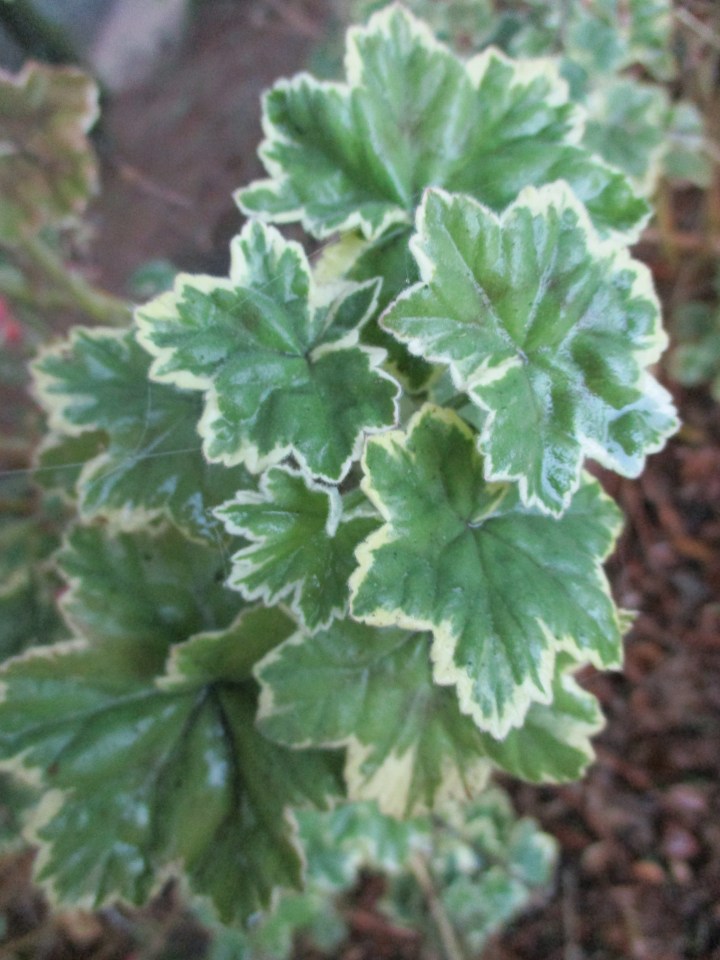
 Dilemmas are common in gardening. Should summer vegetables that are still producing be removed so that winter vegetables can get started on time? What about replacing summer annuals that are still blooming with winter annuals, and then replacing winter annuals with summer annuals half a year later? Should tender perennials be regarded as annuals, or get a second chance?
Right now, some perennials are looking tired. Many will be going dormant for winter. Many do not get much down time, and will start to develop new growth faster than old growth deteriorates. Not many make their intentions obvious. Deciding how to work with them can be confusing at times. It might take a few years and a few mistakes to get familiar with the habits and lifestyles of some.
If cut back too early, hardy zonal geraniums will not regenerate much until the weather gets warmer at the end of winter. In the interim, they are more likely to be killed by frost without the protection provided by old growth However, some varieties start to grow in winter. If not cut back soon enough, new growth mingles with old, so that they are difficult to separate when they do get cut back.
It is best to observe what hardy geraniums are up to before deciding on when to prune. If they start to develop vigorous new growth down near the ground, the old growth should probably be cut down as far as the new growth. It is likely better to take a chance that they might be damaged by frost. Those that do not start to grow right away can enjoy the insulation of old foliage for a while.
Thoroughly deciduous perennials, like deciduous daylilies, dahlias and some ferns, can be groomed of their deteriorated old growth without risk that they will start to regenerate new growth prematurely. However, cutting back some specie of salvia might actually stimulate development of exposed and frost sensitive new growth. Perennials that get damaged by frost later In winter should not be groomed of damaged growth right away. The damaged material provides a bit of insulation for lower growth, particularly if new growth was stimulated by the damage.
 This really is the best climate for gardening. Even though summers are mild, there are not many plants that want for more warmth. Even though winters are mild, it gets just cool enough for many plants that require winter chilling. Yet, there are a few plants, particularly plants from tropical climates, that can be damaged by frost. The best way to protect such plants from frost is to not grow them.
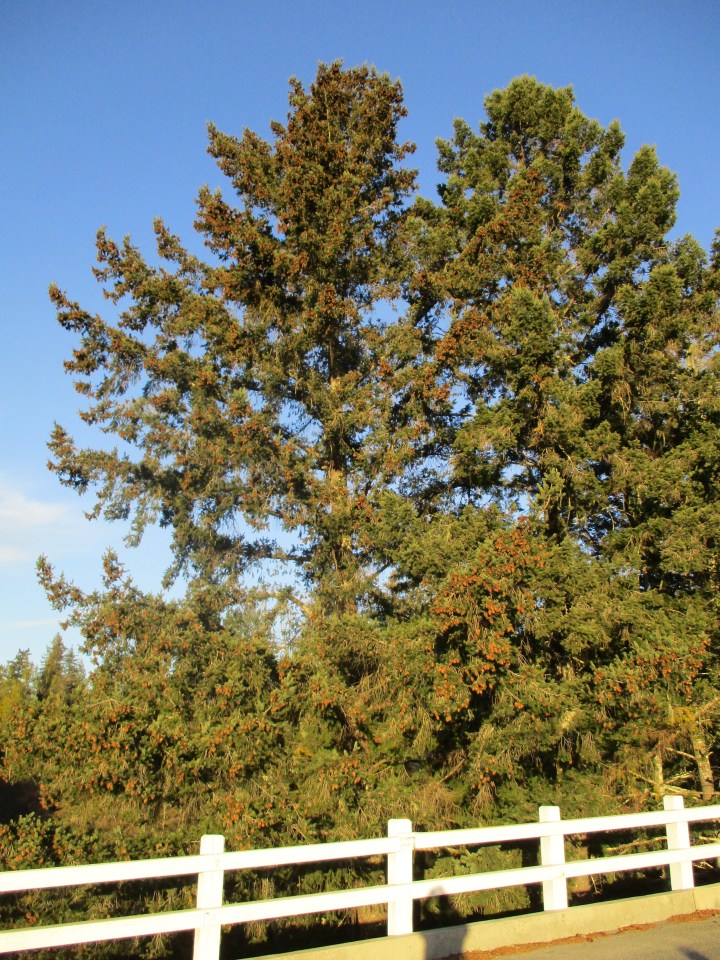 The first storm of the year has a way of reminding us if our trees need attention. Whether then need to be worked on this year or not, we tend to notice how they blow in the wind, or if they are full of dead and deteriorating debris that falls into the garden or onto the roof. As deciduous trees defoliate, they are less likely to be damaged by wind, but their structural deficiencies become visible.
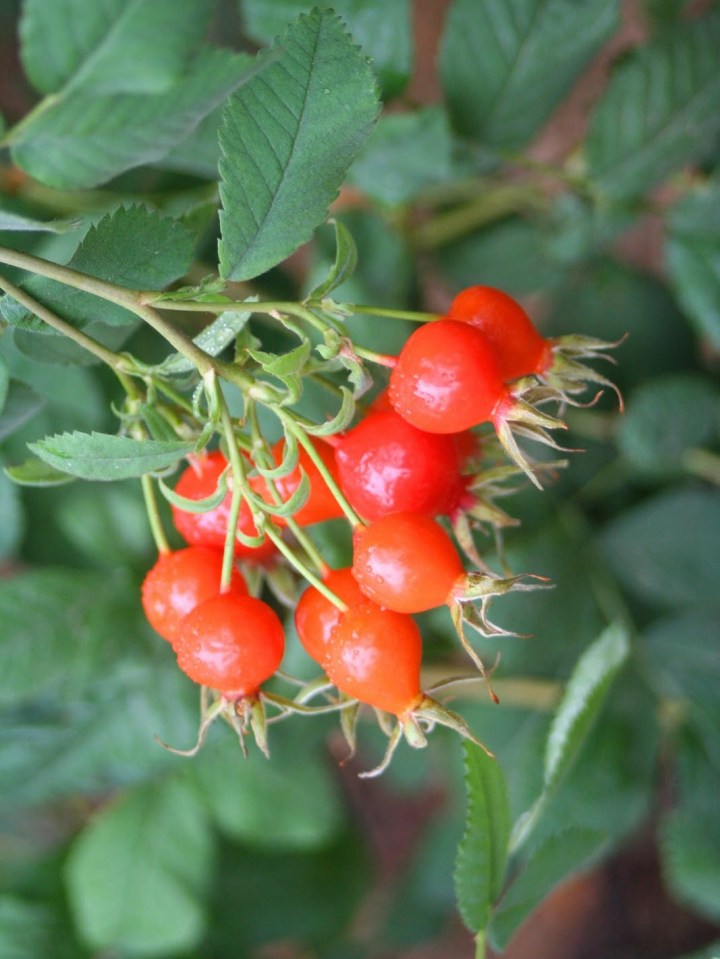 Just as many flowers attract pollinators with color, some types of fruit employ color to get the attention of birds and other animals. Just as many flowers reward their pollinators with nectar, fruit is its own reward to the animals that eat it. The only catch is that those who want the fruit must disperse the seed within. For both the hungry animals and the fruiting plants that lack mobility, it is a rather equitable arrangement.
 Autumn is for more than planting. It is when most of the aggressive pruning gets stared. It might be the best time to work with compost and conditioning the soil. Bulbs get planted. Gutters get cleaned. Leaves get raked. Perennials get groomed. We might think of it as a time of slowing down after such a busy summer, but in many gardens, autumn is just as busy with seasonal chores.
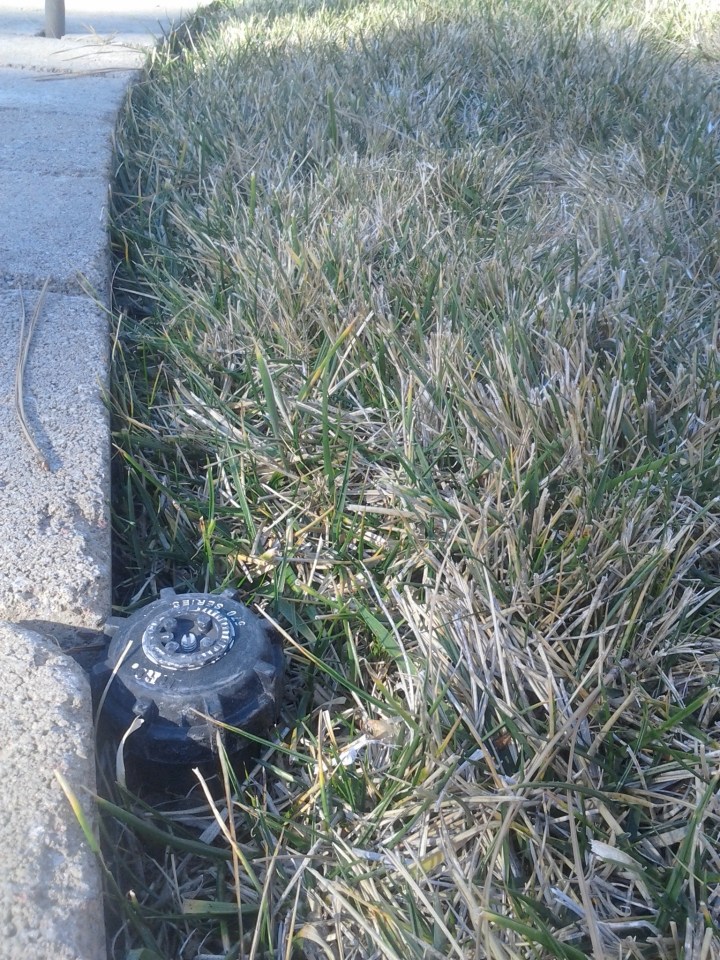 For those who do not remember ancient history, this wet stuff that fell from the sky recently is known as “rain”. It used to be more common, particularly through winter. It has an unfortunate way of getting everything exposed to it quite wet. It makes soil muddy. Yet, rain has many attributes. It is composed of water, so provides much of what irrigation systems have provided for so long in the absence of rain.
 As zinnias, petunias, cosmos and other warm season annuals fade in the cooling weather, we might add a few chrysanthemums or marigolds for color through autumn, or we might go straight for pansies, violas or other cool season annuals that will provide color through winter. In the locally mild climate, there is always potential for some sort of colorful bloom. Mild weather has advantages.
 Mild winter weather on the West Coast limits the choices for autumn color. So many of the trees, shrubs, vines and perennials that get so colorful where autumn weather is cooler do not get so colorful here. Mild weather also allows so many more evergreen plants and plants that do not get colorful in autumn to thrive here than in harsher climates. Consequently, the tougher and more colorful plants are not so common.
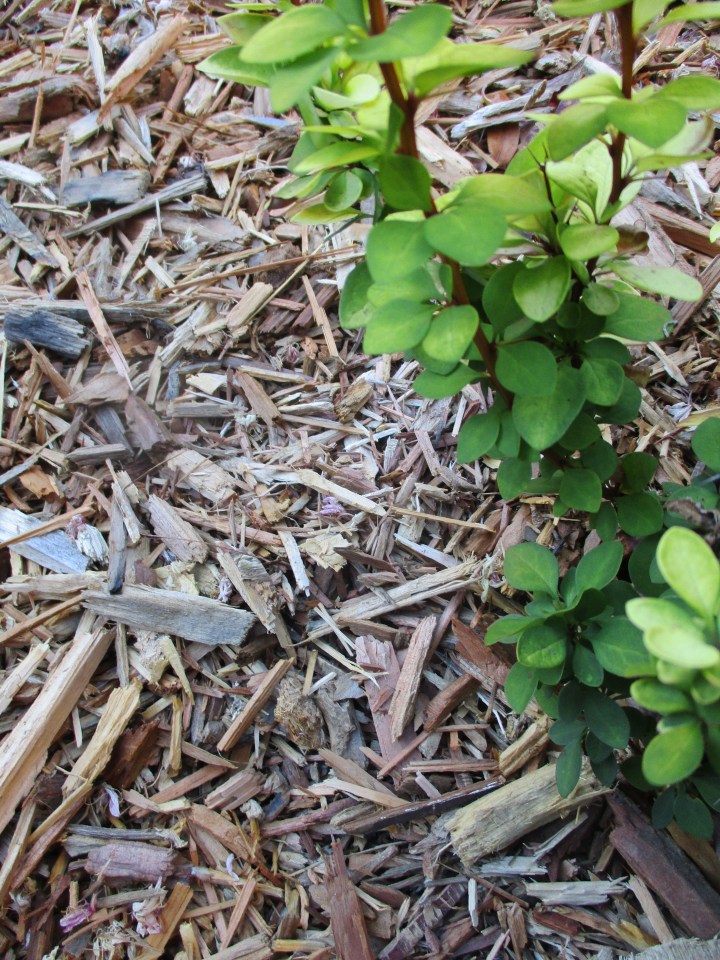 It is silly for us to think that we know more about gardening that the plants who live out in the garden full time. We can help them along by giving them a bit more of what they need to survive, such as water and fertilizer. We can prune them to help them concentrate their resources into bloom and fruit production. Through it all though, we really need to be observant of what they do naturally.
 In the wild, trees do just fine without any help from anyone else. They certainly are not stupid. Their roots disperse for adequate stability. Their trunks grow upward as limbs spread outward for adequate structural integrity. Trees only need help in landscape situations because they are expected to perform so unnaturally. From the very beginning, their trunks are bound and their roots are confined.
