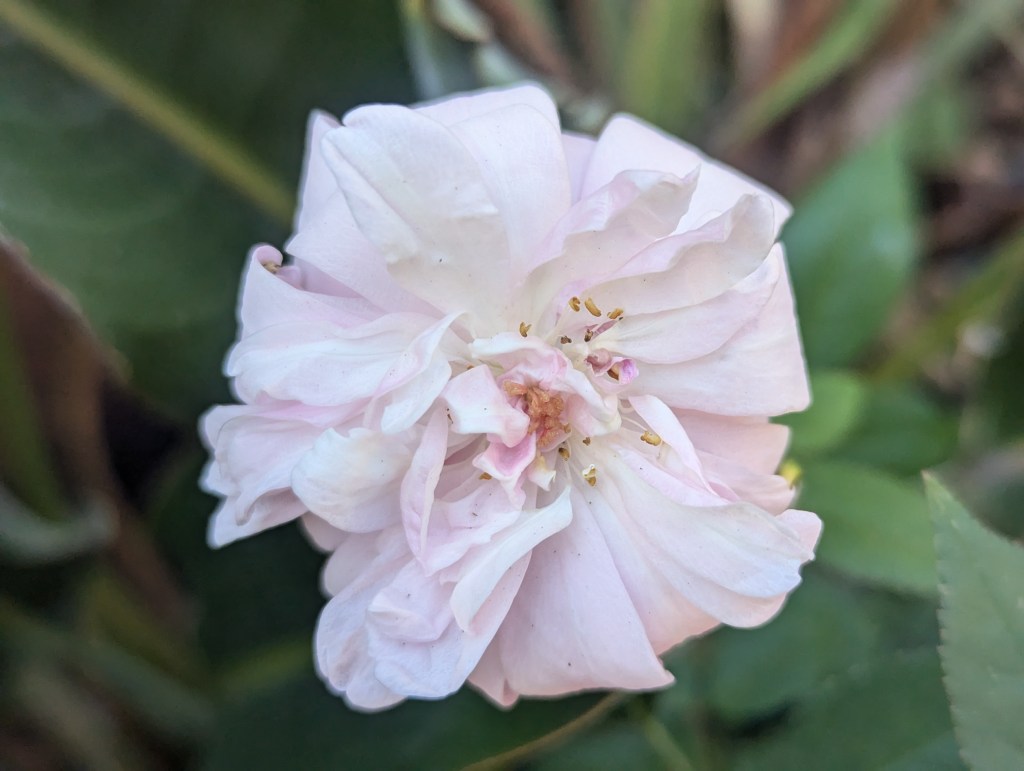
Sunday Best – Pale Pink Miniature Rose
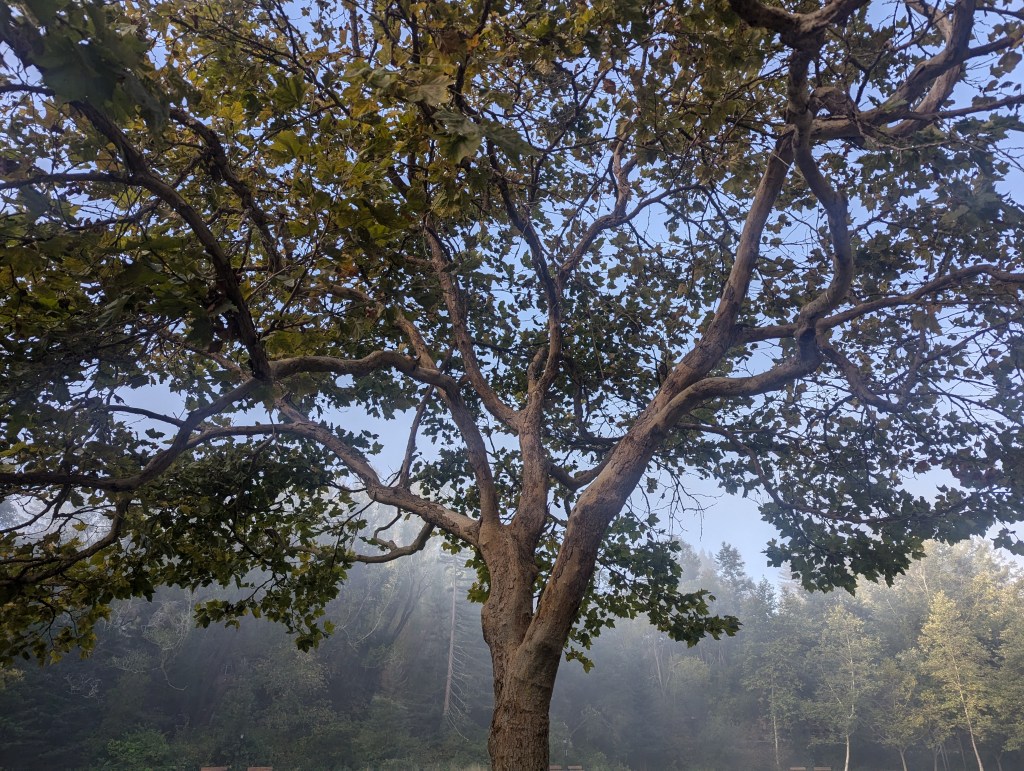
Autumn foliar color is scarce here, not because the weather is too mild, but because it is not such a priority within landscape design. A few species can develop such color as they do where autumn weather is cooler. Of course, some do not. Native California sycamore is a stately deciduous tree with striking form while bare through winter, but contributes minimal color.
1. Cornus florida, flowering dogwood is just beginning to exhibit foliar color for autumn. It performs surprisingly well in the Santa Cruz Mountains above the Santa Clara Valley.
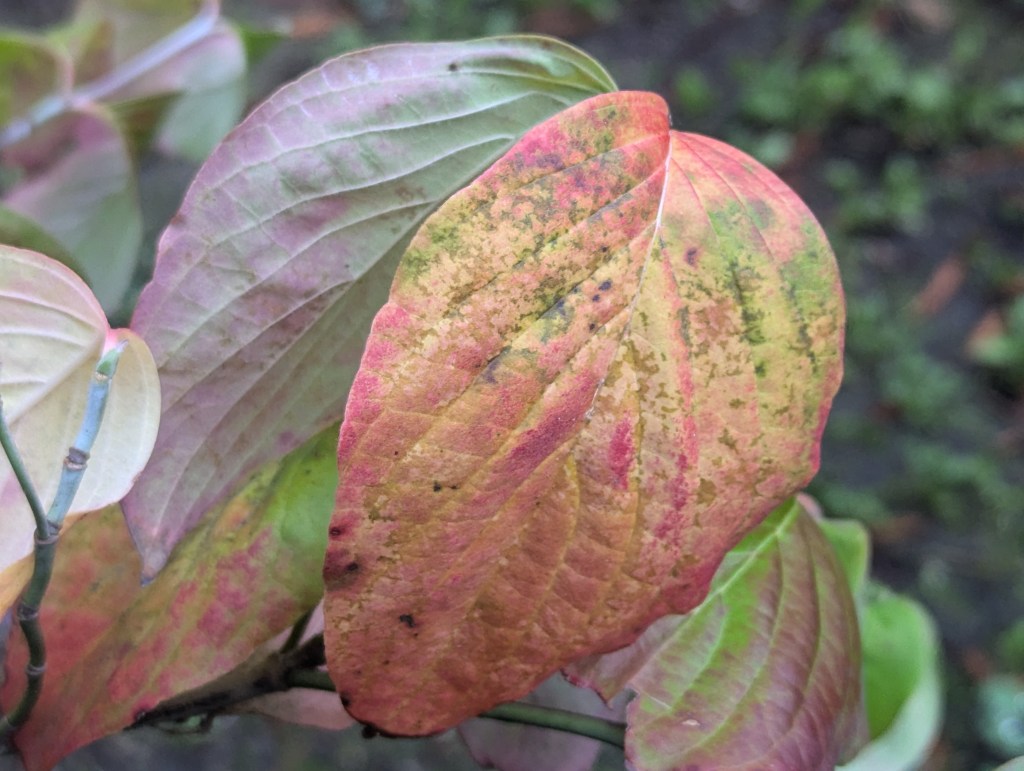
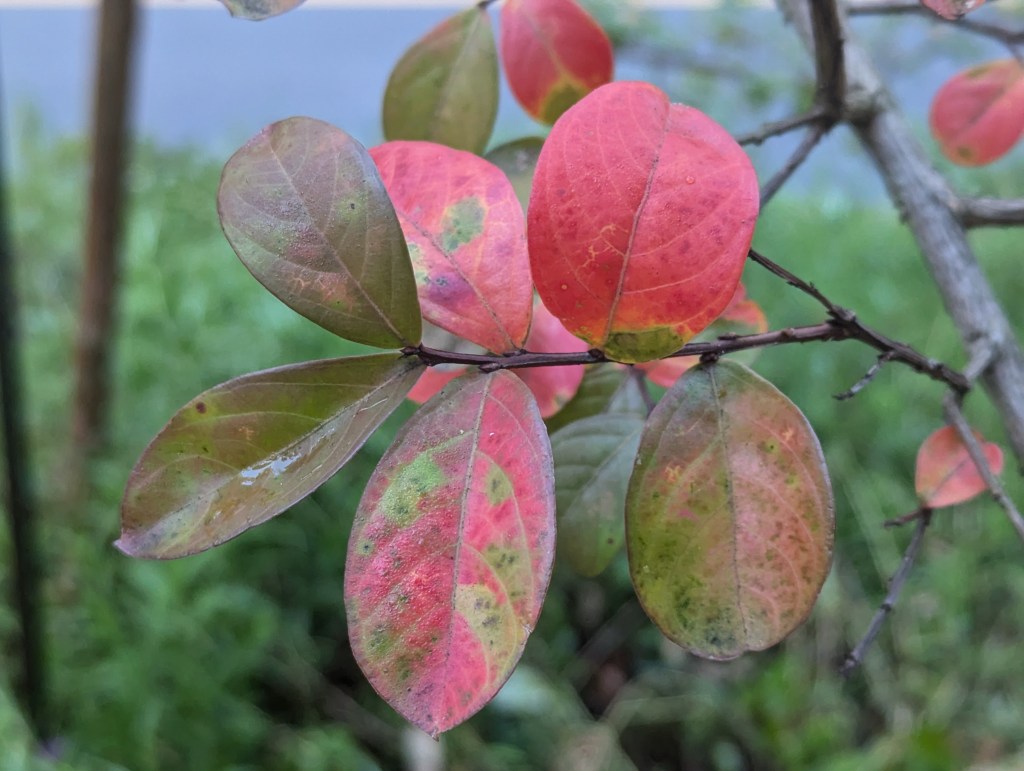
2. Lagerstroemia indica, crape myrtle is also starting to exhibit foliar color for autumn. It may do so before the weather gets cool, as if it somehow knows what time of year it is.
3. Platanus racemosa, California sycamore does not know or care what time of year it is. It is more likely to yellow in response to hot and dry summer weather than to do so now.
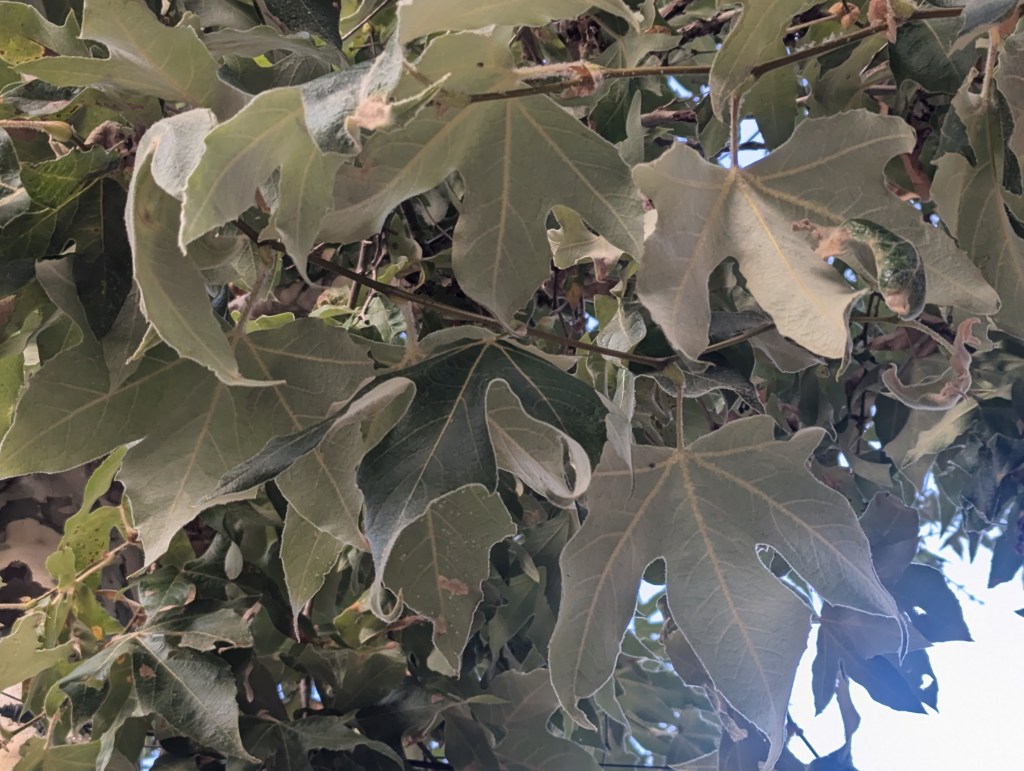
4. Platanus X acerifolia, London plane tree is the sycamore with maple foliage. It is just beginning to yellow, but ultimately, does not do much more than that before defoliation.
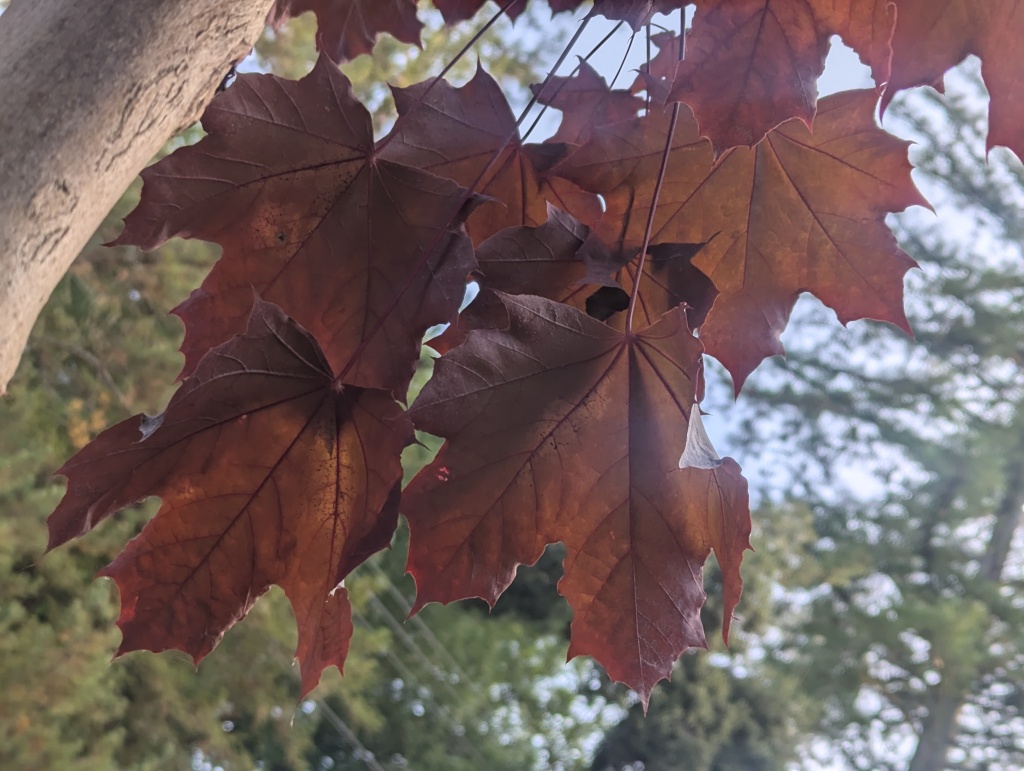
5. Acer platanoides, Norway maple is the maple with sycamore foliage. This cultivar has bronze foliage through summer, so develops its yellow foliar color for autumn quite late.
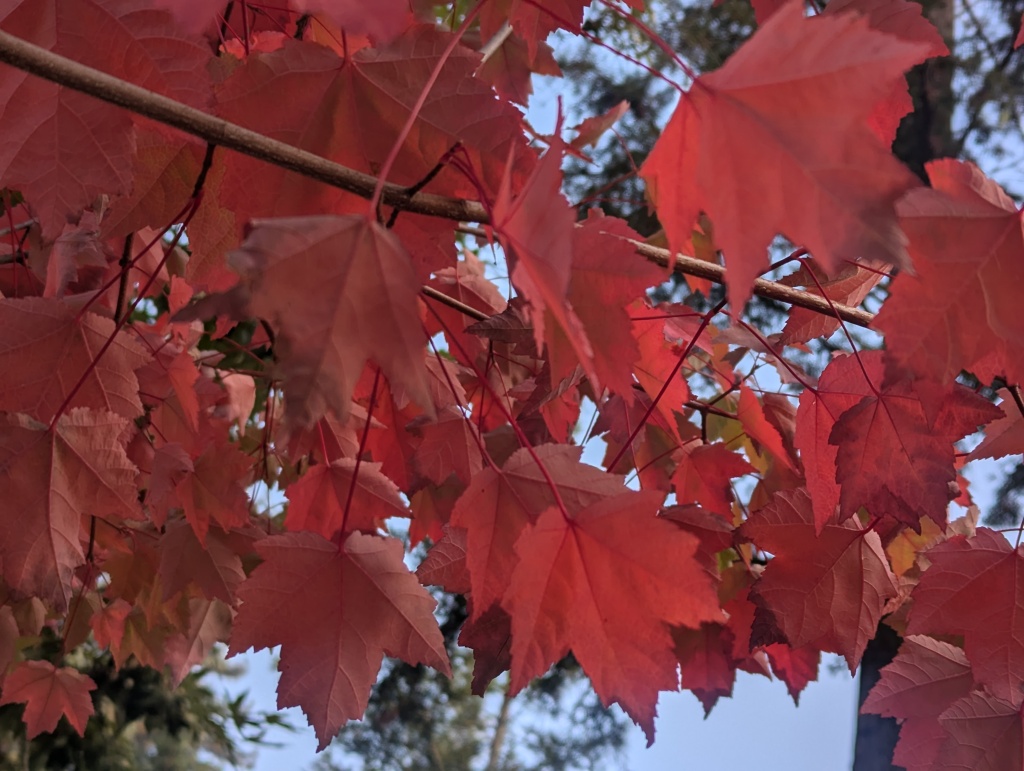
6. Acer rubrum, red maple, like crape myrtle, can develop foliar color for autumn before cool weather, as if it knows what time of year this is. It defoliates relatively early though.
This is the link for Six on Saturday, for anyone else who would like to participate: https://thepropagatorblog.wordpress.com/2017/09/18/six-on-saturday-a-participant-guide/
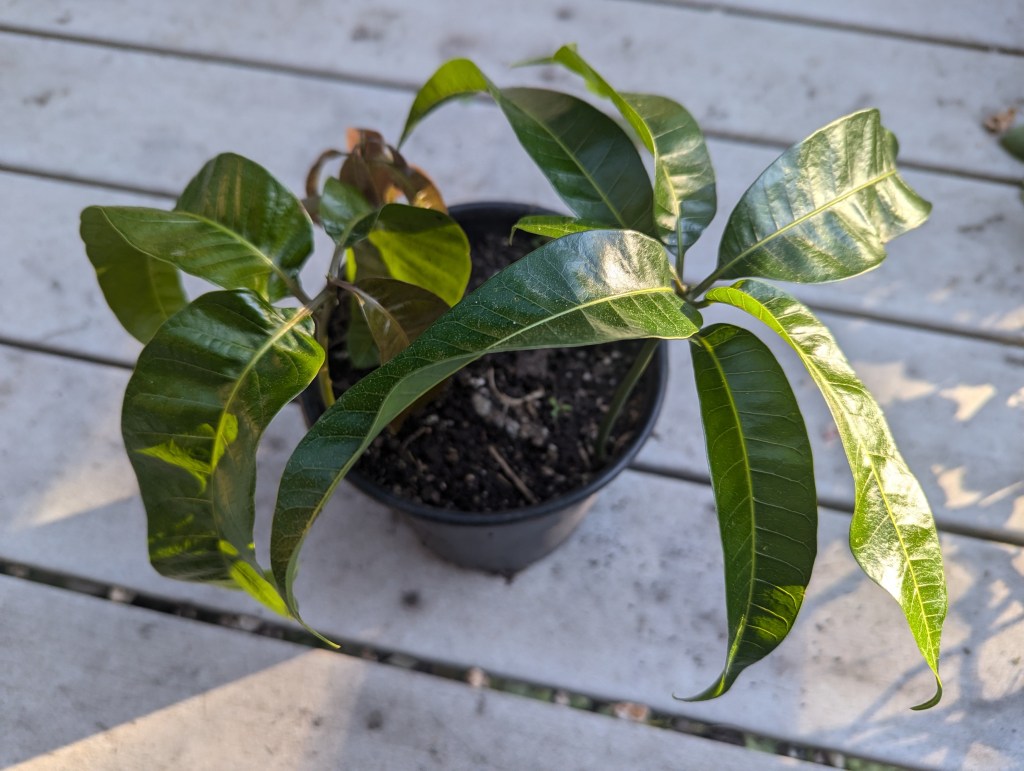
There are a few reasons to not grow avocado trees from seed. Such trees take a few years to produce fruit. Then, their fruit may be very different from the fruit that provided the seed. It is therefore better to purchase a grafted tree, or at least to graft a seedling. However, some of the best and most productive avocado trees have grown from seed. I have been acquainted with many such trees, and have never met even one that produced inferior fruit. (The primary problem that I notice with seed grown avocado trees is that they grow so tall while young that most of their fruit is out of reach, but that is another topic for later.) Anyway, this is my justification for growing mango trees from seed. I am told that they are much more likely than seed grown avocado trees to produce inferior fruit. I suppose that I will find out now. I am willing to try grafting them if their fruit is not good. They can at least become good understock. Yet, I am also wondering why I get into these situations. I should have known better than to grow something that I know nothing about.

Although the weather is predicted to be more typical, it was prematurely autumnish last week. It is a reminder that it really is time for Autumny and wintry flowers to come into season while summery flowers go out of season. This “Six on Saturday” is about some of such coming and going. (To comply with guideline #7 of the participant guide for Six on Saturday, I am limiting verbiage.)
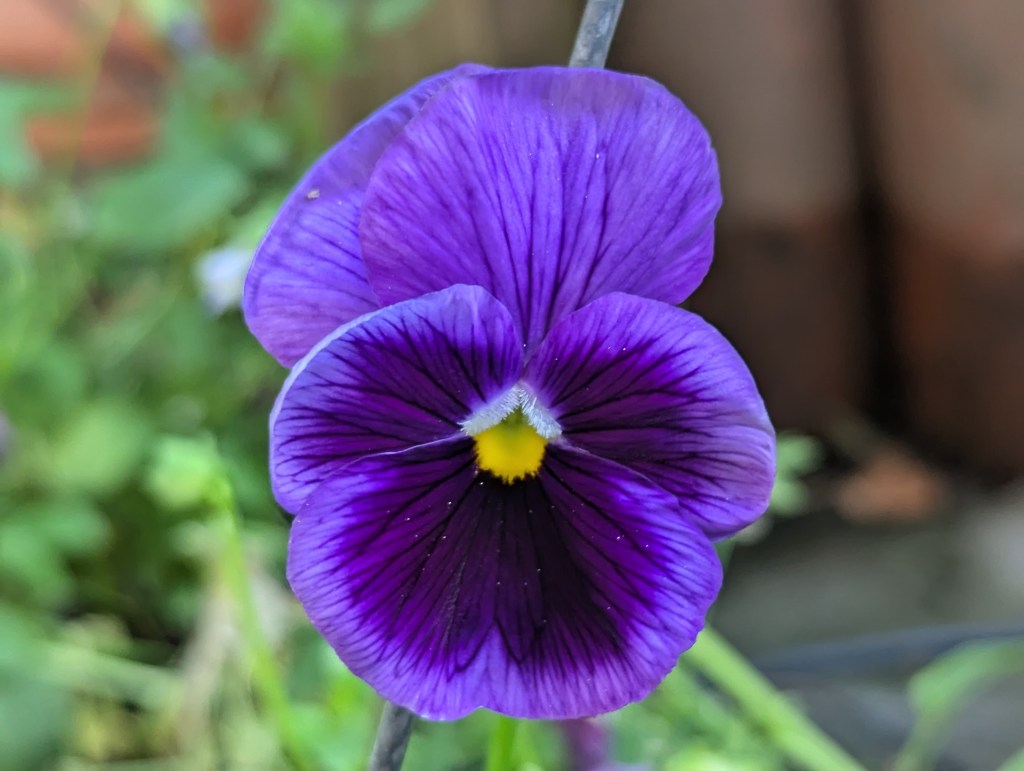
1. Viola wittrockiana, pansy is traditional for winter floral color. It replaces petunia, and should last until petunia becomes seasonable again next spring. It is coming into season.
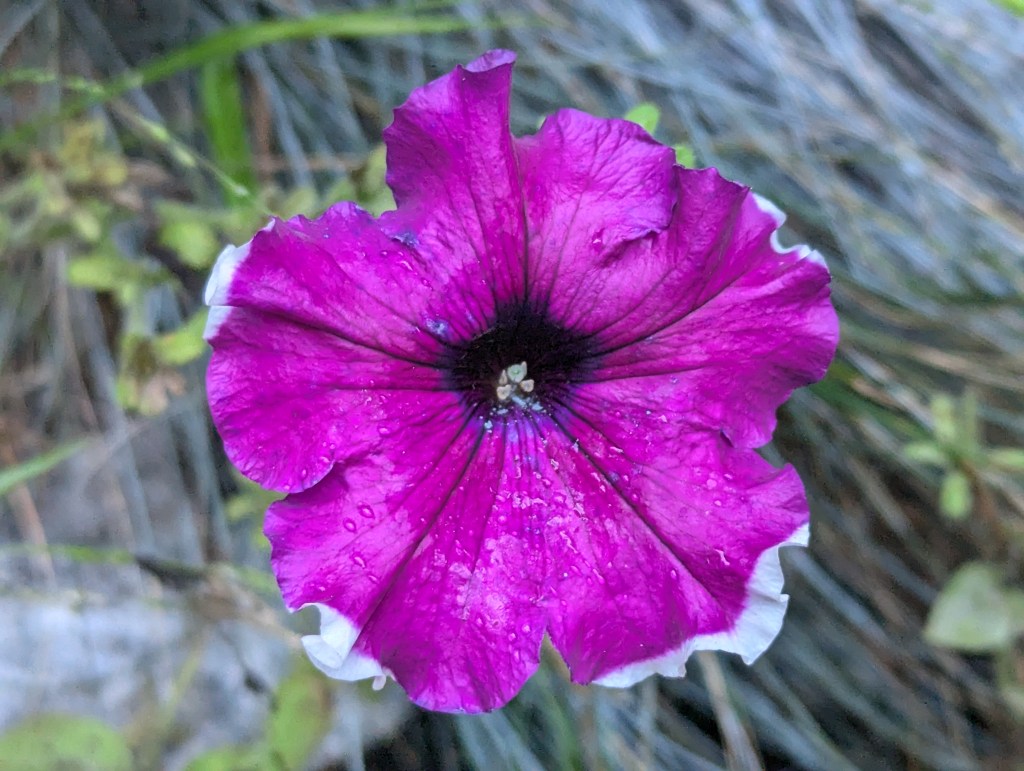
2. Petunia X hybrida, petunia is traditional for summer floral color. It replaced pansy as pansy finished its season last spring. It is going out of season now. Do you see a pattern?
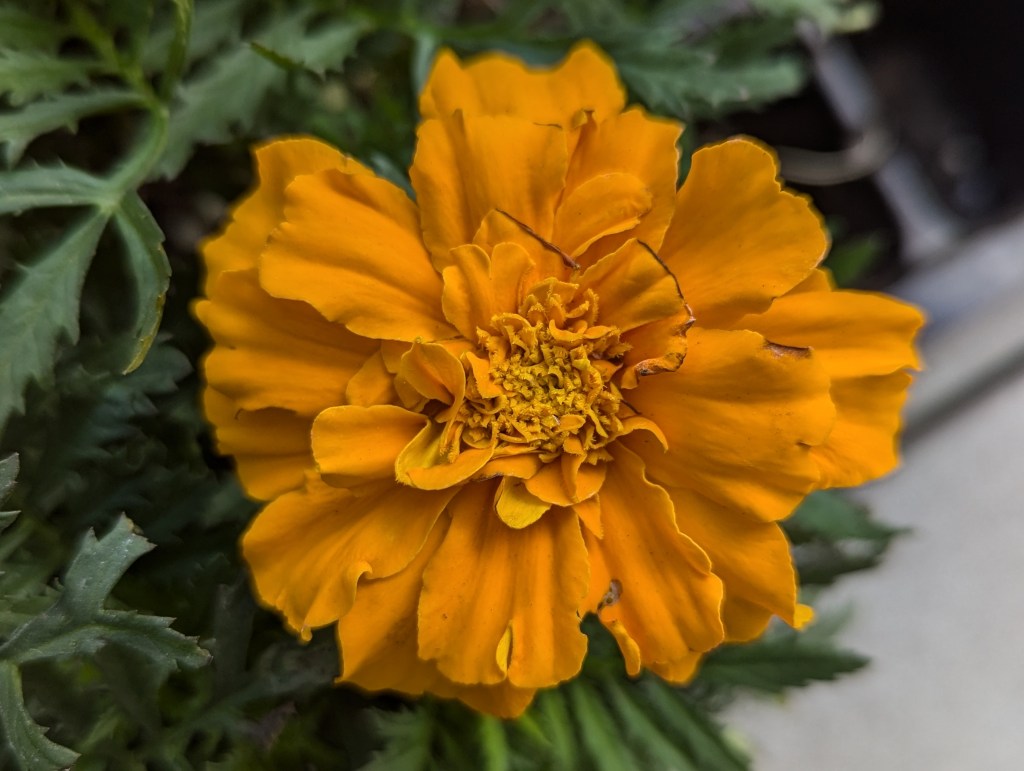
3. Tagetes patula, marigold is traditional for autumn floral color. It was just installed as a narrow border for a small rose garden. For there, it is one of the more reliable annuals.
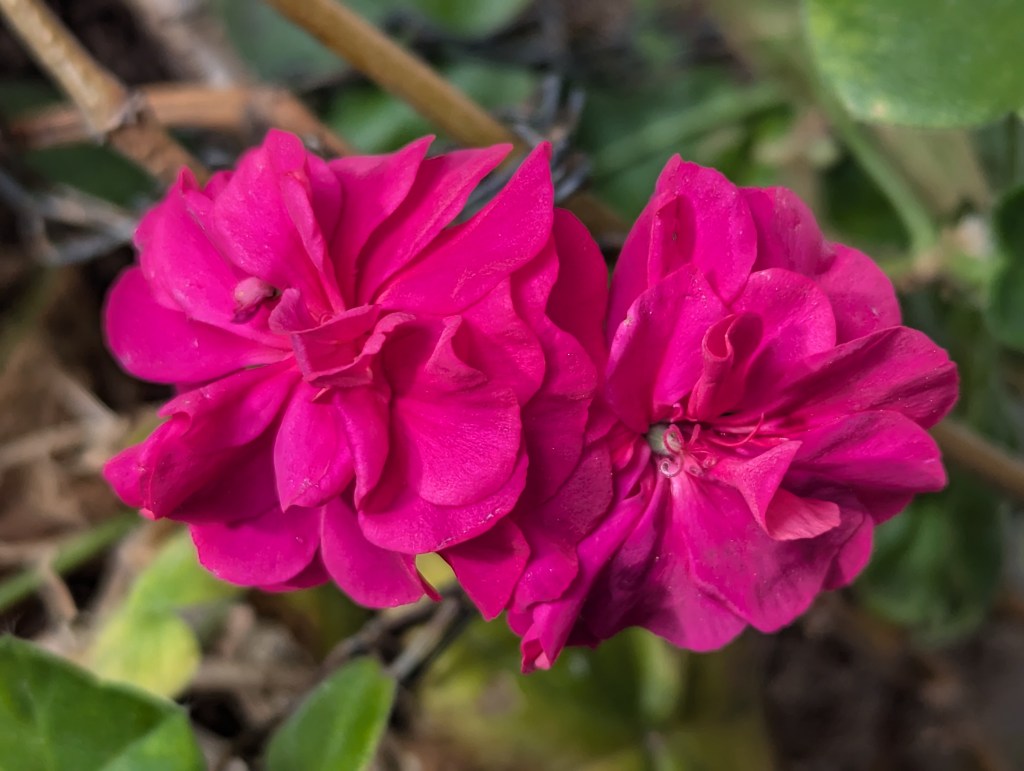
4. Pelargonium peltatum, ivy geranium, in eight or so baskets, hung from the eaves of a prominent building at work, but never flourished. They will be recycled somewhere else.
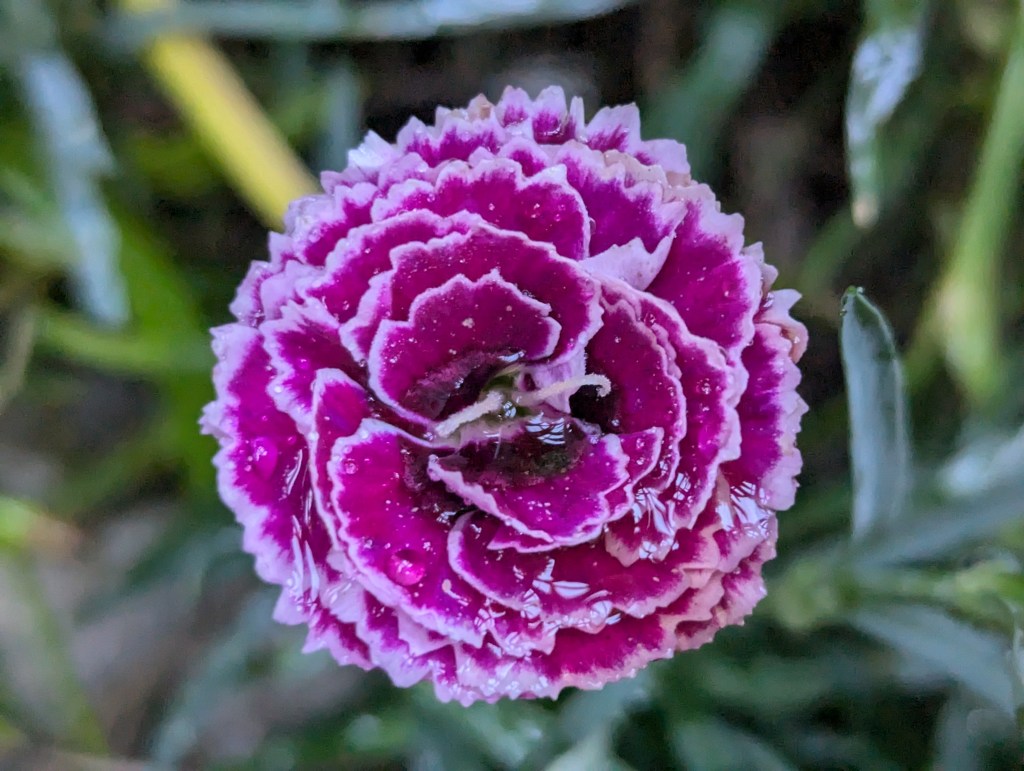
5. Dianthus caryophyllus, carnation does not do much through summer, but now begins to bloom as nights become cooler. I forget that it is here. I also forget how delightful it is.
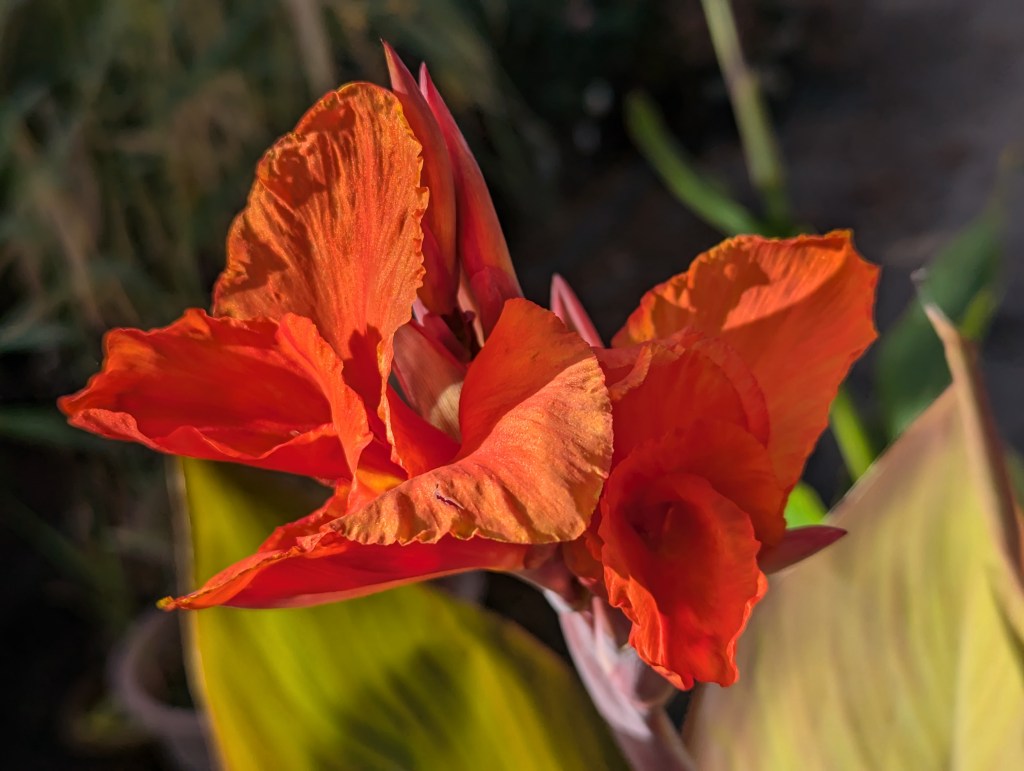
6. Canna, canna blooms a bit less enthusiastically as the weather begins to cool, but can technically bloom until it gets frosted. If it does not get frosted, it can bloom continually.
This is the link for Six on Saturday, for anyone else who would like to participate: https://thepropagatorblog.wordpress.com/2017/09/18/six-on-saturday-a-participant-guide/

The Shrub Queen sent me seed for sea grape, Coccoloba uvifera. Naturally, it is now very important to me. I wanted to grow it before obtaining the seed. Now, I am obligated to grow it well! Some of the seed germinated readily. The problem is that slugs promptly ate the tops of the seedlings. Only one seedling survived without damage. It now has its first pair of leaves, and looks like a green butterfly. A second seedling that germinated shortly afterward retains one of its first pair of leaves, so could possibly survive. Hopefully, more seed will germinate later. Sea grape is dioecious; so the primary seedling is either male or female, and therefore unable to produce fruit without a mate of the opposite gender. Most sea grape are female; so even if the secondary seedling survives, there is more than a fifty percent probability that both the primary and secondary seedlings are female. If more seedlings germinate in the future, they will increase the probability that at least one will be a gender that is different from the others. Actually though, I would be pleased with only a single fruitless sea grape. The seed was such a generous gift.

The unseasonably relocated roses that I had been so concerned about for the past month or so continue to surprise with more growth and bloom. So do a few other species. These first three happen to be from Tangly Cottage Gardening. The following two happen to be white. The last happens to not be of horticultural orientation.
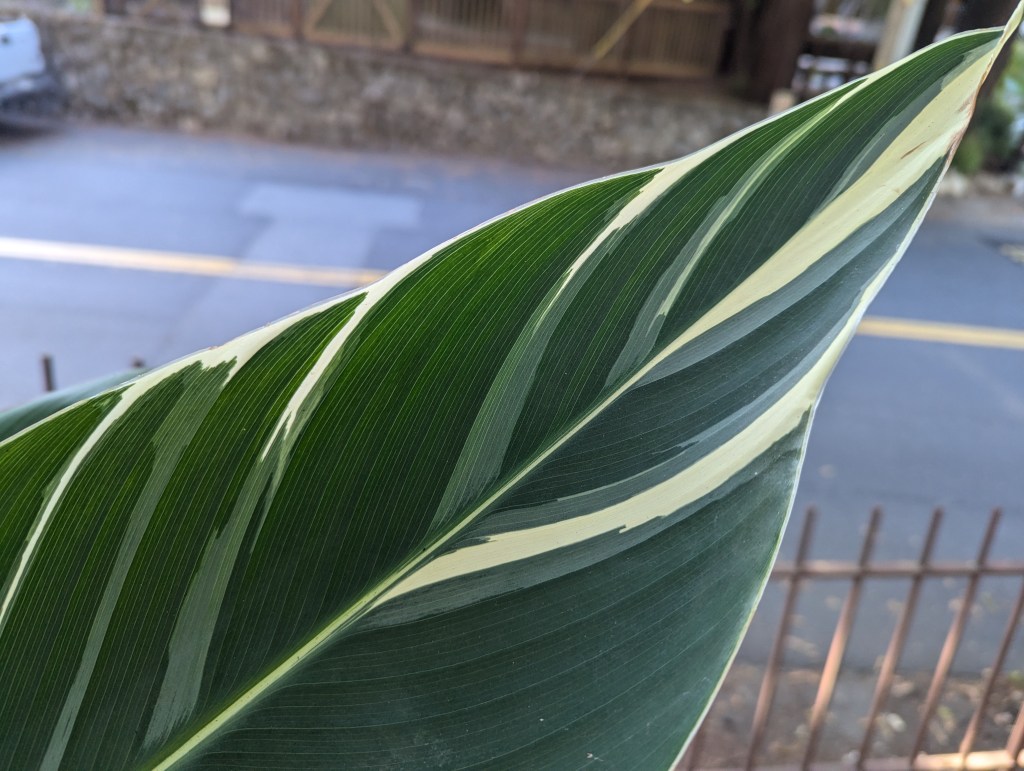
1. Canna ‘Stuttgart’, along with a few other fancy potted Canna, unfortunately needed to be relocated from the deck that they inhabited at work. However, it seems to be happier after relocation, and makes larger and more ornate leaves, which is what it is grown for.
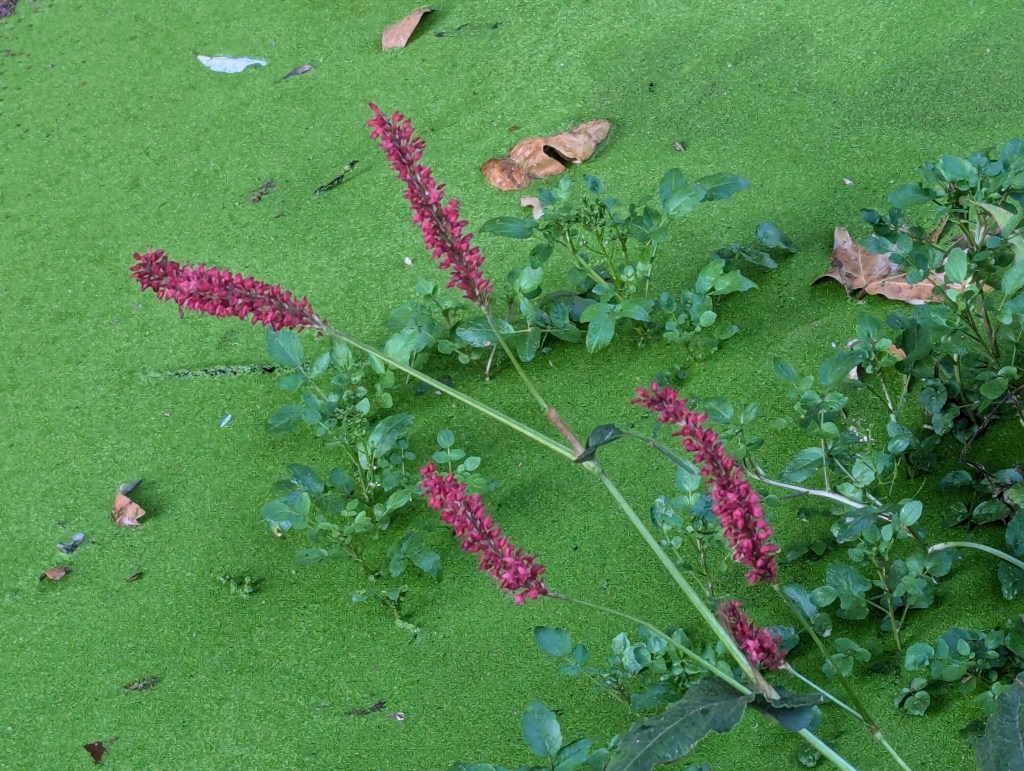
2. Persicaria amplexicaulis ‘Firetail’ bloomed lightly but on time for early summer, and then bloomed again before the original bloom faded completely. The secondary bloom is only now fading, with a backdrop of duckweed and watercress. (This is an older picture.)
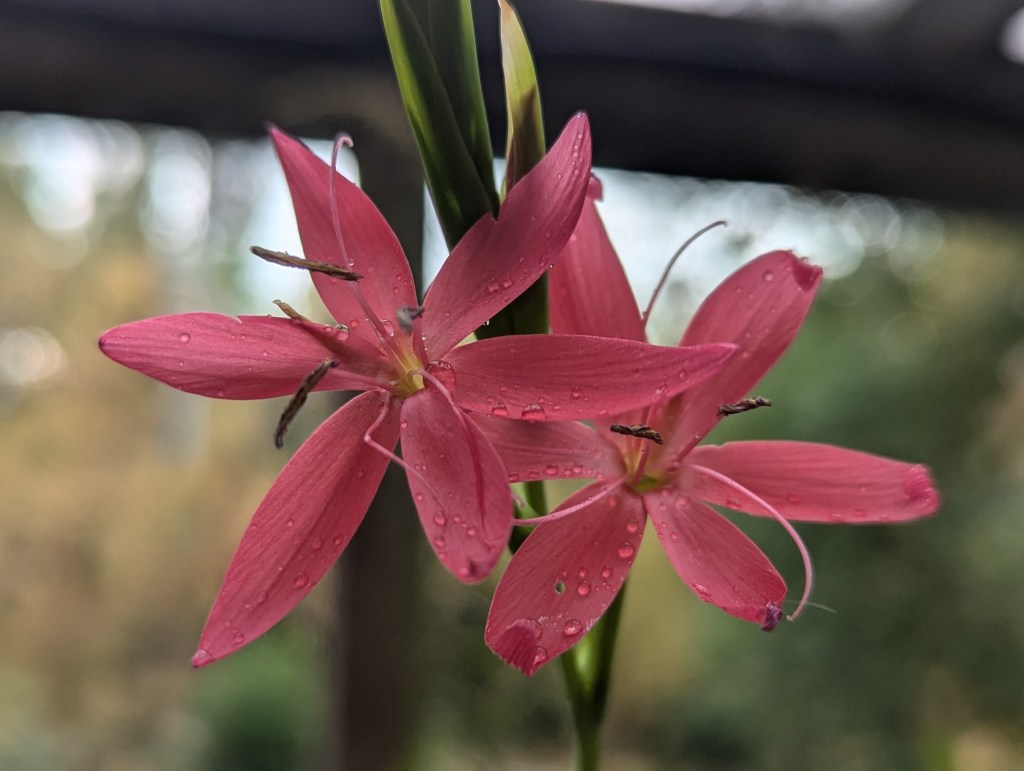
3. Hesperantha coccinea, crimson river lily was not expected to bloom because it was so dinky when it arrived late last winter. I thought that its bulbs would need to mature for a year or so before they would be mature enough to bloom. Apparently, it wastes no time.
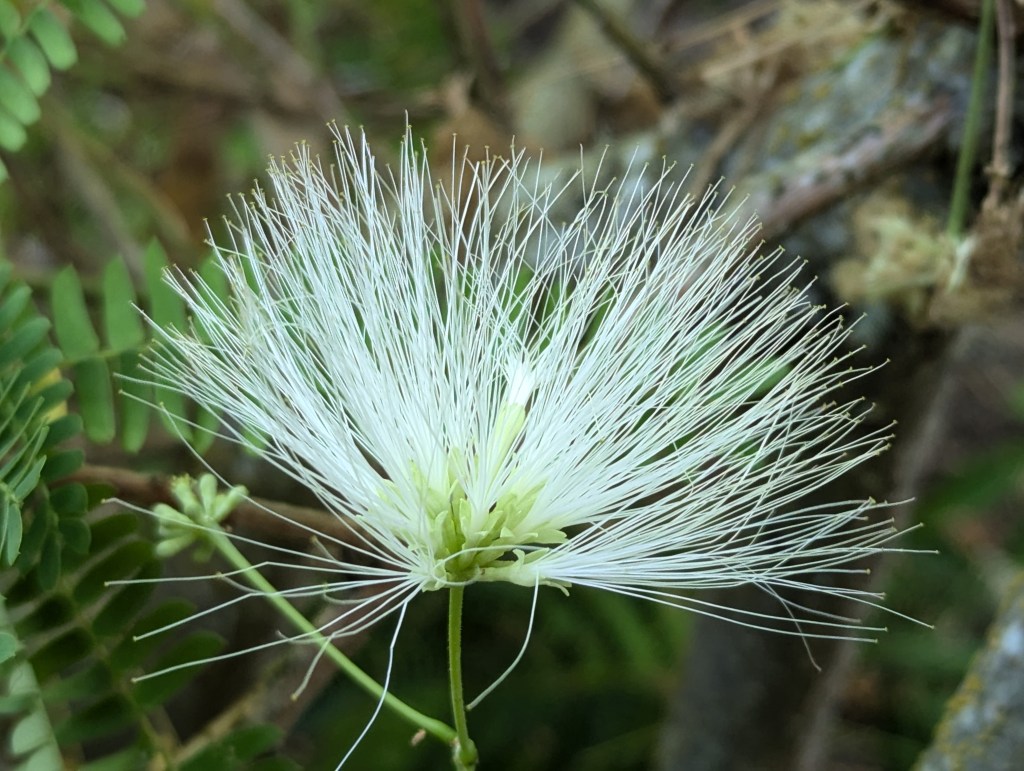
4. Albizia julibrissin, silk tree blooms white instead of pink, although, because it blooms on top of its high canopy, not much of it is visible from the ground. It finished blooming already, but some minor pruning recently revealed a few of these aberrant white flowers.
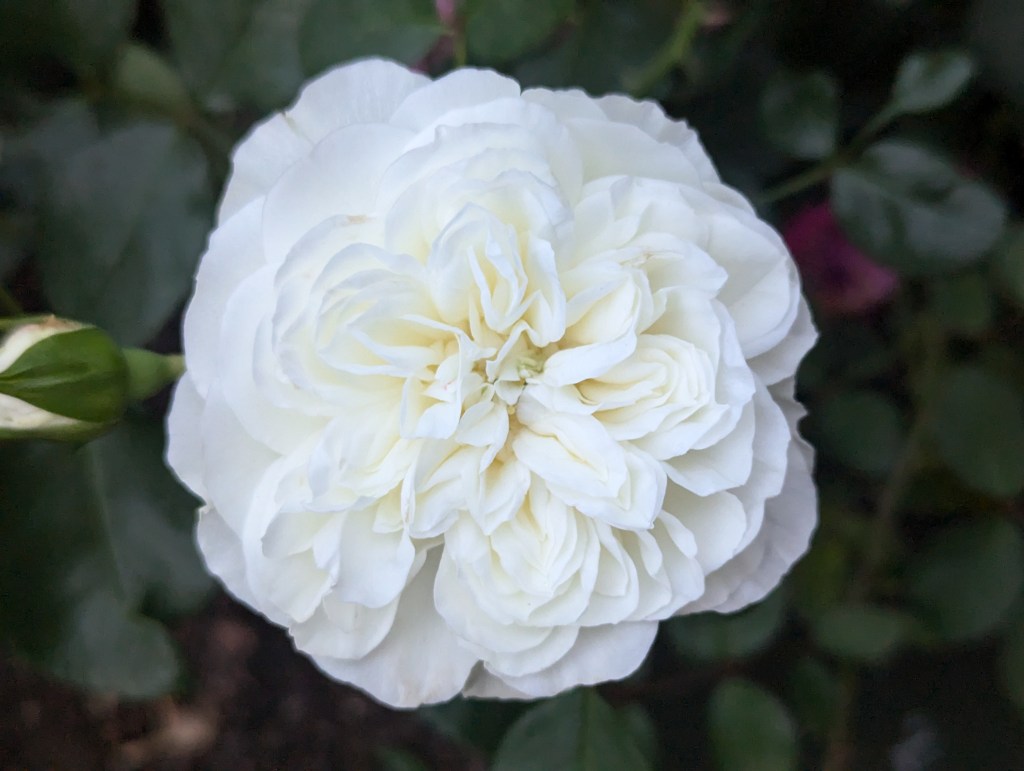
5. Rosa spp., rose is another of the few roses that were not expected to bloom after their unseasonable relocation. It seems to be a climbing type, with long and limber stems, and trusses of small flowers. I am impressed that it not only survived, but is growing so well.
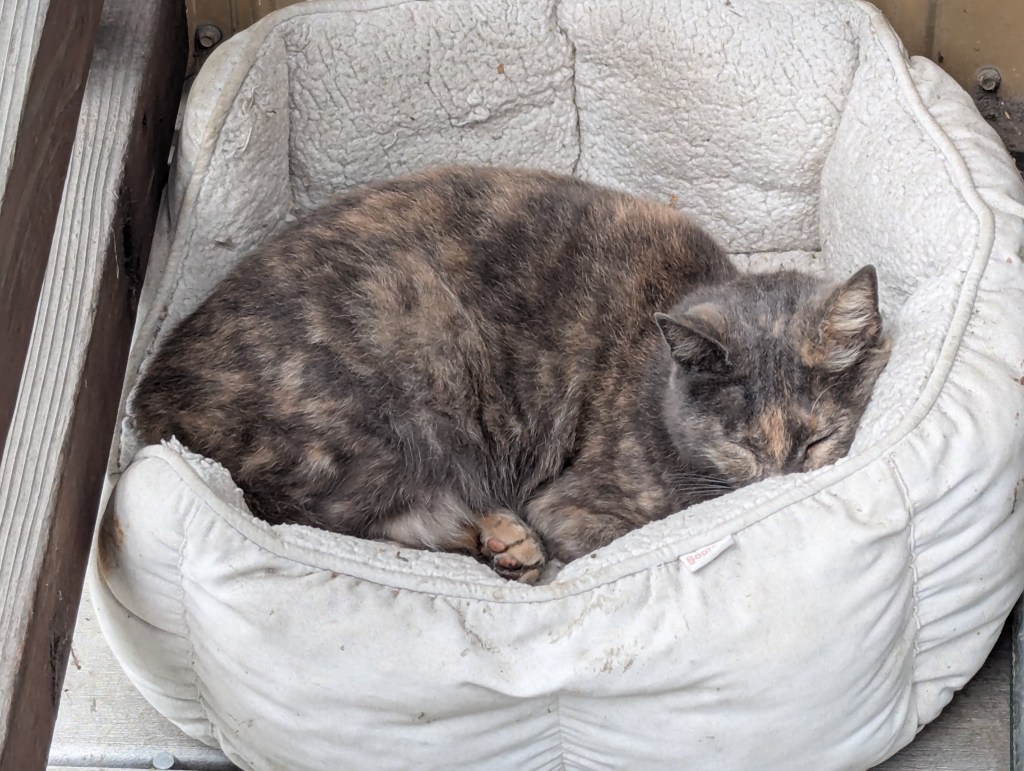
6. Heather fails to be as impressed by these developments that I find to be so surprising.
This is the link for Six on Saturday, for anyone else who would like to participate: https://thepropagatorblog.wordpress.com/2017/09/18/six-on-saturday-a-participant-guide/
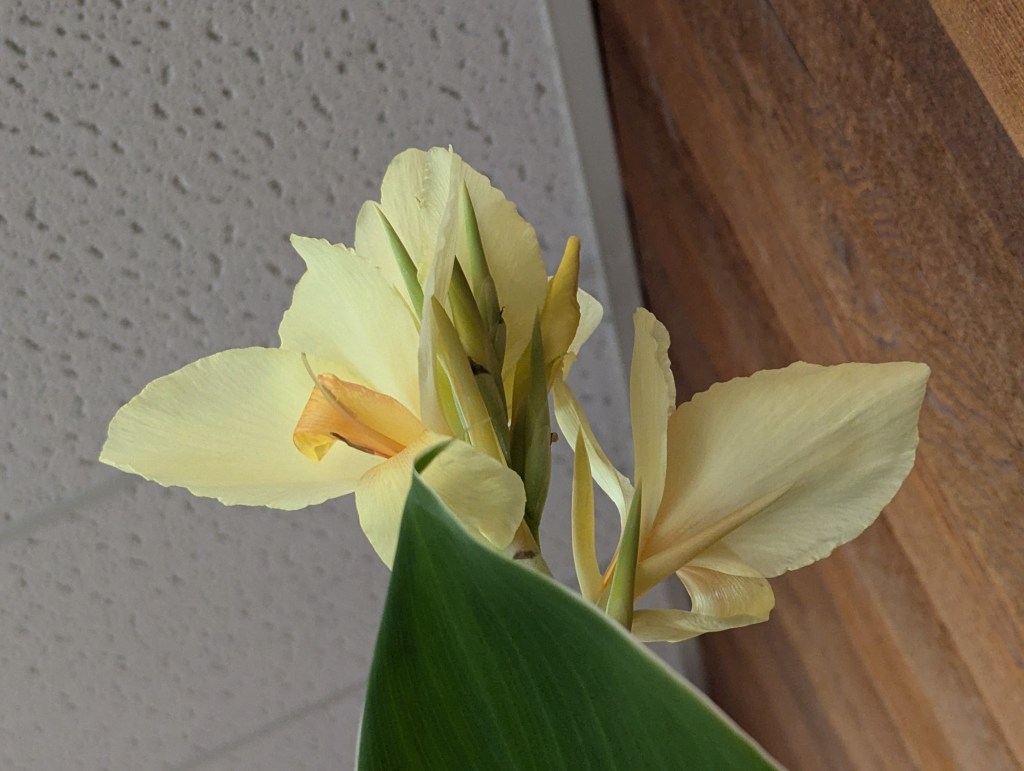
Just about everything in my garden has history in someone else’s garden. Almost nothing came from a nursery. I like to say that purchases are against the rules. However, I did purchase ‘Alaska’ Canna from Horn Canna Farm because I want to grow a white canna. I am over the shame already, and am very fond of this first white canna that I have seen since I was very young. As you can see, it is not very white, and is more of a creamy white or vanilla white. Actually, it is very pale yellow. It is presently growing as a houseplant in one of the buildings at work, which might have enhanced the pale yellow color of its bloom. I believe that it would have been whiter out in the weather. It is already growing quite nicely, so will need to move out into a landscape with all the other Canna for next year. I doubt that it will be as popular as the other brightly colored Canna, but a few who see it in bloom might recognize how rare creamy white Canna are now. I think that ‘Alaska’ would contrast splendidly with the dark bronze foliage of ‘Australia’.
 Tony Tomeo