 As a shorn evergreen hedge or simple shorn shrubbery, photinia, Photinia X fraseri, produces handsomely glossy bronzy red foliage without bloom. It is best if shorn as weather warms at the end of winter, and then allowed to grow out for a while. It can be shorn again through summer as bronzy foliage fades to green, but should not be shorn so often that it is always deprived of red foliage.
Without regular shearing, photinia becomes a small tree or large shrub. Trees can either be staked on single trunks, or allowed to develop multiple trunks. New growth in spring is not as vigorous as it would be in response to shearing, so is not as colorful. Domed trusses of tiny white flowers bloom about as soon as new foliage appears. The floral fragrance can be objectionable to some.
Only the biggest and oldest trees reach high voltage cables. Most stay less than fifteen feet tall and broad. Hedges can be kept less than six feet tall, and ideally, should be kept less than half as deep (from front to back). Photinia can grow rather well while young, but then grows slower as it matures. Partial shade or a lack of water through summer compromise foliar color and density.
 There are too many varieties of chili or pepper to count; but there are surprisingly few that are known as bell pepper, Capsicum annuum. They are the select few that lack capsaicin, which is what makes others so distinctly ‘hot’ and ‘spicy’. Most are quite mildly flavored. Green bell peppers, particularly those that are green because they are unripe, are generally more bitter and less sweet.
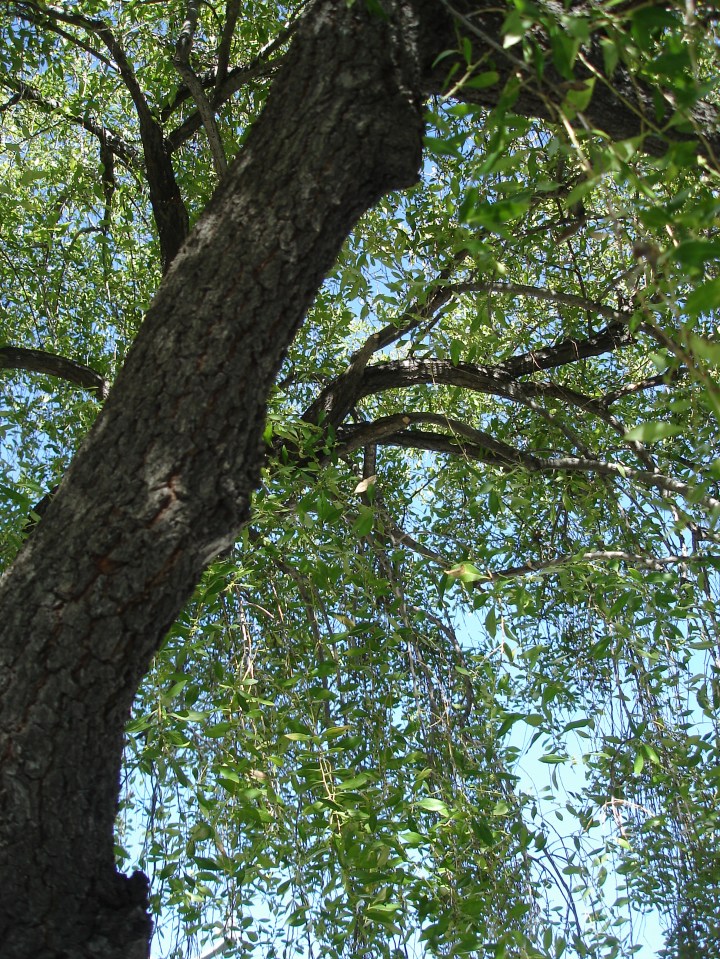 It does not grow fast, but by the time it gets old, mayten, Maytenus boaria, might be tall enough to reach upstairs eaves, and nearly as broad. The main trunk and limbs are nicely outfitted with uniformly checked grayish bark. Smaller stems are so very limber that it is a wonder that trees are able to gain any height at all. These stems arch gracefully, with their wiry tips hanging vertically.
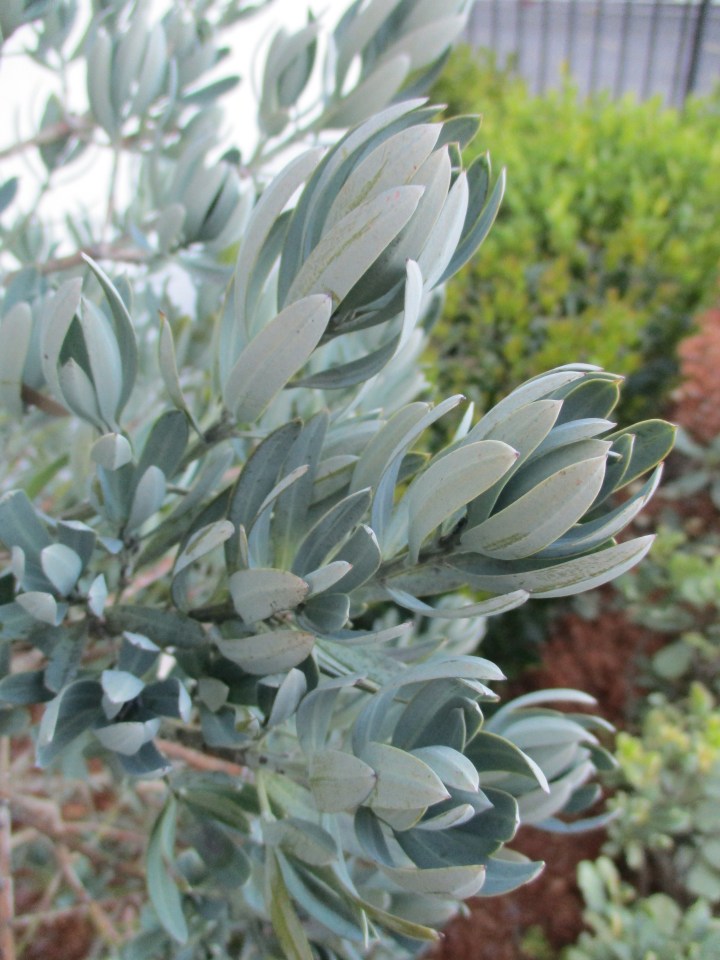 No, it is not an oxymoron. ‘Yellowwood’ is the common name for a few specie of Podocarpus. The evergreen (or ‘everblue’) foliage of ‘Icee Blue’ yellowwood, Podocarpus elongatus ‘Monmal’, really is as silvery grayish blue as the name implies. It can be as striking as some cultivars of Colorado blue spruce. It grows slowly in narrow columnar form to only about fifteen or twenty feet tall.
 Those of us who appreciate olive trees for their fruit production or distinctively gnarly trunks probably would not understand the popularity of the Little Ollie olive, Olea europaea ‘Little Ollie’. Not only is is completely fruitless, but it lacks sculptural trunks and limbs. It is instead a short and and shrubby plant that gets only about three or four feet tall, with very dense grayish green foliage. Only the narrow evergreen leaves are recognizable as those of an olive tree.
 While flashier but typically weaker modern cultivars of so many other specie are being developed, the most popular of the many cultivars of English boxwood, Buxus sempervirens, remain the same. There is not much to improve on. Most cultivars get only a few feet tall, and are densely foliated with inch long evergreen leaves that are excellent for topiary and low formally shorn hedges.
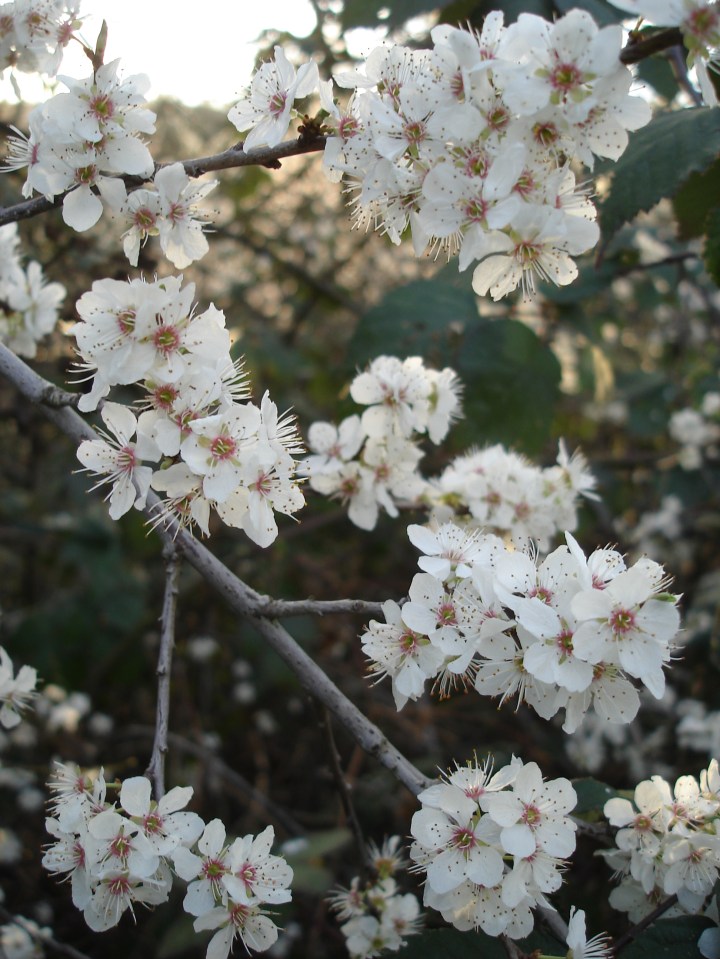 Unlike all the fancy and popular Japanese plums and European prunes, wild plum, Prunus americana, is almost never planted intentionally. It is a common understock for the more desirable types, and usually grows as suckers from below graft unions. In fact, it often grows from the roots of plum or prune trees that died or were cut down earlier. They can eventually form thickets.
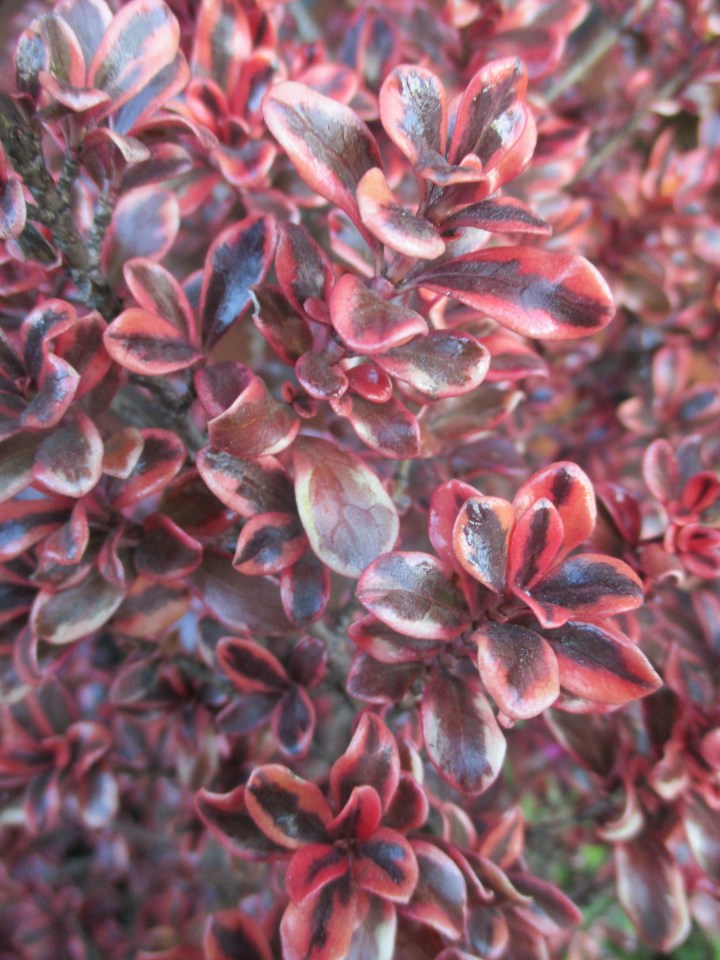 Classic but simple mirror plant, Coprosma X kirkii, was a utilitarian shrubby ground cover for many years before all the colorful modern cultivars that are so popular now were invented. Individual plants can cover quite a bit of ground without getting any deeper than two feet. It is particularly useful in coastal landscapes, because it is so resilient to wind and exposure, as well as sandy soil.
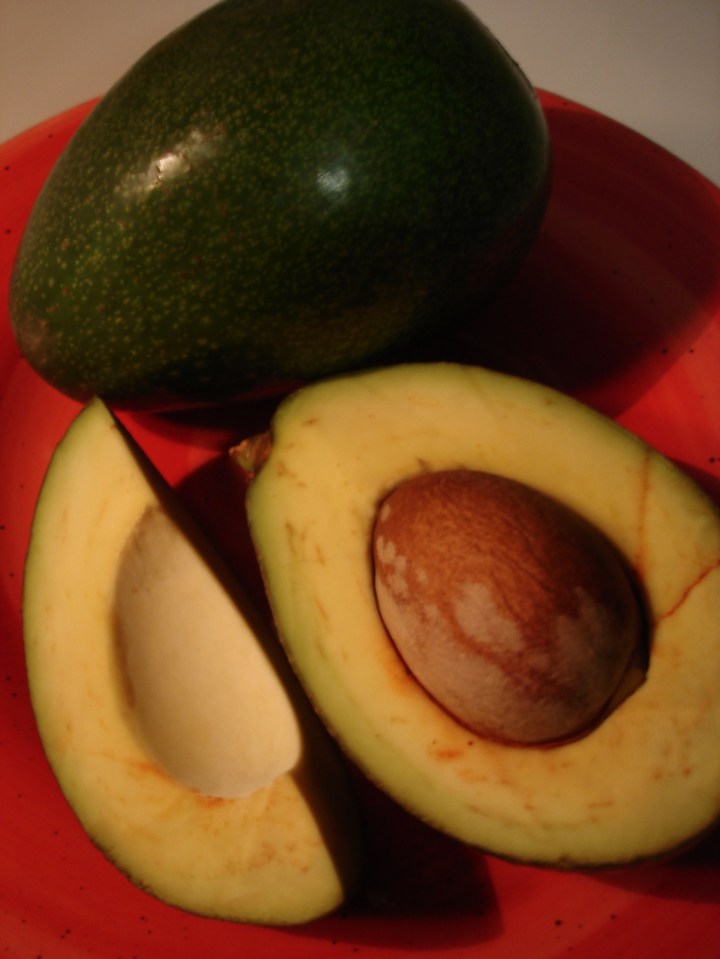 Avocado trees, Persea americana, grown from seed need to be about five years old to produce fruit that can be considerably different from the fruit from which the seed was taken, although such fruit is almost always quite good. Some trees need to be twice as old to produce. Grafted trees from nurseries are specific varieties that can start to produce their specific fruit immediately.
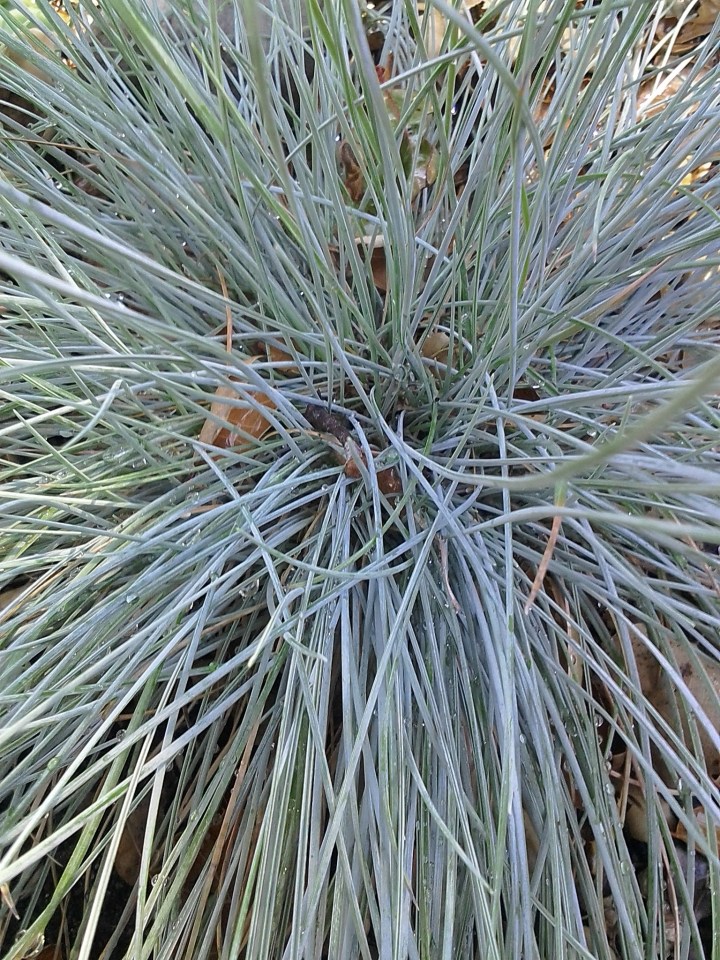 To avoid confusion with dwarf fescue blue turf grass, Festuca ovina glauca is more familiarly known as blue festuca. If planted close together and left to spread as a small scale ground cover, it is much lumpier and mounding than uniformly spreading turf. It is a clumping perennial that is more popularly grown as distinct tufts of finely textured blue gray foliage that looks like gray sea urchins.
 Tony Tomeo