Honeysuckle

Oh, I still like to brag about this unimpressive honeysuckle.

tonytomeo's avatarTony Tomeo

P80526K

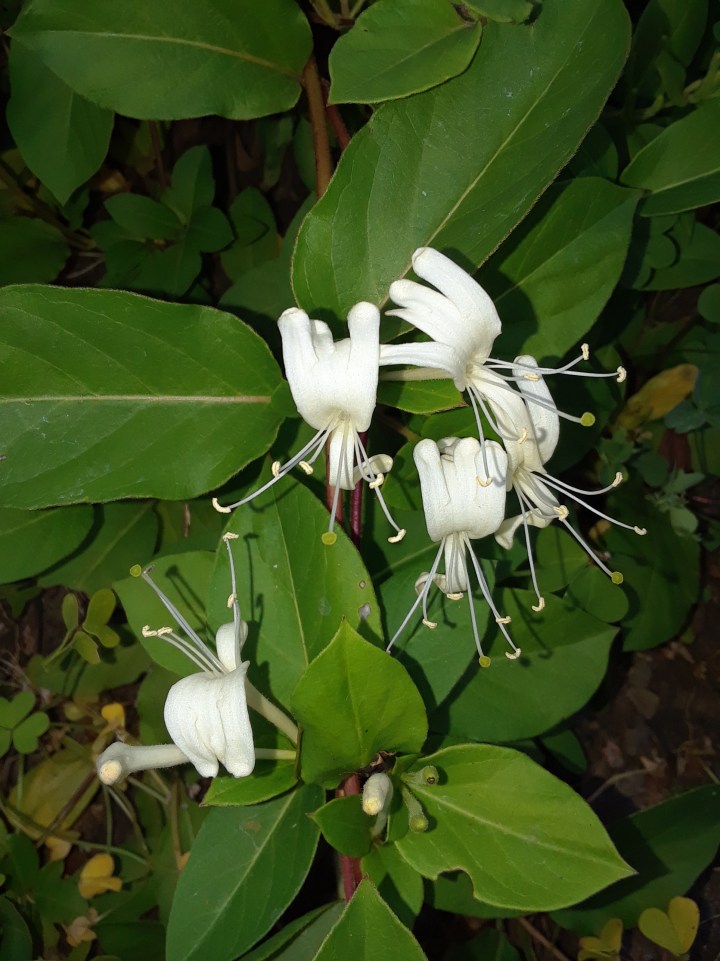
This is no ordinary honeysuckle. It is quite less than ordinary. It is not available in local nurseries. No one here wants it. Although it might be available from nurseries that provide native plants within the native range of this honeysuckle, most of those who find it in their garden probably do not want it there. After all, there are plenty of more desirable honeysuckles to grow. Some have more fragrant bloom. Some have more colorful bloom.

As you can see, this honeysuckle is not very impressive. It is about as shrubby as it is vining, and does not get very big. The small white flowers lack fragrance, and are not very abundant.

What I like about this honeysuckle is that it came all the way from Oklahoma. ( https://tonytomeo.wordpress.com/2017/11/19/oklahoma/ ) It is native there. I do not remember what honeysuckle it is at the moment. I brought it back…

View original post 149 more words

Fleabane

Since this recycled article posted three years ago, the fleabane has been removed from my planter box downtown because it was just a bit too aggressive there. It climbed over the succulents and looked sloppy through summer. At work, it still acorns stone walls where nothing else survives.

tonytomeo's avatarTony Tomeo

P80513Erigeron karvinskianus

Is it really supposed to be the bane of fleas? If so, why? I learned it as Santa Barbara daisy. Is it native there, or was a particular variety of it named for Santa Barbara? Is it a weed? Is it native? Is it a native of somewhere else in California that merely naturalized here? There are so many questions about this simple little flower that is growing wild under a cyclone fence at the backside of a motorcourt at work.

Whether it really is native or not, or whether it is a straight species or a selected variety of one, fleabane happens to do well in drought tolerant landscapes composed of native plants. It naturally spreads out to form shallow but wide mounds. If it gets cut back in its off season, it comes right back. Although it dies after only a few years, lower stems typically…

View original post 149 more words

Drunk Stick

Again, these recycled articles are deficient in those that conform to the ‘Horridculture’ meme for Wednesday. This one is just weird.

tonytomeo's avatarTony Tomeo

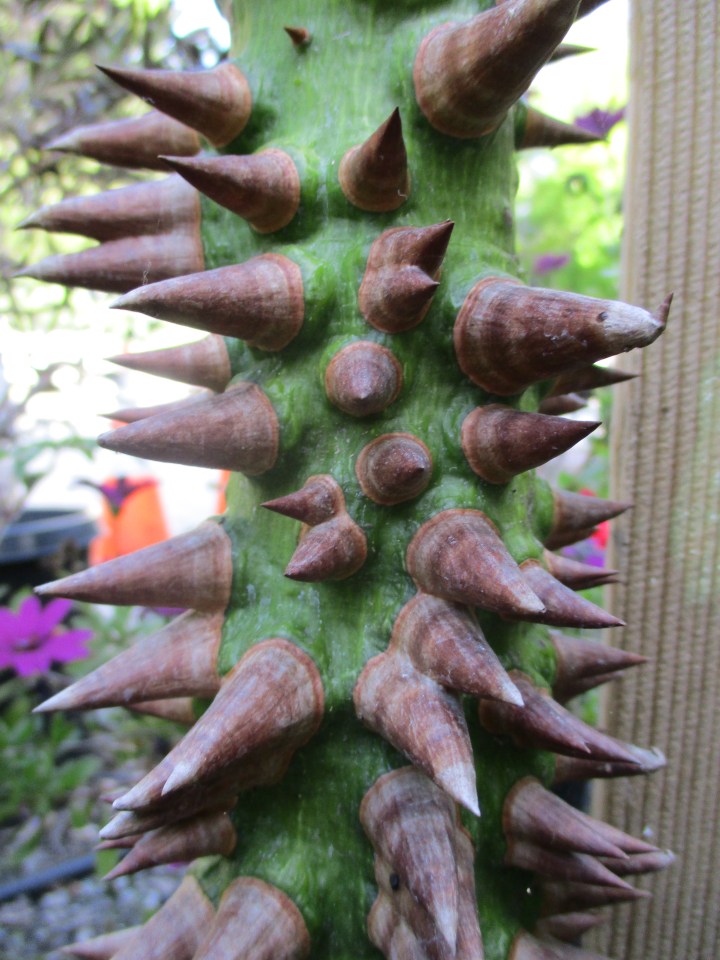
P80516Seriously, I am not making this up. ‘Drunk Stick’ is what the Spanish name of ‘palo borracho’ translates into. It is one of the few common names of the tree I know only as floss silk tree, Chorisia speciosa or Ceiba speciosa. Yes, it sounds crazy, but not as crazy as what the trunk and limbs looks like. One can speculate why it is known as ‘drunk stick’. I am not certain that I want to know.

The trunk in the picture is that of a small tree still in a #5 can. Larger trunks are no better. They are fat and green, and outfitted with these weird conical thorns. The thorns are not too terribly sharp like those of hawthorns or cacti, but they are terribly stout. Seriously! They are like made of wood! As the green trunk grows, it becomes distended, but only makes more thorns to…

View original post 149 more words

San Francisco Iris II – the Expected Sequel

This recycled article now reminds me that I should get some copies of this iris for my own garden, or to spread around in landscapes at work.

tonytomeo's avatarTony Tomeo

P80512KIt is not as if the previous article about it was inadequate. https://tonytomeo.wordpress.com/2018/05/05/san-francisco-iris/ I really did not want to get into the habit of writing so many sequels. However, something happened to necessitate this update.

I found what seems to be a REAL San Francisco Iris, right here in the Santa Cruz Mountains. Except for being somewhat etiolated from the shade of the surrounding redwoods, it looks very similar to the San Francisco iris I picked on the Montara Peaks when I was in high school! This one happens to be a bit lighter blue than most, but is certainly well within the color range of the flowers that I remember. Most were probably a bit darker blue, but many were lighter, and some were very pale blue.

It is impossible to know if it was planted in this spot that had been landscaped in the distant past, or merely…

View original post 143 more words

Deciduous Rhododendrons

These are already finished blooming here. This recycled article was more timely when it posted three years ago. So was the last paragraph, . . . which is useless now.

tonytomeo's avatarTony Tomeo

P80509They are not a myth. They are quite real. So are the related and similar deciduous azaleas. There are certainly not as popular or as diverse as the familiar evergreen cultivars, but they have their place.
Like the popular evergreen cultivars, deciduous rhododendrons and azaleas have been extensively bred so that they are more spectacular than their ancestors in the wild. They lack the purples and blues of the evergreens, but they compensate with bright oranges and yellows that are uncommon among the evergreen cultivars, as well as reds, pinks and whites. Some of their colors are bright and fiery, while some are more relaxed. Compared to evergreen rhododendrons, the flowers of the deciduous rhododendrons are smaller, thinner, and suspended in smaller trusses. However, these smaller trusses are often significantly more abundant, and are flashier as they bloom before new foliage develops in spring.

Deciduous rhododendrons and azaleas are not…

View original post 178 more words

Sport

There are not many old articles to recycle that conform to the ‘Horridculture’ meme for Wednesday. This one must do for now.

tonytomeo's avatarTony Tomeo

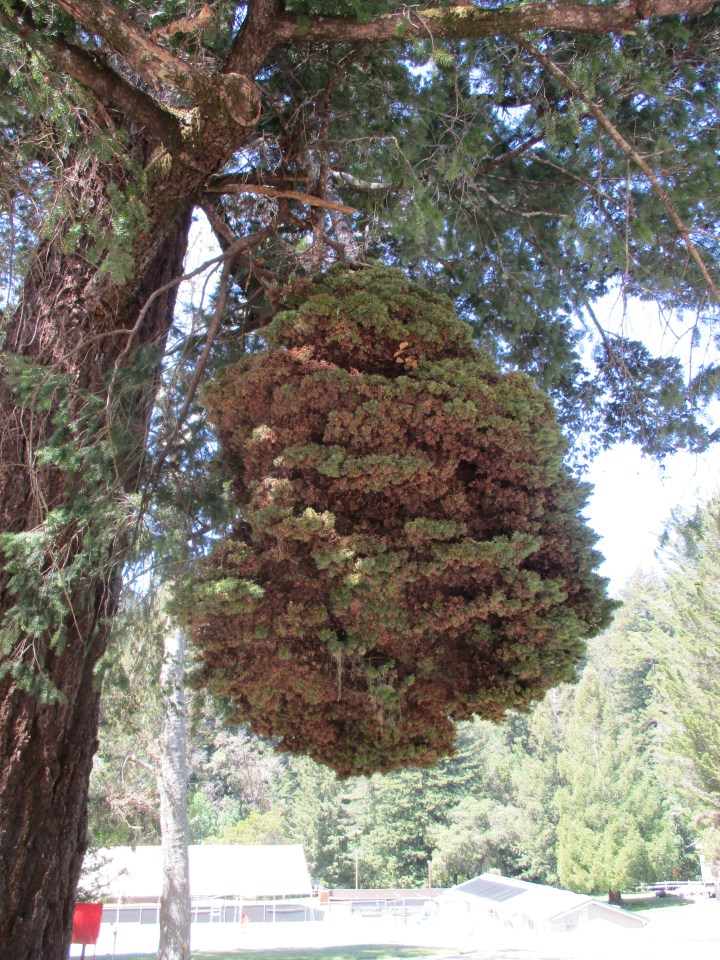
P80506Not just any sport; a witch’s broom sport! Remember the quidditch tournament of the first Harry Potter Movie? Well, it has nothing to do with that. You should not be watching such movies anyway.

This sort of ‘sport’ is merely a genetic variant growth. This particular sport happens to be known as a ‘witch’s broom’.

There is quite a variety of other sports.

Sometimes, a plant is going along minding its own business, when all of a sudden, it produces a stem with variegated leaves. Unlike the plain green leaves on the rest of the plant, the leaves on the sport are outfitted with white margins. In the wild, such a sport would probably not last long. Since it has less chlorophyll than the unvariegated foliage, it would grow slower, so would eventually be overwhelmed and shaded out by the more vigorous greener foliage. However, if someone happens to find…

View original post 213 more words

San Francisco iris

Modern hybrids really are more colorful and bloom longer, but those of us who are familiar with the originals still appreciate them.

tonytomeo's avatarTony Tomeo

P80505KThere really is a bearded iris that happens to be named ‘San Francisco’. It is related to ‘Los Angeles’, but not ‘San Jose’. (I really want to find a copy of ‘San Jose’ for my own garden!) Both ‘San Francisco’ and ‘Los Angeles’ are white with a slight blue highlight, and an even slighter reddish edge that is easy to miss. I can not remember which one of the two is whiter than the other, but the whiter one may lack the reddish edge altogether.
The San Francisco iris I remember is something completely different. It is a native west coast iris, Iris douglasiana (or douglasii or any other variation of ‘douglas‘ that any particular botanist happen to prefer) that happens to be endemic to the coastal region of San Mateo County south of San Francisco, and was probably endemic to San Francisco County as well. It would…

View original post 249 more words

Pine

This is why I am so protective of some of the trees at work, and why I am so hesitant to execute major changes to the landscapes.

tonytomeo's avatarTony Tomeo

P80429Redwood Glen was the ‘camp’ that we all went to in the sixth grade. It was probably our equivalent of what is now known as ‘nature camp’. For most of us, our experience at Redwood Glen was the longest time we had ever been away from our homes and families. We arrived on Monday morning, and returned home on Friday afternoon. It was something that we looked forward to with great anticipation for the few years prior.
While there, we studied nature in a variety of ways. We found animal tracks and made plaster casts of them. We went hiking through a variety of ecosystems, and went on a night hike. We searched for fossils; and I found and still have the most complete fossil of half of a fish. We studied ecology and native flora and fauna. We identified redwoods, Douglas firs, ponderosa pines, bays, live oaks, bigleaf maples…

View original post 300 more words

Pinnate Leaves

It is after 11:00 on Tuesday night and I am still working late to get my gardening column finished for tomorrow morning. I do not have time to find an article to recycle that conforms to the Horridculture meme for Wednesday. This must do.

tonytomeo's avatarTony Tomeo

P80428K.JPGThat refers to the pattern of the veins in the leaves. Long before studying horticulture and botany at Cal Poly, my classmates and I learned a bit about horticulture within the contexts of studying ‘nature’. While in the sixth grade, we all went to camp for a week. One of the many projects we did during that time was collecting a few leaves to represent three different vein patterns, and mounting them under clear plastic on a cardboard plaque. The three different patters were, ‘pinnate’, ‘palmate’, and ‘parallel’. I do not remember if we all used the same leaves, but for my plaque, I got a blue gum eucalyptus leaf to represent pinnate veins. Palmate veins were represented by English ivy. Parallel veins were represented by English plantain.
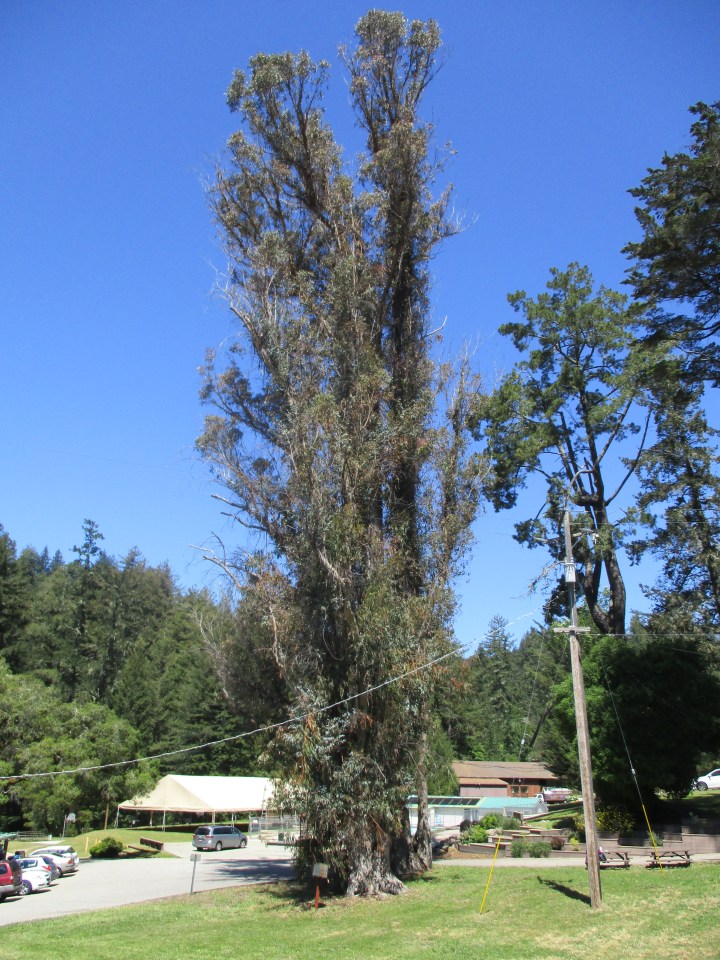
These two blue gum trees are the same trees that provided the leaf with pinnate veins for my plaque. This is not…

View original post 148 more words

Steven Michael Ralls Memorial Tree Update

Felton League, which is my other blog about the Homeless Community of Felton in California, has been severely neglected since last summer, and will unfortunately continue to be neglected for quite a while until I am able to resume writing, which should coincide with the resumption of writing new articles for this blog here. This reblogged post from Felton League is the first new post I took the time to write for a very long time. It is shared here because it is somewhat relevant to horticulture.

tonytomeo's avatarFelton League

Steven Michael Ralls Memorial Tree – May 2, 2021

The Steven Michael Ralls Memorial Tree has done well since it was installed precisely a year ago, on the second of May of 2020, which was the third anniversary of the passing of Steven Michael Ralls.

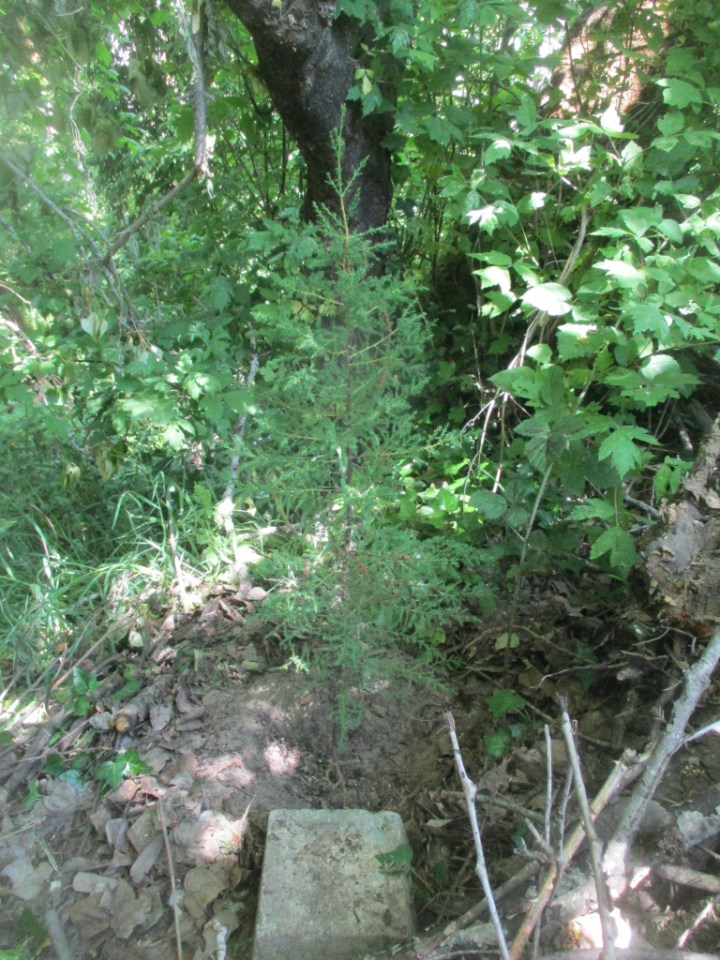
Although it was installed after the primary rainy season, it enjoyed a few late rain showers prior to requiring supplemental irrigation through summer. It was occasionally given a bit of fertilizer to help it get established. Staking was not necessary.

The young tree may not seem to be much larger now than it was a year ago, but has undoubtedly dispersed roots sufficiently to survive without supplemental irrigation. It may receive a few more doses of fertilizer in conjunction with occasional supplemental irrigation, just to accelerate growth while it is still young and vulnerable, but should not get so much that it becomes reliant on…

View original post 190 more words