Fruitless Mulberry

Fruitless mulberry is conducive to pollarding.

Even though silk never became a major commodity in North America, it indirectly made an impression on American gardening. The tree that was developed to most efficiently feed silkworms is now among the most popular of shade trees. The fruitless mulberry, Morus alba, wastes no resources producing fruit while providing only abundant foliage, which is the only sustenance for silkworms.

Young trees grow at a good rate to nearly thirty feet tall, and can eventually reach fifty feet. They are often pollarded (pruned severely back to the same burly ‘knuckles’ every winter), which causes them to regenerate stems at an alarming rate during summer. Shoots from mature pollarded knuckles have no problem reaching fifteen feet in all directions! Mulberries incidentally have the distinction of the fastest motion known to the plant kingdom, because they launch their pollen at more than half the speed of sound!

The serrate leaves are quite variable. Those of vigorous young shoots of pollarded trees are mostly about six inches long with rounded wide lobes, but can be nearly a foot long! They turn bright yellow and typically fall neatly from the tree within a limited time in autumn, facilitating raking. Leaves on slower growing stems of lightly pruned mature trees are mostly unlobed and less than six inches long. They begin to fall earlier in autumn and linger over a longer time, sometimes with slightly subdued autumn color.

Proper Pruning Without Sealing Wounds

As improper as this extreme pruning is, the would will heal more efficiently without sealant.

Sealing pruning wounds with grafting compound or any other gunk, like paint, wax, tar or roofing compound, literally adds insult to injury. Grafting compound should only be used to temporarily limit desiccation while graft unions knit. It eventually flakes off as the affected parts (understock and scion) grow. Because the cut surfaces of pruning wounds do not grow, grafting compound does not flake off right away, so can remain mostly intact for years, retaining moisture and actually promoting rot. Some thick emulsions may even inhibit callus growth over wounds (healing).

Because so many people expect pruning wounds in trees to be treated with some sort of dressing, some tree services apply black spray paint. Most who do so fortunately know that it is best to apply the paint lightly enough to be porous instead of actually sealing the surface. Some use temporary marking paint, which is designed to deteriorate in the weather. (The cut surfaces hopefully darken simultaneously so that no one notices.)

The best way to promote healthy recovery from pruning is to prune properly, leaving no stubs to interfere with compartmentalization (healing). The sort of rapid growth that most efficiently compartmentalizes pruning wounds naturally occurs at branch unions, even after the associated branches get pruned away. This is because the remaining foliage beyond the unions (the parts that do not get pruned away) remain vascularly active and able to sustain such growth. Similar growth at the end of a stub is much slower because there is no foliage beyond.

More often, a stub dies, leaving an obtrusive peg lodged where callus growth should be closing a wound. By the time the stub rots enough to not interfere, rot will have also extended into the union with the supporting stem.

Horridculture – Bucket of Bolts

Actually, this was not a total ‘FAIL’. The bolted greens were not so bad, and I actually preferred their flavor to milder and ‘better’ greens.

tonytomeo's avatarTony Tomeo

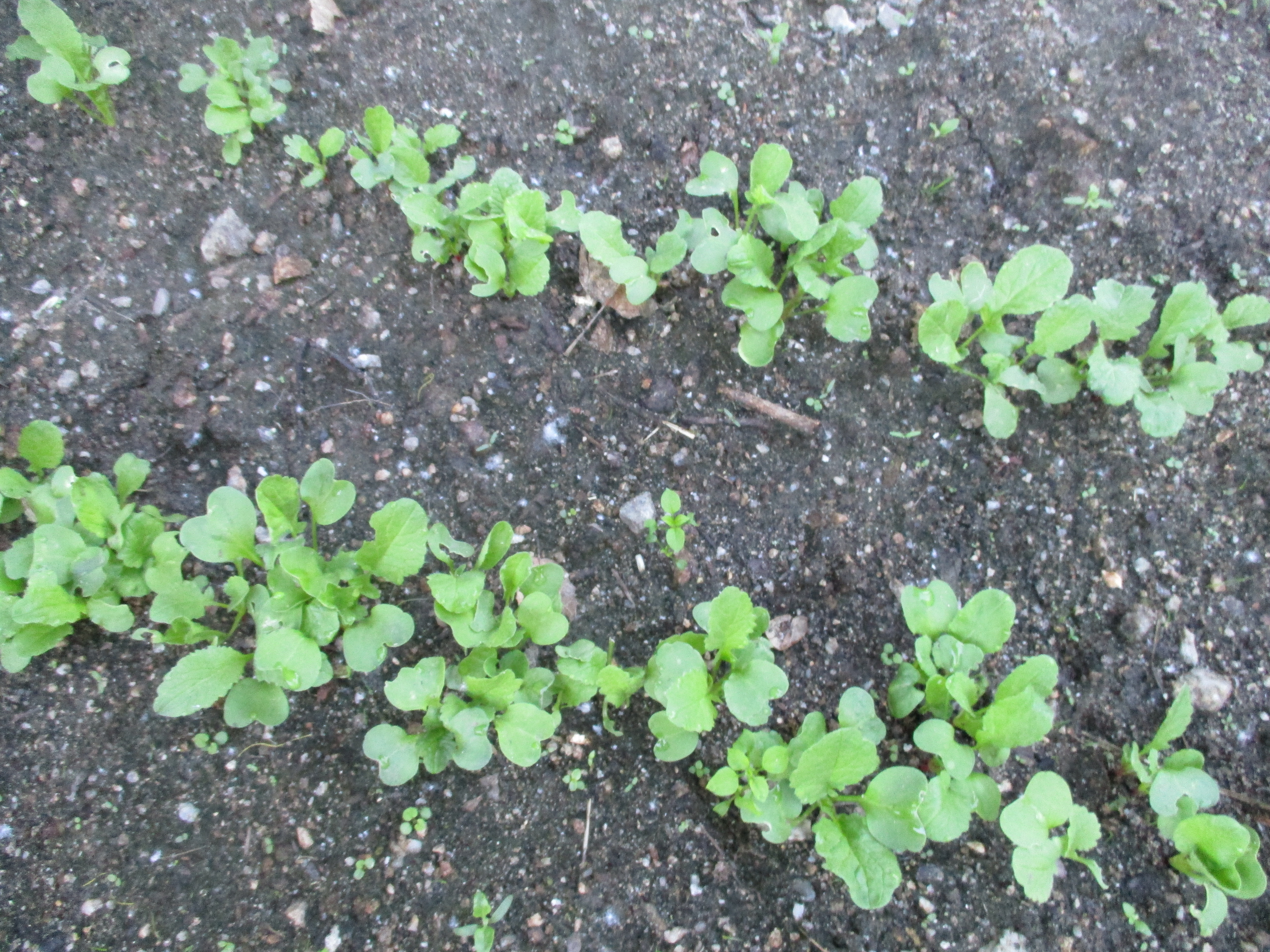
P00425-6 They started out nicely.

Radishes seemed like a good idea back when I sowed the seed in the garden. I had not grown any in many years. I thought that the particular location would be cool enough to inhibit bolting, even though it was starting to get close to the end of their season here. They are definitely a cool season vegetable here, with brief seasons in spring and autumn. Some linger through winter.

The seed germinated efficiently. The seedlings started out well. Radishes are small roots that mature in only about three weeks. Technically, they were right on schedule. I happened to get a few tiny radishes from the batch. However, after the seed were sown, but before the radish roots developed, the formerly cool spring weather warmed suddenly enough to stimulate bolting.

The elongation of floral stalks was visible within the foliar rosettes of most of the individual…

View original post 159 more words

Yarrow

Yarrow is a popular American wildflower.

It is endemic to every Californian County except for only Imperial County. It is endemic to every American State except for only Hawaii. Yarrow, Achillea millefolium, gets around! It is also endemic to many temperate climates of Europe and Asia. Apparently, it is not very discriminating in regard to climate or soil. It is as happy at the coast as it is farther inland.

Wild yarrow mostly bloom white or with pink blush. Modern cultivars bloom various hues of yellow, orange, red, pink or pinkish lavender. A few of the most florific modern cultivars are hybrids with other species. Phases of bloom might continue from spring until autumn. Tiny flowers form dense corymbs as broad as five inches, on stems as high as three feet.

Ferny grayish or light green yarrow foliage has a softly fine texture. However, it develops compact and mounded form. Individual leaves are tomentous and as long as six inches. Foliar aroma is variable among cultivars. Some cultivars may be objectionably pungent. Propagation by division of any overgrowth is easiest prior to the end of the rainy season.

Mild Weather Inhibits Summer Growth

Vegetative growth might be atypically slow.

The weather this year has been a cold hot mess! Both the worst frost since 1990 and the worst storms since 1982 occurred in one winter. Then, cold wintry weather lingered into spring to inhibit spring bloom. Now, cool and mild weather of spring lingers into summer to inhibit summer growth. This particular climate is innately mild, but this is a bit too mild.

Technically, the solstice on June 21 is the beginning of summer. Locally though, summer warmth typically begins about the middle of spring. It typically continues into the middle of autumn. Sometimes, it begins significantly sooner or continues significantly later. This is why the warm growing season here is so extensive. It is also why winter is rather brief.

Unseasonably mild weather obviously has a few distinct advantages. It is comfortable for those who are not so fond of summer warmth. It limits the need to increase irrigation that compensates for aridity and lack of rain. Bloom, although potentially late, stays fresher a bit longer with mild weather. A bit less spring bloom becomes a bit more summer bloom.

Unseasonably mild weather also has a few disadvantages though. Less gardening work is needed to manage desirable vegetation. However, more gardening work is needed to manage undesirable vegetation. Weeds generally need less warmth to grow, bloom and seed. Some desirable vegetation is still too complaissant to compete without assistance.

A few other pathogens likewise exploit this unseasonably mild weather. Slugs and snails hide from arid warmth. They must stay within cool and damp situations through midday. Mild weather allows them to stay out later, and emerge earlier. Their favorite vegetation still grows too slowly to recover from their damage. Tropical foliage is most susceptible.

Fungal disease is similarly more problematic with unseasonably mild weather. A primary difference is that fungal pathogens are about as inhibited as vegetation is. They gain an advantage only because soil stays continuously damp longer. Even without automated irrigation, cool soil dries slower than warm soil. Roots consume less moisture while cool. Roots that consume minimal moisture are generally more vulnerable.

Silver Lining

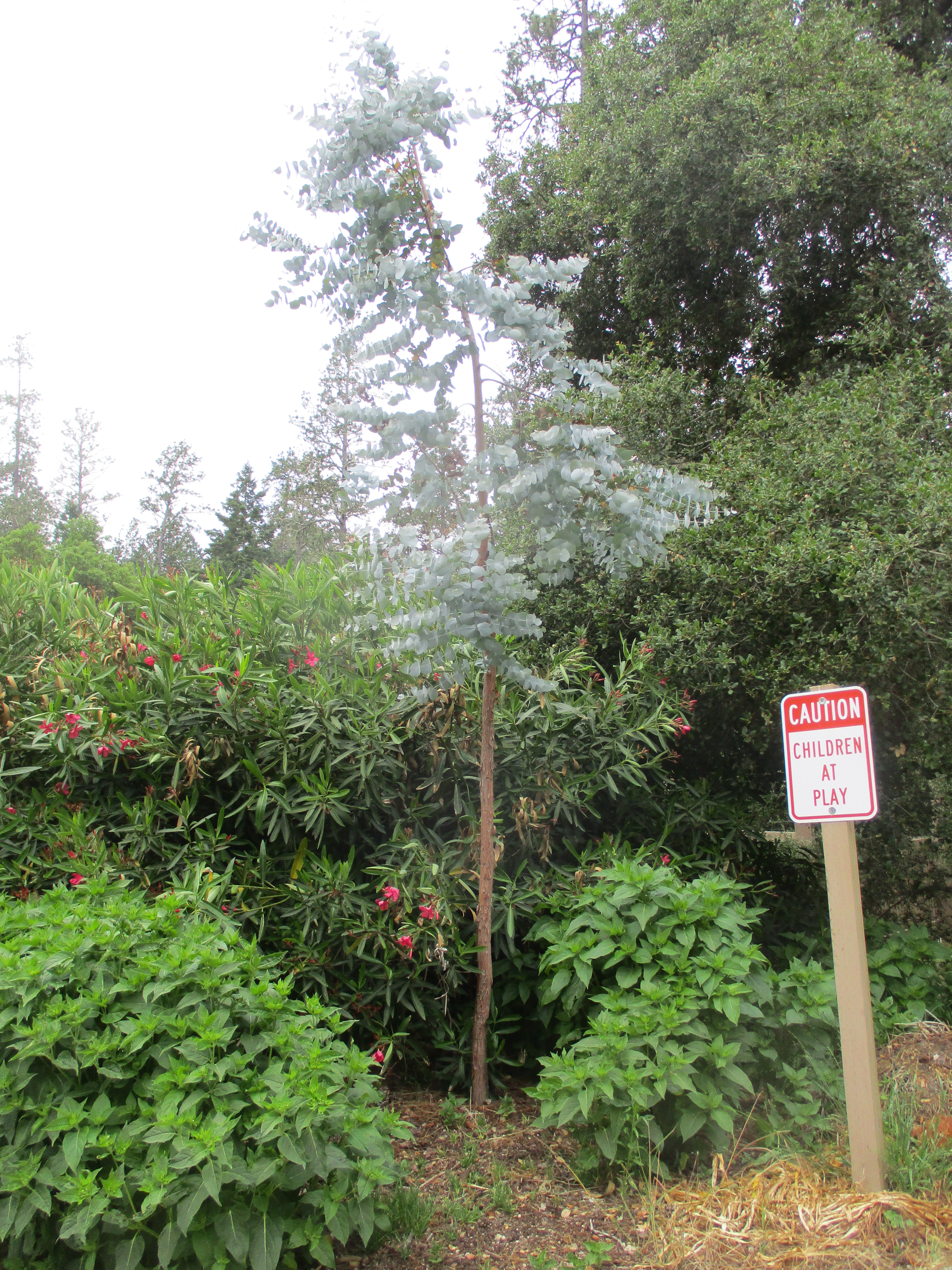
Three years later, this little tree is not quite so little. It certainly is pretty though.

tonytomeo's avatarTony Tomeo

P00614-1 This little silver dollar tree did well with a second chance.
Among the more than seven hundred species of Eucalyptus, nomenclature gets confusing. It certainly does not help that some species have multiple common names. Eucalyptus cinerea is a rather distinctive species with at least two equally distinctive common names. The problem with these names is that, although sensible in Australian, they are not so sensible to Californians.

‘Mealy stringybark’ is a name that must describe something of the physical characteristics of the species. The bark is rather stringy, but no more stringy than that of so many other species. The glaucous foliage might be described as mealy in Australian English. ‘Argyle apple’ is a weirder name. Again, it must make sense in Australian culture. I just know it as ‘silver dollar tree’.

A few years ago, I acquired a severely disfigured and overgrown #5 (5 gallon) specimen of silver…

View original post 168 more words

Wasps!

Now that this old article reminds me of this problem, I realize that it has not been a problem yet this year. Perhaps last winter was unconducive to their dormancy.

tonytomeo's avatarTony Tomeo

P00613K Dead wasps are the best wasps.

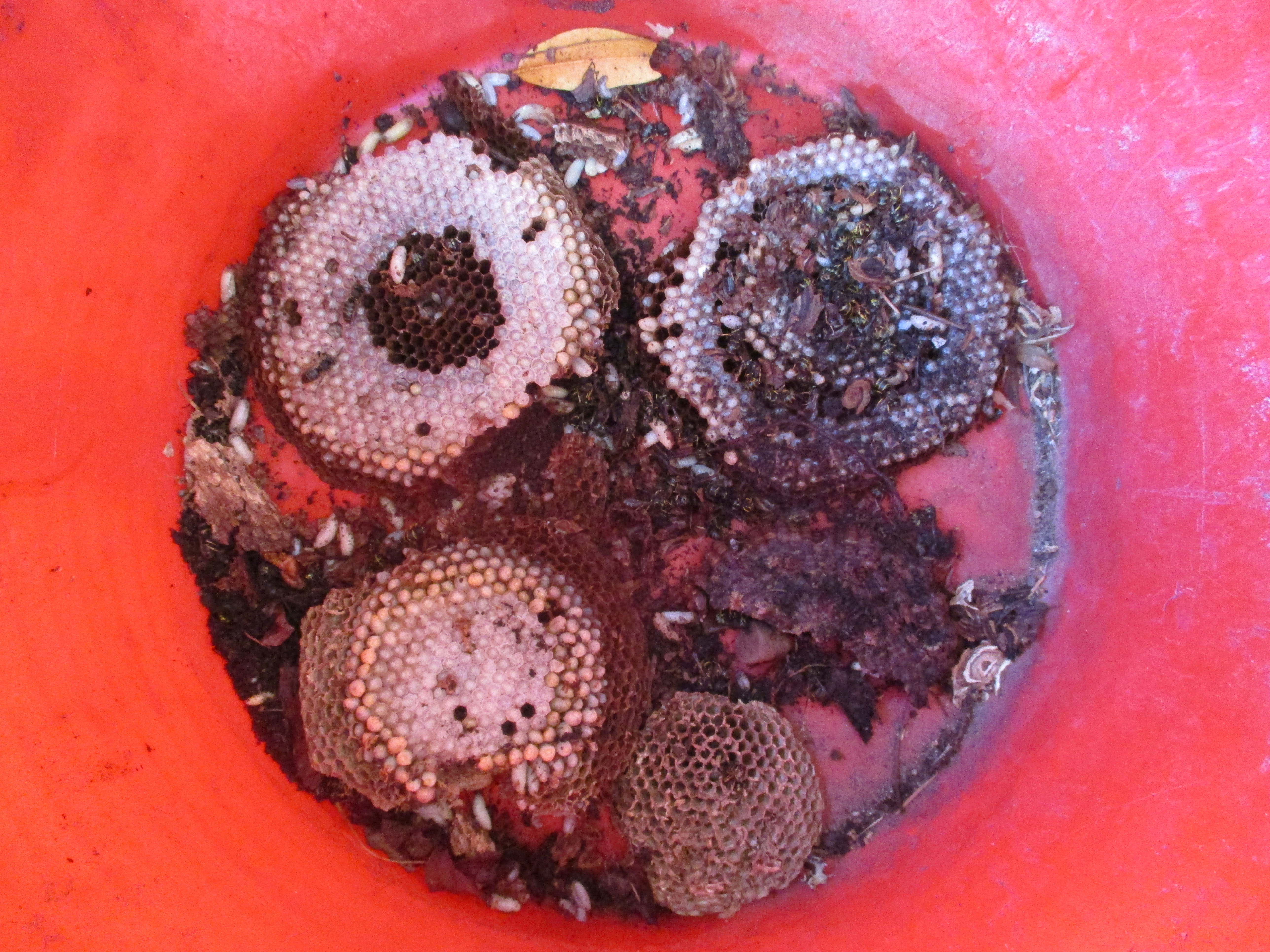
Wasps, hornets and yellow jackets that get established within landscapes or buildings are a serious problem. They are not so easily avoided like those out in the wild are. They are aggressive to people and pets who get too close to their nests, and attack with painful stings. Such behavior is unacceptable within the publicly accessible landscapes at work.

There are a few species of wasp, hornet or yellow jacket here. We do not get sufficiently acquainted with any of them to actually identify them. Our priority is eliminating as many of them as possible from the landscapes. Some get trapped. Others get evicted from the few nests that we locate. It is unpleasant work, but it is better than others getting stung.

Wasps, hornets, yellow jackets, or whatever they are, become more of a problem later in summer. They are just getting started…

View original post 156 more words

Six on Saturday: Return From Arizona

The first three of these six are the last of my trip to the Los Angeles and Phoenix regions. That was weeks ago. If there were a time limit for such pictures, these first three pictures would have exceeded it. With a limit of six pictures weekly though, it takes quite a while to post all of an abundance of pictures. Cool weather has inhibited activity in the garden anyway. Although there is plenty of bloom, much of it is no longer new. I am still waiting for vegetative growth from a few tropical types of vegetation that prefer warmth to grow. This includes the last three here.

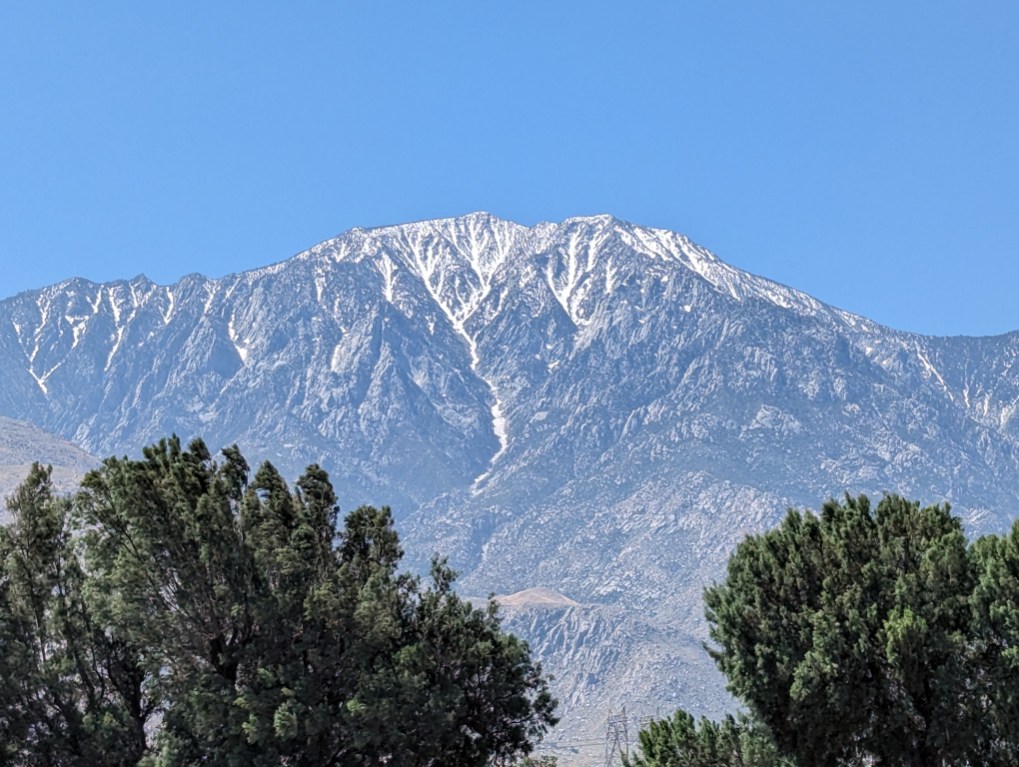
1. Mount San Jacinto is not exactly horticulturally relevant, and I do not even know what that vegetation in the foreground is, but it is a grandly scenic backdrop to Palm Springs.

2. Phoenix dactylifera, date palm grows in date orchards throughout the Mojave Desert and the Sonoran Desert, and is most likely the origin of the name of Phoenix in Arizona.

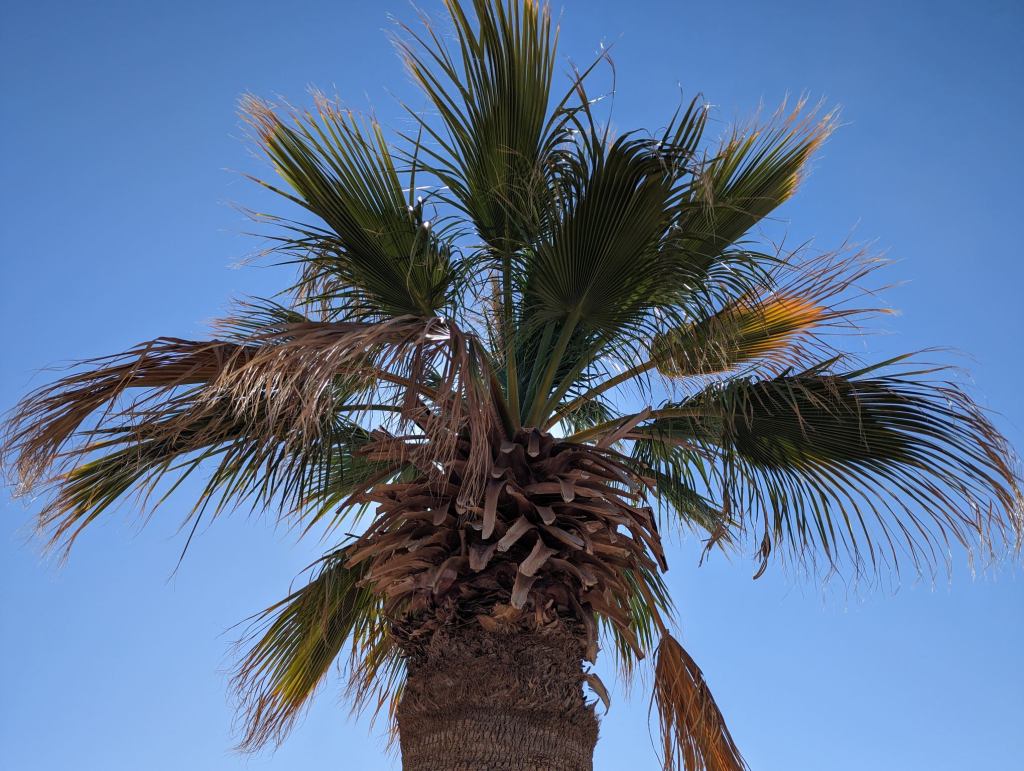
3. Washingtonia filifera, California fan palm is the only palm that is native to California. It is the origin of the name of Palm Springs because it grows wild around nearby springs. This happens to be an atypically shabby specimen at a roadside rest stop on Highway 10.

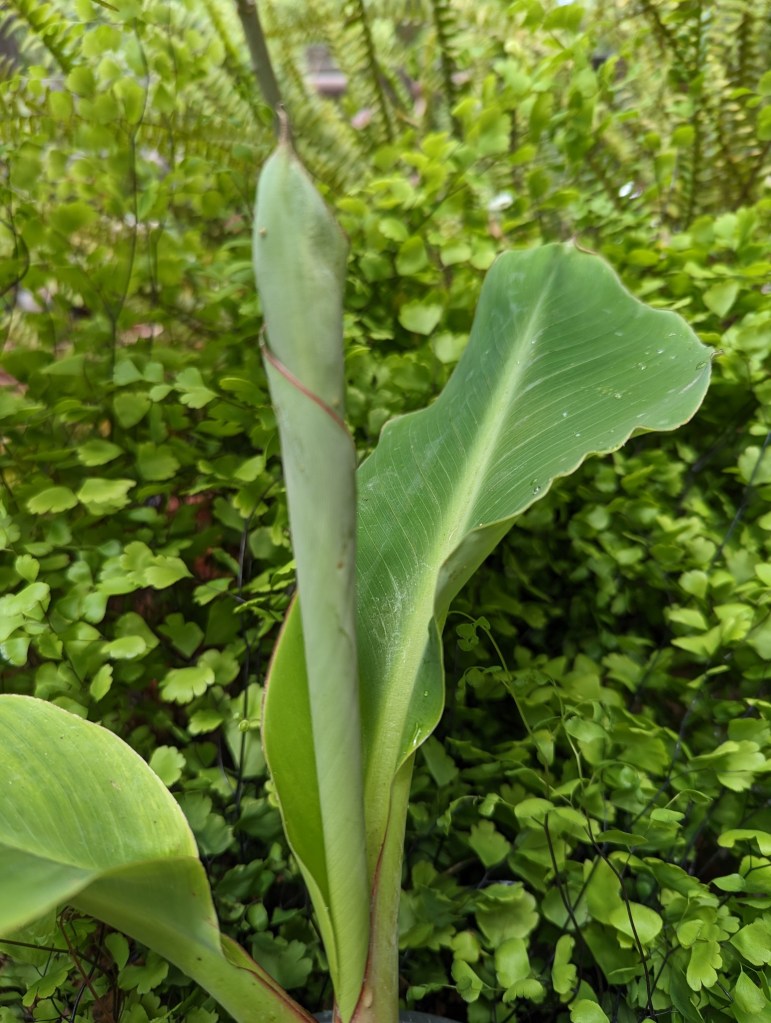
4. Heliconia psittacorum, parrot heliconia had done no more than survive last winter. It needed to be removed from Brent’s garden, so came here. It is finally beginning to grow.

5. Hedychium greenii, red butterfly ginger arrived with the parrot heliconia, but canned separately here. I did not know what it is until Brent mentioned that his is now missing.

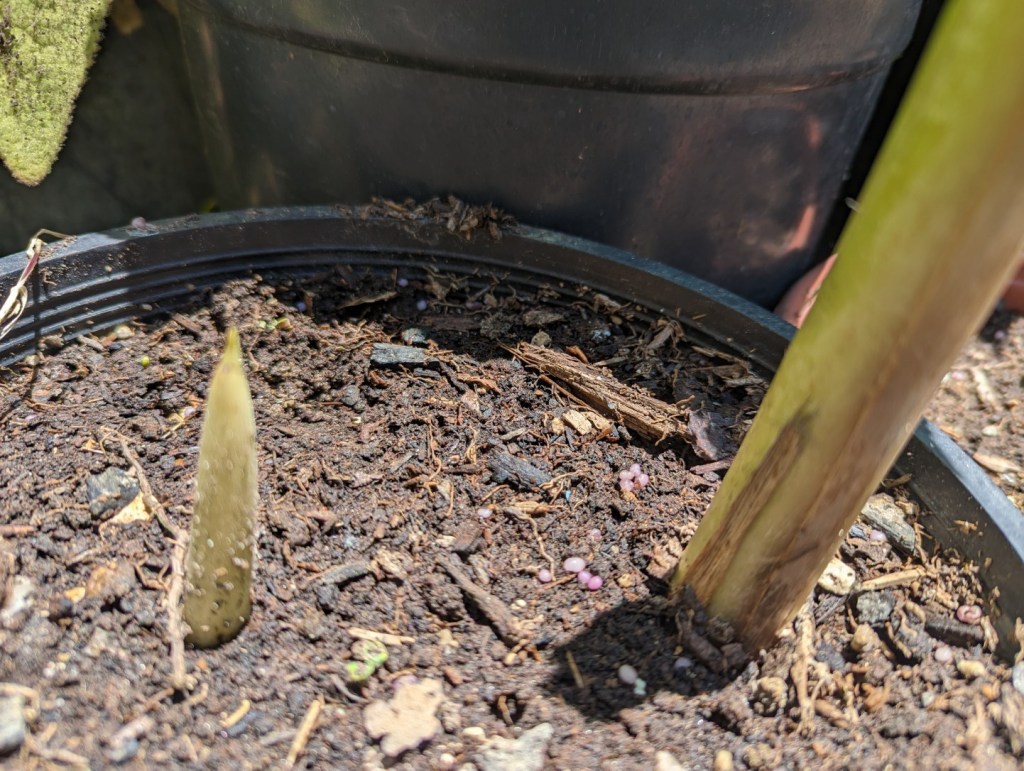
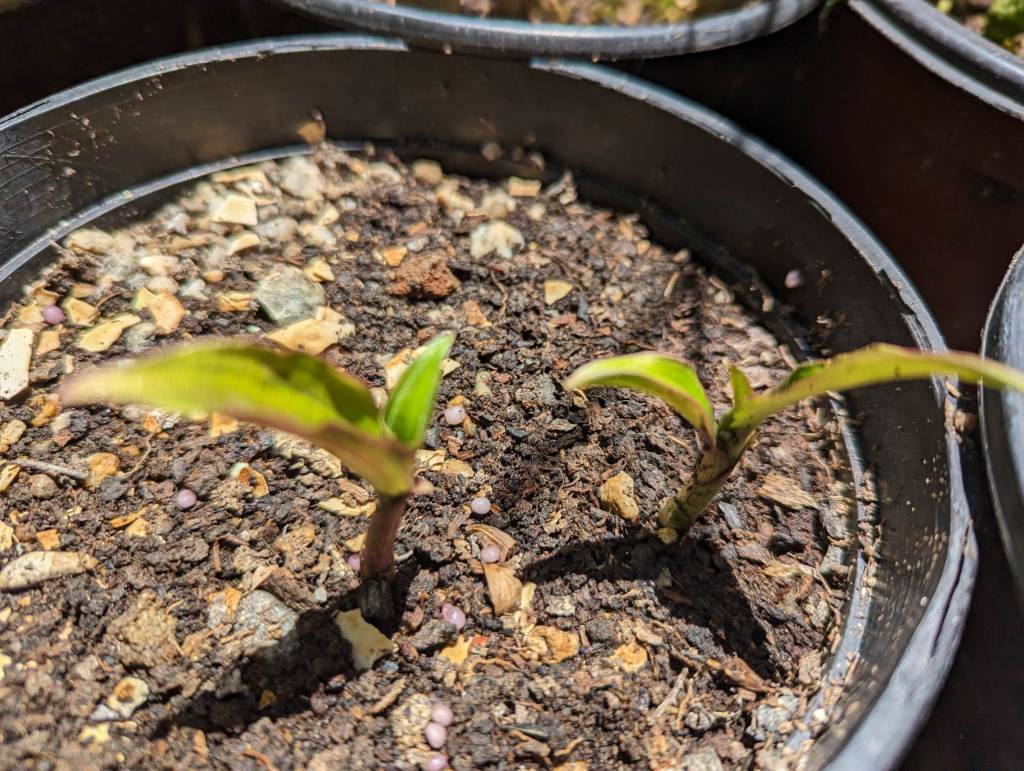
6. Dichorisandra thyrsiflora, blue ginger was not expected to survive the unusually cold frost of last winter, but finally is slowly generating these little shoots from eight cuttings.

This is the link for Six on Saturday, for anyone else who would like to participate: https://thepropagatorblog.wordpress.com/2017/09/18/six-on-saturday-a-participant-guide/

Star Jasmine

Delightfully fragrant star jasmine can be either a ground cover or a climbing vine.

The strong fragrance of the inch-wide, star shaped flowers of star jasmine, Trachelospermum jasminoides, gets attention from quite a distance. Whether they bloom lightly in partial shade, or profusely enough to obscure nearly half of the foliage below, their crisp white shows up nicely against the rich waxy green of the simple two or three inch long, and inch wide leaves. Star jasmine is among the more complaisant of vines, so only climbs or creeps along the ground to about ten feet; perhaps twice as much when very mature.

Nature Is Competitive

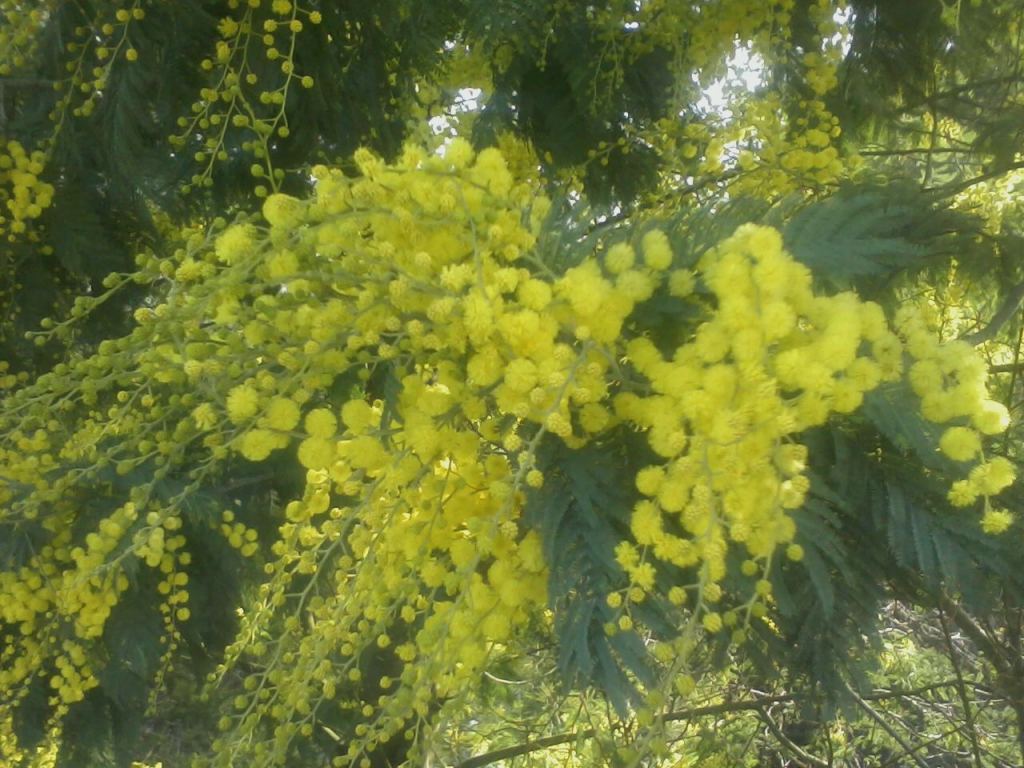
Silver wattle has a weird but effective means with which to clear space for its seedlings.

Why do forests seem to be so peaceful? Perhaps it is because most of what goes on there happens in slow motion . . . very slow motion. It is difficult to see how violent and competitive the various plants are to each other as they grow. Ironically, by bringing the serenity of a forest into our own gardens, we also bring in a certain degree of the natural violence that we are not so aware of.

Vines are some of the nastiest of plants in the forest. Only a few, like bougainvillea, manage to climb to considerable heights by simply leaning harmlessly onto taller trees for support. However, vines like the various ivies and creeping fig, grip tightly to the trunks of the trees that support them. Once such a vine reaches the top of a tree, it develops its own supportive trunk while simultaneously strangling and shading out the tree that supported it.

Some acacias and some willows have figured out how to take out some of their competition simply by clobbering them. For example, Acacia dealbata grows fast and big, but is innately unstable and does not live very long. Old trees invariably fall onto other trees, which clears patches of forest for their own seedlings.

All sorts of cypress, pine and walnut, as well as many eucalypti control their competition by overwhelming seedlings of other plants with foliar debris that leaches herbicidal chemicals into the surrounding soil. Their own seedlings do not seem to mind much, so are able to germinate and grow where space allows.

Monterey cypress, Monterey pine, California fan palm and Mexican fan palm use an even nastier technique, by incinerating their competition during forest fires. They retain as much of their own foliar debris as possible, so that during a forest fire, they burn hot enough to kill other plants and their seeds. Their own seeds though, survive the fire in protective fruiting structures. Monterey pine cones merely get cooked in a fire, and then open to disperse their seed as they begin to cool after a fire.

Like it or not, most gardens include at least some plants that are not as peaceful as they seem to be. Some have the potential to be downright violent. That is why is is important to know how the various plants behave and what they are capable of.

For examples, although bougainvillea can be trained up into arbors and trellises, creeping fig should not be allowed to climb into trees or any structures that might get damaged by its griping and strangling habits. Beards of dead fronds should be pruned from fan palms that are close enough to structures to be hazardous if they burn. Knowing our plants and maintaining them accordingly will promote the sort of harmony that we all want in the garden.