Well, . . . I do not remember why I posted a Horridculture article on a Saturday rather than a Wednesday three years ago, but it is what I have to recycle now for today.
This is not another of my many racial slurs for the renowned Southern Californian landscape designer, Brent Green. Believe or not, I endure many more of such slurs from him; so will not even bother putting something else out there that compels his retaliation. This is about Japanese laurel, Aucuba japonica, which is incidentally rather yellowish with rich golden variegation.
Japanese laurel, which is known as gold dust plant locally, is happy in partial shade, and will tolerate rather significant shade. That is a distinct advantage in landscapes that are dominated by so many big redwoods. Even without significant bloom, the bright yellowish foliage is an asset in visually dark parts of the landscapes. There probably should be more of it here than there is.
It is not one of my favorites though. It does not cooperate with pruning, and…
Vacation complicates blogging. So does spring. There is too much to get pictures of now. The pictures that I get are difficult to process while traveling without internet access. As has become typical for the past few weeks, these six pictures are already outdated. I took them prior to last Saturday, but I am only able to post them now. That is not the worst of it though. Even with so much blooming now, the only bloom within my Six for this week is scarcely visible, and half of these Six lack identifiable vegetation. The last is essentially devoid of vegetation. Heck, when it was more foliated between 1966 and 1968, the most prominent vegetation was fake. I might share six more appropriately floral pictures from the same location next week.
1. Opuntia phaeacantha or Opuntia littoralis, prickly pear grows wild in the Hollywood Hills. I got a picture closer to another herd for next week, but it may be another species.
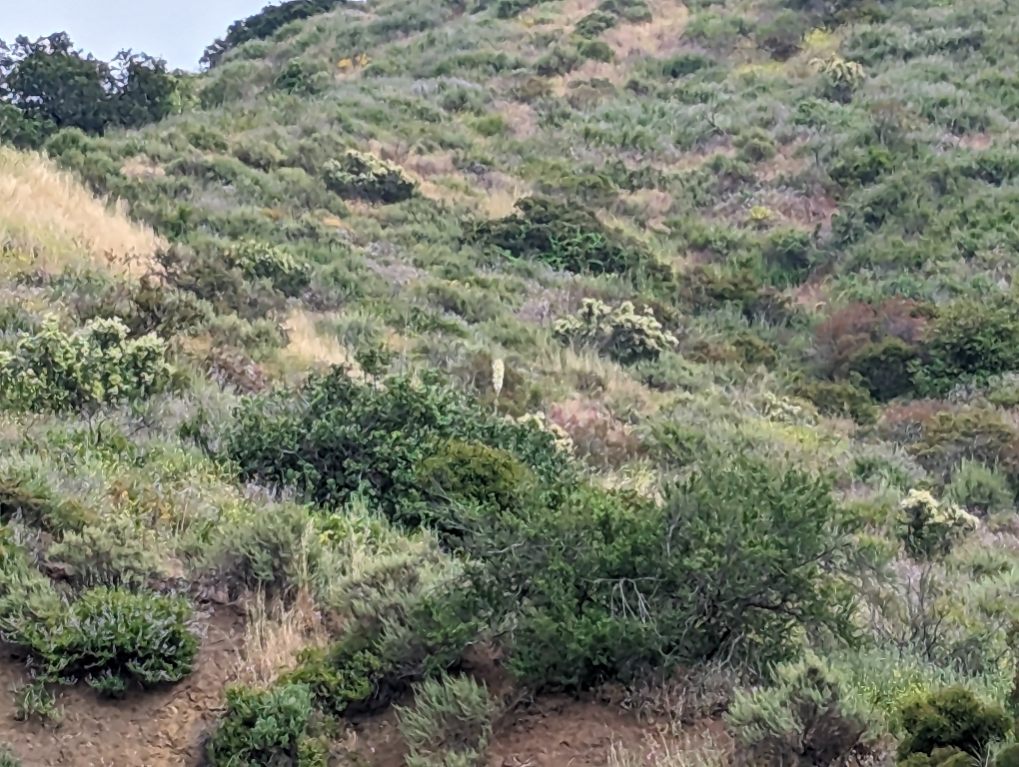
2. Hesperoyucca whipplei, our Lord’s candle blooms with an impressively tall and white floral stalk, but is barely visible at the center of this picture, taken from quite a distance.
3. Pinus pinea, Italian stone pine is obviously not native to the Hollywood Hills. I took a picture of this feral specimen because I thought it might be the legendary Wisdom Tree.
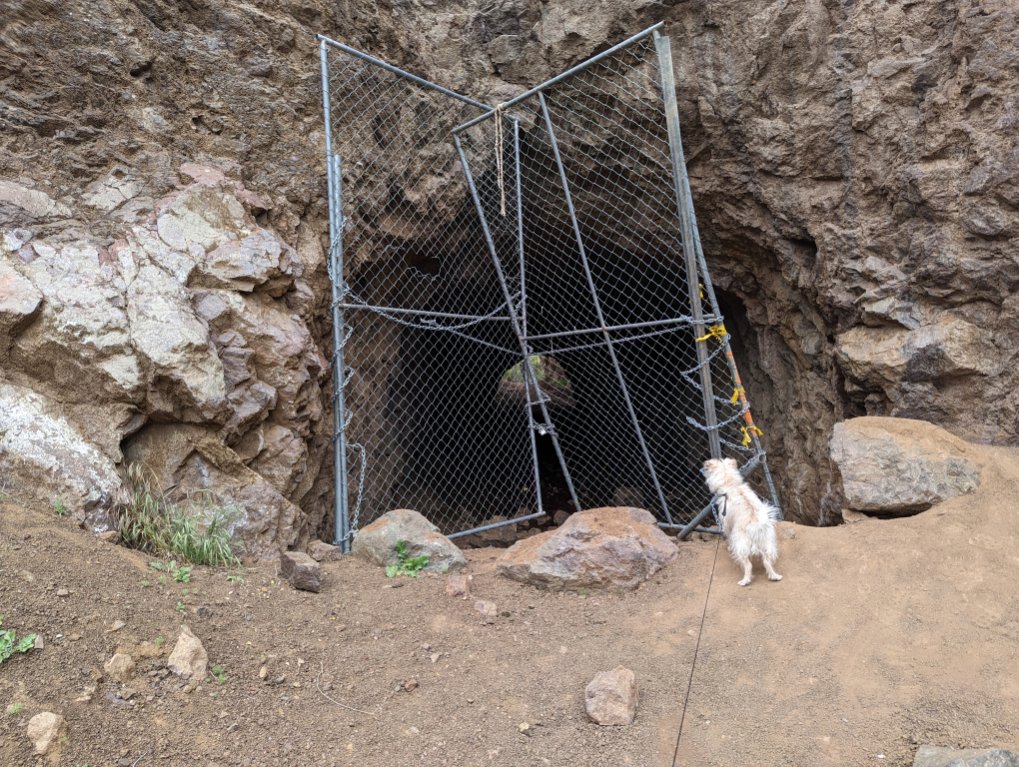
4. Not much vegetation is visible within this picture of an abandoned quarry, but Rhody directed me to this captivating scenery. Because of limited accessibility, we got no closer.
5. Zooming into the previous picture makes its scenery more captivating, and also shows a bit more vegetation within a residential landscape. Most of it is unidentifiable though.
6. Artificial English ivy with random native vegetation formerly inhabited this presently barren landscape. The busted fence is now quite uninviting. Does anyone recognize this?
If only it were not such an invasive weed, black locust, Robinia pseudoacacia, might be appreciate for remarkably fragrant and abundant white bloom that resembles that of wisteria. The pinnately compound leaves are about five to ten inches long with rounded leaflets that individually are about one half to three quarters of an inch wide and twice as long. Autumn color is soft yellow. Trees can grow fast to more than fifty feet tall. Furrowed and fissured gray bark makes middle aged trees seem older and more distinguished than they really are. The wood is excellent firewood. All parts are toxic so should be kept out of reach of horses.
Black locust is native to a big area between Pennsylvania, Georgia and Kansas. It was brought to California both to produce firewood quickly, and because it is so appealing in gardens. Modern cultivars and other specie with purplish pink or pinkish purple flowers lack fragrance, but are not invasive.
Mock orange compensates for its lack of flashy color with alluring fragrance.
Remember the smell of the neighbor’s kitchen that met you on the sidewalk as you occasionally walked by when you were young? Whether it was Momma Tomeo’s gnocchi, Mrs. Panagakos’ fresh bread or Mrs. Adam’s black eyed peas, it was so alluring, even from considerable distance. Fragrant flowers may not compare to black eyed peas (mmm), but they certainly can be alluring even without being seen.
Because flowers prefer to be efficient at their work of attracting pollinators, they tend to be either colorful or fragrant, but not both. Those that attract pollinators with color do not need to also use fragrance. Conversely, those that use fragrance to impress pollinators do not need flashy colors. Most fragrant flowers are pale shades of white, and bloom for a short time. However, there happen to a few flowers that are both fragrant and colorful.
Black locust is one of the most fragrant of trees, despite its many other problems. (It is invasive and weedy.) The flowers are bright white, and abundant enough to be quite impressive. Southern magnolia has a distinctive but more subdued fragrance. The flowers are impressively large and bloom randomly through the year, but pale and not very showy among the bold evergreen foliage.
Of the many shrubs with fragrant flowers, mock orange (Philadelphus spp.) has rampant growth with a good display of elegant and remarkably fragrant white flowers. Daphne produces a strongly sweet fragrance with clusters of small pale pink flowers. Both lilac and angel’s trumpet, although very different from each other, have the advantage of impressively fragrant flowers that are quite colorful. Roses offer a better variety of color, but not many are as fragrant.
Wisteria is an aggressive vine with flowers and fragrance like those of the black locust, with all the colors of lilac. Despite the advantage of a longer bloom season, fragrant honeysuckle lacks impressive color.
Earlier in spring, bulbs like freesia, hyacinth, lily, narcissus and some iris bloomed with some of the most fragrant flowers available, in all sorts of colors. Alyssum and flowering tobacco are nice fragrant annuals that bloom longer than most others. Sweet pea may not last as long as weather gets warmer, but compensates with richer and more varied fragrances.
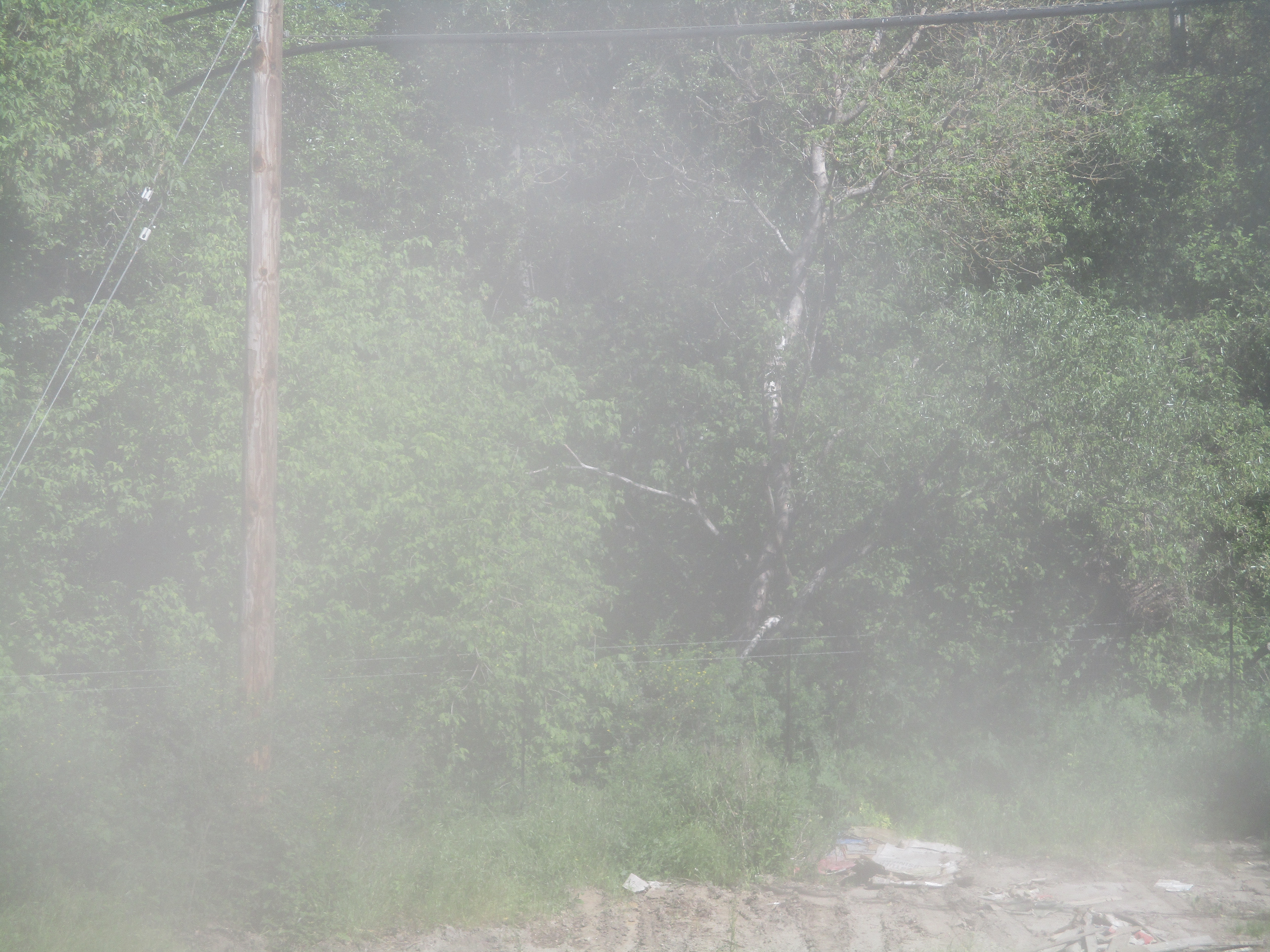
Cimarron County in 1940 or the road out back last Wednesday?
In a commotion that an Okie would flee from, the road out back got blown last week. What a mess! Dust was everywhere, and I mean, except for the road from which it was blown, it went ‘everywhere’. The engines of the two blowers at full throttle echoed loudly against pavement, the cinder block and metallic walls of the industrial buildings, and under the broad eaves above.
Fortunately, no one else was here to be bothered by it. Actually, no one would have been as bothered by it as we were by the crud that was on the road prior to getting blown. We know that blowing is sometimes necessary. There are only a few windows on the industrial buildings, and they were all closed. The few vehicles that happened to be parked nearby were already dirty.
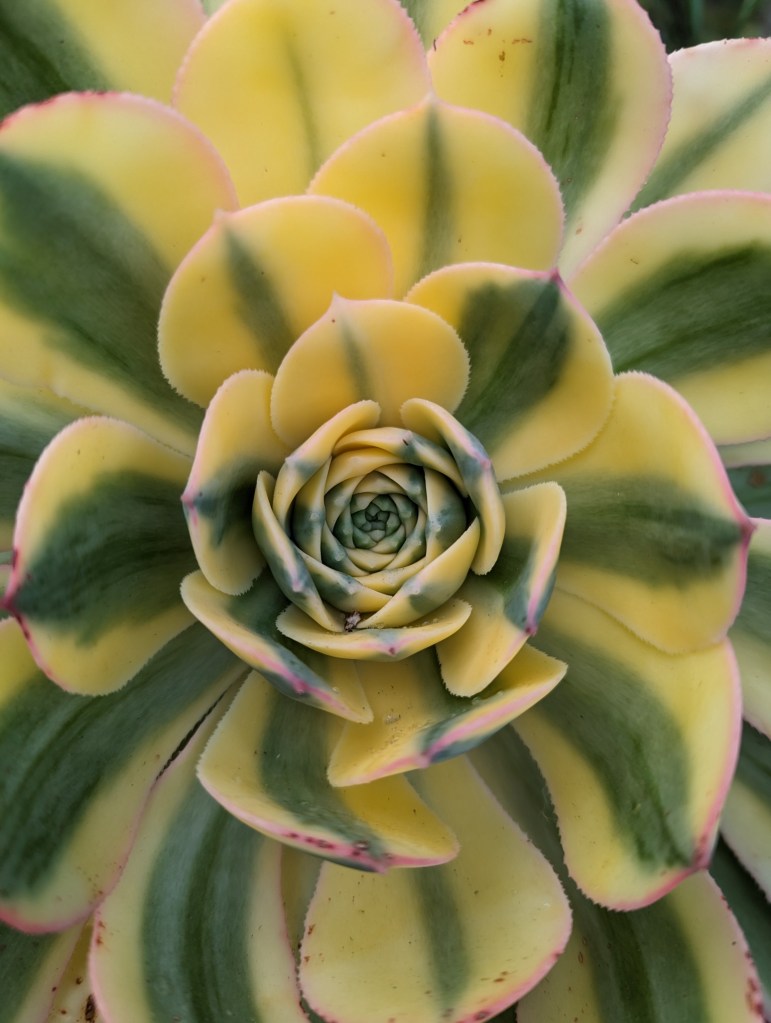
This must be one of the sillier horticultural names. Tree houseleek, Aeonium arboreum, is neither a tree nor related to leeks. The biggest cultivars can not stand much more than three feet tall. Above that, their succulent foliage gets too heavy for their fleshy stems and fine roots. They perform well as houseplants only within very sunny situations.
Formerly common tree houseleek, with simple green foliage, is not so common anymore. Almost all popular modern cultivars are variegated or bronzed, with wide foliar rosettes. Variegation ranges from bright lemony yellow to creamy white. Bronze ranges from light brown to very darkly purplish. Foliar rosettes are about four to eight inches wide.
Plumply conical trusses of tiny yellow or chartreuse flowers bloom for spring. They are neither numerous nor brightly colorful, but are weirdly interesting. Fresh spring foliage is most colorful and lush. It can fade and partially shed during arid summer weather. New plants propagate very easily from dragging stems or cuttings of pruning scraps.
Spring bloom is the most colorful color in the garden here. It is not the only color though. Some deciduous foliage will provide color at the opposite end of the year. Bark can add a bit of color, particularly while deciduous trees defoliate for winter. So can colorful fruit. Furthermore, ornamental foliage, both deciduous and evergreen, can contribute color.
Ornamental foliage is not the same as deciduous foliage that is colorful only for autumn. The distinction is that it is colorful from the beginning. Generally, it is most colorful while fresh during spring. If both deciduous and colorful for autumn, it changes from one color scheme to another. If evergreen, it may remain more or less colorful throughout the year.
Ornamental foliage of this sort displays various colors and patterns. Variant colors might be yellow, orange, red, purple, blue, pink, bronze, white or gray. They can be variegation such as stripes, margins, blotches, spots, patterns or blushes. Alternatively, they can be monochromatic. Most fade to some degree during the warm and dry weather of summer.
The colors of ornamental foliage are not as vibrant as floral color. They are not intended to attract pollinators. In fact, most of such color serves no practical purpose. Blue, gray or white foliage mostly originates from high altitudes or harsh desert climates. It reflects a bit of excessive sunlight to avert scorch. Most other ornamental foliage is mere mutation.
In the wild, such mutant foliage is generally a disadvantage. White portions of variegated leaves contain less chlorophyll. Consequently, they can not photosynthesize as much as green portions. Such foliage only perpetuates unnaturally within cultivation because it is appealing. Some mutant ornamental foliage can revert to more vigorous greener growth.
Ornamental foliage can be annual, perennial or woody. New Zealand flax, canna, coleus and caladium are the most variably colorful. Coprosma and various pittosporum are a bit more limited. Euonymus, hosta and ivy display white or yellow variegation. Smoke tree, redbud and some maples are surprisingly diverse. Agave blue spruce and some junipers can contribute gray and blue. There are too many options to mention.
Vegetation management after several weeks of neglect has been . . . interesting. While we were unable to work, and during their most active growth of the year, weeds proliferated more than they had ever gotten away with before. As most get cut down by weed whackers, I pull those that mingled with desirable plants that weed whackers must avoid. It is a tedious process.
One of the more tedious of these projects, and perhaps the most tedious so far, required the removal of abundant weeds from a dense row of carpet roses. Fortunately, it was not as bad as I expected it to be. They young man who weeded this area during winter had done a remarkably thorough job, and eradicated most of the dreaded oxalis and tougher perennial grassy weeds.
Our work is the sort that could potentially continue as essential. Distancing is not a problem for us, since we generally work individually, and there are no guests here. However, work needed to be discontinued due to lack of revenue. A conference center can not generate revenue without big groups of guests. Even when groups can return, many potential guests can not afford to.
The chronology of this situation should have been documented more efficiently. We had been unable to work here for several weeks. I do not remember how long it had been. Work resumed two weeks ago, and can continue for six more weeks, for a total to two months. We will start no new projects during this time, but will primarily try to catch up on what was neglected earlier.
Salvage and preparation for resumption of neglect are presently the priorities. This…
Rhododendrons bloom so spectacularly that I am obligated to share pictures of them for Six on Saturday. I can not share pictures of all of them though. There are too many, and there are also too many pictures of other flowers that bloom at this time of year. As it is, these pictures were delayed because I shared pictures of other flowers earlier. Therefore, these Six will be the first and last pictures of rhododendrons that I will share this season. None of them are of my roommate, Rhody. None of the cultivars are identified. I should share pictures from my vacation next week. I arrived in Los Angeles on Wednesday, and should leave for the Phoenix region on Sunday.
1. Anah Kruschke looks something like this; and this really is more purplish than it looks here. Bloom is so very late that some was still in bud, like those behind these two florets.
2. Floral trusses of this cultivar are huge! The branch structure is also big. The specimen that produced this bloom is more than twenty feet tall. It sags from its own floral weight.
3. Several rhododendrons here are white, but none are pure white. This one is somewhat spotty and blushed with a bit of lavender pink. It brightens its partially shaded situation.
4. Pink is likely the most common color among the rhododendrons here. Rich pink such as this mostly inhabits sunnier situations. Paler pink mostly inhabits shadier situations.
5. White with yellow spots seems to be somewhat whiter than lavender pink blushed and spotty white. A few specimens of this cultivar live here. Its foliage is not very impressive.
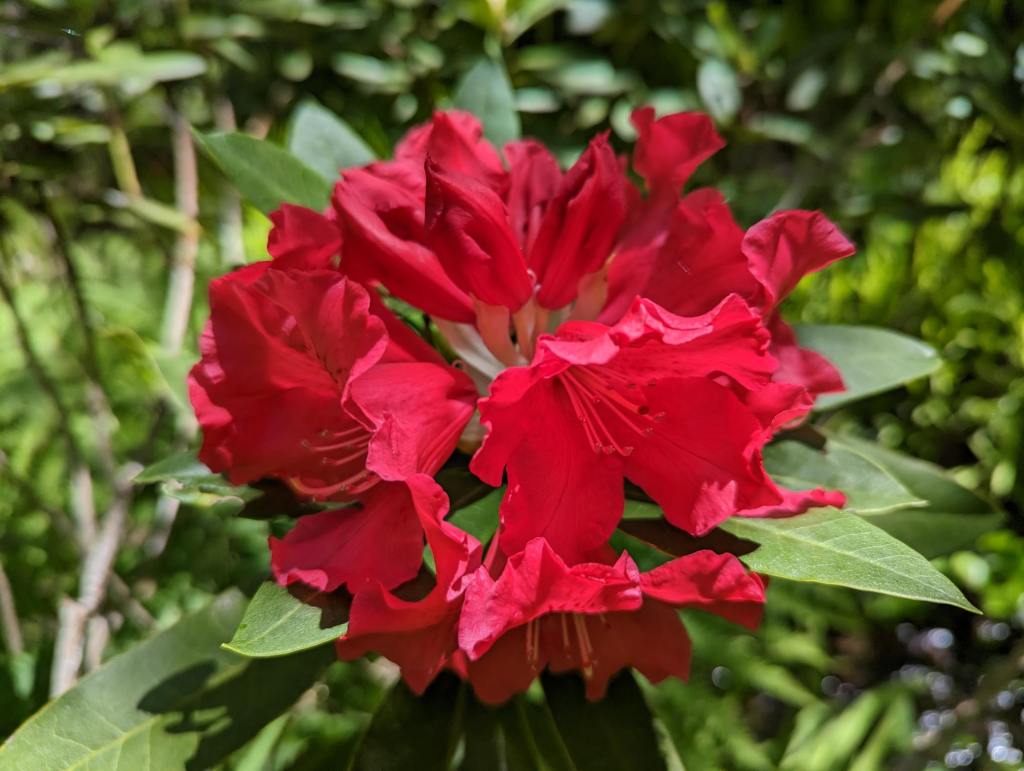
6. Red is a splendid color for rhododendrons. Red is not as splendid as lighter colors for shady situations though. That may be why it is uncommon within our shady landscapes.

 Foliage does not get any blacker than this.




 Cimarron County in 1940 or the road out back last Wednesday?
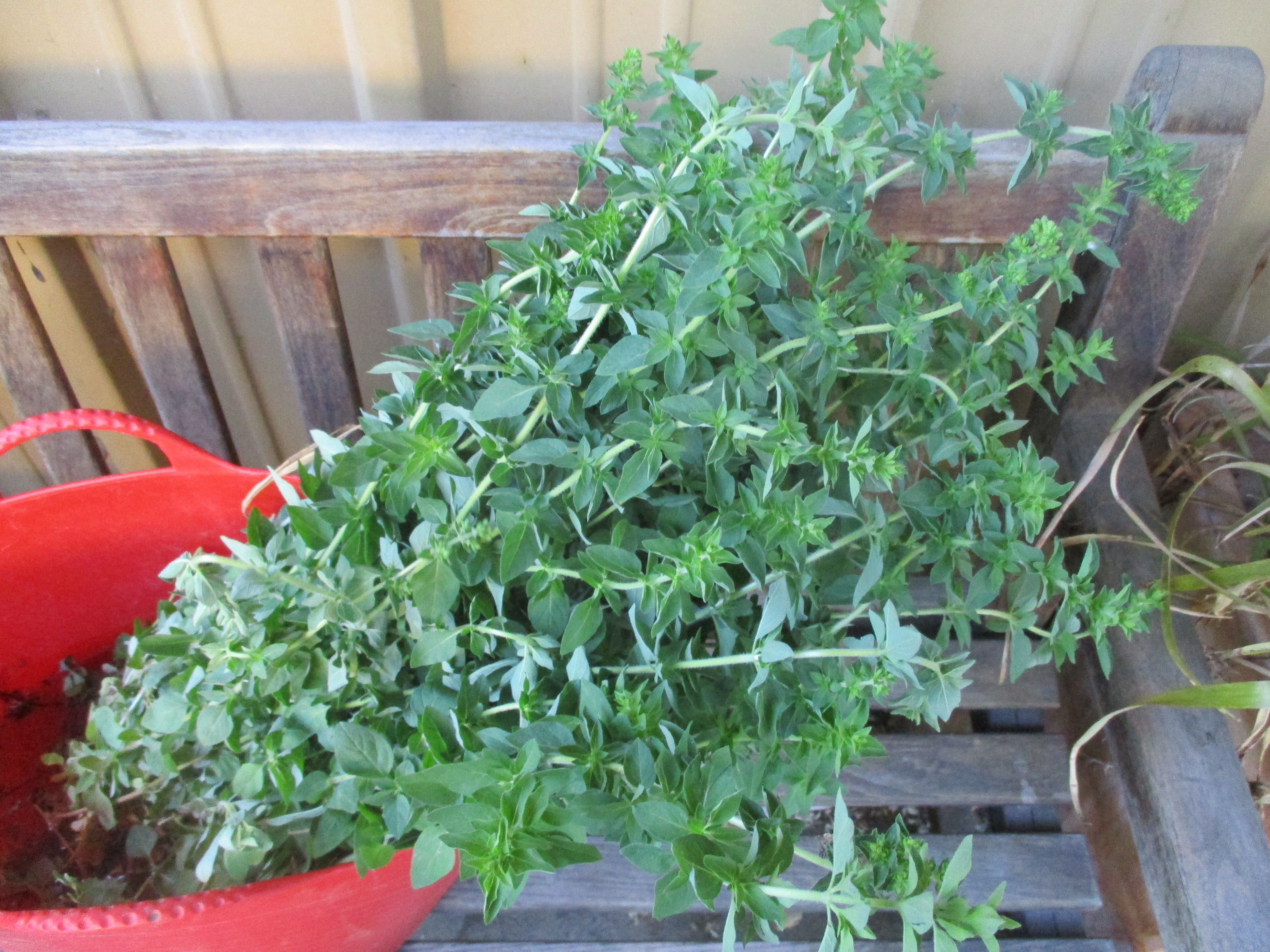 Herbs should do so well in an herb garden.
 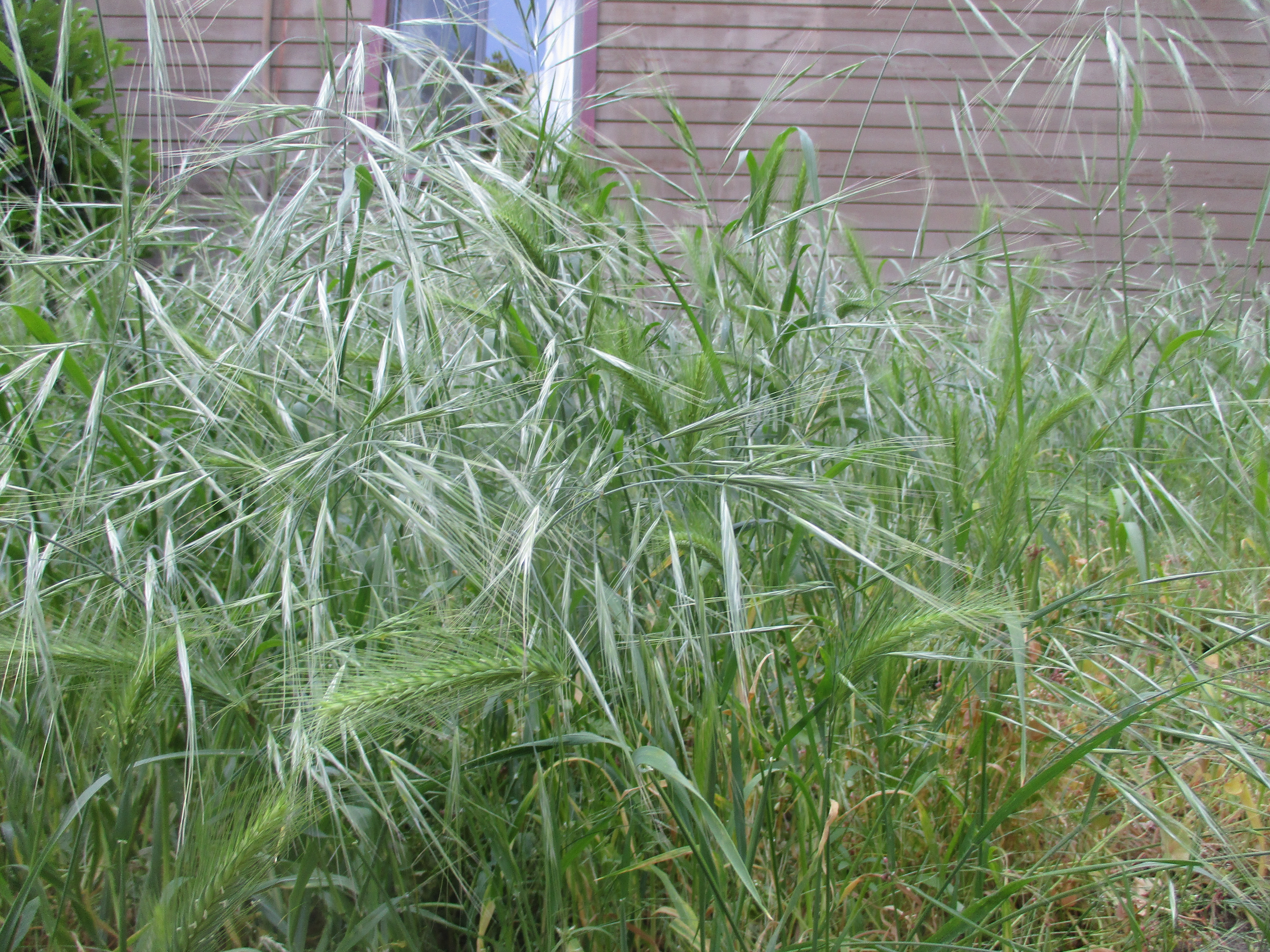 It’s a jungle out there!


 Tony Tomeo