Shade Imposes Limitations On Gardening

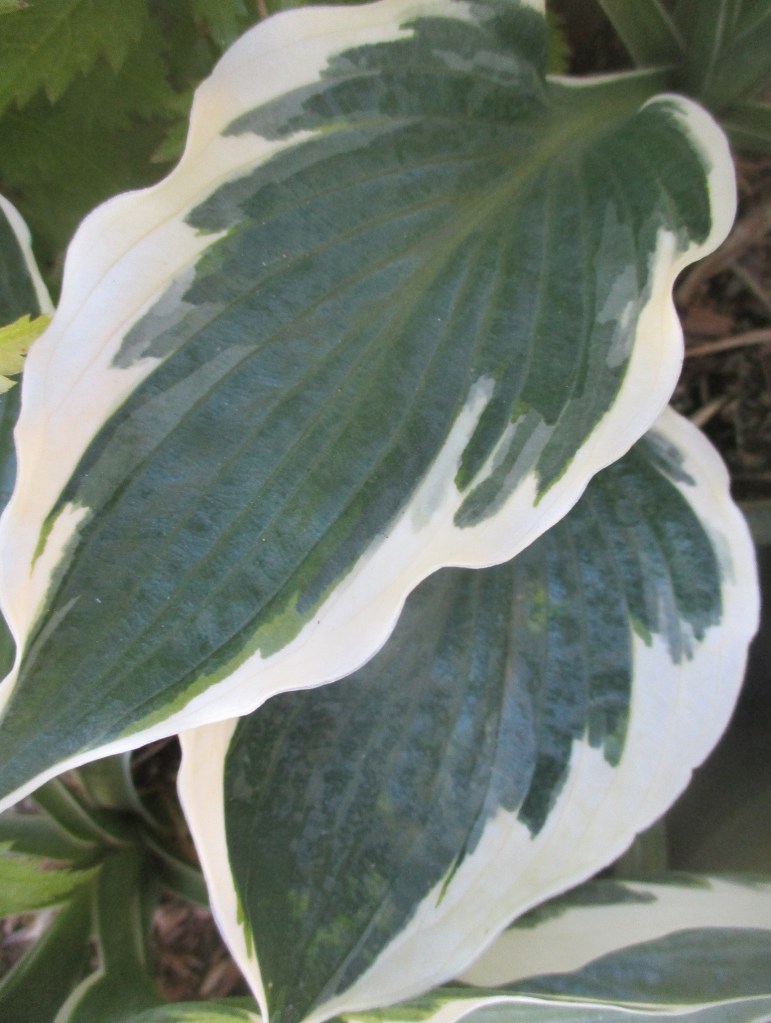
Hosta is tolerant of moderate shade.

Home gardens are becoming shadier. Modern homes are taller to fit closer together. Modern fences are taller to compensate. Densely evergreen trees and large shrubbery compensate more. Taller homes and fences, and denser vegetation, shade more of their smaller modern parcels. Not much sunlight can reach the soil of modern home gardens.

Portions of a garden that are too shady for gardening are not necessarily useless. During warm weather, patios, sheds and workspaces are cooler with shade. Koi generally prefer shade to sun exposure most of the time. Compost piles and woodpiles need no sunlight. Such utilization of shady areas leaves more sunny areas available for actual gardening.

Deciduous trees that let warming sunlight through for winter are less practical nowadays. They do not always obscure undesirable scenery as trees in modern landscapes should. Warming winter sunlight is not so useful to energy efficient modern homes anyway. It is useful for gardening though. That is why smaller evergreen trees are now more practical.

Such trees or large shrubbery can do what they must without creating too much shade. If they get only high enough to hide nearby windows, they should not shade solar panels. Nor should they fill eavestroughs with debris. Perhaps more importantly, they allow more sunlight through than larger trees would. Lower vegetation appreciates what it can get.

Some plants tolerate more shade than others. Some of the most tolerant are understory species. They naturally live within the partial shade of larger plants. Many have big dark green leaves to maximize sunlight absorption. Fern are familiar shade tolerant plants, but have finely textured foliage. Coleus and hosta have exquisitely colorful variegation.

Because most plants enjoy sunlight, the selection of plants for shade is limited. Rhododendron and azalea have a reputation for tolerance of shade. However, too much shade inhibits their blooms. Camellia and hydrangea tolerate a bit more shade, with less inhibition. Cast iron plant is a famously shade tolerant foliar perennial. Kaffir lily tolerates almost as much shade, and blooms splendidly.

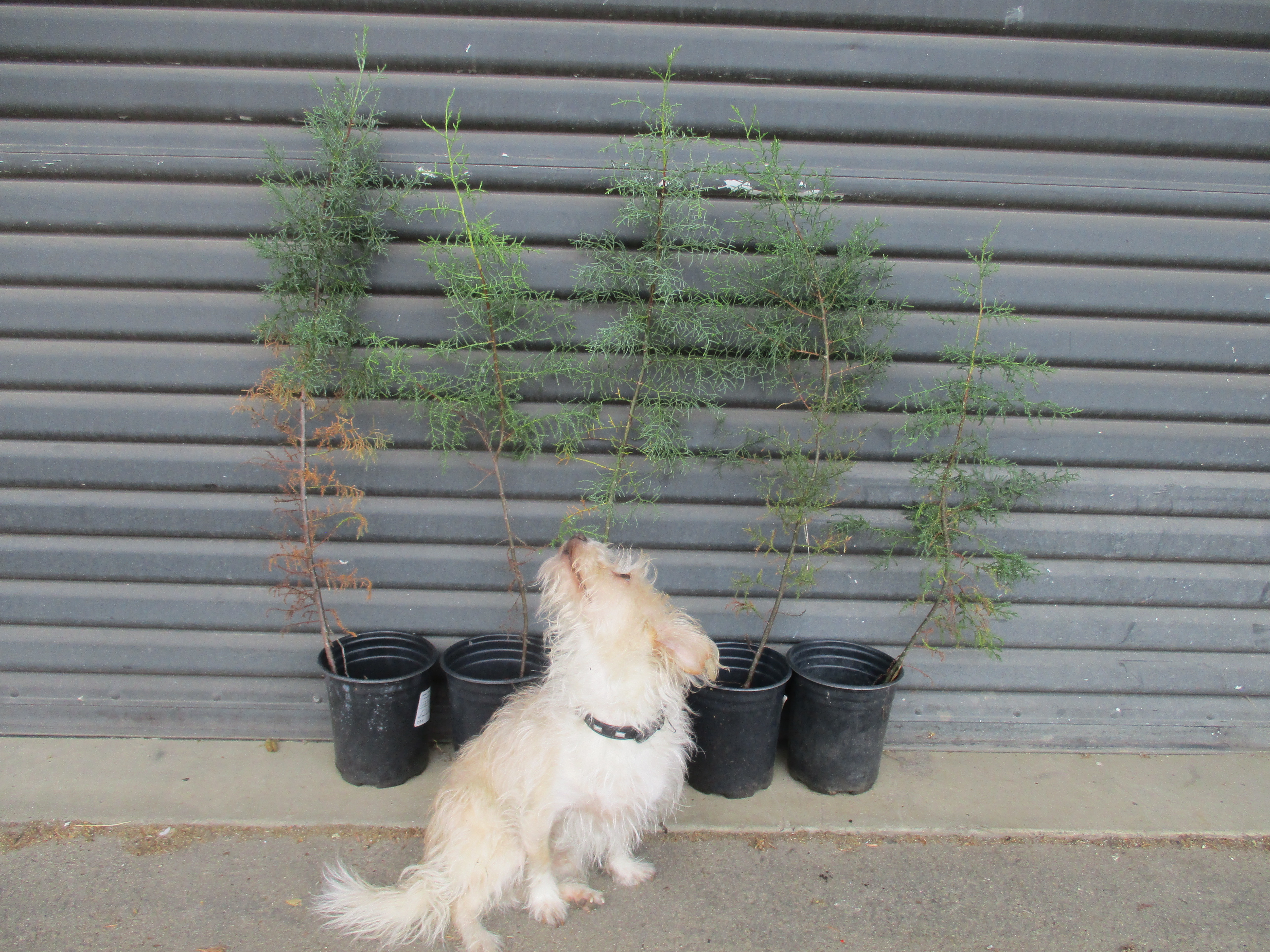
Lineup

Wow! I forgot that these small cypress were planted three years ago. I should write an update.

tonytomeo's avatarTony Tomeo

P00426 The usual suspects.

There is significant traffic right outside. It is one of the three busiest roads around. No one here really minds, because we are mostly too busy with something else while we are here. We are accustomed to it as part of the ‘scenery’. The noise sometimes makes it necessary to shout to each other, or take a telephone call somewhere else, but is not too much of a bother otherwise.

However, the scenery that those in the traffic see from the road might be slightly less than appealing. Industrial buildings surrounded by pavement, building materials, work vehicles and all sorts of associated items are all that are in here. Next door, there is a herd of dumpsters! It is a view worth obscuring. Bay trees and box elders that used to screen the view are too tall now.

I should have planted these five Arizona cypress in…

View original post 153 more words

Wheat

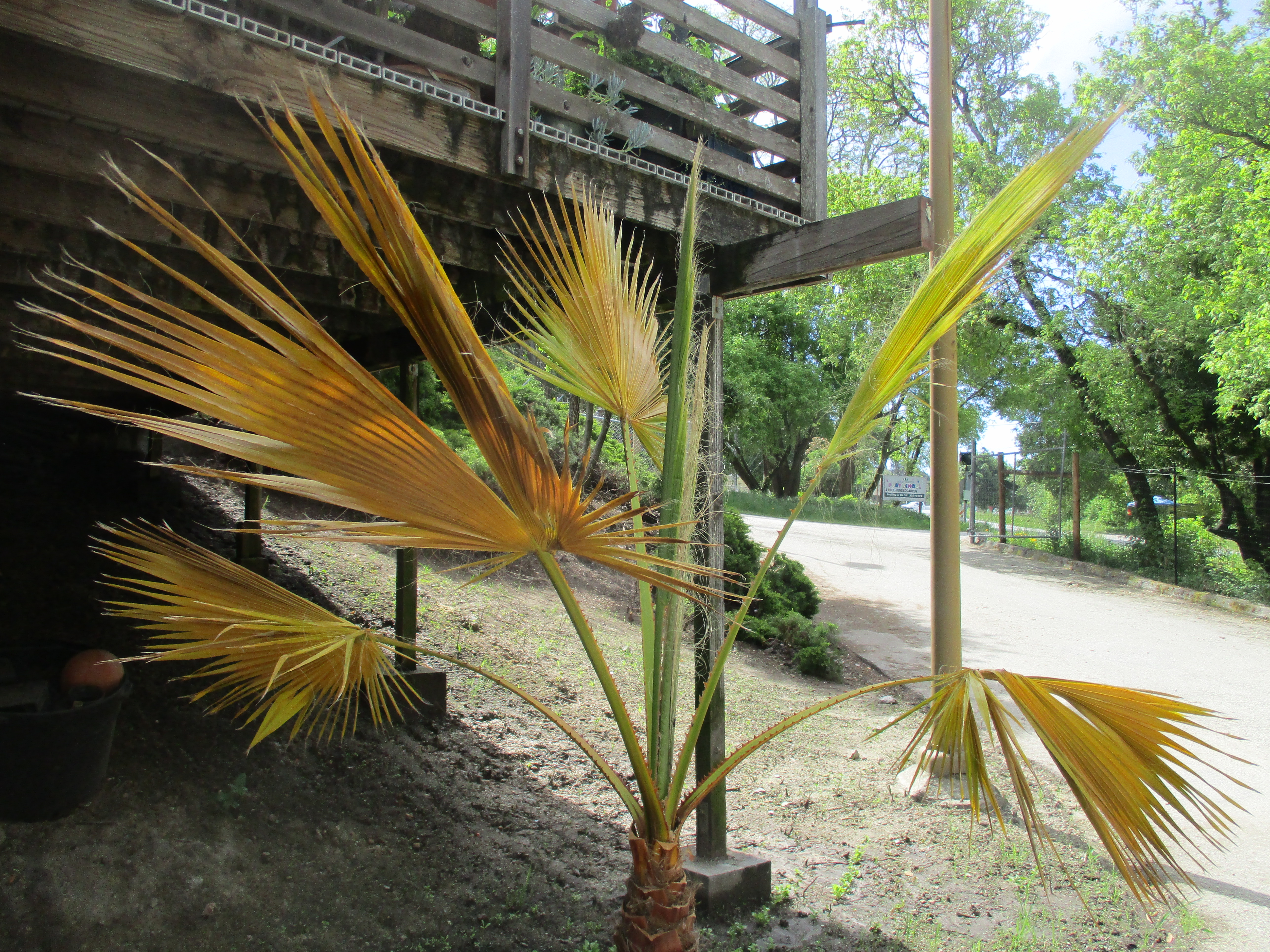
Three years later, this palm is happy and healthy. However, another and five smaller specimens have replaced it out there.

tonytomeo's avatarTony Tomeo

P00425K It is not as bad as it looks.

No, this is not wheat. It is the larger of the two Mexican fan palms that I dug and canned more than a week ago. ‘Wheat’ refers to the unpleasant phase that it is now going through. It is a long and awkward story about how it became known as the ‘wheat’ phase. All that anyone should know is that it refers to the color of the fading foliage. It fades from green to golden brown, just like ‘wheat’.

I say that the explanation is awkward because it involves an old skit by an offensive comedian on HBO in 1986, when the renowned landscape designer, Brent Green, was my college roommate.

Yes, we will just leave it at that.

Anyway, this is not at all unexpected. It is a normal process. I just wish it could be avoided. Every time I dig…

View original post 272 more words

Six on Saturday: Vacation Is Over

Vacation has been over for quite a while. I returned two weeks ago. It continues to be the topic for my Six on Saturday because I took too many pictures to share within only a few episodes. The sixth picture here is from the Tomeo Residence. All of the others are from the farm nearby, where my Pa grows bonsai stock, and where I pruned several neglected apple trees. Like last year, I left late, but managed to prune the apple trees before bloom. Because of the delay though, my trip to Southern California and Arizona is also delayed. Now, if I do not go soon, that trip will need to be delayed even more, until after summer.

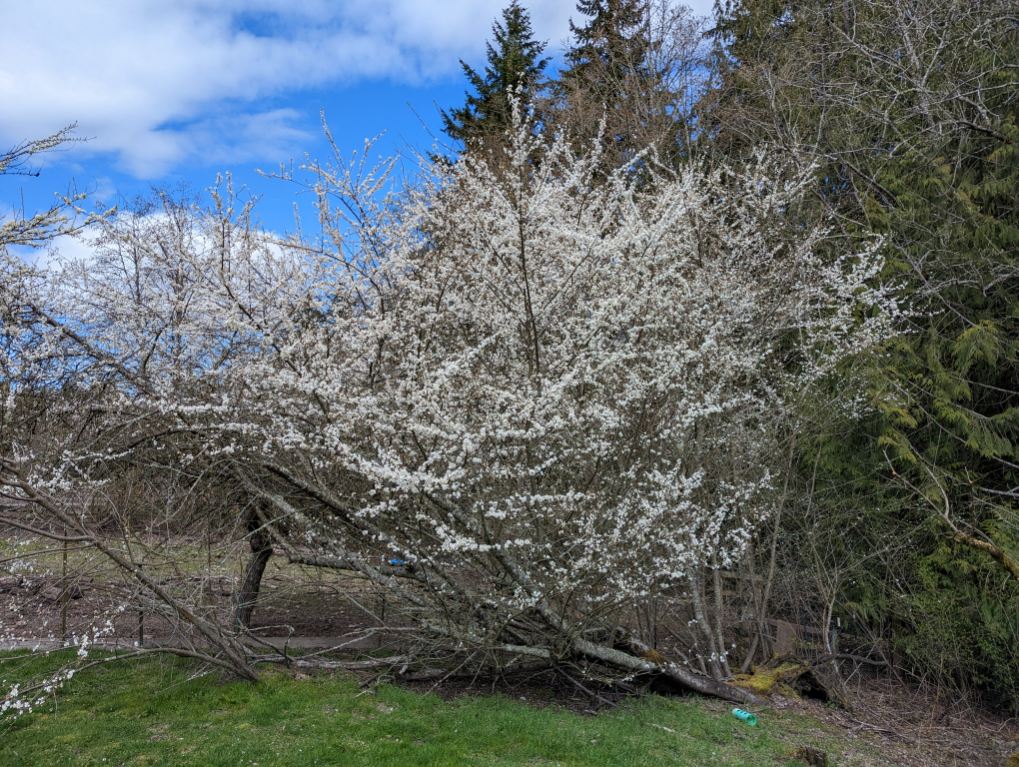
1. Bloom was what I was trying to avoid. Fortunately, this is merely an abandoned plum tree that I did not prune. I managed to prune the designated apple trees prior to bloom.

2. Vegetation management does not get out much. They and the swine next door control vegetation where they live, but lack access to the orchard or other vulnerable vegetation.

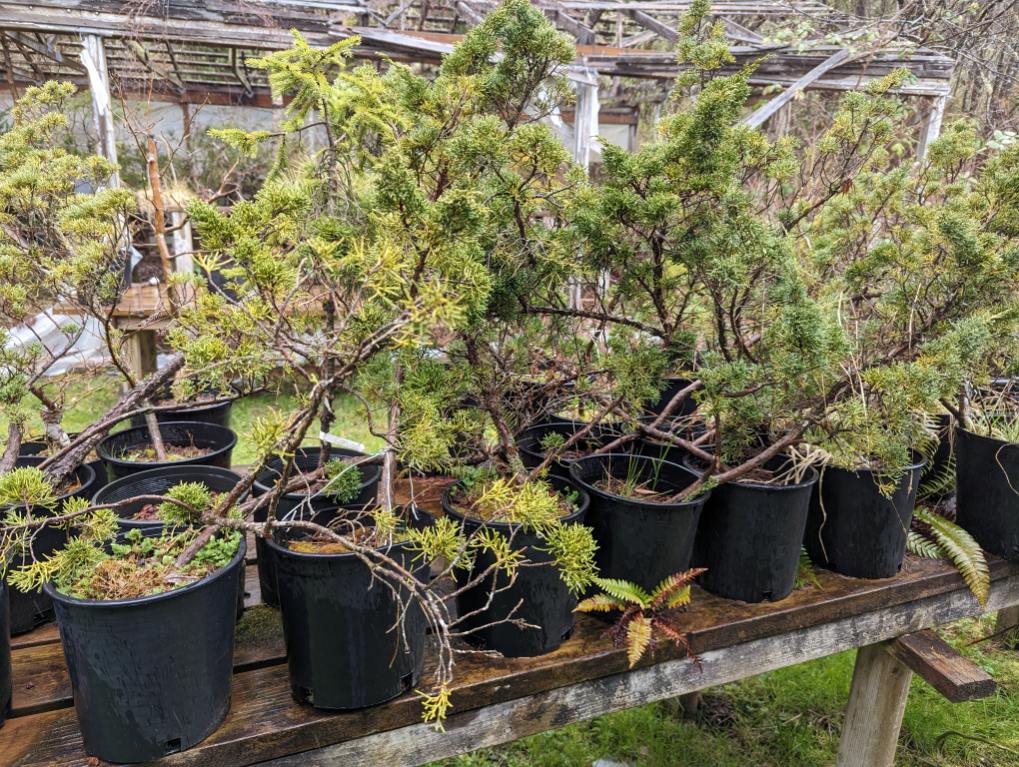
3. Bonsai stock is safe from vegetation management. Unlike the unvarying horticultural commodities that I am accustomed to, each of these bonsai stock specimens are unique.

4. Junipers might be the most common of the bonsai stock. This one might be Tolleson’s blue weeping juniper. It was certainly blue and weeping. I did not seem familiar though.

5. Larch is also popular for bonsai, at least in the Pacific Northwest. However, because I am unfamiliar with this genus, I have no idea what species this is, or if it is even a larch.

6. Rhubarb that my paternal paternal great grandfather gave to me when I was five years old inhabits a garden of the Tomeo Residence near the farm. I brought it here last April.

This is the link for Six on Saturday, for anyone else who would like to participate: https://thepropagatorblog.wordpress.com/2017/09/18/six-on-saturday-a-participant-guide/

Grevillea ‘Canberra’

Most Grevillea are from chaparral climates.

So many similar cultivars of low shrubby grevilleas come and go that it is hard to know what is what. All prefer sunny exposure and good drainage. They really do not like too much watering or fertilizer, particularly fertilizer with phosphorus. Pruning after bloom promotes more bloom, which keeps hummingbirds happy. Some people who are allergic to grevilleas can get a rash from handling the foliage.

Grevillea ‘Canberra’ was probably the most popular grevillea in the early 1990s, but can be hard to find now that other similar grevilleas are more common. It is a mid-sized shrub with dark green foliage that resembles pine needles on arching branches about six feet tall and broad. Small clusters of rosy red flowers bloom along the branches in winter and spring.

Some Weeds Were Not Always Weeds

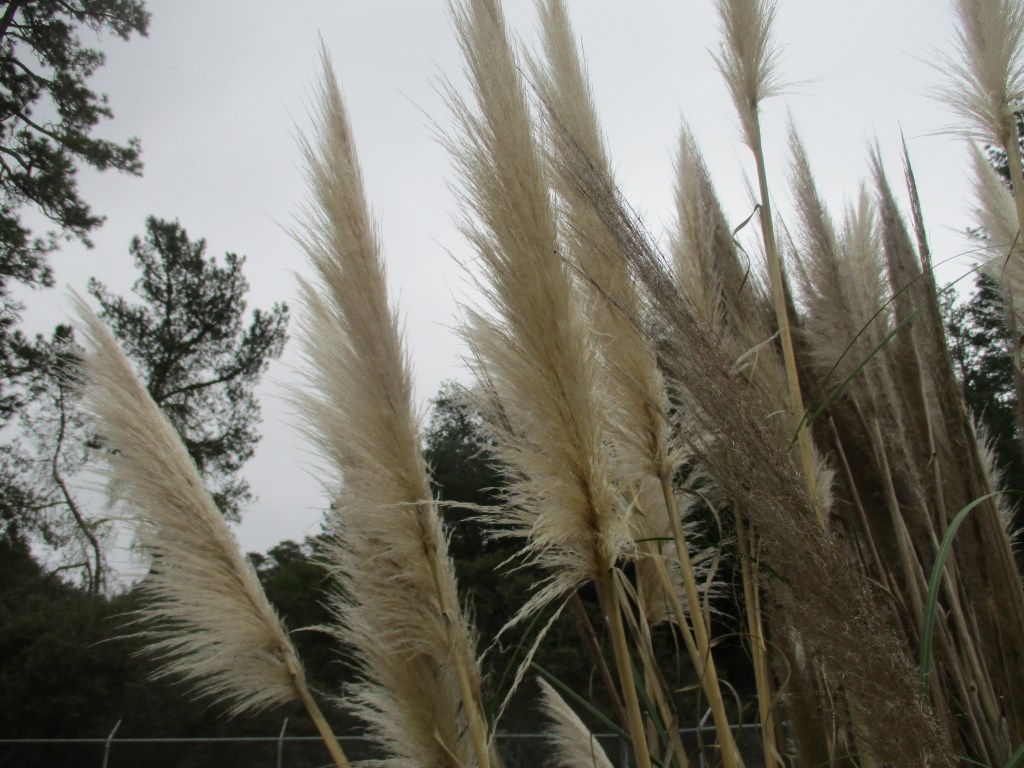
Pampas grass was planted intentionally a long time ago, but then became a weed.

Weeds can be so very sneaky; getting into the weirdest places, and taking on all sorts of forms. They are mostly annuals or perennials that infest lawns and beds, but can be shrubs, vines and even big trees that grow among desirable plants, in untended areas, in cracks in pavement and even in roof gutters and on flat roofs. Many look appealing at first, but then later get out of control and displace the plants around them, or wreck whatever fence, pavement or building they encounter. Heck, I even suspect that it was a weed that stole my neighbor’s Pontiac!

While the soil is still damp from earlier rain, the most common annual weeds that are just developing are easiest to pull. They will put up more of a fight later, after they have dispersed roots, and the soil has gotten a bit more firm. Perennial weeds that were already established before winter will be considerably more stubborn, but not as stubborn as they will be as the soil dries later. Bermuda grass and crabgrass are always nasty.

The biggest, sneakiest and most stubborn weeds are ironically descendents of substantial perennials, shrubs and trees that were once actually planted in gardens. They are sneaky because they look as pretty as their parents when they first appear, in order to dissuade us from pulling them. The problems are that they are often too abundant, and very often get into spots where they will be problematic as they grow.

For example, Acacia dealbata and black locust are rather appealing trees while they are young, especially when they bloom. This is why they were originally planted in local gardens. It is tempting to allow self sown seedlings to grow instead of pulling them when they first appear. However, because they were not actually planted strategically where they can necessarily be accommodated, they grow in random situations, too near to pavement, fences or eaves, or in areas that are already landscaped. As they mature, they can damage these features or the plants around them.

Privet, pampas grass, castor bean and a variety of palms, acacias, ivies and several other plants that do a bit too well in local gardens have certain potential to become invasive or aggressive big weeds. Tree of Heaven, giant reed, the various brooms and the most invasive of acacias  have not been available in nurseries for many years because they are so problematic, but continue to be some of the most invasive and aggressive weeds in California.

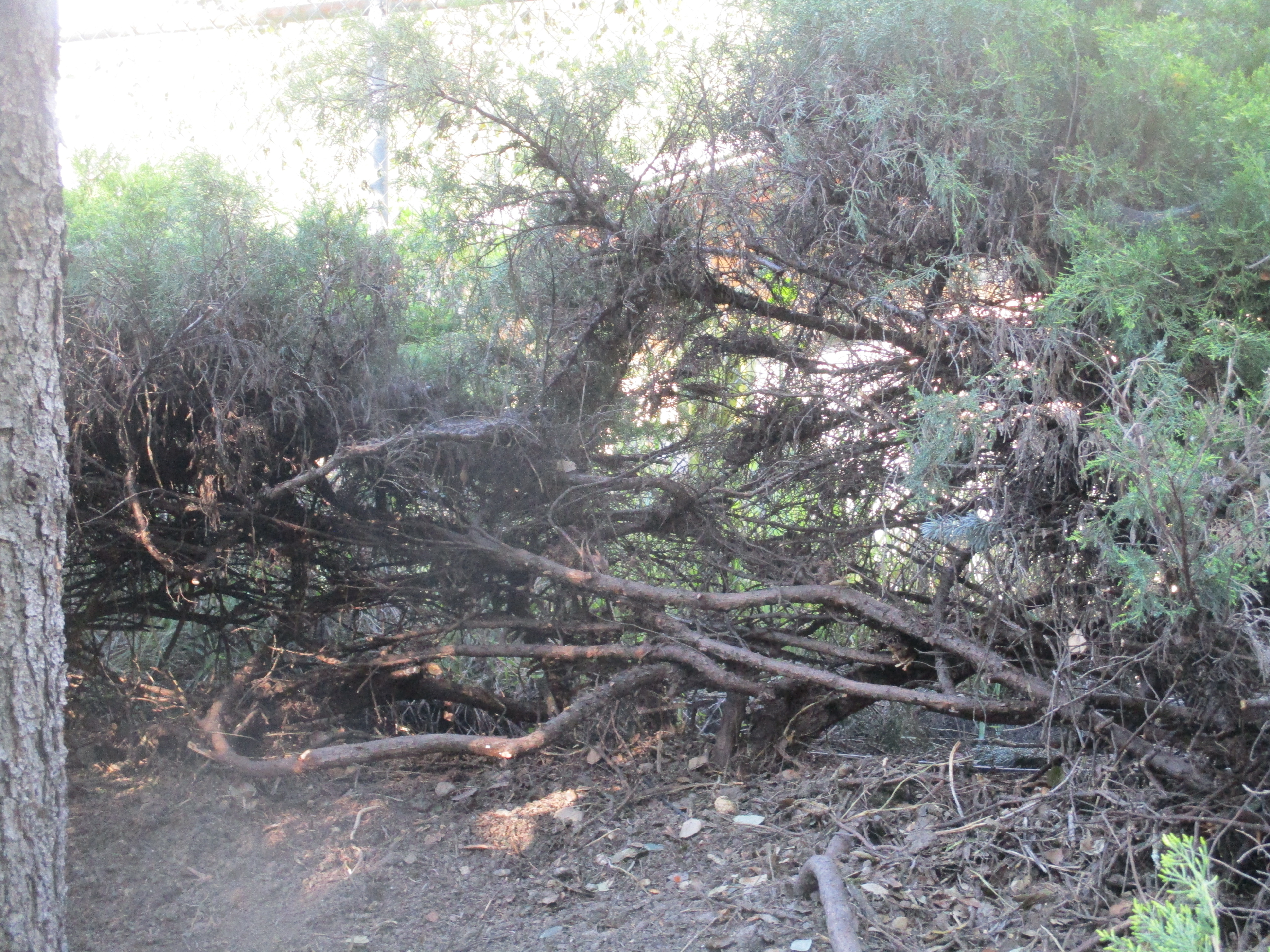
Horridculture – Jumpin’ Juniper!

These do not look so bad three years later.

tonytomeo's avatarTony Tomeo

P00422-1 This is the backside of some of the better junipers!

Junipers have a bad reputation. They earned it at a time when they were too common. Too many were installed into situations that they were not appropriate for. As they grew, they were unpleasant to handle. If not handled enough, they became overgrown and shabby. Once that happened, there were nearly impossible to prune back into confinement without being ruined.

I was never one to completely subscribe to that bad reputation. There were just too many junipers that I really liked, particularly the Hollywood juniper and the Hetz blue juniper. There were a few that I disliked, and I still loath the common tam juniper, but they were in the minority, and happen to be the same sort that are becoming more scarce.

For landscape situations that they happen to conform to, there really is no reason for junipers to…

View original post 257 more words

Asiatic Lily

Asiatic lily appreciates pronounced winter chill.

Lily is such a generic classification. Kaffir lily, water lily, calla lily, canna lily and many other lilies are not lilies at all. These examples are not even remote relatives. Real lilies are of the genus Lilium. However, even the most familiar of these are hybrids of various species. Asiatic lilies are a group of such hybrids that classify as Lilium asiaticum.

Asiatic lilies go into the garden as dormant bulbs during late autumn or winter. They grow through spring to bloom for early summer. Bulbs require vernalization to bloom, so may not bloom annually within mild climates. Asiatic lilies that are now popular as spring cut flowers grow in greenhouses. Mature bulbs can grow large enough for propagation by division while dormant. Bulbs like rich and evenly moist soil.

Asiatic lily bloom can be white, yellow, orange, red, reddish purple or pink. Many are delightfully monochromatic. Some display spots, stripes or darker centers. Each bulb extends a single stem with a few flowers on top. Each flower extends six flaring tepals in familiar lily form. Unlike most other lilies, Asiatic lilies do not produce enough pollen to be messy. All lilies are toxic to cats.

Vernalization Enhances Bloom And Growth

Unusually wintry weather enhances some bloom.

Some gardens continue to recover from the exceptionally wintry weather of last winter. Frost damaged some plants, and killed a few. Wind damaged trees. Excessive rain caused erosion and saturation. This collectively unpleasant weather inhibited some from maintaining their gardens. Yet, some plants that require vernalization are performing splendidly.

It seems like an odd juxtaposition. Bloom of some plants is so unusually robust amongst remaining weather damage. Some bloom is noticeably late while most is precisely on schedule. It is not so odd to the plants who seem to behave so oddly though. Whether they appreciate vernalization or dislike frost, they respond to the weather.

Vernalization is merely attainment of sufficient chill to convince plants that it is winter. Many plants that are endemic to climates with cooler winters appreciate such reminders. It initiates their dormancy and resets their respective schedules. They know that subsequently warmer weather initiates their growing or seed germination season.

Plants that are endemic to climates with mild winters are less reliant on vernalization. Some of such plants are vulnerable to frost. Canna are tropical plants from mountainous regions that sometimes experience frost. They die back harmlessly if frosted, and remain dormant until safely warmer weather. They react to chill, but do not require it seasonally.

Spring bulbs, forsythia and flowering cherries have already bloomed atypically boldly. Later flowering cherries, as well as purple leaf plum, lilac and wisteria continue to do so. Peonies are likely to bloom better than typical a bit later. They are rare locally because of their reliance on typically unreliable vernalization.

Some cultivars of apple and pear are likewise unreliable within locally mild climates. Those that normally perform well here may perform better this year. After early warmth to initiate bloom, stone fruit bloom can succumb to late frost. Last winter though, frost was continuous enough to delay bloom until after the last frost. Extra vernalization may instead enhance production.

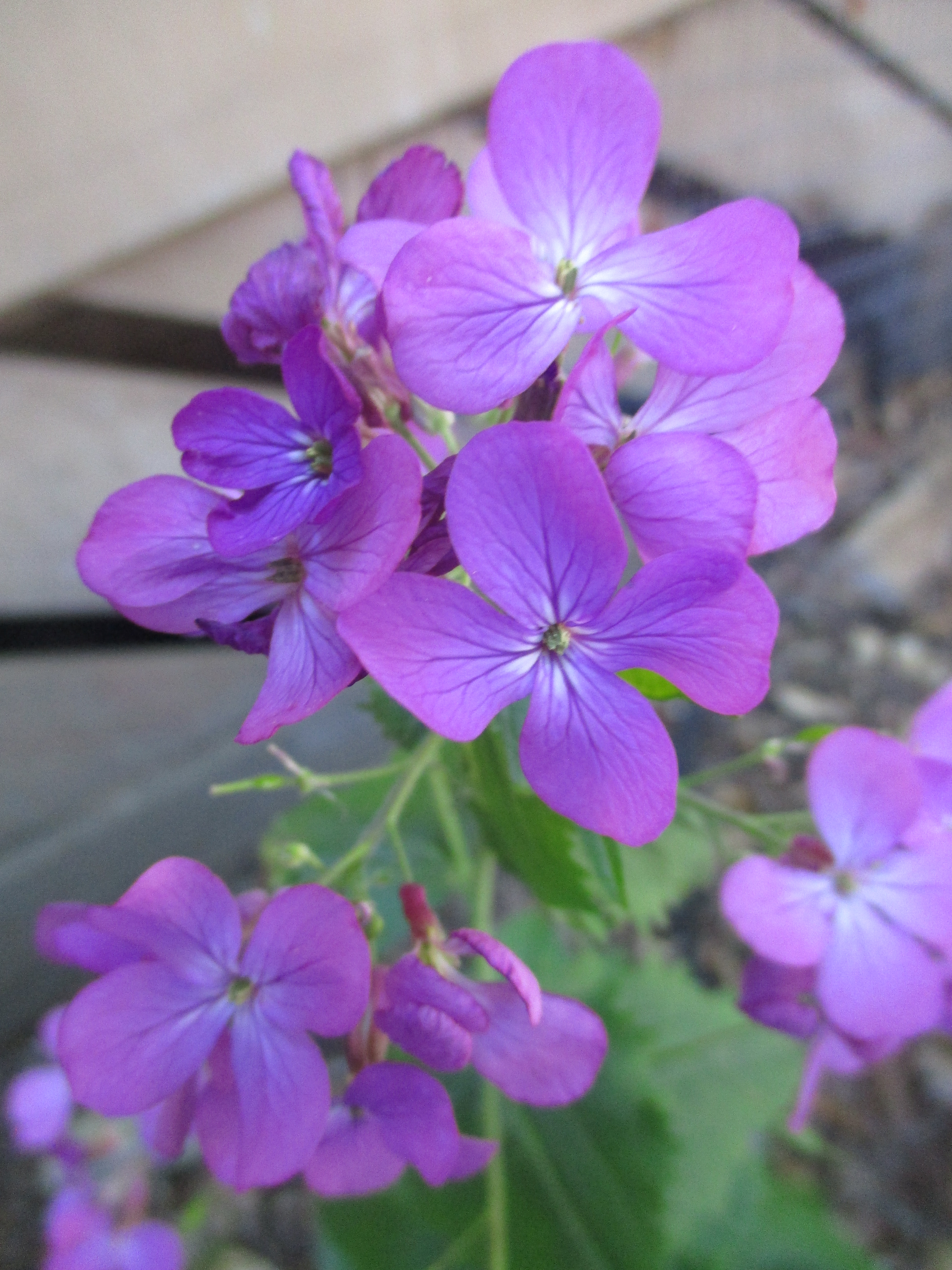
Tradition

The tradition continues, and there are still a few envelopes of seed available for neighbors.

tonytomeo's avatarTony Tomeo

P00419Lunaria annua is known more for coin shaped seed pods than bloom.

Money plant, Lunaria annua, which some may know as ‘honesty’, is honestly not a wildflower here. It is neither native nor naturalized. Yet, it seems to grow wild on roadsides, in drainage ditches, and around the perimeters of some of the landscapes. It certainly produces enough seed to naturalize. It just would not have done so in this climate without a bit of intervention.

Many years ago, someone who maintained the landscapes here started sowing seed for money plant. I do not know if he was the first to sow the seed, or if he collected it from plants that someone else grew. He collected seed annually to disperse randomly by simply tossing it out wherever he though it might happily grow into more money plant.

Since money plant wants a bit more water than it gets…

View original post 163 more words