Wandering Jew, spider plant, various philodendron and jade plant were among the most popular houseplants of the 1970s. They are as easy to propagate as they are to grow, so were popular gifts for friends and neighbors. Jade plant, Crassula ovata, commonly grew too big to stay inside without pruning. It fortunately grows better than the others outdoors.
Jade plant does not grow fast, but can eventually get more than six feet tall, with densely rounded form. The succulent stems of such large specimens get quite plump, but remain rather fragile. The paired evergreen leaves are thickly succulent, and mostly a bit longer than two inches. Clusters of tiny pale pink or white flowers are not especially impressive.
At least one cultivar is variegated with irregular white stripes. Another is somewhat ruddy with relatively compact growth. Others exhibit tubular or curly leaves. Foliage can fade or develop narrow red edges in response to harsh exposure or heat. It is also susceptible to frost damage. Jade plant is mildly toxic, but also potentially appealing to dogs who chew.
Pruning at the proper time has been a concern all winter. Dormant pruning was timely as soon as defoliation began. It remains timely almost until bloom. Pollarding and coppicing are generally although unnecessarily a bit later within that range. Spring pruning begins soon after bloom. Pruning of freeze damage starts after the last reasonable threat of frost.
Frost is as variable as the many climates here. Generally, it causes more damage farther inland and at higher elevations. Conversely and generally, it causes less damage closer to the coast and at lower elevations. Many southern coastal climates experience no frost. However, frigid air drains downhill. Within any plateau, the frostiest areas are the lowest.
Last frost dates should help with scheduling of pruning or grooming of freeze damage to vulnerable vegetation. The last frost date for a climate is the average date of its last frost. Frost becomes increasingly unlikely afterward. That is the best time to add warm season vegetables and annuals to the garden. It is also when to begin grooming freeze damage.
If not too unsightly, freeze damage lingers until the last frost date for two primary reasons. It shelters vulnerable tissue below, including any new growth that develops prematurely. Also, removal of such damage stimulates new growth that would be even more exposed and innately more vulnerable to frost. However, priorities change soon after the last frost.
Then, it becomes important to groom or prune away freeze damage prior to generation of fresh new growth. For milder climates, it is already timely to do so. It might be a while for less mild climates. Even for frostless climates, this might be a good time to groom growth that is only incidentally shabby. Such grooming gets more complicated with new growth.
Many zonal geraniums are already extending new growth up through shabby old growth. Removal of such old growth or freeze damage without damaging mingling new growth is no simple task. If new growth stretches for sunlight below old growth, it might flop without support from the old growth. It may be more practical to cut all growth back to regenerate. Canna also develop similar complications.
While strong Santa Anna Winds were blowing through Los Angeles four hundred miles to the south, and Storm Ciara was arriving in Scotland and Norway, we were getting some remarkably strong winds of our own. They were not nearly as strong as winds that were causing so much damage in Europe, and involved no flooding rain, but they were dangerously messy nonetheless.
We live and work among dense forests of coastal redwood, the tallest tree species in the World. Beyond the upper edge of the redwood forests are more forests of huge Ponderosa pine. Huge Douglas fir are mixed throughout. Their understory includes trees that would be considered to be massive anywhere else, such as coast live oak, tanoak, Shreve oak, bay laurel and madrone.
Such big trees drop big limb, and in abundance. Furthermore, limbs that fall from such great heights are significantly more dangerous than…
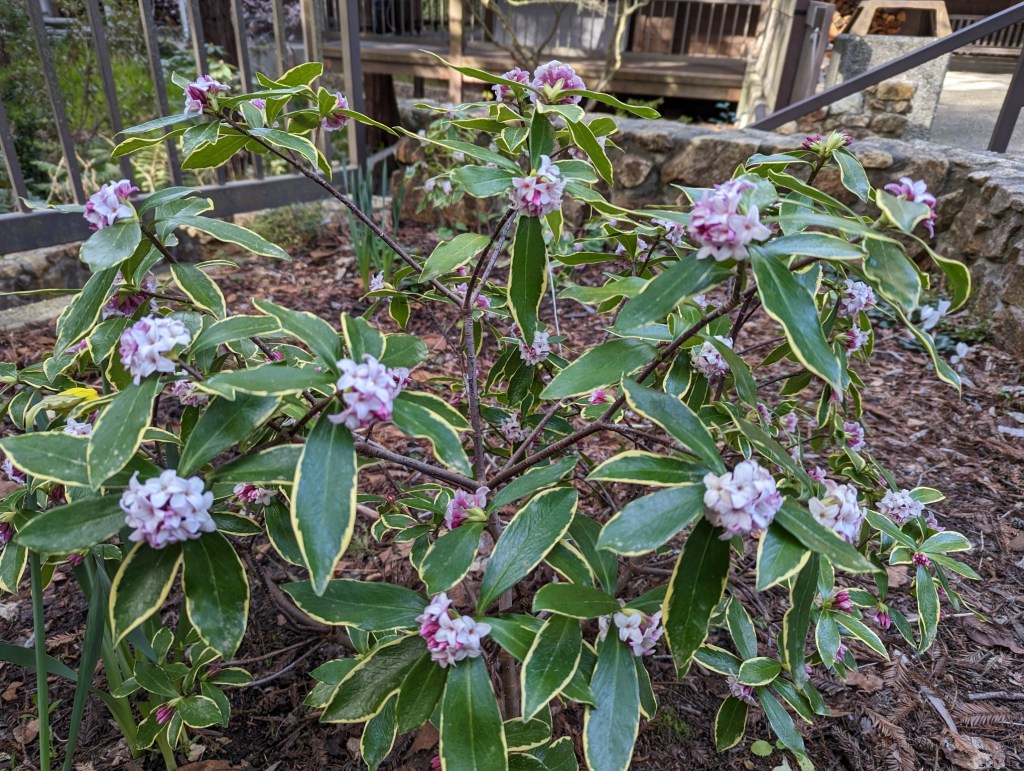
Jeepers!! As Daphne Blake’s colleague, Fred Jones, might say, “Looks like we’ve got another mystery on our hands.” What got into this Daphne odora ‘Aureomarginata’?! It rarely performs so well here, particularly so soon after being planted into a new landscape. This particular specimen, and about three others nearby, were planted as they finished bloom less than a year ago.
Since their season began, I have been commenting to those who share pictures of theirs, that such healthy and prolifically blooming daphne is enviable to those of us who do not live within a climate that is favorable to such performance. I know that this diminutive floral truss is not exactly exemplary compared to those of other regions, but for this region, it is almost spectacular.
The aroma is exquisite! It is everything that the rest of us grow daphne for, and is enhanced…
That is such an objectionable word. Perhaps that is why so many of us prefer to describe narcissus as daffodils or paperwhites. Both bloom at work, and as much as I prefer white bloom, I do not maintain favorites in this regard. I enjoy paperwhites for their whiteness as well as their fragrance. However, I enjoy classic yellow daffodils, such as ‘King Alfred’, because they are so traditional. All are blooming late this year. So is winter daphne. The weather has been cooler than it typically is, but only for the past month or so. It seems to me that if chill were to enhance bloom, it would have needed to begin somewhat earlier. Also, it seems to me that narcissus do as they please.
1. Frost is generally minor and uncommon here. However, a wet jersey that was hung to drain overnight froze solid enough to lean against this pickup. Its hanger is not hanging.
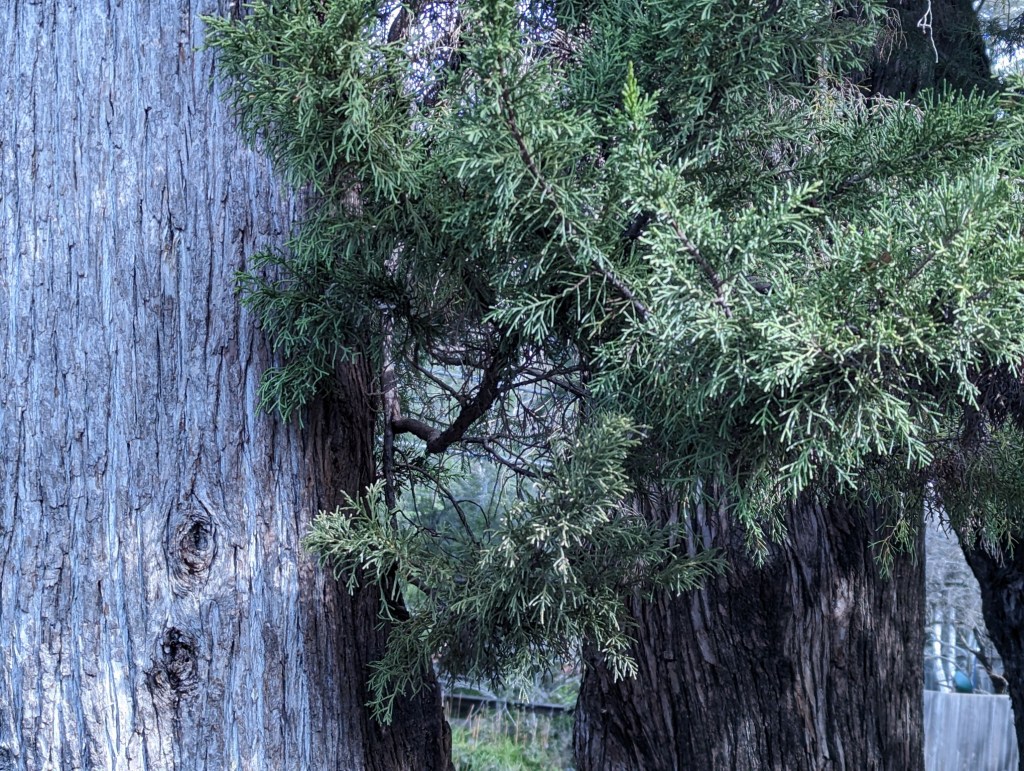
2. Cupressus macrocarpa, Monterey cypress is nothing special, but I happen to be fond of its foliage and bark. This is a hedge that never got hedged, but grew as crowded trees.
3. Daphne odora ‘Marginata’, winter daphne is still blooming! It blooms slowly through winter, but should be finished by now. Furthermore, it blooms remarkably well for here.
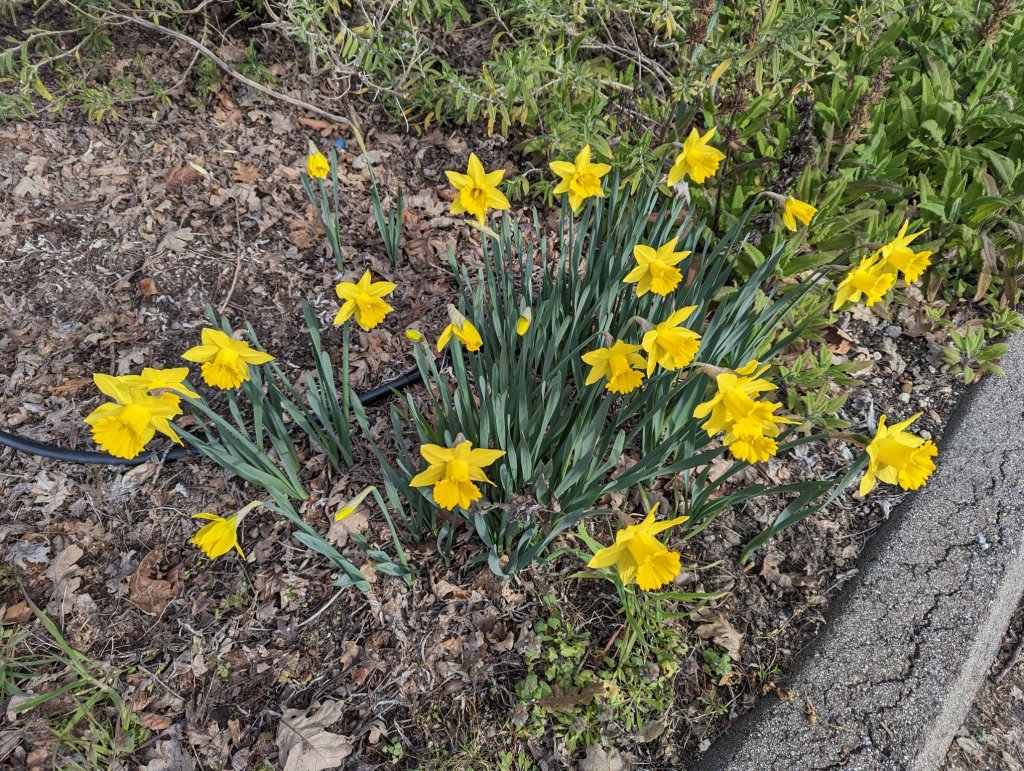
4. Narcissus grows wild in soil that was dumped on the perimeter of our industrial yard over the years. No one sees them there, so I collect some to bring into our meeting room.
5. Narcissus are much more abundant within the landscapes where they belong. Several sporadic colonies are sparsely naturalized. However, several new bulbs bloom only once.
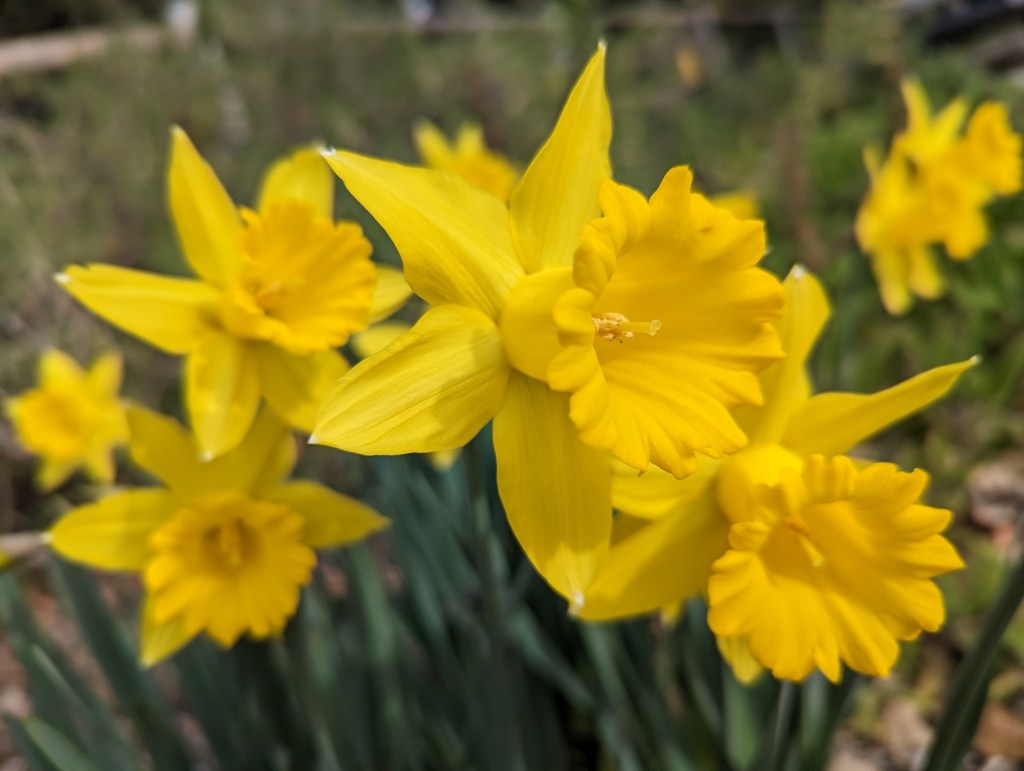
6. Narcissus are even prettier close up. I consider these to be daffodil, although I do not know what the distinction is. They are blooming late, and more are beginning to bloom.
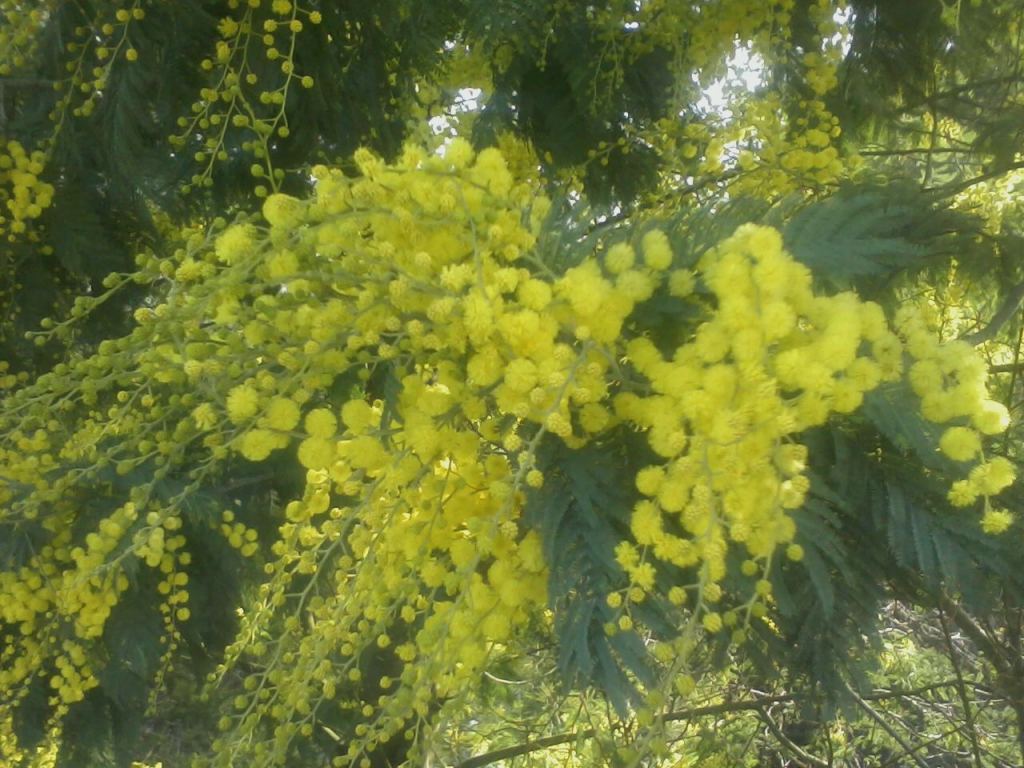
It is an aggressively invasive exotic weed, but at least it is pretty about it.
Some of the worst weeds in California are substantial naturalized trees. The most famous of these is probably the Tasmanian blue gum (eucalyptus), which gets very big very fast, and crowds out other trees and plants in the process. The silver wattle, which is most commonly known locally by the Latin name Acacia dealbata, is even more voracious and prolific. It may seem simple enough to cut down an invading Acacia dealbata before it gets too big, but the seedlings from the original tree may continue to invade unrefined landscapes or wildlands for years afterward.
Even urban Acacia dealbata that lack space to disperse seed are problematic. After only about thirty years, they begin to deteriorate, but can die a slow unsightly death for another ten years! Deteriorating trees are likely to fall without much warning. They can get more than sixty feet tall, and typically fall intact, so can do considerable damage.
The only attribute of Acacia dealbatais that it can be so visually appealing. The somewhat gray, bi-pinnately compound foliage is very finely textured, and provides just enough shade without being too shady. (Bi-pinnately compound leaves are divided into smaller leaflets, which are also divided into even smaller leaflets.) Individual leaves are about three to five inches long. The fuzzy staminate (lacking petals) flowers that bloom in winter are so abundant that most of the foliage is obscured. The floral fragrance that is objectionable to some is appealing to others.
Radishes grow nicely while the weather is still cool, but will eventually bolt and bloom as weather eventually warms through spring.
Suburban landscapes must seem like an incredible waste of space to those of us who enjoy growing vegetables. The climate and soil of the Santa Clara Valley are just as excellent for vegetables now as they as they were for the vast fruit and nut orchards that were here earlier. Not only are summers just warm enough for warm season vegetables without being too unpleasantly hot, but winters are so mild that cool season vegetables can be productive from autumn until spring.
While cool season vegetables are still productive, a few types that grow quickly can still be sown. Radishes, carrots and even small beets still have time to grow before the weather gets too warm. Peas sown now will get an early start for spring. If leafy lettuces are being exhausted, more can be sown to replace them. Only large vegetable plants, like broccoli, cauliflower and cabbage, need to wait until autumn so that they have a whole cool season to grow through.
It is still a bit early to sow seeds for warm season vegetables directly into the garden. However, seed for some vegetables can be sown in greenhouses or cold frames, to produce seedlings for the garden later. Although beans, corn, most squash and other fast growing vegetables should be sown directly into the garden during warm spring weather, tomatoes, peppers and eggplants prefer to get an early start as seedlings.
(Outdated information regarding gardening classes has been omitted from this recycled article.)
I seriously can not think of a title for this one. All that comes to mind is too objectionable. Writing about it will not be much easier.
It began with a few mature camellias that were in need of grooming a few months ago. They were sufficiently shabby that I did not mind pruning them at the wrong time. Ultimately, almost all of what was groomed out was necrotic anyway, so did not compromise bloom significantly. I was pleased that the eventual bloom would be better presented against a neater background.
Then, I was informed that several of the same camellias would need to be removed to facilitate the installation of a new sidewalk. That would have been useful information before I put such meticulous effort into grooming them. It was briefly annoying; but I did not fret long. I planned to recycle the…
Like so many popular spring bulbs, flame vine, Pyrostegia venusta, may not delay bloom until spring as it should. Within the warmly sunny situations that it prefers, it is more likely to bloom during winter. It may wait until the end of winter or even the beginning of spring only where winter weather is cooler. Bloom is already finishing where winters are milder.
Bloom is spectacular, particularly while not much else blooms so copiously. It is about as profuse as bougainvillea bloom, but earlier. It is about as vibrant orange as poppy bloom, but earlier. With warmth, sunlight and regular watering, flame vine performs very reliably. Perhaps it should not be as uncommon as it is. Yellow blooming flame vine is quite rare.
Although a bit tamer than related red trumpet vine and royal trumpet vine, flame vine may be uncommon partly because it is so vigorous. If pruned to the ground after bloom, it can reach second story eaves to bloom there for the next season. It can grow absurdly high if it grows into trees. Its evergreen foliar tendrils can cling to and damage painted surfaces.
Narcissus, including daffodil, started to bloom during all that earlier torrential rain. Those that bloomed after the rain stood up a bit better than those that started earlier. Crocus are stouter so are more resilient. Hyacinth are both relatively stouter and slightly later. While such spring bulbs contend with late wintry weather, it is about time to add summer bulbs.
Unlike spring bulbs that like to be in the garden early enough to benefit from winter chill, summer bulbs do not benefit from chill. Some actually dislike it. Also unlike spring bulbs, very few summer bulbs, or late bulbs, are actually bulbs. Almost all are rhizomes, tubers, tuberous roots, corms or other types of dormant but reliably perennial storage structures.
Summer bulbs do not grow through early winter to bloom later in winter or early in spring like spring bulbs do. They instead grow through late winter and early spring to bloom for late spring or summer. A few bloom for autumn. Several are more reliably perennial than the majority of spring bulbs. However, some bloom splendidly only for their first seasons.
Gladiolus is one of the most popular summer bulbs, but like many spring bulbs, it blooms only once annually, and is not reliably perennial. Planting in phases every two weeks or so through their planting season prolongs bloom. However, most corms do not survive to bloom for a second season. Those that do will synchronize for their subsequent blooms.
Dahlia blooms for a longer season from the middle of summer until the middle of autumn. Also, it is more reliably perennial. Tubers remain dormant through winter after stems and foliage die back. They generate new stems and foliage through warming spring weather. Overgrown or crowded tubers propagate efficiently and easily by division while dormant.
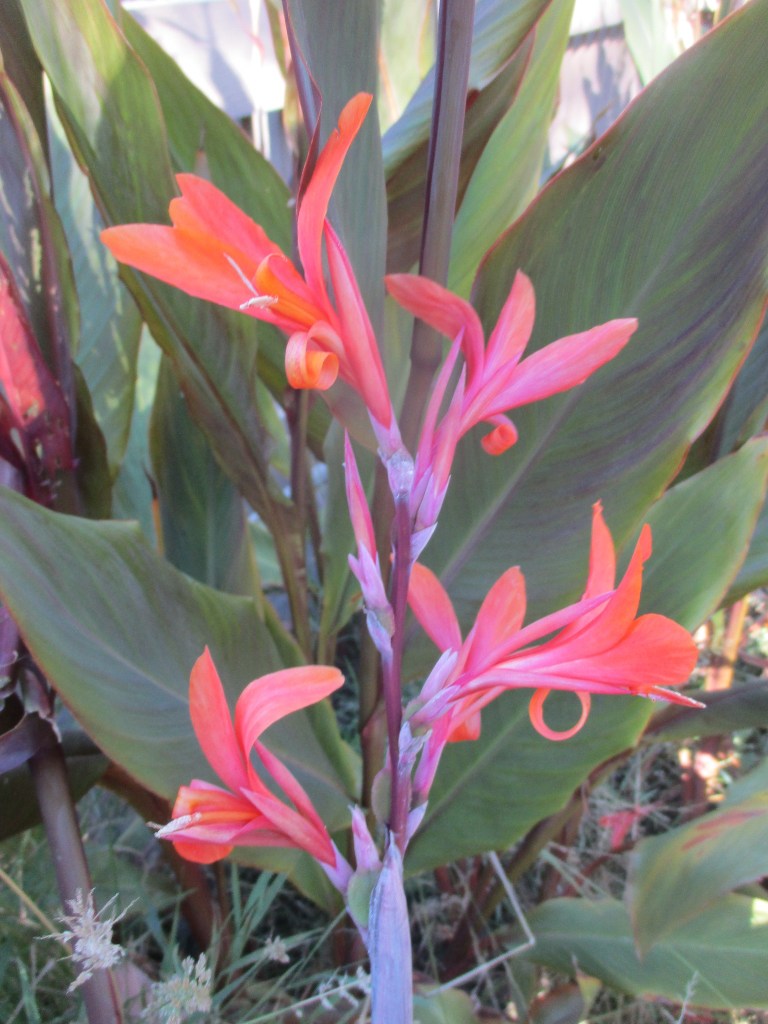
Summer bulbs are not quite as diverse as spring bulbs, but some types are too vigorous for much diversity. A few rhizomes of canna can become overwhelming within a year. Old fashioned white calla forms broad colonies that might exclude other perennials. Smaller and more colorful modern cultivars are fortunately docile. Crocosmia might get invasive, and is difficult to mitigate.


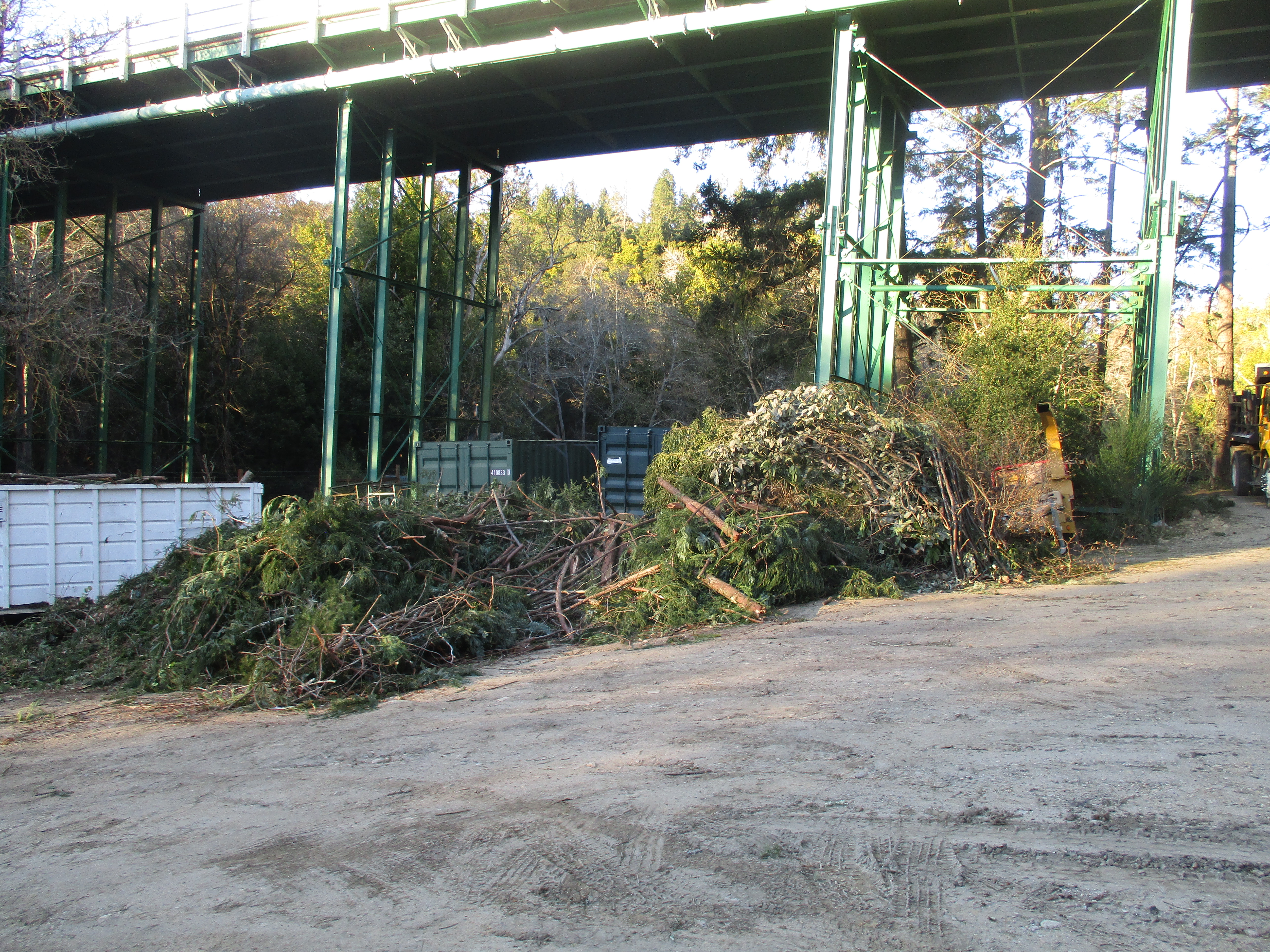 Wind is messy!
 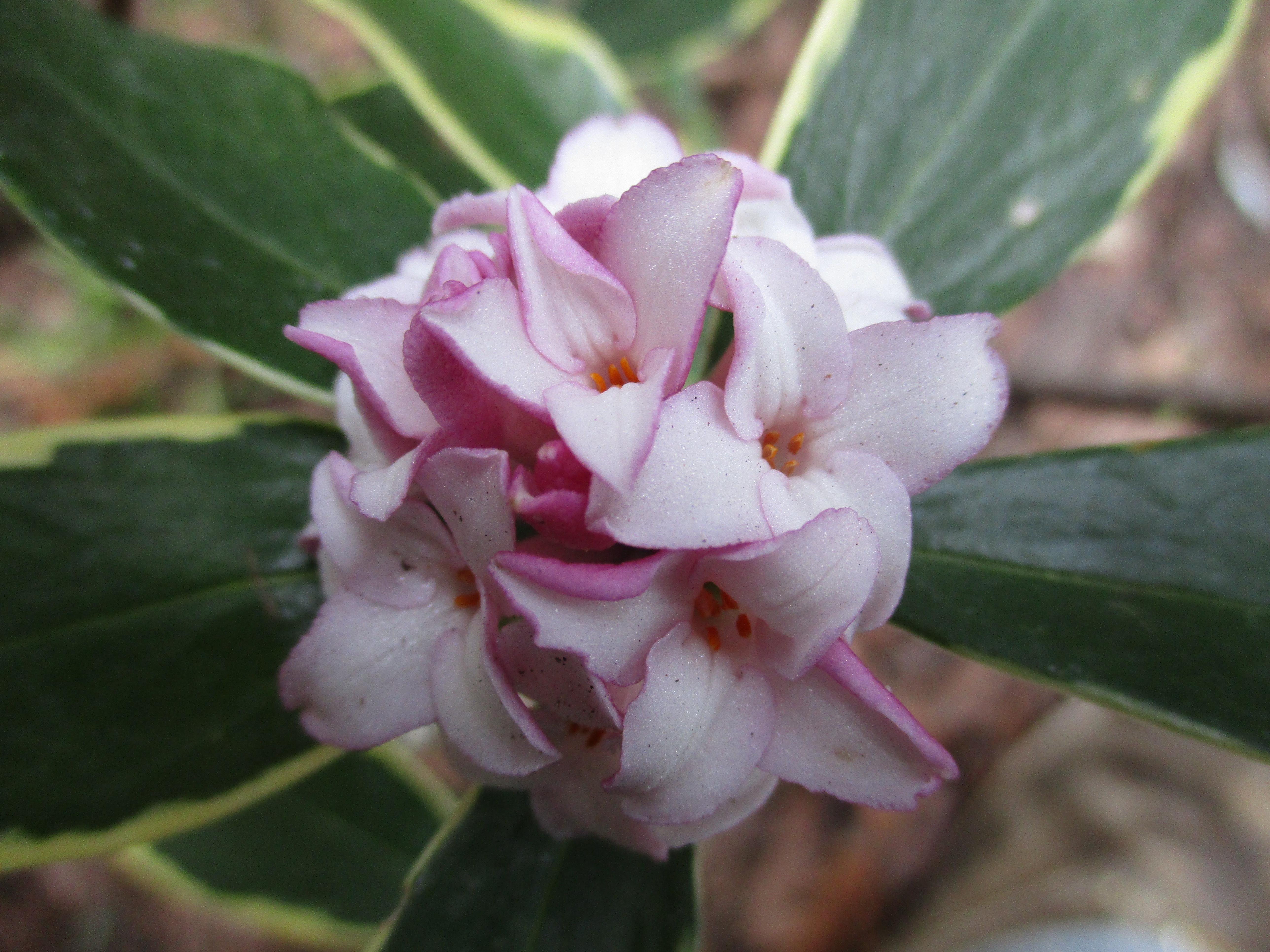 Bloom worthy of a Scooby Snack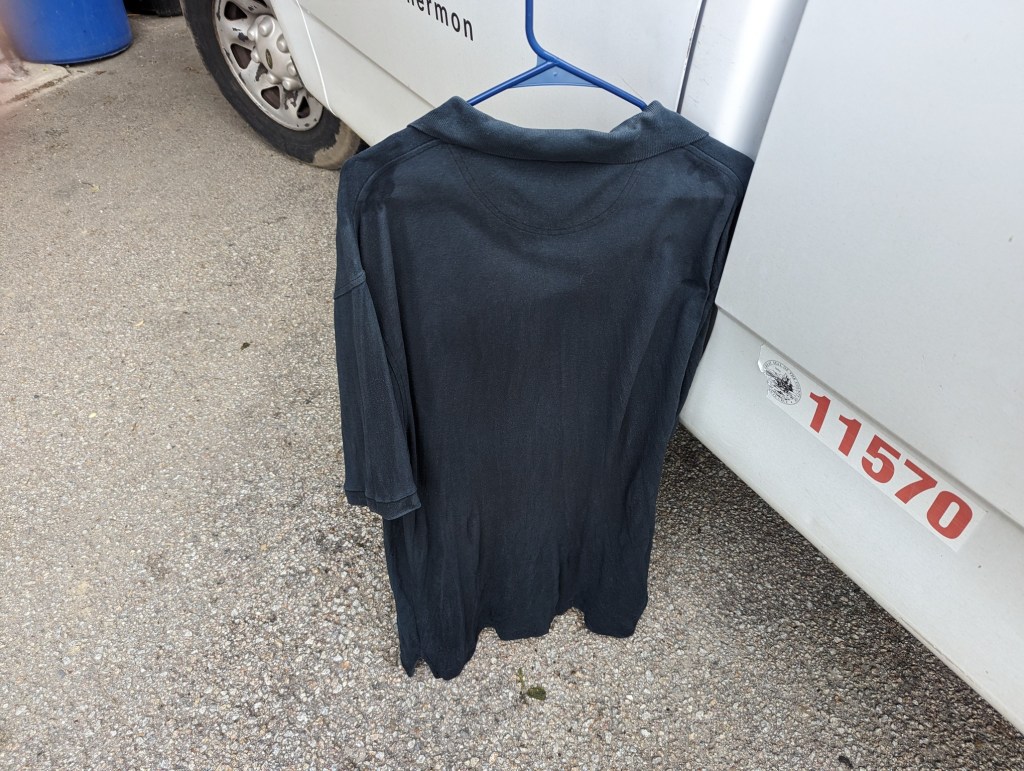


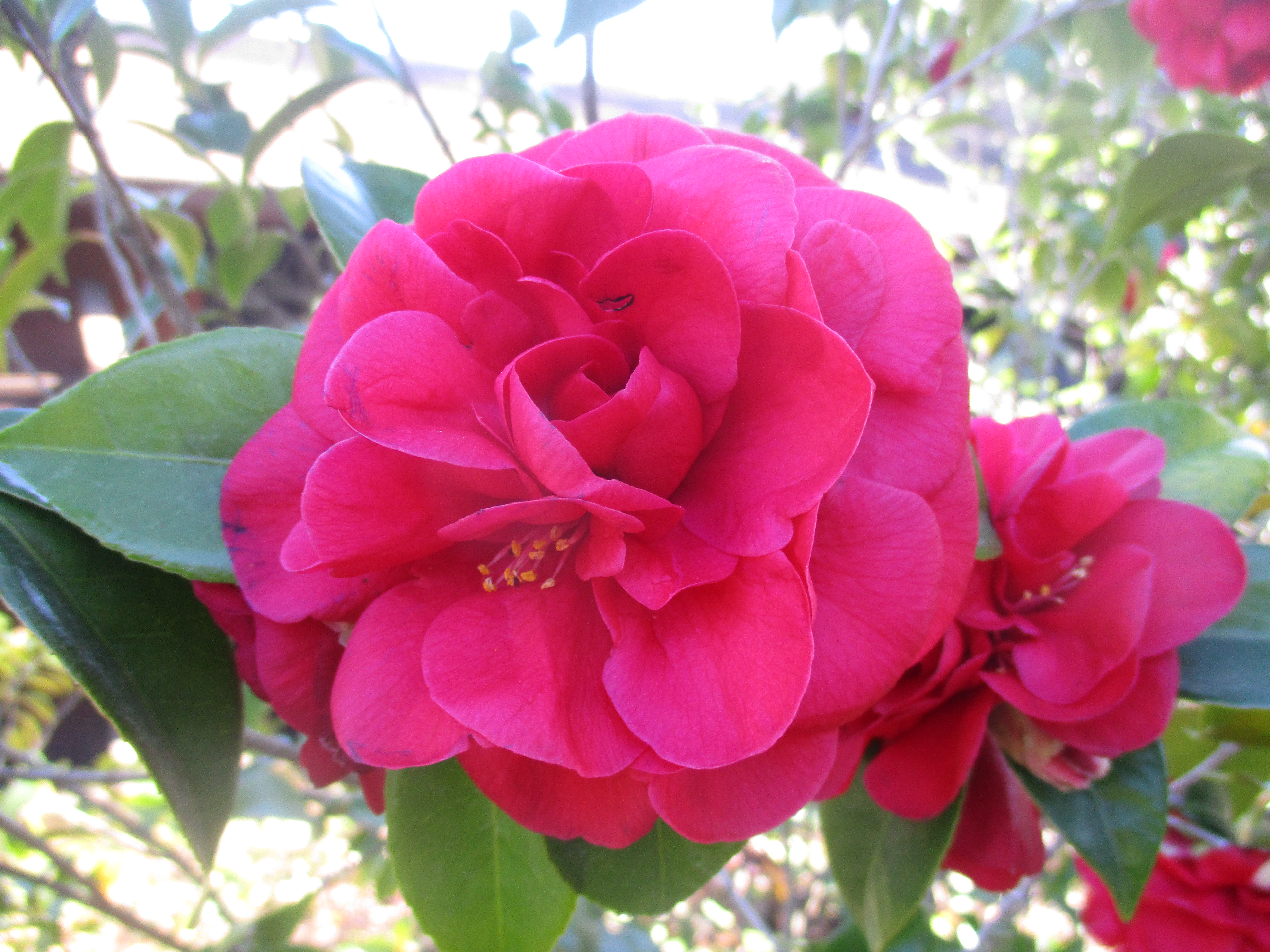 This is how appreciated camellias bloom.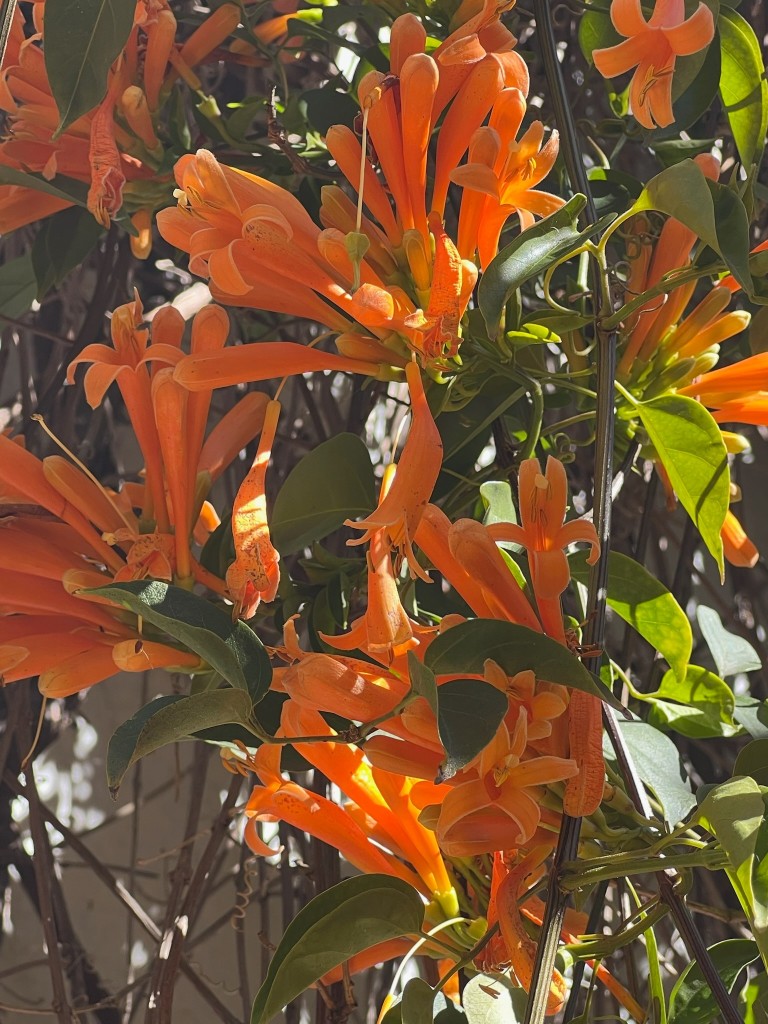
 Tony Tomeo