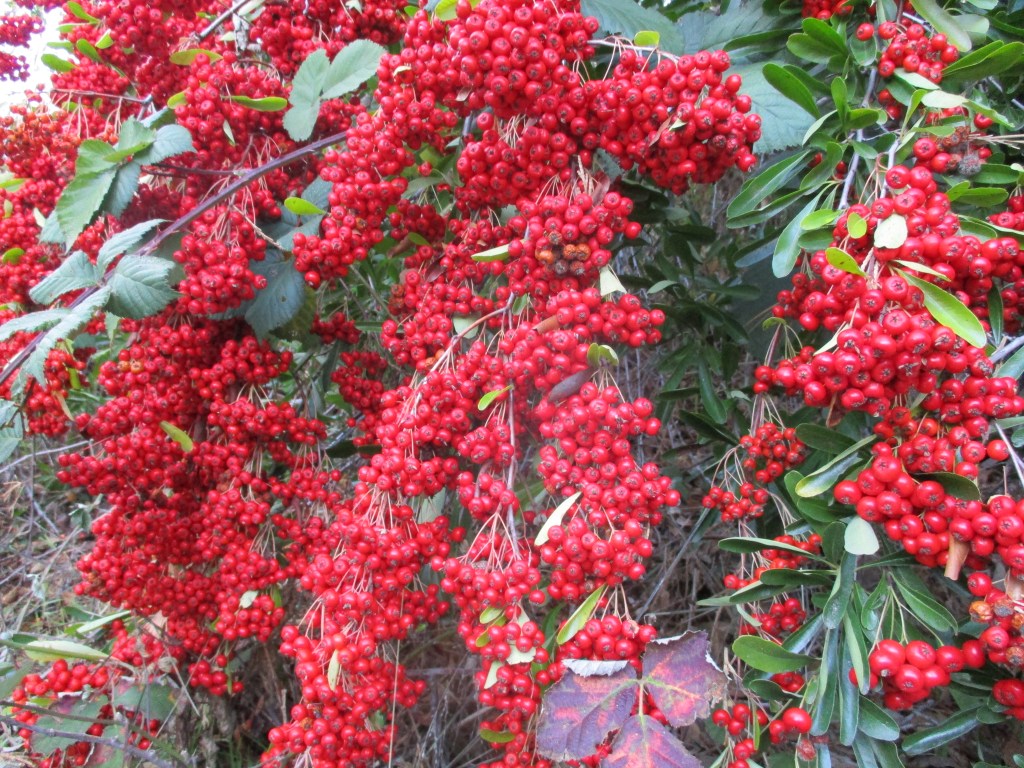
Seasonal color is as variable as the weather. Just as the many different spring flowers bloom differently every spring, and the autumn foliage color is different every autumn, the colorful berries and fruits that linger on many plants through winter respond to the weather. Then, the various birds and other animals that devour them do so at different times, and at different rates every year.
Pyracantha (or firethorn) is probably the most reliable for an abundance of brightly colored red berries. Old varieties with orange or even yellow berries are very rare, perhaps because they are comparably wimpy. Unfortunately, because they are so colorful, and also because they ripen before many of the migratory birds have gone, the berries often get eaten by birds soon after they ripen.
Berries of the various cotoneasters are not quite as colorful, and many ripen slightly later, so they are not so efficiently stripped by birds. Cotoneasters are now more popular than related pyracantha because there are so many varieties with so many different growth habits. Larger types grow into large shrubbery while prostrate types grow as ground cover. Cotoneaster also has the advantage of lacking thorns.
The native toyon can provide large clusters of similar red berries, but only if it is allowed to grow somewhat wildly. It is unable to bloom and subsequently produce berries if regularly shorn. Yet, even in the wild, toyon is unpredictable. Because damp weather can cause berries to rot before they ripen, toyon may be unproductive for many years, and then produce remarkably colorful displays of berries when least expected.
Hollies are the most familiar of colorful winter berries, but are not as colorful as pyracantha or the various cotoneasters because they are almost never provided with male pollinators that they require to develop fruit. Fortunately, their remarkably glossy and prickly foliage is appealing alone.
Flowering crabapples are grown for their impressively colorful pink, white or nearly red spring bloom, but some types also produce sparse and minute red, orange or even yellow crabapples that stay after the foliage turns yellow and falls. English hawthorn lacks the flower color of flowering crabapples, but has more abundant and colorful red or orange berries that linger into early winter after the foliage is gone, or at least until birds find them.

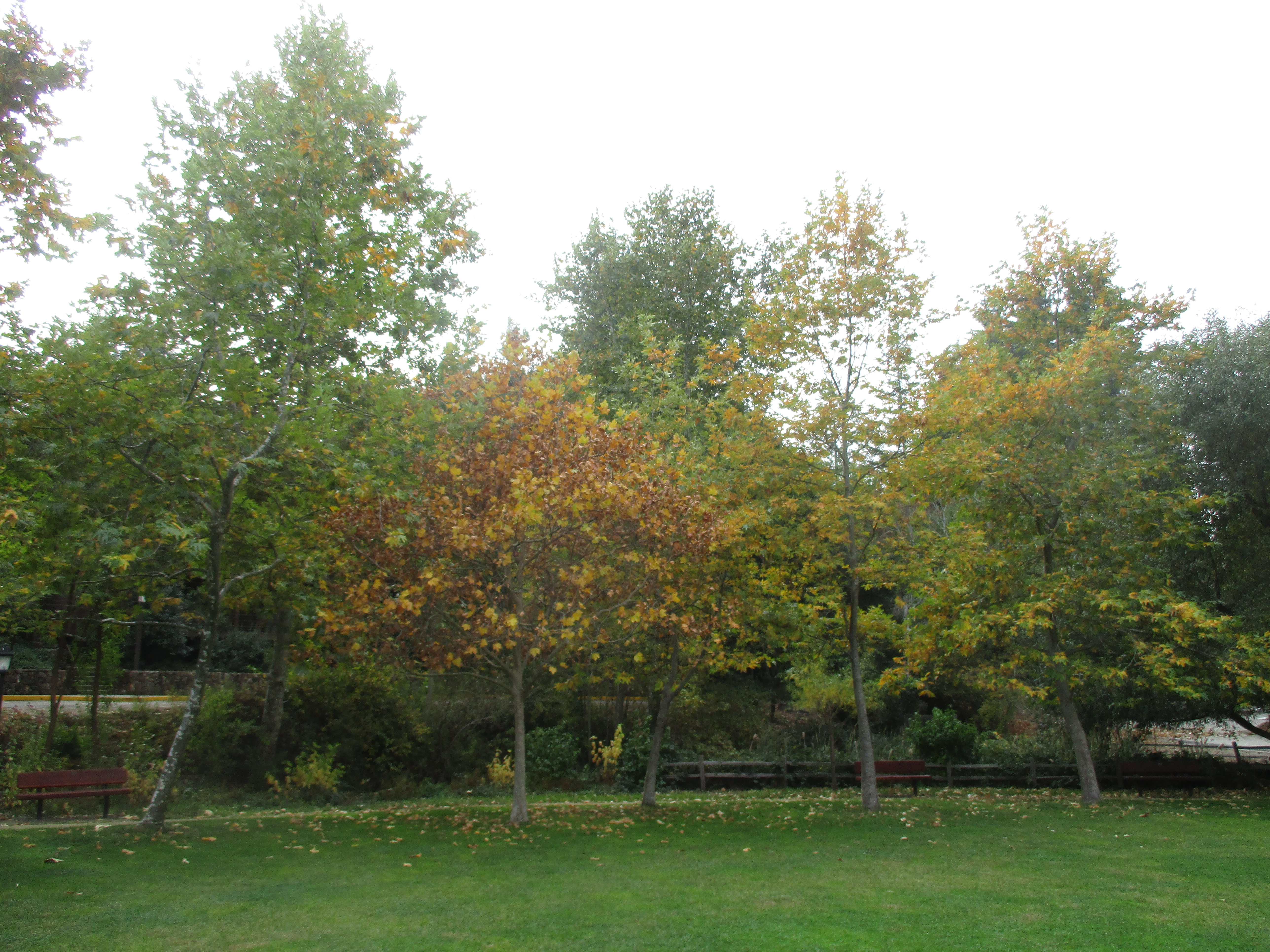 Remember this from Sesame Street?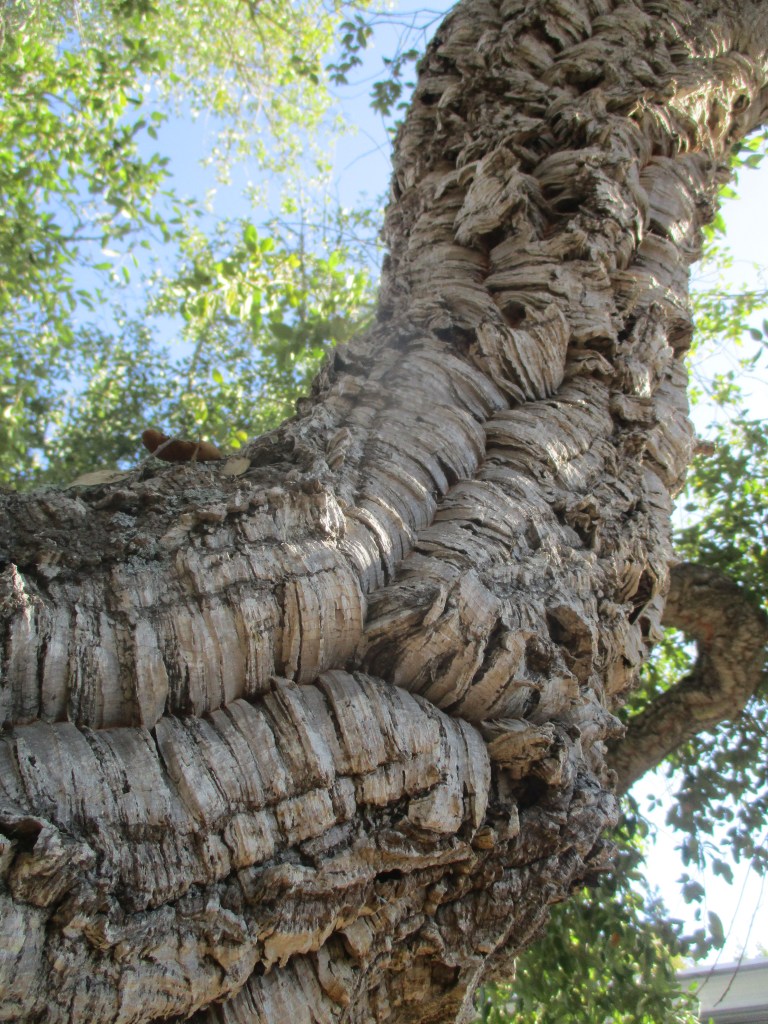

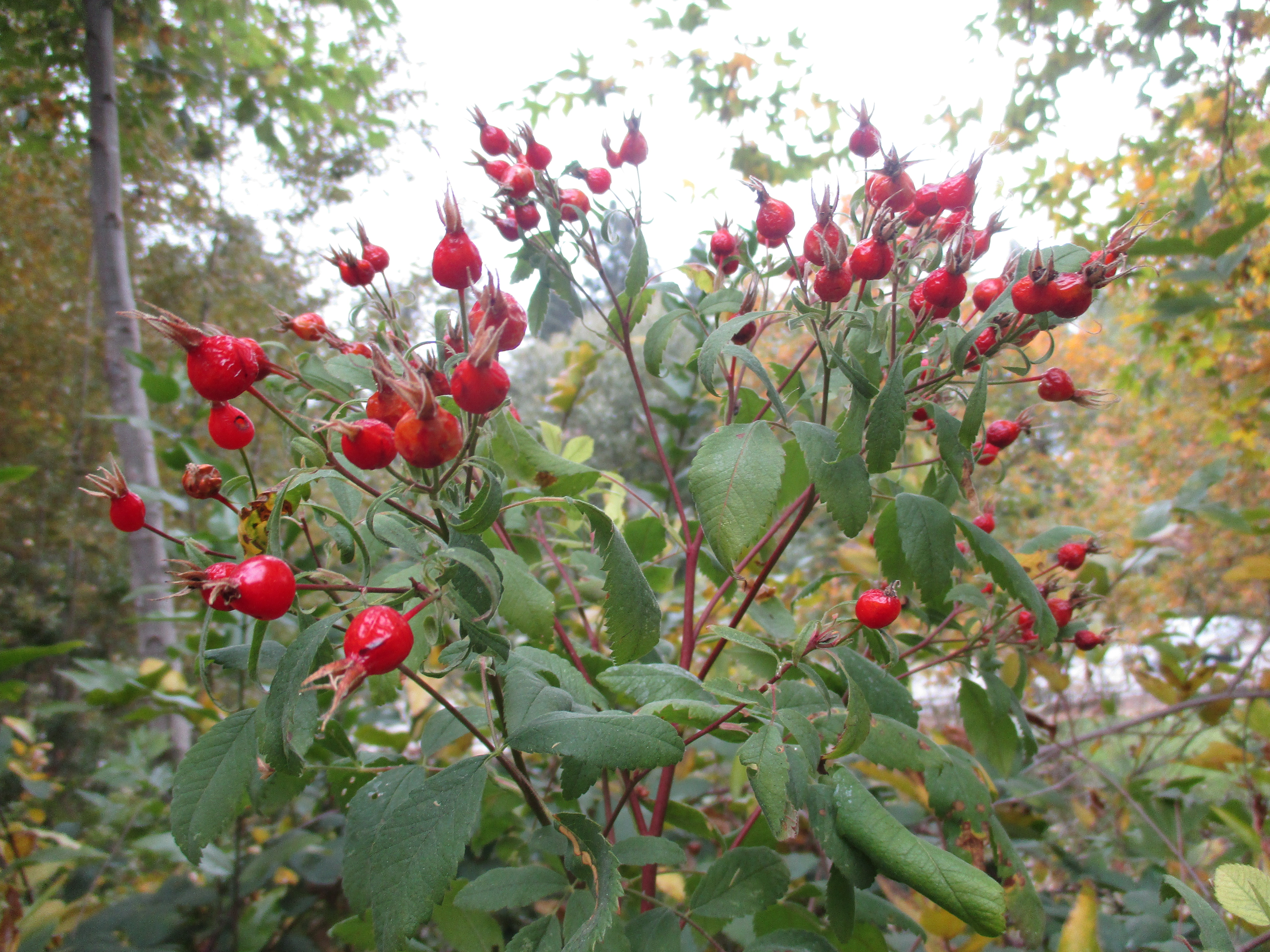 Chopped dried rose hips can be purchased from a supermarket in town that stocks an impressive variety of useful bulk herbs. They are used as a dietary supplement and remedy for several minor ailments. Although most of the copious vitamin C they contain while fresh is ruined by drying and storage, they are still popularly used as a remedy or preventative for colds and flu.
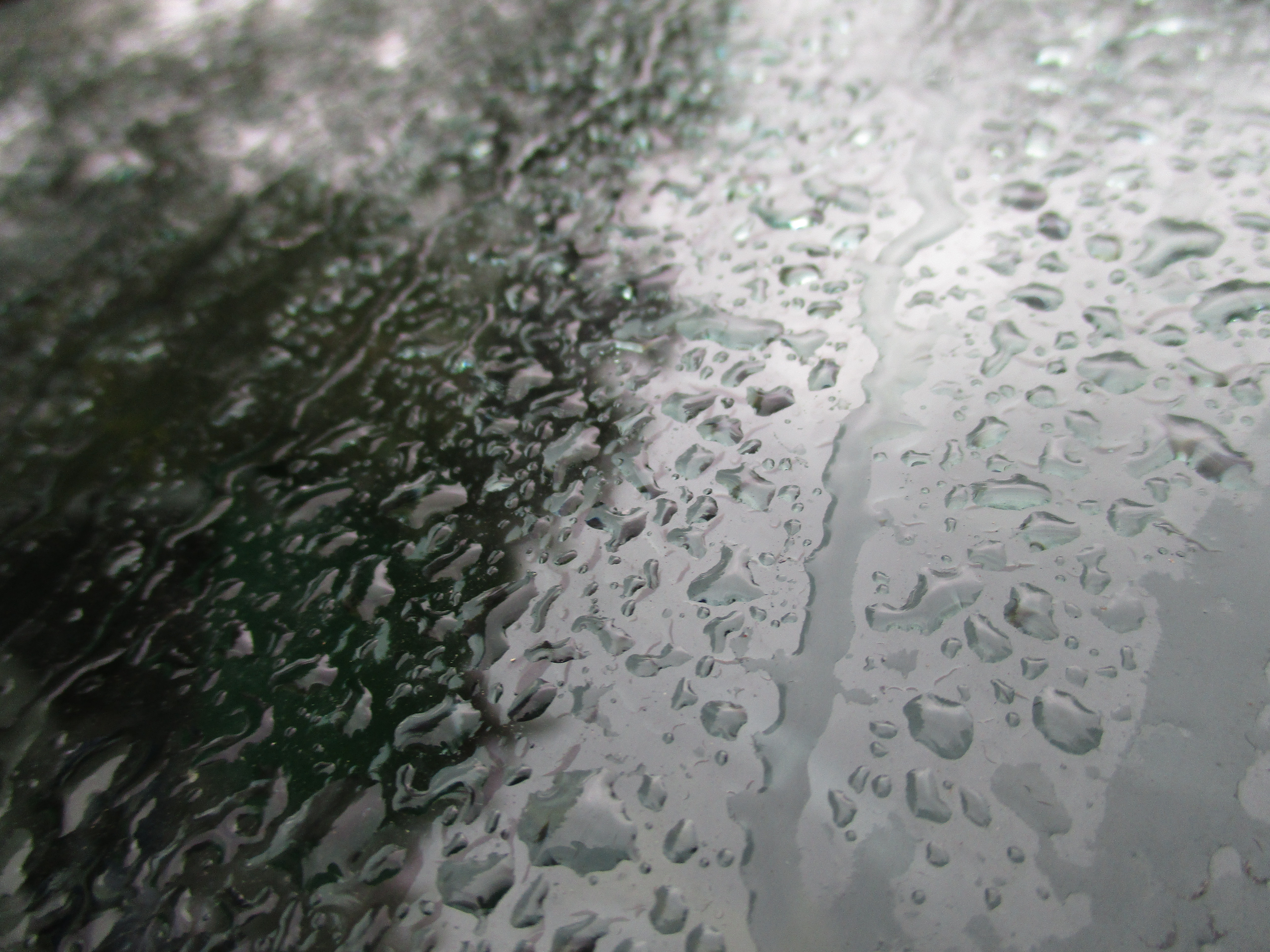 Most of us here agree that the minimal bit of precipitation that fell from the sky on Thursday was not real rain. There are a few different theories about what it actually was though. It could be considered to have been drizzle. It alternatively could have been heavy fog or mist. Some of us make up silly names for what it was, such as fine rain, dusting, spritzes, sprinkles or mizzle.



 Tony Tomeo