Silk Tree

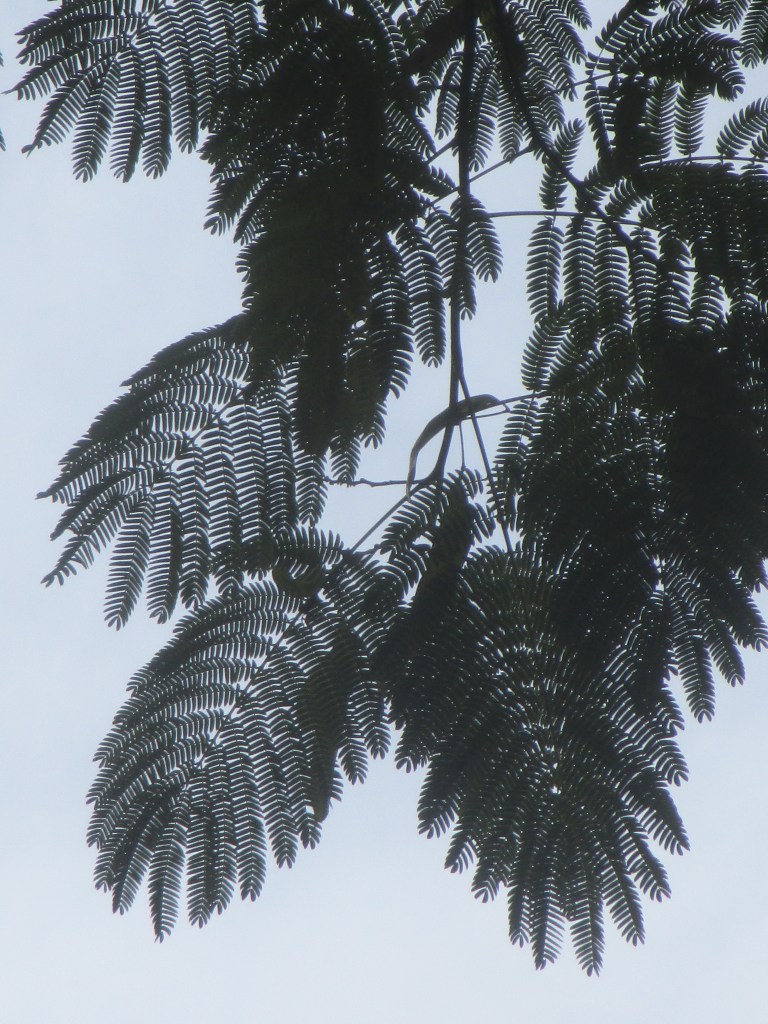
Silk tree leaves are bipinnately compound.

Resiliency is typically an attribute. It is how silk tree, Albizia julibrissin, adapts to various urban landscapes. Unfortunately, it is also how it naturalized within a few ecosystems of North America. It grows easily from seed, whether or not it is appropriate to where it does so. Many naturalized specimens somehow find good situations in which to grow though.

With good exposure, most mature silk trees develop rather low but broad canopies. They have potential to grow taller than forty feet, but if not competing with taller trees, may stay half as tall. Their arching limbs flare elegantly outward in low mounding form. Their finely textured foliage provides appealingly uniform shade that is neither too dark nor too light.

The lacy and bipinnately compound leaves of silk tree are between half a foot and a foot long. Each leaf divides into as many as a dozen pairs of pinnae (leaflets). These pinnae divide into about twice as many pairs of pinnulae (leaflets of leaflets). Such minute foliar components disintegrate during autumn defoliation, and can disappear into groundcover.

The pink and fluffy summer bloom can actually be messier than the deciduous foliage. It does not disintegrate as it falls, so may accumulate on top of vegetation below. Cultivars generally bloom with richer pink color, although at least one blooms with white. ‘Summer Chocolate’ exhibits richly bronzed foliage that contrasts strikingly with pastel pink bloom.
Debris Fills Gutters During Autumn

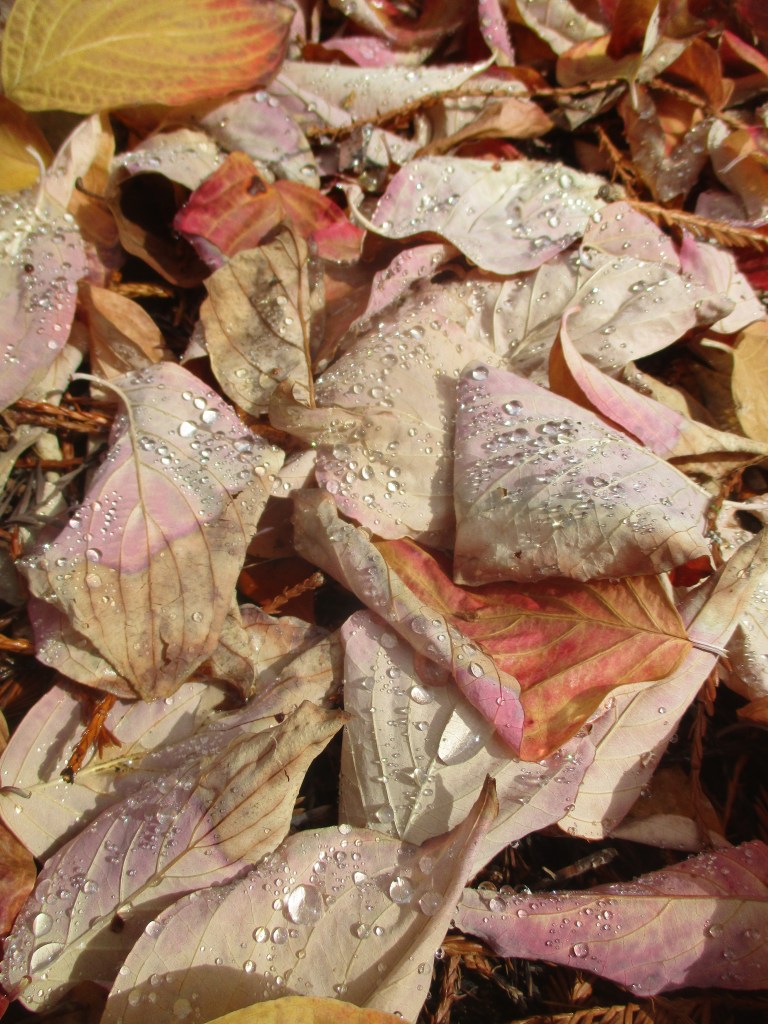
Falling leaves eventually become abundantly messy.

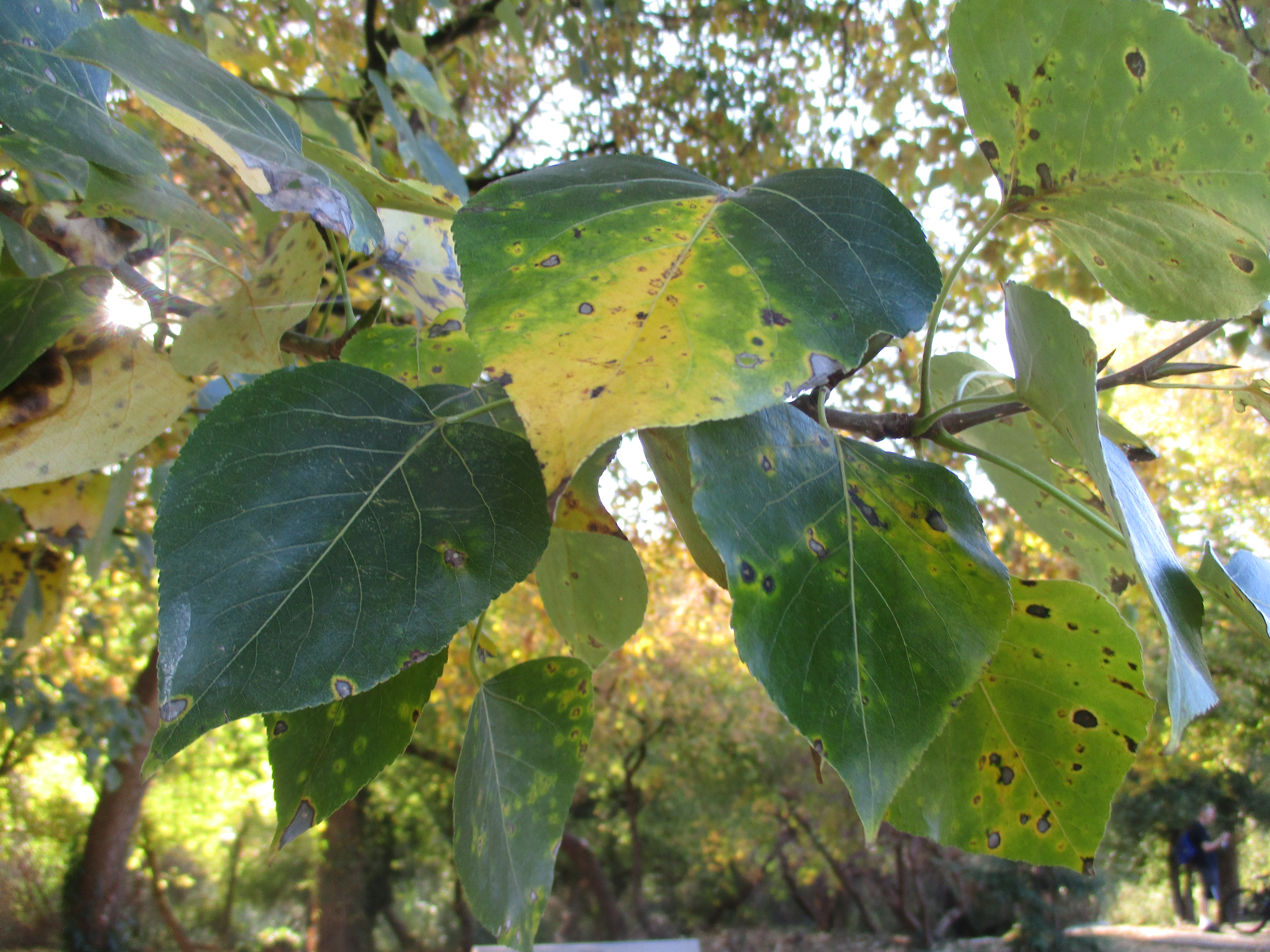
Autumn foliar color certainly is pretty while it lasts. Although less prominent locally than it is where cooler weather begins earlier, it is an asset to many home gardens. It generally appears a bit later within mild climates here, but might also remain suspended a bit later. Ultimately though, with enough wintry wind and rain, it eventually becomes foliar debris.

Evergreen foliage also contributes to the mess. It is likely less abundant than deciduous foliage is during autumn, but only because it sheds through more extensive seasons. For example, Southern magnolia sheds mostly through spring, as new foliage replaces older foliage. It then continues to shed additional debris throughout the year, including autumn.

Regardless of its various origins, foliar debris becomes more of a concern during autumn for two simple reasons. Firstly, and obviously, more of it accumulates during autumn than during any other season. Secondly, since autumn is the beginning of the rainy season, it is the most inconvenient time of year for such debris to accumulate within home gardens.

Roadside gutters, eavestroughs and their downspouts should drain efficiently. However, foliar debris can interfere with their drainage when it becomes most important. Roadside gutters are more accessible, so are easier to observe and clean. Eavestroughs and their downspouts may be beyond reach, but may need more cleaning if defoliation continues.

Foliar debris is unhealthy for turf, groundcover and shrubbery that it accumulates over. It inhibits photosynthesis by obstructing sunlight. It can also promote proliferation of fungal pathogens. This is why prompt raking is very important. Foliar debris can stain pavement and decking, and may be hazardously slippery. Behind chimneys, it can promote decay, and possibly become a fire hazard.

Slow Color

Color is not as late this year. It seems to me that color is developing faster here than in some regions with cooler weather during autumn.

tonytomeo's avatarTony Tomeo

P91110Autumn is not much to brag about here. It supposedly got just cool enough at night for the minimal requirement of frost, at 32 degrees, but no one noticed. It has been getting to the low 80s during the day. There has been no rain yet, and none is in the forecast. As bland as such weather seems, it is not at all out of the ordinary. Autumn often arrives later than it does elsewhere.
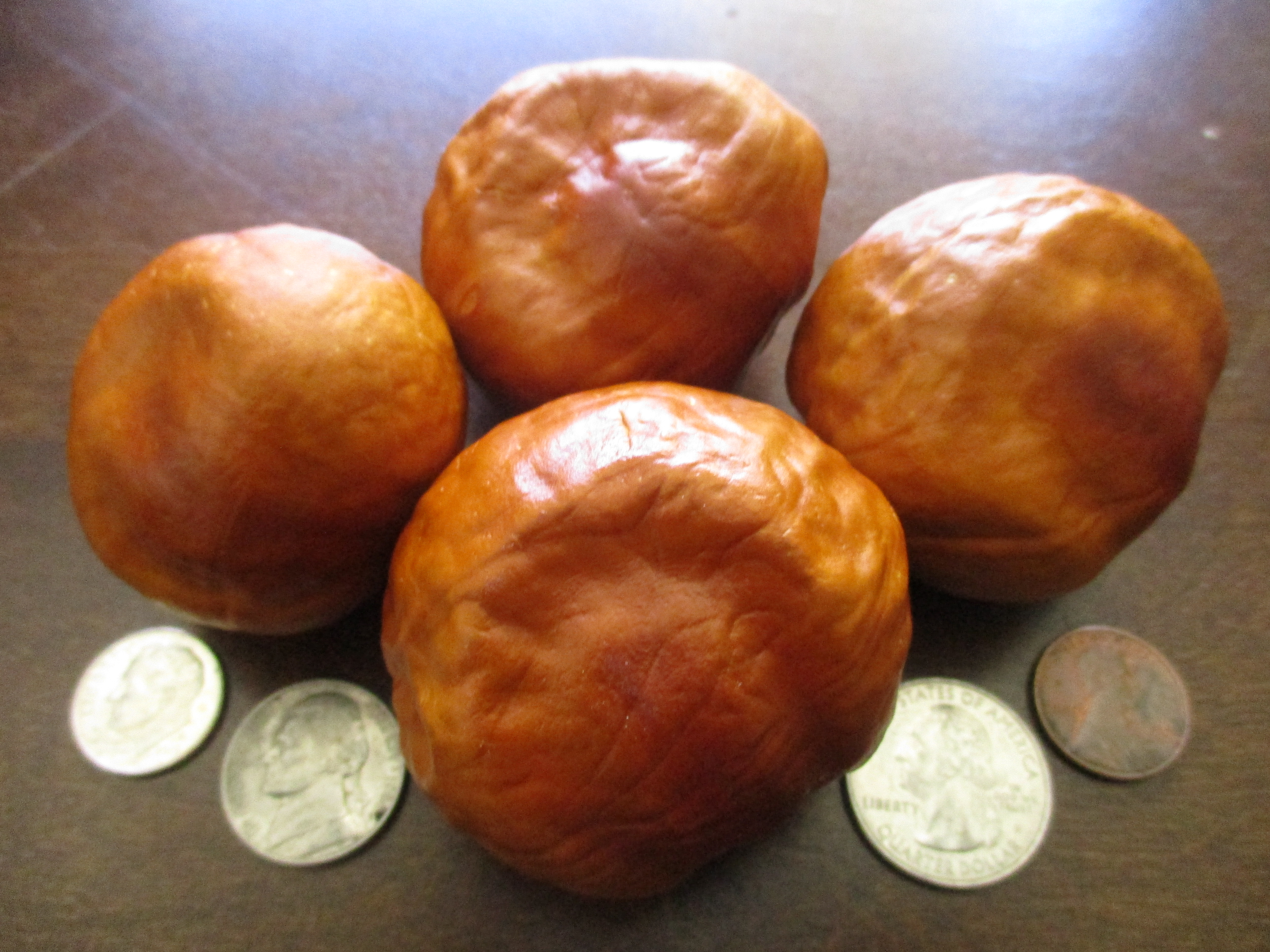
Consequently, autumn foliar color is not much to brag about either. There are only a few trees that reliably develop good color, such as sweetgum, pistache, flowering pear, crape myrtle and maidenhair tree (ginkgo). As reliable as it is, maidenhair tree provides only bright yellow, without the oranges and reds that the others exhibit. None are exhibiting significant color just yet.

There are several other trees that have potential to develop good color, but are…

View original post 150 more words

Buckeye

During the past three years since the picture here was taken, two of the four seed grew into stout seedlings that, after their second season, went to live in Ilwaco!

tonytomeo's avatarTony Tomeo

P91109KCalifornia flora is remarkable. It all does what it must to live comfortably in every ecosystem, climate and geographical region here.
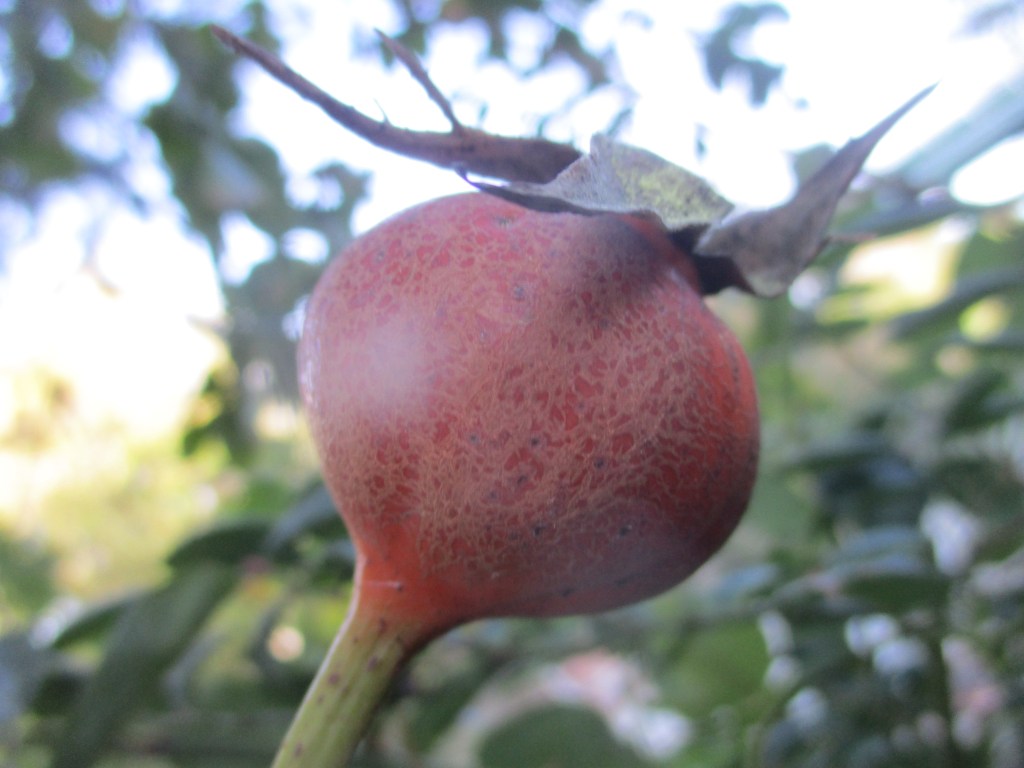
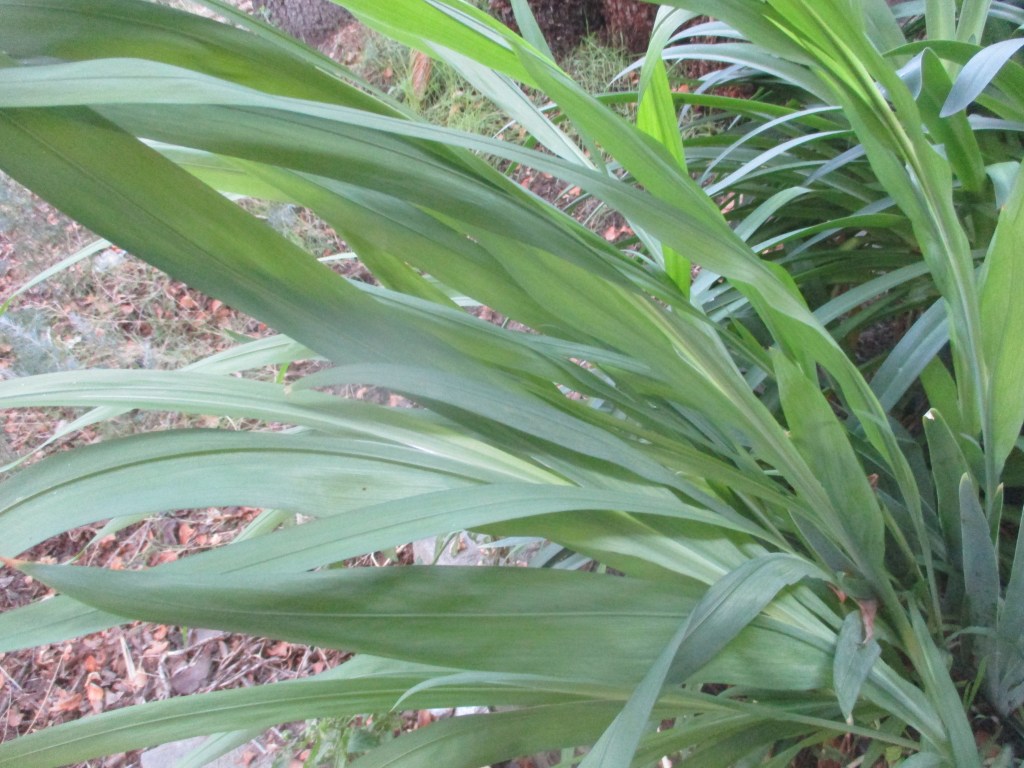
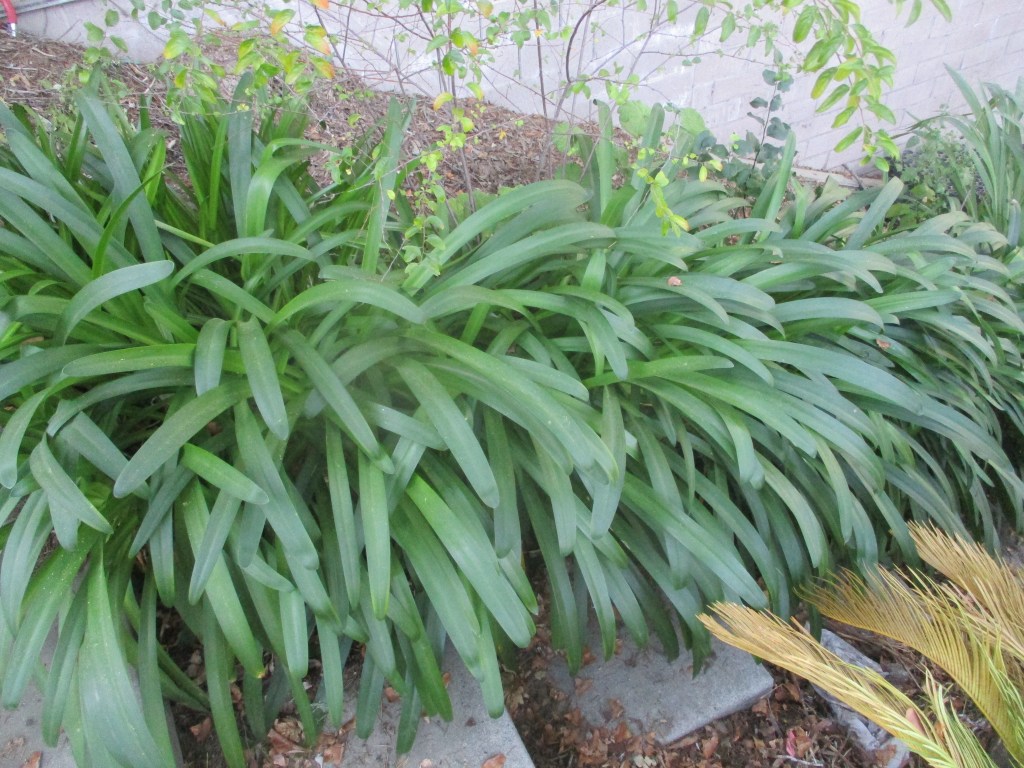
California horsechestnut or California buckeye, Aesculus californica, is one of the more unusual native species. It is so in tune with the climate that it makes other deciduous trees seem to be inexperienced. Of course, to those who are unfamiliar with it, it just looks dead right now.

In chaparral climates of California, some deciduous trees start to defoliate early, before the weather starts to get cool in autumn. California sycamores, for example, can start to defoliate late in summer if the weather gets too warm and dry for them to want to hold their foliage any later. Such defoliation is more the result of minimal humidity than the result of chill.

California horsechestnut takes this technique one step further, by shedding spring foliage even earlier in summer…

View original post 262 more words

Six on Saturday: Memories

All but very few plants in my garden have history. Some have very extensive history, and a few have been with me for most of my life. Most were gifts. Some grew from pups, seed or cuttings that I collected from work, other gardens, or places that I travelled to. Almost nothing was purchased, although #1 of these six was a significant purchase for me while I was in high school. These Six are described in reverse chronology of their approximate acquisition. None are blooming now, but some get divided and planted now or a bit later through autumn. The roses will get pruned after defoliation. Only naked lady should not be disturbed until later.

1. 1983 Rosa hybrid, ‘Proud Land’ rose is the only one of these Six that I purchased, and also the only one that has not proliferated abundantly since acquisition. I got only three.

2. 1982 Montbretia masoniorum, crocosmia grew wild on a parcel in Montara where my Pa built his home. I do not know what variety it is. It is not as aggressive as most others.

3. 1980 Agapanthus orientalis, lily of the Nile has been with me since I removed it for a beloved neighbor who had brought it from a garden in Oakland about two decades prior.

4. 1979 Amaryllis belladonna, naked lady is from the homestead garden of my maternal maternal great grandparents in Hoot Owl Creek in Oklahoma, like my grape pop iris (5).

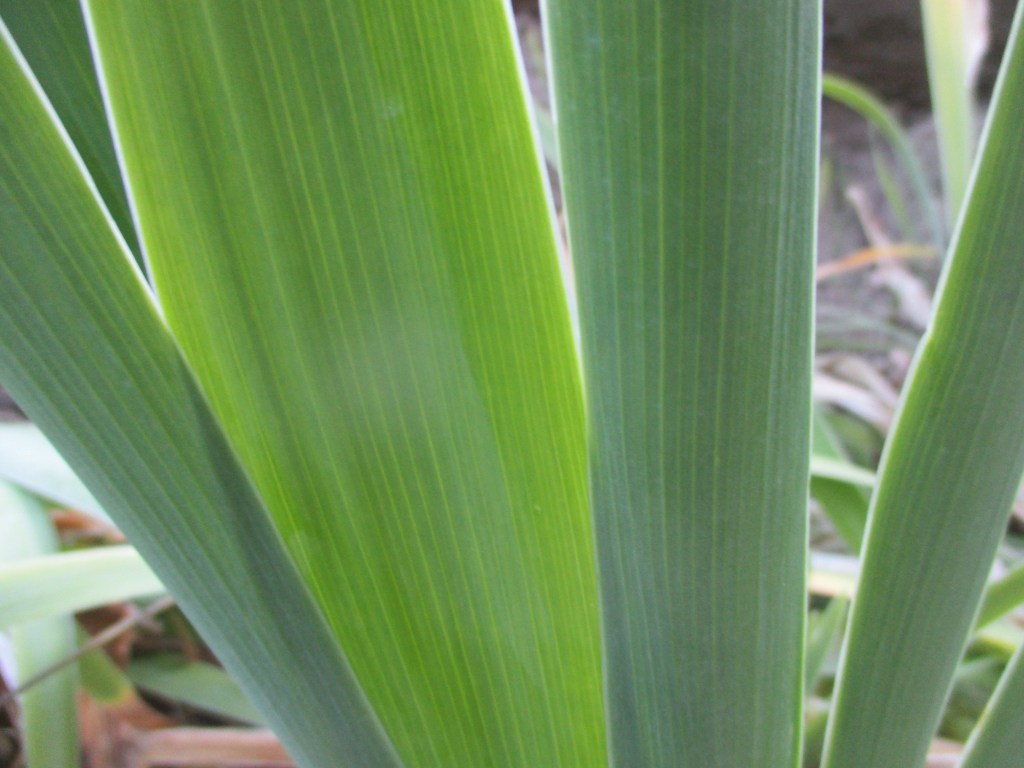
5. 1972 Iris pallida, Dalmatian iris, sweet iris or grape pop iris, came to my garden from the garden of my maternal maternal great grandparents, where it likely grew as an orris.

6. 1971 Rheum rhabarbarum, rhubarb likely grew in the garden of my paternal paternal great grandparents shortly after 1941. I got my copies of it before I got into kindergarten.

This is the link for Six on Saturday, for anyone else who would like to participate: https://thepropagatorblog.wordpress.com/2017/09/18/six-on-saturday-a-participant-guide/

Black Oak

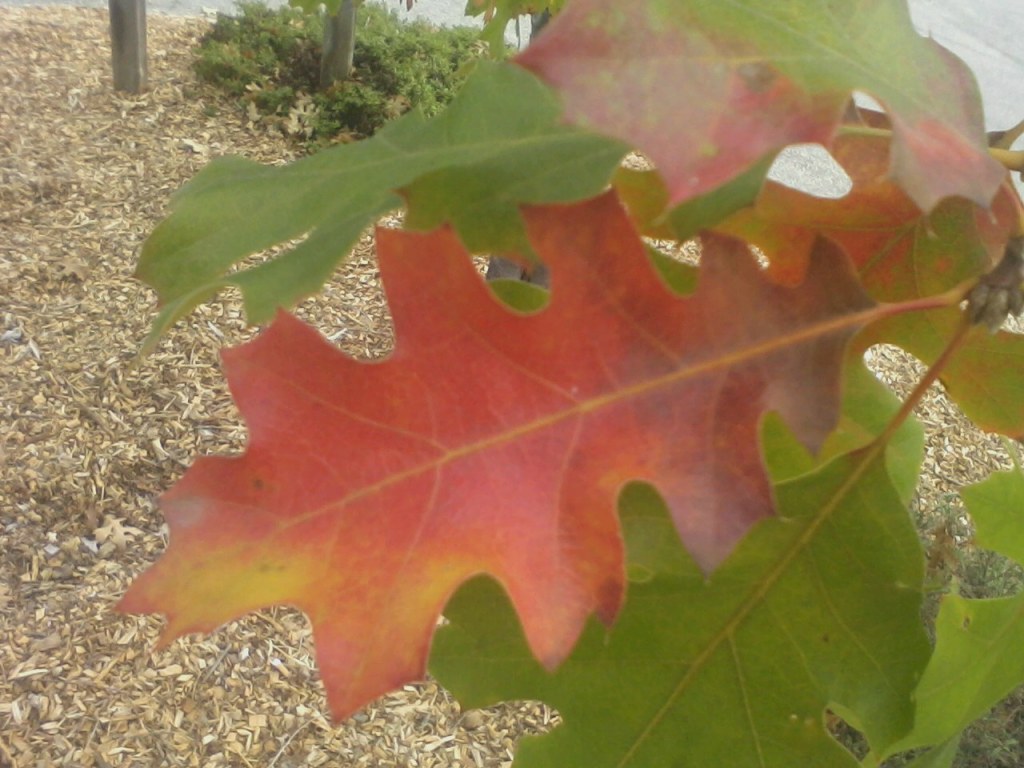
Not many native deciduous trees turn orange or brownish red in autumn like California black oak can.

Though native mostly to the Sierra Nevada and Coast Ranges between San Francisco and Oregon, California black oak, Quercus kelloggii, also inhabits isolated colonies in lower mountains as far north as the southern half of the Oregon Coast, and as far south as San Diego County. It actually occupies more area than any other hardwood tree in California. Wild trees competing in forests can get more than a hundred feet tall and live for five centuries. Well exposed urban trees may take their first century to eventually get about half as tall with trunks as wide as four feet.

Even while young, California black oak is a distinguished tree, with a broadly rounded canopy and elegantly arching limbs. The smooth silvery bark of young trees eventually becomes dark and uniformly checked with maturity. The distinctive deeply lobed leaves are about five inches long, and turn gold, soft orange or even brownish red before falling in autumn.

Pumpkins After Halloween

Jack o’ lanterns and pumpkins will soon meet their gory demise now that Halloween is over.

Pumpkins are both the biggest of the common fruits, and also the most wasted. So many of us bring at least one into our homes for Halloween, only to discard them afterward. Not many of us actually bake or make pies from ‘used’ pumpkins. However, those of us who like to can or freeze fruit and vegetables can really take advantage of this tradition by politely collecting jack o’ lanterns from neighbors, or getting unsold pumpkins from markets for very minimal expense. (Pumpkins are ‘low acid’ fruits that need to be canned with a pressure cooker.)

The somewhat small brownish ‘sugar pie’ pumpkins that are sold for pies are of course the best, with the richest flavor and meatiest shells. The common bright orange pumpkins used for jack o’ lanterns are not as meaty and lack flavor, but are certainly worth the price if they are free. White pumpkins can be just plain bland; but with enough sugar and spices, can make decent pie. The deeply furrowed green or gray pumpkins might likewise taste better than they look, but who knows? I certainly have not tried one yet.

Because the jack o’ lantern pumpkins have such thin shells, my neighbor and I prefer to cut them into pieces and steam them before peeling them. It is a messy job, which is why she has me do the peeling part of it. Before steaming, she cuts out any parts with candle wax (on the bottom) or soot (on the top). Once peeled, the pulp is ready to be pureed, and then frozen, canned or baked directly into pies.

Those of us who do not indulge in freezing, canning or baking of ‘recycled’ pumpkins can either give our pumpkins to neighbors who do, or must otherwise dispose of them. On the compost pile, pumpkins should be chopped up and spread out so that they do not mold and rot as much as they would if left intact. Chopping them with a shovel should be adequate. By now, there should be plenty of fresh leaves on the compost pile to spread pumpkin parts out over.

If fireplaces or wood stoves have been used already, the resulting ash can be spread out with chopped pumpkin, to inhibit mold in compost piles. Ash also deters snails. Just be certain that only dead ash gets scattered, without any embers, and that it gets spread thinly enough so that it does not become a mucky mess that actually inhibits composting.

Horridculture – Sealant

Actually, it seems to me that the unnecessary use of sealant on shiners has become less common during the past three years since this recycled article was posted.

tonytomeo's avatarTony Tomeo

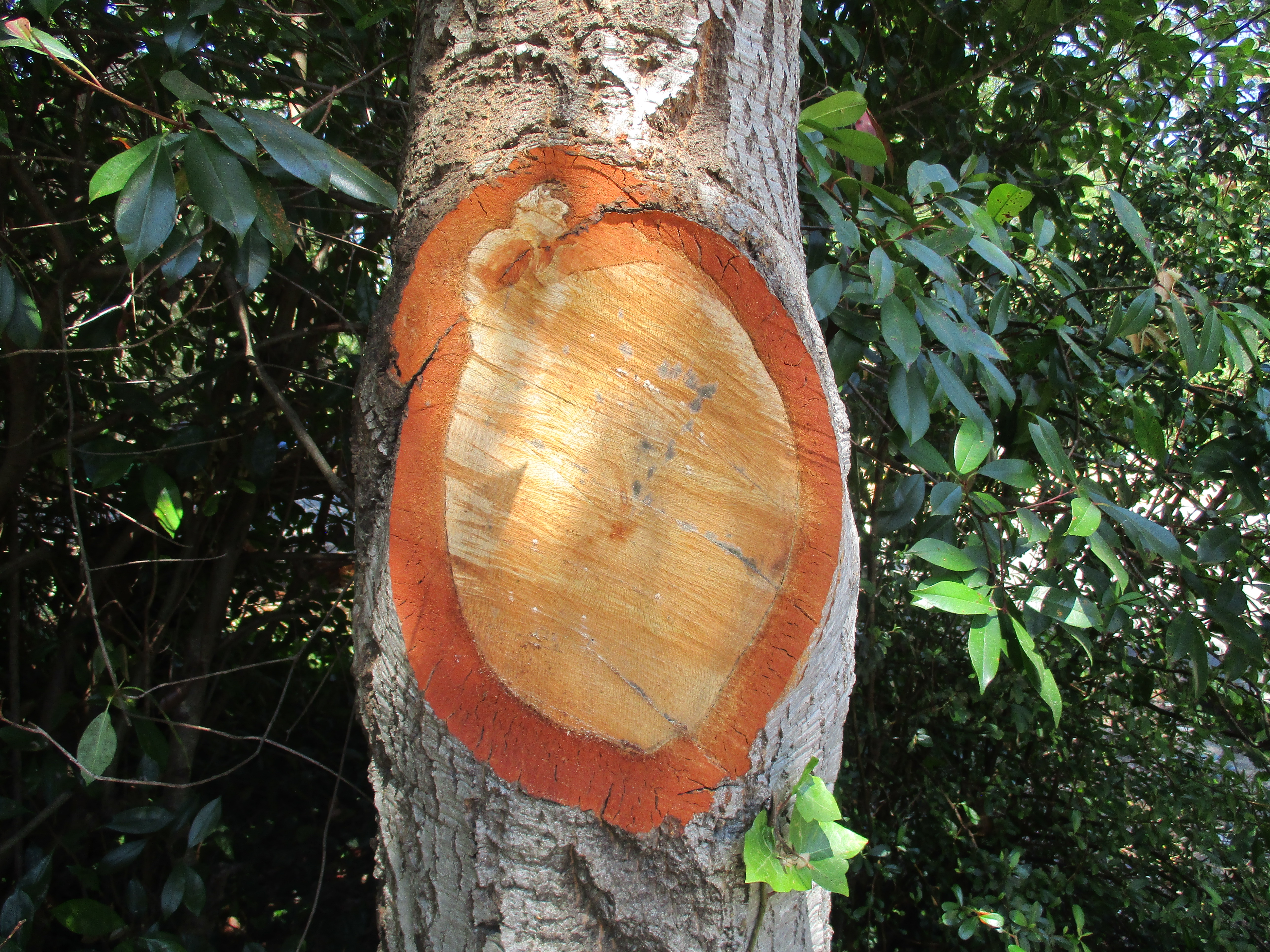
P90810++++Grafting compound is a thick sealant applied to a fresh graft union to limit desiccation while the graft knits. A bit more typically gets applied to the cut distal end of the scion. There are various formulations of grafting compound, ranging from something resembling roof patch to a something with the consistency of thick paint.
The stuff, as sloppy and icky as it is, really is helpful. I can not imagine how big orchards were grafted before it was invented.

It is also useful for keeping cane borers out of the cut ends of freshly pruned roses. For those of us who remember how to prune roses properly, leaving only a few thick canes, grafting compound really is practical. I just don’t use it on roses because cane borers are not a problem here.

Since I do not use grafting compound on roses, and the plants that I graft do…

View original post 173 more words

London Plane

London plane might resemble Norway maple.

The parents of this unintentional hybrid are supposedly American sycamore and Oriental sycamore. No one really knows. London plane, Platanus X acerifolia, appeared within a private collection in London at the middle of the Seventeenth Century. It became popular there two centuries later, through the Victorian Era, because of its resilience to pollution.

Mature London plane trees might be taller than a hundred feet. Few here are old enough to be much taller than sixty feet though. Regardless, defoliation of such grand deciduous trees might be overwhelming through autumn. Foliar tomentum (fuzz) can be surprisingly irritating while raking too much foliage. Autumn color is unimpressively brownish yellow. The specific epithet ‘acerifolia’ translates to ‘maple foliage’, because the foliage resembles that of Norway maple.

London plane remains among the most common of street trees. It really is commendably adaptable to inhospitable urban situations. However, it is not perfect. Its roots eventually displace pavement. The foliar canopies can eventually grow disproportionately broad for compact urban parkstrips. For some people, the foliar tomentum can be a major allergen.

Chimney Clearance Must Be Maintained

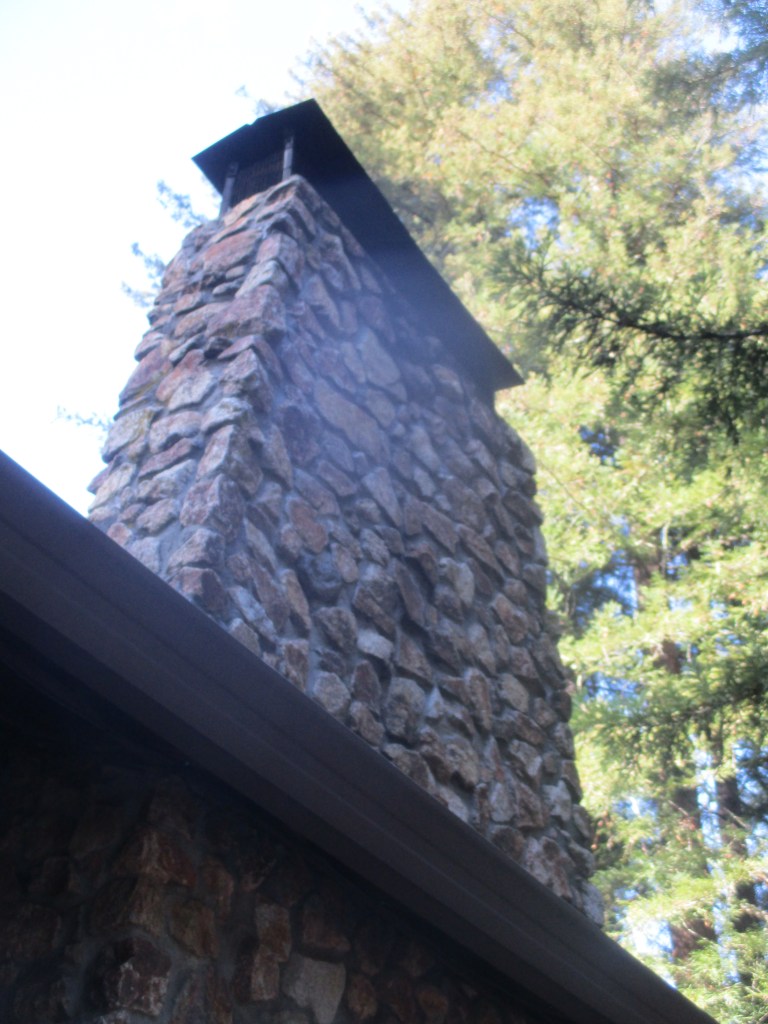
Chimneys do not get enough consideration.

Chimneys are easy to neglect. Some are external to the homes they serve. They occupy visible but minor garden space. Others are internal. Only portions that extend above their respective roofs are visible. Besides the use of accompanying fireplaces or woodstoves, they do not change with the seasons. Nonetheless, chimney clearance is very important.

Trees and vines often extend growth over the tops of chimneys. They grow most actively while chimneys are least active through spring and summer. Such growth is hazardously combustible within the exhaust of chimneys below. Essential chimney clearance pruning eliminates hazardous vegetation prior to the use of associated fireplaces or woodstoves.

Various eucalyptus, cypress, pine, cedar, juniper, fir, spruce, oak and bearded fan palms are very combustible. Deciduous oaks become less combustible as they defoliate during cooling weather though. Other deciduous vegetation is likewise less combustible by the time chimneys are most in use. Vines can accumulate debris directly on top of chimneys.

Vegetation within ten feet of a chimney should generally be two feet below the top of the chimney or fifteen feet above it. More combustible vegetation justifies more clearance or more vigorous grooming. Accumulated dry detritus is more hazardous than fresh foliage. Burning vegetation drops burning debris onto other combustible vegetation and material.

Of course, fireplaces, woodstoves and their associated chimneys are not as common as they were in the past. Most municipalities banned them from new construction during the past many years. Removal of chimneys that incur damage from earthquakes is generally more practical than repair. Chimney clearance becomes unnecessary without chimneys.

Furthermore, few surviving chimneys experience as much use as they did decades ago. Modern heating systems are much more practical and efficient. They generate no smoke to offend neighbors. They are unregulated by ‘no-burn’ alerts. Now that urbanization has replaced orchards and woodlands, firewood might be expensive from local tree services.