Yucca whipplei, which is now also known as Hesperoyucca whipplei, was the first species of Yucca that I met in the wild when I relocated to San Luis Obispo in 1985. Although it is too unpleasantly spiny for me to recommend it for home gardens, it is my favorite species of Yucca.
The only specimen of Yucca whipplei that inhabits our landscapes produced a few seed pods two years ago. I dried the seed and sowed them last year. I would have been pleased if a few germinated successfully. Instead, hundreds of them are now growing! Again, I grew too much of a good thing.
I can install several as a deer fence below a portion of my home garden. Although they grow only about three feet tall, deer will not try to jump over them uphill if they can not land beyond their painful foliage on the uphill side. However, if I put them three feet apart, only about twenty seedlings will be needed for approximately sixty linear feet of deer fence. That might be only about a twentieth of the hundreds that are now growing! They are still babies. I can worry about finding homes for them later.
Wax begonia, Begonia X semperflorens–cultorum, exemplifies simplicity. Its floral color is white, pink or red. Its foliage is green, bronze or dark bronze. Each floral color combines with each foliar color for a total of only nine combinations. That must be enough, though. Variants of these nine simple options, including some with fluffier double bloom, are rare.
Wax begonia is most familiar as a common warm season annual. However, it is probably at least as popular as a cool season annual. Actually though, it is a short term perennial. Except for during the coolest winter weather, established specimens may bloom all year. After minor frost damage, most regenerate efficiently. They need only minimal grooming.
Mature wax begonia should not grow any higher or wider than a foot. As bedding plants, they blend together. Individually, they develop densely ovoid form. Flowers are small but abundant. Foliage and stems are succulent, with a waxy sheen. New plants grow easily from cuttings or division. Wax begonia prefers rich medium and very consistent watering. A bit of partial shade should be no problem, but a bit too much can inhibit bloom.
Warm season annuals that started late last winter should be finishing their season soon. It might seem as if they replaced their predecessors, cool season annuals, only recently. This is the nature of annual bedding plants. They perform only for their particular season. It is now about time for cool season annuals, or winter annuals, to begin another season.
There is no need to hurry, though. The several different cool season annuals operate on different schedules. Only the earliest begin as small plants now, and even they can wait. Some prefer to begin later during autumn. Cyclamen and ornamental kale can even wait until winter. Only annuals that start as seed really must do so while the weather is warm.
Besides, some warm season annuals still perform too nicely for immediate replacement. Ideally, they are only beginning to deteriorate as they relinquish their space. Sometimes, some varieties are already grungy before their replacement. This facilitates their removal without guilt. However, some warm season annuals might continue to perform until frost.
Furthermore, some annuals, both cool season and warm season, are actually perennial. They merely function as annuals because their replacement is easier than their salvage. Busy Lizzie, for example, can remain mostly dormant through winter below new pansies. As the pansies finish in spring, the older busy Lizzie can regenerate for another season.
Sweet William and various primrose are cool season annuals that are actually perennial. Both can bloom until next spring becomes too warm for them. Then, they become mostly dormant until the following autumn. Any that remained dormant through last summer can regenerate and bloom this autumn. Perhaps they take turns performing with busy Lizzie.
Pansy and viola are the most familiar and reliable of cool season annuals. Marigold and snapdragon are popular now, but only as autumn annuals. They may not perform well for winter. Wax begonias might perform almost throughout the year with grooming after frost. Stock is the most fragrant of the cool season annuals. A few short varieties are available.
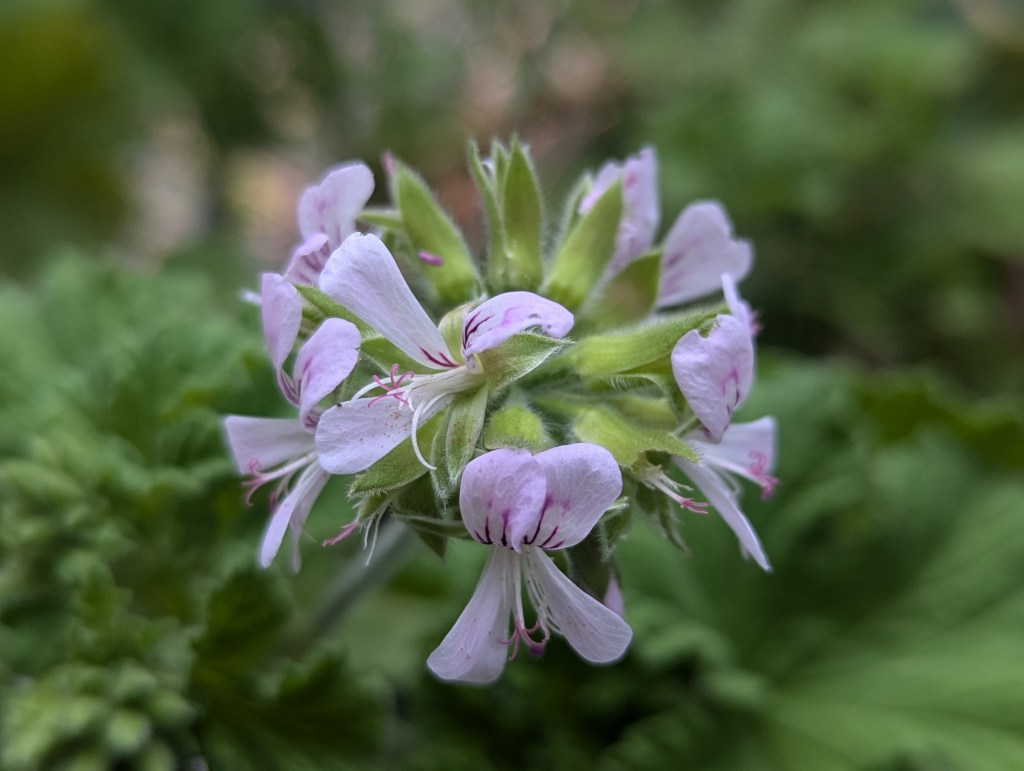
1. Pelargonium citrosum, citronella, like the scented geranium that I featured last week, is one of three scented geraniums here that technically remains unidentified. This name is merely a guess. It is most aromatic, but its bloom is not as pretty as that of the others.
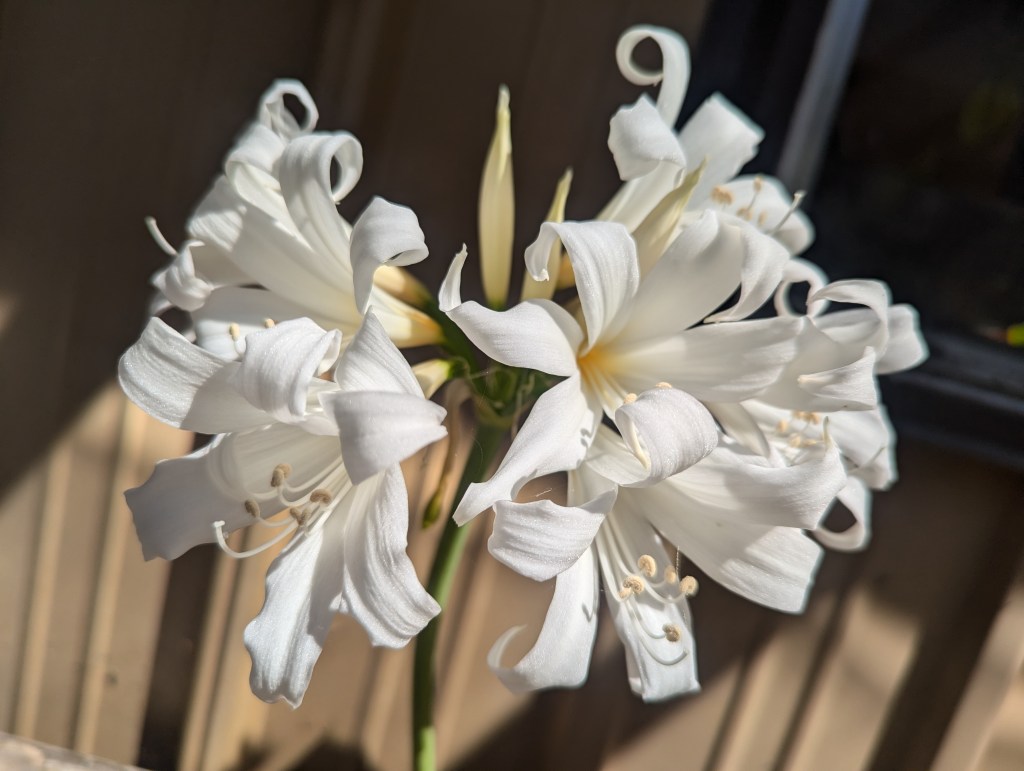
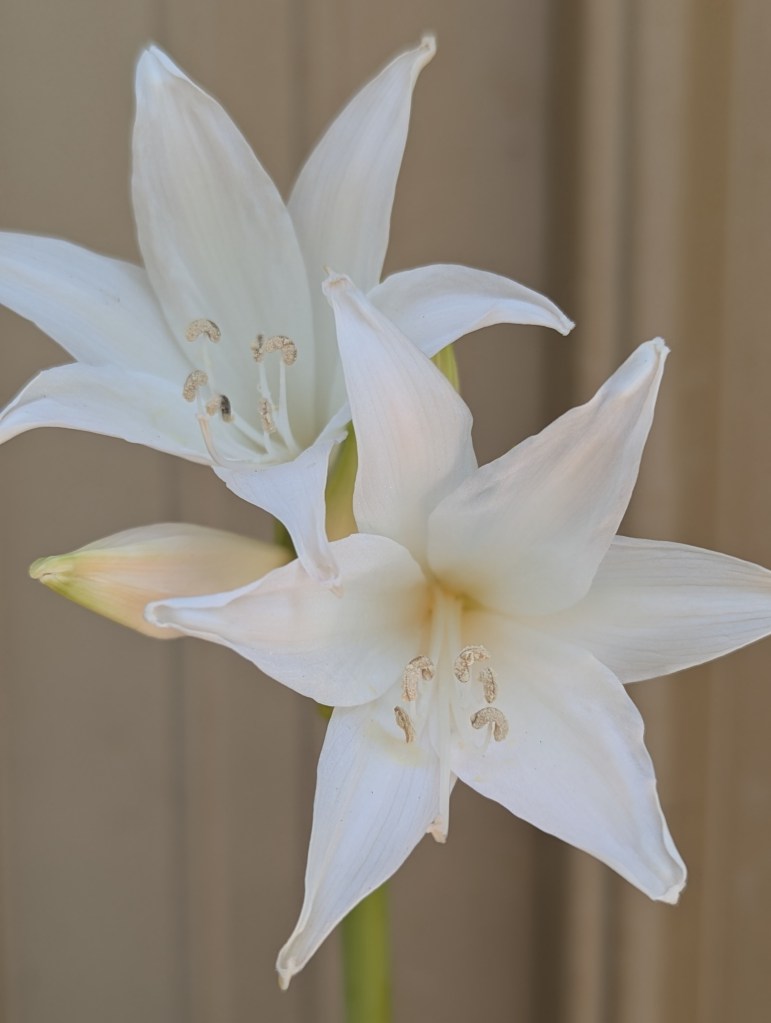
2. Amaryllis belladonna, naked lady is not so cliche or mundane with white bloom. I am so fond of these that I separated their bulbs for relocation to a distinct colony, as well as my home garden. There are not many, so it will be a while before there are any to share.
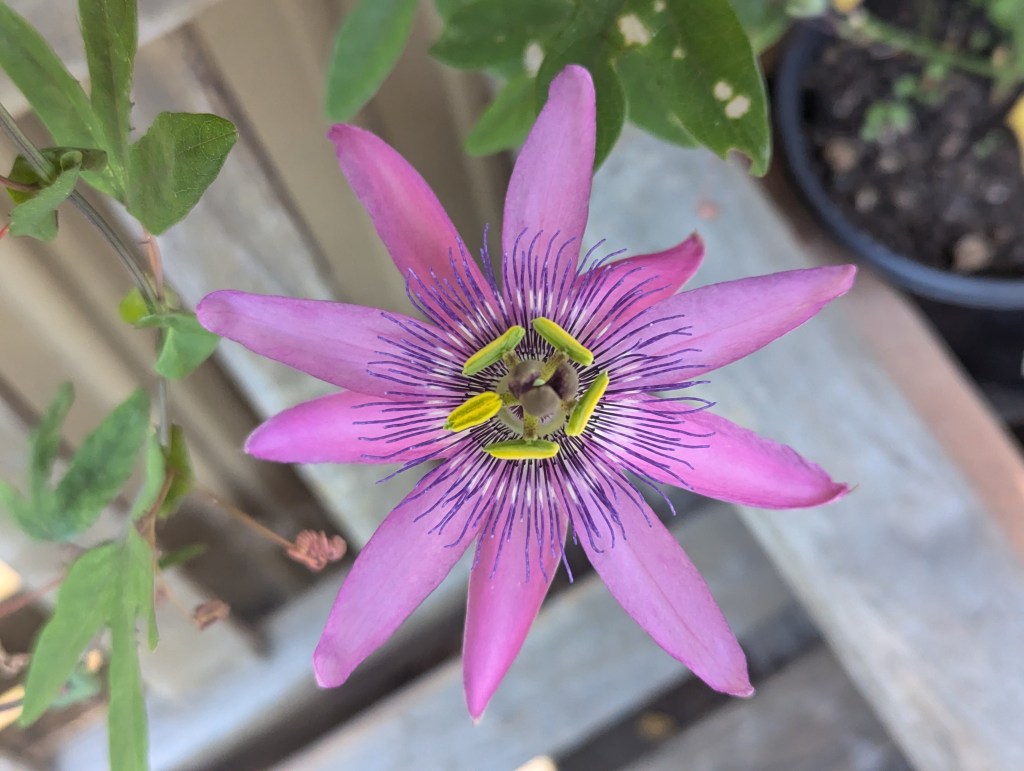
3. Passiflora edulis, passion fruit vine blooms nicely, but with perpetually shabby foliage and clingy tendrils. Its flowers are really more purplish than this one seems to be in this picture. I have no idea what cultivar this is or even if I like it, but I want to see if it fruits.
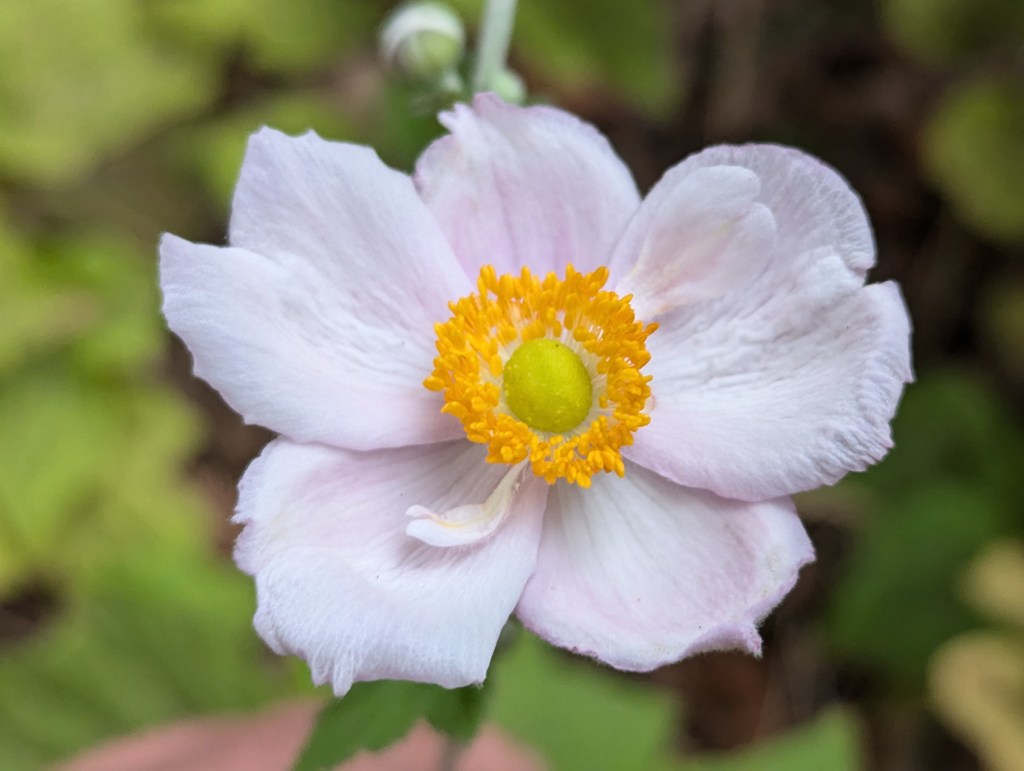
4. Anemone hupehensis, Japanese anemone does not bloom quite as white as it seems to be in this picture. It is not exactly blushed with pink either. It is just dingy. I know that a few happier pups in more favorable conditions will eventually bloom more impressively.
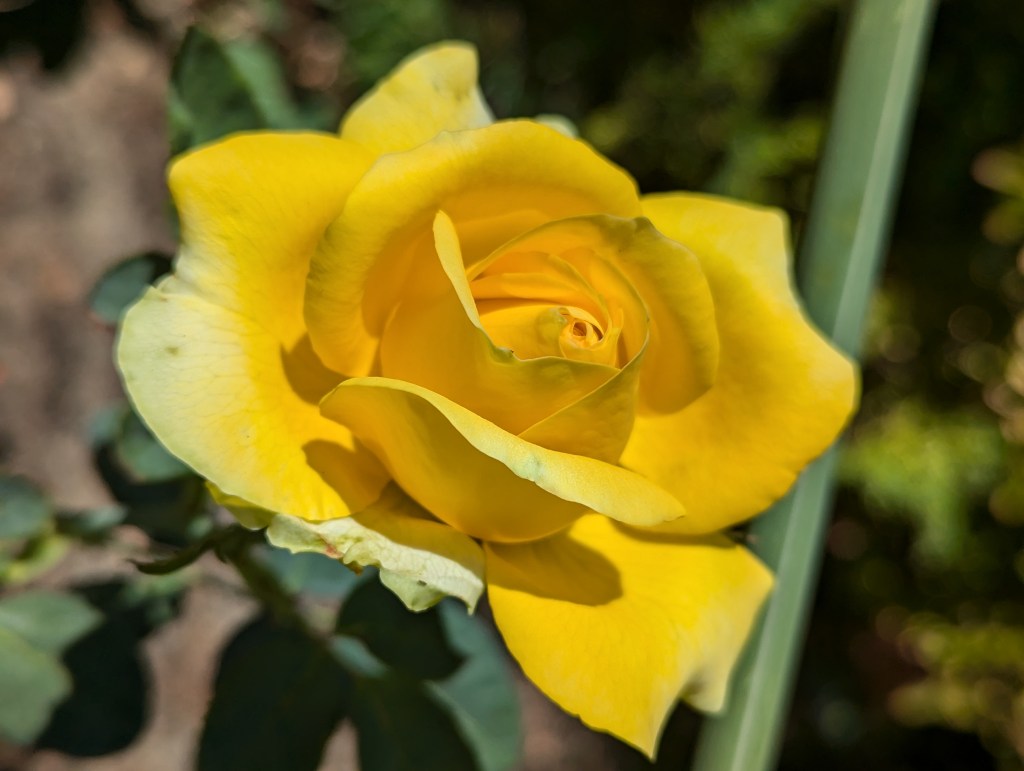
5. Rosa spp., rose might not look like much to brag about, but is blooming like this after getting hacked back and removed from its original garden during the middle of summer. Its survival alone is impressive. Its bloom is even more impressive. It is not the only one.
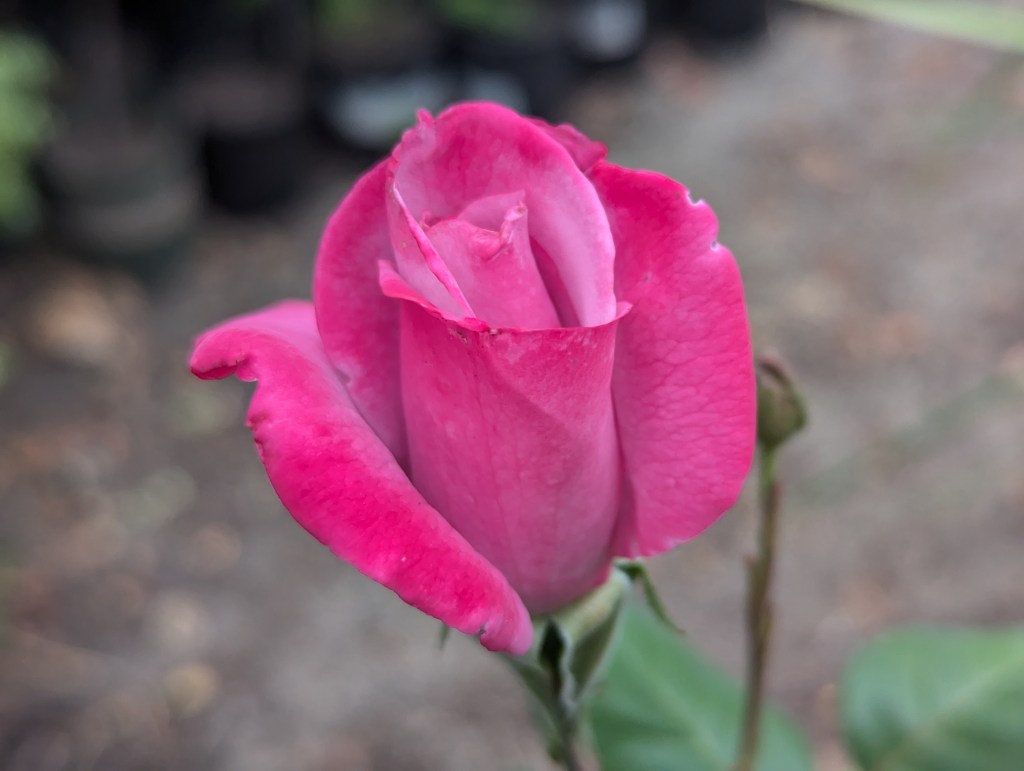
6. Rosa spp., rose is one of the others. A third has floral buds that will likely bloom prior to next Saturday. There are four altogether, so only one is not trying to bloom yet. One is ‘Sheer Magic’, perhaps the pink one above. The other three lack identification otherwise.
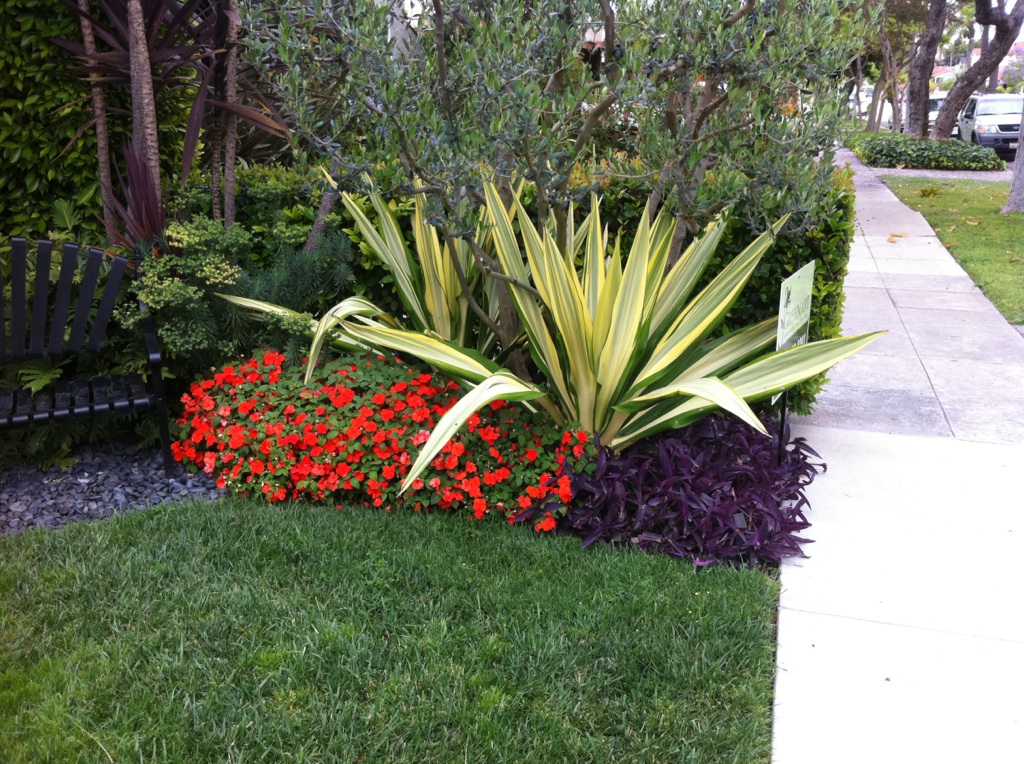
Furcraea foetida ‘Mediopicta’ looks like a big Yucca or a small Agave.
As spectacular as the bloom of Furcraea foetida ‘Mediopicta’ is, it is actually not the most desirable feature. Solitary flower spikes grow intimidatingly fast up past second story windows, and spread out several feet wide with small but abundant pale white flowers. They are certainly impressive, but are also the final act for mature plants just before they die.
Fortunately, they take several years to mature, so provide big bright yellowish green variegated foliage for many years. The other good news is that as they die, herds of pups (known as ‘bulbils’) develop and fall from the huge inflorescences. There are far more than enough pups to replace the original plants and to share with all the concerned neighbors who witnesses the crazy bloom.
Furcraea foetida ‘Mediopicta’ is not quite as tough as unvariegated (green) furcraeas, so it can be damaged both by frost or harsh exposure to sunlight. It is also a bit smaller, staying less than five feet tall (prior to bloom of course) and seven feet wide. Too much watering can cause rot.
Redwoods grow much too tall for this particular application.
The worst part of getting stuck in traffic on the West Valley Freeway was actually not that I was without a Buick. It was the objectionable view of ridiculously dysfunctional landscaping that flanks newer section of the freeway south of Steven’s Creek Boulevard. After more than a decade and a half, it should be performing much better than it does.
Instead, it has developed far more problems than the older section to the north. Many of the purple leaf plums have been overwhelmed by their own green suckers. Some of the flowering pears also have serious suckers, or have been damaged by the harsh exposure they get on the side of a freeway. All sorts of plants have succumbed to irrigation problems.
The overly abundant micro-trees like purple leaf plums and crape myrtles are not proportionate to a freeway landscape. London planes will eventually be more proportionate, but are almost as useless for muffling the sound of traffic while they are bare through winter. The few functional features of the landscape are can only be seen in the background.
Meanwhile on the relatively old fashioned Junipero Serra Freeway, the landscape does what it was intended to do when it was planned in the late 1960’s. Where there is enough space, mature eucalyptus trees absorb ambient noise all year. Arizona cypress trees do the same where there is less space. Western redbuds and oleanders add a bit of color whether they get watered or not.
Home gardening may not always get the sort of planning that freeway landscapes need, but deserves the same sort of common sense. Much of what goes into the garden will be around for a very long time, so should be selected accordingly in order to function as intended with as few problems as possible. Yet, it is sometimes worth taking minor risks to get trees and plants that get the job done.
For example, crape myrtles have become much too common because they do not get big enough to cause many problems. They are used as street trees because they will not damage pavement; but they do not get big enough to make much shade or to get out of the way of trucks. Honey locusts may not seem like such a good choice because they may eventually displace pavement when they get older, particularly if watered too much while young; but they are more proportionate and out of the way.
Proper selection of plants simply makes the garden work better. Trendy plants like crape myrtles, London planes, carpet roses and dwarf Heavenly bamboos (nandinas) certainly work well in the right situations, but are not necessarily the best choices for every situation. Desired function, proportion (when mature), exposure, potential problems, maintenance requirements and landscape style are just some of the variables that should be considered when selecting new plants for the garden.
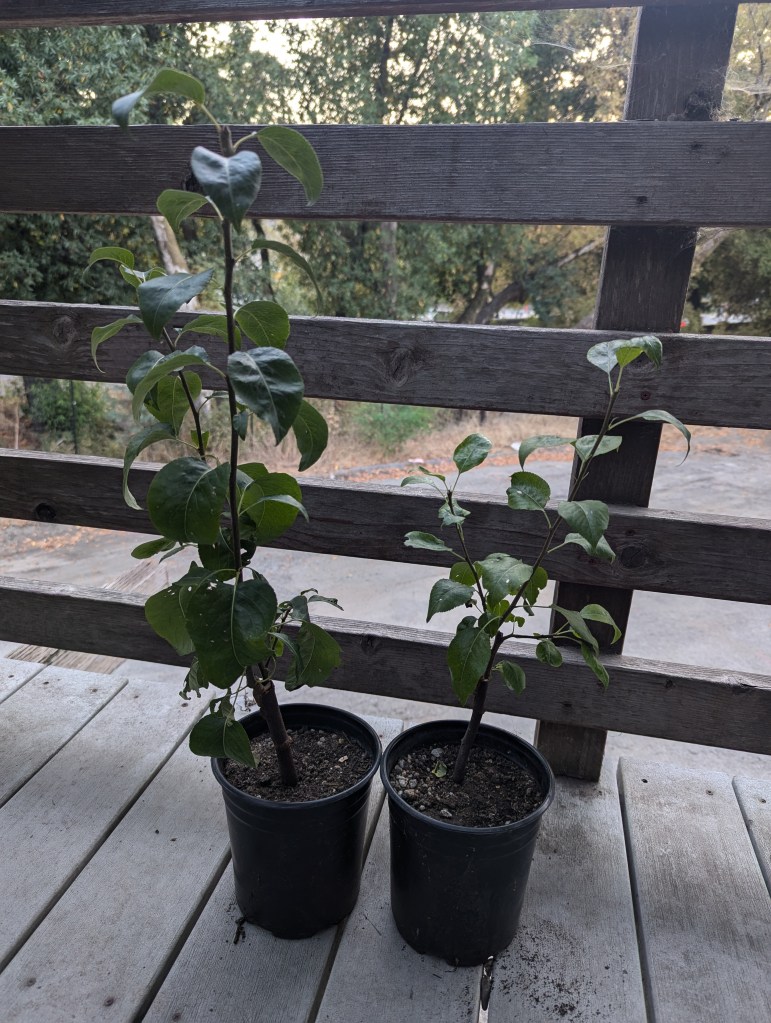
‘Beurre d’Anjou’ is to the left. ‘Seckel’ is to the right.
Two new pear trees have grown well this year after being grafted last winter.
‘Seckel’ is to the right in the picture above. I acquired its scion from the Scion Exchange of the Monterey Bay Chapter of the California Rare Fruit Growers on the first of February. It was one of only two cultivars that I wanted to graft onto one of only three quince understock trees that were available at the time.
‘Beurre d’Anjou’ is to the left in the picture above. Because it was unavailable from the Scion Exchange, and also because it was the other of only two cultivars that I wanted to graft, I purchased its scion online.
I wanted to retain one of the three quince understock trees for its fruit, and possibly for cuttings for understock for more pear trees in the future. However, more copies of it grew from cutting from the two trees that were grafted last winter. Now, I have a third quince tree to graft a pear scion onto this winter. I will most likely procure a scion of ‘Bartlett’, because, a very long time ago, that was the most common cultivar within the orchards of the Santa Clara Valley.
From scarcely exposed tops of seemingly dead bulbs, floral stalks unexpectedly appear. Foliage only appears after bloom finishes. This is why Amaryllis belladonna is known as naked lady. It blooms unfoliated. Various varieties of the same species bloom with about the same vivid pink color. White variants are very rare. Floral fragrance is mild but sweet.
Naked lady flowers are about two feet tall on simple brown or green stalks. Fleshy seeds that develop after bloom are viable only while fresh and plump. Foliage begins to appear by later summer, and grows more with autumn rain. It resembles foliage of lily of the Nile, but is more fragile, and shrivels by late spring. Then, bulbs lay dormant through summer.
Naked lady bulbs are impressively resilient, but also quite sensitive. If possible, the best time to relocate them is supposedly between bloom and foliation. However, relocation is likely easiest during complete summer dormancy. Unfortunately, though, such relocation can interfere with subsequent bloom. Naked lady needs full sun exposure to bloom well, but requires no water.
Floral color attracts pollinators. Hummingbirds mostly prefer bright red, pink and orange. Butterflies mostly prefer bright orange and yellow. Bees prefer bright blue and purple, but are less discriminating than other pollinators. Of course, these are mere generalizations. Otherwise, the majority of pollinators might ignore species that bloom with white flowers.
Realistically, most flowers do not rely on pollinators for pollination. They rely exclusively on wind, so are just green or brown, and not visually prominent. These include flowers of grasses and conifers. Otherwise, small but prominently prolific white flowers are the next best option. They rely on either or both wind and pollinators for very effective pollination.
For example, firethorn bloom is very appealing to bees and other pollinators. It is also so prolific that some of its pollen disperses into the wind. Its tiny but abundant white flowers can not avoid pollination by one means or the other. Most orchard trees, such as apricot, plum, apple and pear, use the same technique. So do viburnum, photinia and elderberry.
This should not imply that white is a substandard color, though. After all, white flowers do attract pollinators. Several pollinators, such as nocturnal moths, prefer luminescent white flowers. More importantly, many pollinators see more than white. Several types of Insects see ultraviolet. What seems to be white to us can actually be elaborately colorful to them.
Furthermore, white needs no justification. It happens to be the best color option for some garden applications. It brightens visually dark situations, and mingles well with almost all other colors. A few types of flowers, particularly those with distinctive form, excel at white. Calla, camellia, lily of the valley and various lilies are only a few of numerous examples.
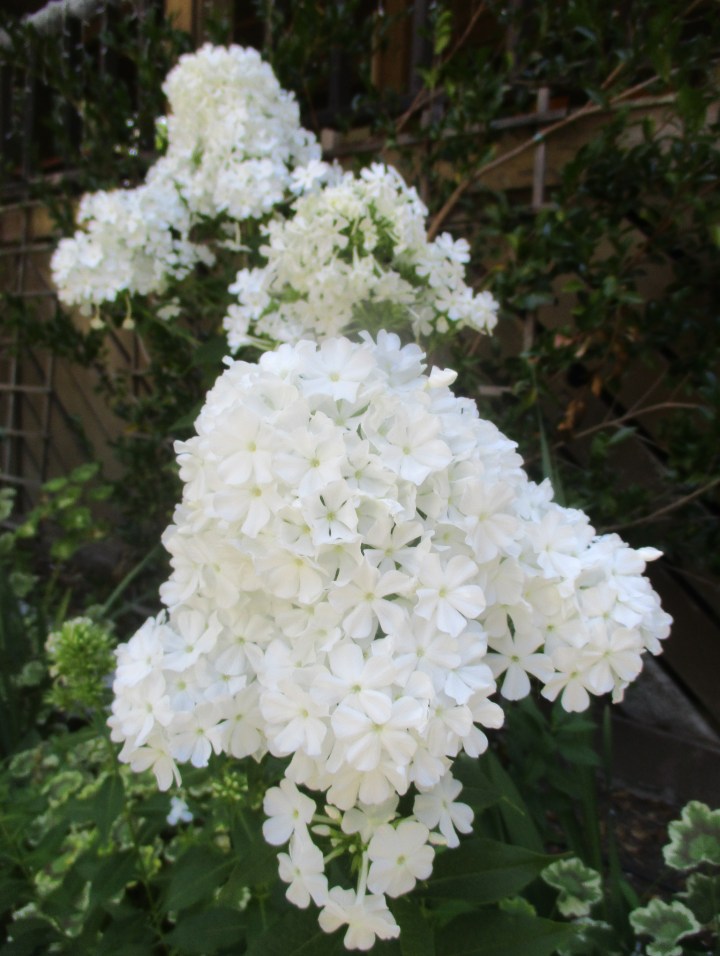
Cool season annuals for autumn and winter will soon replace old warm season annuals. White busy Lizzie, petunia, cosmos, alyssum, snapdragon and zinnia are finishing soon. White pansy, viola, dianthus and wax begonia may replace them. Later in autumn, white cyclamen will become seasonal. There are always enough white flowers to choose from.



 Tony Tomeo