Epiphyllum oxypetalum was my very first epiphyllum. A friend’s mother gave me three long cuttings, which were cut in half to make six cuttings. They grew like weeds, and I was quite pleased with them. At the time, they were the only epiphyllum that I wanted. The wide nocturnal flowers are strikingly pure white and nicely fragrant, and stay open late into the morning if the weather is right. Since white is my favorite color, I craved no more.
Then I got bits of another epiphyllum from one of my clients. I do not know if it really is a species of epiphyllum, but it grows just like one, with the exception of the bloom. Rather than only a few huge nocturnal flowers, it blooms with many smaller pink flowers that remain open all day. It lacks fragrance. It is not as impressive as Epiphyllum oxypetalum, but it is…
If I had purchased a cabin near here as I had considered prior to this recycled article, it either could have become worth considerably more than I would have paid for it (because such cabins are now a rare commodity), or it could have been destroyed.
Trona is not as obscure as it seems. I would have needed to zoom in a bit more for it to appear on ‘Google Maps’, but it is there, just to the northwest of what seems to be a big crater of some sort in the middle, right where the map is labeled ‘Searles Valley’. You might have seen Trona before, from more flattering, or at least more realistic perspectives, in movies such as ‘Star Trek V’, ‘Planet of the Apes’ (2001), ‘Land of the Lost’ and ‘Holes’.
Earlier this morning, I posted an old brief article from March 21, 2018, Na2CO3•NaHCO3•2H2O. It was about some of what I find to be appealing, or at least compelling about Trona. Please excuse the euphemisms, such as ‘flattering’ for ‘realistic’, and ‘appealing’ for ‘compelling’. I happen to be rather fond of Trona, even though I have never been there before. I…
Gladiolus hybrids are not reliably perennial locally. They might not be reliably perennial anywhere. I had believed that they could be so where they get more winter chill, but chill does not seem to help. I have been told that they are no more perennial in Pennsylvania, Oregon or Oklahoma. When I grew them many years ago, only about a third survived to bloom for a second season. Of that third, only about a third survived to bloom for a third season. This is one of many reasons why I am so ‘glad’ about perennial Gladiolus papilio , as well as Watsonia species, from Tangley Cottage Gardening. Although, strangely, a few hybrid Gladiolus survive.
1. Watsonia X pillansii ‘Coral and Hardy’, just like the Gladiolus papilio, was a gift from Tangly Cottage Gardening of Ilwaco in Washington. I learned that it blooms in summer.
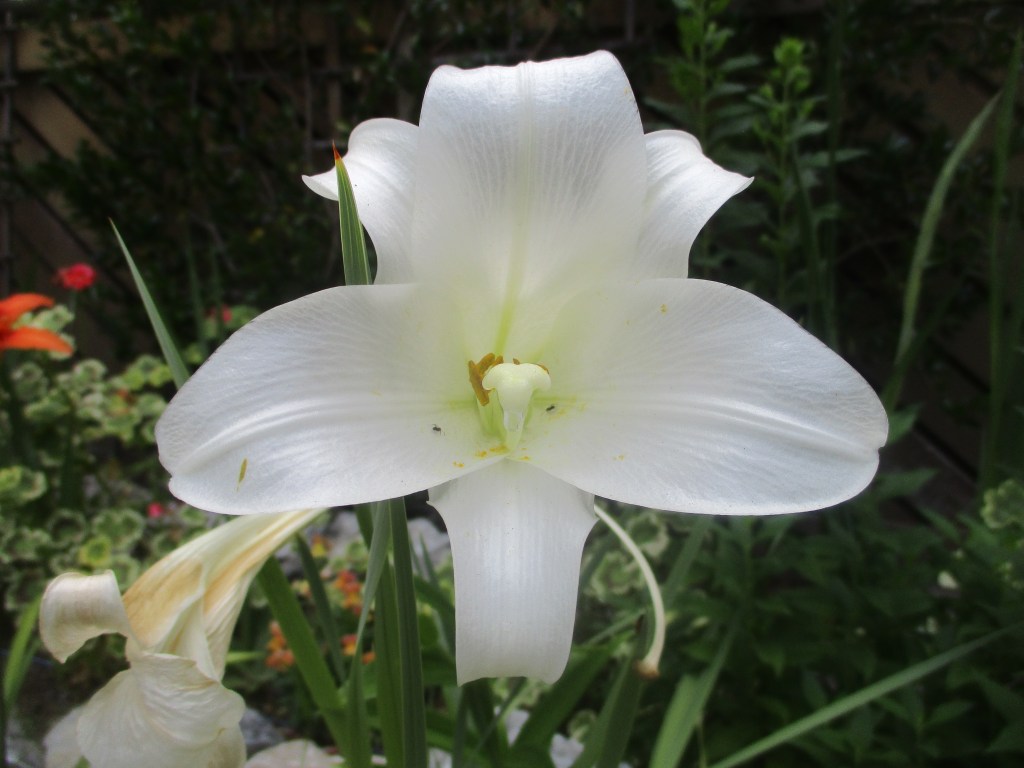
2. Lilium of an unidentified cultivar is finally finishing bloom. Obviously, it is irrelevant to Gladiolus. It just happened to be so pretty precisely as I was in need of a sixth picture.
3. Gladiolus is mostly finishing bloom now. These few are blooming a bit late. These are merely the common hybrid sort that someone purchased from a retail nursery years ago.
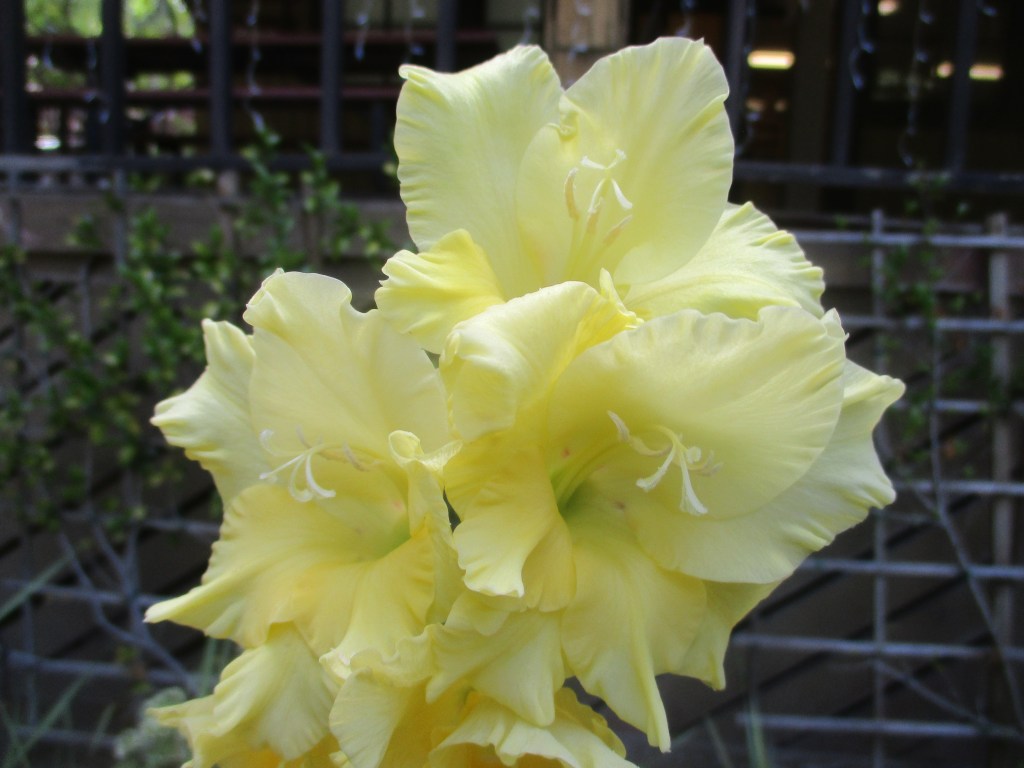
4. Not only have a few of the Gladiolus hybrids been surprisingly reliably perennial for a few years, but this pastel yellow cultivar has actually multiplied, from one bulb to a few.
5. This Gladiolus hybrid blooms annually also, but unlike the pastel yellow cultivar, does not multiply. This and one other just like it are the only two, with neither more nor less.
6. This purple Gladiolus hybrid does the same. It would be nice if it could generate a few copies. Since it is the only specimen here, and might be fragile, I will not tamper with it.
Due to an inability to locate some of my old articles from nine years ago, I will recycle articles such as this, which already posted to this blog four years ago, through June and at least part of July.
Compared to crape myrtle, sycamore (London plane) and many other more popular trees, the beech, Fagus sylvatica, is much less problematic, and really deserves more respect. Although it can eventually get almost as big as sycamore, it has remarkably complaisant roots. It is neatly deciduous, defoliating only in autumn, without noticeable floral mess. Disease and pests are rare.
Beech is probably unpopular with landscapers because new trees are a bit more demanding than other tree specie are. (Landscapers prefer easier trees.) Until they disperse their roots, they are more likely to desiccate if they do not get watered regularly enough, and more likely to rot if watered too much. They grow somewhat slowly, so need to be pruned more carefully for a high canopy.
Those of us who tend our own gardens do not mind the extra effort for such a distinctive tree. The handsome foliage can be rich…
Due to an inability to locate some of my old articles from nine years ago, I will recycle articles such as this, which already posted to this blog four years ago, through June and at least part of July.
When a tree falls in the forest, and there is no one around to hear it, does it make a sound? Of course it does! There is just no one to hear it. Why should that be such a profound question? A falling tree makes a mess too. Anyone who does not see or hear it in action can witness it afterward. Sometimes, roots that were inadequate to support the fallen tree become exposed as well.
There is certainly nothing unnatural about trees falling in forests. Otherwise, forests would be too crowded for new trees or anything else to inhabit. The roots of fallen trees might have been adequate for many decades or centuries, but eventually succumbed to decay and the weight of the canopies they supported and sustained. Trees falling in home gardens are completely different.
Domestic trees (in home gardens) are likely to land on homes, cars, other…
There are mixed emotions about tree removal permits that so many municipalities need to issue in order for a ‘heritage’ tree to be cut down legally. Most of us want to believe that in America, we have certain rights to do what we want to on the properties that we own. Obviously, that makes the most sense. However, if it were that simple, many more prominent trees that are collective assets to the larger communities would be removed.
As an arborist who writes the reports needed to procure these permits, I see it both ways. There are many trees that are worth preserving for the Community, and there are probably many more that must be removed for the safety of those who live around them. I sometimes hear of common homeowners who get fined for removing a tree without a permit, just because they were not aware that it was…
Where winters are cooler, zonal geranium, Pelargonium X hortorum, performs as a warm season annual. It is perennial only with shelter from frost. Locally, traditional cultivars are so reliably perennial that they can get congested without thorough pruning and grooming after winter. Frost occasionally ruins outer growth, but rarely kills entire plants with roots.
Modern cultivars bloom more profusely and more colorfully than old cultivars, but are not quite as resilient. They are more likely to rot during the damp and cool weather of winter. They bloom exquisitely from spring through autumn though, with bright hues of red, pink, peach, salmon and white. They stay lower and more compact, so require less grooming.
The more popular modern zonal geraniums should not get much more than two feet high and wide. Their small flowers bloom on globular floral trusses that can get as wide as six inches. Traditional zonal geraniums get bigger, with smaller floral trusses. Nearly circular and aromatic leaves generally exhibit darker halos between lighter centers and margins.
Green is the most common floral color. It only seems to be rare amongst flowers because almost all green bloom relies on wind for pollination. Thus, neither color nor fragrance is useful to get the attention of pollinators. Actually, green flowers do not get much attention at all. They are easy to ignore in the wild, and generally unpopular within home gardens.
Most showy green flowers such as zinnia, chrysanthemum, hydrangea and gladiolus are progeny of unnatural breeding. Showy but naturally green flowers such as hellebore and orchid are merely incidentally green, as they employ infrared or ultraviolet color to attract pollinators. Although people can not see infrared or ultraviolet color, many pollinators do.
After all, flowers bloom only for pollination. Many customize color as well as fragrance to appeal to preferred pollinators. They are merely incidentally appealing to people as well. People breed flowers to be more appealing to people, even if unappealing to pollinators. Nonetheless, even breeding is limited to characteristics that initially attracted pollinators.
It is impossible to identify the most common color among flowers that rely on pollinators. Pollinators are regional. Therefore, red and orange flowers may be more common where hummingbirds who prefer red or orange are more common. Purple flowers may be more common where bees or certain butterflies who prefer purple are the dominant pollinators.
Yellow seems to be the most common natural color of flowers of North America. Red and orange are very common as well. Although common, pink is merely a tint of red, so is not a real color. Neither is brown, which is a shade of orange. Although very common among flowers that rely on wind pollination, it is quite rare among flowers that rely on pollinators.
Blue is the rarest natural floral color. Many flowers that seem to be quite blue are actually purplish. Purple is uncommon, but not as rare as blue. Ultraviolet and infrared get almost no consideration since they are invisible to people. However, both are common amongst most showy flowers, particularly white and maybe red flowers. Red is invisible to insects, though infrared is not.
Batman and Robin were here!
. . . well, not quite. It is decoration for summer camp. We never know what we will find in the landscapes that we maintain here. Those who work at camp arrive before guests, so that they can get ready, and of course, to decorate. Guests only started to arrive two weeks ago. It makes our work more interesting, as we try to work around the traffic and events, but it is SO gratifying to see so many guests enjoy the facilities that we maintain! Those who work at camp enjoy being here too. It is obvious in all the work they put into preparation. It gets pretty wild and colorful, as I was reminded when I found what had been done in a grove of coast live oak just outside of one of the main auditoriums. Last year, I pruned and groomed the trees…
Incandescent light bulbs were the standard form of electric lighting for more than a century after their invention. It took a while for fluorescent and halogen lamps to become popular; and by the time they did, high intensity discharge (HID) lamps had already become available. Nowadays, light emitting diode (LED) lamps seem to be replacing all sorts of electric lighting.
For a brief time in the late 1980s, high intensity lamps that were being used for large scale applications and street lamps became a fad for exterior household lighting. They worked nicely for driveways, so many of us believed that they would work just as nicely for night lighting of home gardens and patios. By that time, most of us had realized that the sickly yellowish glare of the sodium vapor type of high intensity lamps that were so common as street lamps was not at all appealing around the…

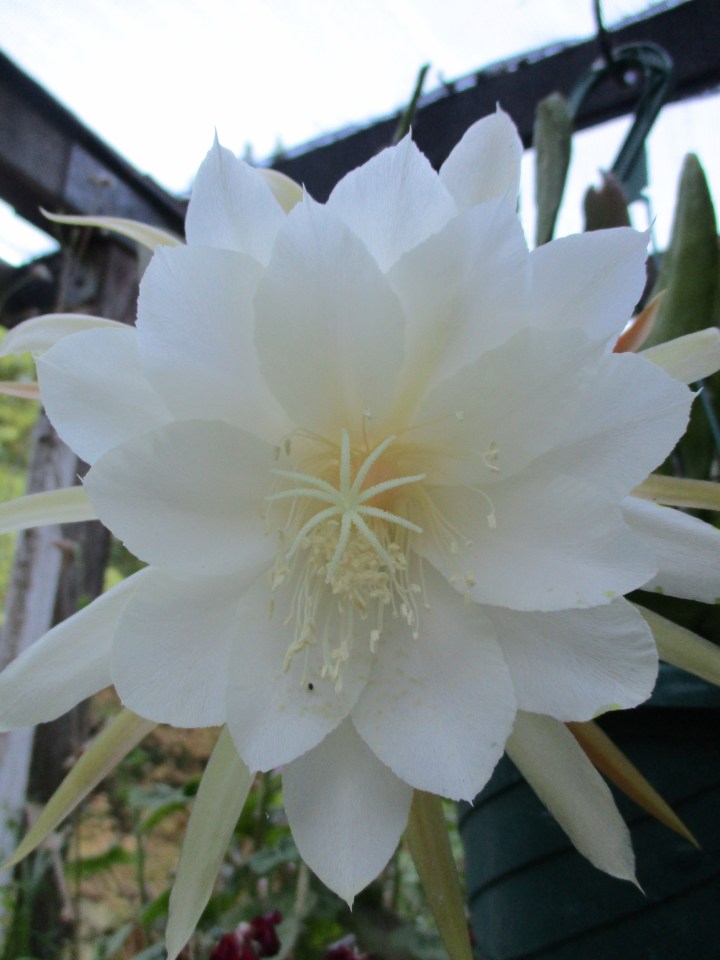 Epiphyllum oxypetalum was my very first epiphyllum. A friend’s mother gave me three long cuttings, which were cut in half to make six cuttings. They grew like weeds, and I was quite pleased with them. At the time, they were the only epiphyllum that I wanted. The wide nocturnal flowers are strikingly pure white and nicely fragrant, and stay open late into the morning if the weather is right. Since white is my favorite color, I craved no more.
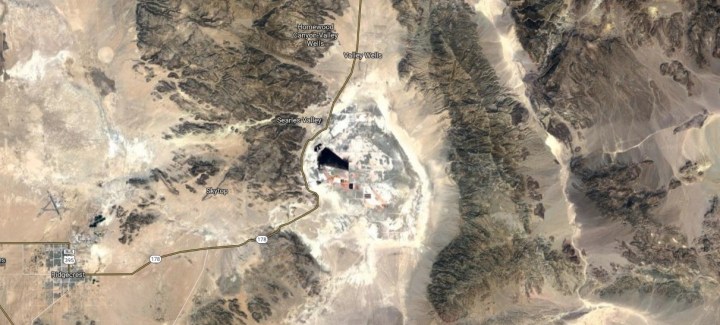 Trona is not as obscure as it seems. I would have needed to zoom in a bit more for it to appear on ‘Google Maps’, but it is there, just to the northwest of what seems to be a big crater of some sort in the middle, right where the map is labeled ‘Searles Valley’. You might have seen Trona before, from more flattering, or at least more realistic perspectives, in movies such as ‘Star Trek V’, ‘Planet of the Apes’ (2001), ‘Land of the Lost’ and ‘Holes’.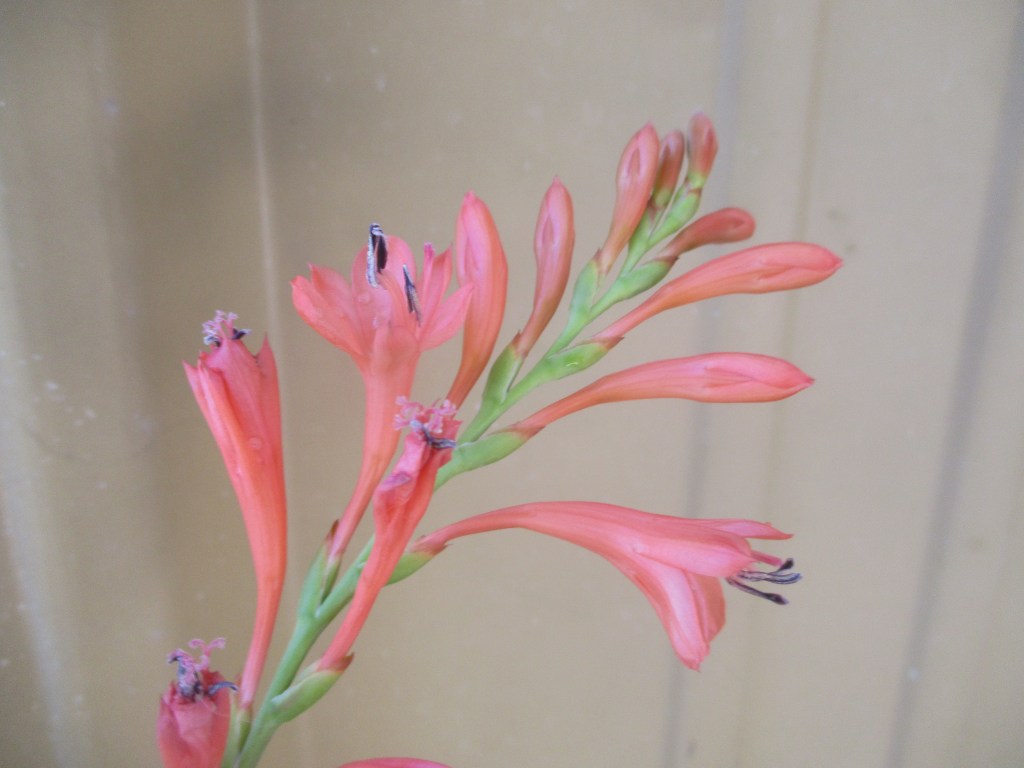



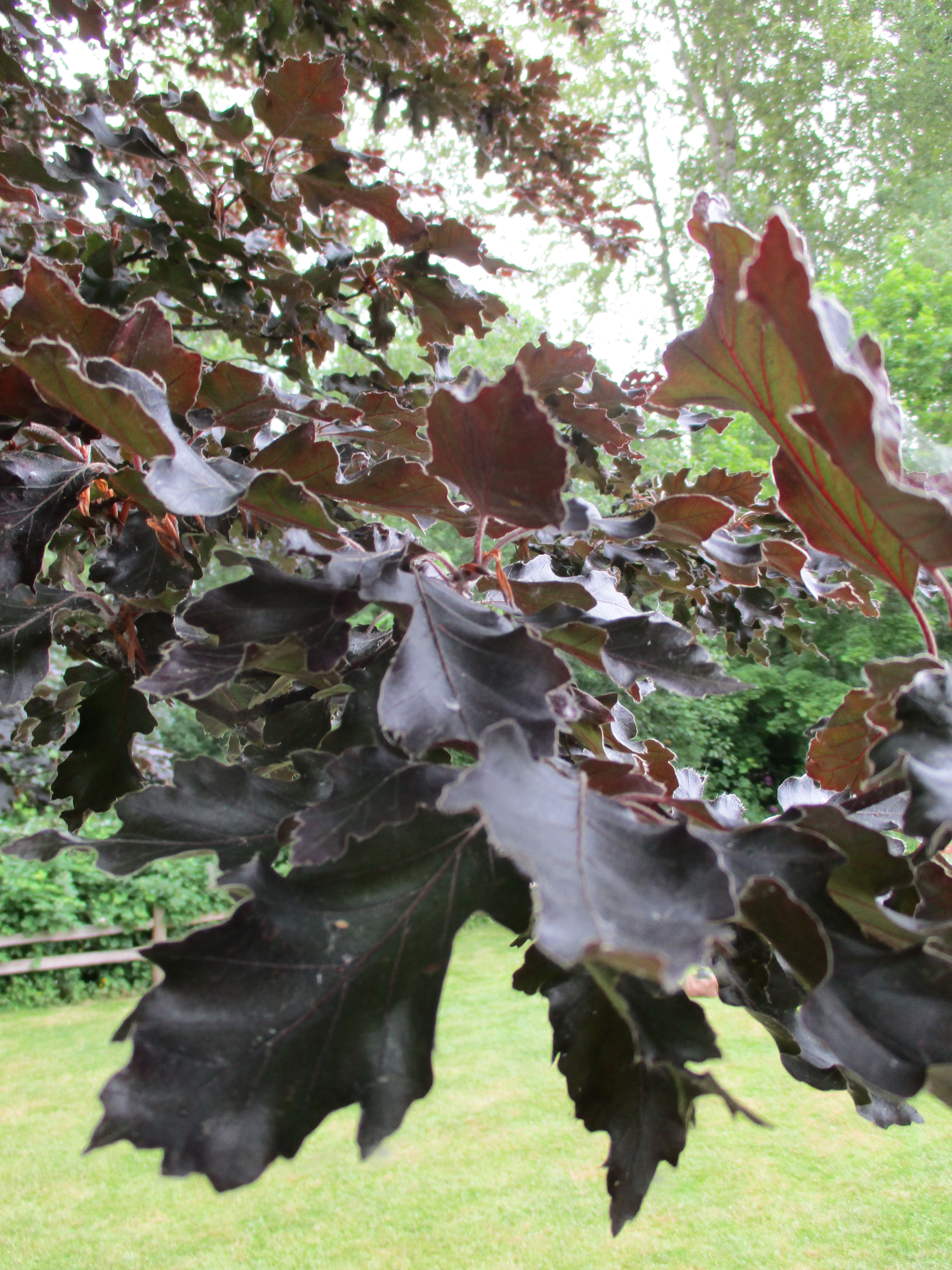 Compared to crape myrtle, sycamore (London plane) and many other more popular trees, the beech, Fagus sylvatica, is much less problematic, and really deserves more respect. Although it can eventually get almost as big as sycamore, it has remarkably complaisant roots. It is neatly deciduous, defoliating only in autumn, without noticeable floral mess. Disease and pests are rare.
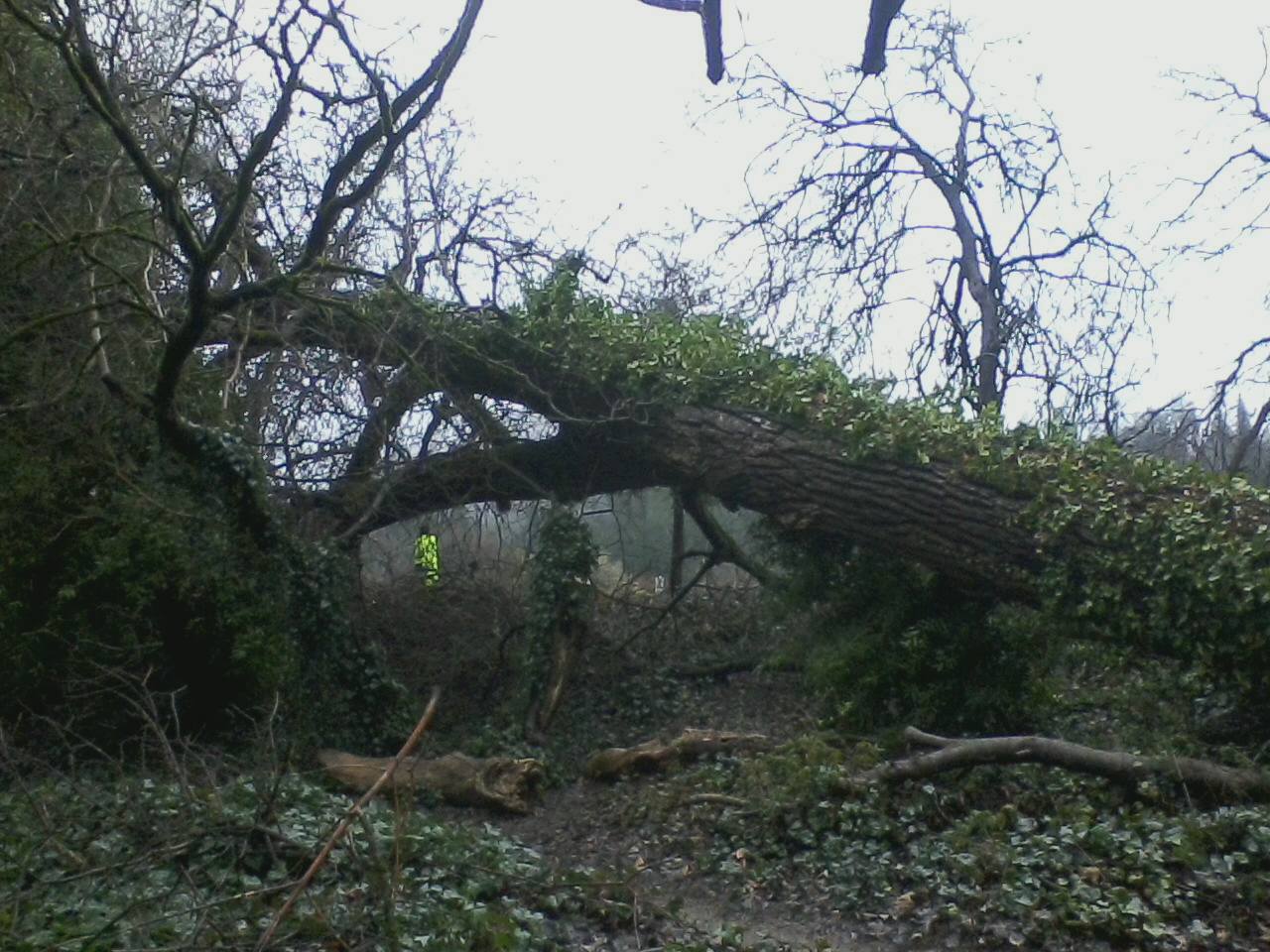 When a tree falls in the forest, and there is no one around to hear it, does it make a sound? Of course it does! There is just no one to hear it. Why should that be such a profound question? A falling tree makes a mess too. Anyone who does not see or hear it in action can witness it afterward. Sometimes, roots that were inadequate to support the fallen tree become exposed as well.
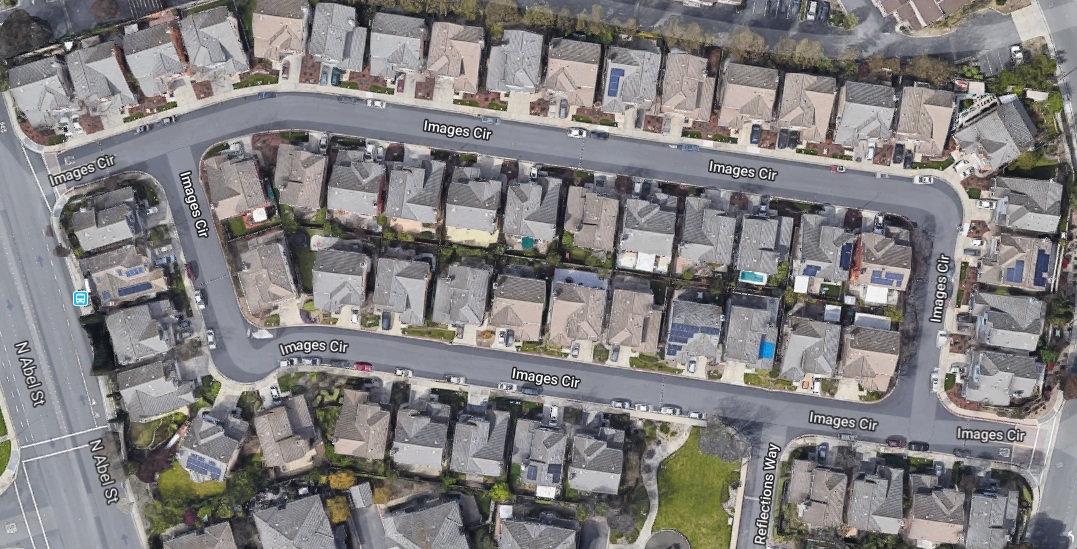 There are mixed emotions about tree removal permits that so many municipalities need to issue in order for a ‘heritage’ tree to be cut down legally. Most of us want to believe that in America, we have certain rights to do what we want to on the properties that we own. Obviously, that makes the most sense. However, if it were that simple, many more prominent trees that are collective assets to the larger communities would be removed.

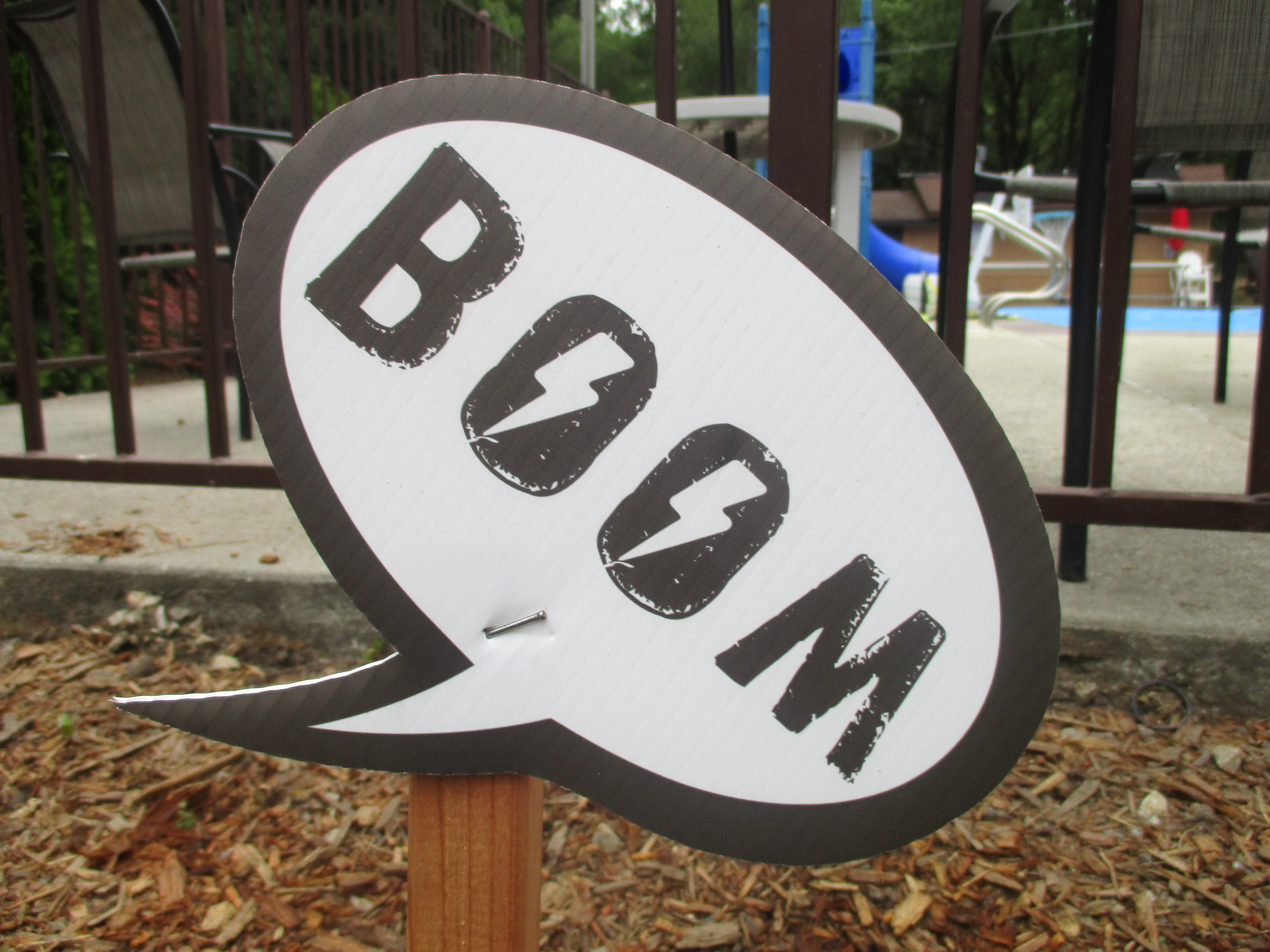
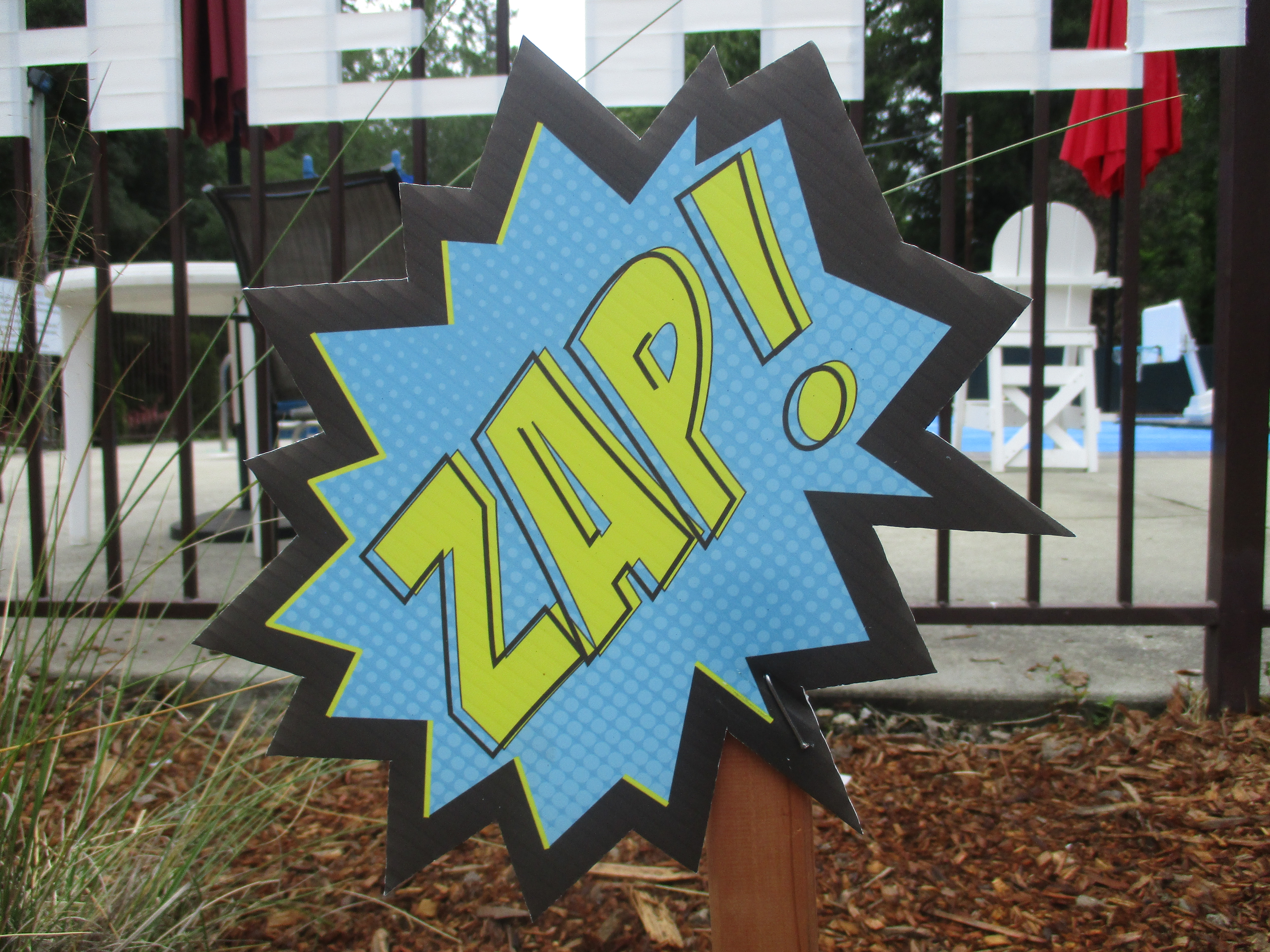

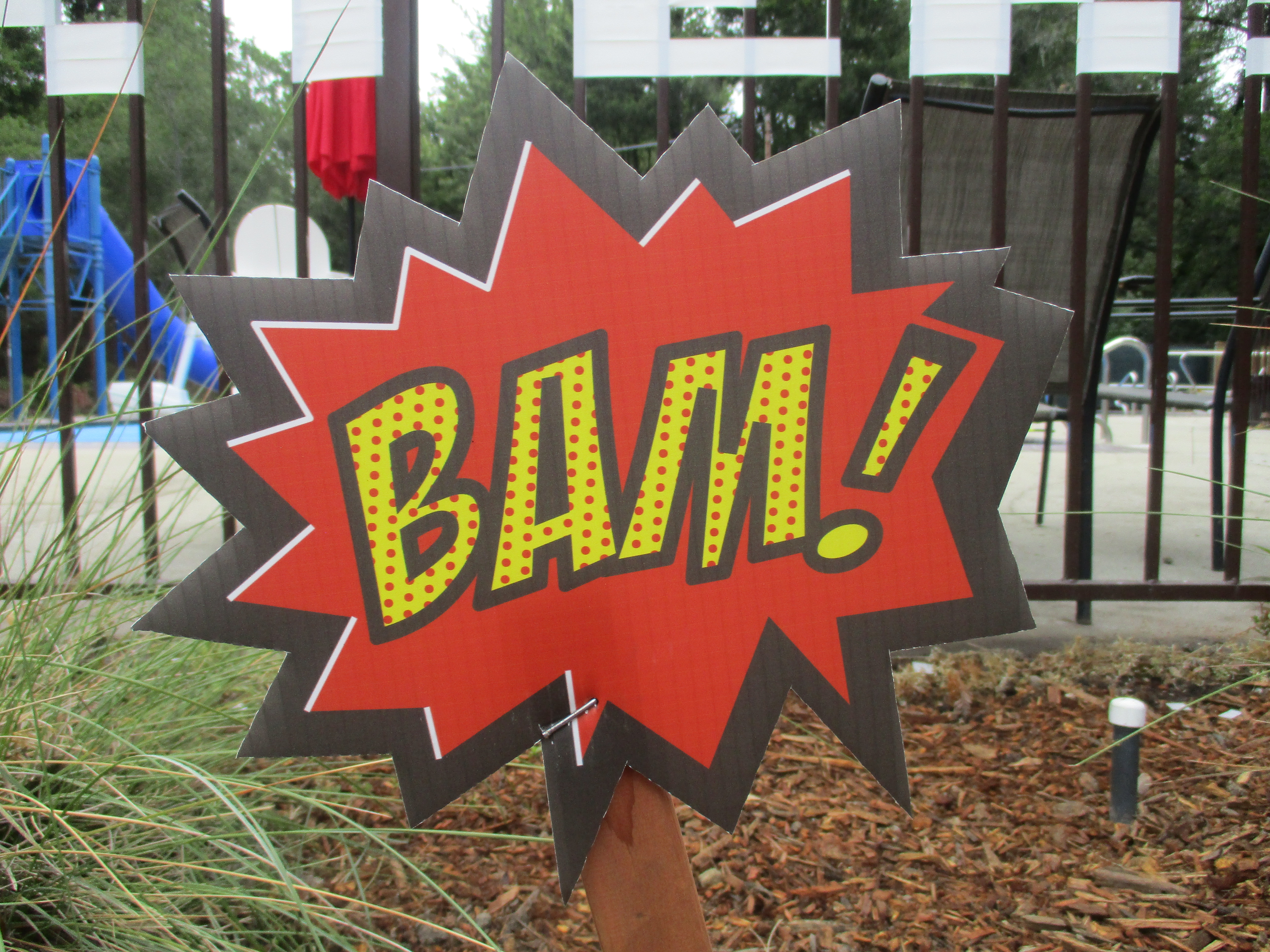
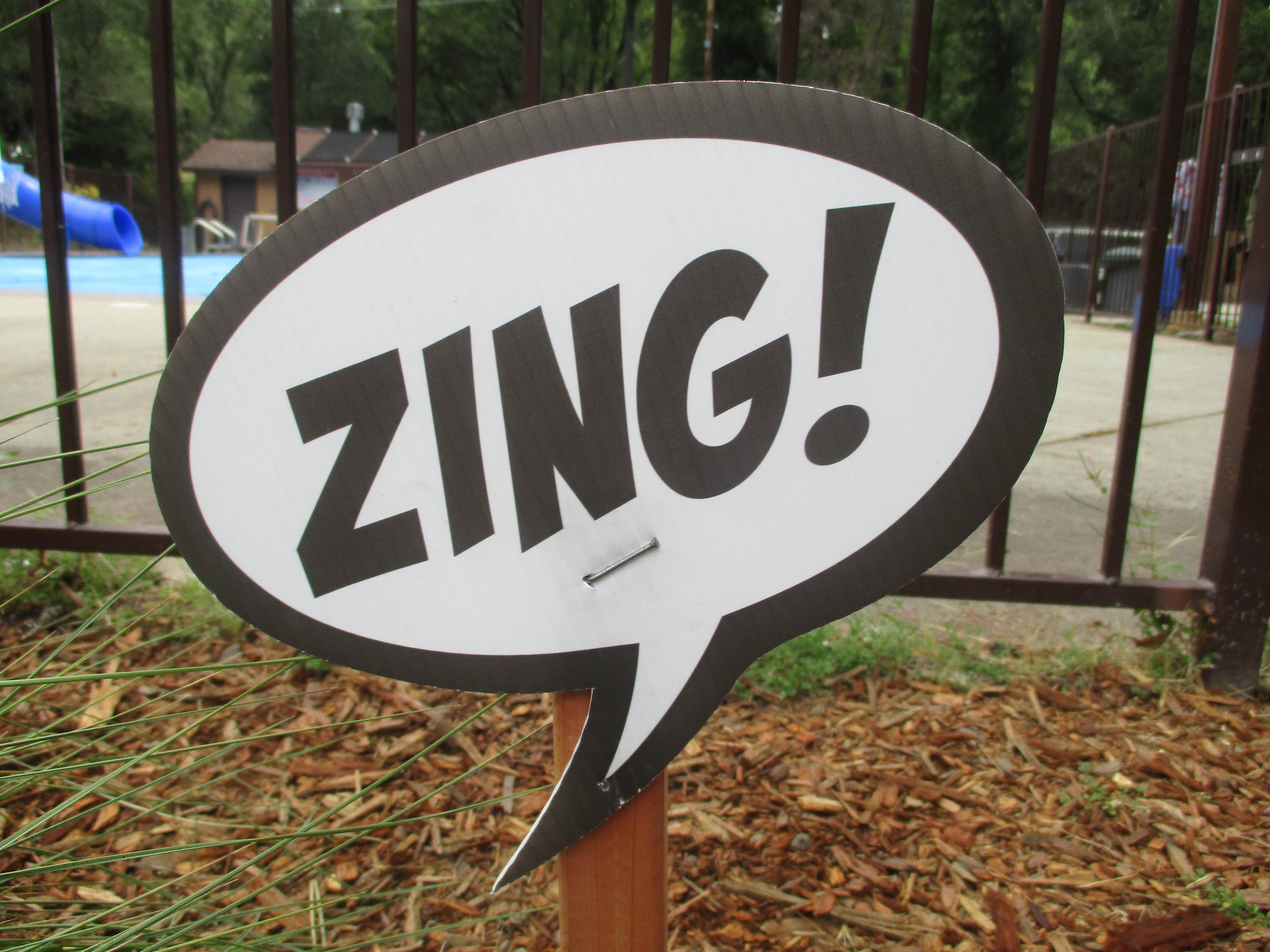 Batman and Robin were here!
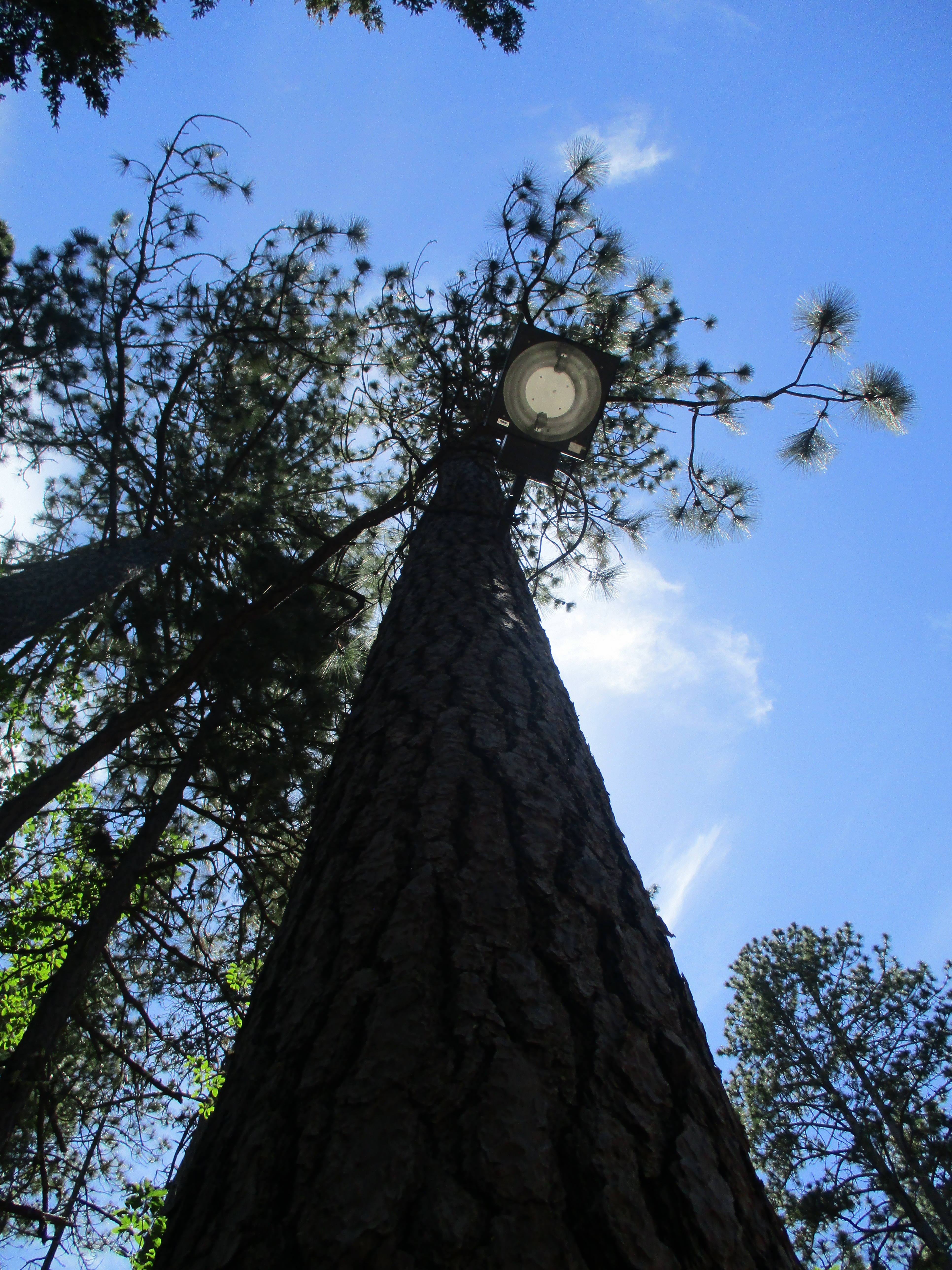 Incandescent light bulbs were the standard form of electric lighting for more than a century after their invention. It took a while for fluorescent and halogen lamps to become popular; and by the time they did, high intensity discharge (HID) lamps had already become available. Nowadays, light emitting diode (LED) lamps seem to be replacing all sorts of electric lighting.
 Tony Tomeo