
Here in the mild climates on the west coast of California, the difficulty of getting new cool season annuals into the garden to bloom through autumn and winter is not selecting, procuring and installing the new annuals. It is the removal of the warm season annuals while they are still blooming and looking so good! Knowing that planting new annuals sooner than later will get them an earlier start is not always much consolation.
Pansy, viola, primrose, snapdragon and alyssum are probably the most familiar and favorite of cool season annuals, and are often allowed to bloom late into spring when they probably should be replaced by warm season annuals. Alyssum easily naturalizes, and can actually bloom all year in coastal or cool areas. Snapdragon are probably the most difficult of these favorites to grow, since they so often get infested with rust, a common fungal disease that proliferates where winters are mild.
Cornflower (bachelor’s button), stock, Iceland poppy, sweet William and calendula are probably a bit less popular only because they are not so conducive to mass planting as bedding plants. Cornflower and stock get taller than they should for beds, although they look great behind beds; and stock is excellently fragrant. Iceland poppy, sweet William and calendula do not often grow uniformly enough for large beds; and calendula does not offer much variety of color beyond shades of yellow and orange. Yet, all are great in mixed plantings.
Ornamental cabbage and kale are grown for their colorful foliage instead of flowers. Cabbage may be a bit more colorful; but kale can provide more variety of foliar texture. Because they form such bold rosettes of foliage that do not blend into each other like other bedding plants do, they are more often grown as narrow borders or in small mixed plantings instead of in broad uniform beds.
The ornamental potential of both Swiss chard and parsley should not be denied. Swiss chard has distinctively ruffled and glossy foliage that can be dark green or deep burgundy. Their prominent midribs and veins can be even more colorful with shades of greenish white, yellow, orange, red or pale purple. Parsley is rich green, with full, intricately textured foliage that happens to look quite sharp with white alyssum. The main problem with these two cool season vegetables is that their appearance can be compromised if they get eaten.

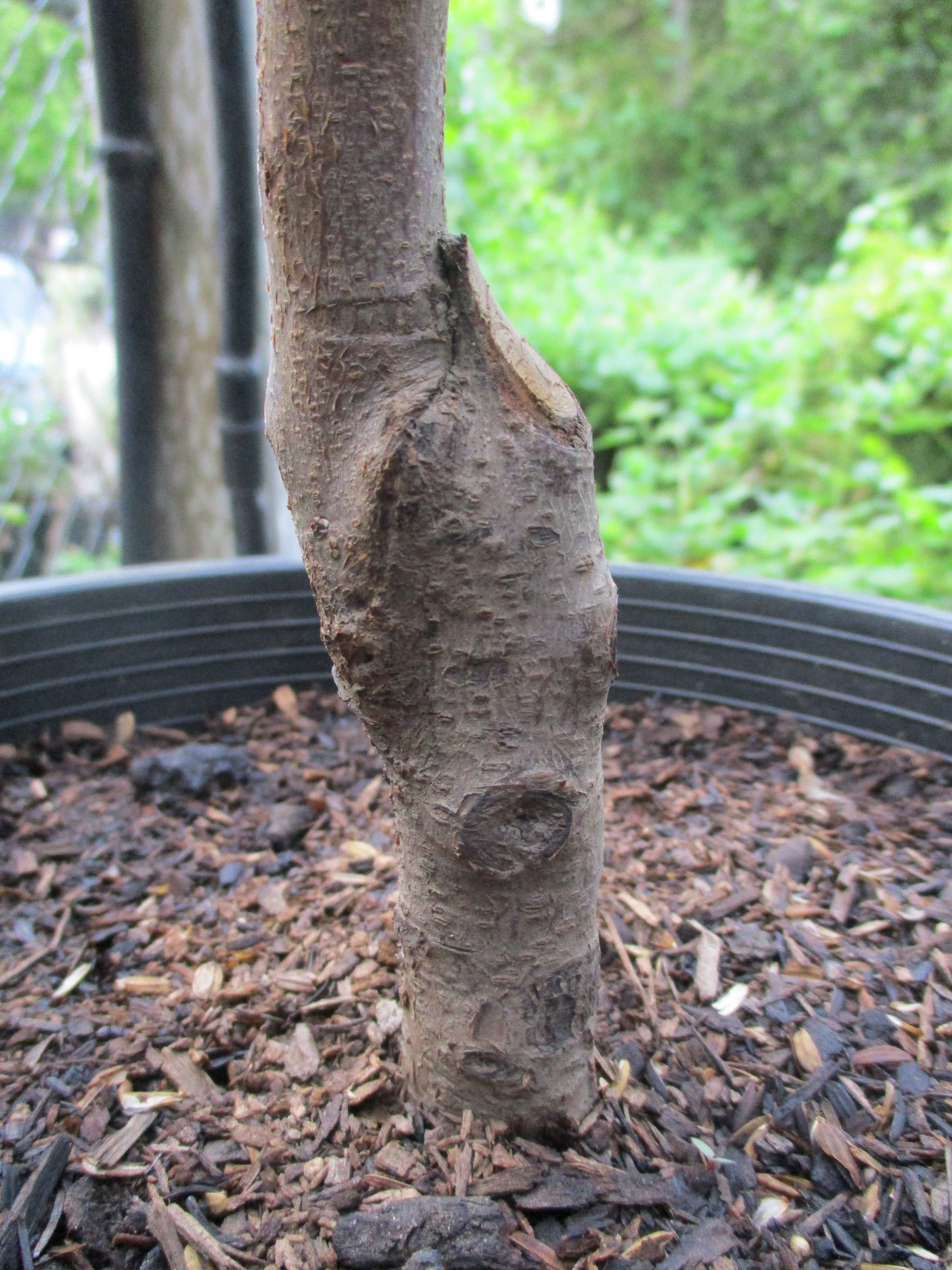 Do we really know the differences between watersprouts and suckers? It seems simple enough. The definitions of each should be rather distinct.

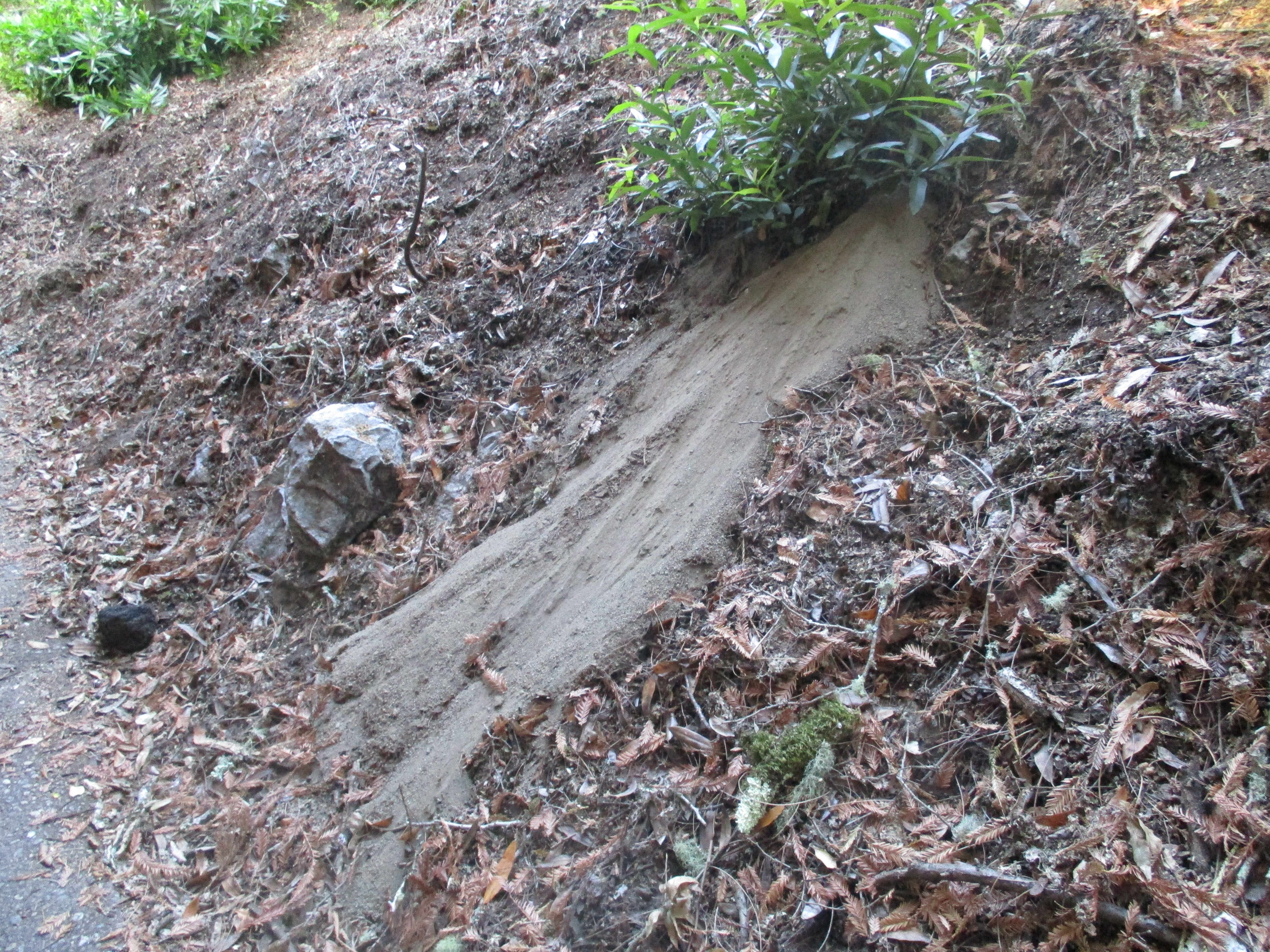 If gopher burrows had windows, this burrow would have hillside views. If gophers had better eyesight, the one who lives here could enjoy the views from such windows. Of course, views are not a concern for any gopher. They just want to burrow through the soil to eat the many roots they encounter. They do not often emerge from their homes for more than the ejection of soil.




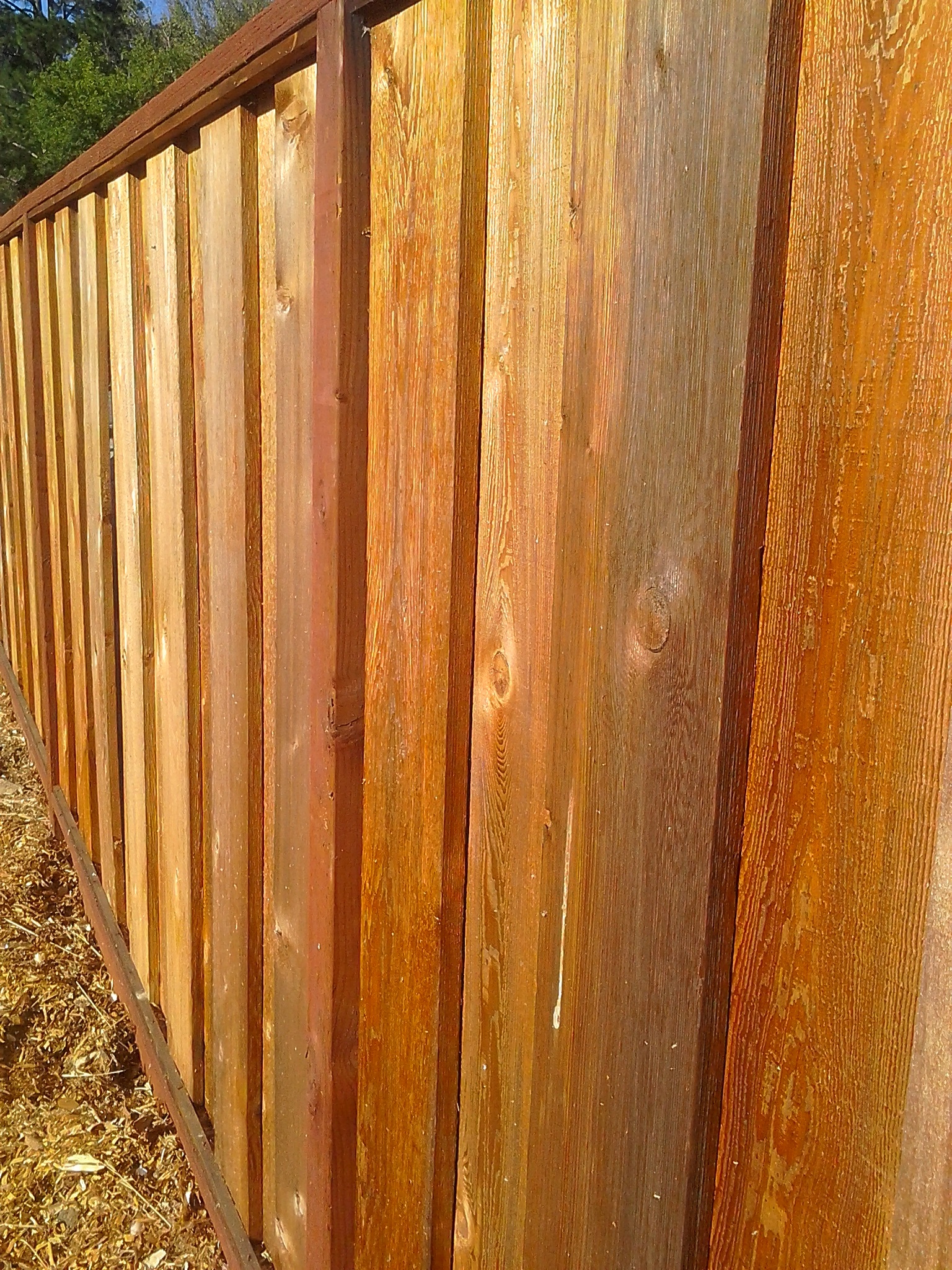 Where I lived in town, the backyard was surrounded on three sides by fences, with the house on the only unfenced fourth side. These were the sort of fences that were common in suburban neighborhoods. They kept children and dogs in or out of adjacent gardens, and probably provided some sense of privacy, although I never understood why we all needed such privacy there.
