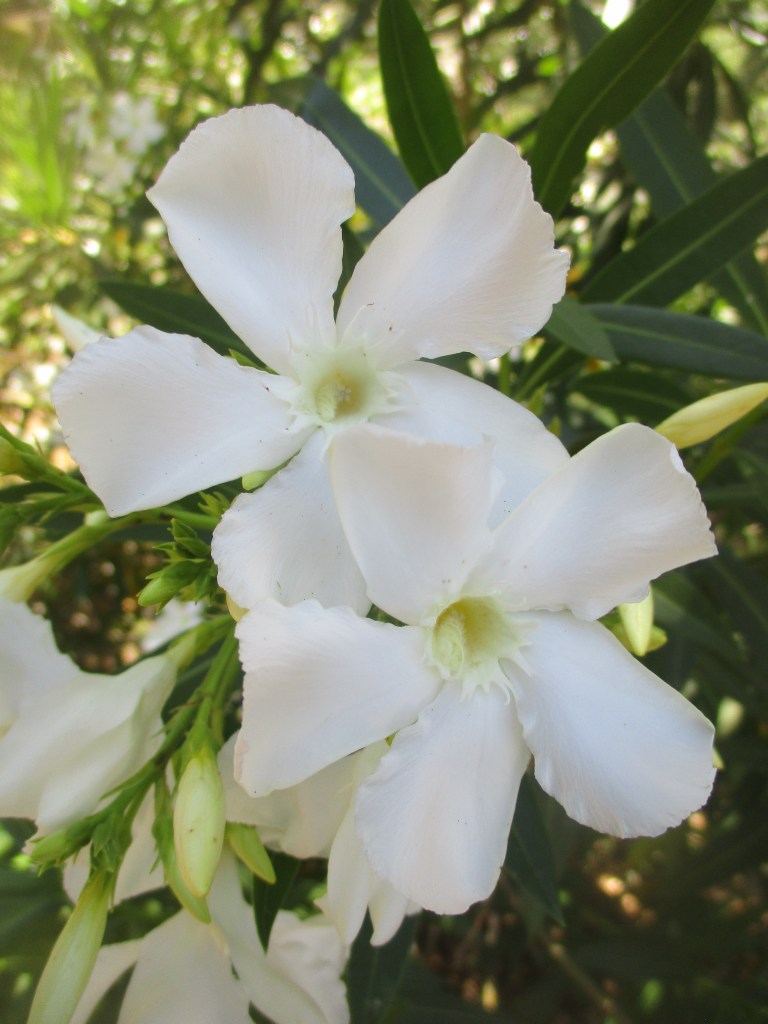
Prior to the appearance of oleander scorch disease in the early 1990s, oleander, Nerium oleander, was almost too popular, and for good reason. It is remarkably resilient to harsh conditions. It had been one of the more common plants within freeway landscapes since freeways were invented. Now, new plants are rarely available. Only older plants remain.
White, pink or red bloom is most abundant through warm summer weather, with sporadic bloom continuing through most of the year. Some dwarf cultivars bloom with peachy pink double flowers. Plants with enough room to grow wild without much pruning bloom best. Frequent shearing deprives the healthiest oleander of its blooming stems prior to bloom.
The biggest oleander get as tall as fifteen feet, so can be pruned up as small trees, either on single trunks or multiple trunks. However, because their limber trunks can not support much weight, occasional pruning is necessary while trunks develop. Such pruning limits bloom, so should happen mostly at the end of winter. Straight single trunks need staking. Oleander wants warm and sunny exposure, but is quite undemanding.
There is no single reason for toxic plants to be as potentially dangerous as some of them are. They are toxic by various means, and to various degrees. Some actually seem to be incidentally toxic. Many are intentionally and justifiably toxic. A few live in home gardens and landscapes. Of these, a few surprisingly produce safely edible fruits and vegetables!
Immobility is a major disadvantage for plants. Those that begin to grow where resources are inadequate are unable to relocate to more accommodating situations. Those that live within ecosystems that periodically burn must either regenerate efficiently after fire, or be resilient to fire. Flowers of all plants must rely on other organisms or wind for pollination.
Since plants are immobile, they can not evade other organisms that eat them. Therefore, some do what they can to be unappetizing for the organisms that are most threatening to them. Some use thorns or similar protective devices. Unpalatable tomentum (fuzz) works for others. Many use unappealing flavor. Some are unappetizing because they are toxic.
Toxic plants are generally not toxic to a broad range or organisms. Insects eat plants that are very toxic to mammals. Onions, although commonly consumed by humans, are toxic to canines. Fortunately, most organisms instinctively know what plants are toxic to them, and avoid eating them. Unfortunately, humans and canines are occasionally exceptions.
Because young children put random items into their mouths, and puppies chew anything that they can get their teeth around, they should not have access to toxic plants. Morning glory, foxglove, yew, oleander and castor bean are some of the more poisonous of plants that are common in home gardens. Dieffenbachia is a potentially dangerous houseplant.
African sumac and smoketree are related to poison oak. Although not so poisonous, they are incidentally toxic allergens to those who are sensitive to them. (Incidental toxins may not be intentionally deterrent to consumptive organisms.) Hellebores are both poisonous and very allergenic. Poinsettias and their relatives are toxic because of their caustic sap.
Since posting this article three years ago, I happened to procure some seed for #3. It is unlikely anything special to anyone else, but I am very pleased with it because of where it came from.
Which of these three states has the most native genera of palm?
1. California
2. Hawaii
3. Oklahoma
4. None of the above
This is not a trick question. Notice that it asks about genera rather than species.
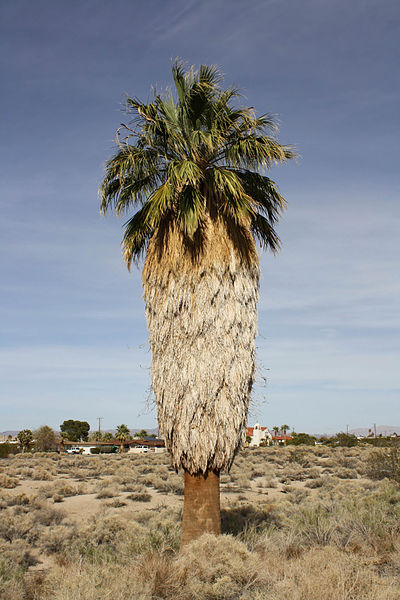
1. California is home to many exotic specie and genera of palm; but only ONE is native. The California fan palm, Washingtonia filifera, which is also known as the desert fan palm, lives in isolated groves out in the Mojave Desert. https://tonytomeo.wordpress.com/2018/06/30/oasis/ Because it prefers hot and arid desert climates, and does not like to be watered too generously through summer, it is now a very unpopular palm for landscapes.
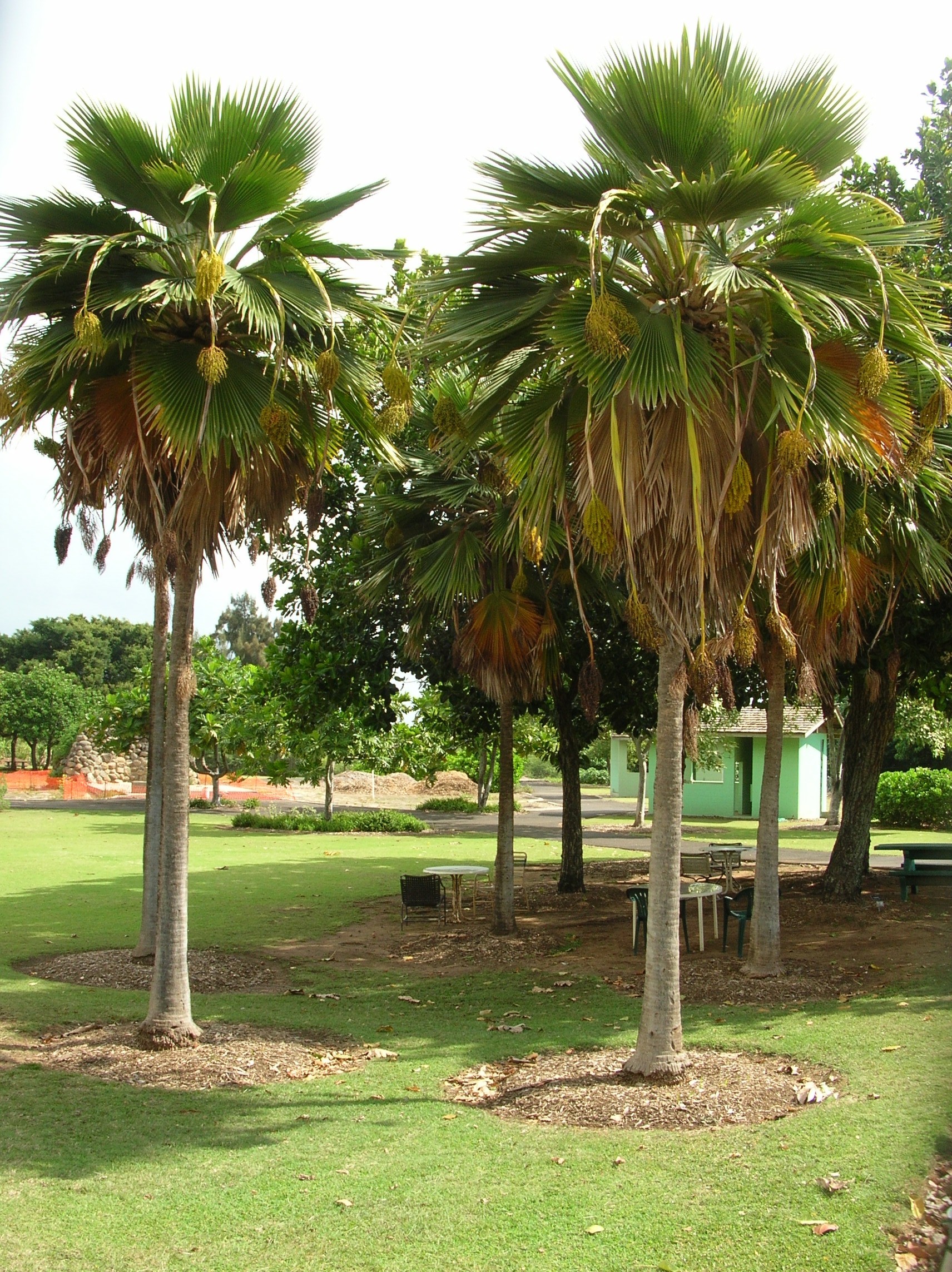
2. Hawaii, is populated by many more exotic species and genera of palm than California is, but only species of the ONE genera of Pritchardia are native. Many of the exotic genera were imported by…
(This was copied and modified from the Facebook page of Felton League.)
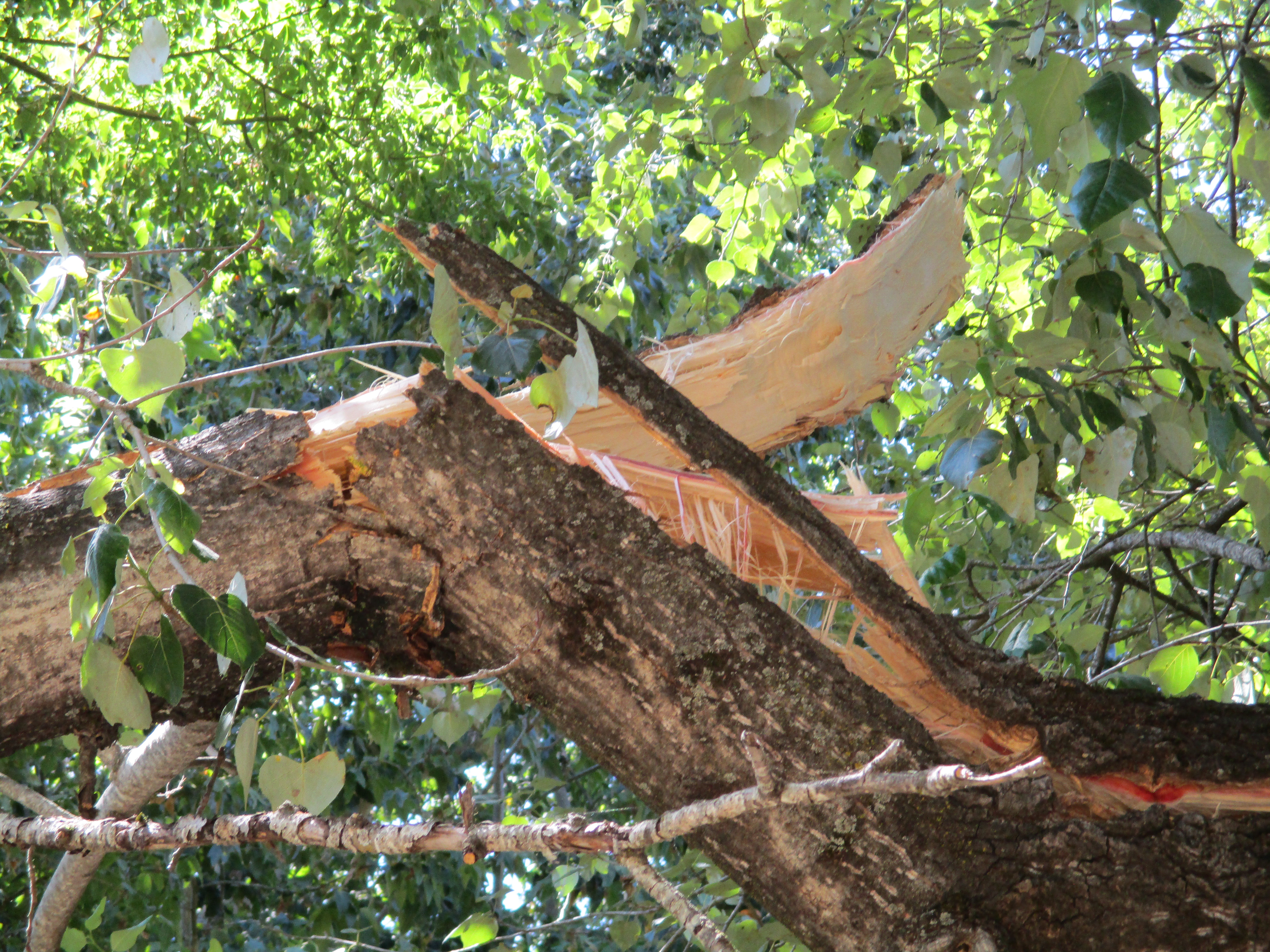
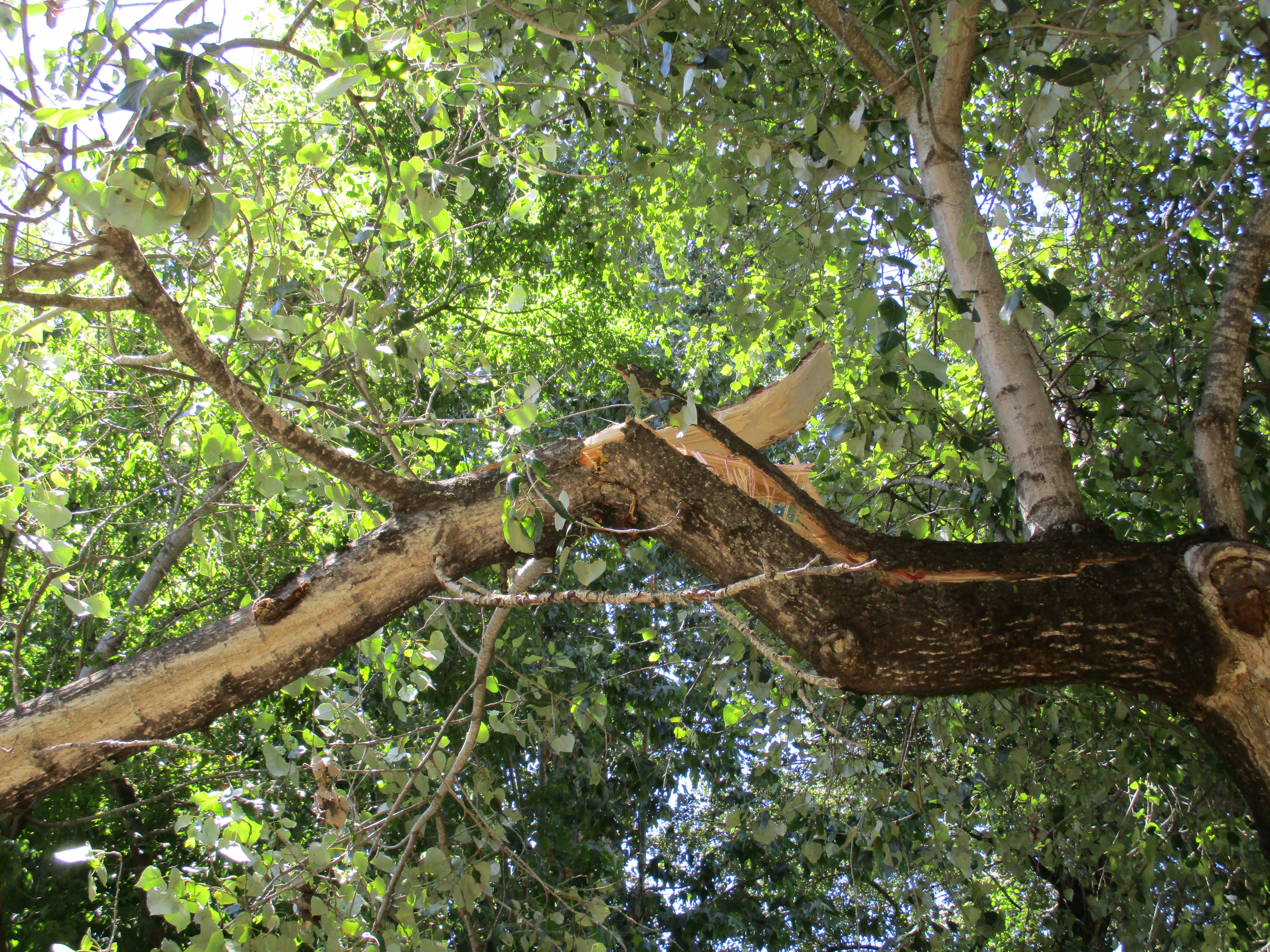
Warm and humid weather is an uncomfortable change for an otherwise mild summer. It also causes spontaneous limb failure among trees, particular those in riparian areas or irrigated landscapes. What sounded like muffled firecrackers was the (slow but steady) fracturing of another cottonwood limb in Felton Covered Bridge Park. (Another incident of spontaneous limb failure was mentioned a few days ago.) (https://tonytomeo.wordpress.com/2018/07/01/spontaneous-limb-failure/) This one was over the picnic area adjacent to the playground. The fallen portion of the limb was less than a foot in diameter, although it was slighter wider than a foot wide where the fracture originated. It fell onto the middle of a group of picnic tables, with the fractured proximal end remaining suspended and attached to the originating tree. Because it remained attached and fractured slowly, the limb did not fall with…
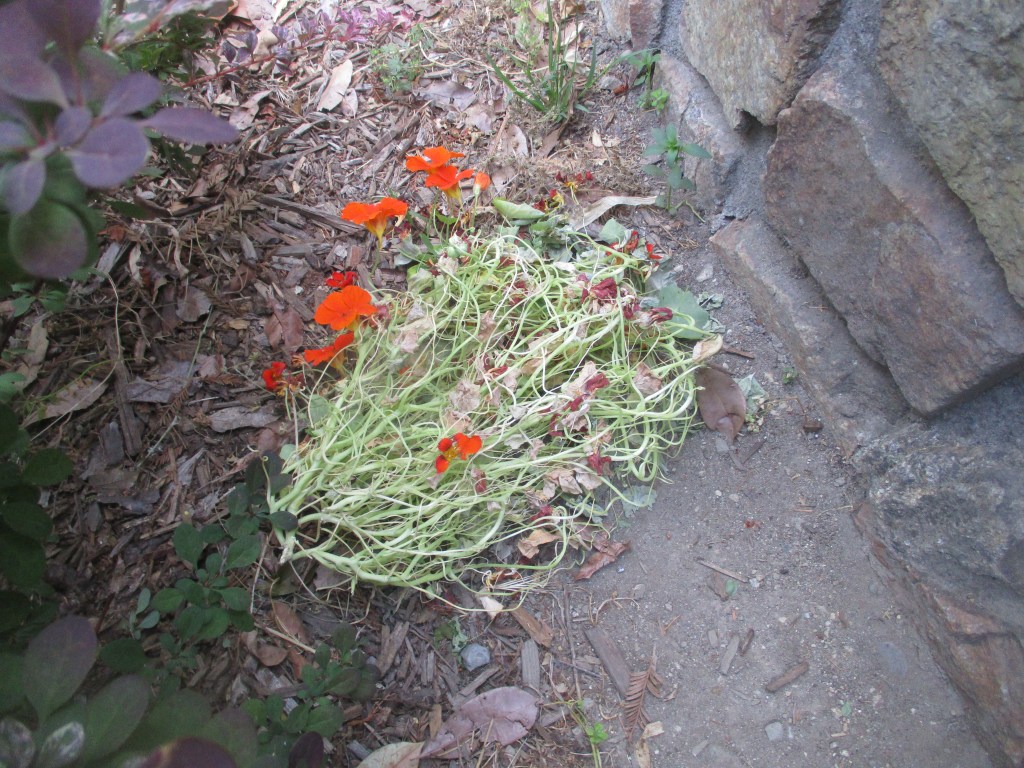
The saga continues. This time, descendants of Halston have invaded a bed that was outfitted with a layer of gopher wire that was intended to prevent such invasion. This apparently ineffective gopher wire now provides a layer of defense for the invaders. Attempts to cut through the wire in order to set traps causes tunnels to collapse, so that there are no intact tunnels in which to set the traps. These pictures are several days old. Not many nasturtiums remain. Some of the adjacent scarlet sage are missing also.
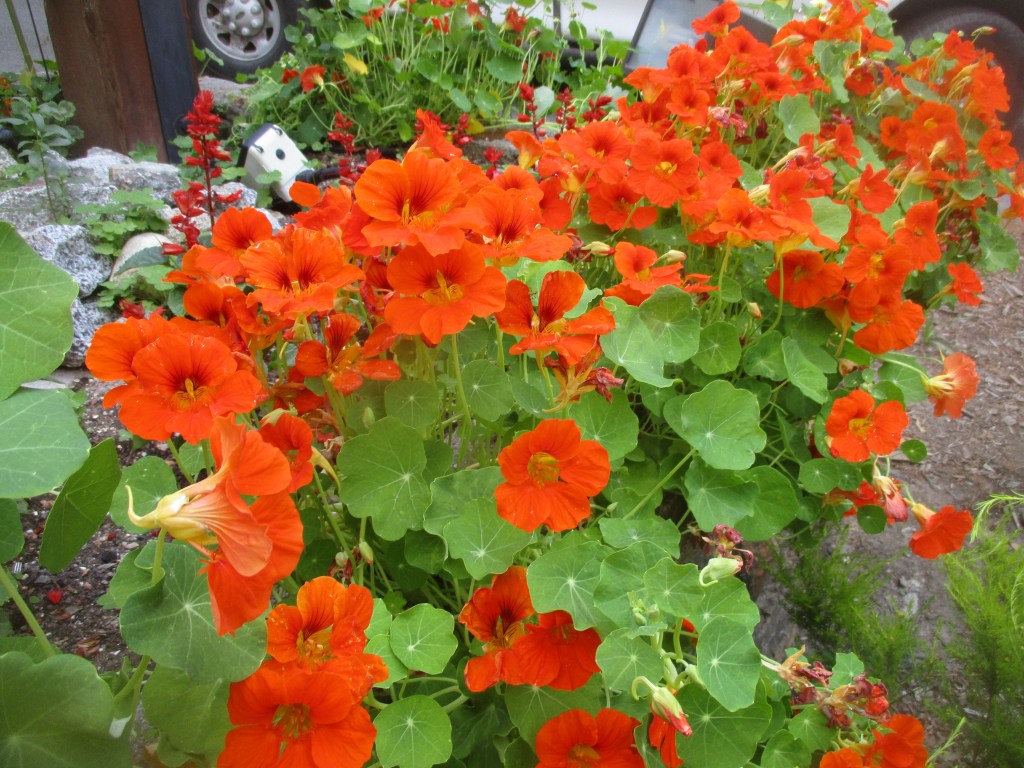
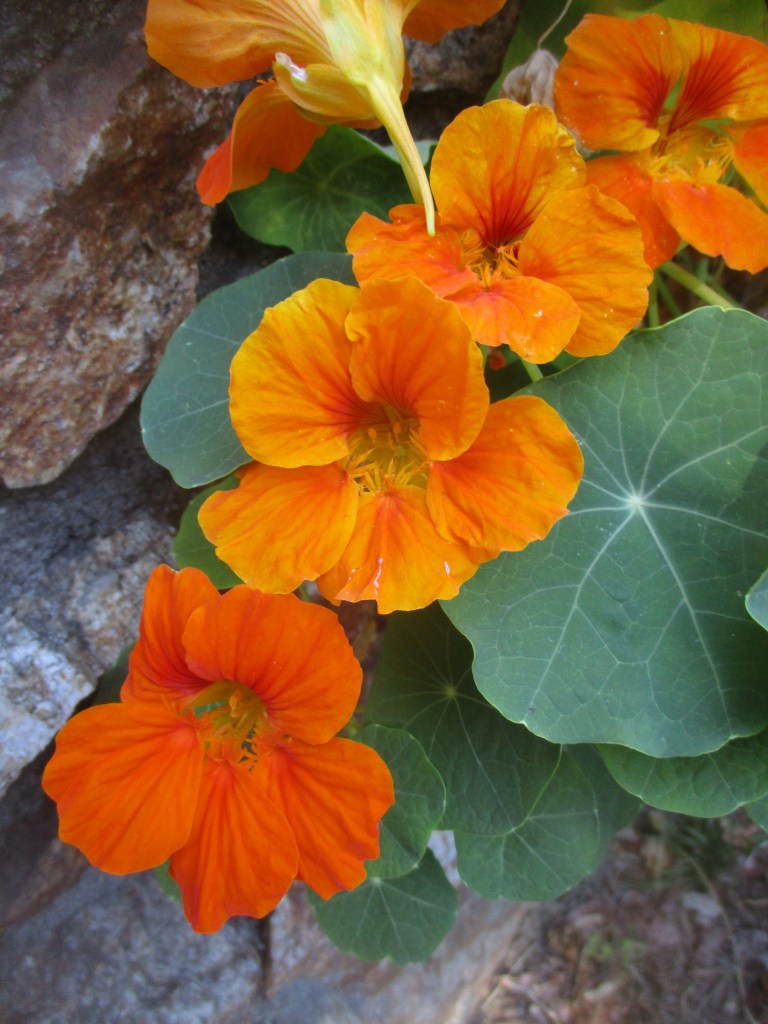
1. Nasturtiums grow like weeds. Perhaps they are. Nonetheless, they are among my favorites. These were supposed to be a mix of colors, but are mostly this vivid orange. I could not complain.
2. Is this very pale yellow or creamy white? Of the many nasturtiums that grew here from seed of mixed colors, this was one of only a few that were not the richly reddish orange shown above.
3. Bright yellow was about as scarce, with only two plants of this color. Another bloomed with rich red flowers; but I neglected to get a picture of it. I never met a nasturtium that I did not like.
4. This was a problem. The entire top of the stone wall had been occupied by healthy nasturtiums earlier. The small plant with yellow flowers to the right of this gap was just beginning to wilt.
5. This was below the gap. The main stem, which is now to the lower left, was chewed through. There was no attempt to hide the evidence, although other plants had been pulled underground.
6. Just in case there was any doubt about who the culprit was, this new volcano appeared nearby. Unfortunately, the gopher wire that was installed below this bed now impedes with trapping.
This is the link for Six on Saturday, for anyone else who would like to participate:
It is neither a fern nor a pine. Fern pine, Podocarpus gracilior, can be a tree taller than fifty feet, and half as broad, but is often a shorn shrub or hedge that can be kept less than eight feet tall. Stems are limber enough while young to be espaliered. The finely textured evergreen foliage is somewhat yellowish out in full sun, and darker green in partial shade. Individual leaves are as long as two and a half inches, and less than a quarter inch wide, and hang almost like fat pine needles. Some but not all mature trees can drop a bit of messy fruit with hard pits that are a bit larger than those of cherries. Bark gets distinctively blotched as it ages. The deep roots can be remarkably complaisant with concrete. Outer growth can get damaged by the harshest frosts every few winters or so, or roasted by hot dry heat every few summers.
Gardening is not so much fun when the weather gets as warm as it has been recently. It is more comfortable to stay inside with air conditioning, or at least where it is shadier. The plants out in the garden are on their own. Except only for those that are potted, they do not have the option of coming in out of the heat.
Most plants actually do not mind the sort of heat that is uncomfortable for us. Some actually enjoy it. The problem is that heat often occurs in conjunction with other weather conditions that can collectively become really unpleasant for plants.
Minimal humidity makes otherwise unpleasantly warm weather more comfortable for us, but can desiccate foliage that prefers more humidity. Japanese aralia, fuchsia, rhododendron, split-leaf philodendron and many other plants that should not mind warmth can get roasted if warm weather is also too dry. Because sunlight enhances the process, exposed foliage is much more susceptible to damage. To make matters worse, sunlight is more penetrating through clear dry air.
Wind that makes us feel a bit cooler in warm temperatures can likewise cause desiccation as it draws more moisture from foliage. Finely textured plants like Japanese maple, many ferns and some grasses, are particularly susceptible. Offshore wind, like the famous Santa Anna Winds of Southern California, are the worst, because they come in both hot and dry from more arid inland areas, combining all three factors of minimal humidity, heat and wind.
Many of the plants that are susceptible to damage from heat happen to be tropical or subtropical plants that typically enjoy heat as long as the air is humid and still. Others are ‘understory’ plants that naturally live in the shelter of higher trees, so do not like direct sun exposure or wind. Yet, even substantial trees, like fern pine (Podocarpus spp.) and even redwood, can get a bit roasted if the weather gets hot, dry and windy enough.
Conservation of water makes warm weather even more uncomfortable for sensitive plants. They really want more water to keep their foliage and stems well hydrated. Hosing ferns and grasses when things get really hot helps to cool the foliage, and briefly increase the ambient humidity. Because thin young bark is more susceptible to sun-scald in hot weather, pruning that would expose more bark should be delayed until the weather turns cool again.
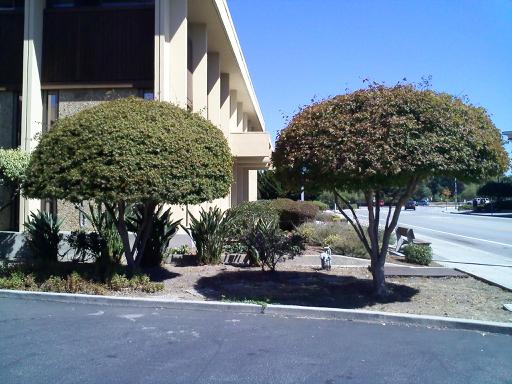
Satellite dishes, tater tots, fish sticks, soldiers, flat tops, gobstoppers, corks, oil tanks and trip hazards are just some of the many but less objectionable names that my colleague down south and I have developed for what should be good shrubbery, trees, vines or whatever that so-called gardeners got to with their hedge shears. Tater tots are usually Heavenly bamboo shorn into stout cylinders. Fish sticks are the same, but taller, narrower, and often composed of Podocarpus macrophyllus. Corks are commonly breath of Heaven, but could be just about anything shorn to be somewhat cylindrical, but narrower down low, and wider on top. Trip hazards are ground cover plants like creeping California lilac or creeping cotoneaster, shorn into absurd low hedges next to sidewalks. Gobstoppers could be just about anything, but tend to hang over the curbs in parking lots, ready to impale a radiator grill with a gnarly stub…
Whether feral or planted intentionally, nasturtium, Trapaeolum majus (which is actually a hybrid with two other species) is a delightful flower that just about everyone appreciates. Its eagerness to self sow and possibly naturalize in riparian situations attest to how easy it is to grow. Seed for many varieties is readily available. Feral plants provide feral seed.
Bloom of domestic nasturtium can be various shades, tints and hues of yellow, orange or red. Flowers can be striped or blotched with colors of the same range. Some are double. The palest yellow is almost creamy white. The darkest red is almost brown. Feral plants, after a few generations, generally revert to blooming with simple bright orange or yellow.
Plants are more or less annual, but can replace themselves almost as readily as they die out. Those that perform through spring and summer succumb to cooling autumn weather, as their (feral) seedlings begin to replace them for autumn and winter. Those that perform through winter may succumb to frost where winters get cool, but also self sow feral seed for next spring.
It is difficult to always ignore the weather. Regardless of how pleasant it typically is here, it sometimes gets warm or cool. It occasionally gets hot or cold. Rain is wet and perhaps messy. A breeze is comforting while the weather is warm. Strong wind can be damaging. However, humidity is one major component of local weather that gets little consideration.
Humidity gets more consideration in climates that are either uncomfortably humid or arid. Some parts of Florida get famously humid and hot simultaneously during summer. Some flora and insects enjoy such weather. Unfortunately for the rest of us, humidity enhances the already unpleasant heat. Locally, hot or warm weather is rarely bothersomely humid.
Similarly, local weather is rarely unpleasantly arid (lacking humidity). This is a chaparral climate, which is ‘semiarid’. Relatively minimal humidity makes heat a bit more tolerable than it would be with more humidity. Yet, humidity is generally sufficient to sustain foliage that would desiccate in a more arid desert situation. Actually, this is an excellent climate.
Although, it is not perfect. Flora and fauna have different standards for exemplary climate and weather. The relatively minimal humidity that makes uncomfortably warm weather a bit more tolerable for people and animals is much less appealing to some plants. Except for those that are native to desert or chaparral climates, most plants prefer more humidity.
Many popular plants are understory plants, that naturally live in the partial shade of taller vegetation. With shelter from desiccating arid wind and harsh sunlight (to enhance heat), most do not mind heat. Otherwise, foliage might roast. Those with finely textured foliage, such as astilbe, ferns, grasses and some Japanese maples, are particularly susceptible.
Some tropical and subtropical plants, such as split leaf philodendron and fuchsia, prefer to be understory plants here, even if they would prefer more exposure within their natural ecosystems. The shelter provided by more resilient vegetation compensates for deficient humidity. Furthermore, adequate irrigation promotes healthy hydration of delicate foliage.


 (This was copied and modified from the Facebook page of Felton League.)