Propagation Produces More Garden Plants

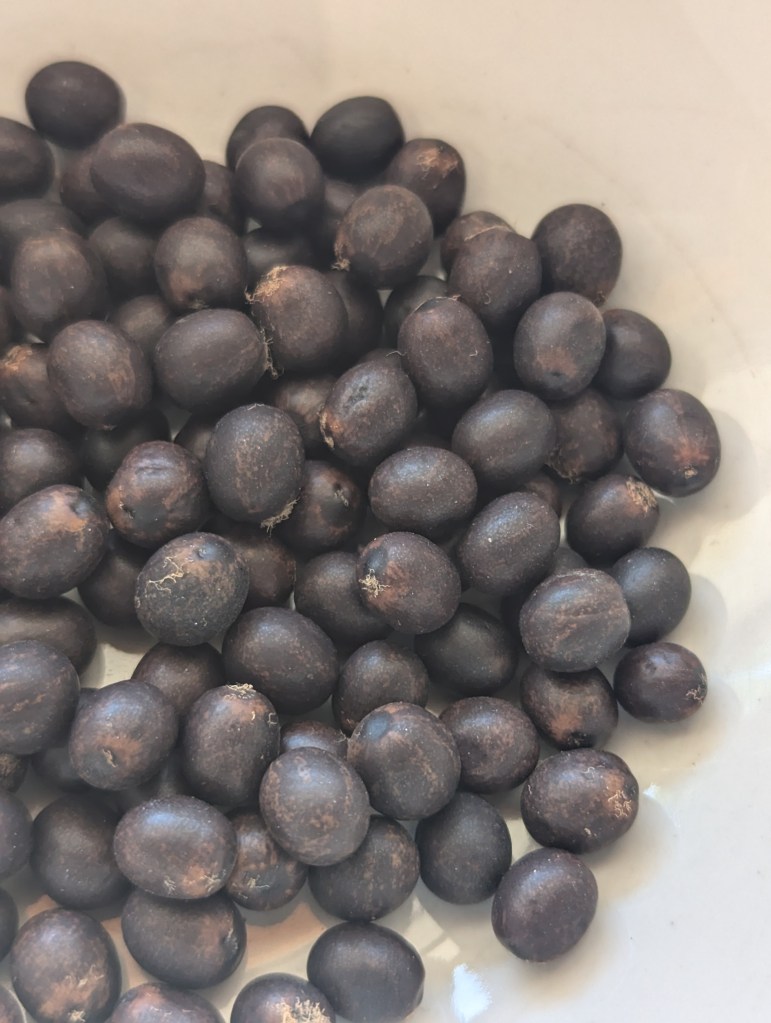
Many species propagate reliably by seed.

Seed is the most familiar option for producing new garden plants. Division of perennials, especially overgrown colonies, is another familiar technique. More substantial plants are easier to grow from cutting or layering. Propagation is any process of producing plants. It is how nurseries generate such plants. Some techniques are practical for home gardens.

Propagation by seed is the most practical for most annuals. It is also practical for several perennials and woodier plants. However, not all seed is true to type. Some may become progeny that is different from its parents. After a few generations, ‘Jewel Mix’ nasturtiums revert to orange and yellow bloom. Progeny of most variegated plants lacks variegation.

Propagation by division is more practical for many perennials that form distinct colonies. This includes crowded bulbs. It entails separation of portions of such colonies, or merely single rhizomes. Such portions need only enough root to grow as new plants. Progeny of division are genetically identical to their single parent plant. They therefore do not revert.

Propagation by cutting is the most common technique of propagation among nurseries. It involves cutting pieces of stems and compelling them to grow roots in rooting media. For small scale home garden applications, some of such stem pieces can root in water. Such pieces, or cuttings, are genetically identical to their original parents. They can not revert.

Layering is rather similar to propagation by cutting. Stem pieces remain attached to their original parents during the process though. Burying a portion of stem with its tip exposed stimulates root growth where it is buried. Such stems eventually develop enough roots to sustain themselves after separation. Layering is practical for producing just a few copies.

Propagation is certainly more involved than these brief descriptions imply. It may involve other techniques. Grafting involves assembly of two or more distinct cultivars onto single plants. Rootstock grows from seed, division, cutting or layer. Scions are buds or stems of other cultivars. They graft onto the rootstocks to become the upper portions of the plants.

Six on Saturday: Making Up For Lost Time

A few late bloomers are making up for lost time. Hydrangea, although late, is somewhat earlier than it typically is. Bluegum is not blooming, but contributes its own sort of color with bark.

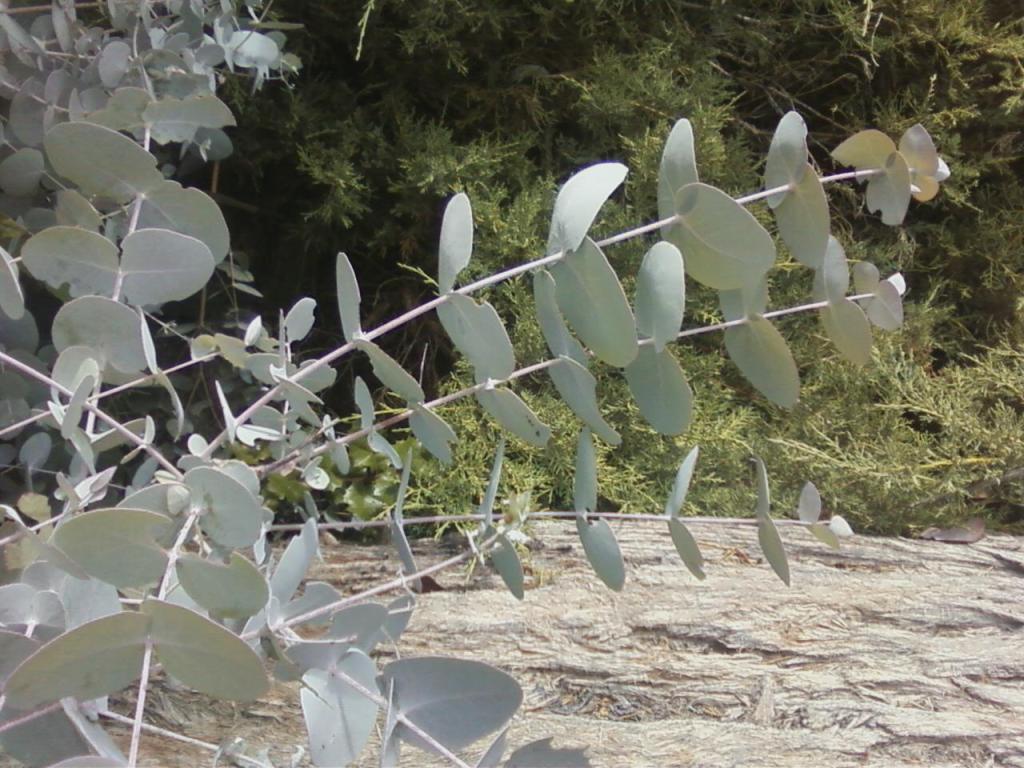
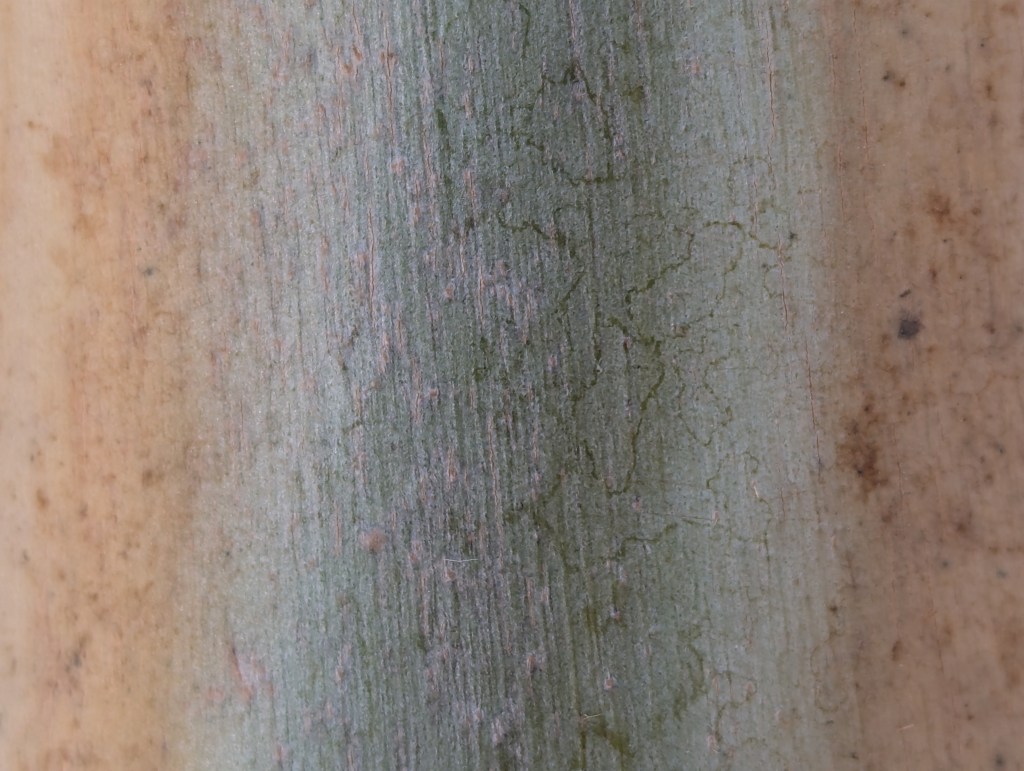
1. Eucalyptus globulus, bluegum remains canned because it grows too big too vigorously to go into the ground. Ultimately, it will likely need to be destroyed. For now, it provides both aromatic juvenile foliage and pretty adult foliage. It also has pretty watercolor bark.

2. Yucca recurvifolia, curve leaf yucca is known as Yucca gloriosa var. tristis now. What was wrong with its former botanical name? Its boring common name should be changed instead. Anyway, I am impressed that it is blooming so soon after relocation last winter.

3. Hibbertia scandens, guinea gold vine grew like a weed from a cutting last year, and is now beginning to bloom for the first time. This is the first of many flower buds to unfurl. Its bloom was expected, but its profusion is unexpectedly impressive. It remains canned.

4. Hemerocallis fulva, daylily was similarly expected to bloom and is similarly blooming with unexpected profusion. I have no idea what cultivar this is, but I suspect that it may be the straight species. We grow just one other daylily cultivar, and it is relatively docile.

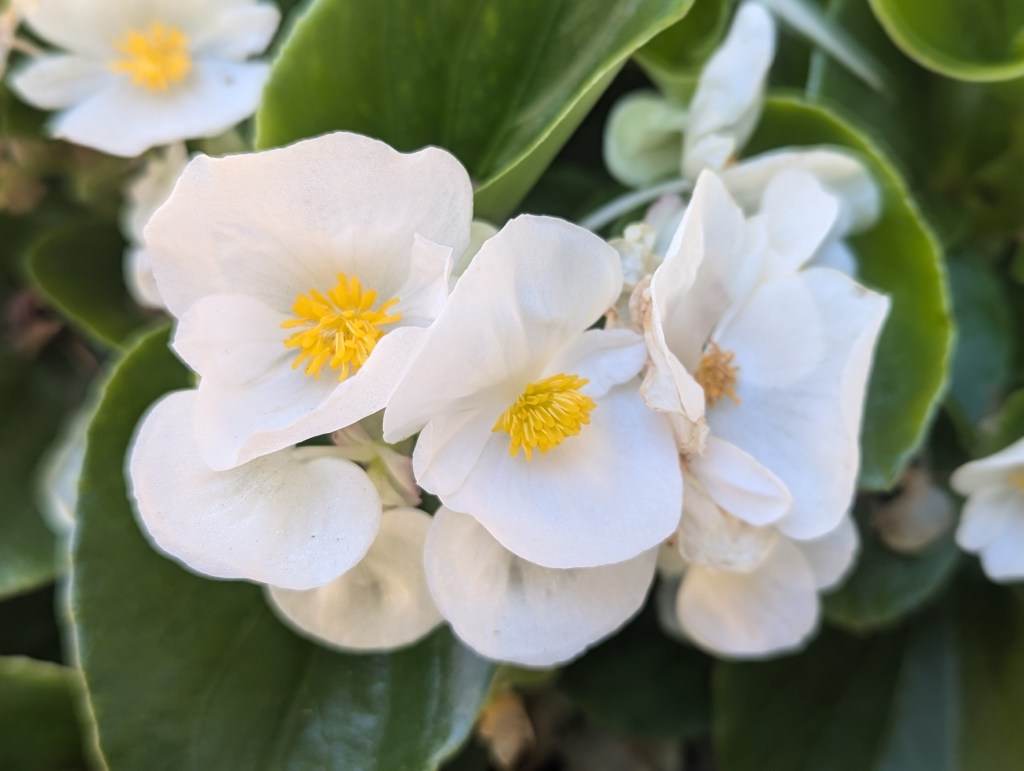
5. Begonia semperflorens-cultorum, wax begonia had languished for years in its planter box full of aggressive redwood roots. It now grows much more happily in its new planter box within its old planter box, which is elevated on cinder blocks above an empty space.

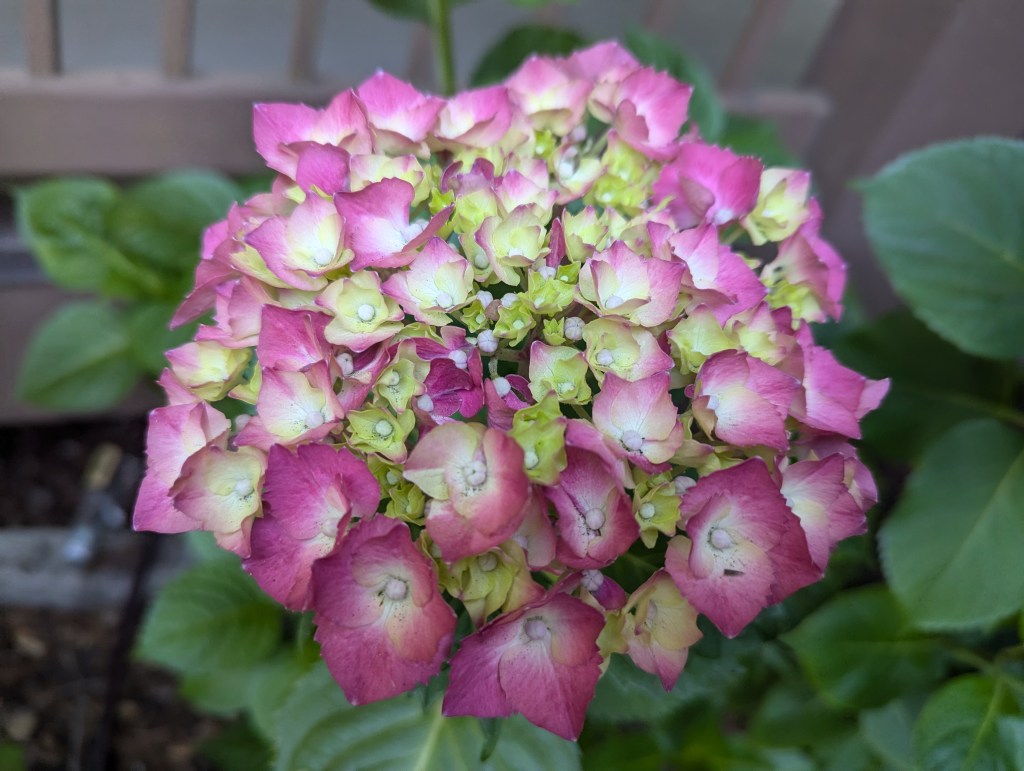
6. Hydrangea macrophylla, hydrangea typically blooms later on axillary stems because I prune the terminal buds off with winter dormant pruning. My concern was that, if I left the canes intact as I should, they would flop over. They are flopping, but it was worth it.

This is the link for Six on Saturday, for anyone else who would like to participate: https://thepropagatorblog.wordpress.com/2017/09/18/six-on-saturday-a-participant-guide/

Silver Mountain Gum

Silver mountain gum needs no irrigation once established.

The bulky trunk and limbs, and shaggy bark of silver mountain gum, Eucalyptus pulverulenta, seem like they should be associated with a more imposing tree. Mature specimens are rarely more than twenty five feet tall. Those that try to get taller often fall over or break apart because they are unable to support their own weight, particularly if watered too generously. Aggressive pruning in spring and summer limits size, and also promotes an abundance of silvery juvenile foliage, which is popular as cut foliage.

Juvenile leaves are round and sessile (without petioles or stalks), and arranged in strict four-ranked formation. (Each pair of opposite leaves alternates with similar but perpendicular pairs.) Adult foliage is almost lanceolate (lance shaped) and not quite as silvery. Small, white, staminate flowers (without obvious petals) bloom between leaves from autumn through winter. Young stems have peeling bark.

Like almost all eucalypti, silver mountain gum gets established most efficiently and grows best if planted while small. They are actually best grown from seed, which can sometimes be obtained online. The next best option, which is actually least common, is #1 (1 gallon) trees. #5 (5 gallon) trees are typically the smallest trees available. Larger trees are likely to have problems dispersing their roots. Once established, silver mountain gum needs no fertilizer or watering.

Soil Saturation Kills

Use irrigation responsibly.

London plane tree is trendy not because it is all that excellent, but because it is so reliable. It is actually a rather trashy and messy tree that is susceptible to anthracnose and powdery mildew. Landscapers and gardeners like it so much only because the various maples, oaks and other better trees are more sensitive to soil saturation while they get established.

The truth is that most landscapers and gardeners do not want to put any effort into proper watering. While many of us let our lawns die to conserve a bit of water, they waste enough water on lawns and landscapes to sustain rice paddies! This keeps lawns and landscapes superficially green, but eventually causes problems.

Powdery mildew, anthracnose, molds, blights, rots and all sorts of diseases proliferate in damp conditions. Of course, gardeners are happy to apply fungicides and other chemicals to help control diseases; for a price. Also for a price, they are there to replace plants that succumb to any of the many diseases associated with excessive moisture.

Like London plane, several other trees and plants can survive excessive moisture, but only by adapting. If lower soil is regularly saturated, roots are confined to upper soil. This is not a problem for lily-of-the-Nile and many other perennials that can sneak their roots unnoticed into to the upper few inches of soil. However, trees can not get away with this habit for long; since their shallow and buttressing roots eventually expand to displace pavement, other plants and anything else that gets in their way.

Mature and old trees do not adapt. Their deep roots are already set in their ways, so will only rot if they get significantly more water than they are accustomed to. Oaks are particularly susceptible.

Unfortunately, there is no exact formula for determining how much water lawns and gardens should get. There are simply too many variables, such as soil type, drainage, exposure, weather and demand for moisture. Lawns need frequent watering without much volume. Trees prefer more generous watering, but less frequently.

Lawns and trees and everything else in between all need air within the root zone. Watering should therefore not keep soil constantly saturated, but instead allow for adequate drainage and aeration of the soil between watering, without complete desiccation. New plants will of course need more attention until they disperse their roots, but will be happier and healthier with proper watering.

More White Trash

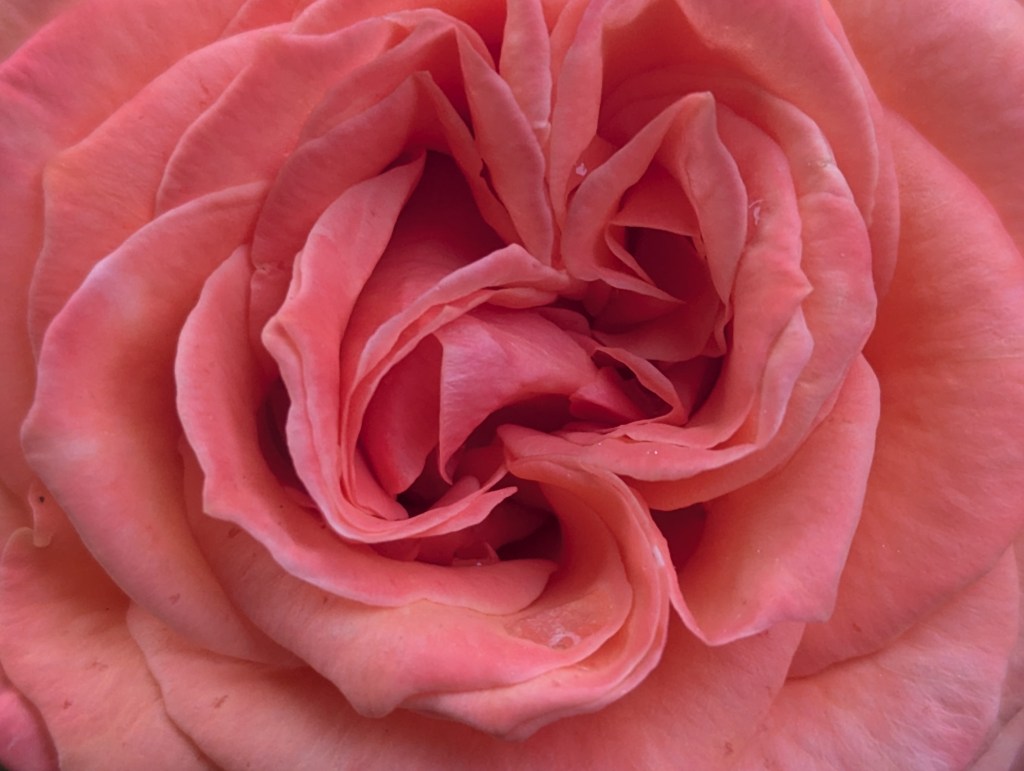
White is my favorite color. It is not the best color for all flowers, but it is the only color that I allow within the White Garden, which is really just the meager landscape of the Mount Hermon Memorial Chapel. Creamy white, such as white nasturtium and white canna, are not white enough. I am adamant about this. After replacing a few blue lily of the Nile with a white hydrangea, I needed to remove the hydrangea as it began to bloom with a slight pinkish blush. About that time, two winters ago, we added a white climbing rose. It was a perfect fit, and produced a straight cane that extended from the top of an original cane to the eave during its first summer. Because it was still young and small, it bloomed mildly but sufficiently. More importantly, it bloomed white. It got pruned over winter. Now that it is a bit larger, it is blooming a bit more fuller. However, it no longer seems to be blooming pure white! Young flowers unfurl with a creamy pale yellow blush before fading to white. It is too pretty to remove, especially without a replacement. This could become a major dilemma!

Deodar Cedar

Deodar cedar develops casual conical form.

“Cedar” is a common name of a few species of a few genera that are not actually cedars. Western red cedar is an arborvitae. Eastern red cedar is a juniper. Deodar cedar, Cedrus deodara, happens to be one of only three real cedars. Atlas cedar and cedar of Lebanon are the other two. Cultivars of Atlas cedar are uncommon. Cedar of Lebanon is very rare.

Although too big for compact gardens, deodar cedar is one of the more popular conifers. It performs splendidly within local climates and soils, as if it is right at home. Mature trees can survive without irrigation. Roots are generally complaisant, and disperse too deeply to displace pavement. However, deodar cedar can grow fifty feet tall and thirty feet wide.

Deodar cedar mostly develop casually conical form. Some develop multiple trunks or big limbs that eventually curve upward like trunks. Otherwise, limbs tend to droop somewhat at their tips. Glaucous grayish needle leaves are about an inch or two long. Most occur in terminal clusters of short spur stems. Some develop singly on elongated vigorous stems. Foliar debris has an herbicidal effect on the ground below.

Street Trees Must Be Adaptable

Pavement necessitates trees with complaisant roots.

Trees of substantial size are not as popular as they had been among old home gardens. Modern landscapes of bigger homes on smaller parcels can not accommodate as many. Clearance from various infrastructure is now more of a concern than shade. Within many modern urban gardens, most available space is in front. Such is the realm of street trees.

This is not because of a lack of obstacles, such as infrastructure that requires clearance. It is more because such obstacles are closer to the ground with more open space above. Many street trees must actually be more adaptable to certain constraints than other trees. Selection of such trees, if allowable by their municipalities, necessitates diligent scrutiny.

Street trees are, most simply, trees between curbs and sidewalks. Some inhabit medians while others are adjacent to curbside sidewalks. Many municipalities prescribe particular trees for particular situations. Anyone who is uncertain of such limitations should inquire. Many municipalities permit property owners to install any trees they prefer, or none at all.

For those who can select street trees, such trees must be appropriate to their application. They must grow high enough to not obstruct sidewalks or roadways. Both sidewalks and roadways require minimal clearances. So do street signs, streetlamps and traffic signals. However, street trees should not grow too large for the confined spaces that they inhabit.

This includes their roots. Aggressive roots of willows, poplars and sweetgum are likely to displace pavement. Oaks, although too big for confined situations, are more docile. Their roots are less likely to displace adjacent infrastructures. Crape myrtle has become overly common because it is too small to cause damage. It does not make much shade, though.

Crape myrtle might also get rather messy, which is another consideration for street trees. It drops flowers during summer, and can get infested with scale, which exude honeydew. Magnolias drop flowers that can be a slipping hazard. Whether deciduous or evergreen, street trees should be reasonably tidy. Over roads, they should not need much attention.

Six on Saturday: Going Bananas Again

Banana trees have grown slowly through the oddly cool weather of spring. They are only now beginning to slowly recover from last winter.

1. Ariolimax columbinanus, banana slug is obviously unrelated to bananas, but seems as if it should not be. It is about as big as a small banana, but fortunately does not consume much viable vegetation. It prefers redwood detritus. It is rarely out during arid weather.

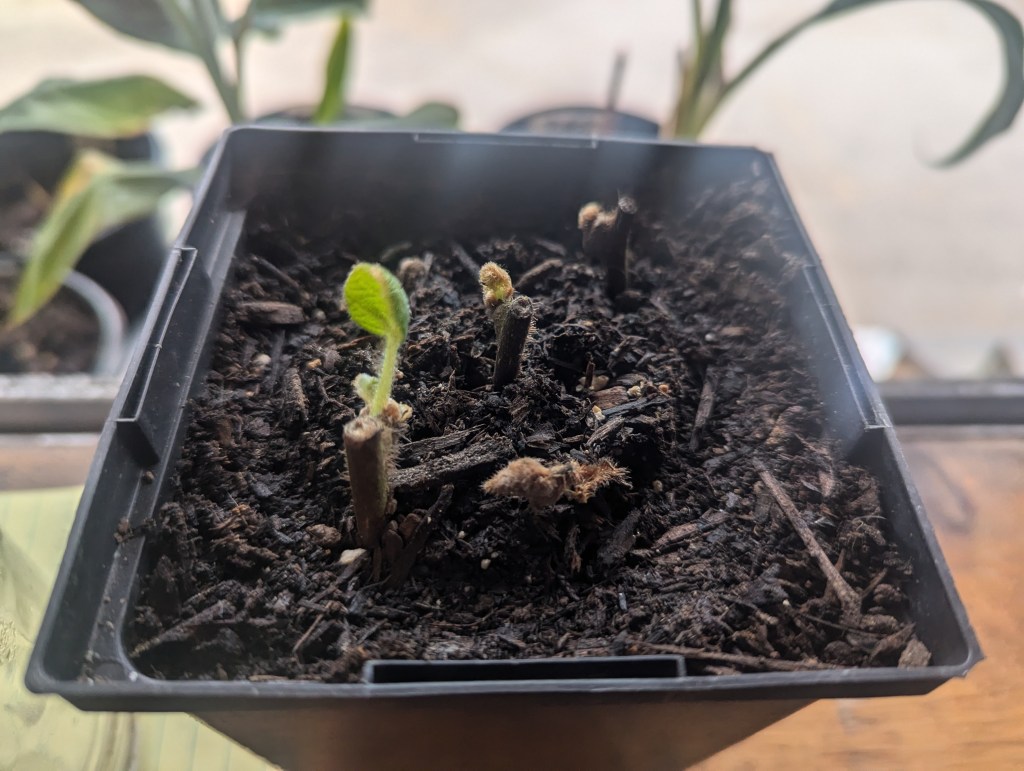
2. Actinidia deliciosa, kiwi vine is obviously as unrelated to bananas as a mollusk, but is something that I want to show off. These remaining three of five original cuttings are my second attempt to grow a male pollinator for a female vine that grew here two years ago.

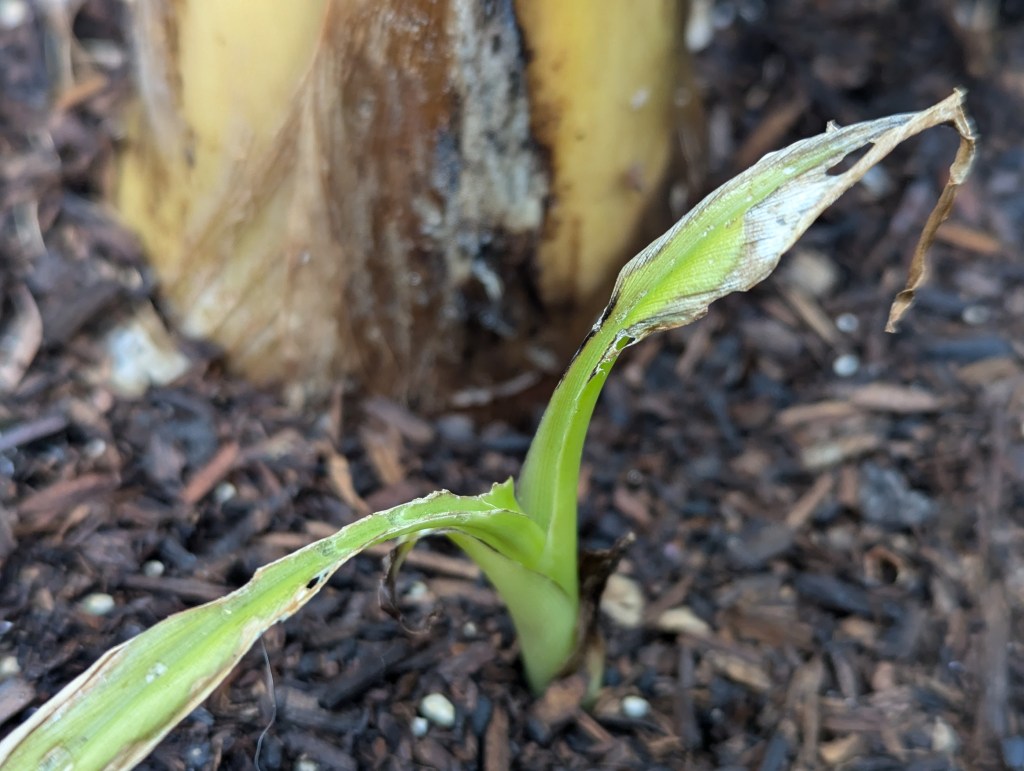
3. Musa ingens, oem or giant highland banana produced a pup that grew big enough for separation. A smaller secondary pup remains attached as a potential replacement for the primary trunk when it finishes, but additional pups will likely develop through summer.

4. Musa itinerans var. xishuangbannaensis ‘Mekong giant’ banana also produced a pup. It is still dinky and now seems to be blinding out without a new leaf within its latest leaf. Another pup is only beginning to appear. I hope that more pups will eventually develop.

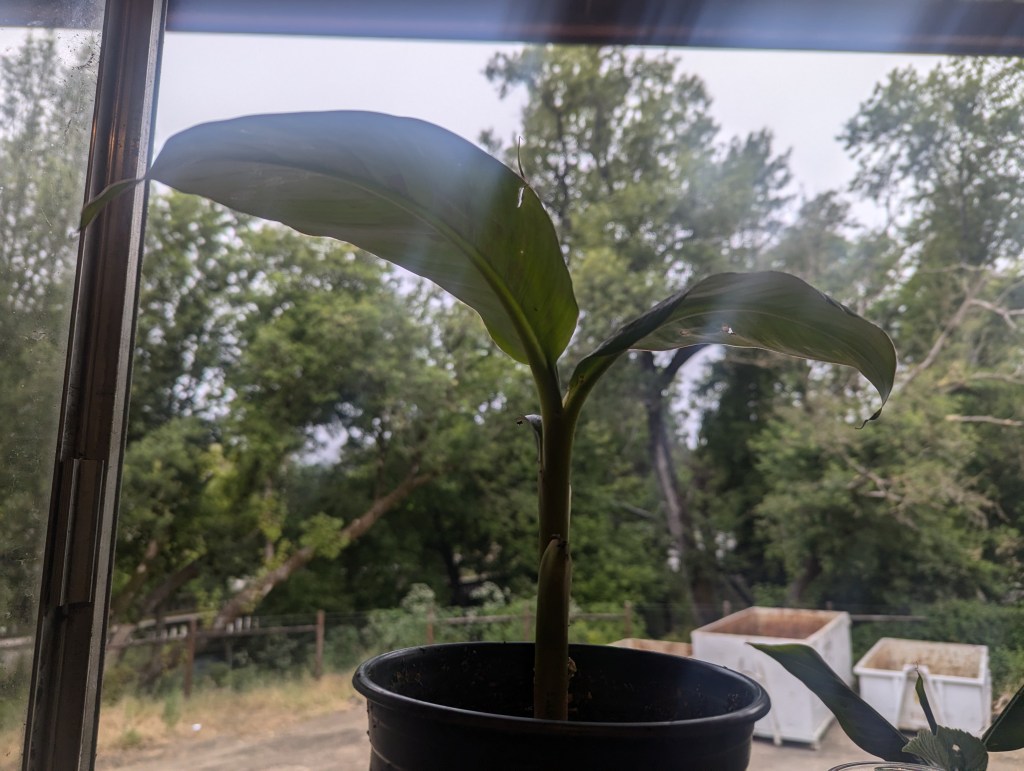
5. Musa, banana of an unidentified species and cultivar is recovering slowly from winter. It was here through last summer, so, unless it is a dwarf, it should be bigger by now. The shabbier specimen to its far left is Musa X balbisiana ‘Blue Java’ or ‘Ice Cream’ banana.

6. Rhody is who everyone who reads my Six on Saturday really wants to see. I have been negligent in posting pictures of him. He is not exactly easy to get a good picture of. Even this picture should have been centered better. Obviously, he knows his fans do not mind.

This is the link for Six on Saturday, for anyone else who would like to participate: https://thepropagatorblog.wordpress.com/2017/09/18/six-on-saturday-a-participant-guide/