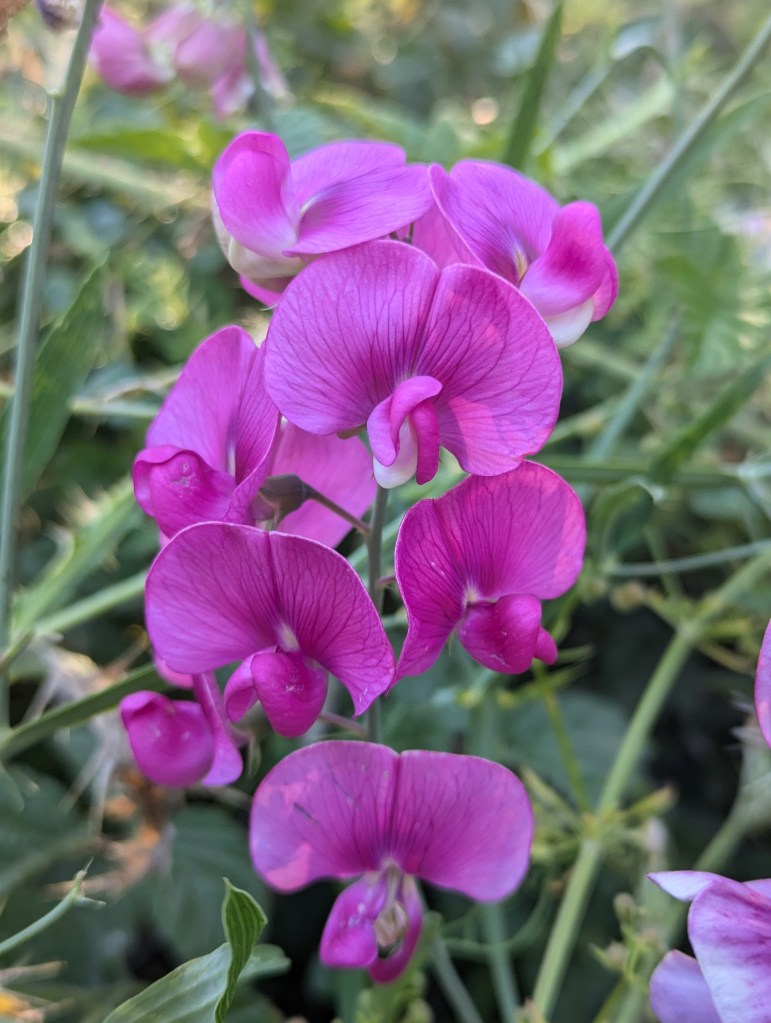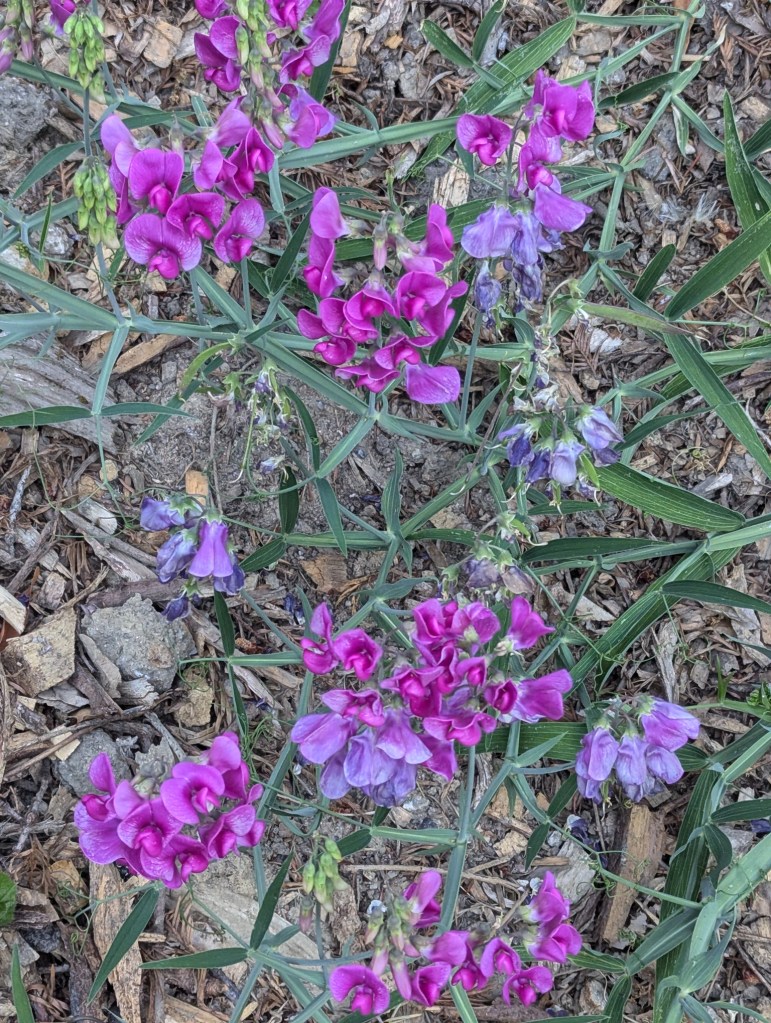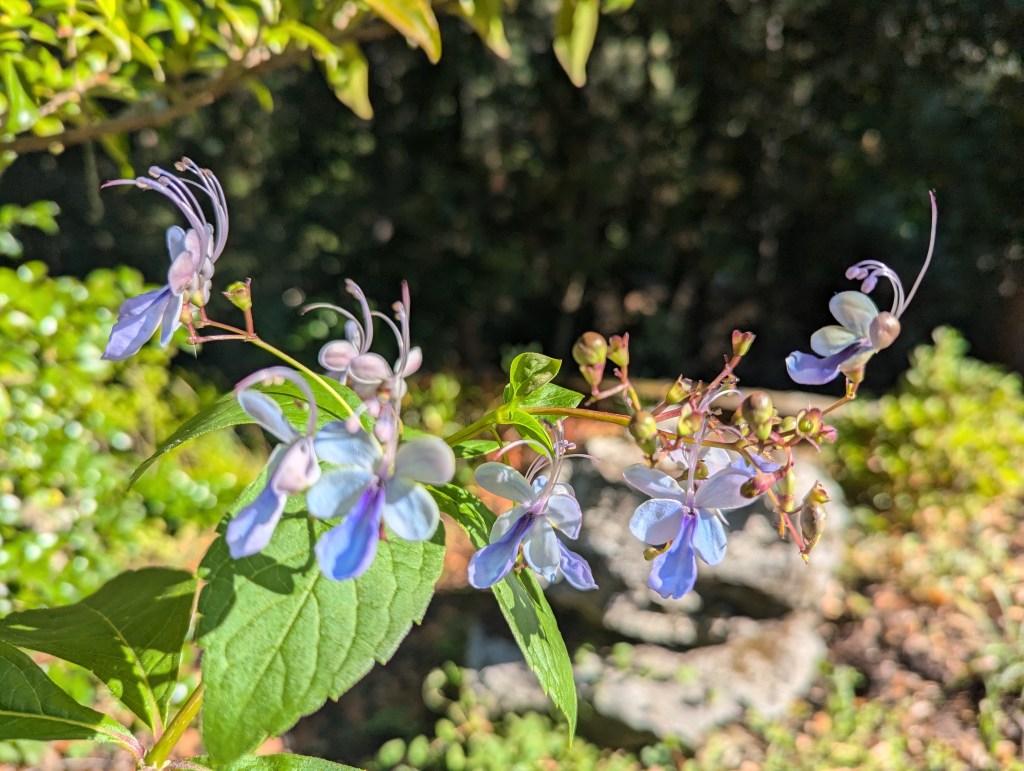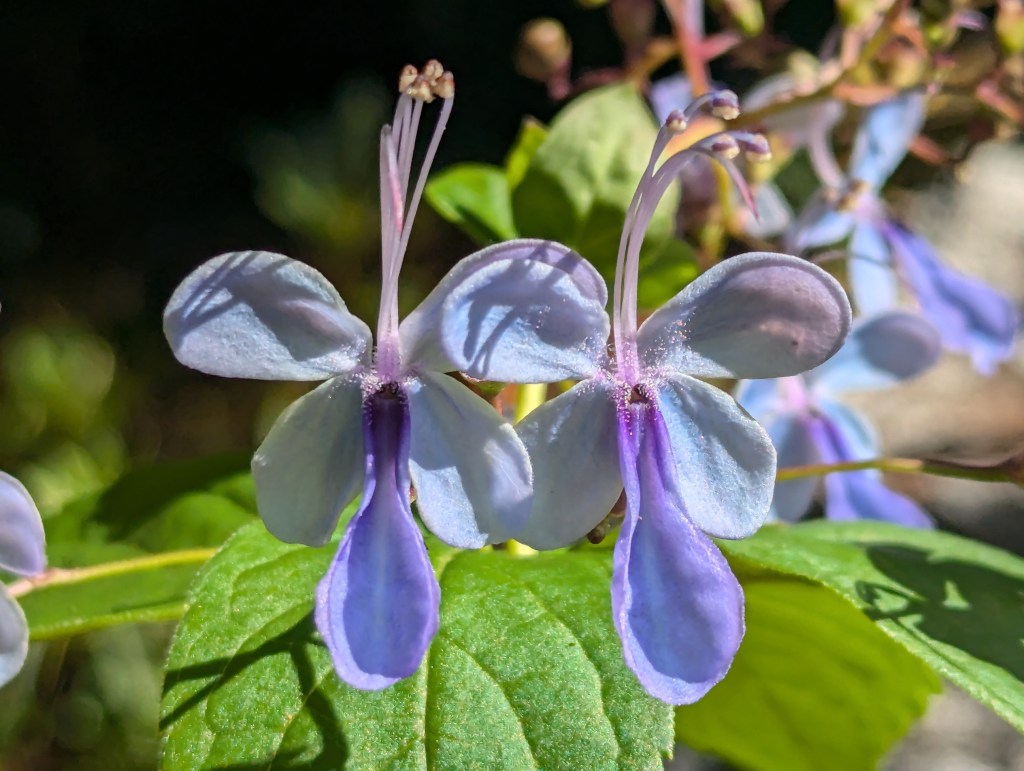
Floral Color Communicates To Pollinators

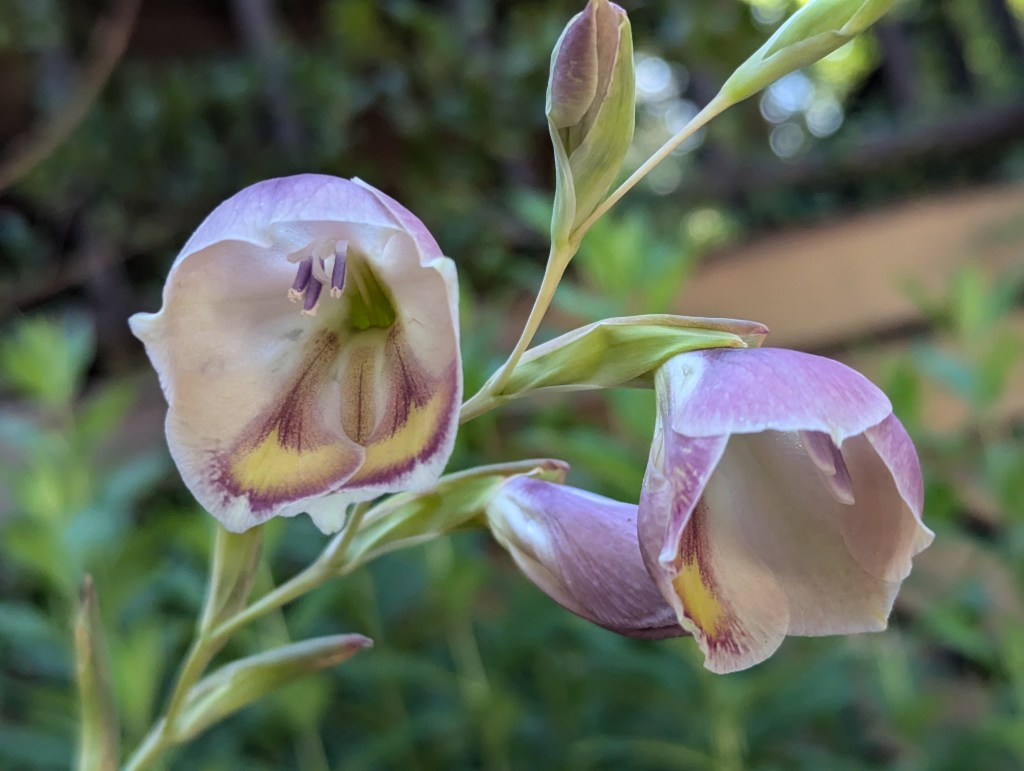
Flowers attract their pollinators with color.

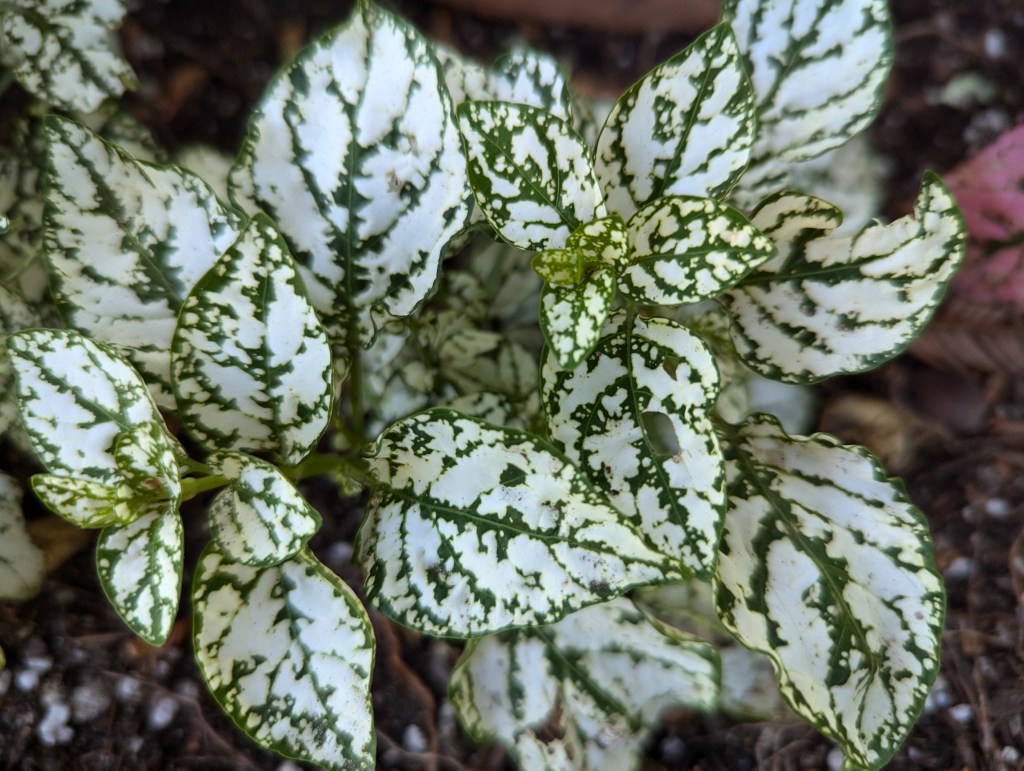
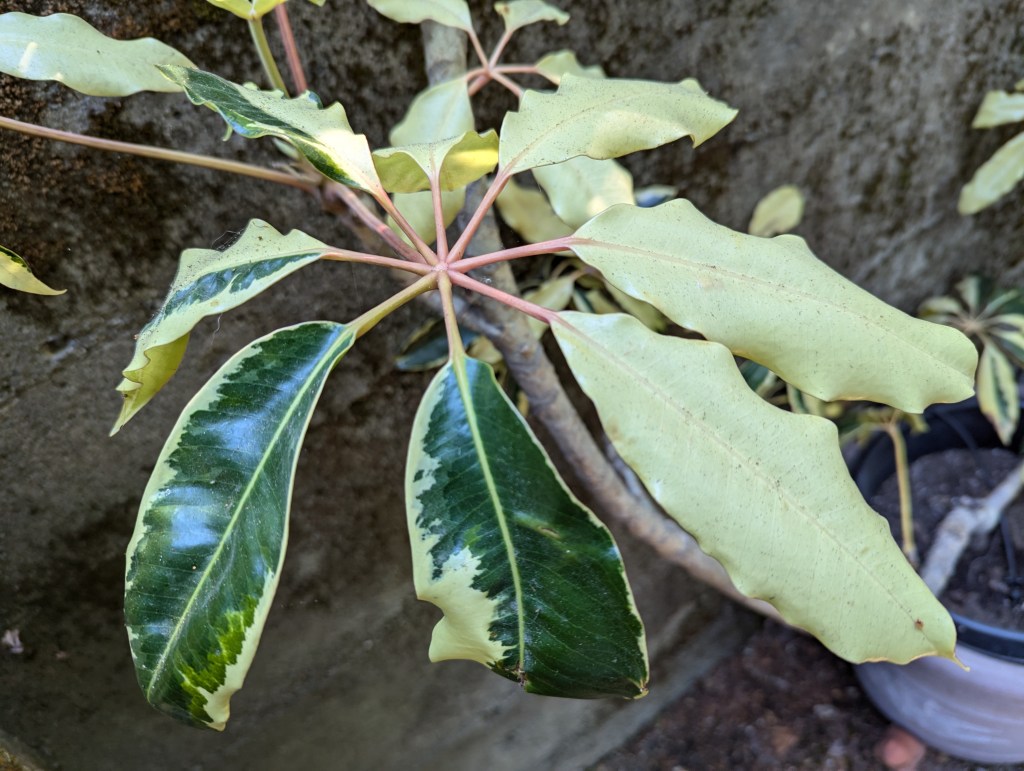
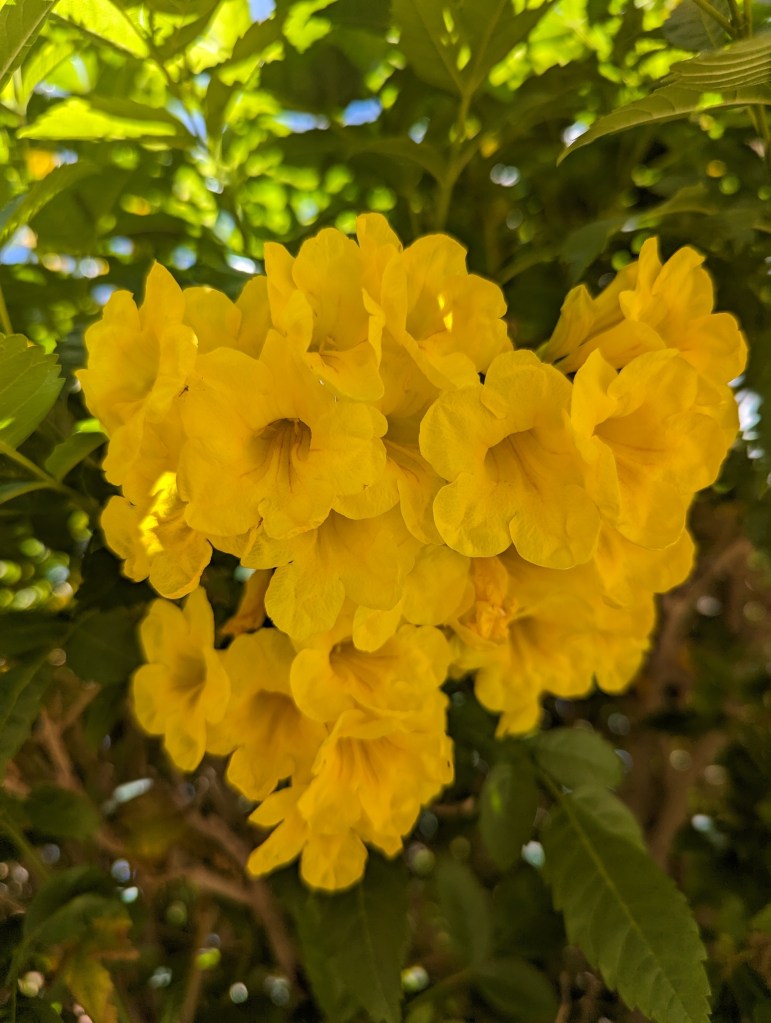
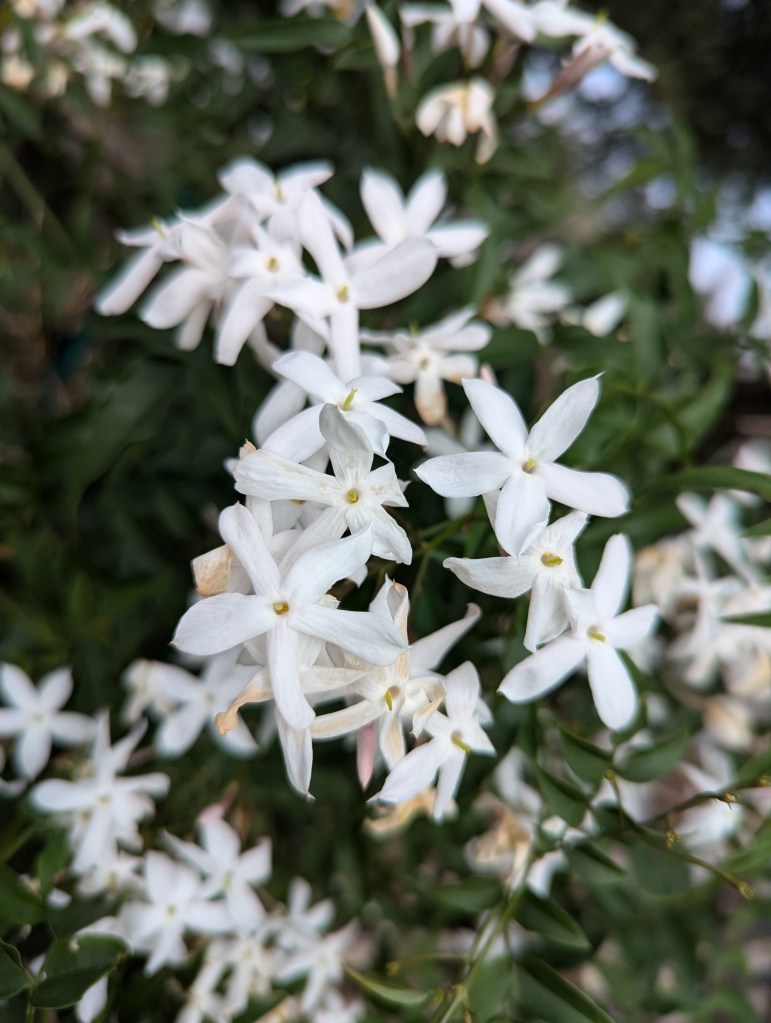
Bloom is bountiful for spring. It is more abundant now than it will be at any other time of year. Early bloom has more time to produce more seed prior to autumn and winter. Also, it can most efficiently exploit its pollinators who are also most active in spring. The most prominent blooms appeal to such pollinators with floral color. Their effort is remarkable.

Most bloom within most natural ecosystems here relies on wind for pollination. Although very efficient, it lacks prominence. Some grasses seem to produce seed without evident bloom. Because such vegetation does not rely on pollinators, it has no need to advertise. Toyon produces tiny but prominently profuse flowers for both wind and insect pollination.

Most species within home gardens rely on pollinators rather than wind for pollination. At least their ancestors did. They originally developed both floral color and floral fragrance to attract pollinators. Extensive breeding enhanced color and fragrance, but also caused sterility for some. Others are not true to type. Their visual appeal became less practical.

Obviously, such visual appeal and associated practicality are subjective. Although less practical for procreation, enhanced bloom is more practical for home gardens. Most who enjoy flowers appreciate enhanced floral color and enhanced floral fragrance. They are unconcerned with how species that provide such bloom procreate. Looks are everything.

Besides, some pollinators can still enjoy most enhanced floral color. A few flowers are so genetically modified that they confuse some pollinators. A few insects die of exhaustion while trying to gain entry. Generally though, most get what they came for or safely leave without it. Many who enjoy gardening also enjoy pollinating insects and hummingbirds.

Ultimately, floral color is personal. Many garden enthusiasts prefer specific color ranges or specific colors. Many prefer an abundance of color. Some prefer more subdued floral color. Some prefer specific types of flowers to provide floral color. Bloom season may be another concern. Some want more winter bloom while nearby gardens lack floral color. Many prefer major spring bloom. Some like random bloom through the year.

Unused Azalea Pictures

Contractions are awkward for me. I certainly could use them if I want to, I just prefer not to. It is a pointless habit that I should be more comfortable with breaking sometimes.

Another habit that I should indulge in less is the use of six different cultivars of the same species for my ‘Six on Saturday’ posts. I have done it for camellias, rhododendrons, roses, flowering cherries, bearded iris, African daisies and a few other species, including various annuals. I refrained from featuring six azaleas simultaneously for yesterday morning, although I did feature three bearded iris, which comprised half of the ‘Six on Saturday’. I should remember to limit azaleas to three pictures, or preferably two or one, if I feature them on ‘Six on Saturday’ later, as they continue to bloom.

These two pictures of azaleas were omitted from my ‘Six on Saturday’ post yesterday because, as the theme implies, such posts are limited to six pictures. Perhaps I should have used one or both of these pictures instead of one or two pictures of bearded iris. It is too late now.

The first azalea above is variegated. Its leaves resemble those of variegated andromeda. I do not remember what cultivar it is, although the label remains attached to at least one specimen. At least three specimens inhabit the same landscape together. They are blooming better this spring than they have in the past, perhaps because, annually, they are bigger and more established than they were for their previous season.

Relative to the many azaleas here, the second azalea below is nothing special. I like this particular picture because it happens to show a bee visiting the bloom. My pictures tend to be more technical than artistic. Perhaps I should try to include a bit of wildlife sometimes.

Green, White & Red

North Fourteenth Street is about as close as I have ever been to Italy; but amongst all the Green foliage here, I can find a bit of White albino Redwood foliage. It is a ‘sport’, which is a silly word for mutant growth. Because it lacks chlorophyll, and is consequently unable to photosynthesize, it is reliant on resources that it draws from the tree that generated it, which has a canopy of normal green foliage. Because of this reliance, copies of this mutant growth can not be grown as cuttings. Such cuttings simply could not sustain their own growth. I have made a few unsuccessful attempts to graft this mutant growth onto normal trees. The scions deteriorate before they can graft. I should try again. This foliage really is as strikingly white as it looks in pictures. I am certainly no expert on floral design, and I know that this foliage does not last for long once cut, but I suspect that it would look striking with black bearded iris or black hollyhock, or on a smaller scale, with black pansies or black petunias. Heck, it might likewise be striking with white flowers. In the early 1970s, albino redwoods, which are merely albino sports of normal redwoods, were considered to be very rare, with only a few documented specimens. Although they really are quite rare, many more have been documented since then, and many more, such as this specimen, remain undocumented. I wrote about this albino redwood foliage a few years ago, and was reminded of it by the wildlife photographer of Portraits of Wildflowers near Austin. Except for a few trees that are barely north of the border with Oregon, coastal redwood is exclusively native to the West Coast of California. It is the tallest tree in the World.

Six on Saturday: Mix It Up

Six pictures can not represent all that is blooming now. I did not even try. Nor did I post six pictures of six different cultivars of the same species, as I typically do with camellias, azaleas, rhododendrons, flowering cherries, roses, or other flowers that we grow several cultivars of. I posted three pictures of bearded iris, but I could have procured more than six if I wanted to. I likewise could have posted more than six pictures of different African daisy. I tried to mix it up a bit more than I typically do, as I did with the snakeroot here.

1. Persicaria bistorta, snakeroot and (likely) Iris ensata ‘Variegata’, variegated Japanese iris from Tangly Cottage Gardening are happy on the edge of the pond. The Japanese iris is barely visible at the center. The rest of it is on the edge of another stream. Naturalized exotic Nasturtium officinale, watercress to the upper right shows how close the water is. I thought that there were two cultivars of snakeroot, but found three labels for ‘Superba’, ‘Firetail’ and ‘Dimity’. I can segregate their copies later, but will likely leave these mixed.

2. Clivia miniata ‘Variegata’, variegated Natal lily from Brent’s Jungalow tried to bloom, but this happened before I took a picture. Its cultivar is unidentified, but it is variegated.

3. Osteospermum ecklonis, African daisy blooms too generously for anyone to take all its flowers. About six cultivars inhabit this particular landscape with a few more in another.

4. Iris X germanica, bearded iris are blooming so tall that some should be staked. There are too many cultivars in the Iris Bed to take pictures of, so I will show only these three.

5. All cultivars of the primary Iris Bed are unidentified. At least three that were relocated from the forest are likely feral. One is pale white. This pale yellow looks like Tweety Bird.

6. All of the iris here, like the iris in my garden, have history. This iris is from the former home of an respected colleague. He brought it to me before the garden was demolished.

This is the link for Six on Saturday, for anyone else who would like to participate: https://thepropagatorblog.wordpress.com/2017/09/18/six-on-saturday-a-participant-guide/

Flowering Crabapple

Flowering crabapple is more colorful than crabapples that are grown more for fruit.

This picture resembles flowering cherry, but is actually a flowering crabapple, Malus spp.. Both provide impressively abundant spring bloom before foliation in spring. Both may have single, semidouble or double flowers in various shades ranging from white to rich pink. Some flowering crabapples though have nearly red flowers. Flowering crabapples get slightly larger, more than twenty feet tall and broad; but some stay as short as five feet, and others get taller than thirty feet! Some have bronzy or purplish foliage through summer. The half inch to nearly two inch wide yellow, orange or red fruit can be colorful into autumn, and some makes good jelly; but it can also be messy. The main advantage of flowering crabapples is that they are somewhat less susceptible to rot than flowering cherries are in dense slowly draining soil.

Spring in Guadalupe Gardens & Wildflower Show (2010)

(This article is from 2010, so contains irrelevantly outdated information.)

Now that the world renowned San Francisco Flower and Garden Show is over, it is time for an even more important horticultural event; Spring in Guadalupe Gardens, on April 24, between 10:00 a.m. and 3:00 p.m.. This celebration of Guadalupe Gardens, Earth Day and the Great Outdoors may not be as big and as fancy as some of those ‘other’ shows, but it is so much more important because it is local, centered around the Guadalupe Gardens Visitor and Education Center, which is located at 438 Coleman Avenue in San Jose.

My favorite part of Spring in Guadalupe Gardens is all the vendors of unusual plants. In past years, I found several fuchsias, aloes, cacti and weird tomato plants at Spring in Guadalupe Gardens. I never know what to expect until I get there. I hope to find unusual fig trees this year.

Spring in Guadalupe Gardens is also a great opportunity to meet with representatives of all sorts of gardening clubs. Gardening questions can be brought by the Master Gardeners of Santa Clara County’s Gardening Advice booth, where I will be working throughout the day. There will be workshops and lectures, music and entertainment, as well as fun activities for children.

Spring in Guadalupe Gardens happens to be at the same time as the peak of bloom in the Heritage Rose Garden, which is the largest public garden in the United States of America dedicated to the preservation of old roses. There will be tours in other gardens and trail walks too. If I did not need to work at the Gardening Advice booth, I would want to tour the Historic Orchard, which is literally a tree museum of the many fruit trees that once filled the vast orchards of the Santa Clara Valley.

Earth Care Recycling will host a free electronic waste drop off at the Visitor and Education Center to collect all sorts of computers, keyboards, monitors, televisions, stereos, radios, printers, fax machines, telephones, cell phones, DVD players and VCRs. (I thought mine was the last of the VCRs!) Proceeds benefit the Guadalupe River Park Conservancy.

Admission and parking are free. Just follow the signs from Coleman Avenue or West Taylor Street. More information about Spring in Guadalupe Gardens can be found at www.grpg.org or by telephoning 298 7657.

The unfortunate news about the Wildflower Show organized by the Santa Clara Valley Chapter of the California Native Plant Society and the Mission College Biological Sciences Department is that it will be at the same time (with another hour until 4:00 p.m.). The fortunate news is that it will continue the following day on April 25, so we all can attend both events! The Wildflower Show will be at Mission College in Santa Clara. Parking in lot C and admission are free.

More than four hundred specie of wildflowers and native plants will be displayed and accurately labeled. There will be free classes for native plant identification and wildflower gardening, and nature activities for children. Books, posters, seeds and note cards will be available for purchase. More information can be found at www.cnps-scv.org, or by telephoning 650 – 260 3450.

Horridculture – Thorough Hacking

This is no simple hack job. Someone or a few someones put a great deal of effort into this very thorough hack job. This took significantly more effort than would have been needed to do it properly. Seriously, proper pruning would have been much easier, and much healthier to this victimized vegetation. In the future, this vegetation would have needed much less maintenance. Furthermore, this is more than visually unappealing. It is downright unsightly. Removal of such disfigured shrubbery would be an improvement, even without replacement. As the illustration below demonstrates, this is not merely a single specimen. It is an entire herd of brutally disfigured shrubs. How did someone determine that this was the right thing to do?!

This mangled shrubbery is vine maple, Acer circinatum, which is native to the Pacific Northwest where I got these pictures. I actually like this particular species because it can perform similarly to Japanese maple, but is not Japanese maple, which I am not at all keen on. Part of my dislike of Japanese maple is the result of working with so many that were ruined like these vine maples were. Vine maple is more tolerable to me because it is too rare here at home for me to encounter any that are ruined like these. This is a first for me. Perhaps that is why it was more difficult to ignore than the countless similarly ruined Japanese maples that I do not need to work with, but see around town.

I can not help but wonder what these vine maples would look like if they had developed somewhat natural form with only significant pruning for clearance above the adjacent pavement, perhaps with minor pruning to limit congestion within their canopies.. Would they resemble mature Japanese maples with extra trunks by now?

Andromeda

Andromeda can be somewhat shade tolerant.

Andromeda might be more familiar by its Latin name of Pieris. A few of its seven species, and a few of their hybrids, are popular for home gardens. All are evergreen shrubs. A few do not grow much taller and wider than three feet. Few can grow a bit more than ten feet tall and wide. In the wild, some might grow as small trees that are almost twenty feet tall.

Andromeda has glossy evergreen foliage. Individual leaves are lanceolate, perhaps with serrated margins. They are between one and three inches long, and half to an inch wide. New growth of most cultivars is as rich cinnamony red as that of photinia. A few cultivars have more pinkish or simple green new growth. A few cultivars are variegated with white.

Andromeda blooms with somewhat pendulous racemes of tiny pendulous flowers. Floral racemes are between two and four inches long. Individual flowers are between a quarter and half an inch long. Most are white. Some are pink. Most have green rachi. Some have pink rachi. Bloom is abundant for the middle of spring. Andromeda prefers partial shade.

Shade Tolerant Species Genuinely Shine

Some species actually prefer partial shade.

Home gardens are getting shadier as bigger modern homes occupy smaller modern lots. Bigger homes make bigger shadows. So do their bigger fences that compensate for their minimal proximity to each other. Less space within their smaller gardens extends beyond their shade. Consequently, shade tolerant species have become more popular than ever.

Also, small trees have become more popular than large trees for small modern gardens. However, more of them are evergreen to partially obscure obtrusively close homes. Their shade lasts throughout the year, and is likely darker than that of deciduous trees. It could be too dark in some situations even for shade tolerant species. Even they need sunlight.

Realistically, shade tolerant species merely require a bit less sunlight than most species. No real vegetation can survive without any sunlight. Like it or not, artificial turf can be the most practical option for the shadiest of lawns. Some potted plants can cycle around the garden, to take turns in shade and sunlight. If so, they may not need to be shade tolerant.

Most shade tolerant species perform differently with shade than with better exposure. For example, some rhododendrons that tolerate shade bloom better with more sunlight. Most species with colorful or variegated foliage are more colorful with more sunlight. Likewise, sunlight enhances autumn color for some deciduous species. Shade is merely tolerable.

Also, some shade may be dynamic. Garden space below deciduous trees can be shady for summer, but sunny for winter. Below high evergreen trees, sunlight might get through at a lower angle through winter. Major pruning or removal of vegetation can improve sun exposure if necessary. Many shade tolerant species are adaptable to such modifications.

Most shade tolerant species are understory species. They naturally live below canopies of higher vegetation. Some have big leaves and dark foliar color to maximize absorption of sunlight. Ferns are famously tolerant of shade, although tree ferns can reach above it. Kaffir lily, cast iron plant and hosta tolerate shade also. Rhododendron, azalea, camellia, andromeda and hydrangea tolerate shade as well, but need a bit of sunlight to bloom.