There Is Variety In Succulents

It is difficult to believe that this stout trunk outfitted with sharp spines is a euphorb, related to leafier poinsettias.

Cacti have thick, fleshy stems outfitted with nasty spines instead of leaves. Agaves and related aloes have stout, fibrous stems that are mostly obscured by thick, fleshy leaves. (Only a few somewhat rare aloes develop bare trunks and stems.) What they have in common is that they all are succulent plants, collectively known as succulents.

There are all sorts of other succulents. Humongous saguaro cactus have hefty trunks and limbs. Diminutive impatiens (like busy Lizzie) are grown as annuals for their colorful and very abundant flowers. Many succulents have succulent stems. Many have succulent leaves. Some, like the common jade plant, have both succulent leaves and stems. Trailing ice plants, leafy begonias, and sculptural euphorbs (related to poinsettias) are all succulents.

Many succulents store water in their succulent parts because they live in dry climates. Because moisture is such a commodity where they live, cacti protect their succulent stems with sharp spines. Agave protect their leaves with sharp teeth. Euphorbs are equipped with caustic sap, and many also have spines like cactus have. Fortunately, most succulents are not so unfriendly.

Almost all succulents are remarkably easy to propagate from cuttings or by division. In the wild, pieces of prickly pear cactus that fall onto the ground will begin to develop roots through the rainy weather of autumn and winter, and be ready to grow into new plants by spring. In the home garden, cactus cuttings should be left out for a week or more so that the cut ends will ‘cauterize’ (Actually, they just dry out a bit.) and be less susceptible to rot once they get plugged into the ground or pots to grow roots. Alternatively, clumping cactus that develop multiple main stems from the base can be divided, although the spines make handling them difficult.

Most aloes and some agaves produce basal shoots known as pups, that can be split from the main plants to grow into new separate plants. Agaves that do not produce pups while young typically start to produce pups after a few (or many) years, as they mature enough to bloom. Many of the larger types produce an abundance of pups after bloom, since the main shoot dies as flowers deteriorate. If desired, one or more of the pups can be left in place or planted back to replace the parent plant.

Most other succulents are even easier to propagate. Small cuttings can be plugged wherever new plants are desired. Some can even be grown from leaf cuttings!

Six on Saturday: One Yucca

Of the fifty or so known species of Yucca, I formerly grew all but one. I still am not certain if the single species that I lacked, Yucca flexilis, is a real species or a synonym for another species. Of course, some species of Yucca might be considered to be subspecies of others. The genus is complicated. So is identification of its species. That is why I am not certain of the identity of the one Yucca that I got a picture of this week. Actually, only one of my Six, which live with the unidentified Yucca, are identified.

1. ‘Sedums, Dahlias and Hayfever’ might have something to say about this unappreciated mess. A neighbor left these for the gardens. I can identify only that ‘Angelina’ sedum. Oh, the shame!

2. Pups such as this could suggest that the associated primary rosette intends to bloom soon. If so, the pup will replace the original. I do not remember what species or cultivar of Agave this is.

3. This young pup appeared about six feet from its associated primary rosette, so is less likely to be an indication of impending bloom. I do not know the species or cultivar of this Agave either.

4. Agave attenuata is easier to identify. It has been here since December, but has not done much. I got a pup from it prior to planting. Later, another rosette was acquired from another source.

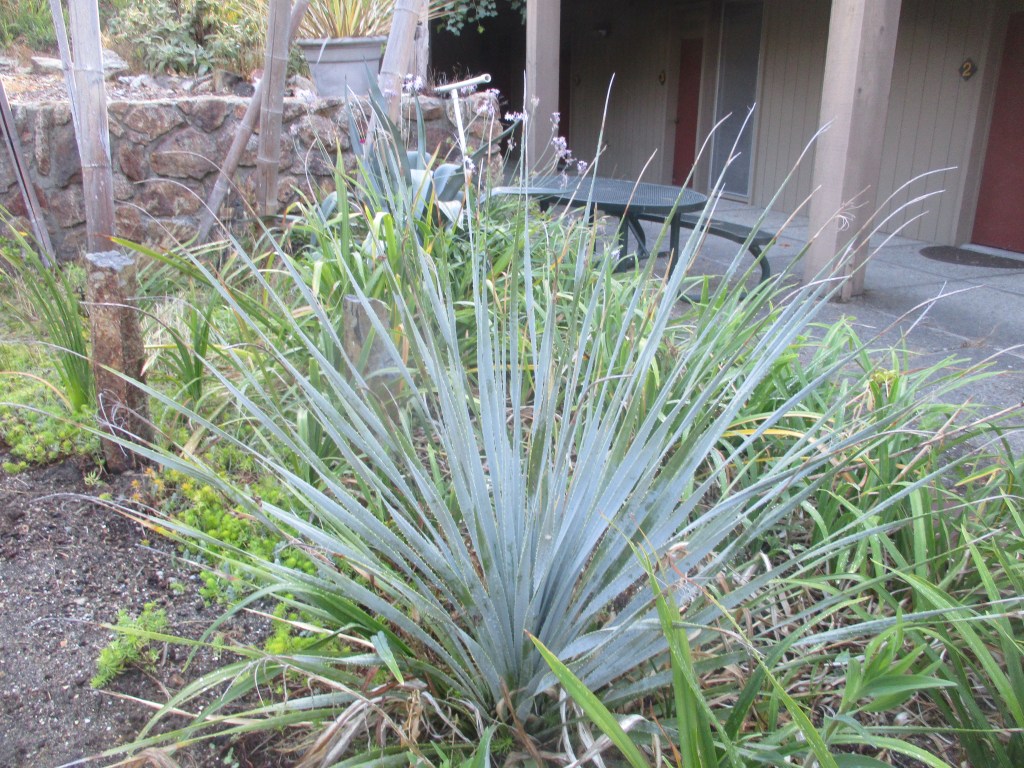
5. This might be Dasylirion wheeleri. I am rather certain of the genus, but not so certain of the species. Those little teeth on the foliar margins remind me that I do not want to weed around it.

6. Could this be Yucca whipplei? Its foliage certainly suggests that it is. However, the common sort should not develop such crowded rosettes. It could be a more densely clumping subspecies.

This is the link for Six on Saturday, for anyone else who would like to participate:

Agave filifera

50617c
Foliage is better than bloom, and lasts longer.

For a tough perennial that is is grown for striking foliage, the small Agave filifera has a remarkably striking bloom as well. The one and a half inch long flowers are impressive pale green, and mixed with faded flowers. What makes them so compelling is that they are displayed on sculptural floral spikes that stand nearly six feet tall.

Unfortunately, each dense rosette of foliage is monocarpic, which means that it dies after bloom. Pups (sideshoots) sometimes develop as a main rosette deteriorates. If multiple pups develop and get crowded, they can be divided. Each rosette takes a few years to bloom, so should be around for quite a while.

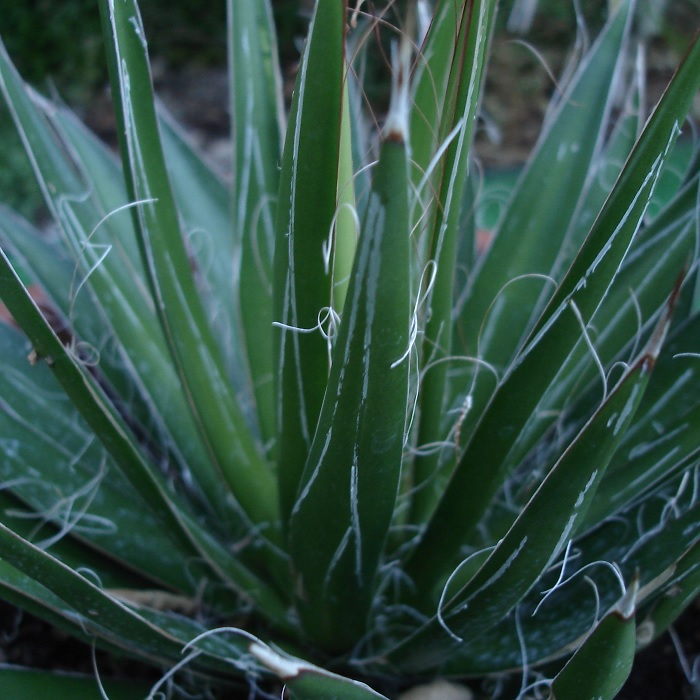
The stiff evergreen leaves get about a foot or a foot and a half long, with unpleasantly sharp tips. Vigorous plants have white filaments that peel from the edges of the leaves. Like all agaves, Agave filifera, does not need much water once established. Unlike other agaves, it can tolerate a slight bit of shade.

Agave attenuata

60427Agaves are innately tough and undemanding. The main reason that they are not more popular in home gardens is that they are outfitted with nasty foliar spines. The worst of these spines are the distal tips of the large succulent leaves. Most agaves are also armed with shorter recurved spines on the margins of their leaves. Gardening with such well armed perennials can be dangerous.

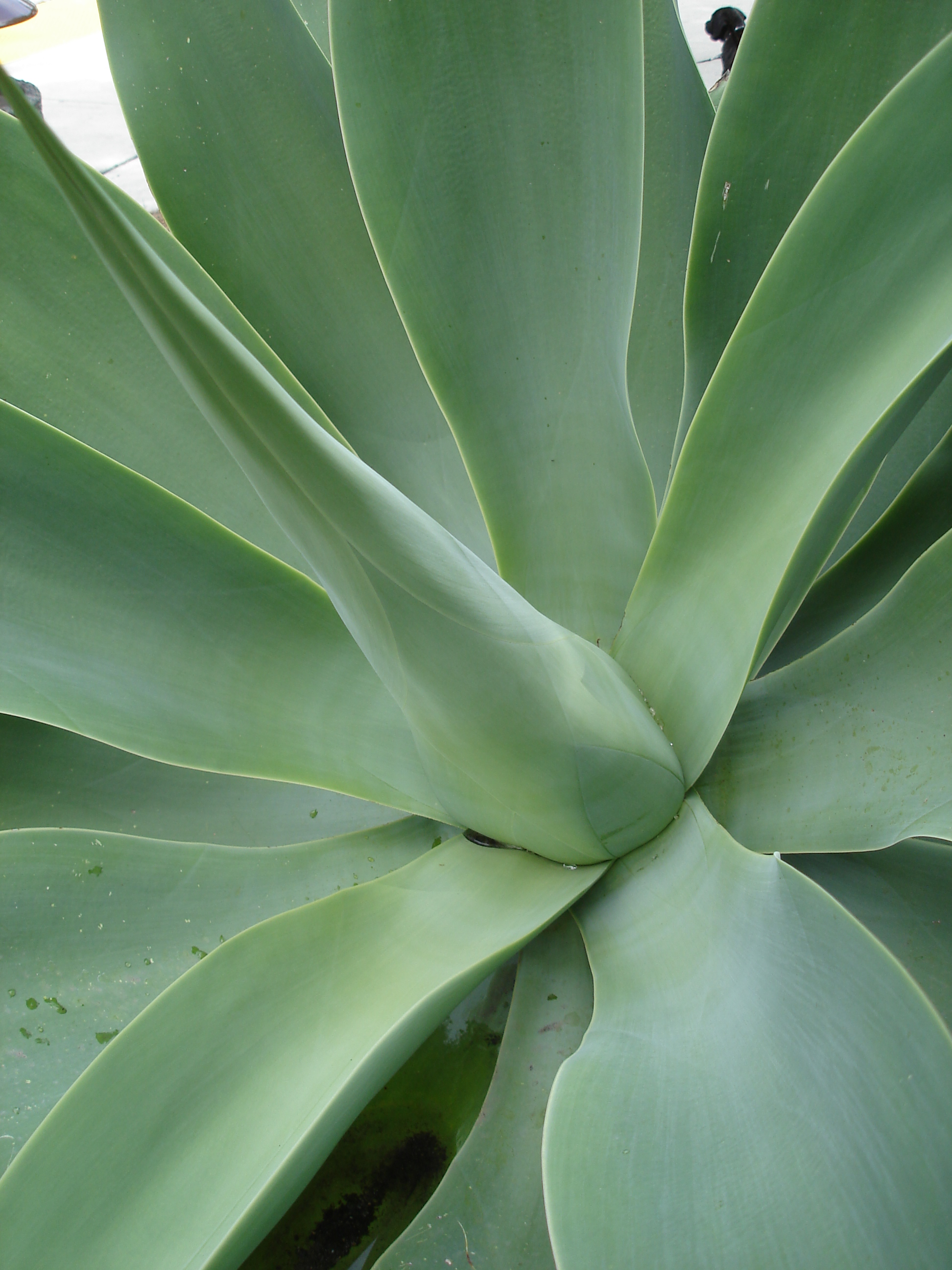
A complete lack of foliar spines is what makes Agave attenuata such a deviant. The relatively pliable foliage forms big grayish rosettes that can get as broad and tall as four feet. Groups of these rosettes can slowly cover quite a bit of area. The plump stems below may eventually become exposed as they shed old foliage, but are they usually obscured as newer rosettes develop and grow.

The cultural preferences of Agave attenuata are also somewhat unusual. Unlike other agaves, it wants occasional watering and a slight bit of shade. If too exposed, it can get frosted in winter, or roasted in summer. Agave attenuata is also known as foxtail, lion’s tail or swan’s neck agave because its fluffy yellowish flower stalks curve downward, and maybe up again, to about six feet tall.

Spectacular Bloom Can Be Lethal

70510thumbAfter providing remarkably striking foliage for many years, the biggest and boldest agaves bolt with spectacularly tall floral stalks that support horizontal pads of flowers. These stalks can bloom for months, and stand for months after bloom is finished. Then things get ugly. The foliage around each bloom folds back, desiccates and dies. There is no nice way to describe it. Bloom is death.

Plants that bloom only once and then die are ‘monocarpic’. Agaves are not truly monocarpic, since they do not really die completely. They survive by producing pups (offshoots) as their original rosettes of foliage die. Some agaves start to produce pups years prior to bloom, just to be ready. Most terrestrial yuccas (that do not form trunks) go through the same process shortly after bloom.

Pups can be so prolific that they get crowded. Because the larger agaves are so big, they can conquer a significant area with just a few pups. With all their dangerously nasty foliar spines, extra pups are not at all easy to remove. Once removed, pups can be planted elsewhere as new plants, but they will grow up into even more agaves that will eventually bloom and make more pups!

Removal of the carcasses of bloomed yuccas without getting stabbed by the sharply tipped leaves is challenging. Removal of the carcasses of big agaves is hellish! Spines of old foliage never go dull. Pups hiding below the old foliage are just as dangerous. Tall blooms must be cut down like small trees. The debris can not be recycled in green waste, so must be disposed of like trash.

Furcraeas, which are related to agaves and yuccas, produce fewer pups, or may not produce any pups at all. Of course, a bloomed plant without pups will die completely. However, the huge conical blooms (that resemble Christmas trees) produce bulbils, which are tiny new plants that can be plugged back into the garden to grow into new plants! Regardless of all the work, furcraeas, as well as yuccas and agaves (within reason), are worth growing for their dramatic foliage and impressive bloom.