Aridity Is Opposite Of Humidity

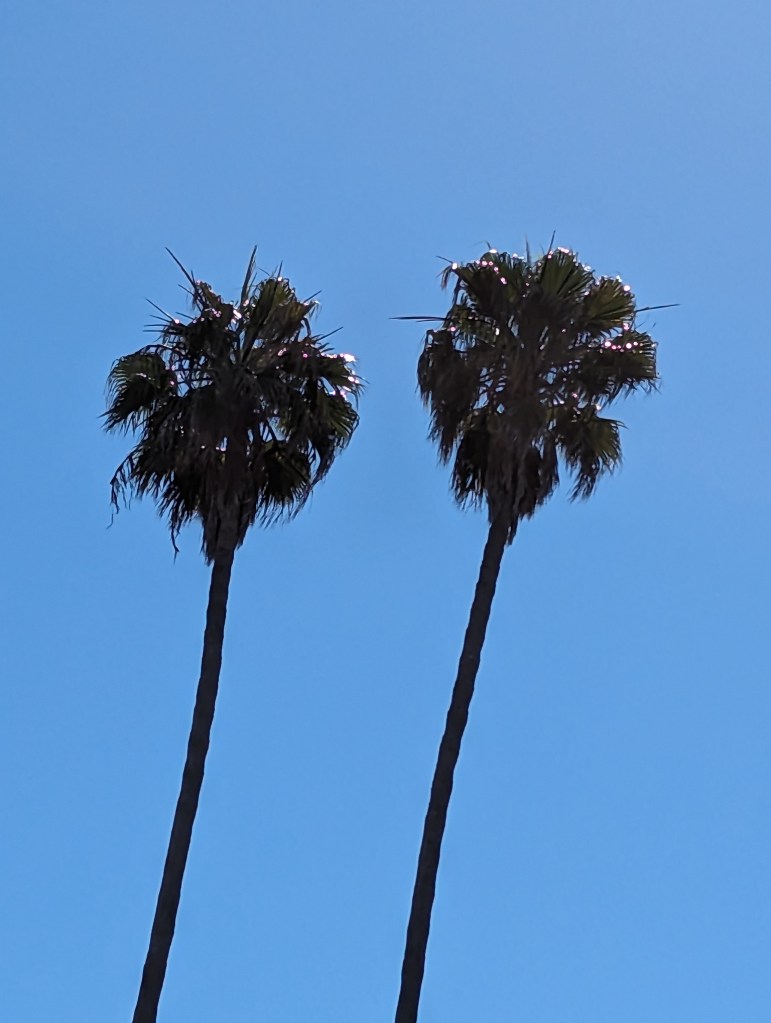
The sky is bluer with aridity.

Aridity is a measure of humidity. Humidity is a measure of aridity. Although opposite, they are similar. Humidity is the quantity of water vapor that is suspended within the air. Aridity is a deficiency of humidity. They are components of weather that are more likely felt than seen. Although, aridity clarifies the air, which typically causes the sky to seem more blue.

Of all components of weather, only atmospheric pressure is less tangible than aridity. It is measurable with instrumentation, but perceptible to very few. Except for its clarification of the sky, aridity is just as invisible. It is more perceptible, though. Just as humidity inhibits dissipation of heat, aridity promotes it. Therefore, arid heat feels cooler than humid heat.

That is why the West Coast is famous for its delightfully arid weather with sunsets. Even when the weather here is warmer than elsewhere, it may be more comfortable. Although undesirable, smog and smoke from forest fires provide color for clear sunsets. Temperate arid weather is more conducive to gardening. However, some vegetation might disagree.

Fragrant flowers can not disperse their fragrance quite as effectively during arid weather. Nor can aromatic foliage disperse its aroma quite as effectively. A few varieties of colorful foliage and flowers may fade a bit faster with minimal humidity. After all, most vegetation within home gardens is originally from more humid climates. It naturally enjoys humidity.

More importantly, most vegetation needs more water through arid weather. It loses much more moisture from its foliar surfaces at such times. Any breeze, which people might like, exacerbates loss of moisture. Obviously, warmth does also. Automatic irrigation requires appropriate adjustment as weather changes. Manual irrigation may become demanding.

Irrigation is less demanding for species that actually prefer local Mediterranean climates. Many of such species are native. Most are native to other regions with similar climates. A few are native to climates that are more arid, but tolerate a bit of extra moisture. Weather and climate do not adapt to a garden. It is best to cooperate with climate than not.
Humid Weather is Atypical Here

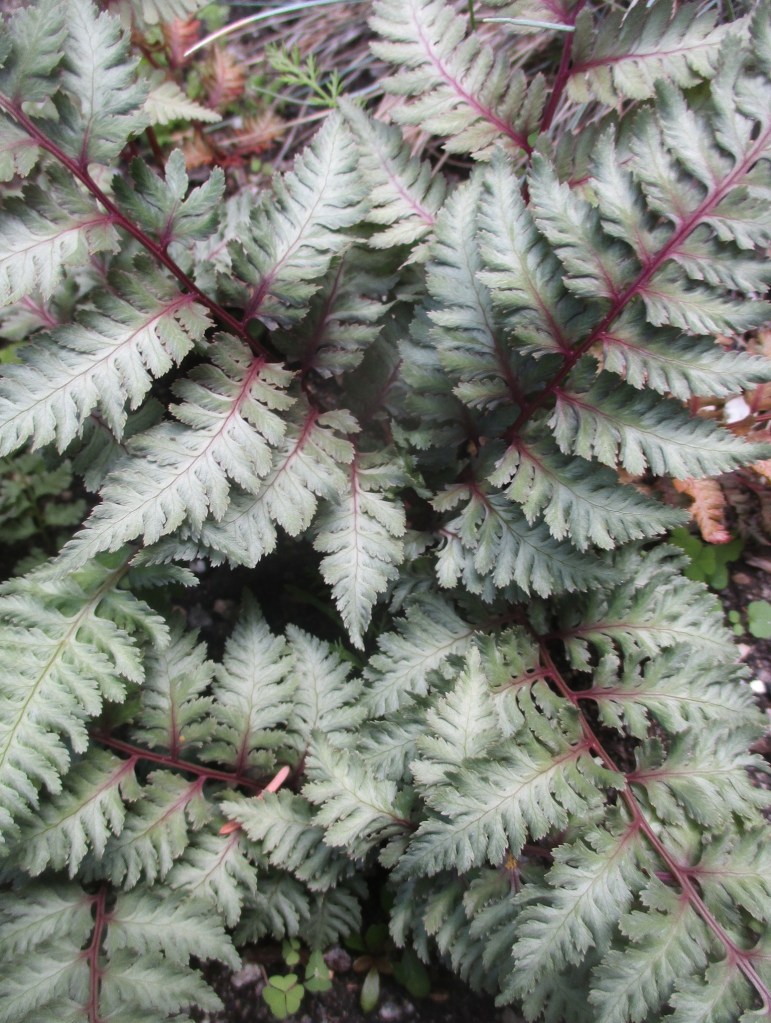
Ferns generally appreciate humidity with warmth.

Aridity is the opposite of humidity. It is why summer warmth is not as unpleasant here as in humid climates. It does not get so much consideration though. Most of the populace of California inhabits arid chaparral or desert climates. Aridity is so typical that any absence gets more attention. Humid warmth is both uncomfortable and relatively uncommon here.

Hurricane Hilary recently demonstrated how unusual humid weather can be here. It was merely a tropical storm as it left Mexico, but was significant nonetheless. Humidity briefly remained elevated after torrential rain in Southern California. It may have lingered longer in regions that lacked rain in Northern California. It caused warmth to seem a bit warmer.

This humidity would have been more horticulturally influential if it had lasted a bit longer. Obviously, irrigation is temporarily unnecessary for saturated landscapes. Some flooded. Some simply absorbed rain. Less obviously, landscapes that received no rain need a bit less water with humidity. Humid weather reduces evaporation from active foliar surfaces.

Humidity also reduces the volatilization of floral fragrance. Fragrant flowers are therefore more fragrant during humid weather. Delicate floral structures also last a bit longer. Many flowers are more turgid and colorful with humidity. All sorts of foliage, particularly tropical foliage and fern foliage, is more lush. After all, most vegetation is from less arid climates.

Humidity influences allergens also, both positively and negatively. Some allergens, such as fungal spores, are more abundant with humid weather. Some allergens, such as dust and pollen, are more abundant with less humidity. That is why humidifiers are helpful for dust or pollen allergies. It is also why dehumidifiers are helpful for fungal spore allergies.

Spontaneous limb failure can be another consequence of humid warmth. It is hazardous because it occurs very unexpectedly without wind. Warmth accelerates vascular activity, which increases foliar weight. Humidity with slow air circulation inhibits evaporation from foliage. If unable to shed enough weight, foliage becomes too heavy for limbs to support.

Arid Climates Can Be Challenging

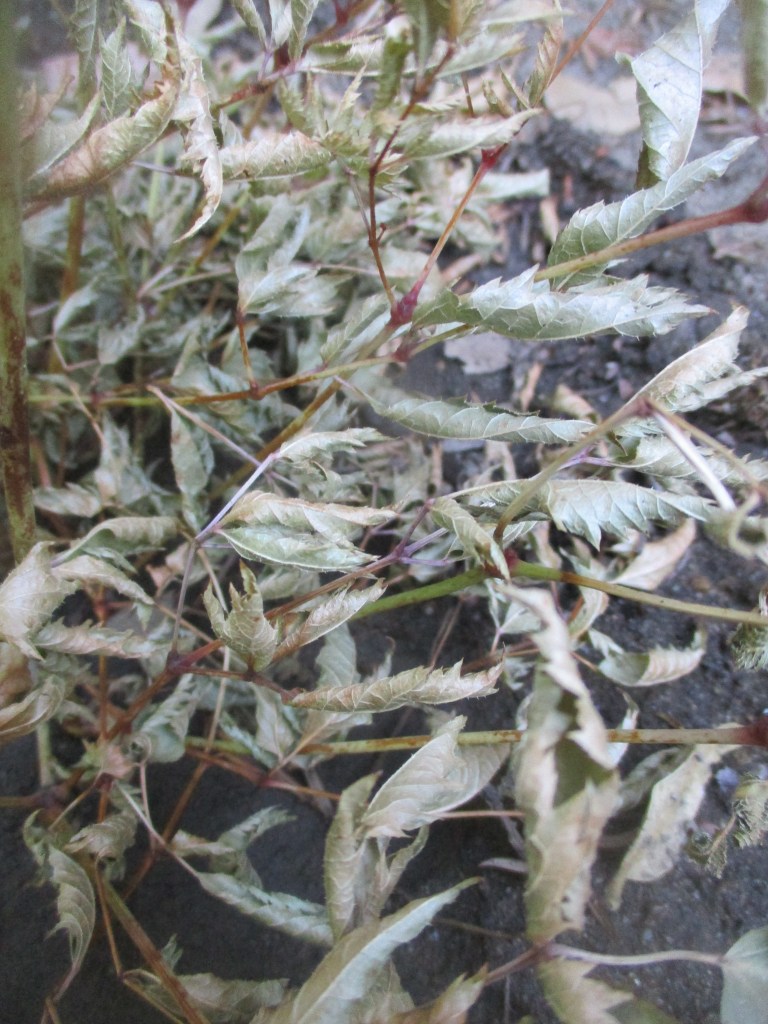
Some plants shrivel in arid warmth.

‘Mediterranean’ translates as an adjective that describes being at the middle of the Earth. Those who inhabited that region many centuries ago considered the Mediterranean Sea to be central to their World. That was long ago and far away. Nonetheless, climates here and now are somehow Mediterranean. Maybe semi arid climates of Italy are Californian.

Mediterranean climates are temperately warm with dry weather through summer. Rain is almost exclusive to a rainy season between autumn and spring. Although rain can briefly get abundant during the rainy season, the average annual rainfall is modest. Humidity is minimal for much of the time. Arid warmth is more comfortable than rarely humid warmth.

Desert climates accumulate less than ten inches of rain annually. Local climates receive more than fifteen inches of rain annually. They are therefore not sufficiently arid to qualify as desert climates. Technically, they are only semi arid chaparral climates. This climactic designation is perhaps more appropriate than the regional designation of Mediterranean.

Native plants and plants that are native to other chaparral climates are naturally pleased with the local climate. However, some initiate at least partial dormancy to survive through the long and arid summers. They may bloom early, but then partially defoliate for several months. Some delay dormancy if watered. A few dislike watering. It is unnatural for them.

Most plants in home gardens are not native to chaparral climates. They require watering to compensate for aridity during summer. Minimal humidity accelerates evaporation from foliar surfaces, which increases the demand for moisture. In conjunction with warmth and wind, aridity can desiccate foliage. Like people and pets, plants must maintain hydration.

Humid warmth that is less comfortable for people and pets is more comfortable for plants than arid warmth is. Humidity inhibits evaporation from foliar surfaces so plants consume less moisture. Incidentally, most pathogens, such as fungal diseases, bacterial diseases and most insects, also prefer warm humidity. People and pets seem to be in the minority.