My vacation was in two halves of two weeks each, with two weeks in between. It seemed to be six weeks collectively. Quite a bit happens within the landscapes during that much time at this time of year. The first of my Six is from Arizona, and happens to be the State Flower of Arizona. The others are some of what I returned to, including the State Flower of Colorado, and a relative of the State Flower of Hawaii. One is German from Monterey. One is Algerian from the Canary Islands. One is European from Washington. Oh, this is all such confusing nonsense and false trivia. California poppy, which is the State Flower of California, is blooming, but I got no pictures of it for this week.
1. Carnegiea gigantea, saguaro was a species that I should have gotten more pictures of before leaving Arizona. This is one of only two pictures. It is the State Flower of Arizona.

2. Persicaria bistorta ‘Superba’ snakeroot came from Tangly Cottage Gardening not too long ago, but is already blooming splendidly among watercress on the edge of the pond.

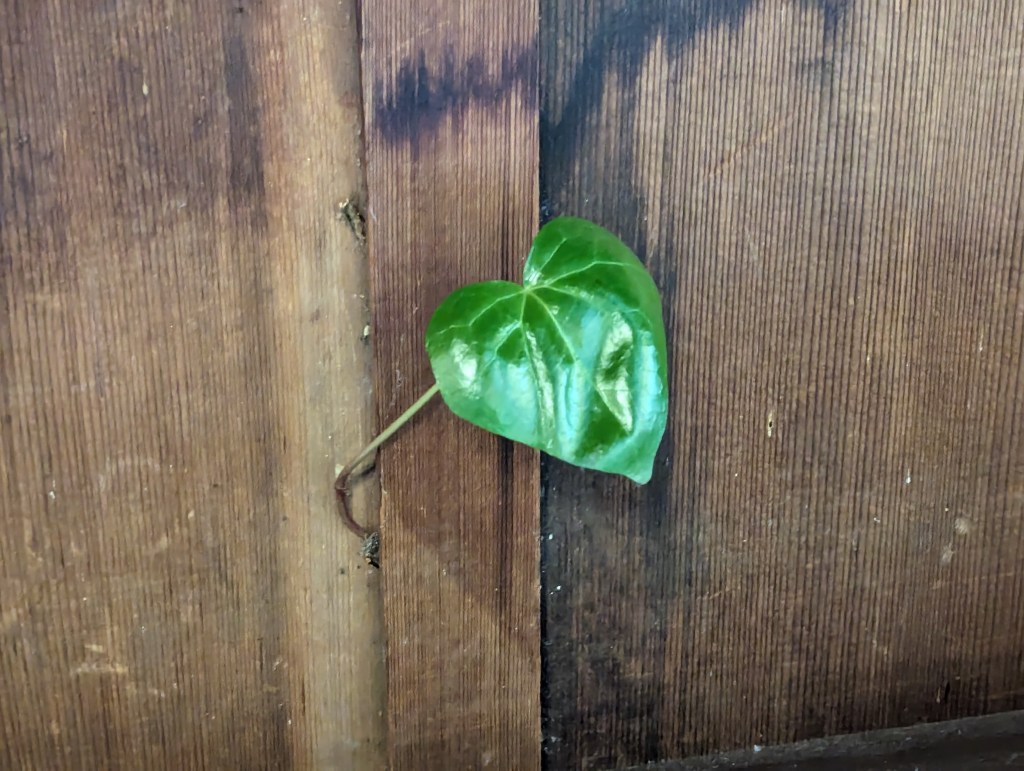
3. Hedera canariensis, Algerian ivy clings to the exteriors of several buildings at work if not pruned back frequently. This vine is getting even more aggressive by coming inside!
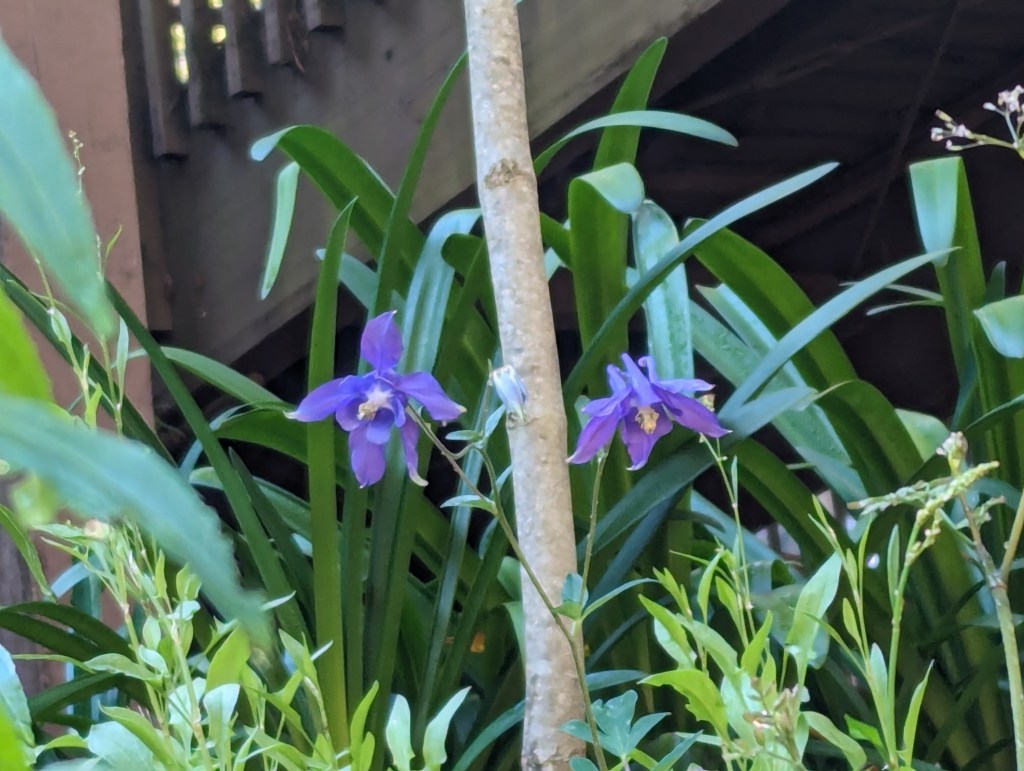
4. Aquilegia X hybrida, columbine refuses to grow where planted, but tosses seed before it dies. Its feral seed then grows in random situations. It is the State Flower of Colorado.
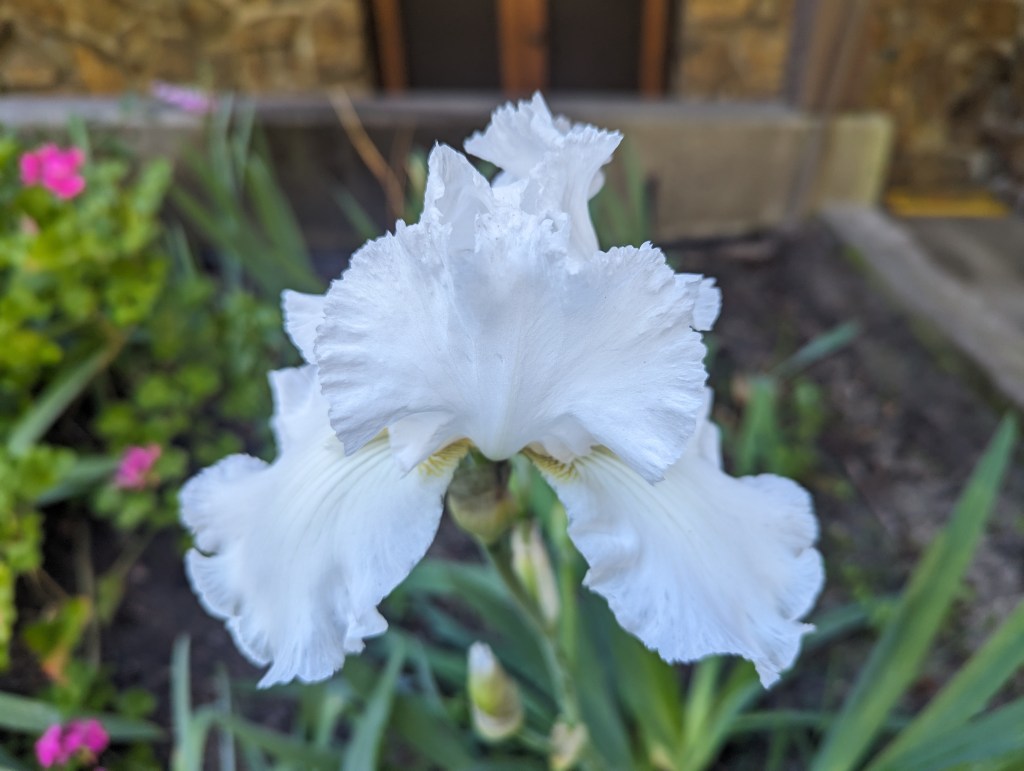
5. Iris X germanica, bearded iris bloom is finishing about now. I earlier mentioned that this cultivar seemed weirdly pale. It might be feral. However, it seems bright white now.
6. Hibiscus rosa-sinensis, tropical hibiscus is blooming as vibrantly here as it was in Los Angeles and Phoenix. It is related to Hibiscus brackenridgei, the State Flower of Hawaii.

This is the link for Six on Saturday, for anyone else who would like to participate: https://thepropagatorblog.wordpress.com/2017/09/18/six-on-saturday-a-participant-guide/




 The main complaint about this Remembrance Garden is that there is no garden. Two steel girders from the destroyed World Trade Center stand vertically on pedestals within a concrete slab shaped like the site of the World Trade Center. The pedestals are set within squares of stones that correspond to the outlines and locations of the of the World Trade Center Twin Towers #1 and #2 within the World Trade Center Site. The outlines and locations of the other buildings of the World Trade Center are designated by darker concrete within the slab. There is no real synthetic landscape.
 Tony Tomeo