
Floral fragrance attracts insect pollinators. Foliar aroma repels insect pathogens. It might repel other herbivores also. For organisms that lack olfactory perception, plants certainly make productive use of it. Fragrant flowers are as attractive in home gardens as they are to pollinators in the wild. However, aromatic foliage has the opposite of intended effects.
In other words, aromatic foliage is popular within home gardens because of its aroma. Its effort to be repulsive to some insects and herbivores makes it attractive to people. Some aromatic foliage has culinary or herbal application. Actually, almost all herbs are notably aromatic, with corresponding flavors. Mint, chive, thyme and sage are popular examples.
Window boxes became popular in ancient European towns because of aromatic foliage. Where garden space was scarce, they were convenient planter boxes for growing herbs. Also, prior to window screens, they sustained aromatic foliage that repelled mosquitoes. Trailing rosemary, ivy geranium and nasturtium are still very traditional accompaniments.
Rosemary has both culinary and aesthetic application. Culinary cultivars exhibit the best flavor. Landscape cultivars are either trailing or more densely shrubby. Some cultivars of fennel are similarly better for either culinary or landscape application. Bronze fennel has become popular for both. Varied lavenders are more popular as home garden shrubbery.
Native bay is very aromatic when its foliage is disturbed, but is not culinary bay. It is a big and obtrusive tree that is proportionate only to large landscapes. Culinary bay is another smaller species that is more proportionate to home gardens. Also, it has a distinct aroma. Incense cedar is another very aromatic native tree, but is quite rare within home gardens.
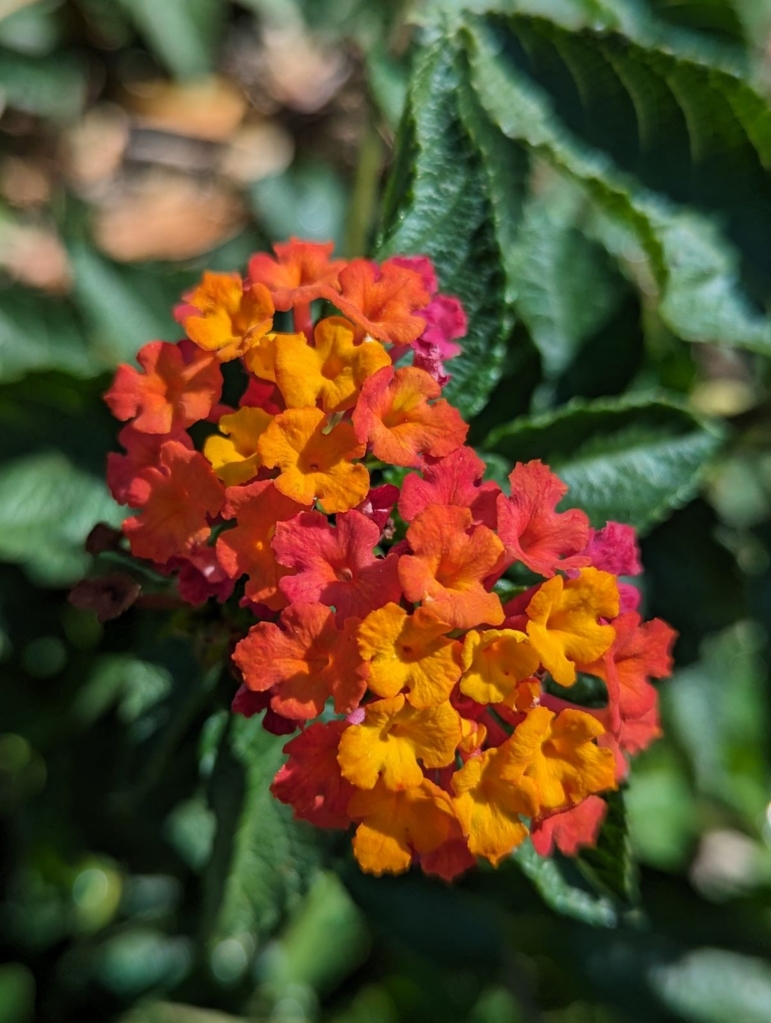
Most aromatic foliage can not exude its aroma like fragrant flowers exude their fragrance. Most does so only when disturbed. Some, such as that of many conifers and eucalypti, is beyond reach. It is therefore easy to dismiss within some landscapes. Lavender, lantana, diosma, rockrose and salvia stay within reach. Warmth and humidity amplify their aroma.


 Tony Tomeo