‘Purple Ribbon’ sugarcane has been growing like a weed, but should go into the garden.
Autumn is the time for planting. So is winter. It is difficult to resist new acquisitions for the garden. However, there is already so much in the nursery that needs to be planted into the garden that I should not consider acquiring more.
I like to think that I purchase almost nothing for the garden. I grow just about everything that I want to grow from bits and pieces from other gardens. I purchased sugarcane, though, because I could not find any of a cultivar that I wanted in another garden. Now that it has been growing like a weed here, I returned to the online catalogue of one of the nurseries that sells sugarcane to see what else I want.
Planting Justice grows and sells many fruit and vegetable plants that I want to purchase. Because the primary nursery is in Oakland, only about an hour and a half away, I could purchase directly, rather than by delivery. My wish list from them includes medlar, yacon, currant, sunchoke, lingonberry, moringa, kangaroo apple, raisin tree, earth chestnut, chestnut, cinnamon vine, tree collard, sea berry, aronia and highbush cranberry. The twenty items that I want cost only $316, but are contrary to my tradition of purchasing almost nothing for the garden. Fortunately and unfortunately, I will most likely refrain for another year, when I expect the garden to be refined enough to accommodate them.
Defoliation is the colorful beginning. It indicates that the weather is getting progressively cooler. It then gets messy with the first rain. This is inevitable at this time of year. After all, it is late autumn. Storms will become more frequent as weather simultaneously becomes cooler. So, while gardens are getting wetter, they also take longer to dry between storms.
Ironically, vegetation uses much less moisture while it is so abundant. Deciduous foliage can not perform any evapotranspiration after it defoliates. Evergreen foliage is much less vascularly active while cool. Roots can not utilize all the moisture that autumn and winter rain provides. Soil in some areas might stay moist from now until next spring or summer.
Conversely, summery weather is innately arid and warm. That is how the Mediterranean climate here operates. Moisture is either scarce or abundant. Rain will eventually stop in spring, and then not resume until next autumn. Summer thundershowers are uncommon. Gardening could likely be easier with a bit less rain for winter, and a bit more for summer.
With more rain expected, irrigation needs seasonal adjustment. Such adjustments might need to be incremental, since weather changes incrementally. Manual irrigation might be either less frequent or less voluminous, or both. The same applies to automatic systems, which have a disabling ‘rain’ option. It turns irrigation off without modifying the schedule.
Besides necessitating modification of irrigation, rain can also be messy. It dislodges and accelerates the deterioration of defoliating deciduous foliage. It causes even formerly dry soil to become muddy. A bit too much rain can cause erosion. Cleaning up such mess is less pleasurable while the weather is wet and cool. Then, the weather gets messy again.
Rain can not postpone all gardening. Spring bulbs must get into their garden soil prior to winter chill. Dormant pruning happens later in winter, prior to spring. Fortunately though, gardening is less involved than it is during spring and summer. Maintenance of tools and sorting seed can be indoor tasks for rainy days. So is shopping online for seed, plants or garden tools.
Some vegetation is responding to cooler autumn weather as it should while some refuses to concede. Autumn foliar color is not so spectacular this season.
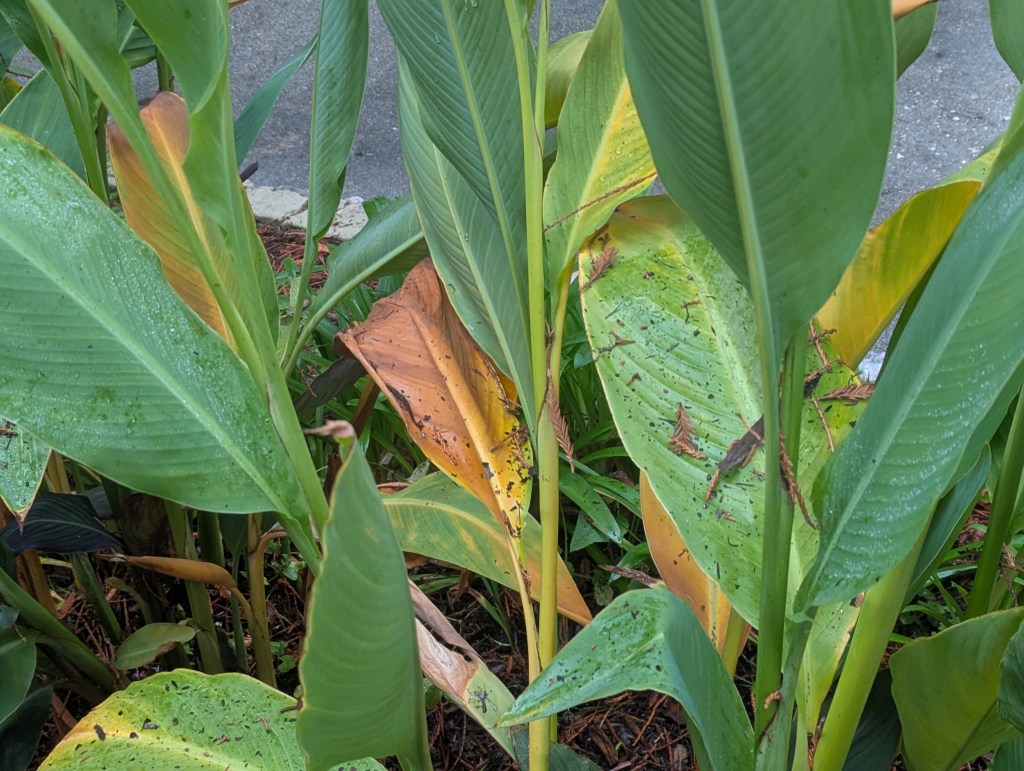
1. Canna musifolia, canna foliage is beginning to discolor in response to cooling autumn weather. I will groom such foliage out through the season until there is nothing left of it.
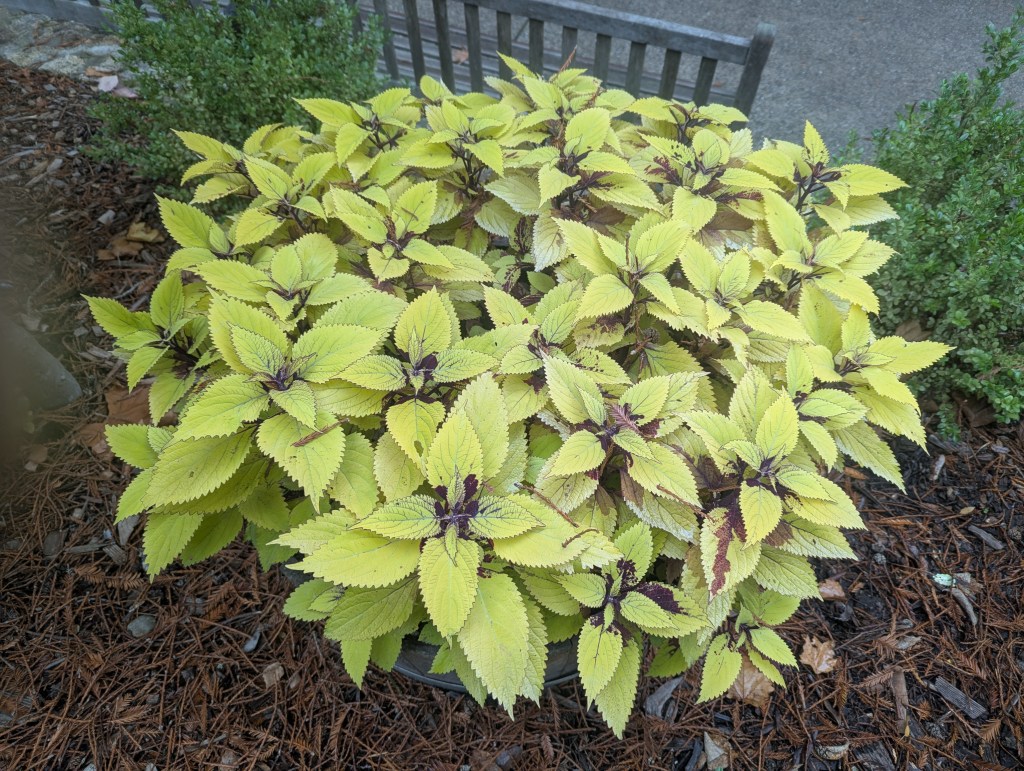
2. Plectranthus scutellarioides, coleus is not so easily convinced that it really is autumn. It is as vigorous now as it was for summer. I suspect that it will not last for long like this.
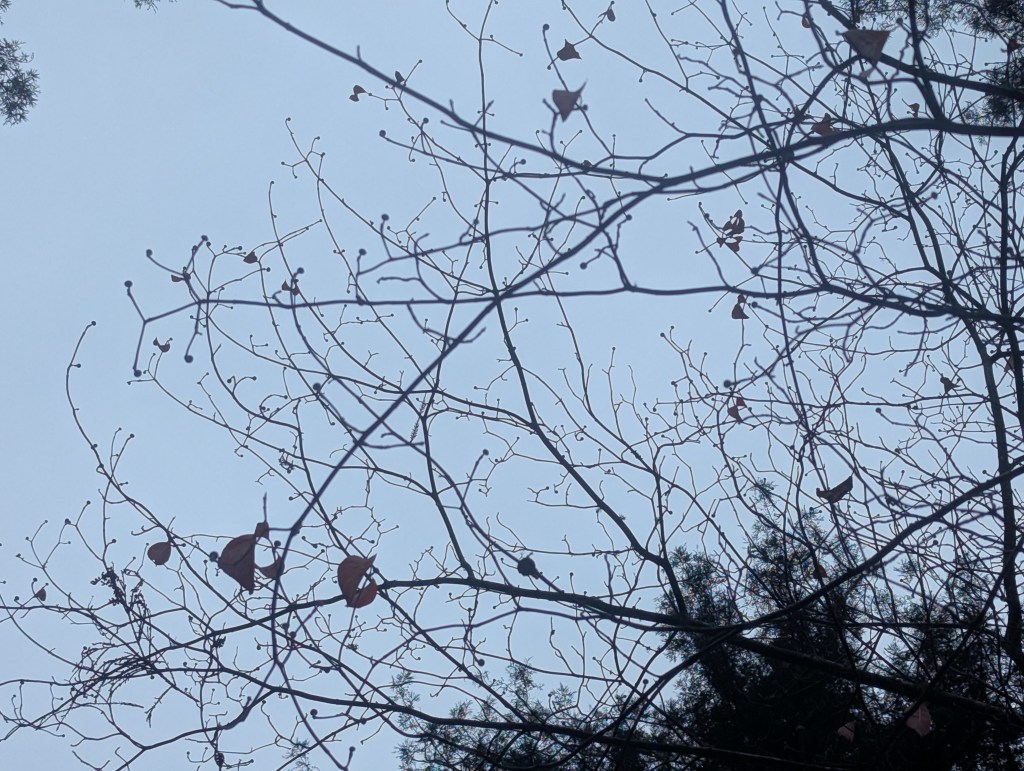
3. Cornus florida, flowering dogwood is already defoliated, and it did so quickly without much color. Others were somewhat more colorful, and were retaining their color better.
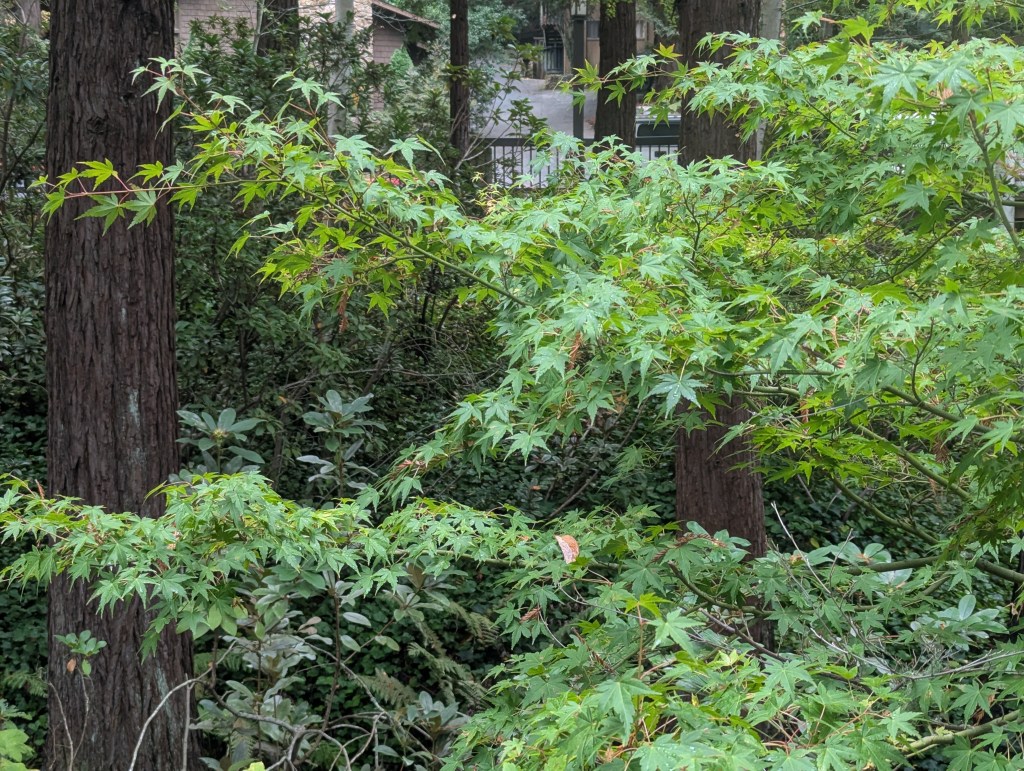
4. Acer palmatum, Japanese maple, like coleus, is not convinced that it really is autumn. This particular specimen is as green as it was for summer. Others are beginning to color.
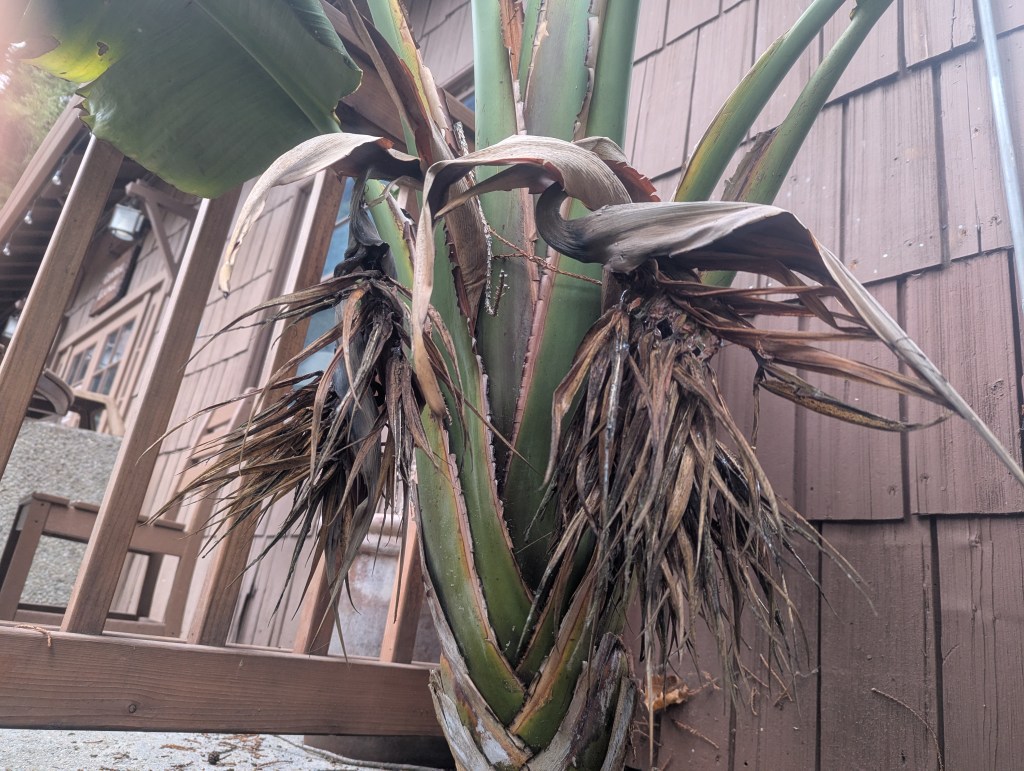
5. Strelitzia nicolai, giant bird of Paradise supposedly blooms randomly. However, ours prefers to bloom through summer and finish about now, so is actually right on schedule.
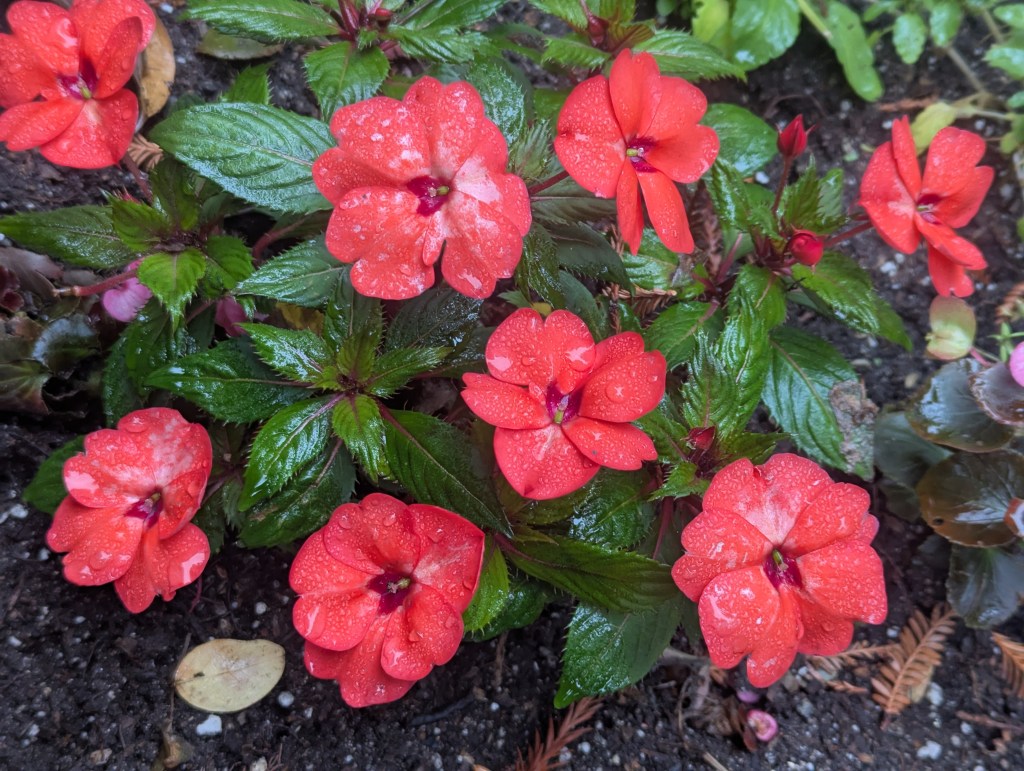
6. Impatiens hawkeri, New Guinea impatiens, like coleus and Japanese maple, is not yet convinced that it is autumn. It will likely succumb to autumn chill when the coleus does.
Cool season annuals are not the only options for home garden color for autumn. Even in mild climates, deciduous foliage eventually notices increasing autumn chill. While some merely sheds, some first develops spectacular autumn foliar color. Such foliage is not as conducive to instant addition to gardens as annuals are. Yet some may already be there.
A few deciduous shade trees and street trees provide the best autumn foliar color. Some are less popular with those who prefer evergreen trees. However, they are quite practical for some situations. Some are less messy than evergreen trees. They only seem messier because they defoliate so much at once. Most evergreen trees shed throughout the year.
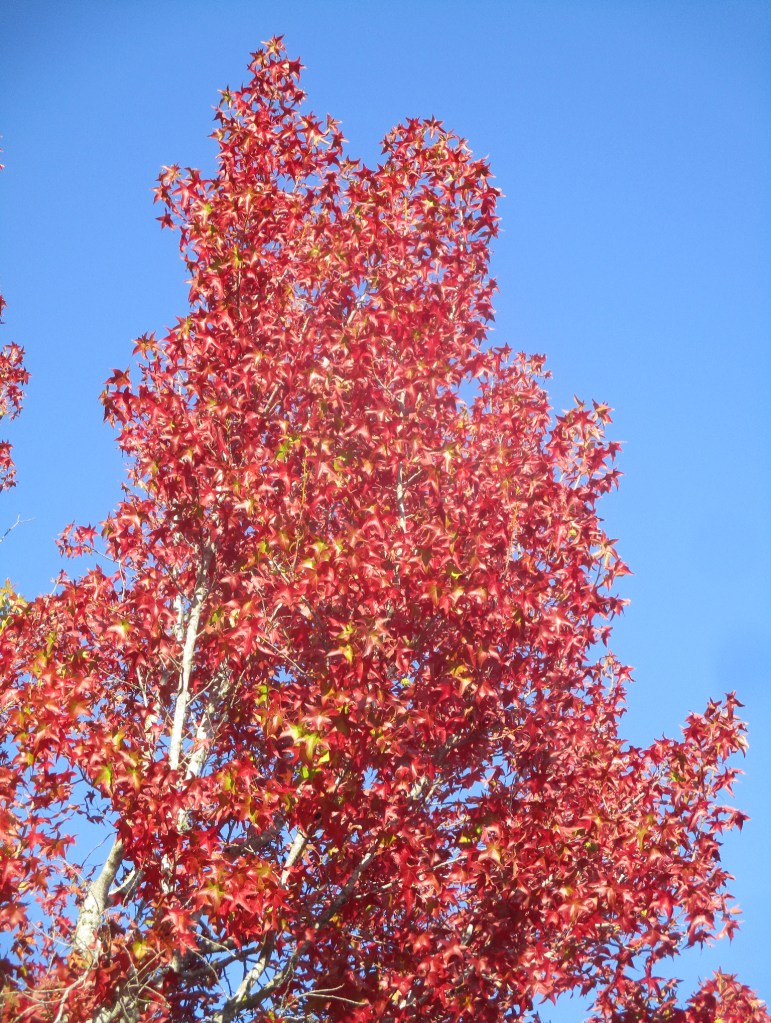
Sweetgum, or liquidambar, probably provides the most colorful autumn foliar color. It also happens to be among the messier deciduous trees. That is because it retains its colorful foliage later into autumn and winter. While prolonged mess is a disadvantage, prolonged foliar display is an advantage. It is an unwieldy large tree, though, with aggressive roots.
Chinese pistache is as colorful, with dazzling yellow, orange and red autumn foliar color. It seems a bit less messy because it defoliates a bit sooner. Also, it does not produce the spiky seed capsules that sweetgum trees produce. However, its smaller leaves require a bit more effort to rake than larger leaves. Chinese pistache is a rather popular street tree.
Flowering pear, or callery pear, produces similar autumn foliar color, with more deep red. It also provides billowy white spring bloom. Crepe myrtle is a smaller tree with both vivid autumn foliar color and summer bloom. Ginkgo is a tall and slender tree with exclusively brilliant yellow color. Boston ivy is a clinging vine that is as colorful as Chinese pistache.
Not all deciduous trees produce impressive autumn foliar color. Sycamore might already be defoliating with just a bit of pale yellow color. Valley oak does the same later. Both are quite messy as they defoliate slowly through much of autumn. However, both are notably sculptural while bare later through winter. There are other advantages to deciduousness.
Cool season vegetables might seem to be a bit early while the weather is still warm. It is technically autumn, though. If the weather is a bit too warm now, it should not be for long. Cool season vegetables may soon enjoy the cool weather they prefer. Their subsequent phases of successive planting can enjoy it even more. Spring is a few months from now.
Successive planting begins early and finishes late. It entails cultivation of relatively small groups of vegetables throughout their seasons. The first groups start as soon as they are seasonable. The last groups should finish at about the end of their season. Each type of vegetable prefers particular seasons. Therefore, some begin or finish earlier than others.
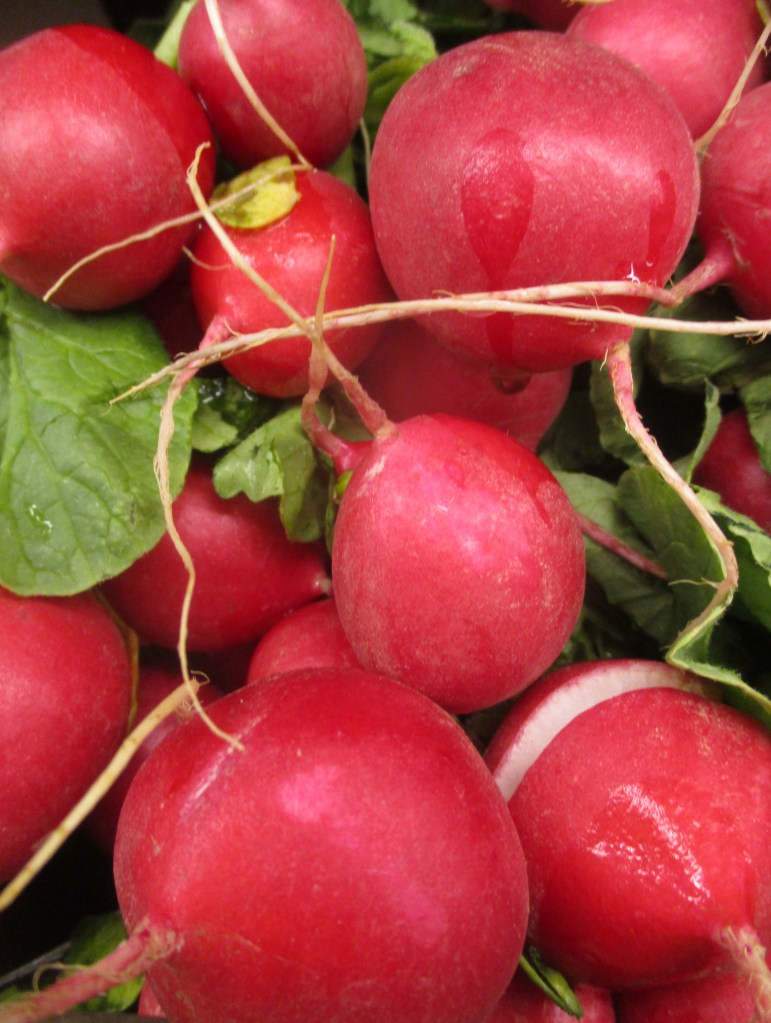
Ideally, each group of each vegetable finishes production as a subsequent group begins. The expected duration of production determines the frequency of phasing. For example, if radishes produce for two weeks, each phase should be two weeks apart. Also, each of the phases should provide enough radishes for two weeks. Scheduling is very important.
Larger vegetables, such as cabbage, broccoli and cauliflower, likely need fewer phases. Successive planting for them may involve only one early group and one late group. Each group may remain in production for a month or longer. Individual vegetable plants within each group mature at different rates. Even when mature there is no rush to harvest them.
Cucumber and pea vines remain in production throughout their seasons. Those that start now might continue production until the middle of winter. Those that start after the middle of winter might continue production until spring warmth. Two such phases are the extent of their successive planting. (Cucumbers and peas are really fruit rather than vegetable.)
Successive planting also prolongs the bloom of spring bulbs that will be available soon. Of course, it is only effective for the first spring after initial planting. Bulbs synchronize for any subsequent bloom if they naturalize. Successive planting is not so effective for bulbs that bloom later in summer or recurrently. Cannas bloom late regardless of planting time. When seasonable, all dahlias should start on time.
Cool season vegetables do not include any winter squash. All squash are warm season vegetables. They all begin their growing season in early spring to grow through summer. Their foliage begins to fade by autumn, and then succumbs to winter chill. The difference between summer and winter squash is their harvest time. Winter squash ripen for winter.
Conversely, summer squash produce for summer. They produce several more individual fruit that are ready for harvest before they ripen. They produce even more in response to the harvest of their juvenile fruit. Any fruit that matures for too long can get big and tough. It also diverts resources that should otherwise sustain production of fresh young squash.
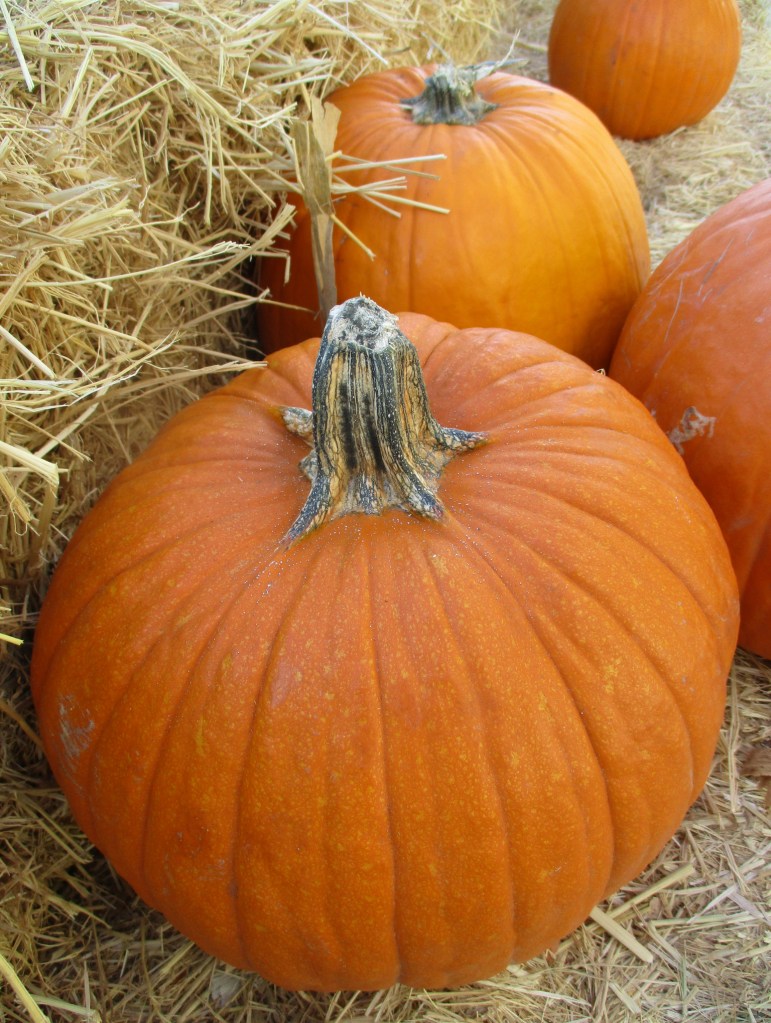
Winter squash produce fewer fruit that mature through summer to ripen by autumn. Some types produce only two or three individual fruit. Fewer fruit concentrate resources, so that individual fruit are relatively large. Pumpkin, which is a famously big winter squash, may grow singly on its vines. Once ripe, some winter squash might last for months into winter.
Ideally, some type of squash should always be available from the garden. Winter squash become available as summer squash finish. Then, summer squash become available as stored winter squash deplete. However, winter squash are supposedly better if they cure for two weeks after harvest. Summer squash might finish a while before that can happen.
Hubbard, butternut, acorn and kabocha squash are all types of winter squash. Countless others are available. Their vines are more rampant than those of typical summer squash. Those with relatively lightweight fruit can climb trellises or shrubbery to conserve space. Although they do not bloom as much as summer squash, their yellow flowers are edible.
Winter squash develop more uniformly with occasional turning as they grow. This entails turning fruit weekly so that all sides of it get exposure sometime. By now, the palest sides should face upward. Fruit should retain its short stem when cut from its vine. It is likely to mold without it. There is no rush to harvest though, since fruit can remain as vines wither. Exposure to mild frost supposedly enhances the flavor of winter squash.
Gardening tasks may be a bit less demanding now, but are no less important.
With cooler and rainy weather, and shorter days, gardening is not what it was a few months ago. It is more comfortable to stay inside when the weather is not so pleasant. Besides, gardening when the garden is too wet gets muddy, and can damage lawns and bedding areas. Even while the weather is pleasant, there is not enough daylight left to get much done at the end of the day.
The good news is that gardening is not as demanding in autumn and winter as during spring and summer. Plants are either dormant or are growing only minimally. Pruning and hedging is therefore not so necessary. Lawns likewise do not need to be mown as often. Without much blooming, there is less need for deadheading. With rain bringing more moisture than the garden needs, and cooler temperatures inhibiting evaporation to take moisture away, watering is rarely a concern.
The bad news is that there are a few things than should be done in autumn and winter that should not be delayed to spring. For example, early spring blooming bulbs should be planted as they become available in nurseries so that they can get a good chill through winter and disperse their roots as soon as possible. Also, evergreen trees that may be a bit awkward on their trunks should be staked before winter winds. (Deciduous trees do not get blown around much without their foliage.)
Eventually, or sooner, the weather will get cold enough to necessitate protection from frost. Marginal plants are probably safe under eaves or taller evergreen trees. Sensitive plants that are not in pots that can be moved to shelter should be tented when threatened by frost. Tenting can be as simple as tarps suspended above the foliage by stakes, and only needs to shelter plants from exposure.
As deciduous fruit trees lose their foliage, they will be ready for winter pruning. This is very important for apricot, peach, cherry, nectarine, plum, prune, apple, pear and related trees, since they should not be pruned once they start to bloom in spring. Maples and birches should also be pruned while completely dormant in winter, since they bleed so profusely if pruned in spring or summer.
Weed seedlings may start to appear with winter rain. They do not grow as rapidly now as weeds do in spring, but have a sneaky way of growing in more places because of the uniform availability of water in places that would be dry without rain. Fortunately, they are easy to pull while the soil is damp. Seedlings of any desirable plants should be identified first so that they can be distinguished from weed seedlings and not pulled.
Falling leaves should be raked from lawns and ground cover, not because they are unappealing in the garden, but because they block out sunlight and promote rot. Raking should not be done immediately after rain though, since lawn and ground cover are so easily damaged while soil is wet and muddy.
Deciduous foliage gets colorful with autumn chill. Then, it gets messy. Then, with a bit of precipitation, it gets even messier! It seems like a waste as it all succumbs to rain and, in other climates, snow. It is sensible, though. Deciduous vegetation will be less vulnerable to stormy weather without it. Weather will be getting increasingly stormy through autumn.
This is how the Mediterranean climate here operates. The dry season that begins during spring continues until autumn. The relatively shorter rainy season centers around winter. Therefore, most precipitation occurs during winter. Spring and autumn are brief transition seasons that tend to favor the dry season. Almost no precipitation occurs during summer.
Spring and autumn transitions between rainy and dry seasons are innately variable. The rainy season tends to finish early during spring, but may not. It sometimes pauses before resuming. It may do so more than once. Conversely, the rainy season tends to begin late during autumn, but may begin earlier. Occasionally, precipitation begins disturbingly late.
Generally, the first significant storm with significant precipitation begins the rainy season. This may be difficult to believe with typically significant time between the first few storms. Yet, with cooler weather, elevated humidity, and shorter daylength, moisture lasts longer. Precipitation, even if merely drizzling fog, will likely dampen gardens before they get dry.
Irrigation obviously does not need to be as generous as it was during summer. Until next spring, some vegetation will require none at all. Not only will weather provide and retain more moisture, but vegetation uses much less. Refraining from manual irrigation is easy. Adjustment of automated irrigation systems actually requires more effort and awareness.
As deciduous species defoliate for winter, some other species might get more vivacious. Cacti, agave, and some yuccas that lack irrigation become more turgid with precipitation. Remaining palo verde foliage is likely to become greener and fresher prior to defoliation. Most xeric species utilize moisture from precipitation as it becomes available seasonally.
Pistache does not need much chill to develop exquisite foliar color.
Cooler climates may not have so much annual flower color to choose from at the end of summer, but have more autumn color from trees and a few shrubs and vines. The weather is of course different every year, so autumn color is never predictable. Just as some of the typically colorful trees may not be so spectacular every year, some of the more mundane trees may be surprisingly colorful if the weather is just so.
In milder climates, sweetgum (Liquidambar), flowering pear and Chinese pistache are generally the most reliable for the most color as the weather gets cooler. All three exhibit a good range of color, from clear yellow, through orange and bright red. Sometimes, particular colors are more prominent, or even exclusive. For example, Chinese pistache can be completely orange without yellow or red. Some cultivars of sweetgum specialize in particular color ranges. For example, ‘Burgundy’ turns dark red or purplish red without much yellow or orange.
In cooler climates, maples color well. Sugar maple is perhaps the most colorful, comparable even to sweetgum. Unfortunately, it does not hold onto its foliage as tightly, and soon looses it to slight wind or rain. Red maple colors just as reliably, but is more red and brown with less yellow and orange. Norway maple typically turns yellow or somewhat orange. Silver maple turns only dingy yellow, but gets big enough to make quite a show.
The best bright yellow is probably provided by maidenhair (Ginkgo biloba) tree. Birch, honey locust, tulip tree, fruitless mulberry, some willows and poplars can be comparable if the weather turns cool suddenly. Redbud, dogwood, hawthorn and flowering cherry are more subdued shades of yellow, but are grown more for their spring flowers anyway. Persimmon probably provides the best brightest orange foliage, followed by abundant and comparably bright orange fruit!
Some ash, some oaks, Chinese tallow tree, parrotia and dawn redwood all provide their own flavors of autumn color. Dawn redwood and pin oak actually turn simple brown, which some people think makes the trees look dead! Raywood ash turns a nice burgundy red or purplish. However, the old fashioned Modesto ash (which is a type of Arizona ash) turns as bright yellow as fruitless mulberry does. Not all crape myrtles have good fall color, but some are as colorful as sweetgum is. Various hazels, spiraeas and viburnums are colorful shrubbery in autumn. Wisteria vines, which are known more for their colorful spring flowers, turn yellow.
Astronomical autumn began more than a month ago. It is about a third done, with about two thirds remaining. Meteorological autumn can start at any time. Sometimes, it starts, but then pauses before restarting a bit later. Sometimes, the first rain is the beginning of the rainy season, which typically continues through winter. A bit of rain arrived between Wednesday and Thursday, and a bit more is here now, but no more is in the forecast for next week. Regardless of future weather, some flowers bloom, or at least try to, as late as they possibly can. Of course, some actually prefer to bloom even later and during winter. Apologies for the lack of focus of pictures #4 and #6.
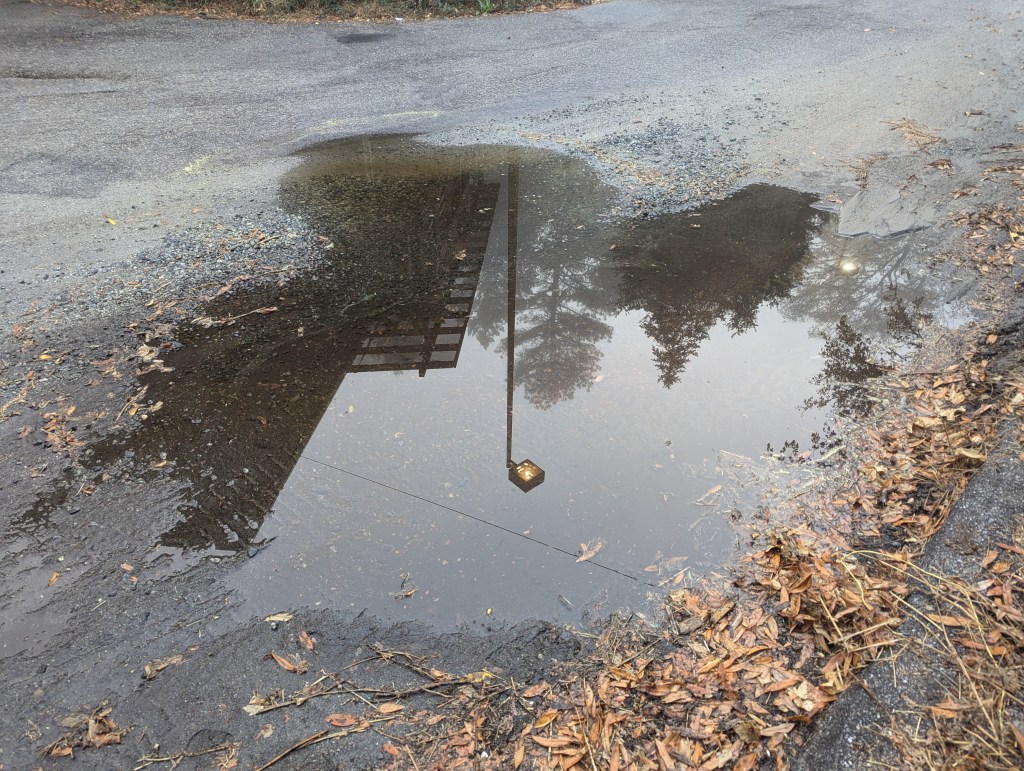
1. A ‘chance or rain’ in the weather forecast here is generally not taken too seriously until something like this happens. It is a genuine puddle. It is wet, and full of water from rain.
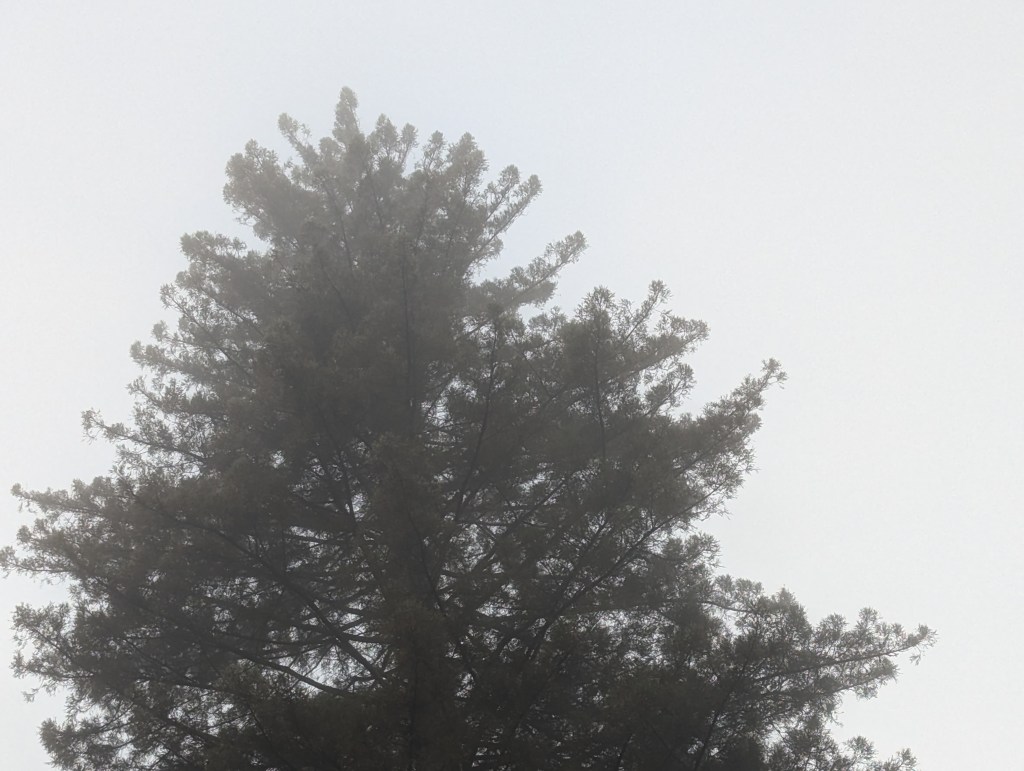
2. Sequoia sempervirens, coastal redwood seems to enjoy this damp weather. It actually enjoys all weather, but appears to be more refreshed by any interruption of arid warmth.
3. Lemna minor, duckweed is even weirder with this border of white foam that develops as the first rain washes away pollen and dusty crud that accumulated since the last rain.
4. Hedychium coccineum X coronarium ‘Peach Delight’ ginger lily, which was blooming for last Saturday, is trying to bloom again. I already doubted its ability to follow through.
5. Brugmansia X cubensis ‘Charles Grimaldi’ angel’s trumpet looks like Carl’s Junior ate too much of its own food. I added this because of response to angel’s trumpet last week.
6. More interestingly, it produced this seed pod. Such hybrids should be sterile. I can not help but wonder if seed is true to type. If so, propagation by cuttings is easier than seed.








 Tony Tomeo