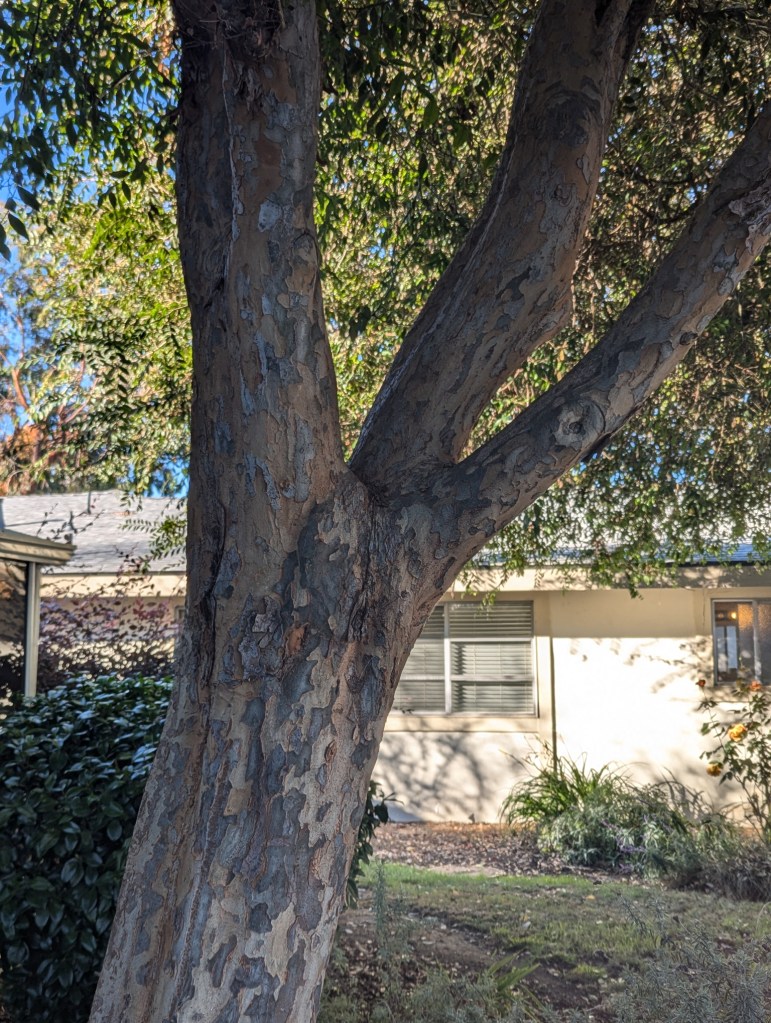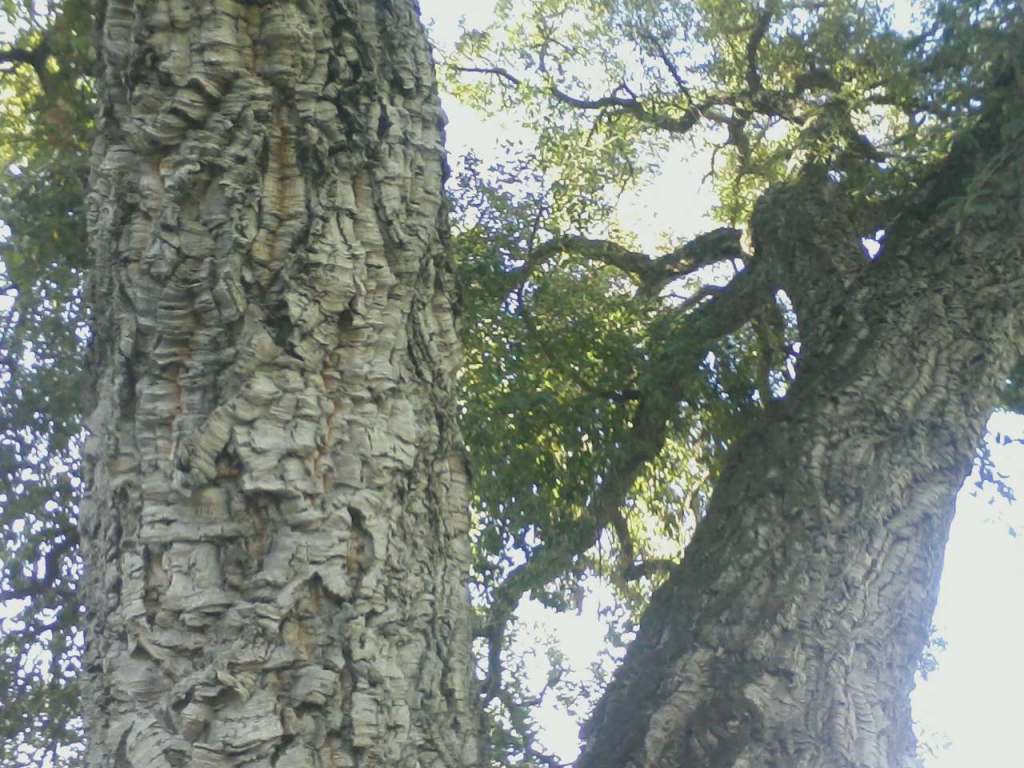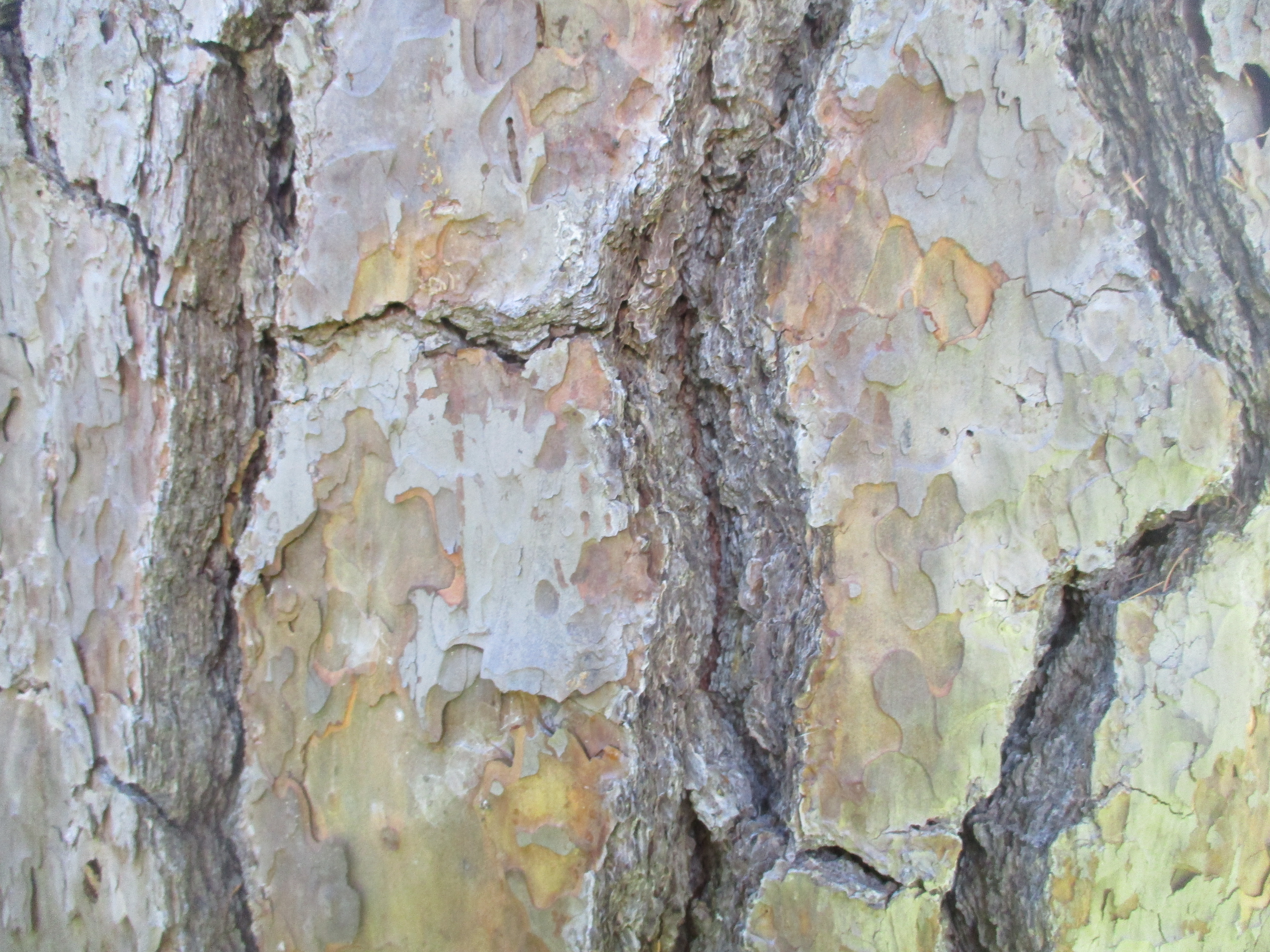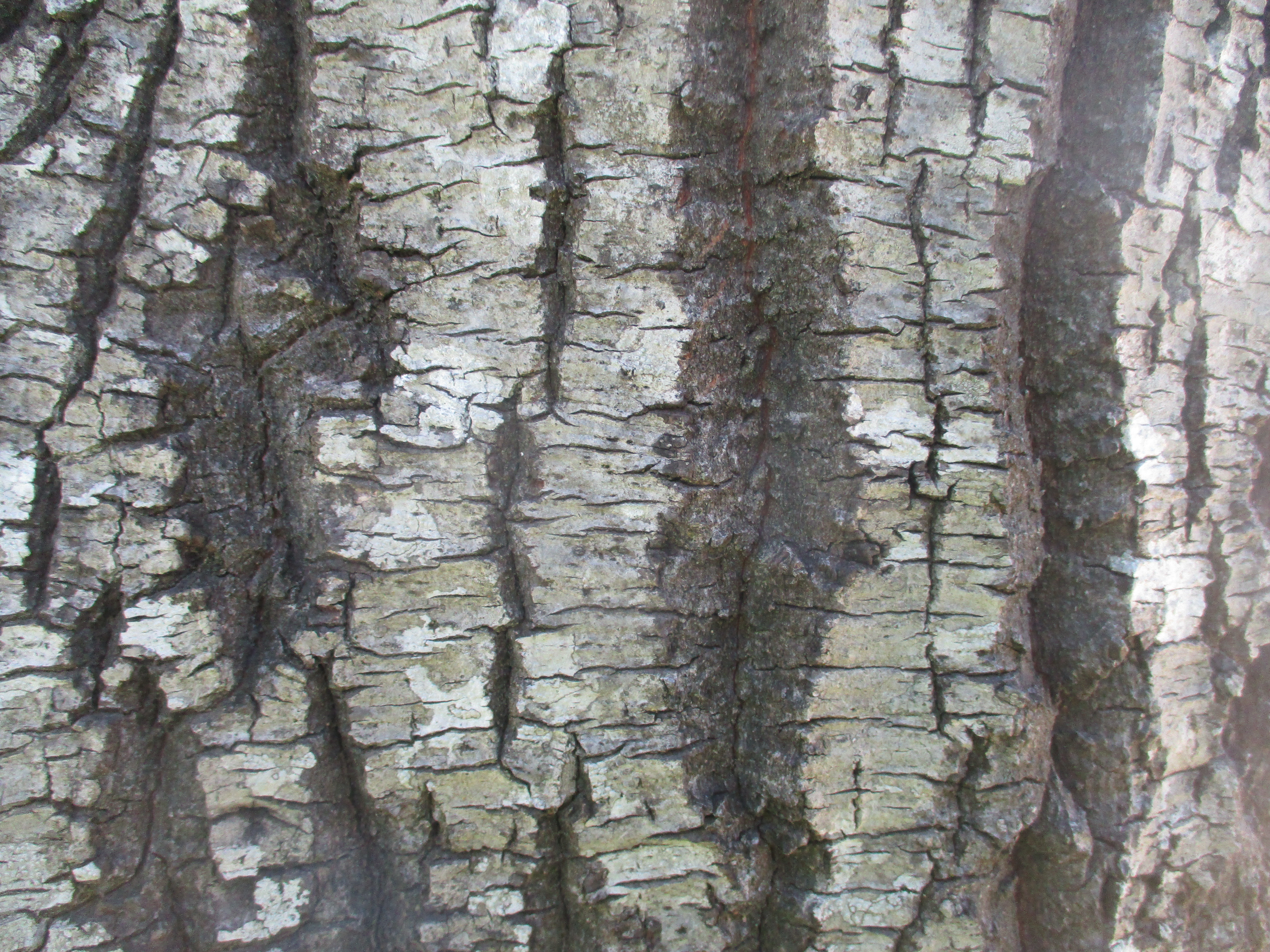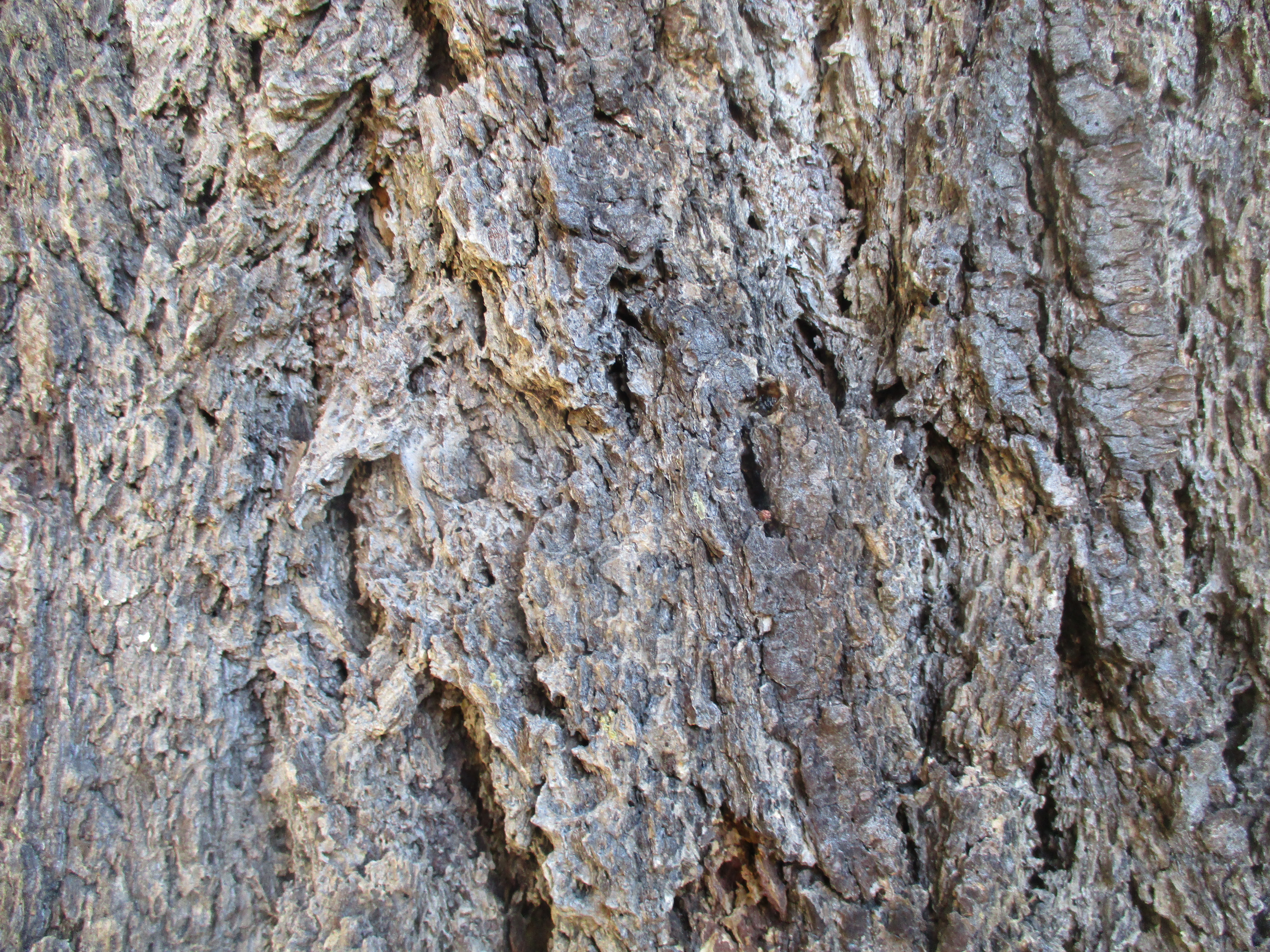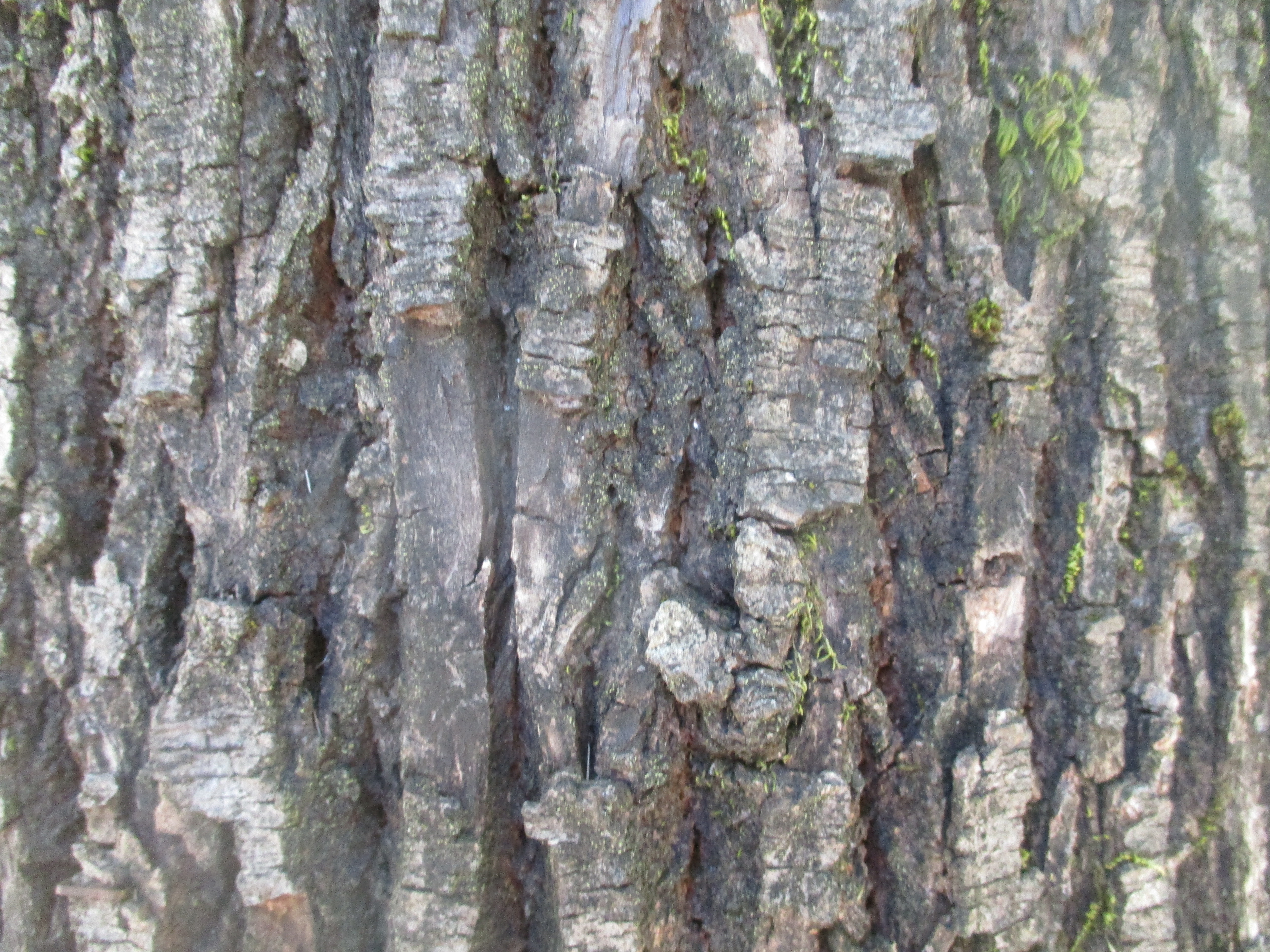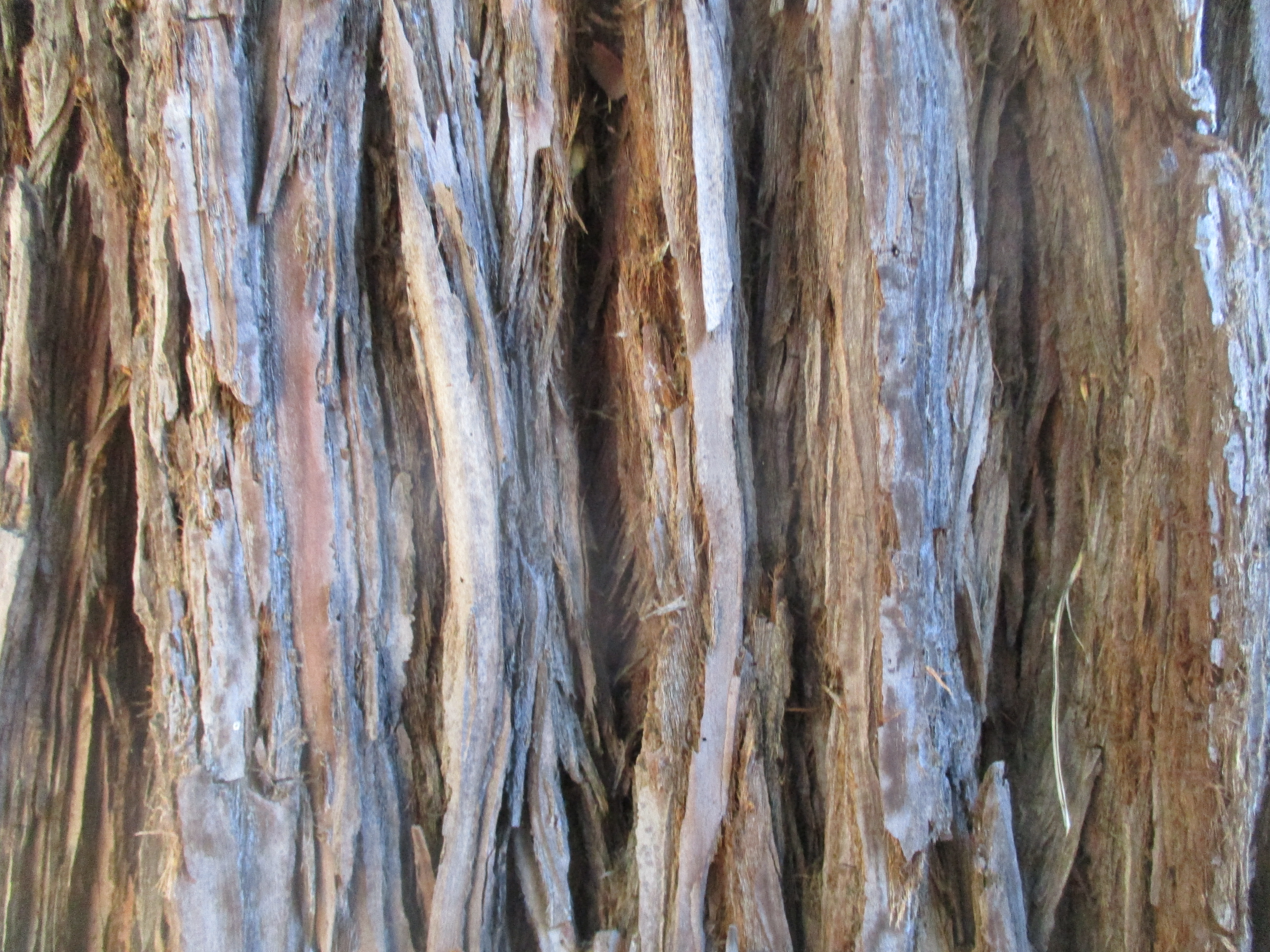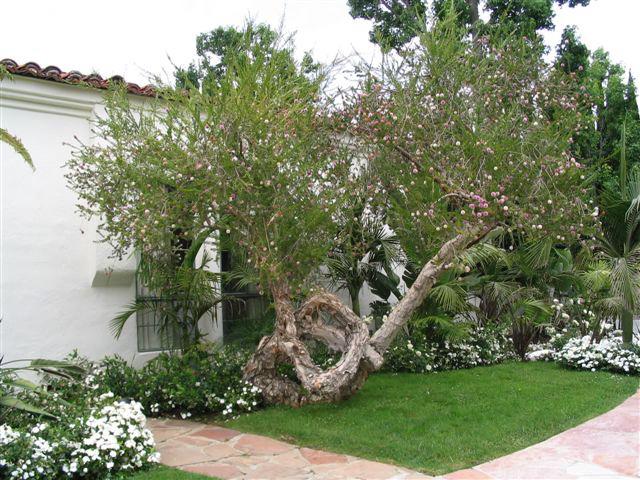
Golden Gate Park in San Francisco has some of the most impressive mature specimens of pink melaleuca, Melaleuca nesophila, outside of their native homeland in Australia. Although most are naturally less than twenty feet tall and wide, their disproportionately bulky trunks are remarkably gnarled and sculptural, as if they have been growing there for centuries. Pink melaleuca actually grows and develops trunk and limb structure rather fast while young, without ever becoming too obtrusively large. Spongy pale tan bark covers the distinguished trunks and limbs like a thick parka.
Sculptural small trees are not the only function of pink melaleuca. They also make nice informal hedges and screens, and can be shorn occasionally if necessary. The round inch long leaves are quite thick. Round inch wide trusses of small staminate flowers bloom slightly purplish pink and fade to pale white through most of the year, except where shorn. (Staminate flowers are showy because of distended stamens instead of petals.) Hummingbirds are grateful for the flowers while not much else blooms through winter. Hard seed capsules that remain in dense cylindrical formation on twigs after blooms are long gone are sometimes used as dried flowers. Like all melaleucas, pink melaleuca is easy to care for, and tolerant of harsh exposure, inferior soil, minimal watering and neglect.