Attracting pollinators is serious business for flowers that do not rely exclusively on wind for dispersion of their pollen. Many flowers attract pollinators with flashy color. Some reward their pollinators with sweet nectar. Many prefer to use fragrance. Most flowers use a combination of two or more of these tactics.
Fragrances are designed by the flowers that use them to appeal to the discriminating taste of specific pollinators. Most are sweet. Some are more perfumed. A few are even quite objectionable to people because they are tailored to flies. Fortunately, flowers with foul fragrances are rare in gardening.
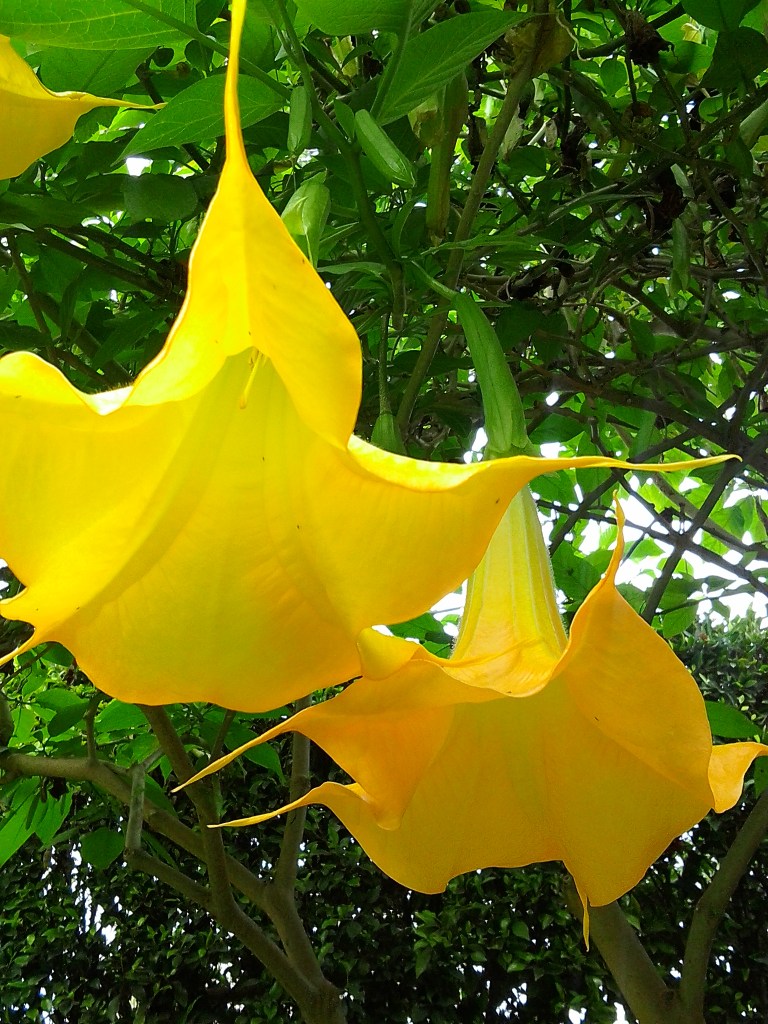
The most fragrant flowers are often less abundant than flowers that rely on wind for dispersion of their pollen, or less colorful than flowers that rely on visual appeal to attract pollinators. Yet, the fragrant flowers of wisteria vines and lilacs are both profuse and colorful. The surprisingly big and fragrant flowers of ‘Charles Grimaldi’ angel’s trumpet are bright yellow.
Mock orange (Philadelphus spp.) conforms to the stereotype of fragrant flowers a little bit better, with somewhat small white flowers that are incredibly fragrant. The small pale pink flowers of daphne are even less impressive and nearly hidden among their foliage, even though their fragrance can not be ignored. The sweetly fragrant flowers of Japanese honeysuckle vines are abundant but not too colorful. Star jasmine vines likewise bloom fragrantly and abundantly, and their bright white flowers contrast better against their glossy green foliage.
Night blooming jasmine is not appealing enough for prominent placement, and is not even fragrant during the day, but will be unbelievably fragrant on warm summer nights. Just as fragrances appeal to specific pollinators, nocturnally fragrant flowers specifically appeal to insects or bats who are active at night.
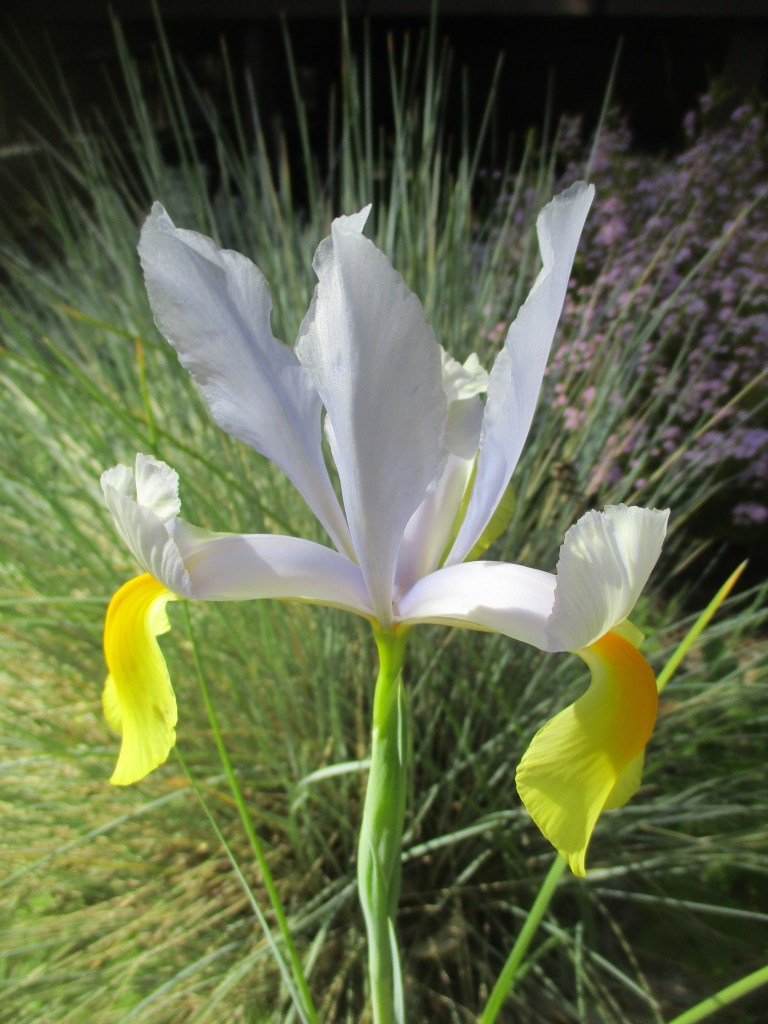
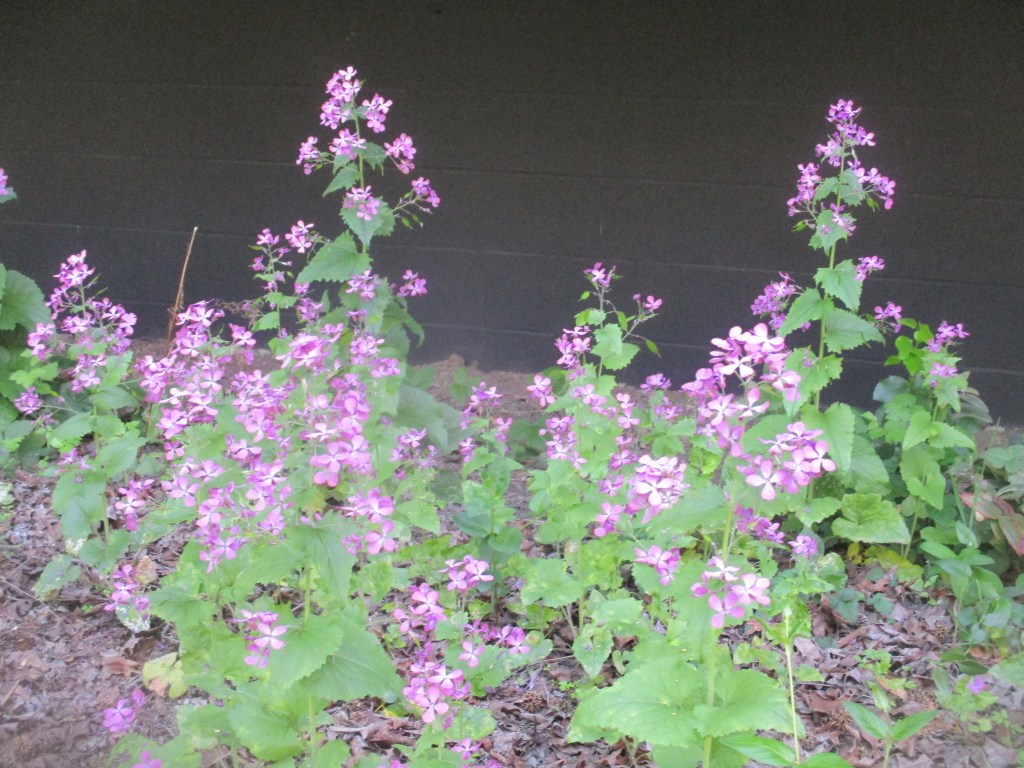
Freesia, hyacinth, lily,narcissus and some types of iris are very fragrant as well as colorful now that they are blooming for early spring. It is unfortunate that their flowers do not last long, and that there are not any comparable flowers later in the year. The same annual sweet peas and stock that bloom about now can be planted again later for autumn bloom. Sweet peas are easiest to grow from seed. Stock is easiest to grow from cell packs, and since it is actually perennial, sheltered plants can survives through warm summer weather to bloom again in autumn. Annual sweet alyssum can bloom anytime while the weather is warm.










 Tony Tomeo