
This jasmine is quite a star. However, this star is technically not a jasmine. Star jasmine, Trachelospermum jasminoides, is instead related to mandevilla and oleander. For many years, it has been one of the most popular vines for home gardens as well as large scale landscapes. It works well either as a ground cover, or as a relatively docile climbing vine.
As ground cover, star jasmine gets about two feet deep. It will be lower and more refined with shearing, but will likely bloom less. It tries to climb shrubbery and trees, so will need exclusionary pruning. However, on a chain link fence, star jasmine works splendidly as a shorn faux hedge. It grows fast to more than ten feet high, but can get significantly higher.
The richly fragrant bloom is most profuse about now, and can continue sporadically until autumn. The inch wide and bright white flowers are shaped like stars, and hang in small clusters. After bloom, the distinctly glossy and dark green evergreen foliage is handsome alone. Individual leaves are a bit longer than two inches and a bit broader than one inch.
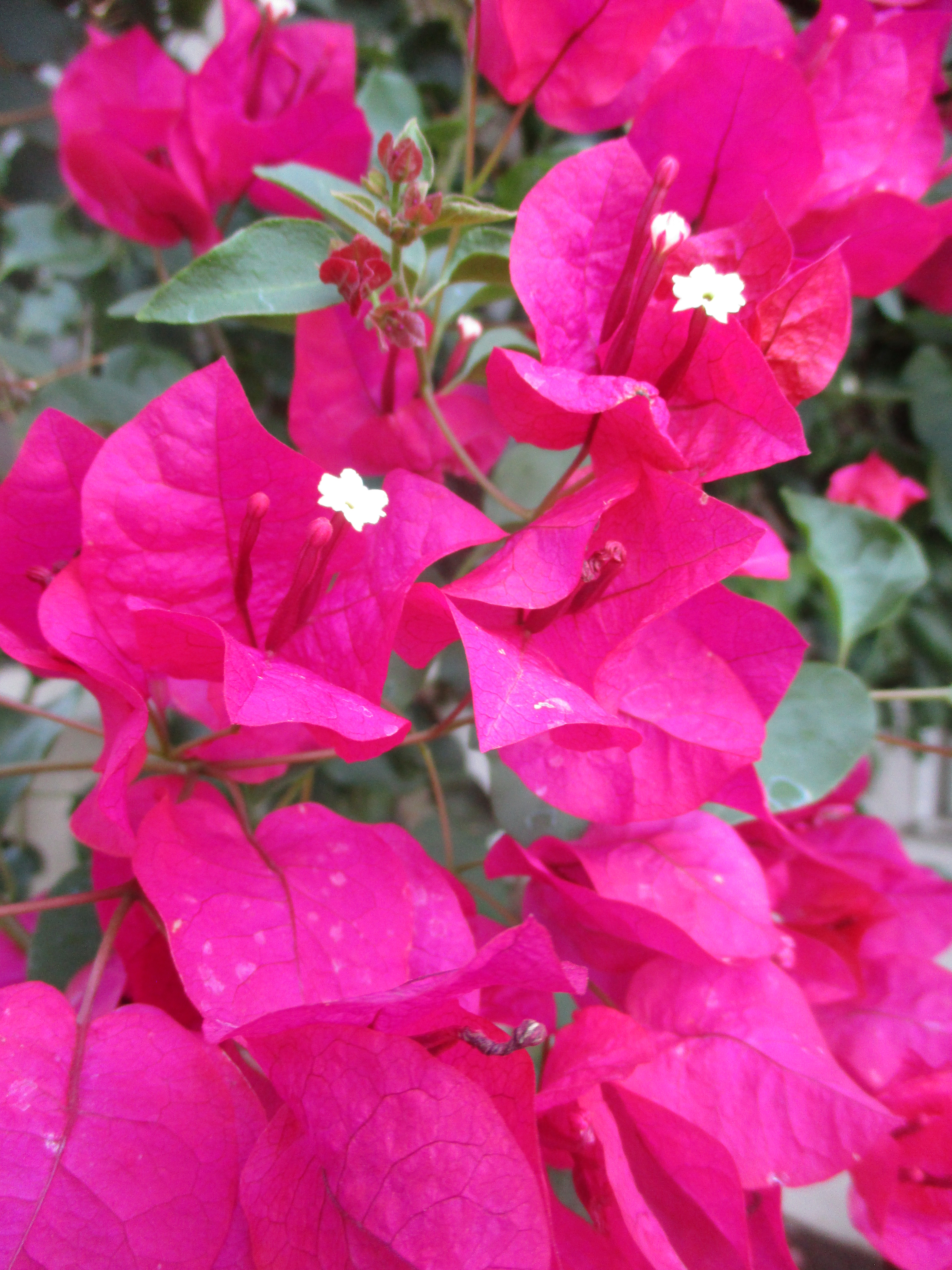
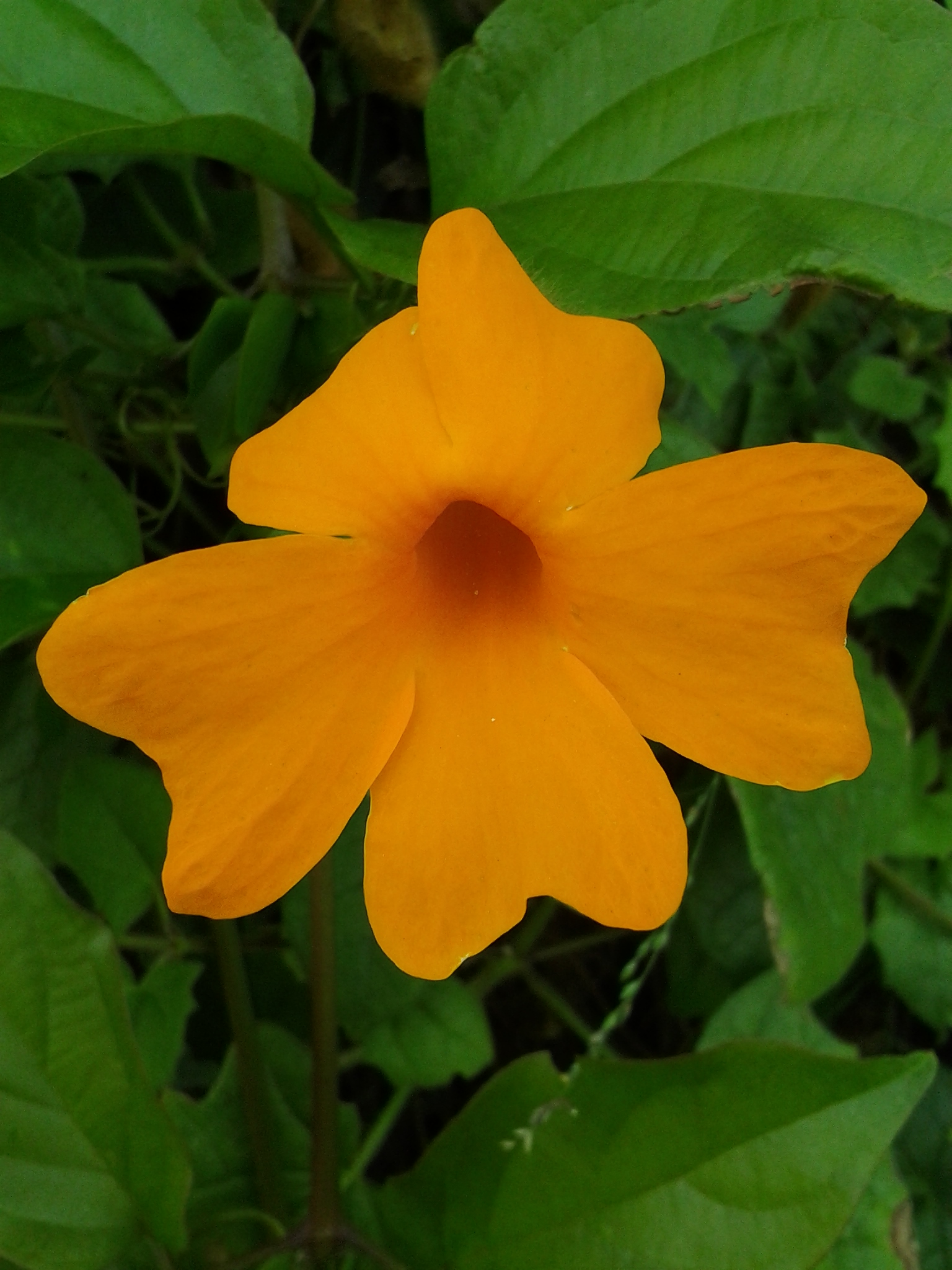
 This is not just another mandevilla. Well, maybe it is. Mandevilla laxa is special though. It is known as Chilean jasmine because, unlike other mandevillas, it is so delightfully fragrant, particularly on warm summer evenings. Some say the fragrance is similar to that of gardenia, but not as strong. Others say it has a bit of vanilla mixed in. Sporadic bloom continues through most of summer.
 ‘Alice Dupont’ mandevilla that was so popular through the 1980’s was already a cool vigorous but not too overwhelming vine, with big clear pink radial flowers. It grows rather vigorously to upstairs eaves, and tends to get bunched where it reaches the top of its support. Modern cultivars with red, white or bright pink flowers are more compact and tame, and can stay below downstairs eaves.
 A landscape designer would have more fun describing both the modern and the good old fashioned varieties of morning glory. Their vivid colors are so resplendent. Their rich green foliage is so luxuriant. Their delicate vines are so elegant. Hey, perhaps this is not so difficult. Anyway, the popular garden varieties of morning glory are descendents of various species of the genus Ipomea.
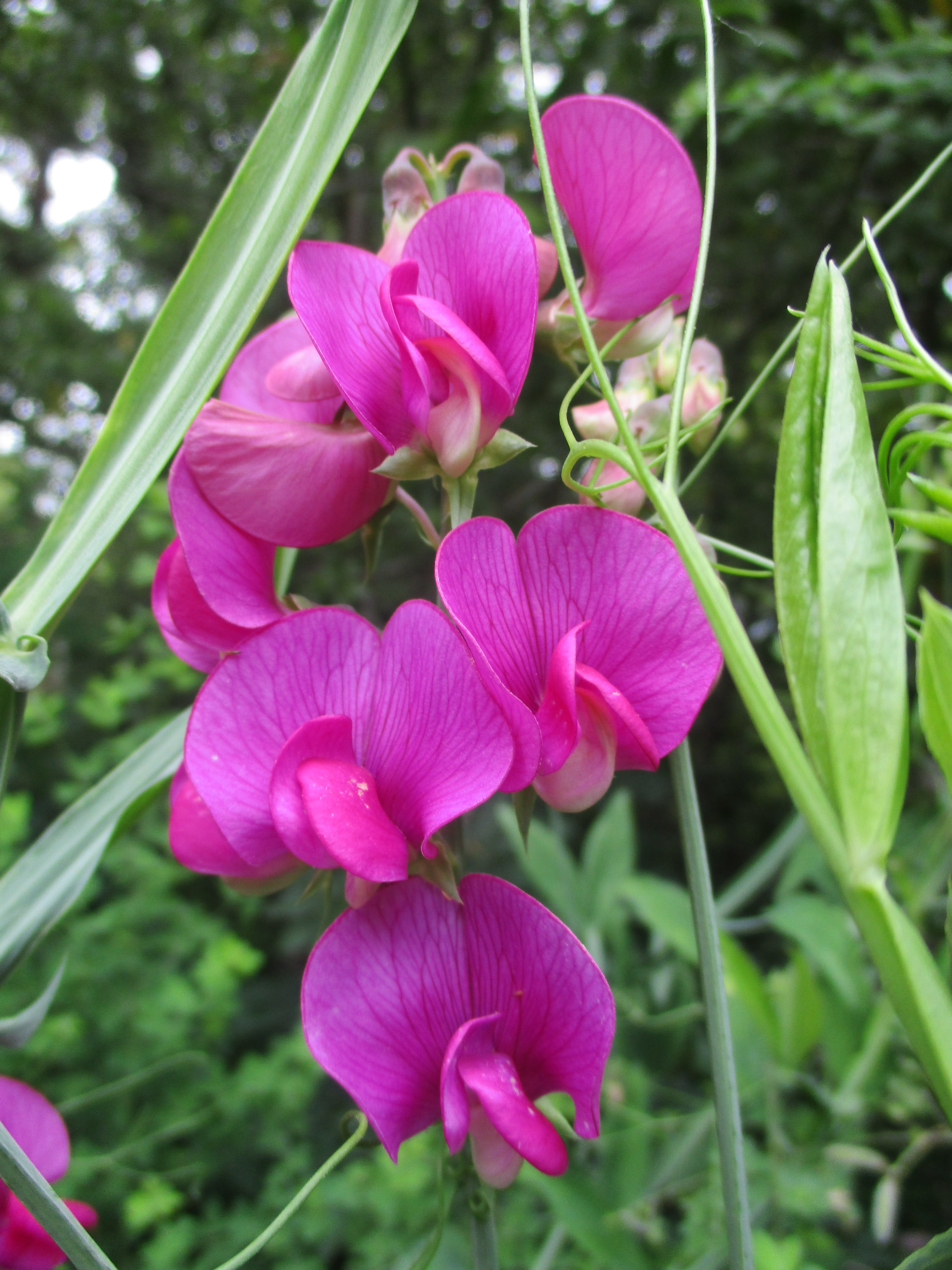 Whether it is grown intentionally, or considered to be a common roadside weed, there is no denying that perennial pea, Lathyrus latifolius, knows how to brighten some of the wilder parts of the garden with brilliant purplish pink bloom. Some garden varieties bloom either pale pink or white, just like a few random feral plants do. Bloom resembles that of sweet pea, but without fragrance.
 Red trumpet vine, Distictis buccinatoria, is more green than red. The tubular orangish red flowers with yellow throats are pretty while weather is warm, but not too abundant. Slightly distressed plants tend to bloom more abundantly. Each evergreen compound leaf is a pair of leaflets with a sneaky central tendril that will grab onto anything while holdfast discs get a more permanent grip.
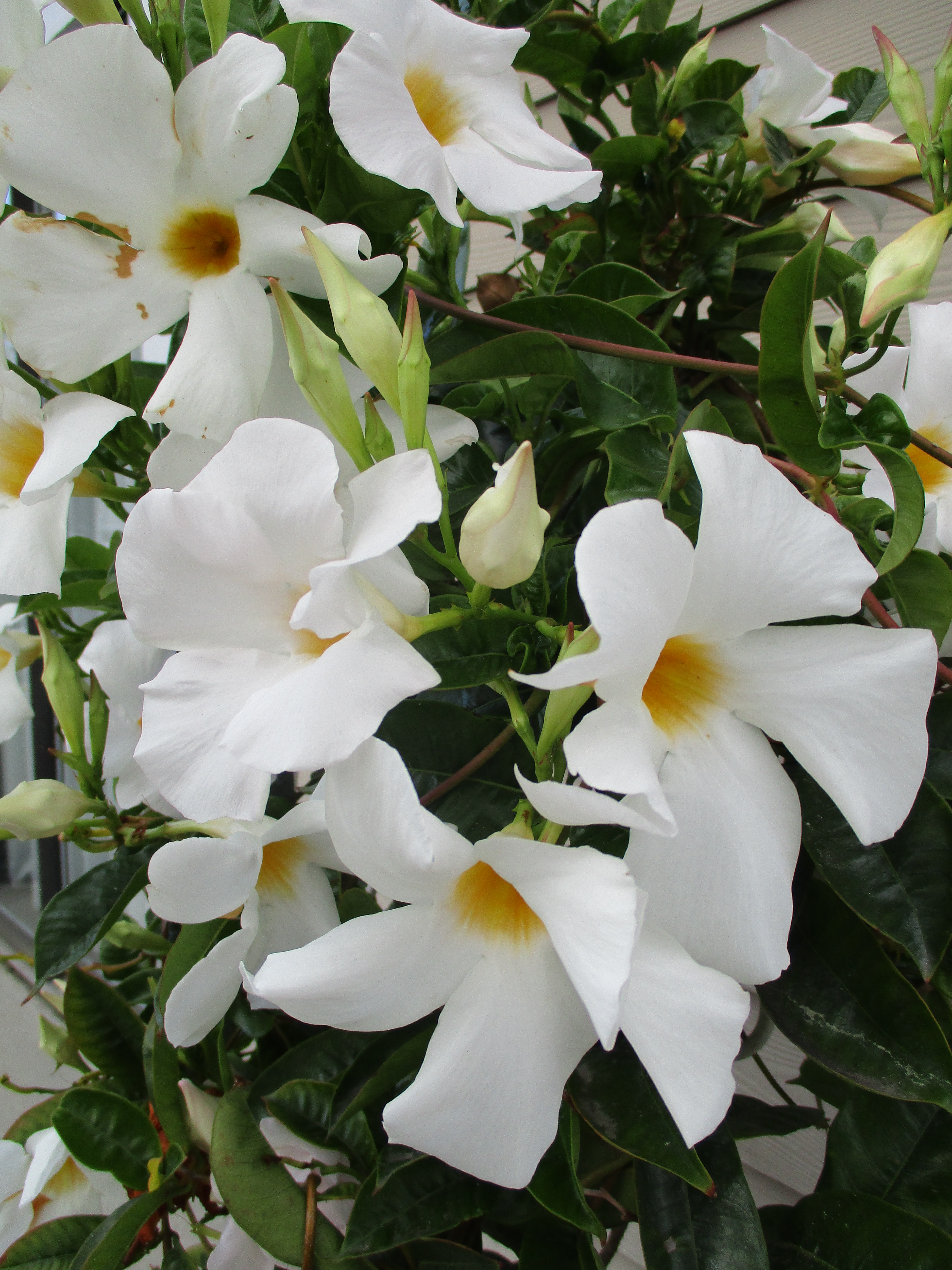 Pink, red or white are the only choices. There happens to be a darker shade of red. Yellow throats are more conspicuous in white flowers. Otherwise, there is not much variation of color amongst the various mandevillas. The flowers are very similar in both color and form to those of related oleander, but are larger. Some are as wide as three inches. Small flowers can have pointed petals.
 Even within its native range, blue dawn flower, Ipomoea indica, can be a problem. There are not many other plants in some coastal regions of Peru that can avoid getting overwhelmed by the aggressive wiry vines. These vines grow roots where they touch soil, so can spread indefinitely over the ground. Vines that succumb to frost over winter regenerate as if nothing ever happened.
