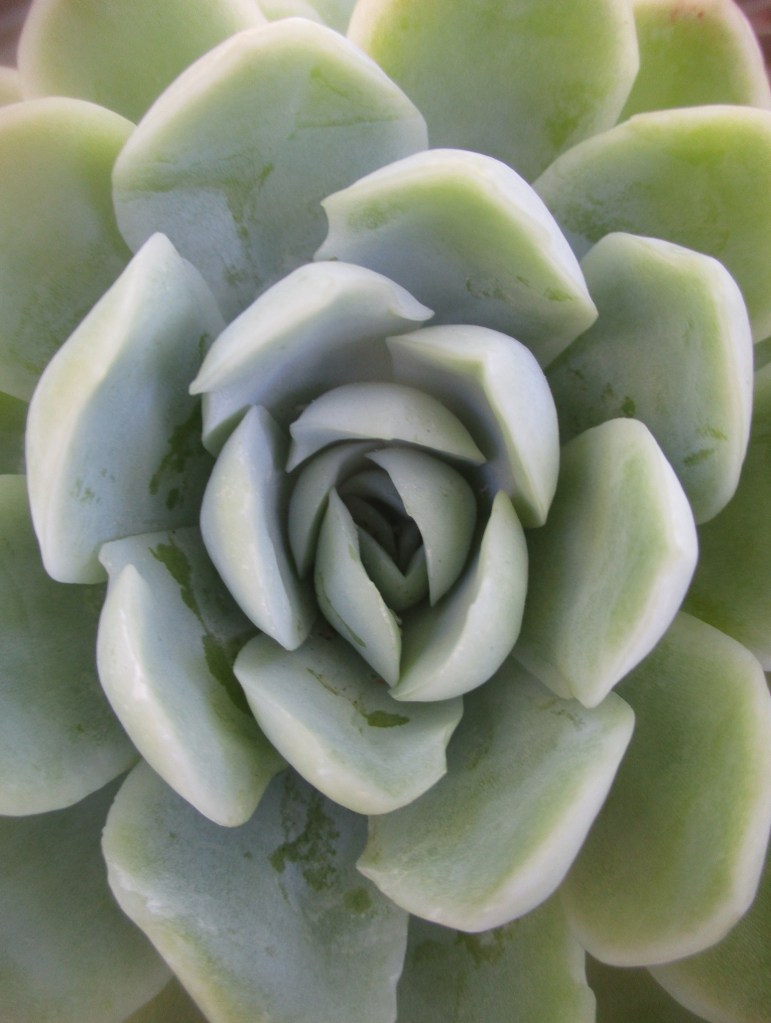
Some might know Mexican snowball, Echeveria elegans, as hen and chicks. However, a few species of Echeveria and related Sempervivum have the same name. Foliar rosettes produce smaller rosettes that resemble chicks around their mother hen. Smaller rosettes, or pups, are easy to separate and grow into new plants. Some might already have roots.
Individual rosettes seem to be nearly spherical, but are a bit wider than high. The biggest are only about four inches wide. The evergreen foliage is very pale bluish green. Leaves are plumply succulent. Their arrangement is neatly symmetrical like scales of pinecones. Rosettes form colonies, which resemble stashes of snowballs more than hen and chicks.
Mexican snowball prefers sunny exposures with regular irrigation. It can tolerate a slight bit of shade and lapses of irrigation, though. It is popular as a component of mixed small perennials in large pots or urns. For low stone retaining walls or berms, it can grow from crevices. Its small pink flowers with yellow tips usually bloom as winter becomes spring. Although small, the color contrasts nicely with such pale foliage.




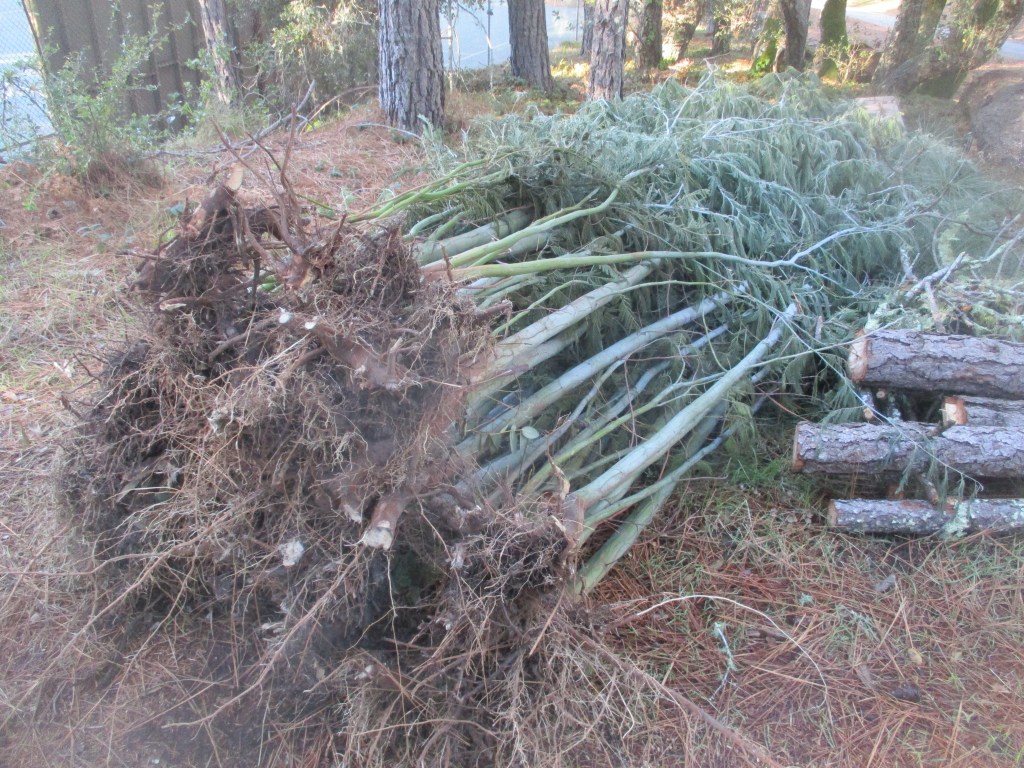


 For a tree that is native to the upper elevations of the Rocky Mountains, blue spruce, Picea pungens, does surprisingly well here. It only wants to be watered a bit through summer to compensate for the lack of rain and humidity in chaparral climates. It does not seem to miss a more pronounced chill through winter. Disease and insect infestation are uncommonly noticeable or damaging.
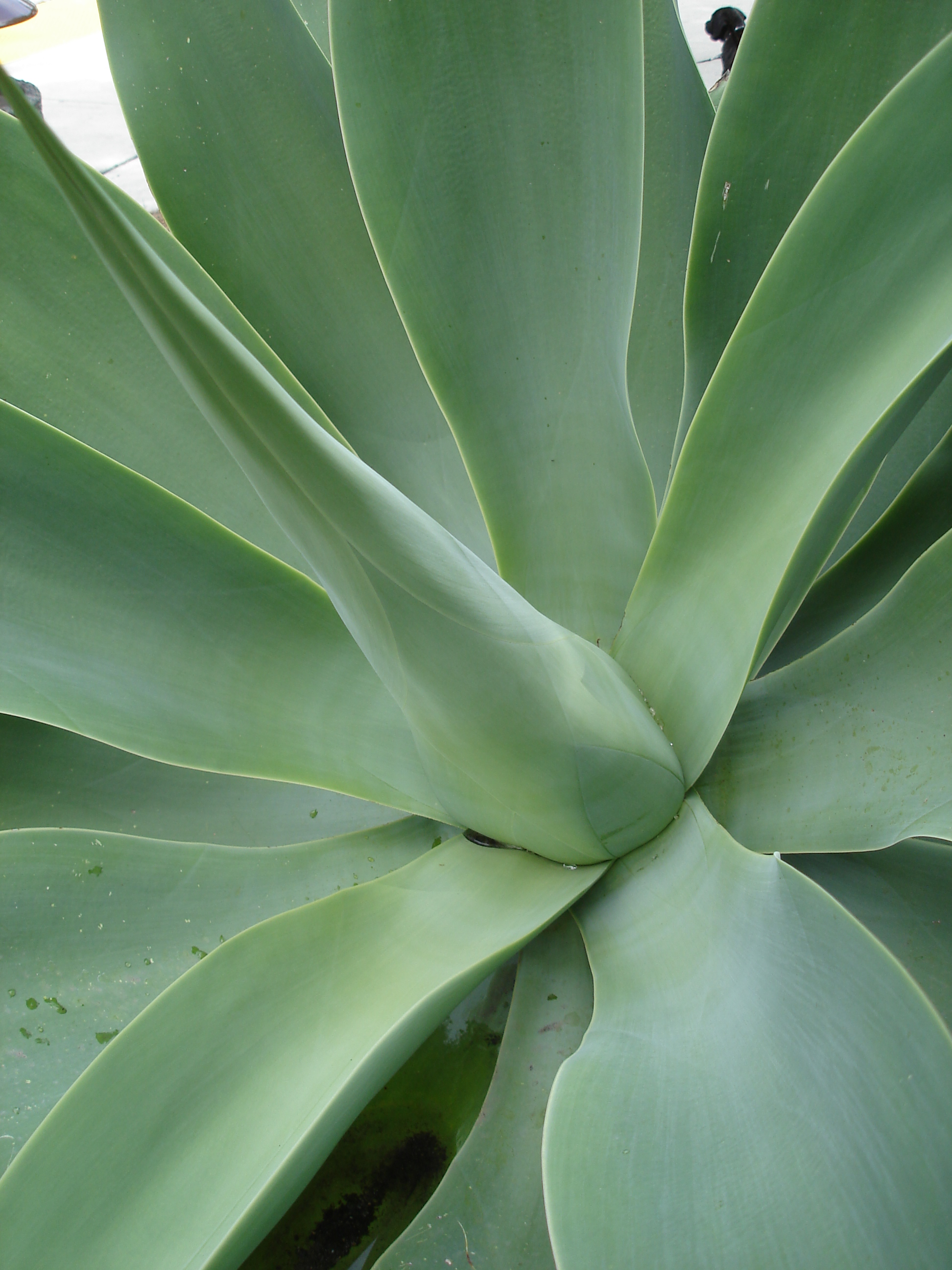 Agaves are innately tough and undemanding. The main reason that they are not more popular in home gardens is that they are outfitted with nasty foliar spines. The worst of these spines are the distal tips of the large succulent leaves. Most agaves are also armed with shorter recurved spines on the margins of their leaves. Gardening with such well armed perennials can be dangerous.
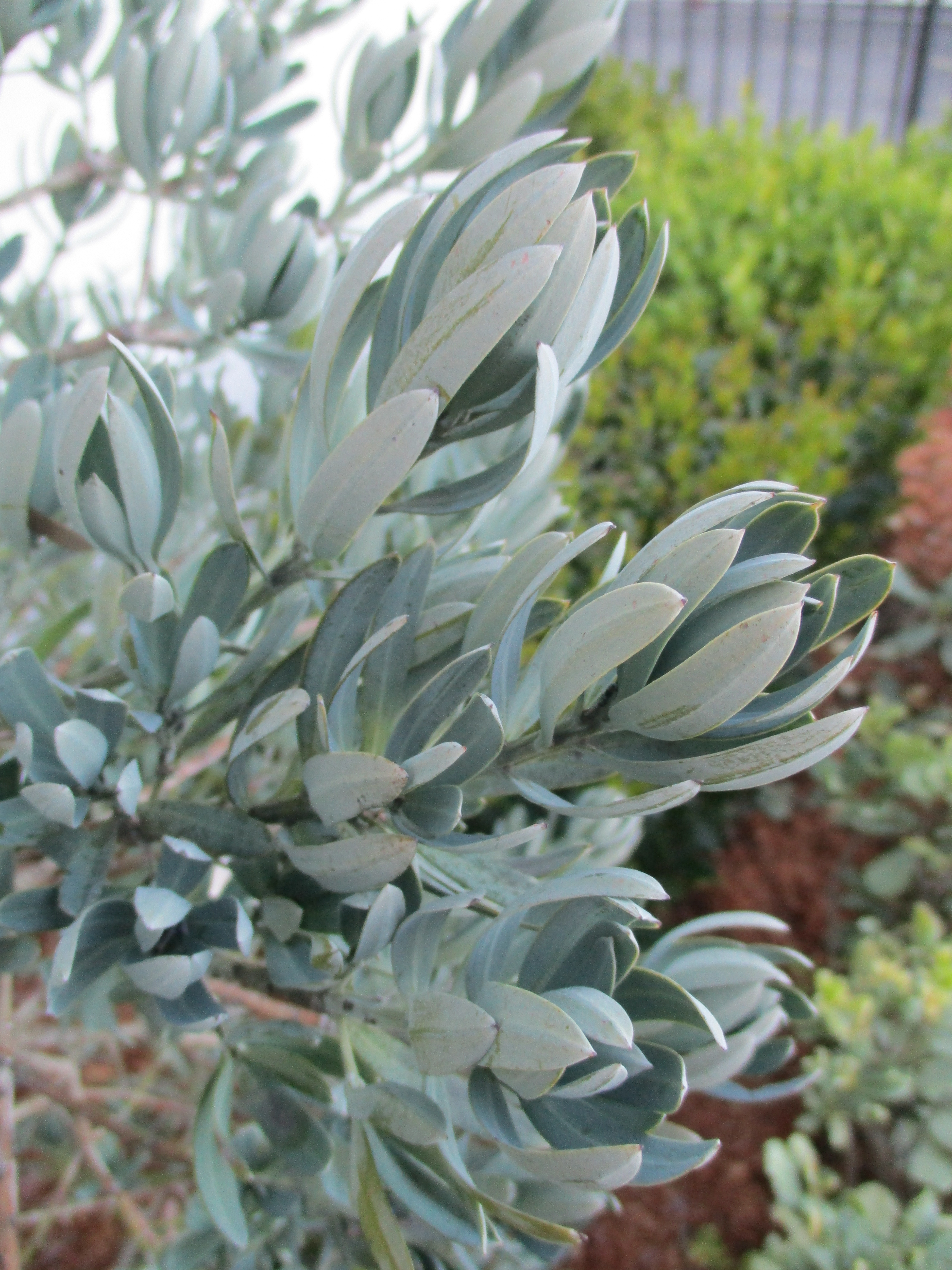 No, it is not an oxymoron. ‘Yellowwood’ is the common name for a few specie of Podocarpus. The evergreen (or ‘everblue’) foliage of ‘Icee Blue’ yellowwood, Podocarpus elongatus ‘Monmal’, really is as silvery grayish blue as the name implies. It can be as striking as some cultivars of Colorado blue spruce. It grows slowly in narrow columnar form to only about fifteen or twenty feet tall.
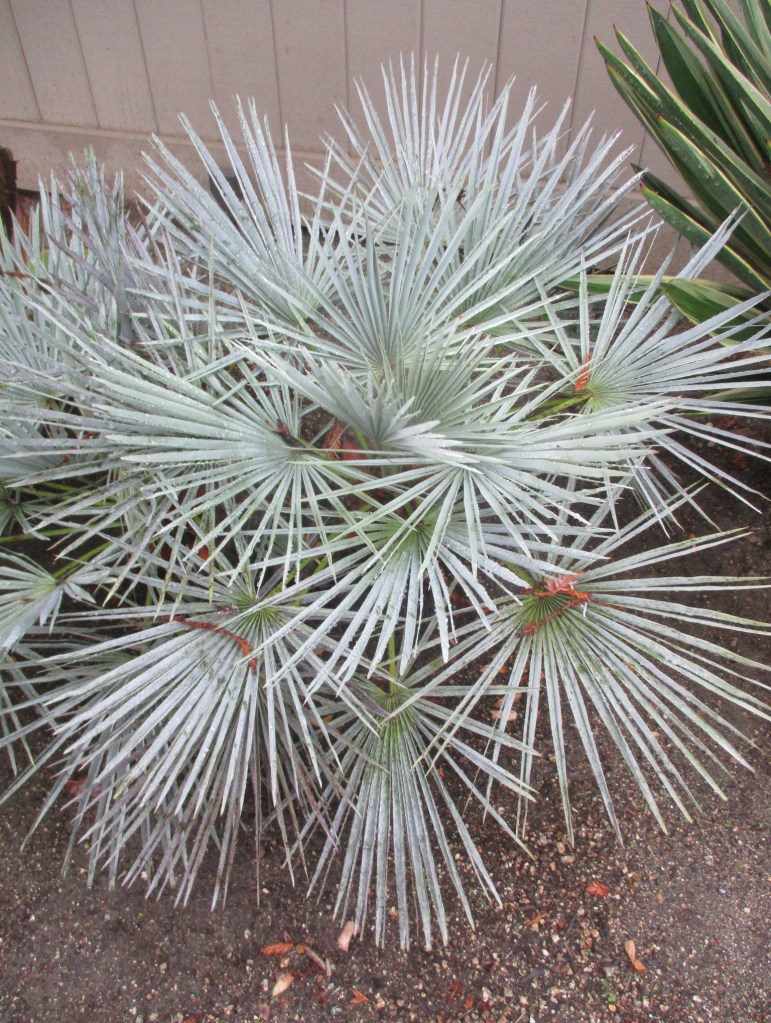
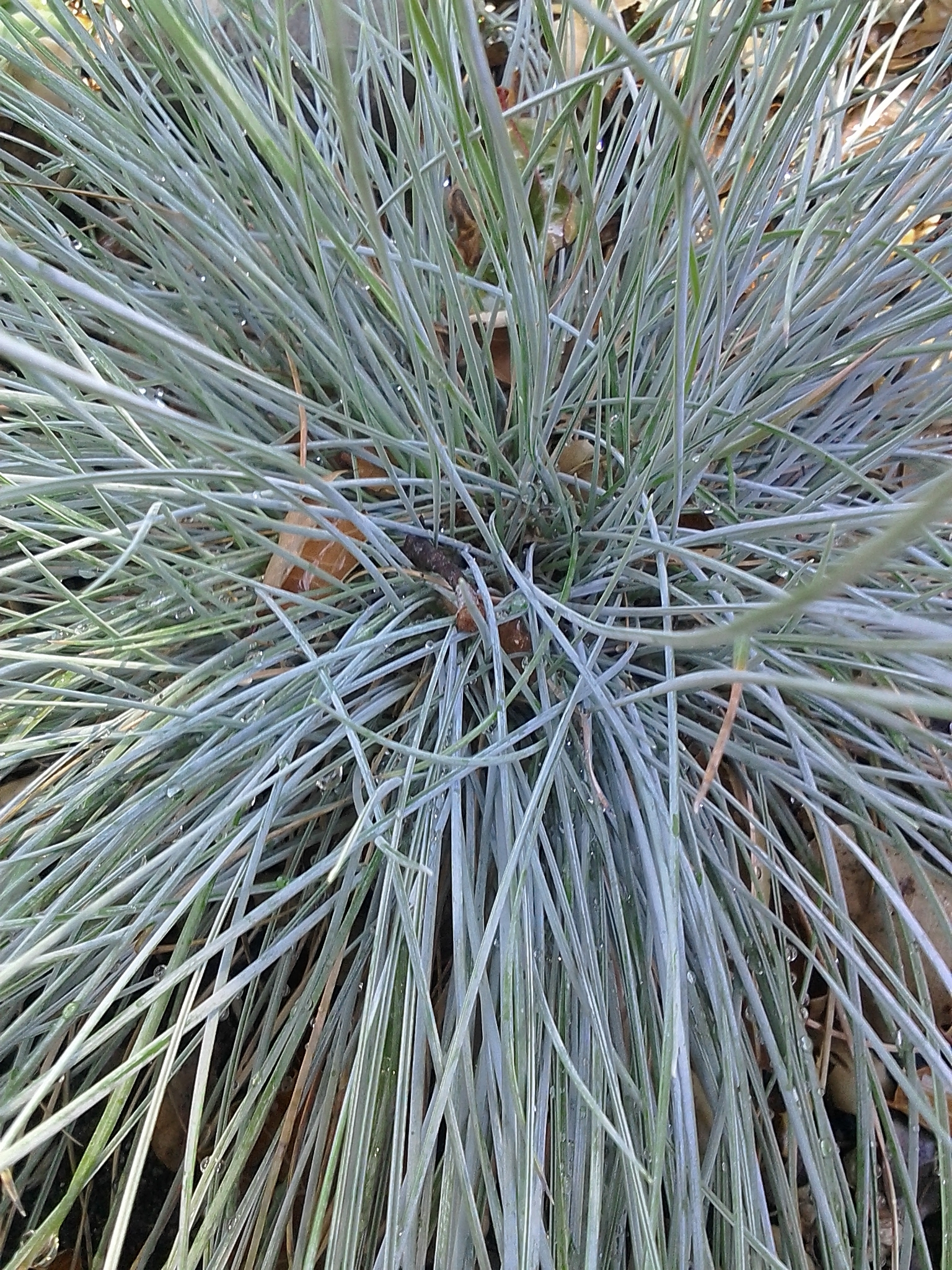 To avoid confusion with dwarf fescue blue turf grass, Festuca ovina glauca is more familiarly known as blue festuca. If planted close together and left to spread as a small scale ground cover, it is much lumpier and mounding than uniformly spreading turf. It is a clumping perennial that is more popularly grown as distinct tufts of finely textured blue gray foliage that looks like gray sea urchins.
