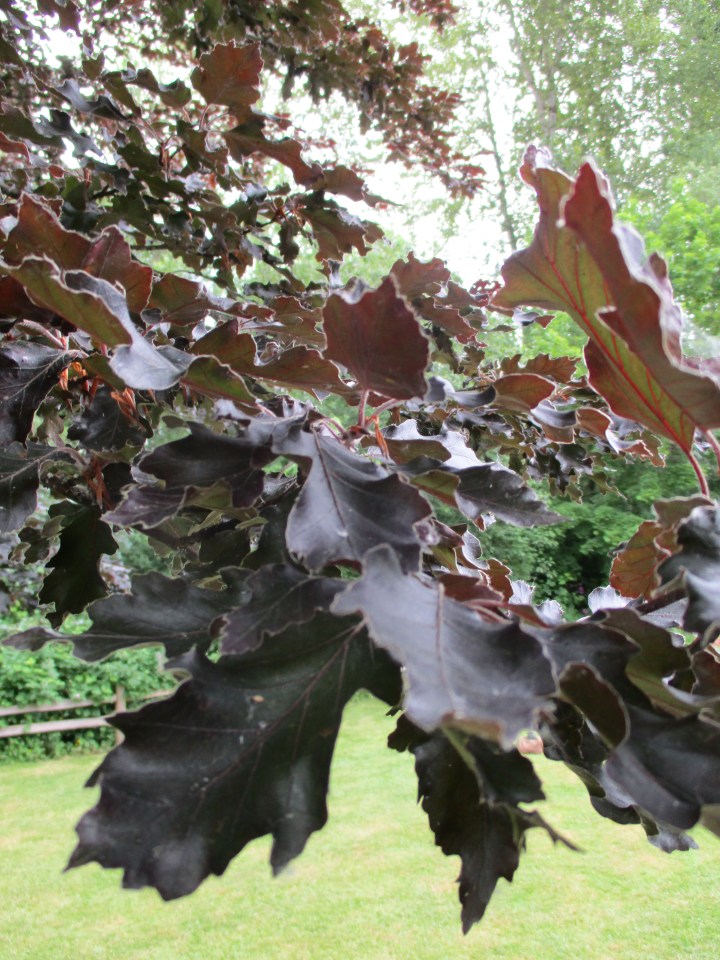
 Compared to crape myrtle, sycamore (London plane) and many other more popular trees, the beech, Fagus sylvatica, is much less problematic, and really deserves more respect. Although it can eventually get almost as big as sycamore, it has remarkably complaisant roots. It is neatly deciduous, defoliating only in autumn, without noticeable floral mess. Disease and pests are rare.
Beech is probably unpopular with landscapers because new trees are a bit more demanding than other tree specie are. (Landscapers prefer easier trees.) Until they disperse their roots, they are more likely to desiccate if they do not get watered regularly enough, and more likely to rot if watered too much. They grow somewhat slowly, so need to be pruned more carefully for a high canopy.
Those of us who tend our own gardens do not mind the extra effort for such a distinctive tree. The handsome foliage can be rich green, coppery bronze, darkly purplish or variegated with white or pink that fades to white. A cultivar with sunny yellow new foliage fades to green by summer. Most beeches have spreading branch structure, but some are strictly vertical or sculpturally pendulous.
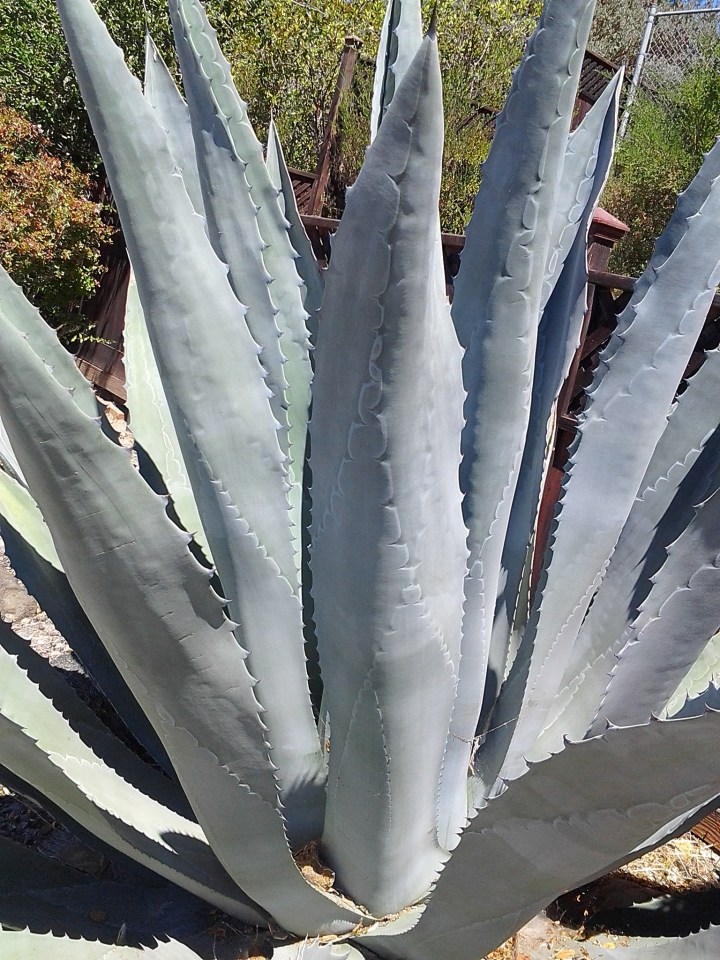 Flowers were originally colorful only to attract pollinators. Breeding has improved the color and quality of many garden varieties of flowers, to make them more appealing to the people who grow them. Some have been bred so extensively that they are sterile, which defeats the original function of flowers. Now their function is merely to look good in the garden. Improvements are relative.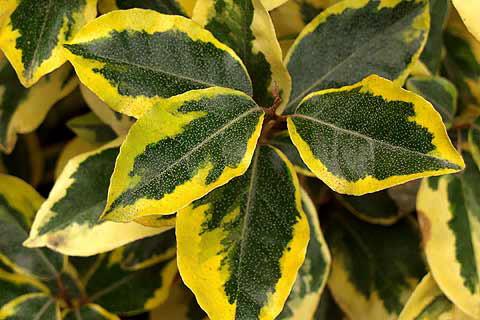
 Fans of the Brady Bunch might recognized agonis, Agonis flexuosa, from the front yard of the Brady Residence. That particular tree was rather dark olive green, and might have grown two or three feet annually to reach the upstairs eaves. Most of the popular modern cultivars are darker bronze or burgundy, and probably stay a bit shorter, but attain the same elegant and slender form.
 Tony Tomeo