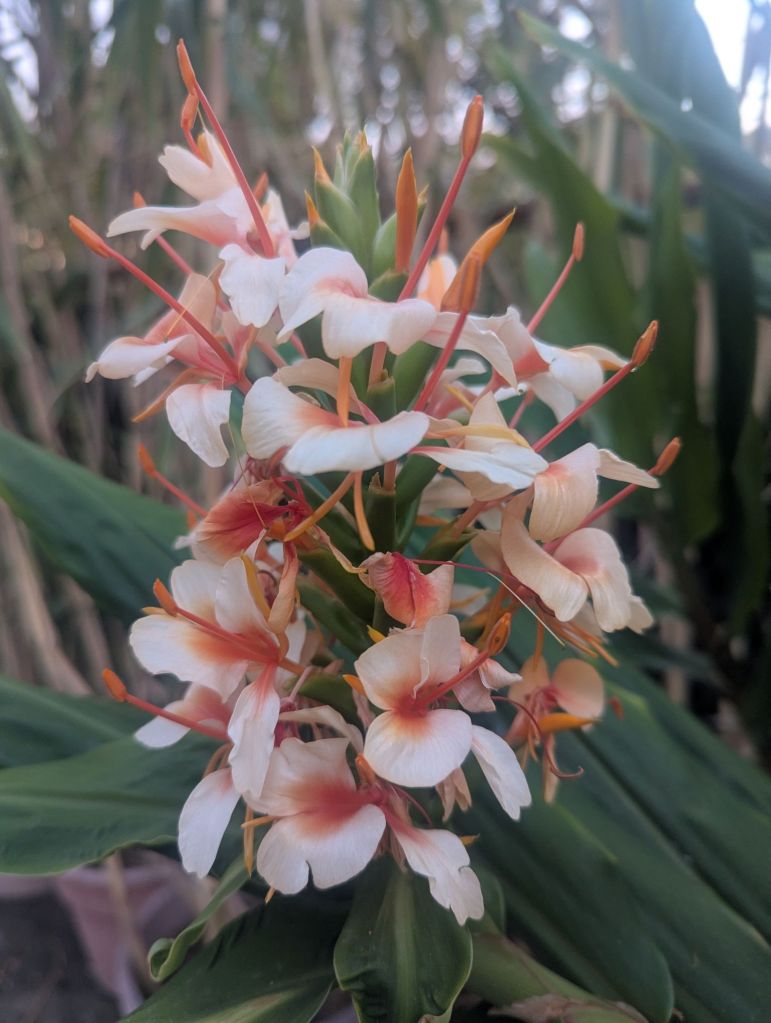
Ginger lilies prefer spring planting to autumn planting. This is because they are in bloom for autumn. They grow through summer to get ready. Pradhan’s ginger lily, Hedychium spicatum ‘Pradhanii’, for example, is blooming now. After bloom, deadheading neatens remaining foliage until later in winter. Then, such foliage is tired enough for cutting back.
Pradhan’s ginger lily grows by dispersing thick and vigorous rhizomes. Foliar canes are about five feet high, and lean towards sunlight. Leaves extend from side to side of each cane. Floral trusses of inch wide flowers are about seven inches high, and three inches wide. Flowers are peachy pink and fragrant like Southern magnolia bloom, but stronger.
All gingers enjoy warm and humid situations. Within local semiarid climates, they prefer partial shade through midday. Sunlight promotes bloom, but may burn exposed foliage. Soil should be organically rich and loose. Irrigation should be sufficient to maintain even moisture within such soil. Fertilizer enhances green foliar color and may promote bloom. Pradhan’s ginger lily blooms somewhat earlier than other ginger lilies bloom.
“Autumn is for planting.” This is a common marketing campaign among nurseries at this time of year. Also, it is generally true. Of course, as with most generalizations, there are some exceptions. Bare root season is during winter. Summer bulbs prefer planting after the coldest weather of winter. Many species nonetheless prefer planting during autumn.
Cooling weather is less stressful for new plants while they begin to disperse their roots. Yet, the soil is still warm enough to promote healthy root dispersion. Later, rain will keep the soil evenly moist and provide all the moisture new plants need. Even if growth is not evident above the soil, it is probably active below. Roots grow until cold winter weather.
Simultaneously, most common pathogens and weeds are less vigorous during autumn. Many diseases need spring and summer warmth to proliferate. Insects are similarly less active now that the weather is cooler. Although weeds have dispersed their seed, some of it will not grow until next year. New plants can have the whole garden to themselves.
Planting in autumn gives the plants an advantage next spring too. Although they appear dormant through winter, they slowly continue to disperse roots. By spring, their roots are more dispersed than they would be if planted in spring. They are ready to grow as soon as the weather warms after winter. There is less delay to disperse their sustaining roots.
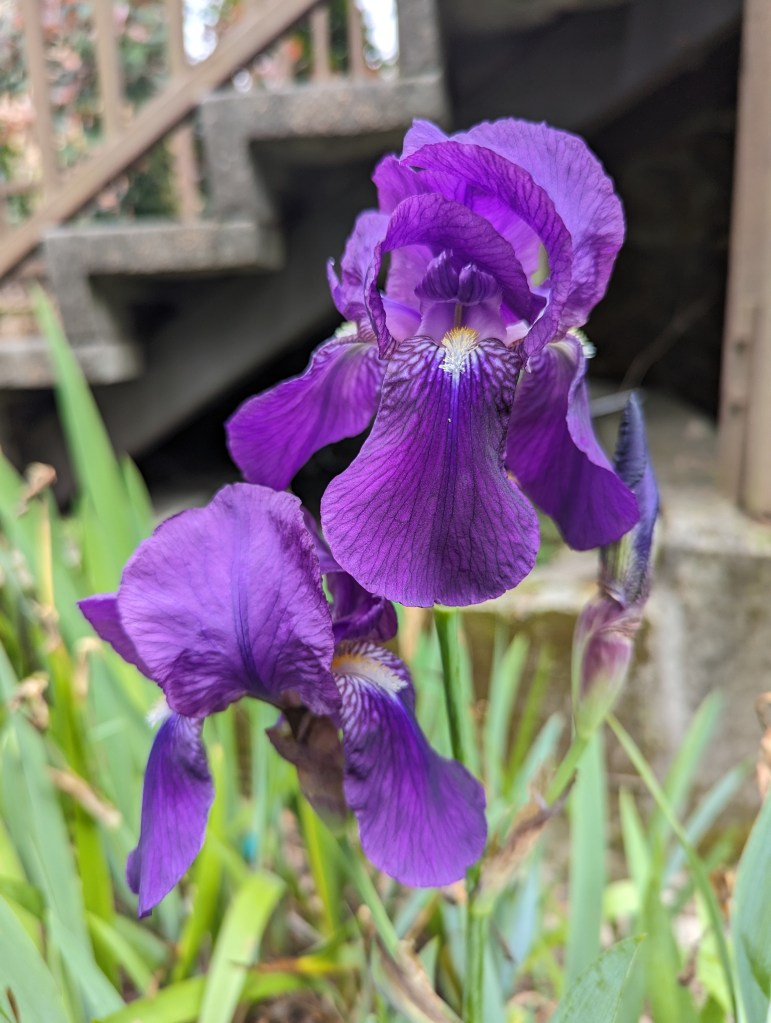
Many bulbs and bulb like plants are naturally dormant by late summer or early autumn. Spring bulbs, such as daffodil, hyacinth, crocus, tulip and allium, will soon be in season. Not only are they dormant, but some also bloom better after vernalization by winter chill. Bearded iris are already dormant and ready for division. So are many larger perennials.
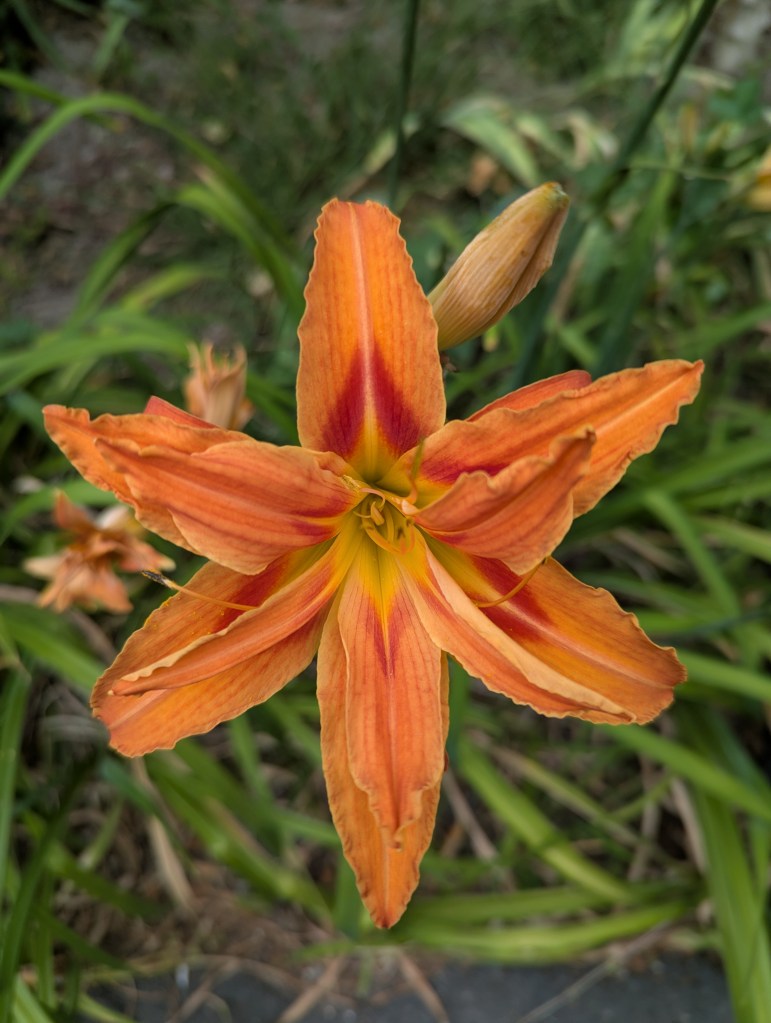
Because some plants are dormant or visually tired by now, some nurseries have sales. This could be a good time to purchase certain items at a discount. Daylily is an example of a perennial that begins to defoliate about now. Nurseries do not want to keep them in stock while they are dormant and mostly bare. New foliage develops shortly after winter.
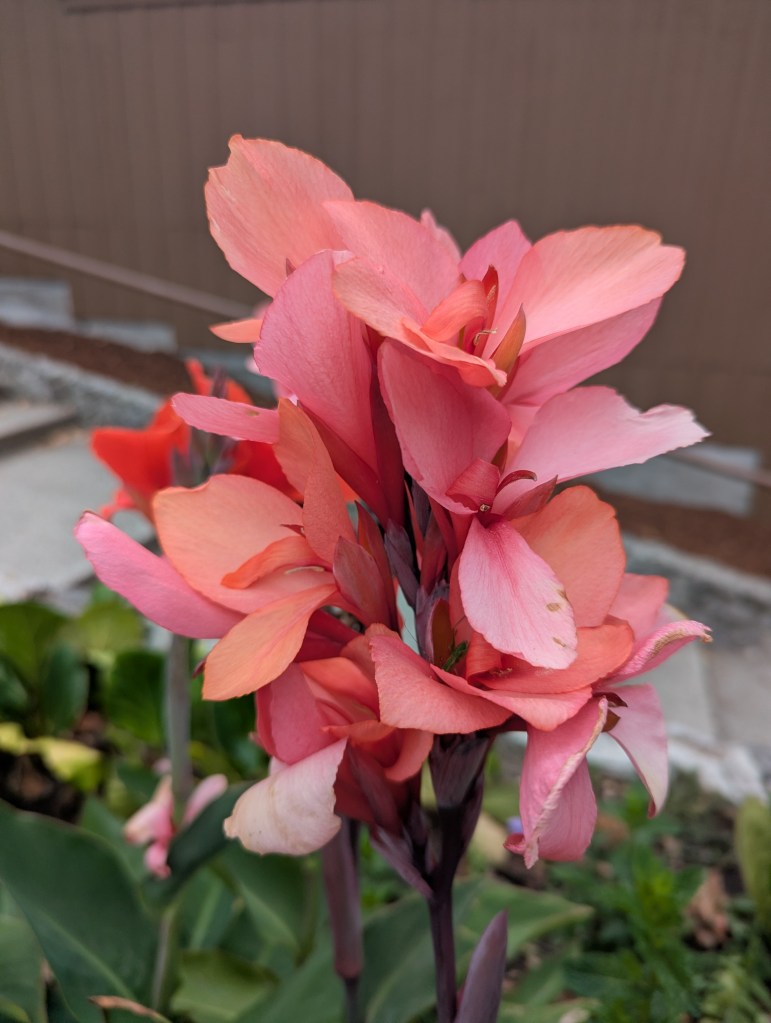
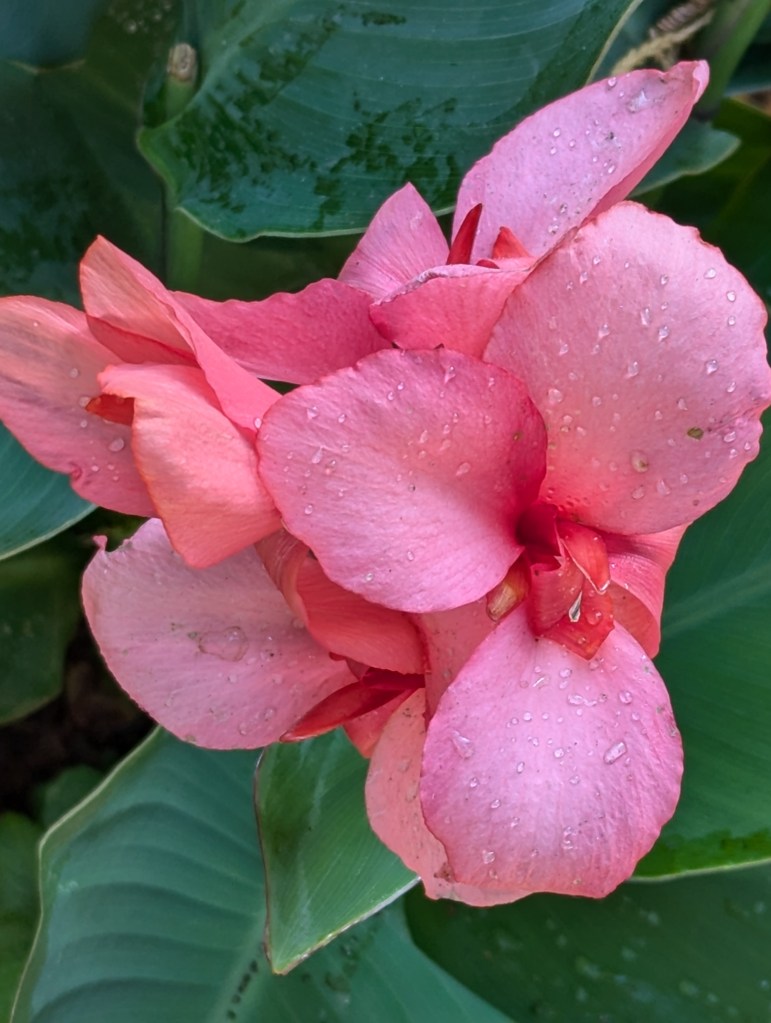
The many distinctive garden varieties of Canna typically begin as late or summer bulbs. They go into the garden as dormant rhizomes at the end of winter or beginning of spring. Then, they grow fast to bloom for summer. They continue to bloom until late autumn or, in mild climates, early winter. However, Canna foliage is as appealing as its colorful bloom.
The big and lush leaves may be green, bronze, striped or variegated. ‘Australia’ has very deep bronze foliage with fiery red bloom. ‘Tropicana’ has green, yellow, bronze and pink stripes with fiery orange bloom. ‘Stuttgart’ blooms merely with wispy pale orange flowers. However, it does so on high stems with foliage which is irregularly variegated with white.
Floral color can be pink, red, orange or yellow, either bright or pastel. Variegated, spotty or blotchy combinations of color are common and popular. Yellowish white is quite rare. Tall Canna can grow eight feet tall, but bloom with small and wispy flowers. Short Canna may stay less than two feet tall, but with big and bold bloom. All growth should be cut back as winter ends.
The definition of perennial is vague. Technically, it refers to anything that persists for any significant time. This should include trees, shrubbery and vines. Horticulturally, though, it refers to persistent species that lack any woody parts. Even this definition is vague, as it includes ferns, palms, yuccas and succulents. Perennials certainly are a diverse group.
Annuals are not perennials, since they finish their respective life cycles within one year. However, most annuals have potential to perform as perennials. They merely do not get opportunities to do so as other annuals become more seasonal. Biennials complete their life cycles within two years, so also do not qualify. Persistent bulbs might qualify, though.
Canna, for example, grows from thick and fleshy rhizomes that qualify as summer bulbs. Once established they are resiliently persistent. They proliferate and can migrate as they do so. Calla and various ginger do the same. All are easy to propagate by division while more or less dormant. They defoliate where winters are colder, but regenerate for spring.
Lily of the Nile is among the most popular and common perennials. It is very resilient and persistent. It does not need much attention or water, and is very easy to propagate. Even without bloom, its evergreen foliage is appealing. African iris, or fortnight lily, is probably the second most common perennial. It requires a bit more grooming than lily of the Nile.
New Zealand flax is a bigger perennial, although some cultivars are relatively compact. It is more foliar than floral, since its thin floral stalks are not as striking as its bold foliage. Daylily is among the more floriferous perennials, with bright yellow, orange or red bloom. Beard tongue is another efflorescent perennial, but with white, pink, red or purple bloom.
These are merely a few examples of the most locally popular and practical of perennials. This list should also include hosta, coral bell, yarrow, Shasta daisy and various salvias. It is impossible to mention all of the perennials that perform well here. Although most are evergreen, some are deciduous. Most need irrigation while some can actually naturalize.
Local retail nurseries can sell more varieties of more types of plants than anyone needs. That which is unavailable from one nursery is likely available from another. That which is unavailable from any local nursery might not perform well locally. There really should be no need for catalog or online shopping. Of course, many garden enthusiasts would differ.
Catalog shopping, whether from a printed catalog or online, affords many more options. Such catalogs are from specialty nurseries that specialize in particular plants. They lack in selection of different types of plants, but excel at their particular specialties. Therefore, they can sell more varieties of their type of plant. They do not need to stay open all year.
Exline Iris Garden, for example, grows and sells only iris. Their catalog features nothing else. However, it does feature 1,231 cultivars of iris! Most retail nurseries that market iris can not provide one percent of that. Exline Iris Garden accepts orders only from January to early September. Such orders go out for delivery only from July until early September.
This delivery date range conforms to the dormancy cycles of the iris rhizomes. Similarly, delivery of bare root fruit trees and roses occurs only during bare root season. Delivery of bulbs also happens while such bulbs are dormant. Some plants, particularly evergreens, can be ready for delivery at any time of year. Their roots may be contained in potting soil.
Other restrictions may apply. Some plants are unavailable for import into California from other states. They may have potential to become invasive or transmit disease. Citrus, for example, can transmit disease. Therefore, it is unavailable for import. Some plants might be dissatisfied with local climates. Peonies are not recommended locally for that reason.
Seed has fewer, if any restrictions. Most is cleaned so that it should not transmit disease. Seed for the most invasive plants is mostly unavailable. Seed are much less perishable than other plant items, which facilitates delivery. Each seed catalog features more variety than any garden can accommodate. Nowadays, almost every print catalog is also online.
Spring bulbs go into their gardens through autumn because they enjoy the chill of winter. Summer bulbs do not. They instead prefer to wait until after the coolest of winter weather. If they start too early, some might decay in cool and damp soil before they begin to grow. Some may grow while the weather is warm only to incur damage from later cool weather.
However, they should not wait for too long. Summer bulbs dislike winter but enjoy spring. Those that start about now will be ready for it. By the time their new growth emerges from the soil, there will be no concern of frost. Although most generate only vegetative growth through spring, they bloom for summer. Many continue until frost or the following autumn.
Summer bulbs, like spring bulbs, are merely dormant perennials. Only a few are actually bulbs, though. Most are corms, rhizomes or tubers. They produce new foliage and bloom while the weather is warm. Then, they go dormant as the weather cools for the following autumn or winter. Once in the garden, several types can stay and perpetuate indefinitely.
For example, new canna rhizomes might rot if they go into the garden too early in winter. However, after their first summer, they can survive in the garden through their next winter. Dahlias might also survive winter dormancy in the garden. However, they are more likely to survive if dug and stored for winter. Their tubers might return to the garden about now.
Summer bulbs that are actually bulbs or corms, such as gladiolus, generally bloom once. Dahlias grow from tubers, so bloom for a more extensive season. Summer bulbs that are rhizomes, such as gingers, may bloom once or sporadically. Gingers and crocosmia can eventually become invasive. However, gladiolus is rarely as sustainable as it should be.
Summer bulbs become available from nurseries as it becomes time to plant them. Some are available now, and more will become available as their season progresses. Dahlias, cannas and callas should be available growing in pots after early spring. Summer bulbs that proliferate a bit too much are easy to share. Many propagate very easily by division. Most perform as well within large pots and planters as they do in the soil.
Some of the most familiar flowers to bloom in the earliest of spring get planted now as bulbs. They sit and wait in the garden to finish their dormancy, perhaps get a bit of a chill through winter, and get an early start to their bloom cycles as soon as weather permits. Because winters are so mild here in the Santa Clara Valley, some do not even bother to wait for spring, but are instead happy to start bloom before winter ends.
Bulbs become available in nurseries when they can be planted. Those that are not available yet will become available when it is time to plant them for later spring or summer bloom. The first to become available are generally the first to bloom; although bearded iris seem to know when they want to bloom, regardless of when they get planted.
As long as they do not get stored too long or get planted too late, bulbs do not need to be planted immediately, and actually extend their performance if planted in phases. The earliest phases to get planted will bloom earliest. Phases of the same bulbs planted a few or many days later should bloom about the same amount of time later.
With proper planning, later phases bloom as earlier phases finish. For example, because crocus flowers do not last very long, different phases of bulbs can be planted only a few days or a week apart, so that more flowers start to bloom in time for earlier flowers to fade. Freesia flowers last a bit longer, so different phases can be planted two weeks or so apart.
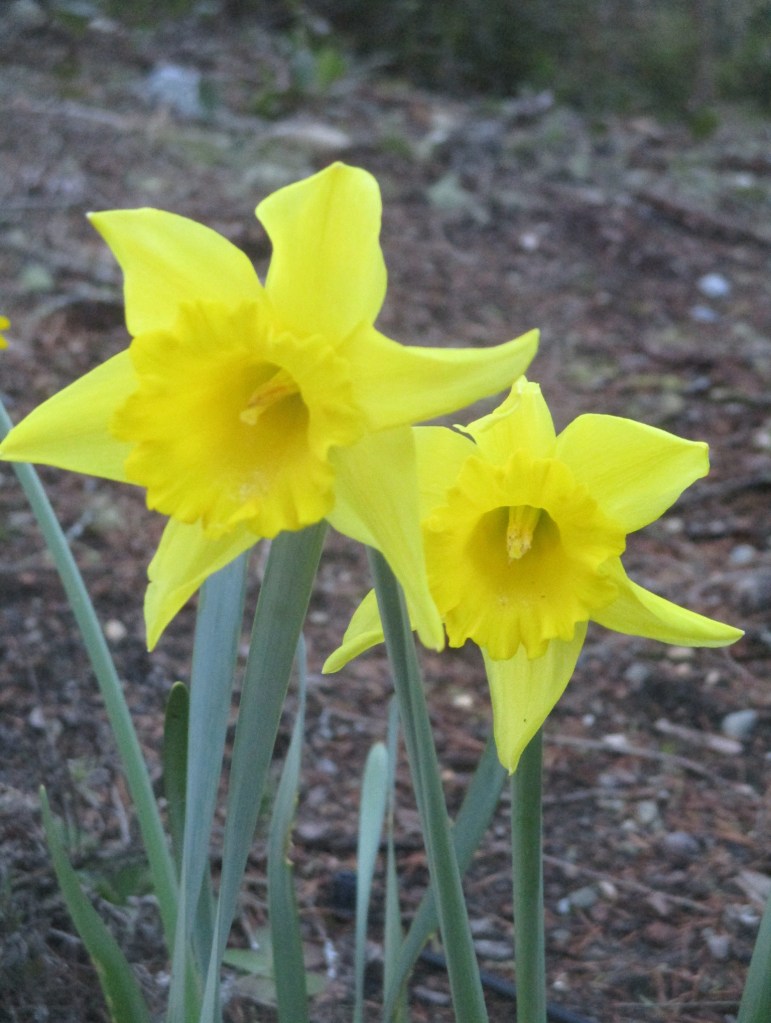
Narcissus and daffodil bulbs are not so discriminating about how deeply they get planted, so various phases can be put in the same spots. As long as they do not get planted too deep, the earliest phases can be planted deep and covered with only a bit of soil, so that later phases can be planted above. If similarly covered with only a shallow bit of soil, later phases of the same bulbs can be stacked, as long as the last and shallowest phase still gets planted deep enough.
Not many bulbs are actually real bulbs. Most are corms, tubers, rhizomes or tuberous roots. They all do the same thing though; store resources through dormancy to sustain quick bloom as weather allows. Although many bloom reliably only once in their first season, some naturalize to bloom at about the same time each year. Tulips are capable of naturalizing, but rarely get enough chill in winter to bloom after their first season.
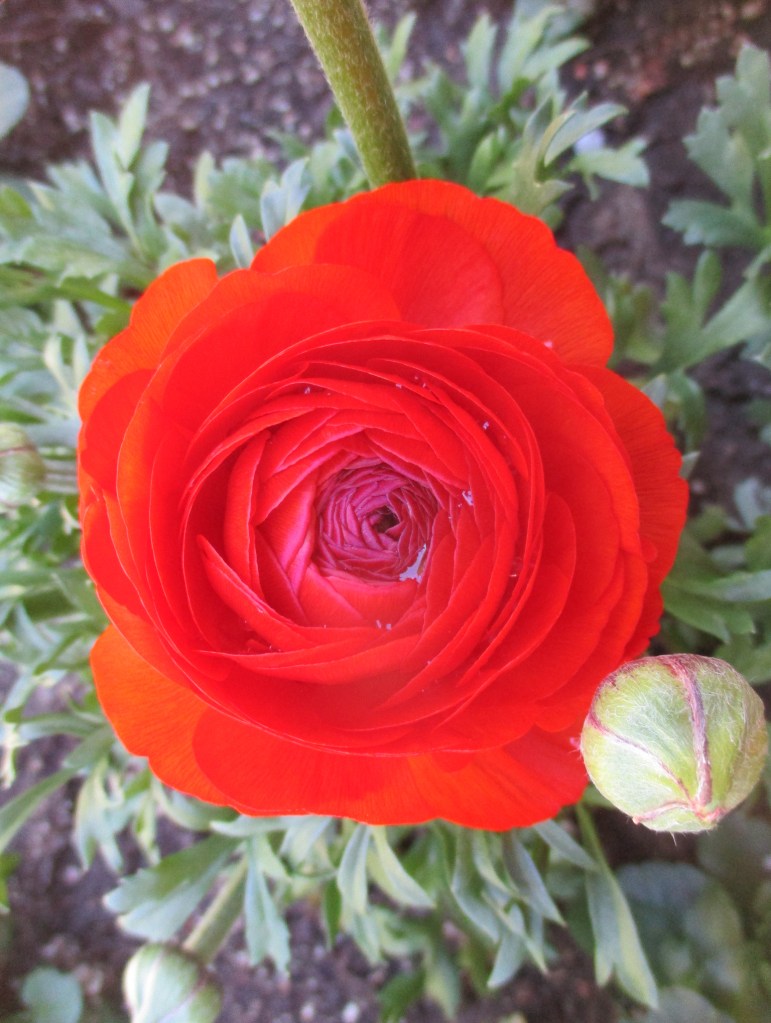
Anemone (windflower), hyacinth, lily, rananculus, tulip and small colorful callas are the less reliable of spring bulbs after their first year. Crocus, freesia, hymenocallis and harlequin flower can be more reliable if they get what they want. Grape hyacinth, narcissus, daffodil, watsonia, bearded iris and the old fashioned white callas are the most reliable of bulbs that get planted about now.
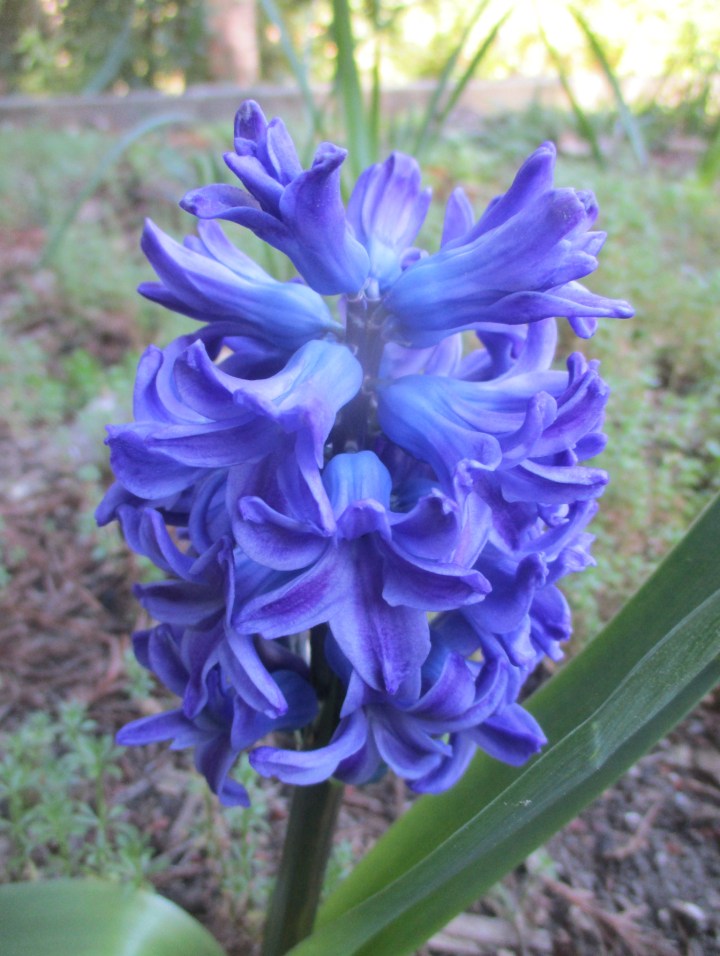
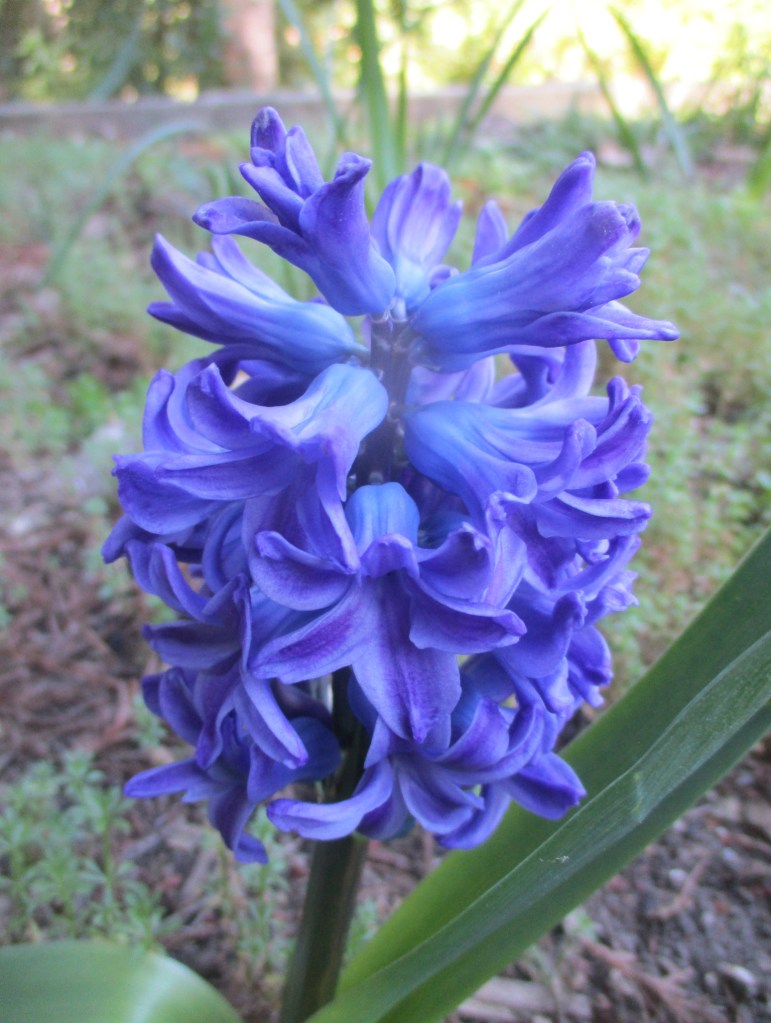
Most flowers that must attract pollinators do so with either color or fragrance. Hyacinth is an exception that does both. It is as fragrant as it is colorful. Its intensely rich fragrance is supposedly comparable to that of lilac. Its floral color range includes many hues and tints of most colors but green. It blooms for very early spring along with many types of daffodil.
Dormant hyacinth bulbs go into their gardens about now, but do nothing until after winter. They then bloom with several narrowly tubular florets on stoutly cylindrical trusses. Each floral stem is only about half a foot tall, but stands above its narrow leaves. Foliage lasts for merely two months or so after bloom. It eventually withers with the warmth of summer.
Hyacinth crave rich soil, sunny exposure and regular irrigation after the winter rain stops. They can work nicely with cool season annuals, such as pansies or violas. They appear and bloom just before pansies and violas finish their seasons. Alternatively, hyacinth are conducive to forcing. Unfortunately, they like more winter chill than they experience here after prechilling.
Summer bulbs, such as canna, calla and dahlia, can wait until spring. They do not enjoy winter chill during their dormancy like spring bulbs do. Spring bulbs become available at nurseries now because this is the time to plant them. They wait patiently for winter to end before blooming. A bit of winter chill actually helps them to maintain their strict schedule.
That certainly does not mean that their strict schedule is not adjustable. Most early bulbs prefer interment into their shallow graves within weeks of Halloween. However, they can wait as late as New Year’s Day. This allows for successive planting, which prolongs their ultimate bloom. Early planting promotes early bloom. Late planting promotes late bloom.
Most spring bulbs from nurseries are prechilled because winters are relatively mild here. They are therefore less reliant on significant winter chill. However, some of such bulbs in several of the milder climates may bloom only once. They lack the winter chill they need to bloom for subsequent springs. Avid garden enthusiasts compensate with refrigeration.
That requires major diligence, though. Most who enjoy gardening do not want to dig and refrigerate dirty spring bulbs. Consequently, most who grow them enjoy them as annuals or disposable perennials. Unfortunately though, spring bulbs do not bloom for very long, and are not inexpensive. That is why they are not as prevalent here as in other climates.
Freesia and narcissus, including daffodil, do not need much chill. They can settle in and bloom for many years after their initial planting. Ranunculus and anemone may not need much chill either, but are less likely to regenerate from year to year. Dutch iris and Dutch crocus are unpredictable. They might become reliably perennial, but may not cooperate.
Tulip and hyacinth may be more disappointing, since they require significant winter chill. If they can not experience such chill naturally from the weather, they require refrigeration. Otherwise, they bloom only once for their primary season, and only after prechilling. Yet, both are among the most popular of spring bulbs. Their blooms are simply too appealing.
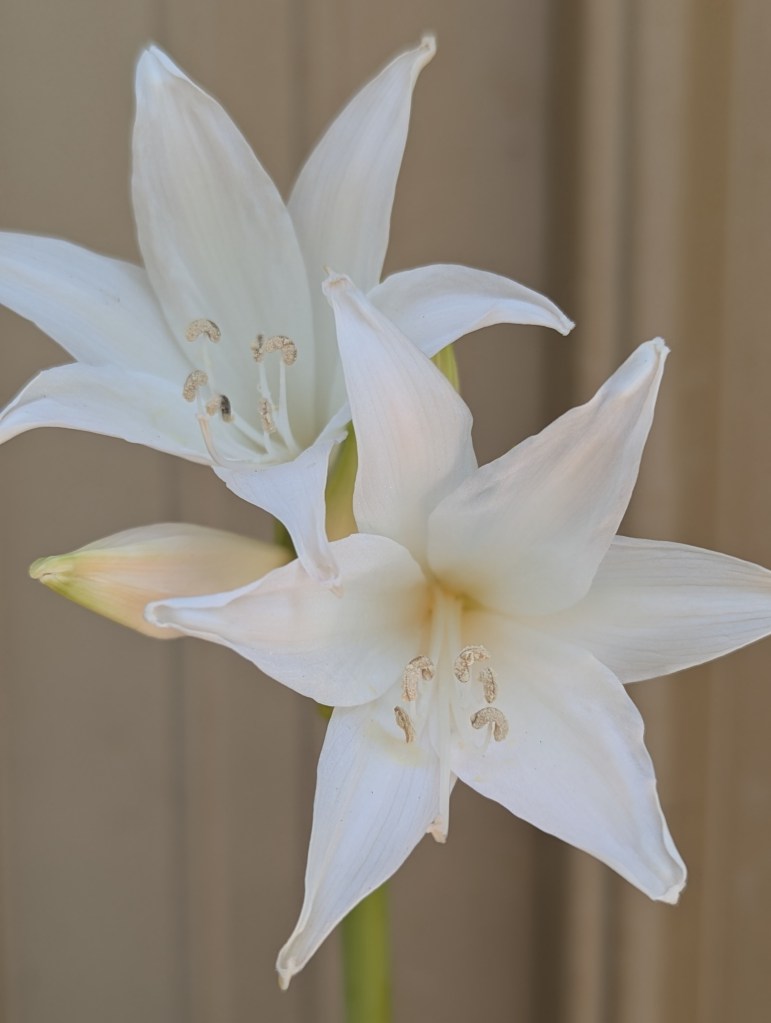
From scarcely exposed tops of seemingly dead bulbs, floral stalks unexpectedly appear. Foliage only appears after bloom finishes. This is why Amaryllis belladonna is known as naked lady. It blooms unfoliated. Various varieties of the same species bloom with about the same vivid pink color. White variants are very rare. Floral fragrance is mild but sweet.
Naked lady flowers are about two feet tall on simple brown or green stalks. Fleshy seeds that develop after bloom are viable only while fresh and plump. Foliage begins to appear by later summer, and grows more with autumn rain. It resembles foliage of lily of the Nile, but is more fragile, and shrivels by late spring. Then, bulbs lay dormant through summer.
Naked lady bulbs are impressively resilient, but also quite sensitive. If possible, the best time to relocate them is supposedly between bloom and foliation. However, relocation is likely easiest during complete summer dormancy. Unfortunately, though, such relocation can interfere with subsequent bloom. Naked lady needs full sun exposure to bloom well, but requires no water.