
Rhody, Carson and I took Highway 101 for most of our recent trip from here to the Los Angeles region. We typically drive on more of a variety of highways between here and there, but for this trip, I wanted to drive on Highway 101, as was more typical when I was in college in the late 1980s.
Rhody enjoys rest stops, perhaps as much as our destinations. Because the rest stops near Gaviota remain defunct, only the Camp Roberts Southbound Rest Area was in service on our route. We stopped there, of course.
The old facilities that I remember were replaced years ago. I would prefer the old original buildings. I can not imagine why replacement was necessary. Nor can I understand why the more elaborate associated landscape was necessary. This new landscape, with its cliche crape myrtles, carpet roses and a bit of lawn, is irrigated so generously that the old coast live oaks are deteriorating and succumbing to rot. Most are now surrounded by irrigated lawn, after surviving with only annual rainfall for half a century or so. Like so much about California, not much of the familiar remains.
However, besides the deteriorating mature coast live oaks and a few seemingly younger California sycamores that are also within the landscaped areas, a few familiar native oaks remain beyond the landscaped area. Some seem to be older than those within the landscaped area, and if so, were there prior to the development of the rest stop. Most are coast live oaks, and a few are blue oaks.
I met the blue oak in the picture above in 1985. Although it has not grown much since then, the disproportionately large cavity within its trunk has. I am impressed that the trunk can still suspend the healthy foliar canopy above.


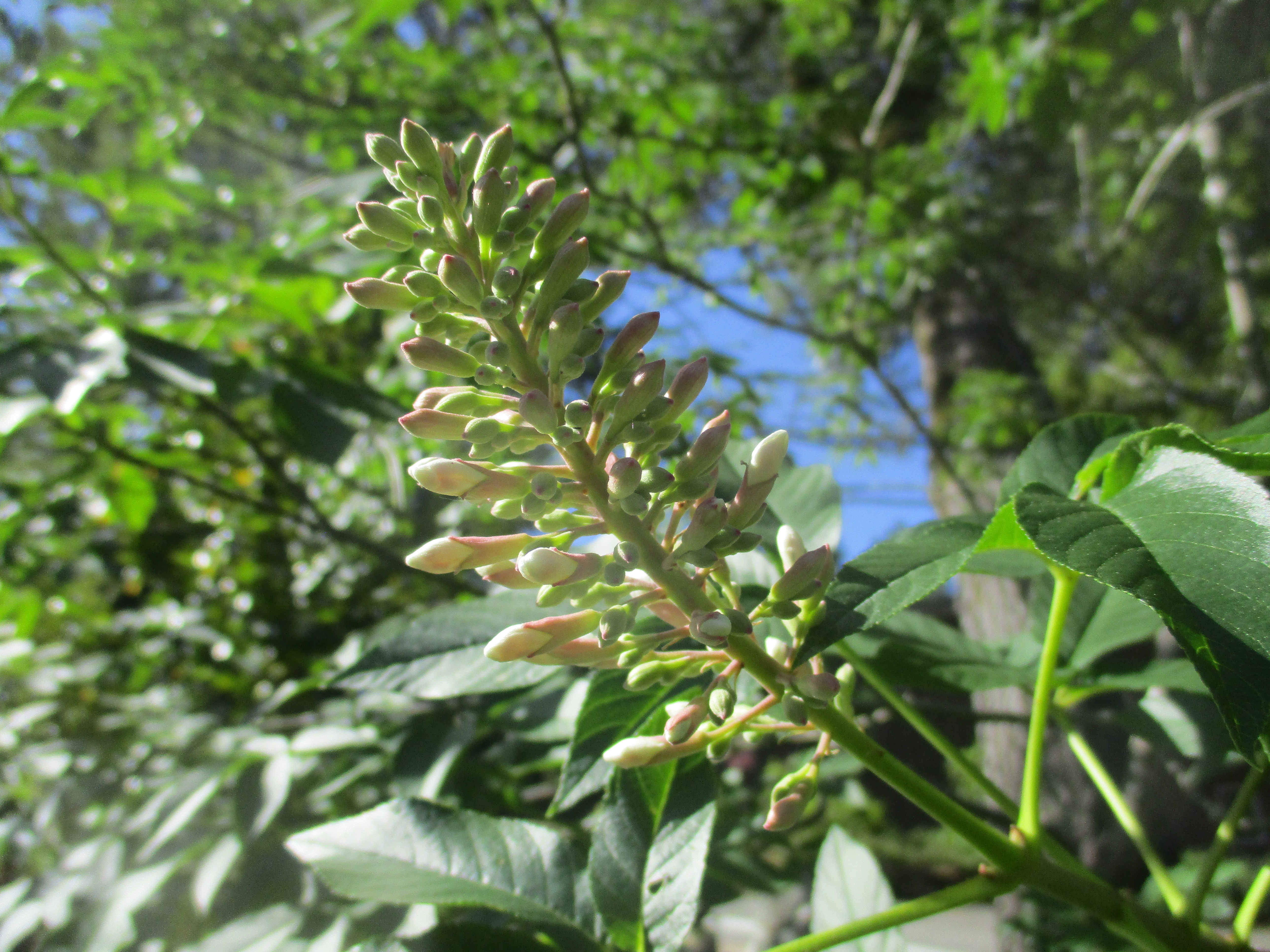
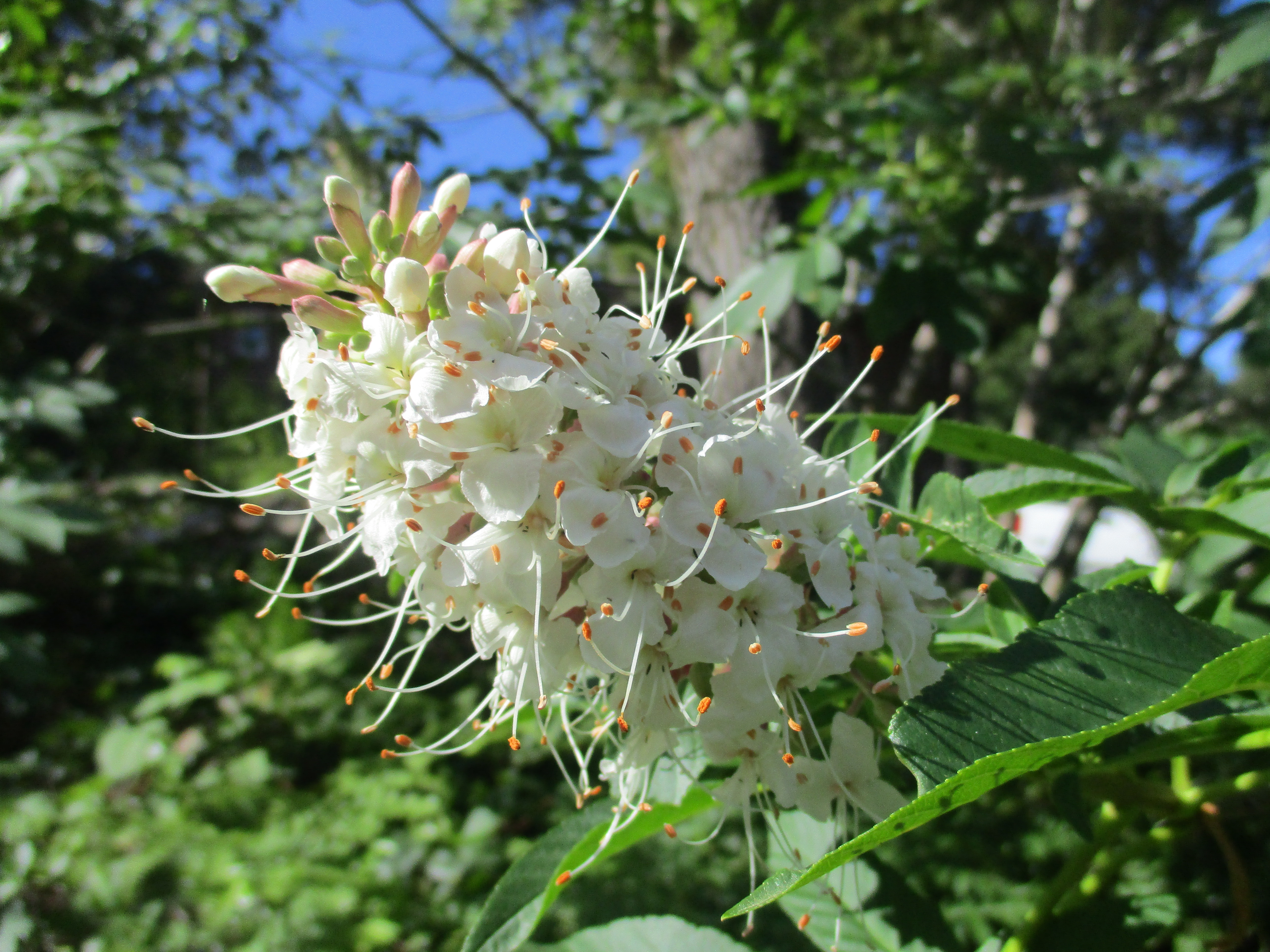


 Native plants should be the most sensible options for local landscapes and home gardens. It seems natural that they would be the most sustainable, since they survive in the wild without watering, soil amendment or fertilizer. Once established in landscapes, they should be satisfied with the moisture they get from annual rainfall. Plants that are not native are considerably more demanding.
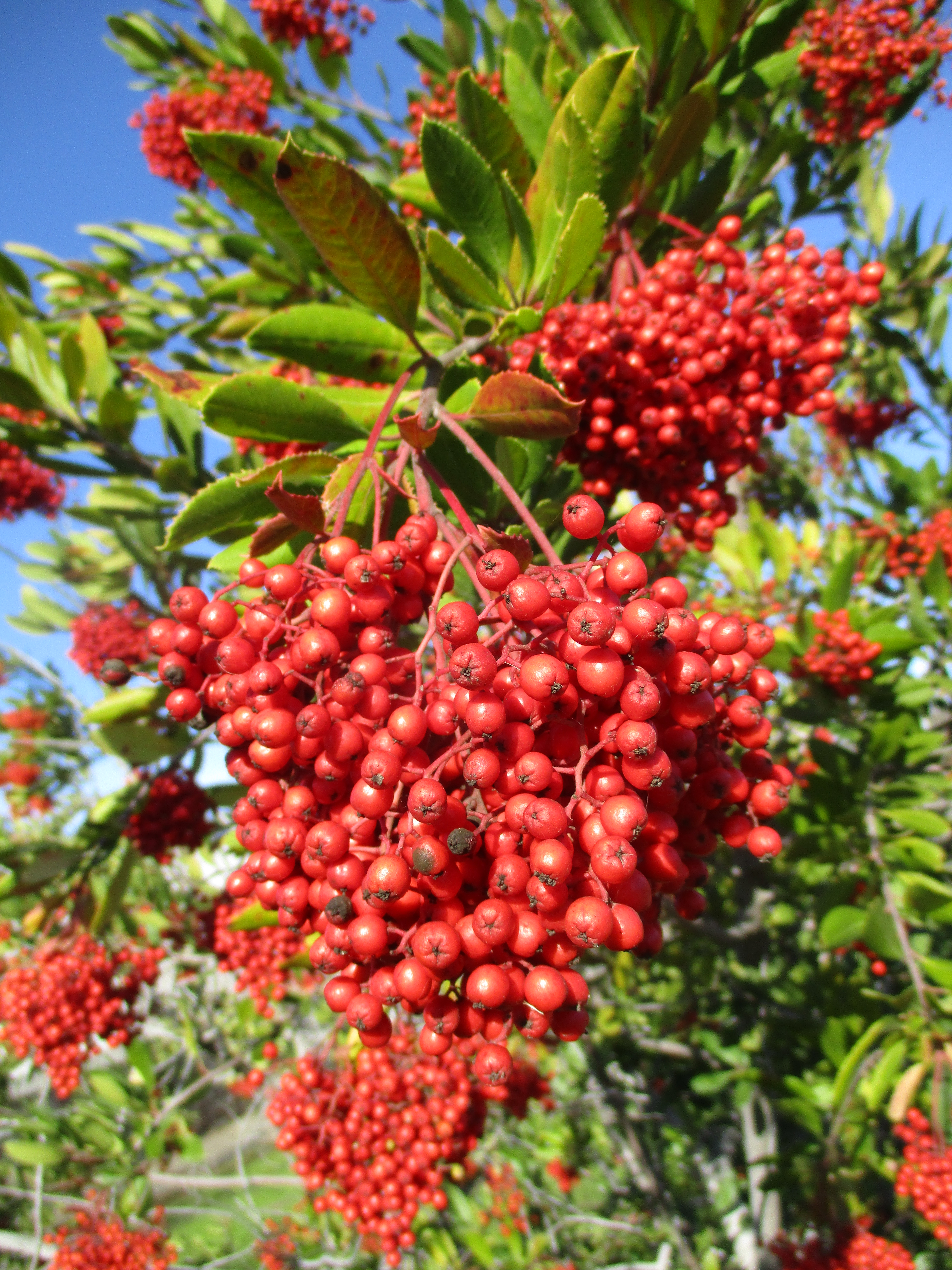 Botanists took a while to contrive an identity for toyon, which is also known as Christmas berry and California holly. It was classified as a species of Crataegus, two different specie of Photinia and two other specie of Heteromeles before it was finally identified as Heteromeles arbutifolia. Meanwhile, the town named after it changed its name only once from Hollywoodland to Hollywood.
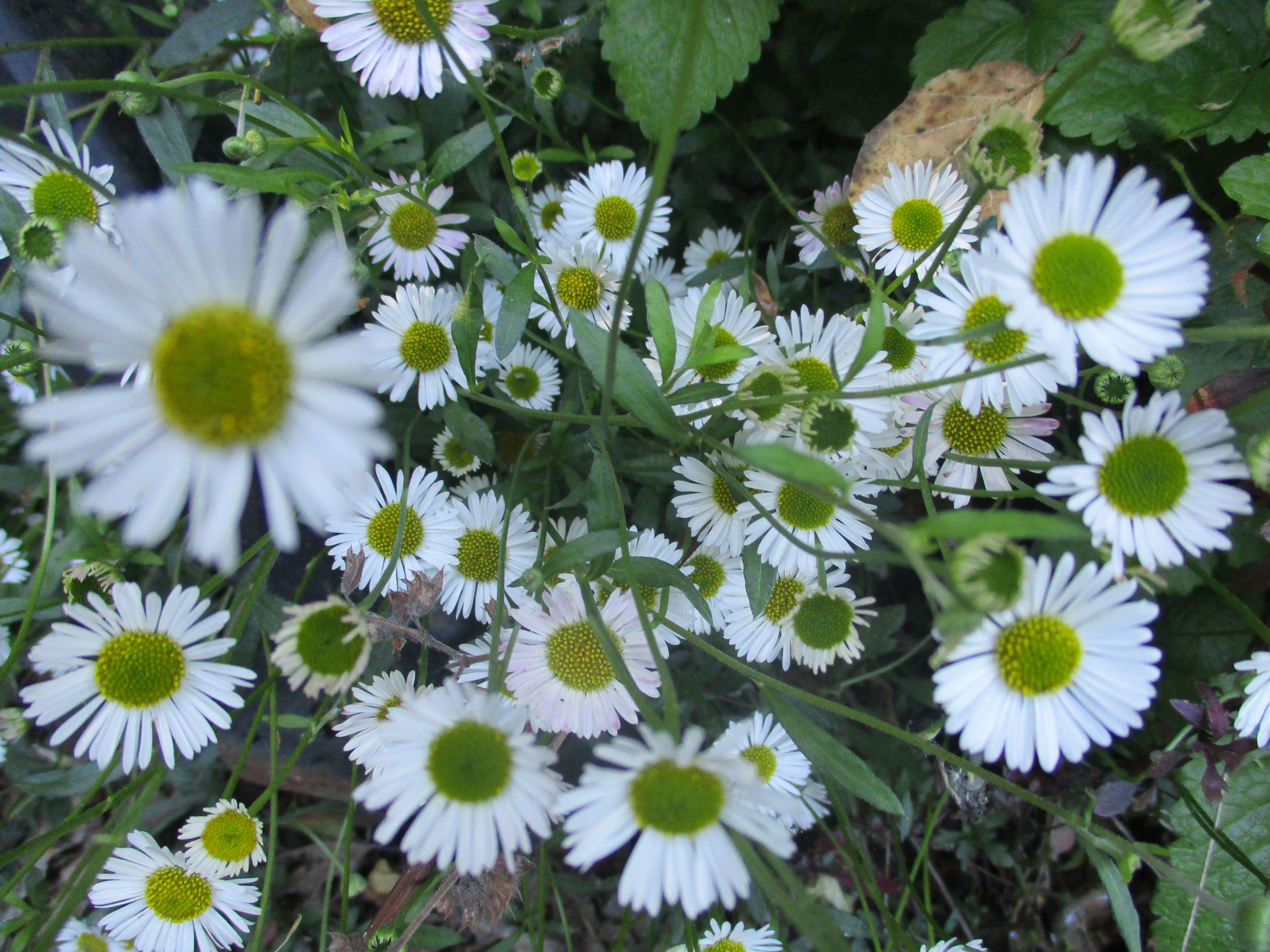 Erigeron karvinskianus
 Tony Tomeo