
It seems to me that the reason that so many of the kids I grew up with do not like apricots is that they were so common when we were younger. Because there were still several abandoned orchards, and most of us had at least one apricot tree in our backyards, we ate apricots in every form imaginable; fresh, dried, in pies, in cobblers, as jams, as apricot nectar (juice) and of course, canned. By the time we grew up and moved on, we were done with apricots.
Apricots happen to be one of the many ‘high-acid’ fruits that are remarkably easy to preserve by canning, which is how and why they are available as jams and canned apricots at any time of the year. In fact, almost all of the fruits that were so commonly grown in the vast orchards of the Santa Clara Valley, like prunes, plums, cherries, nectarines, peaches, apples and pears, are also high-acid fruits that are relatively easy to can in various forms. ‘Low-acid’ vegetables, like broccoli, corn, pumpkin (squash), spinach and beets, as well as meat and poultry, were not so commonly canned only because they take considerably more work to can with the use of a pressure cooker (in order to achieve higher temperatures).
Because home canning can potentially be dangerous if done improperly, it is best to learn something about it first. This is why the Guadalupe River Park Conservancy has arranged for UC Master Preserver Susan Algert to conduct the workshop ‘Safe Methods for Food Preservation and Canning’. Participants will learn the importance of canning to kill toxic pathogens, and why high-acid produce gets canned in a hot water bath while low-acid foods need to be canned in a pressure cooker. Canning is an alternative to freezing for preserving overly abundant produce from the garden.
(Outdated information regarding classes has been omitted from this recycled article.)

 After all that fuss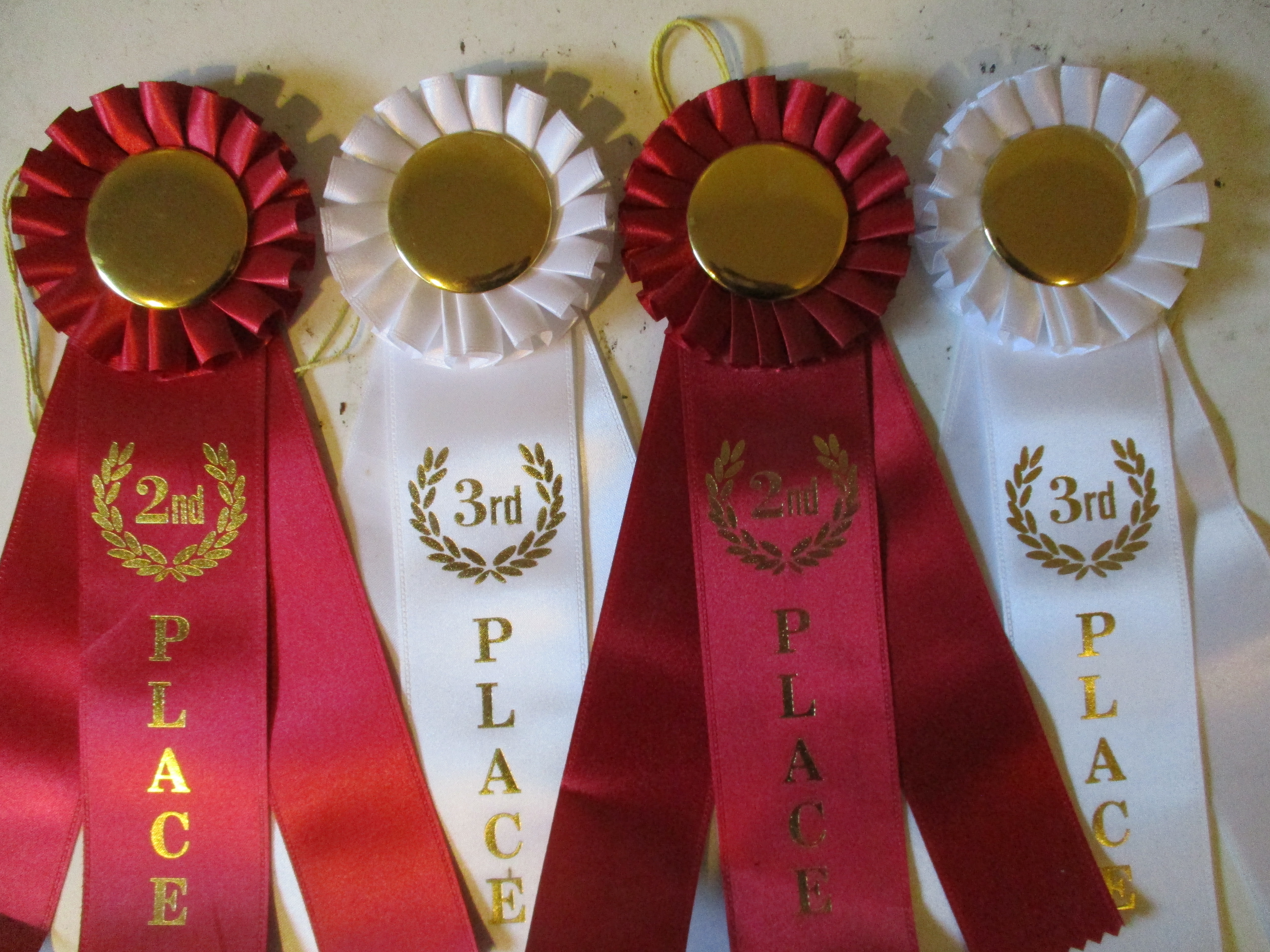


 This is why I do not bother growing greens in the garden just yet. Wild radish grows here wild; and there is way too much of it. Most but not all of it gets mown in meadows or cut down with weed whackers on the edges of roadways. There is no need to cut down that which is out of the way. Besides, we could not cut it all even if we wanted to. There is wild turnip and mustard too. All are prolifically naturalized and invasive exotic species.
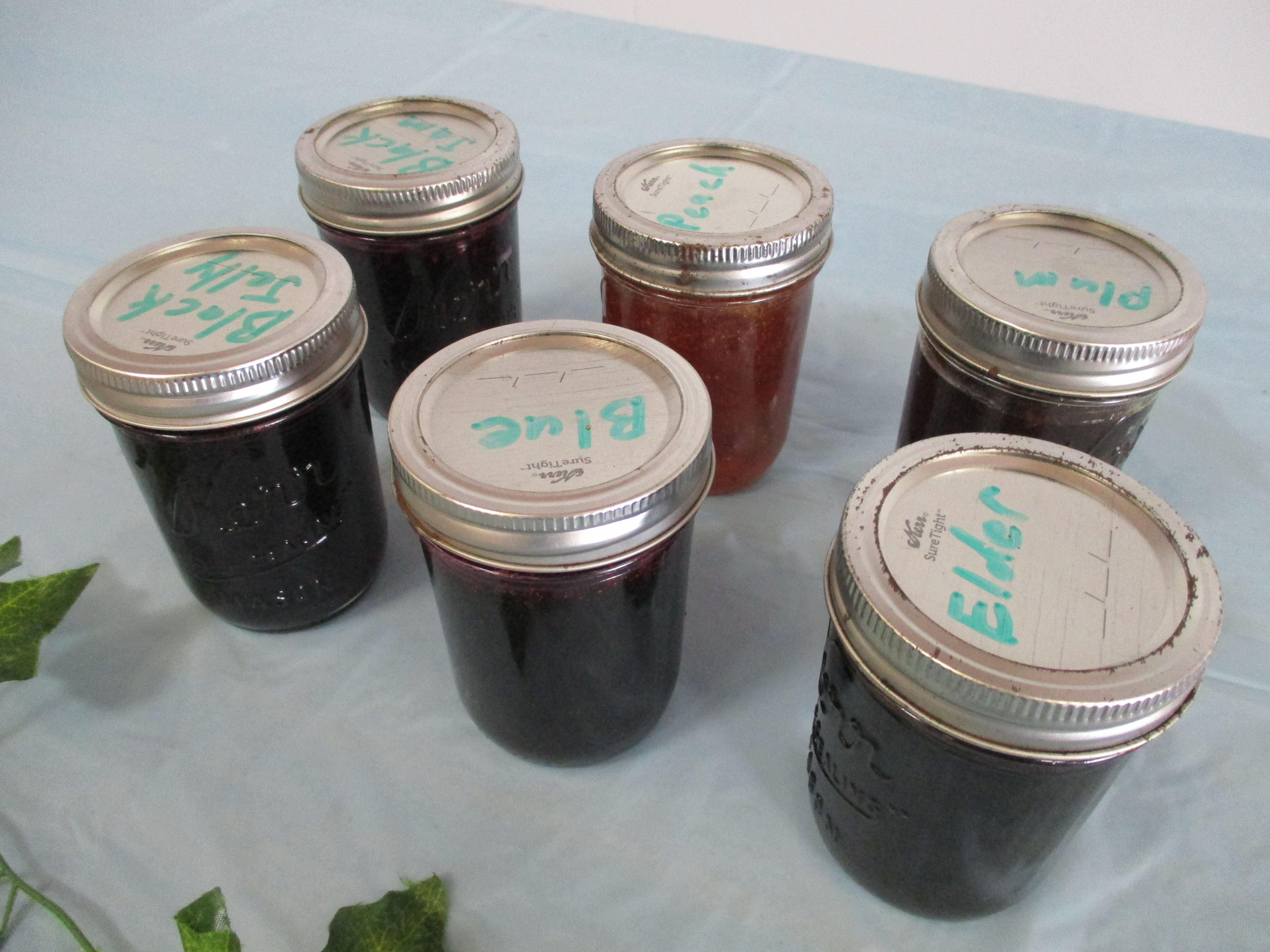
 There were barely enough blue elderberries left this late in the season for the blue elderberry jelly that should have won the blue ribbon at the Harvest Festival. It’s a long story.
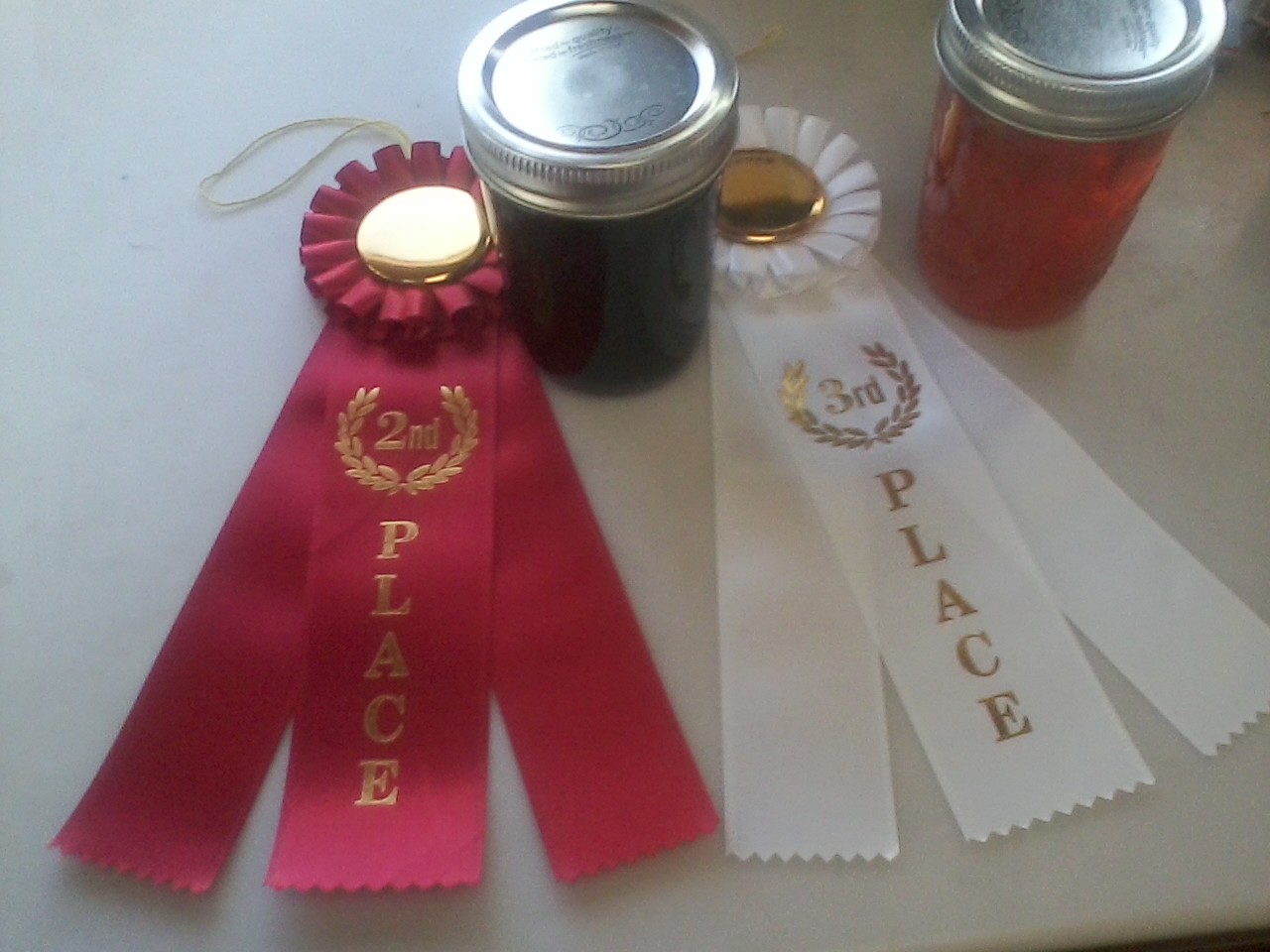 Somewhere in the San Lorenzo Valley, there is a little old lady who is stitching a blue quilt. It is made of all the blue ribbons that she wins every year at the Jelly and Jam Contest of the Santa Cruz Mountains Harvest Festival. I do not know who she is, but I recognize her squiggly writing on the fancy labels. It is barely legible. Her hands are worn and tired from three quarters of a century off picking fruit, processing it into jelly and jam, and then stitching all her blue ribbons together. She probably giggles as she works, and thinks about everyone who wins only red or white ribbons.
 Tony Tomeo