‘Minneola’ Tangelo

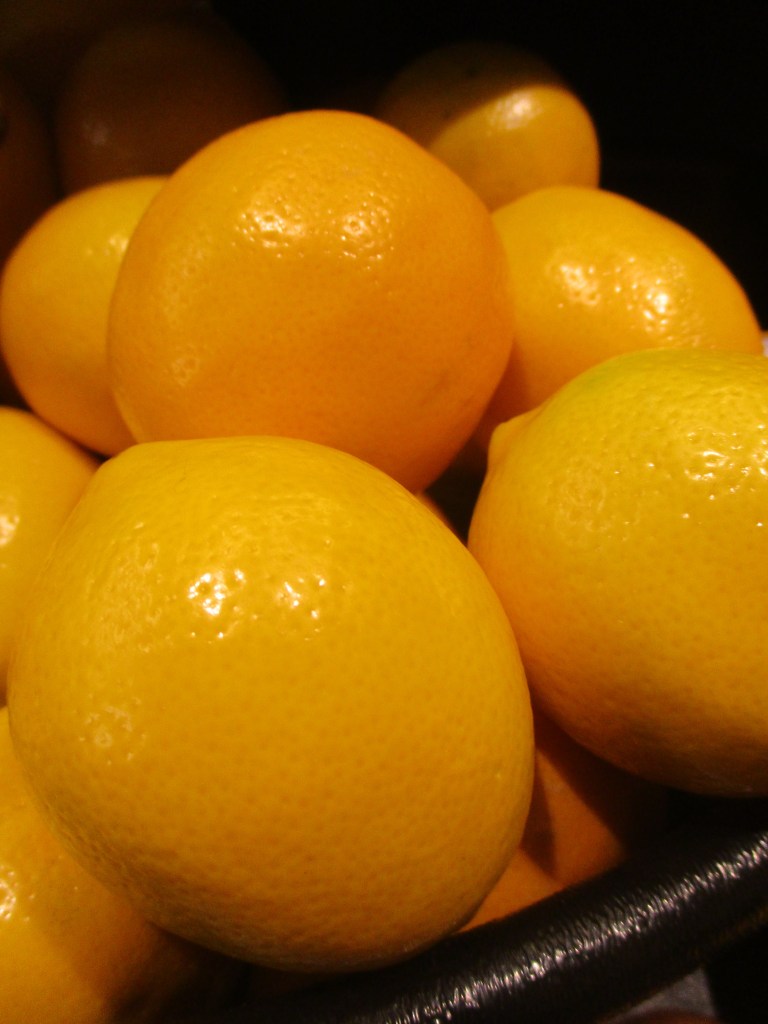
‘Minneola’ tangelo fruit is slightly tart like a grapefruit, but richly flavored like a Mandarin orange.

Of all the citrus that ripen about now in winter and early spring, oranges, lemons, limes, grapefruits and mandarin oranges (or mandarins or tangerines) are the most familiar. (A tangerine is merely a mandarin that was developed in the Americas.) Kumquats, blood oranges, sour oranges, citrons and many of the odd citrus hybrids that are less common are becoming more popular as their fruit becomes more available in markets, and their trees become available in nurseries. Except for the very popular ‘Meyer’ lemon, which is actually a hybrid of an orange and a lemon, the most popular citrus hybrid is likely the ‘Minneola’ tangelo, which is a hybrid of a grapefruit and a mandarin orange. Other tangelos remain somewhat rare.

Like all citrus, ‘Minneola’ tangelo has appealingly glossy evergreen foliage and fragrant flowers. They can be grown in containers if their roots are dug, pruned and planted again every five years or so. They like regular watering, good drainage and mulch. Aphids, mites or scale can become problematic. Suckers from below the graft should be rubbed off as they appear. (The graft union can be identified by the change in bark texture and color on the main trunk just a few inches above the roots.)

‘Minneola’ tangelo trees get a bit larger than mandarin orange trees, but not as large or quite as full as grapefruit trees. The bright reddish orange fruit has all the flavor of mandarin oranges, and is just as easy to peel, but unlike the majority of mandarin oranges, has few seeds, and can be left on the tree through spring. The fruit is a bit smaller than that of ‘Valencia’ orange, and has a distended bump where the stem is attached. Flavor develops best in warmer parts of the garden, particularly after warm summers.

Lime

Most ripe limes are greenish yellow.

Among citrus, limes are the most diverse. They include more species and hybrids than other types of citrus. Only a few of countless cultivars from centuries of development are available here. Yet, each of these few is very distinct from the others. Most provide juice for culinary application. At least one provides herbal foliage. Few limes are eaten intact.

Dwarfing understock is one commonality of almost all home garden lime trees. Not many grow more than twelve feet tall. With occasional pruning, most might stay less than eight feet tall. All have bright green evergreen foliage and small white flowers. Most have tiny but sharp thorns. Some are more bothersomely thorny. Fruit is green or greenish yellow.

‘Bearss’ lime is the most popular. Its ripe fruits are about three inches long, and resemble greenish lemons. ‘Mexican’ lime provides fruits that are about an inch and a half wide, on thorny stems. ‘Palestine’ lime is thorny also, with round and yellowish fruit that is edible intact. ‘Rangpur’ lime produces bright orange fruit because it is really a sour mandarine.

Citrus Fruit Brightens Wintry Gardens

Summery citrus fruit ripens during winter.

Chilled lemonade certainly is nice when the weather gets warm during summer. Orange juice also seems to be more appropriate to warm weather. In fact, most citrus fruit seems to be more summery than wintery. Yet, most of it ripens through winter. Mandarin oranges are more perishable than most other citrus fruit, so are best long before warmer weather.

Citrus trees are defiantly contrary to the deciduous fruit trees that produce fruits of spring and summer. Not only does their fruit ripen during opposite seasons, but they also prefer pruning during opposite seasons. Many need no pruning or only minor grooming as they age. Any necessary pruning should happen after the last cool or frosty weather of winter.

Citrus fruit is not as perishable as spring and summer fruit are. Mandarin oranges oxidize within a month or so only because their rind is so loose. Other citrus fruit remains fresh in the garden for months, even through warm weather. Some actually improves with a bit of aging. For fruit that lingers late, vermin are more likely to be a problem than deterioration.

Slow deterioration is a major advantage for such abundant citrus fruit. There is less rush to collect more after collecting too much. For more sporadic production, many cultivars of citrus bloom sporadically prior to and after their primary season. ‘Eureka’ lemon is not too overwhelmingly productive in season, but before and after, provides a few more lemons.

Citrus fruit are remarkably diverse. Many are best simply for fresh eating. Many are better for juicing. Some are best for other culinary applications. Mandarin oranges and oranges are basically sweet. Lemons and limes are basically sour. Grapefruits are basically bitter. Citrus fruit exhibits a prevalence within combination of these three basic flavor elements.

Citrus trees are as variable as the citrus fruit that they provide. Almost all are dwarf trees, which stay more compact than standard orchard trees. However, ‘Eureka’ lemon, ‘Marsh’ grapefruit and ‘Sanguinelli’ blood orange can eventually get as big as small shade trees. ‘Meyer’ lemon, kumquats and most Mandarin oranges remain much lower and shrubbier. Some are thornier than others.