Microclimates Are Different From Climates

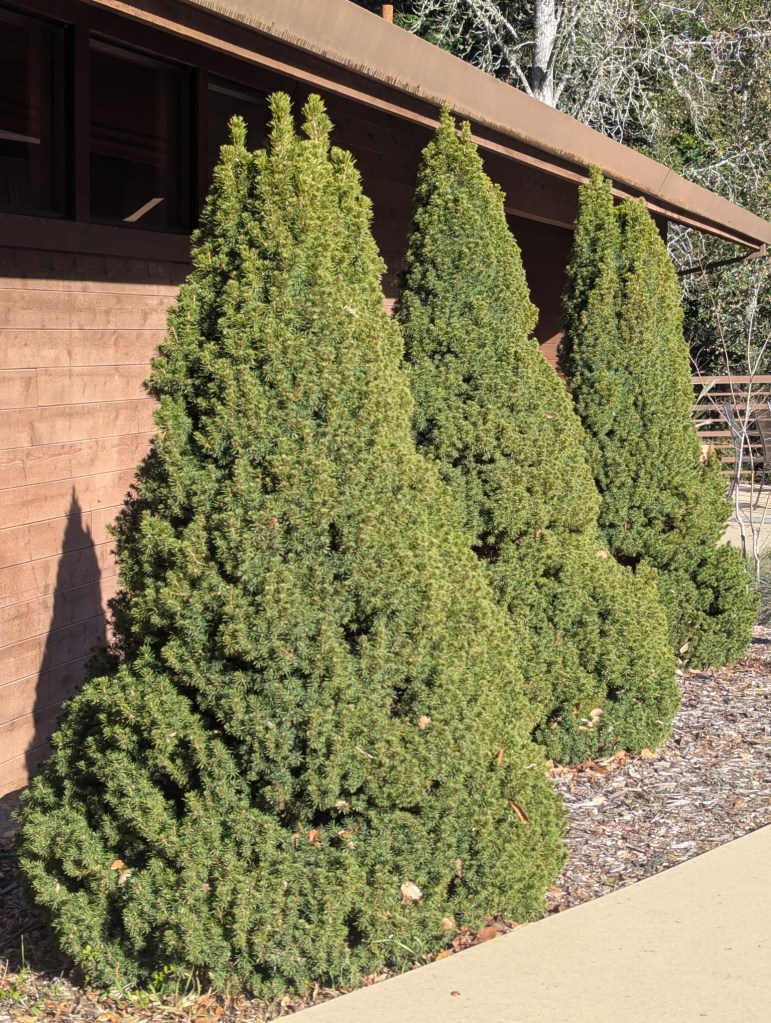
Southern exposures are sunny and warm.

Climates are regionally prevalent patterns of weather. The climate here is a chaparral or Mediterranean climate. It is characterized by warm and arid summers, and mild and rainy winters. Many adjacent climates are similar, even if slightly different. Coastal, alpine and desert climates occur elsewhere in California. Microclimates occur within such climates.

The climates of California are as diverse as the geology that influences them. Mountains and valleys and everything in between develops its distinct climate. Some counties here include more climates than some individual states. Many climate zones are impressively compact. So much diversity with small climate zones is often mistaken for microclimates.

Microclimates are small climates within bigger climates. This is obvious. However, there is no definitive description of how small they are. Climates generally conform to geology, like elevation, latitude and proximity of oceans. Microclimates generally conform to what is on such geology, like forests or pavement. They can fit within compact home gardens.

Roofs and pavement of urban areas absorb and radiate significant heat. Such heat alters associated microclimates. Conversely, urban trees and vegetation might cool associated microclimates. Home gardens that are near freeways may be slightly warmer than those that are not. Well forested neighborhoods are a bit cooler during warm summer weather.

These are large scale examples, though. Microclimates originate within individual home gardens also. Southern exposures are much sunnier and warmer or hotter than northern exposures. Eastern exposures are as sunny as western exposures, but are not as warm. Eaves might shelter vulnerable vegetation from mild frost, but also exclude rain moisture.

Microclimates can change as gardens evolve. Shade trees grow to produce more shade. Taller fences may replace shorter fences. Painting a home a different color changes how it reflects or absorbs sunlight. Awareness of microclimates facilitates selection of species for each particular situation. It also facilitates selection of situations for particular species.

Microclimates Are Distinct From Climates

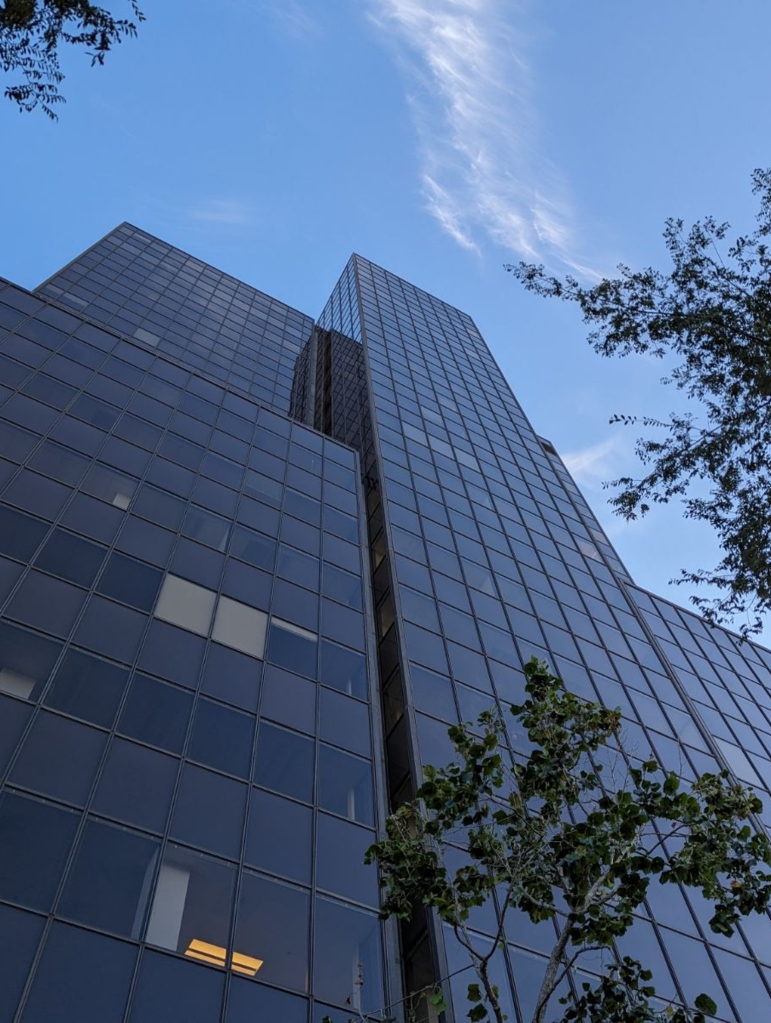
Larger buildings inevitably produce larger microclimates.

Climates and geology are why cinema and television industries are so established here. Cinema evolved in Niles before relocating, with the evolution of television, to Hollywood. The diversity of local climates, geology and associated scenery was the primary appeal. Farmers of all sorts had already been exploiting such climates as well as microclimates.

Climate is a regionally prevalent pattern of weather. Mediterranean or chaparral climates are prominent locally. Coastal, desert and alpine climates occupy other relatively nearby regions of California. Variations of geology influence weather, which determines climate. This comprises mountains, valleys, various altitudes and proximity to the Pacific Ocean.

Microclimates, as their designation suggests, are small climates within big climates. With such a mix of climates here, microclimates might be difficult to distinguish. Some climate zones of steep coastal hillsides are very narrow, for example. Yet, if they are distinct from those for higher and lower elevations, they are climates. Microclimates are even smaller.

For microclimates, exposure is as relevant as endemic climates. Such exposure can not change climate, but modifies its influence. For example, large eaves and warm walls can provide localized shelter from frost. Southern slopes of hilly terrain are likely a bit sunnier and warmer than northern slopes. Buildings and fences shade garden area to their north.

Many microclimates, such as those that involve terrain or forest shade, are natural. They are generally less dynamic than unnatural microclimates. Forest shade changes only as fast as associated trees grow or die. Only major disruption, such as fire or timber harvest, accelerates such slow change. Terrain may not change significantly for millions of years.

Unnatural microclimates are more dynamic and unpredictable. Taller modern homes and fences shade more within adjacent gardens. Skyscrapers can extend their shadows into gardens a few blocks away. Conversely, some can reflect sunlight to adversely increase heat and glare. Expansive and unshaded pavement likewise increases ambient warmth.