Soil Amendment Might Be Overkill

Excessive soil amendment may be unnecessary.

Planting should not be complicated. The primary objective is to settle formerly contained roots into the ground safely. It includes motivating roots to disperse into surrounding soil. This might involve disruption of constricting or congested roots. It may involve addition of fertilizer. Soil amendment such as compost is likely useful to entice root growth outward.

For almost all substantial woody plants and most large perennials, this is only temporary. Their roots disperse faster than their original soil amendment decomposes. They require no more soil amendment incorporated into their soil afterward. Such incorporation would damage their dispersing roots. This could defeat the original purpose of soil amendment.

For such substantial plants, soil amendment only provides a transition into endemic soil. Without it, roots may be tempted to continue to grow within their original potting medium. If endemic soil is less appealing to them, they might lack motivation to disperse outward. Soil amendment mixed with their endemic soil provides them the motivation they require.

Mulching with soil amendment over the surface of the soil is a different procedure. Since it requires no incorporation into the soil, it severs no roots below the surface. Yet, it helps retain moisture and insulates the soil. As it decomposes, mulch adds organic nutrients to the soil. For established plants, mulching is a noninvasive technique with a few benefits.

Vegetable plants and annuals enjoy soil amendment more than more substantial plants. Proportionately, they consume much more of the nutrients that the amendments provide. Yet, they do not inhabit their soil long enough to crave more than they start with. Addition of amendment during their replacement damages no roots. It provides for the next phase.

Soil amendment is available either bagged or in bulk from nurseries and garden centers. Home garden generated compost is less expensive, since it costs nothing but effort. The process of composting is involved, but it utilizes otherwise useless garden detritus. Many home gardens generate more compost than they may use. Neighbors sometimes share.

Deciduous Foliage Is Efficient

Maple foliage only seems to be messy because it all falls at once.

(Horridculture will resume on Friday.)

Contrary to popular belief, most deciduous trees, those that drop all their leaves in autumn, are not as messy as most evergreen trees. There are of course a few exception; such as cacti that lack foliage completely, or Italian cypress that drop their finely textured foliage straight down within a very narrow drip-zone, where it decomposes and disappears unnoticed. Very few leaves fall from a big silver maple through winter, spring and summer, so that almost all of the raking is done when almost all the leaves get shed in autumn. However, a big Southern magnolia generally drops leaves throughout the year, so that raking is always necessary.

The problem is that when deciduous trees get to be messy, they are very messy. Also, they get to be messy at the worst time of year, when their leaves mix with rain to clog drains and gutters. Unraked leaves become hazardously slippery when they get wet and start to decompose. It is amazing how something that can be so appealingly colorful through autumn can so quickly become such a nuisance.

Leaves of deciduous trees somehow seem to be better for composting than those of some of the evergreen trees. Anyone with a Southern magnolia knows how slow the foliage is to decompose. Foliage of camphor, bay, carob and various eucalyptus certainly decompose slower than various maple, ash, poplar and birch. Many of us outfitted with green waste bins or curbside collection of green waste prefer to recycle the less desirable evergreen foliage, and compost primarily deciduous foliage. Those of us who do not compost but need to rake under large or many deciduous trees may fill bins for several weeks, or leave very big piles of leaves at the curb.

Small leaves, such as those of most elms, or finely textured compound leaves, such as those of silk tree, jacaranda or locust, may not need to be raked if they fall onto lower shrubbery or ground cover. Small leaves or the small leaflets of disintegrating compound leaves simply sift through the lower plant material to decompose below. However, large elms may produce such an abundance of foliage that some may need to be removed. Maple and other large leaves are not so easy to ignore. They can shade lawns, ground cover or bedding plants, so need to be raked as they fall.

Much Ado About Mulch

Not many weeds get through mulch.

Mulch was not invented by humans. Most plants make some sort of mulch naturally. Even desert plants that live on bare ground shed foliage that decomposes to be recycled back into the soil, and provide nutrients for the roots below. Redwood, most pines and most eucalyptus are extreme mulchers that generate thick layers of foliar debris that benefit their own roots, but inhibit the growth of competing trees. Knotweed, Hottentot fig (freeway iceplant), ivy (both Algerian and English) and other dense groundcovers are their own mulch, and also work well for substantial plants that grow amongst them.

There are a few advantages to mulch. Although ground cover mulches consume some degree of moisture, mulches benefit plants by retaining moisture at the surface of the soil. Mulches also insulate the soil, so that it is more comfortable for roots that want to be near the surface. Most weed seeds that get covered by thick mulch can not germinate and emerge through it. Those that try to germinate on top probably can not get their roots through to the soil below. Besides, mulch simply looks better than bare soil.

Mulch is generally spread in early spring, before weed seeds are completely germinated, and while the soil is still damp. However, moisture retention is still a concern through the warm and dry weather of summer. A thin layer of finely textured mulch added over thinning groundcovers (without completely burying the foliage) can rejuvenate tired old stems by giving them something more to root into. This works well for knotweed, English ivy and even trailing gazanias.

Mulches should generally be well composted so that they do not take too many nutrients out of the soil for their own decomposition. However, uncomposted coarse wood chips, like those often recycled from tree services, are even more effective at controlling weeds while fresh, and they tend to decompose before they become a bother to larger plants.

Small volumes of mulch can be purchased in bales at nurseries and garden centers. Composted redwood soil conditioner is a popular soil amendment that can alternatively be a nice finely textured mulch to spread thinly over small areas or in planters. Larger volumes of more coarsely textured and less expensive mulching materials can be obtained by the yard from garden supply stores.

Leaf Litter Is Perfectly Natural

Mulch merely substitutes for leaf litter.

Forests lack gardeners. In the wild, there is no one to rake fallen leaves or blow them away. Foliage falls from trees and onto the ground, where it stays as it decomposes. It is the natural process. Raking and blowing leaf litter away is unnatural. It deprives the soil and organisms that inhabit it of significant organic matter that they crave. It also interferes with insulation and moisture retention.

Of course, there are some natural processes that are not so desirable in home gardens. After all, that is why raking and blowing is standard procedure. It is not practical to leave leaf litter on lawn, ground cover, pavement or roofs. Raking and blowing removes leaf litter from where it is unwanted, or at least moves it to where it is less visible. Leaf litter seems to be so useless and unwanted.

However, other procedures are necessary to compensate for the lack of leaf litter. Mulching insulates soil, retains soil moisture, and inhibits weed growth. Watering adjusts to deficient moisture in exposed soil. Weeding eliminates weeds that germinate and grow where there is nothing to inhibit them from doing so. Herbicide may be more practical. It is all so contrary to natural processes.

It is somewhat obvious why deciduous plants defoliate through autumn and winter. They do not need their foliage as much while days are shorter and sunlight is less intense. Also, they do not want to be battered by winter wind, or collect heavy snow. Yet, their desire to mulch their own soil is not so obvious. Evergreen plants do it also. They just do it slower, and generally throughout the year.

In fact, many evergreen plants are more efficient with their mulch than most deciduous plants are. Leaf litter of eucalypti, camphor, bay and nearly all conifers actually has a preemergent herbicidal effect. It inhibits germination of seed that can reach the soil. It can be a disadvantage for wildflowers, or an advantage for weed control. Incidentally, coniferous leaf litter is likely to be combustible.

Leaf litter, composted or left to its natural processes, is natural.

Six on Saturday: Kitchen Scraps


The first of our compost piles will not die. Some of the scraps of vegetables from the kitchens grow to produce more of the same. As this first pile of pre-compost gets turned over to the next pile, we commonly find potatoes and onions. Tomatoes, squash and sometimes cucumbers grow around and on top of the pile. Without watering, their season is limited, but just long enough.

It is actually frustrating that some of the vegetables that are not so productive where tended in the vegetable garden perform better, although likely briefly, on the random compost pile.

1. Vegetable scraps and rotten vegetables are common in the compost pile, even while the kitchens here are not presently operating. These do not seem to have been rotten when discarded.P00620-1

2. Summer squash is common here, even though scrap from the kitchens should be from juvenile squash, which should contain no viable seed. This might produce yellow crookneck squash.P00620-2

3. Cucumber is not so common, and will not likely last as long as other vegetable plants. The area is warm and dry. Cucumber prefers sunny but not so warm exposure, and regular watering.P00620-3

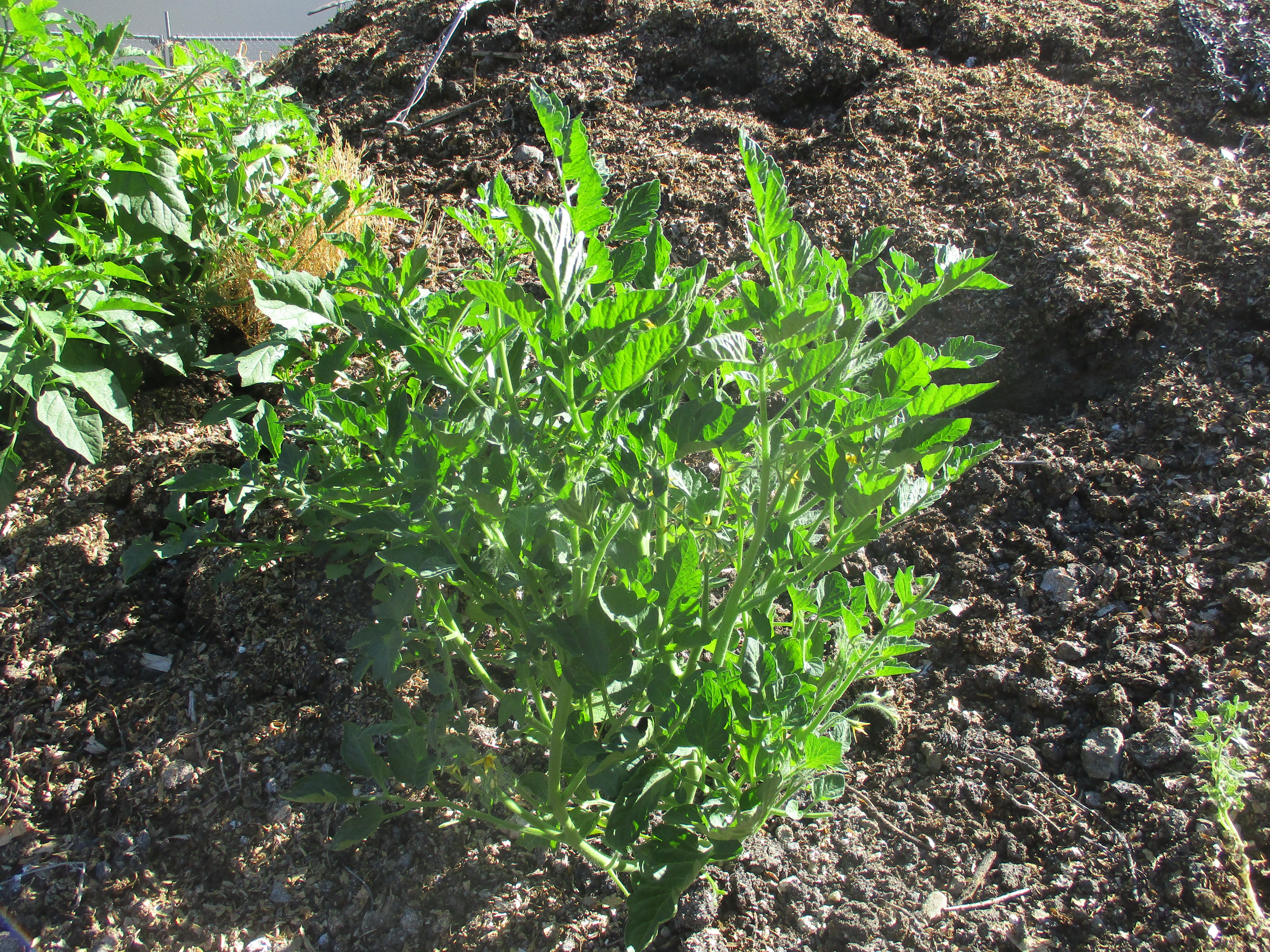
4. Determinate tomato looks just like what grew here last year. If so, it makes small cherry tomatoes that are shaped like ‘Roma’ tomatoes; and all the fruit will ripen at about the same time.P00620-4

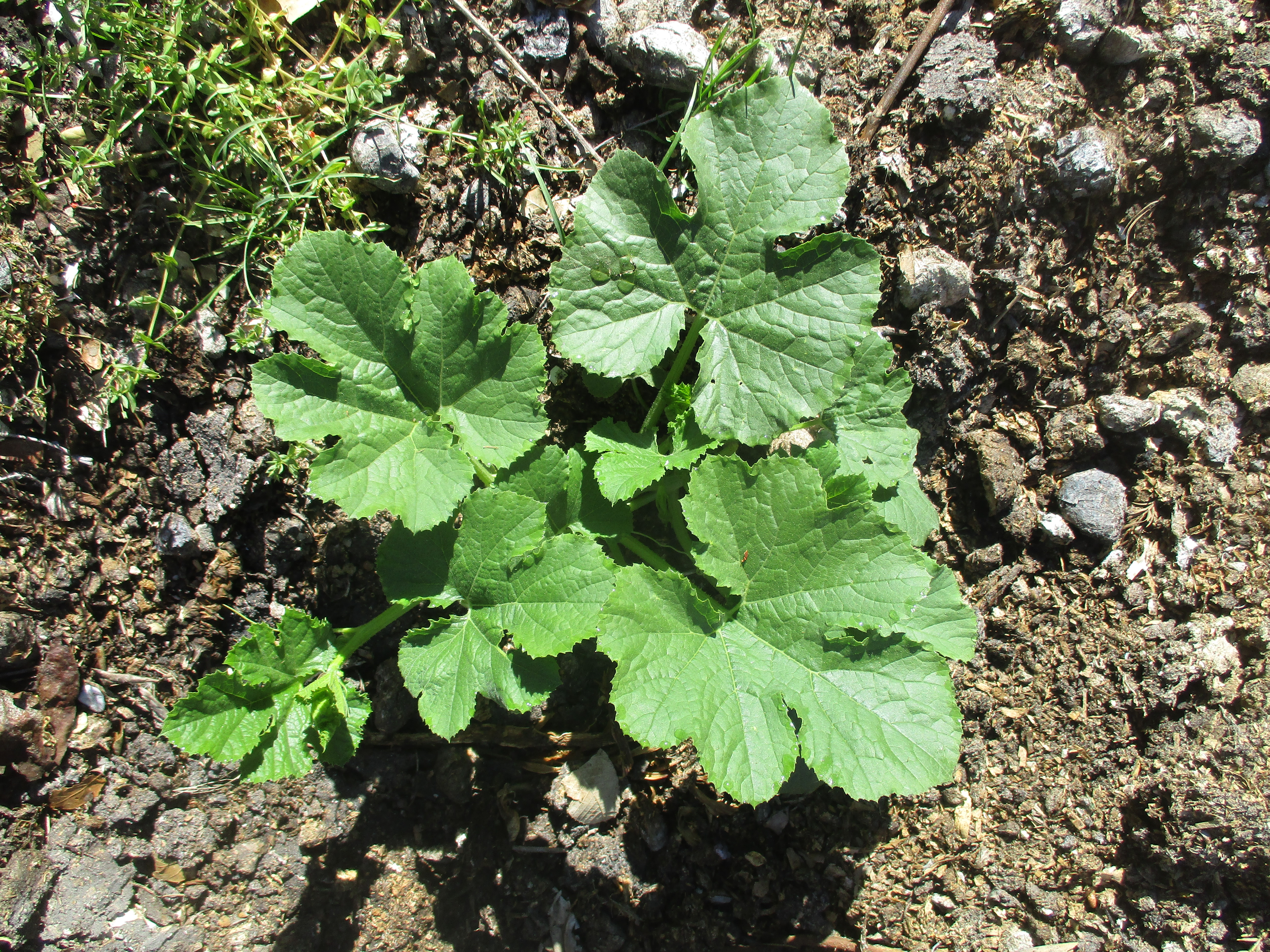
5. Pumpkin vine should be sprawling more than this. It could be just another type of squash. The round fruits with stout stems resemble baby pumpkins. However, the leaves are not right.P00620-5

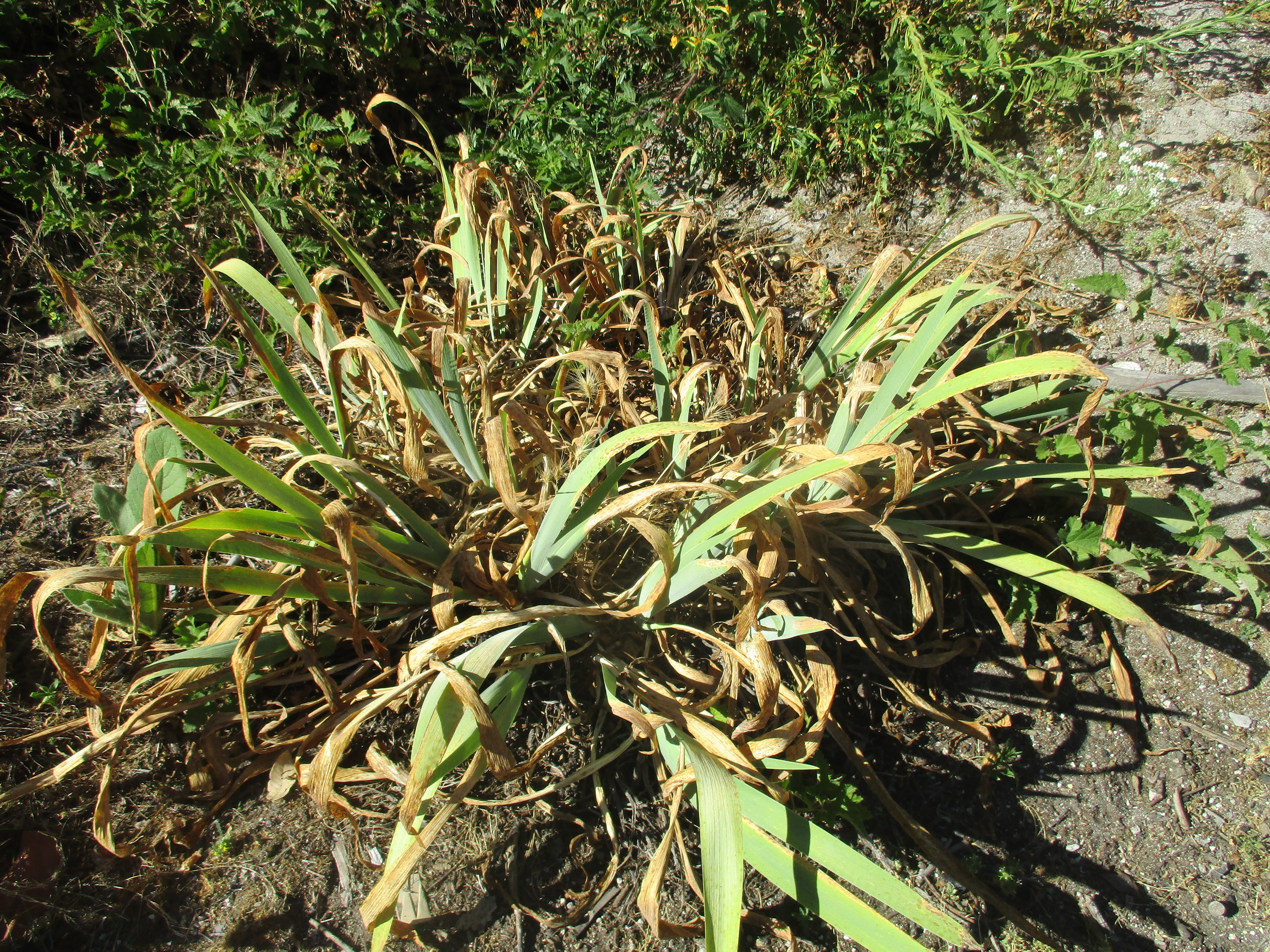
6. Bearded iris is no vegetable, but naturalized similarly next to the compost piles. It is perennial rather than annual. Although shabby here, it can be recycled into landscapes. Bloom is gold.P00620-6

This is the link for Six on Saturday, for anyone else who would like to participate:

https://thepropagatorblog.wordpress.com/2017/09/18/six-on-saturday-a-participant-guide/

Some Seeds Can Hurt Pets

50513thumb
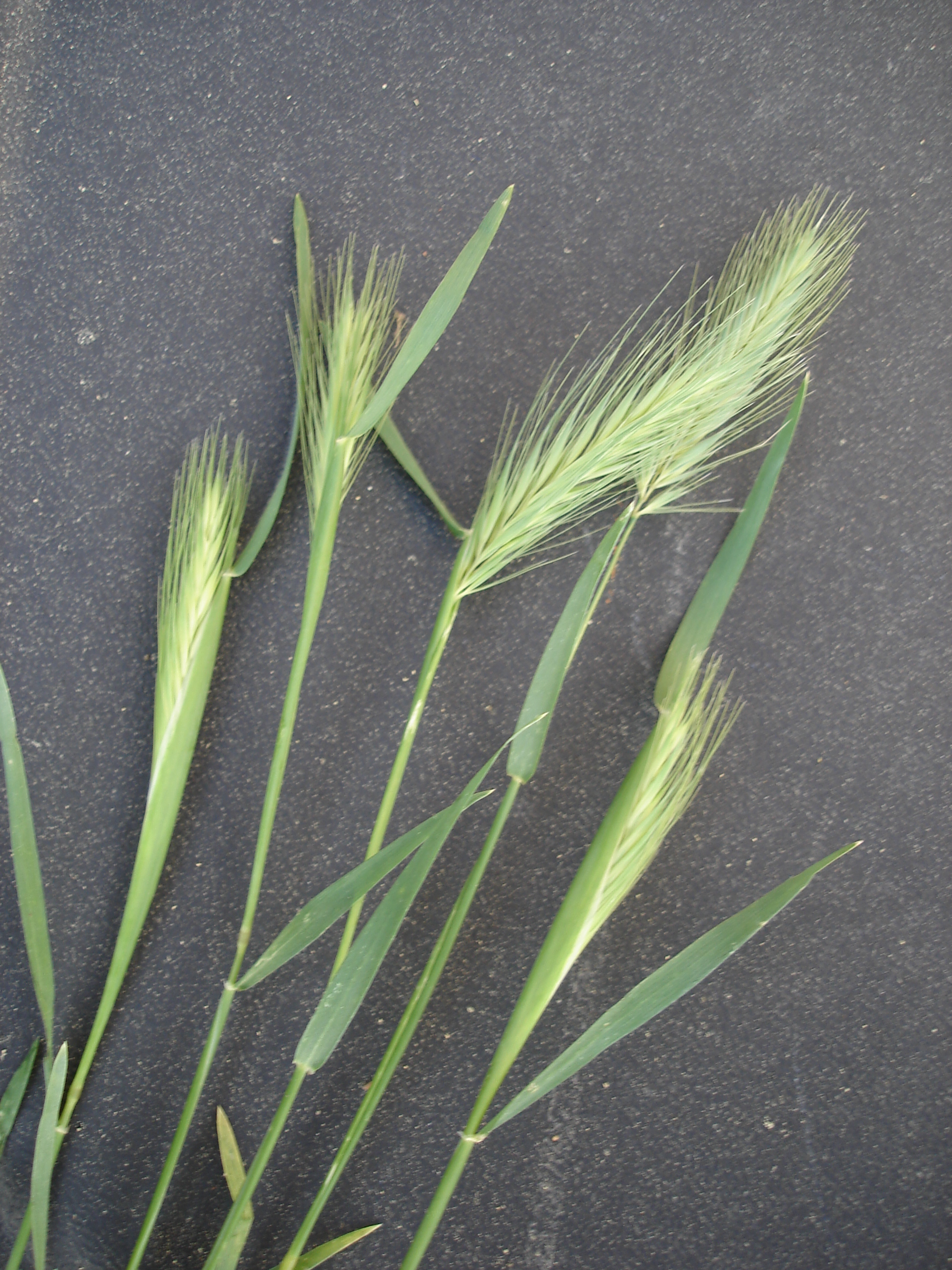
Foxtail is a potentially dangerous weed.

Weeds always have unfair advantages. They grow fast enough to bloom and disperse seed before the rain of early spring runs out, so they do not need any supplemental water. They seem to be able to grow anywhere. Their abundant seed seem to be able to get anywhere. Many produce seed with creative tactics for hitching rides on animals or being blown around by the wind.

This can be a serious problem for the unfortunate animals that interact with these exploitative weed seeds. Burclover and foxtail that are designed to stick to the short hair of grazing animals just long enough to get moved to greener pastures can get seriously tangled in the softer and longer fur of cats and dogs. Foxtail and other thin seeds can get lodged into noses, ears and eyes.

This is why it is so important to control these sorts of weeds, even if the landscape is not a priority. Gardens without resident cats can be visited by neighbor cats who can be hurt by dangerous weed seeds, or disperse the seed into other gardens. Mistletoe seed is not really so dangerous, but has a sneaky way of sticking to birds and squirrels for dispersion.

Thistles are more of an annoyance than actually dangerous. Their seed does not stick into fur. It just gets blown about in the wind. The problem is that the spiny foliage of some types is too painful to handle. If neglected long enough to go to seed, thistles can be seriously prolific. Because it is dispersed by wind, the seed can get anywhere without any help.

Weeds can be recycled in greenwaste, only because greenwaste gets sterilized in the recycling process. Some annual weeds can be composted if they get collected before they produce seed. If there is any seed, some of it may survive the composting process, and germinate wherever the compost gets used. It would be better to dispose of such risky biomass.

Likewise, crabgrass, dandelion, oxalis and other perennial weeds should not be composted because some of the stolons (modified stems) or roots survive the process. Just like seed, some of these surviving vegetative parts can grow into new weeds wherever the compost that contains them gets dispersed. Such resiliency is one of the qualities that makes them ‘weeds’!

Horridculture – Plastic Is Forever

P00513
Ah, the memories.

Horticulturists are environmentalists by definition. Whether we grow horticultural commodities, install such commodities into landscape, maintain such landscapes and associated trees, or design such landscapes, the vegetation that we work with affects the environment. Many of us should take our innately significant environmental responsibilities more seriously than we do.

We should also be realistic about our environmentalism. For example, there is no problem with designing a landscape that attracts butterflies for a client who enjoys butterflies in the garden. However, we should not promote butterfly gardening as something that benefits the environment and ecosystem by distracting insects from native flowers that rely on them for pollination.

I have never been one of ‘those’ extreme environmentalists. I do not want to save all vegetation. Some trees are too hazardous to those in the landscape below. Some exotic species are too aggressively invasive within a natural ecosystem, and therefore detrimental to the environment. Planting a proper tree where it will be an asset is fun; but too many trees obscure sunlight.

Fake environmentalism made good environmentalism look bad, and is contrary to it. Associated sustainability has become a cheap fad to capitalize on. Sustainably grown produce is pointless relative to the fuel necessary to transport what is grown in remote places, and all the plastic that it gets wrapped in. The volume of plastic needed to make sustainability possible is baffling.

Our compost is not the best, but it is adequately composted. Except for eggshells, the only recognizable bits are non-biodegradable plastics that mistakenly got mixed in, such as small bits of cellophane from the cafeteria kitchens. The most prominently abundant are these small stickers that were originally affixed to individual and mostly sustainably grown fruits and vegetables.

Are so many bits of non-biodegradable plastic so necessary to demonstrate sustainability and environmentalism?

Mulch Is Imitation Of Nature

91113thumbEvery living thing in our gardens came from the wild somewhere. A few plants might be natives trying to adapt to synthetic landscapes. Some might be from similar climates. Some are likely from very different climates. Even houseplants came from the wild somewhere in the World. Regardless of their respective origins, in home gardens, all plants want to behave as they would in the wild.
Many plants want to defoliate at this time of year. Even some evergreens want to shed some of their old foliage before winter. Some perennials die back to the ground. Most summer annuals are already dead. There is an abundance of deteriorating organic material getting discarded by the plants that produce it. In the wild, all this detritus would naturally fall to the ground and decompose.

That might be a problem in parts of our refined landscapes. Fallen leaves must be raked from lawns, decks, pavement and various other flat spaces outside. If left too long, they shade out lawns, ground cover and bedding plans. Fallen leaves can stain decking and pavement too. The worst diseases of roses and fruit trees overwinter in fallen infected debris that does not get raked away.

Unfortunately, raking the mess of autumn away deprives the plants that live in the garden of the abundant decomposing organic matter that they expect to be delivered this time of year. The soil is left exposed and uninsulated, allowing temperature and moisture content to fluctuate more than they would naturally. Nutrients are not replenished as readily as they would be from decomposition.

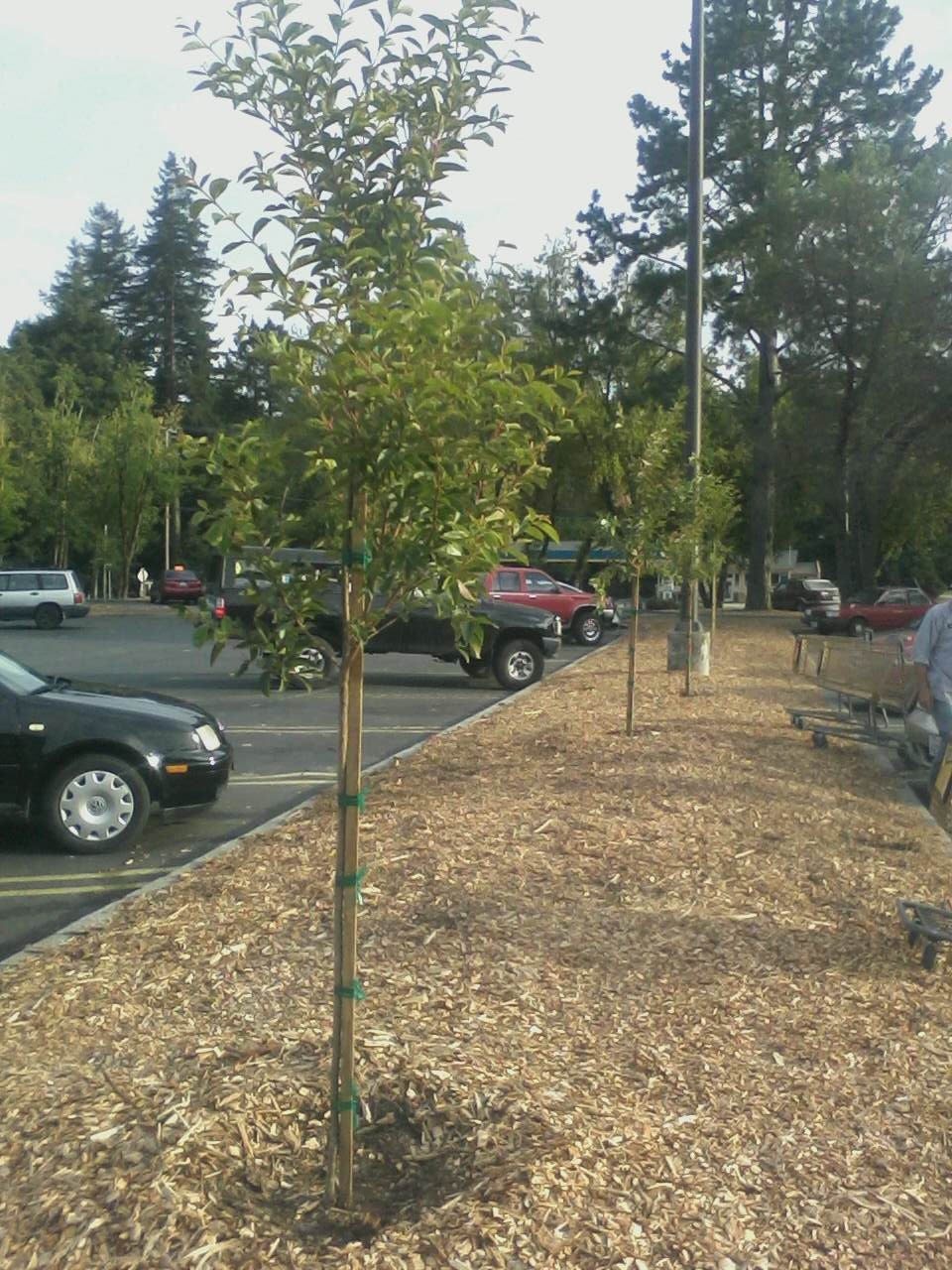
Mulch, which can be applied at any time of the year, is quite seasonably appropriate in autumn. This is when plants expect decomposing organic matter to arrive from above. Mulch compensates for the loss of what we consider to be a mess, but what plants consider to be an important component to their natural ecology. It gives them what they want, but is neat enough for refined gardens.

The best mulch for the job just might be fallen leaves that were raked last year and composted, perhaps with other debris from the kitchen and garden.

To Mulch Is Not Enough

60727thumbMost plants would prefer the real thing; how they do it in the wild. They drop their leaves, flowers and twigs. Deciduous plants do it mostly in autumn. Evergreens might spread it out through the year. The debris accumulates on the ground below, and decomposes at about the same rate as it accumulates. There is no one there to clean it up. Yet, the natural ecosystems know what to do.

The plants that produce the debris use the nutrients produced by its decomposition. So, with the help of the many microorganisms in the soil, they recycle their own trash. To exploit this resource most efficiently, feeder roots tend to congregate near the surface of the soil where the nutrients are. Because the debris also insulates and shades the soil surface, roots are comfortable there.

Densely forested ecosystems produce the most debris. Many smaller plants in such ecosystems may disperse their roots exclusively into decomposing debris without reaching into soil below. In desert ecosystems, where such debris is minimal, roots are mostly dispersed much deeper to avoid the hot and dry soil surface. They wait for recycled nutrients to leach to them through the soil.

Redwoods, cypresses, many pines and most eucalyptus produce unusually thick layers of debris that decompose slowly. This technique inhibits or prevents the germination of seeds of potentially competitive plants. So, in other words, these trees and other plants had this, as well as moisture retention, soil insulation and nutrient recycling, all figured out long before we knew about mulching.

After we put so much work into raking and disposing of foliar debris that would otherwise accumulate in our gardens, it is ironic that we sometimes need to apply seasoned mulch to compensate for the lack of organic material on the surface of the soil. (Unseasoned mulch draws nitrogen from the soil to sustain its own decomposition.) It does more than merely improve the appearance of otherwise exposed soil. Mulch helps unnatural landscape environments function a bit more naturally.

Good Weeds

P90714We don’t put much effort into our compost piles. In the first pile, we dump horse manure, green waste from two cafeteria type kitchens, and a bit of the finer textured green waste from the landscapes. It eventually gets turned over into the second pile. By the time the second pile gets turned over into the third pile, it is almost ready for use. The third pile really does not last long. Neighbors take it as fast as we can.
We turn the piles when it is convenient for us and the tractor. There is no schedule. We incorporate the material as it becomes available. There is no recipe. Somehow, we get remarkably good compost from the process.
Besides the usual weeds that grow around the compost piles, there are all sort of vegetable plants that grow in the compost, from vegetable scraps and seed that were in the green waste from the kitchens. There are onions, potatoes, carrot tops and celery bottoms. For a while, there was even a pineapple top. Melons, cucumbers, peppers and squash sometimes grow from seed. Tomatoes are the most common vegetable plants out there.
All this random mix of vegetable plants started growing like weeds after all the rain last winter, but then slowed down after the rain stopped. That is why the tomatoes have not been ripening for long. Of course, we get no tomatoes. The raccoons an whatever other wildlife wants them tends to get them first. I am not so sure that I want tomatoes that seem to grow directly from horse manure anyway.
They sure look impressive though. It would be nice if tomato plants that were intentionally planted into vegetable gardens looked this good. There are actually a few just like this one scattered about where the compost gets turned. They sprawl over the ground, but are able to stand up enough to hold their developing fruit above the compost.