 Spruce happen to very compatible with the landscape style here. They fit in nicely with surrounding redwoods, but are more proportionate to sunny spots of some of the refined landscapes. We intend to add a few into some of the landscapes as they get renovated. They will stay branched to the ground, like big dense shrubbery, with the personality of distinguished forest trees.
Several dwarf Alberta spruce, which is a very compact cultivar of white spruce, have been incorporated into landscapes that were renovated during the past few years. They really are dinky though, and stay smaller than most shrubbery. Some of the very compact cultivars of blue spruce that we would like to add next will eventually get significantly bigger, but do not grow fast.
A few spruce that grow more like tree rather than shrubbery would be really excellent. The taller blue spruce with more open branch structure are no longer available from local nurseries, but could be ordered. I particularly want to try any of the white, black, red, Engelmann or Sitka spruce that are endemic to North America, although I know some might not be happy here.
Sitka spruce just happened to become available. A colleague brought these eight seedlings back from the coast up near the Oregon border, and will probably get a few more. They are prolific there, and get pulled like many other weeds. At the rate they are growing, they could get planted into a landscape even before we get any blue spruce! I am already very pleased with them.
For a while, I grew each of the six North American spruce, but only in cans. Since these Sitka spruce arrived, I have been wanting to get the other five. White spruce is ‘sort of’ here. Blue spruce will arrive soon enough.
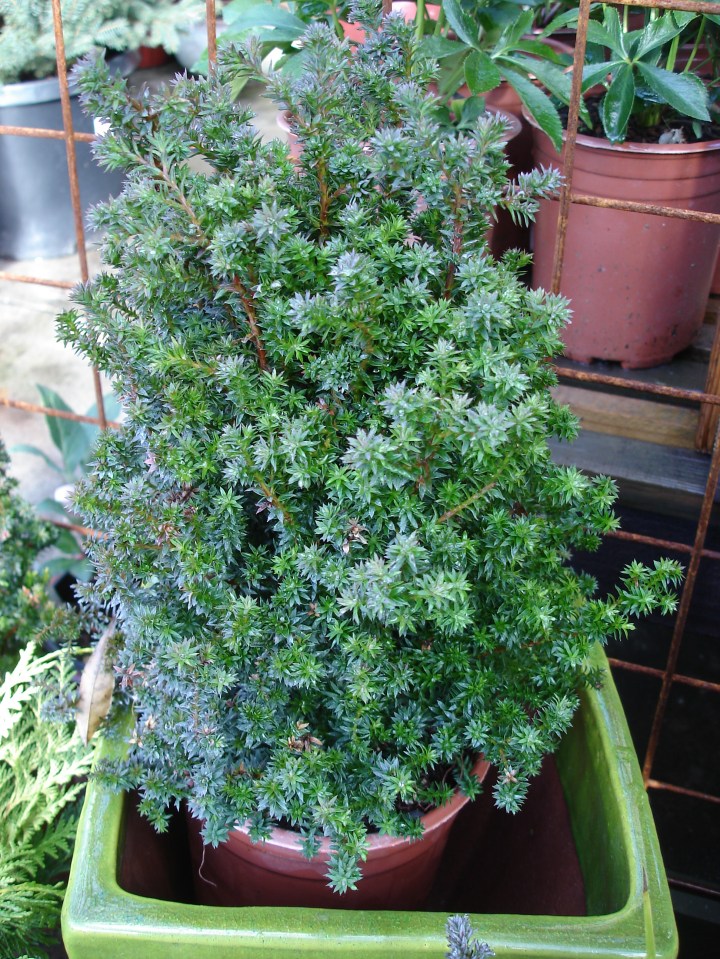 Is it red or white? Actually, it is neither. ‘Whitecedar’ is the common name for Chamaecyparis thyoides, which is a formidable coastal conifer from Maine to Mississippi. ‘Red Star’ is a much smaller garden variety. Its finely textured foliage is bluish green when it first emerges in spring, and can turn slightly purplish or bronzed gray if it gets cold enough in winter, but never turns red.
 Some of us may remember deodar cedar, Cedrus deodara, from the opening scene of the Andy Griffith Show. They were in the background as Andy Taylor and his son Opie skipped stones on Myers Lake near Mayberry in North Carolina. Those well established and naturalized trees and the pond are actually in Franklin Canyon Park in the Santa Monica Mountains above Beverly Hills.
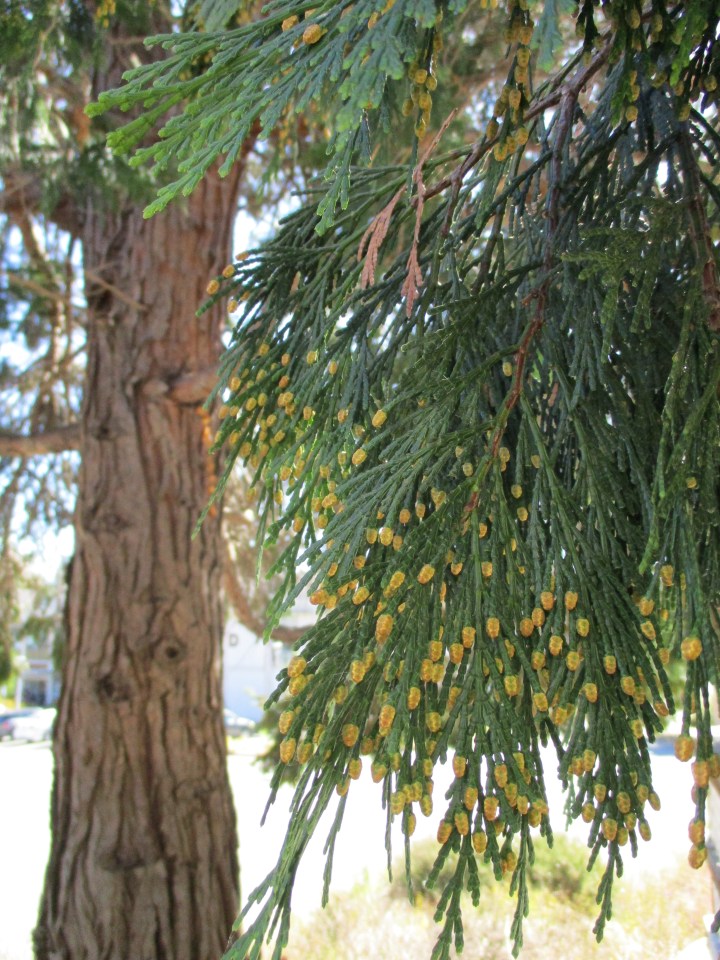 Calocedrus decurrens. Incense cedar. The first tree that I ever planted was a small incense cedar, like the tree in the picture here. Of course, it was not this big when I planted it.
 It is so tempting to dress up a densely conical dwarf Alberta spruce, Picea glauca ‘Conica’, as a garden gnome for Halloween. They are so symmetrical that they seem to have been shorn that way. They are too small to be classified as trees, but are not as shrubby as most shrubbery either. Their practicality is rather limited to formal situations where their strict symmetry is desirable.
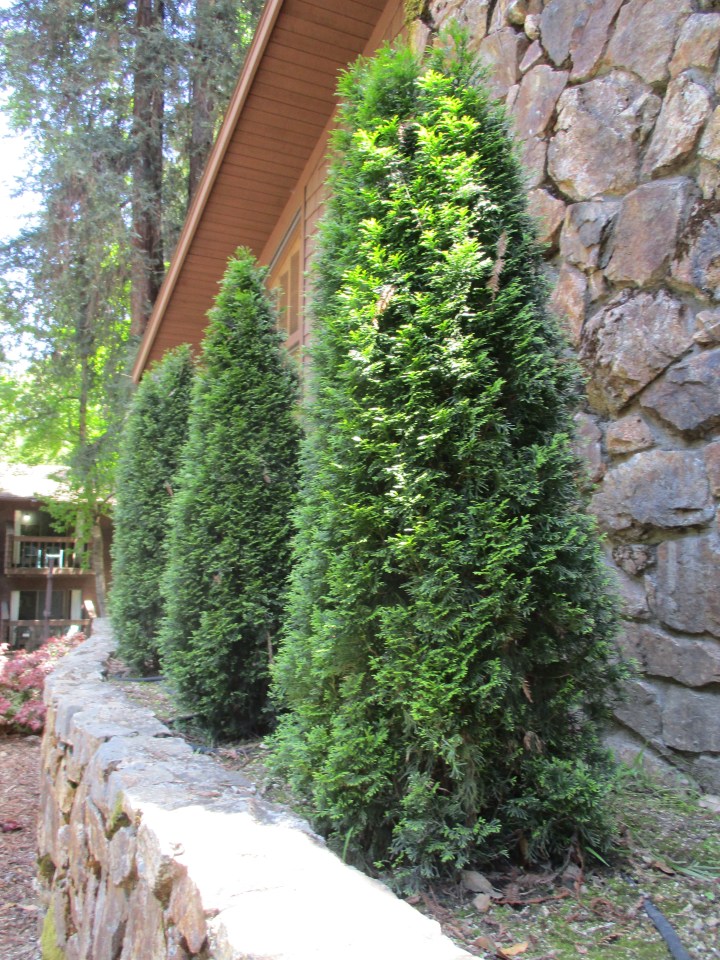 We all know what autumn is for. Planting, of course. Yes, it is a recurring theme; but there are so many different things to plant. Dormant bulbs need to get into the ground before cool and rainy winter weather. Deciduous plants that should be planted while dormant prefer an early start if planted as soon as they defoliate in autumn. Believe it or not, most evergreen plants are no different.
 Tony Tomeo