
Cool season vegetables are the first clue. Now that they are seasonal, cool season color is also seasonal. Both comply with similar schedules. Their cool season centers around winter, including portions of spring and autumn. Some prefer to start early. Some prefer a later start. They also finish at variable times through spring. Some perform until summer.
Warm season color also complies with distinct schedules. Some might finish a bit earlier than their cool season replacements begin. Conversely, some could continue to perform a bit later than their replacement allows. It is gratifying when color of one season finishes as color of the next season begins. That will become more likely later within the season.
Cool season color has a few designations. Winter commonly replaces cool season. Yet, it includes adjacent portions of autumn and spring. Bedding plants or annuals commonly replaces color. Yet, many are actually perennials, and none are limited to bedding. Large homogenous beds are passe anyway. Some perennials linger after their primary season.
Also, some species behave differently here than within other climates. Wax begonias are warm season color, but may dislike locally arid warmth. They perform better for spring or autumn than for summer here. Actually, they become as popular as summer ends as they are when winter ends. They bloom until frost, or continually and perennially without frost.
Growth is slower during cool weather. Therefore, seed for cool season color should start early. For most, small plants, such as those from cell packs, are more efficient than seed. Cyclamen grow so slowly that they are only available in expensive four inch pots. Some cool season color is better for autumn or spring. This includes marigold and snapdragon.
Pansy and viola are the most popular of cool season color. Pansy are a type of viola with fewer but bigger flowers. Various types of primrose are nearly as popular, and can bloom until summer heat. Iceland poppy can grow a bit later in autumn to bloom through winter. Sweet William is a perennial that blooms now until spring, and can resume next autumn. Ornamental cabbage is bold foliar cool season color.
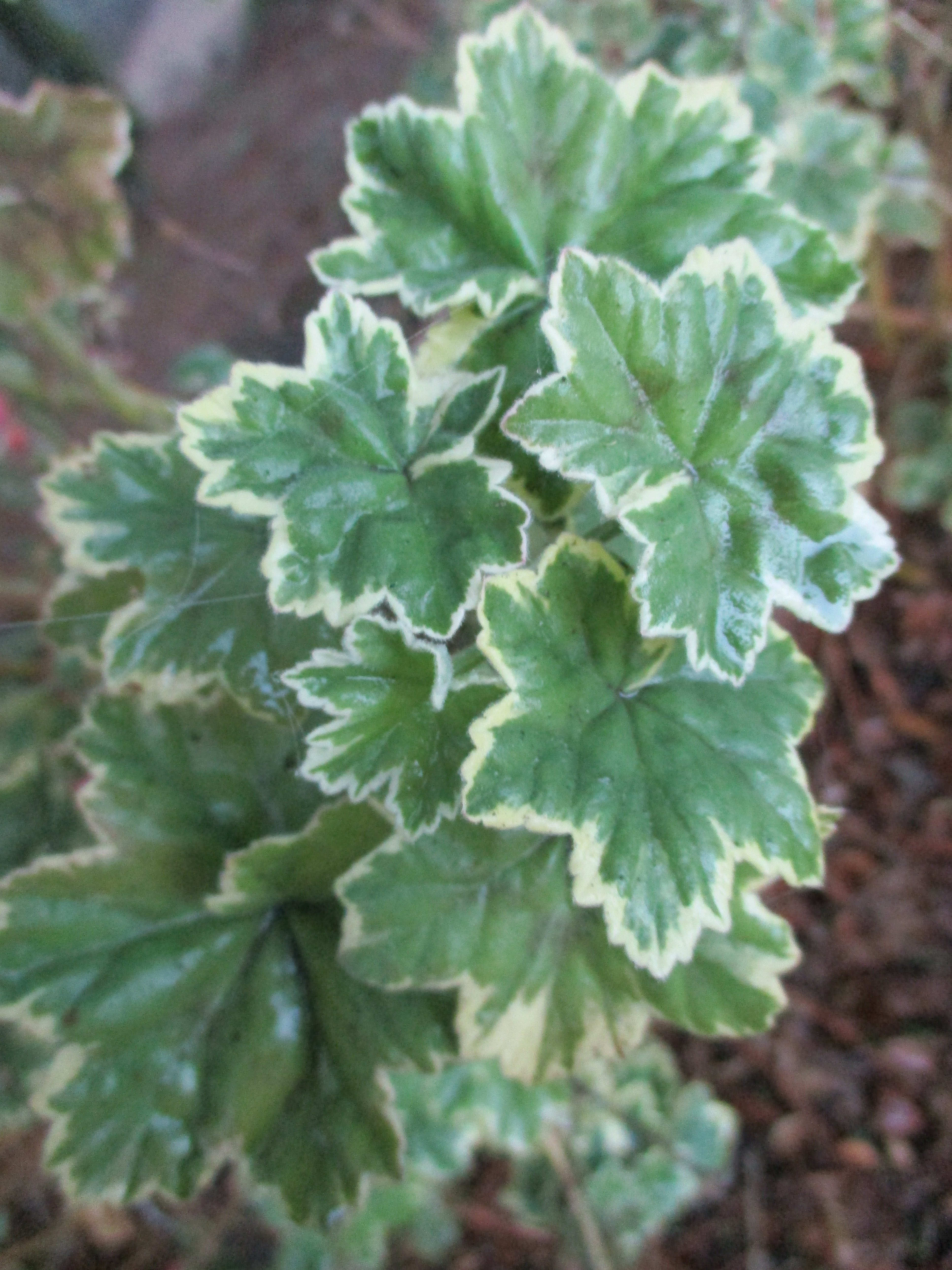 Traditional horticultural technology that was so common in the orchards, that were likewise more common, was more practical than so much of what we do in our modern home gardens now. Orchardists got good insects to take out the bad insects. They got mulberry trees to distract hungry birds from maturing apricots and prunes. They even got weedy annuals to control other weeds.
 Tony Tomeo