 Traditional horticultural technology that was so common in the orchards, that were likewise more common, was more practical than so much of what we do in our modern home gardens now. Orchardists got good insects to take out the bad insects. They got mulberry trees to distract hungry birds from maturing apricots and prunes. They even got weedy annuals to control other weeds.
Once it got established, mustard grew wild under many orchards. It self sowed so efficiently that it did not need to be sown. It grew fast, and shaded out other nastier weeds. Anyone who wanted to pick greens could take all they wanted without setting it back. It was sometimes tilled in early, or cut early and left on the surface as mulch, but was probably most often left to die back naturally.
Besides controlling weeds, the mustard improved the soil and kept it friable, both by dispersing roots through it, and also by decomposing into it. Other types of cover crops help limit erosion through winter, or improve soil fertility. All are very easy to plant and grow, and almost all get all the water they need from rain through winter. They only need to be cut and tilled when they are done.
Of course, they are all ‘done’ at different times. Orchard mustard that never gets cut or tilled is never really done. It just perpetuates itself. Cover crops in home gardens are done when we say they are done, before the space is needed for something else. Some should be cut before self sowing and becoming more a weed than a cover crop, whether or not the space is needed right away.
Cover crops get planted by simply broadcasting seed onto freshly tilled soil that will not be used for anything until next year. After seed is broadcast, the soil can be raked lightly to cover the seed. If it is not watered right away, the rain will take care of it. Fava beans, oats, barley, millet, clover and annual rye grass are some of the more familiar cover crops. Sesame and sorghum are rare.
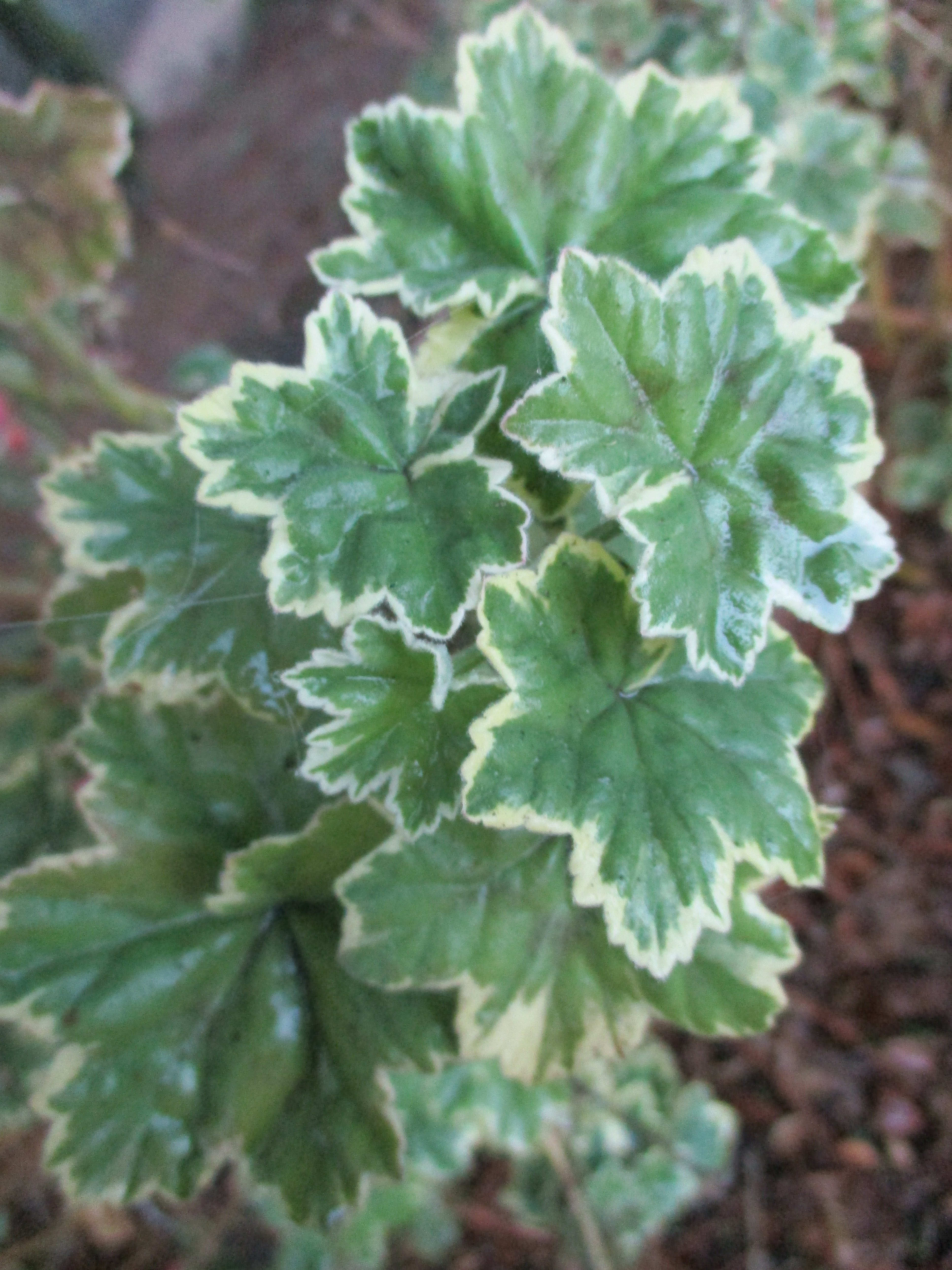
Freeway iceplant and old varieties of common geranium (Pelargonium X hortorum) can function as prettier perennial cover crops. The iceplant can be cut from established colonies and plugged as short cuttings about four inches long. When geraniums get cut back, the pieces can likewise be processed into cuttings. Unlike annuals, these would get removed when their space is needed.

 Tony Tomeo