Which Mesquite?

Is this velvet mesquite, Prosopis velutina, or honey mesquite, Prosopis glandulosa? It is still too young to identify. I suspect that it is velvet mesquite because I found its seed in a landscape in Surprise, Arizona, and velvet mesquite is the most common species within landscapes there. Also, the foliage of the trees that provided the seed resembled that of velvet mesquite more than that of honey mesquite, with relatively smaller leaflets. The bark was medium brown, so was not quite as dark brown as I would expect for velvet mesquite, but more brown than tan, as I would expect for honey mesquite. This little seedling may not look like much now, but it is the only survivor of the many seed that I collected. Only a few germinated, and slugs ate them before they extended their first leave beyond their cotyledons. This seedling germinated last, and was promptly canned in a four inch pot that I brought inside at night for protection. I hope that, before the end of summer, it grows large enough to survive winter. It should. Regardless of its identity, I hope to eventually use its stems for smoking and, if it grows large enough, barbecuing.

Herbal Tea Options

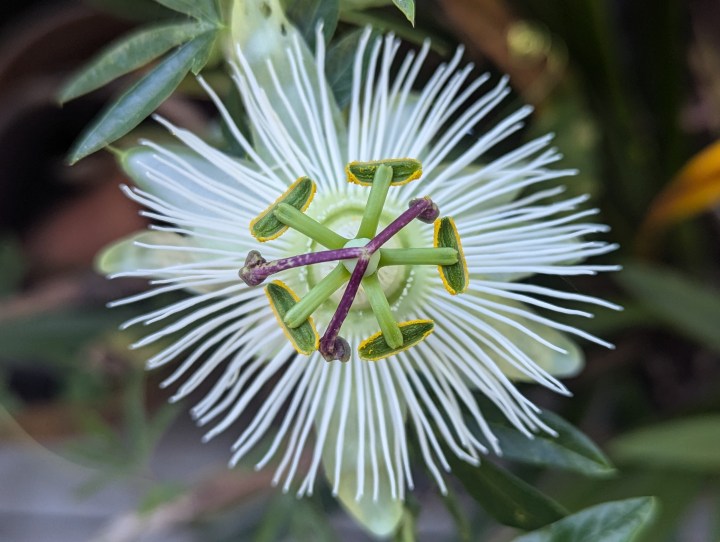
Even passion flower can make a nice, albeit colorless, tea.

When she was younger, my niece, who happens to be the most elegantly refined girl in Gilroy, enjoyed doing tea.  She certainly had the technique, as well as two patient grandmothers, to indulge in this particular tradition properly. The only problem was caffeine.

She was such a young lady; and her Nana and Grandma refrained from the consumption of caffeine. Black tea, made from the fermented bud leaves of tea camellias, was not a good option. Even green tea, made from the same leaves but without fermentation, contains some degree of caffeine. Herbal teas were more practical, as well as appealing to the discriminating taste of a young lady of such impeccable refinement.

There are all sorts of herbal teas made from flowers, leaves and fruit that can be grown in home gardens. Mint, chamomile and lemon grass are perhaps the most well known. Peppermint, spearmint and the many other varieties of mint all have unique flavors. Lavender, particularly French lavender, and some of the many sages can be used to add a bit of their distinctive flavors, too.

Thinly sliced and dried ginger and licorice root make spicy teas that are also good remedies to a mildly upset stomach. However, flowering ginger is not as robust as herbal ginger is. Finely chopped dried berries, cherries, apricots and quince, as well as the rinds of lemons and oranges, add their fruity flavors. The extensive tea list at the White Raven in Felton features teas flavored with dried hibiscus flowers, pelargoniums and rose hips.

Experimenting with herbal tea is like cooking. Within reason, anything goes. Tea can even be made from the dried young shoots of Douglas fir! The only plants that can not be used as tea are those that are potentially toxic.

Tea can of course be enjoyed hot, cold, or even at ambient temperature. Herbal tea is almost always made from dried plant parts, but can be made from fresh parts as well. The various mints have different flavors if brewed from fresh bits taken directly from the garden instead of dried leaves. I actually like to add a few fresh leaves from rose scented geranium (pelargonium) to common sun tea made by leaving black tea to brew out in a jar in the sun.

While they are in season, I also like to add a thin slice of fresh quince, which is so strongly flavored that it is just as effective fresh as it is dried for sun tea or hot tea. Apples and crabapples are also nice, but with much milder, and perhaps even boring, flavor. I prefer to eat the apples and then drop the cores into tea. A Slice or two of richly flavored fig can be good in sweetened hot tea.

Off Color II

Borago officinalis, borage, as I mentioned last October, blooms almost exclusively with blue flowers. At the time though, a few maturing seedlings were blooming with a few pink flowers that eventually were replaced with blue flowers. Now that more are blooming, a few are doing so like this, with white flowers. Also last October, I mentioned that, although white is my favorite color, I expect borage to bloom blue. Not only does blue seem like a more natural color for it, but is also prettier. White borage seems rather mundane. Fortunately, most bloom blue, with enough that bloom white for my own garden, where I am less concerned with how pretty they are. I now wonder if they will be true to type. In other words, I wonder if those that bloom white will produce seed for more that bloom white, or if they will revert to bloom mostly blue. I will take what I get, I suppose. I have not yet found one that I do not like. I would be impressed, or perhaps concerned, by orange bloom, but I seriously doubt that will happen. I should be more concerned with what to do with all these borage seedlings than with their bloom color. I will plant only a few at work, which leaves more than a few for my home garden. Although supposedly not invasive, they are also supposedly proficient with self seeding. Once they get established within my garden, they will likely always be there. I suppose that I should learn to exploit their culinary applications, particularly for those that bloom blue where I do not want them, but perhaps less so for those that bloom white where I do want them. Now I am getting ahead of the situation. After all, they are still just seedlings.

AGAIN – NO Blue Ribbon!

P90929After all that fuss yesterday, about how much I wanted to win a first place blue ribbon for one of my jams or jellies at the Jam, Pie and Chili Contest of the Santa Cruz Mountains Harvest Festival, I must still do without! Not only did I not win the ever elusive first place blue ribbon that I so desperately crave, but for the first time ever, I did not win second or even third place!

However, it is not as disappointing as it seems. There were no ribbons to win. There was only the same single prize for each of the three categories, which is a winter pass for the hot tub and sauna at the Bear Creek Recreation and Community Center of Boulder Creek. Although it is not the blue ribbon that I can flaunt and brag incessantly about, it is a fabulously generous prize.

What was more disappointing was that the Contest was canceled. For the Jam category, there were only two other contestants with only a few submissions, and neither showed up! How can that even happen? My six submissions were the only six to compete! It was even worse for the Pie and Chili categories, with only one contestant bringing pumpkin pie and two types of chili!

Yes, it was disappointing, but only briefly. No one minded that there were only identical pumpkin pies to vote for in the Pie category. In fact, we all easily agreed that they were the best pies in the Contest! Selection of the best of two types of chili in the Chili category was slightly more challenging only because no one wanted to say that one chili was less excellent than the other.

I still crave the elusive first place blue ribbon, but can easily do without it too.

Six on Saturday: Still NO Blue Ribbon


That could change later today, at the Jam, Pie and Chili Contest of the Santa Cruz Mountains Harvest Festival. My jams or jellies have won second place every year for the past few years, except for only one year when my mother’s peach jam won second place. How embarrassing! Anyway, for some of the past few years, my entries have won both second and third place.

However, none of my jams or jellies have won a first place blue ribbon!

This could be the year!

Will it be? Well, that is doubtful.

Blue elderberry jelly is what most often wins second place, except only when blackberry jelly . . . or my mother’s peach jam . . . is better. Unfortunately, blue elderberries were rather scarce this year, and what I got were not very good. In fact, they were downright bad. Other fruits, such as currants and gooseberries, were too scarce. Dogwood berries did not ripen soon enough.

For this year:

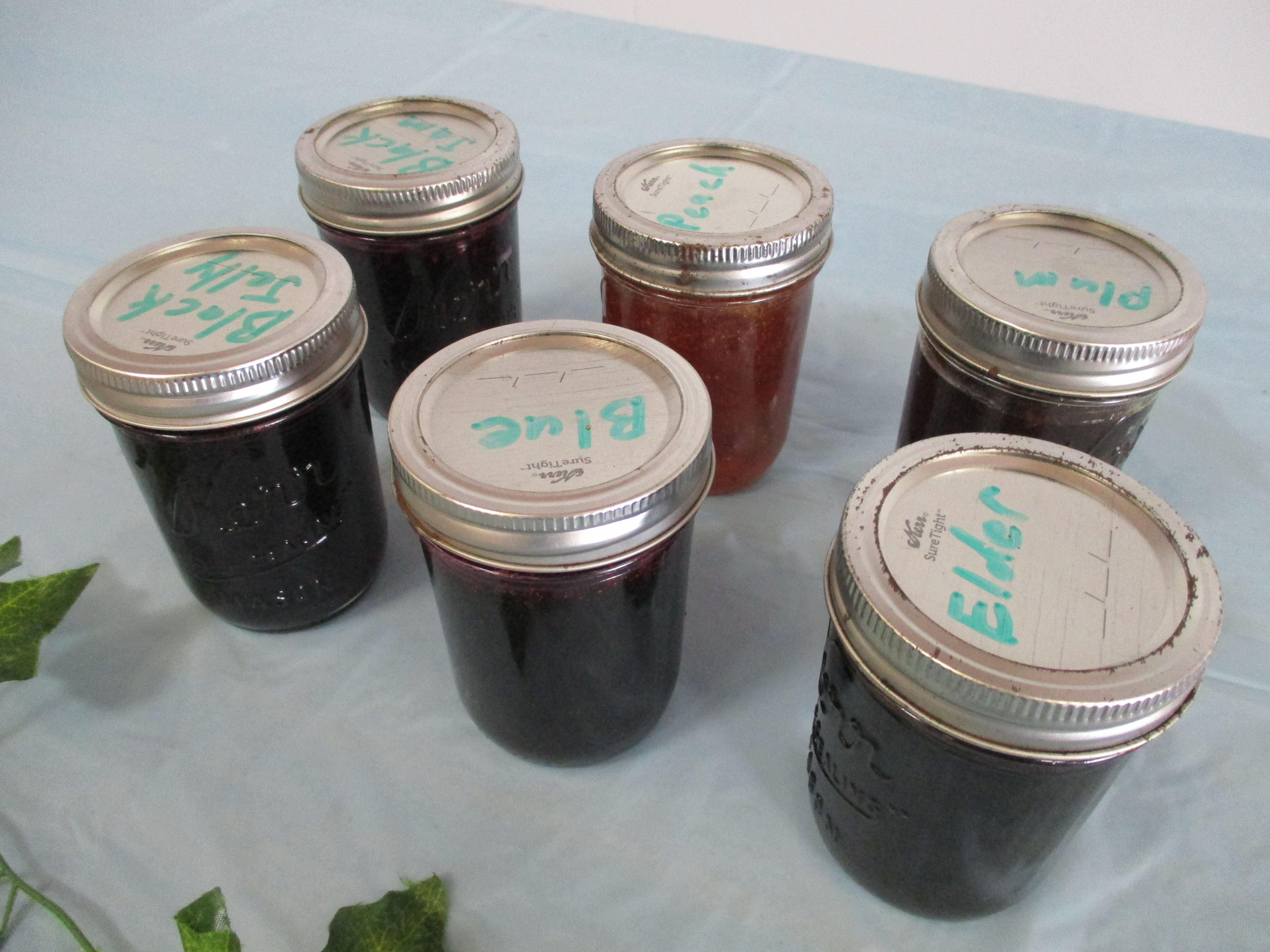
Peach jam looks and tastes great, but is about as chewy as a gummy bear.

Plum jelly is a sloppy mess that tastes sort of burnt.

Elderberry jelly is a bit sloppier, and, as mentioned above, is made with inferior fruit.

Blueberry jam is sort of like preserves. It is not bad. However, it is made from surplus ‘store-bought’ blueberries from a neighbor, instead of from locally grown or collected fruit.

Blackberry jam tastes great, but the seeds are weirdly tough this year, like wooden gravel.

Blackberry jelly is probably the best of the six, but tastes more like sugar than berries.

1. Do you notice anything missing among these few of the several ribbons that have been awarded to our jams and jellies in the past? There is not a single blue ribbon . . . yet. It will be mine!90928

2. Do you see what else is missing? Of course not. If you could see it, then it would not be missing. It would also be blue; as in the blue elderberries that normally make the ‘second’ best jelly!90928+
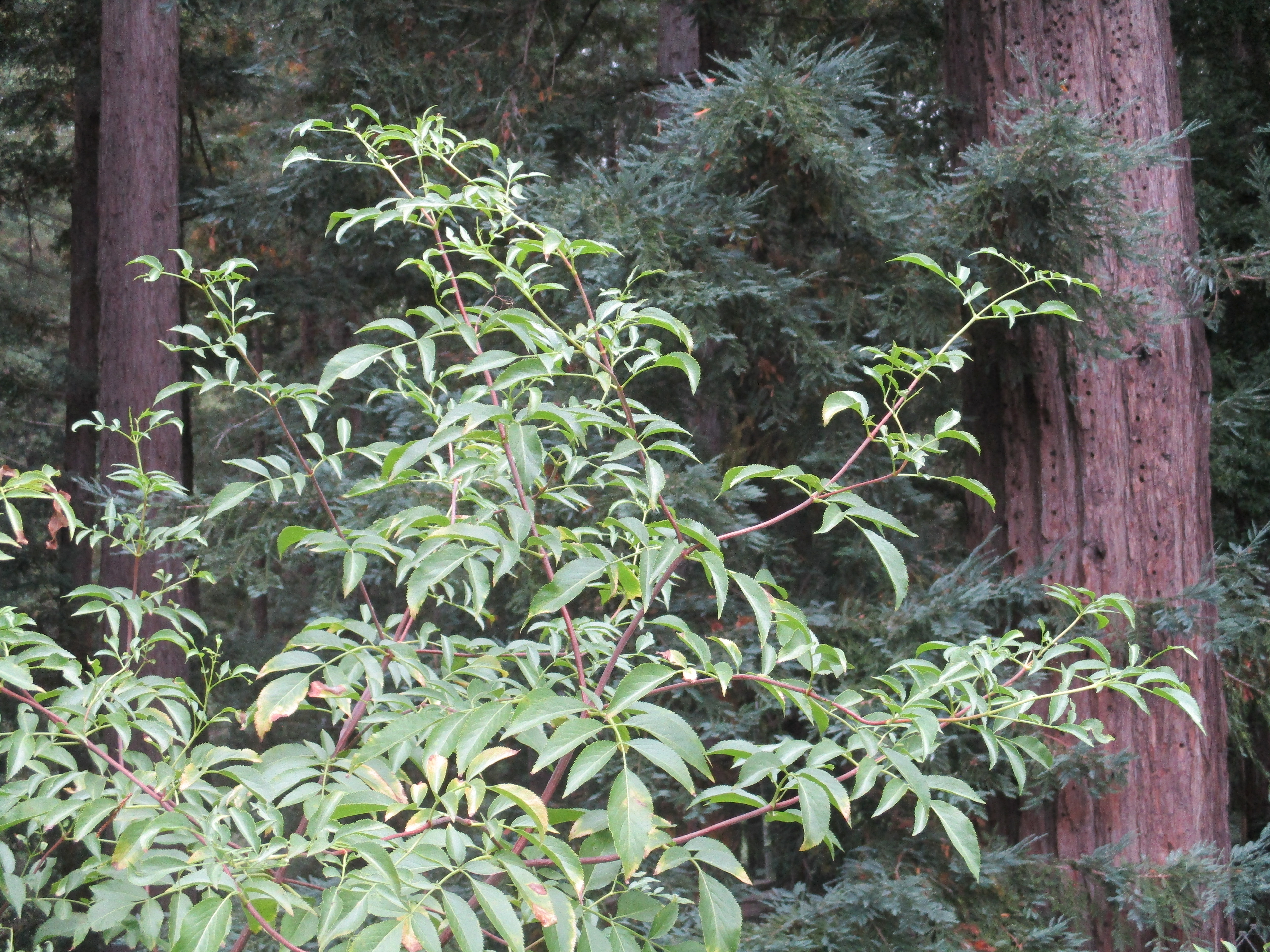
3. The native currants were no better. They are never abundant like blue elderberries are, but there are normally more than there were this year. I did not bother looking for gooseberries.90928++

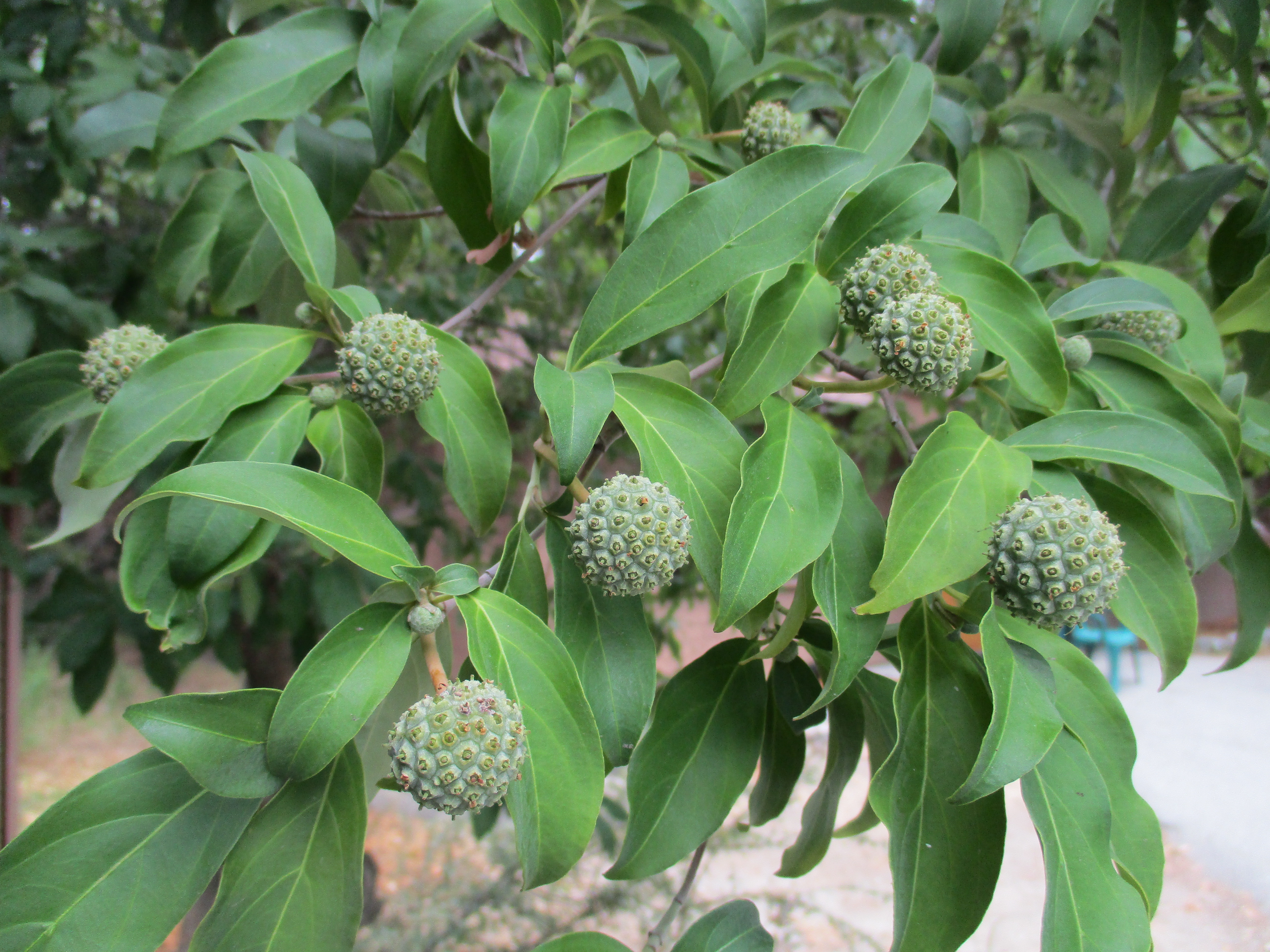
4. Kousa dogwood made plenty of fruit, but it is not ripe yet! Oh well. Ironically, this particular tree might get cut down this winter. The abundant fruit is too messy on the pavement below.90928+++
5. Tomatoes are insultingly abundant where they grow wild around the compost piles and on roadsides. I do not need any more stoopid tomatoes! They will not help me win my blue ribbon!90928++++

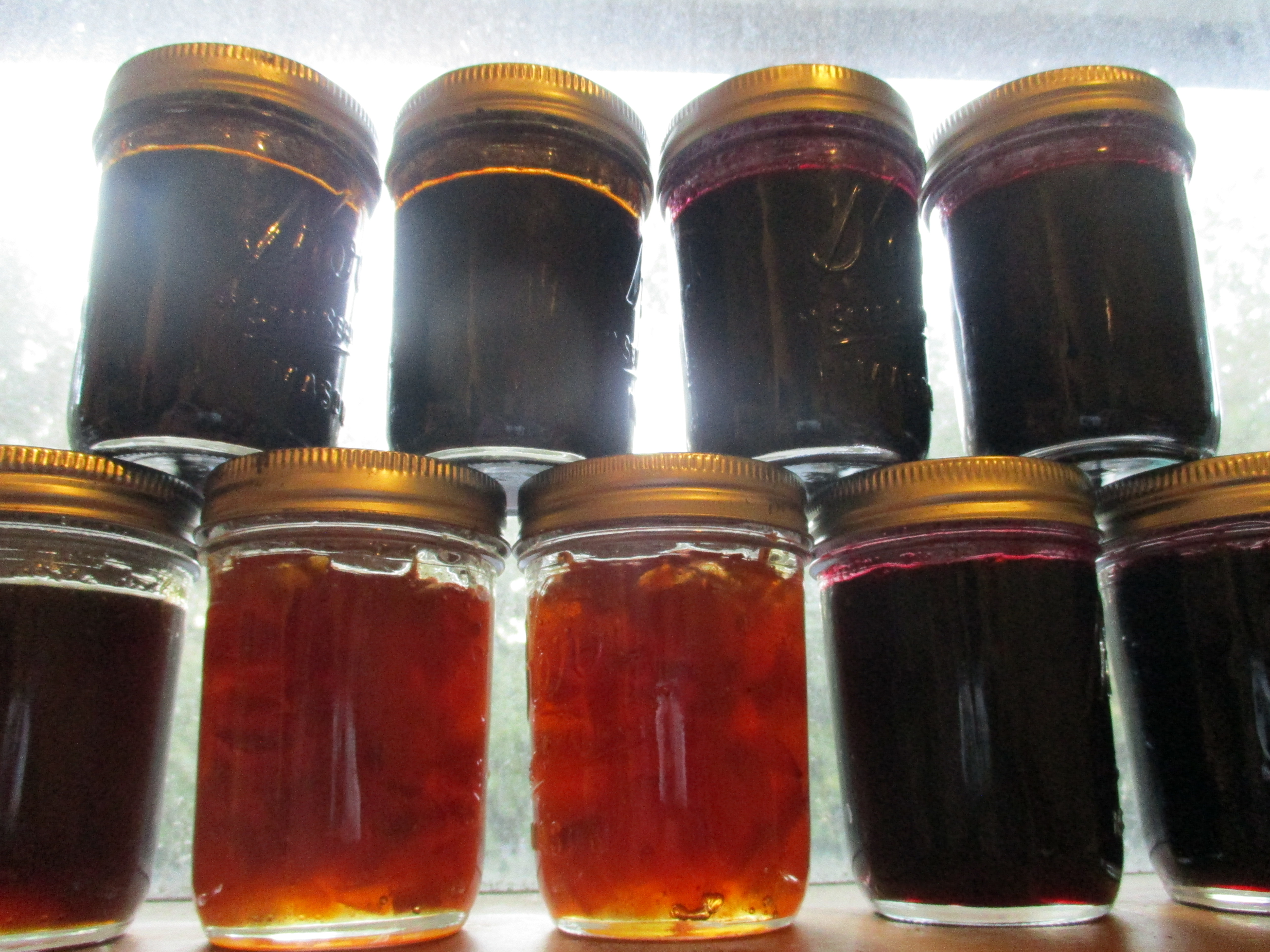
6. Six submissions are ready for the Jam Contest later today: peach jam, plum jelly, elderberry jelly, blueberry jam, blackberry jam, blackberry jelly. I will write about the results tomorrow.90928+++++
This is the link for Six on Saturday, for anyone else who would like to participate:

https://thepropagatorblog.wordpress.com/2017/09/18/six-on-saturday-a-participant-guide/

Oregano

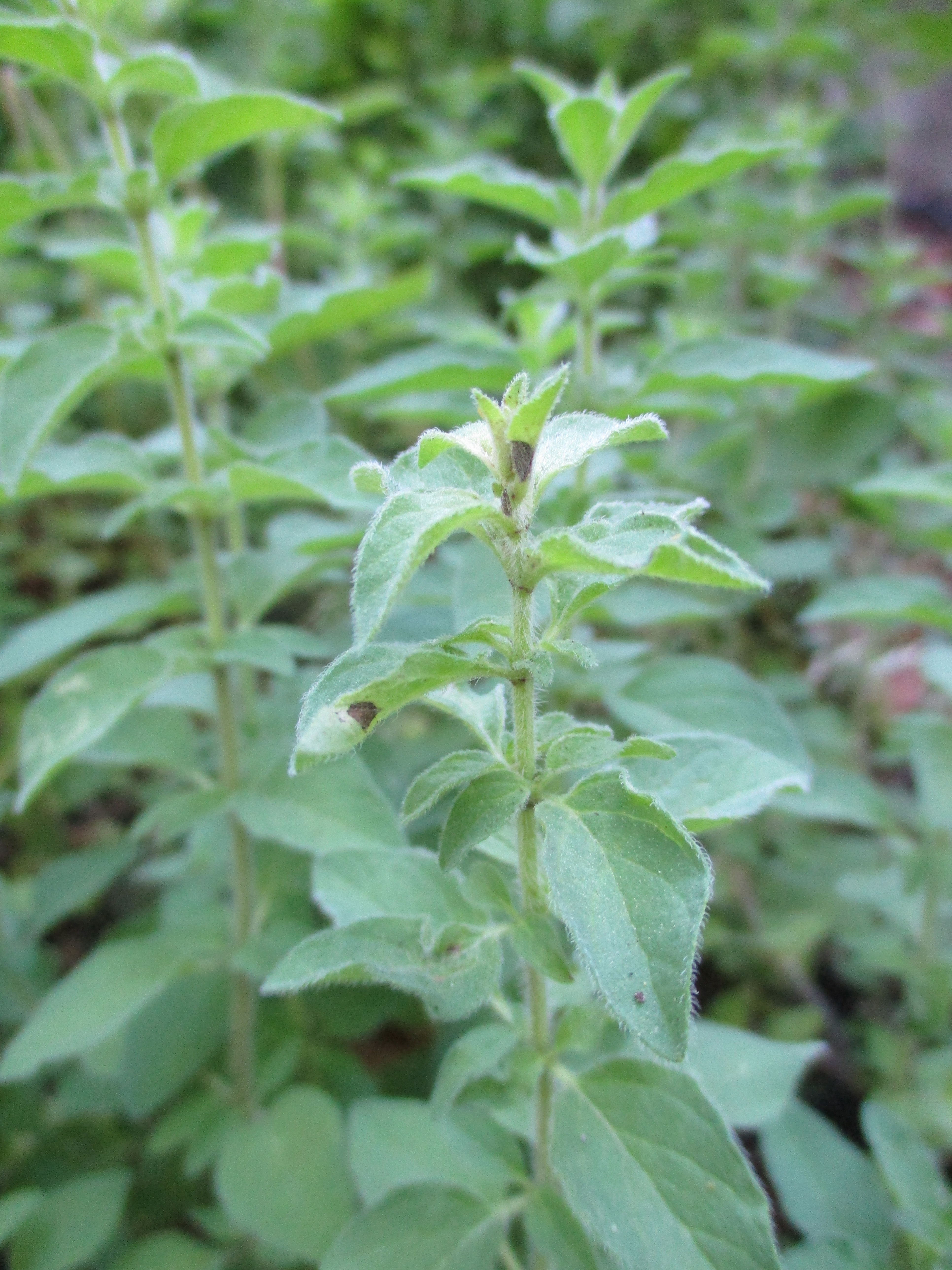
80627It is considered to be an Italian herb, but since it was popularized in America in the late 1940s, oregano, Origanum vulgare, has become more popular in Italian-American cuisine than it is in Italy. It is now the traditional ‘pizza herb’ for American style pizza. Oregano happens to be one of the few herbs that is preferred dried rather than fresh. Only foliage is used, either before or after bloom.

Prior to bloom, foliage is low to the ground, on wiry stems. Blooming stems stand vertically as tall as two feet, with more foliage and tiny purplish flowers that are not very flashy. The flavor of the foliage on the upright blooming stems is distinct from that of the prostrate vegetative stems. The opposite leaves are only about an inch long, or slightly longer. Flavor can be variable with weather.

Flavor is also variable by cultivar. Some are spicier than most. Some are more bitter. Some cultivars were marketed to be more visually appealing in the garden than flavorful in the kitchen. ‘Nana’ is a dwarf. ‘Aureum’ is variegated with yellow. The famously flavored ‘Greek Kaliteri’ has compact growth, with atypically thick and slightly fuzzy leaves that are dark on top and purplish underneath.

Herbs For Kitchen And Garden

80627thumbHerbs might be in our garden right now, whether we are aware of it or not. Trailing rosemary happens to be a popular and practical groundcover, and some varieties grow as low shrubbery. A few varieties of thyme also work as ground cover for small areas, or between stones. Various lavenders are popular low mounding shrubbery. Quite a few common landscape plants are also herbal.

It is important to be aware though, that some varieties of herbal plants are better for landscape applications, and others are better for herbal applications. All cultivars of rosemary can be used for culinary applications, but some happen to be grown specifically for that purpose because of superior flavor. Cultivars with the best flavor may not be as useful for groundcover or as low shrubbery.

The same goes for the lavenders. French lavender may be the best for culinary applications, but the various Spanish and English lavenders might be better options for landscape applications, cut flowers or for their aroma. California bay that grows wild as a big tree is actually a completely different genus than the shrubbier culinary Grecian bay, and can ruin a recipe if used as a substitute.

As if that were not complicated enough, once the preferred herbal plants are identified, it is important to know how to use them. Chive, cilantro, parsley, mint and most others are usually preferred fresh. Lavender and bay leaf are more often used dried. Rosemary, oregano and sage can be used fresh or dried, depending on the desired flavor. Almost any herb can be dried for convenience.

Drying herbs is convenient for those that are only available within certain seasons, even if they can be used fresh while in season too. For example, chamomile is not a foliar herb like most, but is unbloomed floral buds that must be harvested at a very specific time. They should be plump, but not completely open. Once harvested and dried, they are useful for herbal tea throughout the year.

Herbs can be flowers, seeds, bark or any part. Most are foliage of the family Lamiaceae.