The Belmont Rooster posted pictures of red mulberry that really got my attention back on February 15. The trees are native on his farm, but not here. I only remember them as decoy trees that provided berries to distract birds from other fruit as it ripened in the orchards. Of course, those that I remember were planted. I neglected to get seed or cuttings from them while in Oklahoma. I have been craving them since.
1. $8.85! The Belmont Rooster spent some major funds to get this package to me. It must be important. I already know it is very important to me! I have been wanting this for seven years. 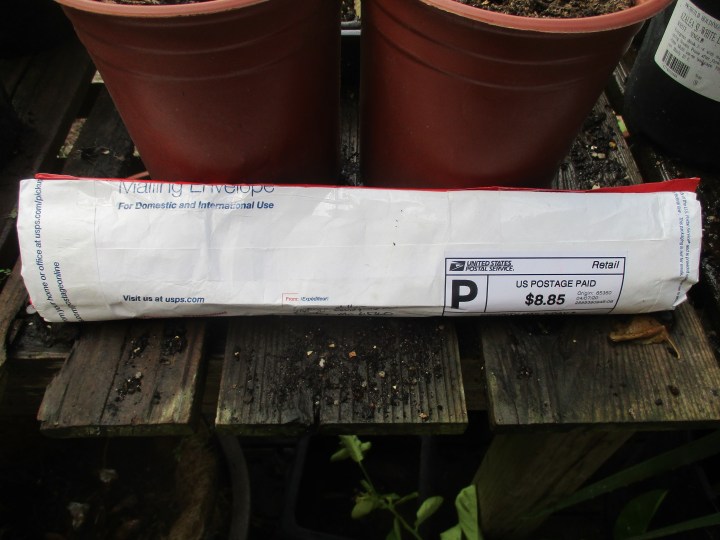
2. TWIGS! I got two bundles of twigs! These are not just any twigs though. They are from red mulberry, Morus rubra. One bundle is from a female tree. The other is from a male pollinator.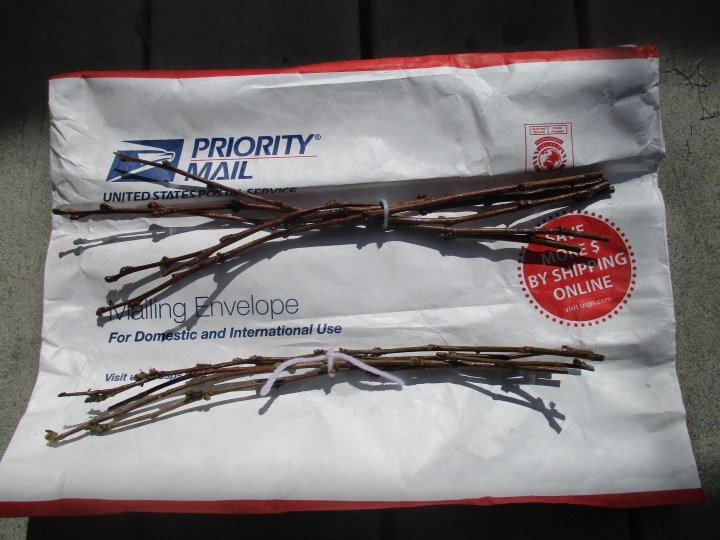
3. Cuttings were processed from the twigs. There are a dozen female cuttings, and sixteen male cuttings. These are male. I was informed earlier that the female twigs were starting to foliate.
4. Plugged cuttings are not much to look at. Rooting hormone was applied, but is not visible on the bottom ends. Only a few popping buds are barely visible in the female cuttings to the right.
5. White mulberry was the only mulberry that I was growing here. I got the cuttings for it from a client’s tree. I do not know what cultivar it is. I have not been very impressed with it so far.
6. The Belmont Rooster sent these cuttings from Missouri, just to the left of the center of this picture. All of Missouri is within the native range of red mulberry, which is designated by green.
This is the link for Six on Saturday, for anyone else who would like to participate:
https://thepropagatorblog.wordpress.com/2017/09/18/six-on-saturday-a-participant-guide/
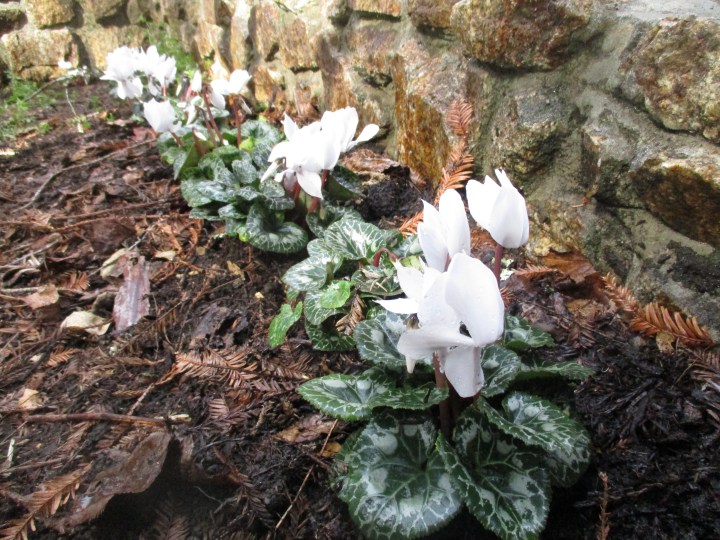


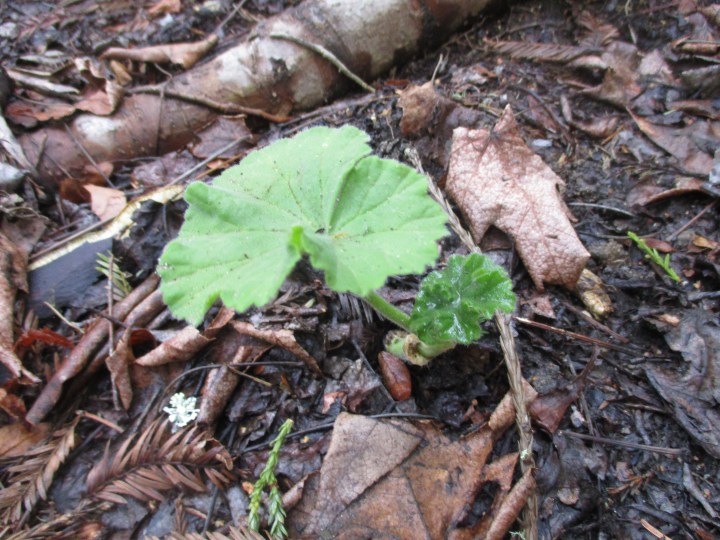
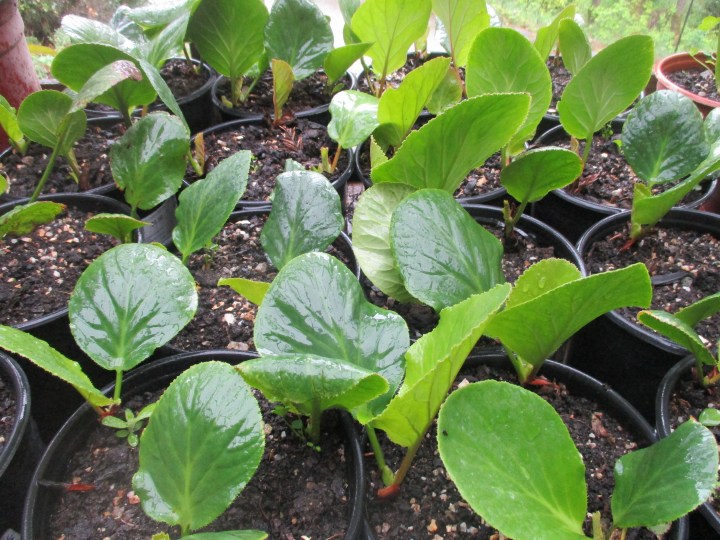
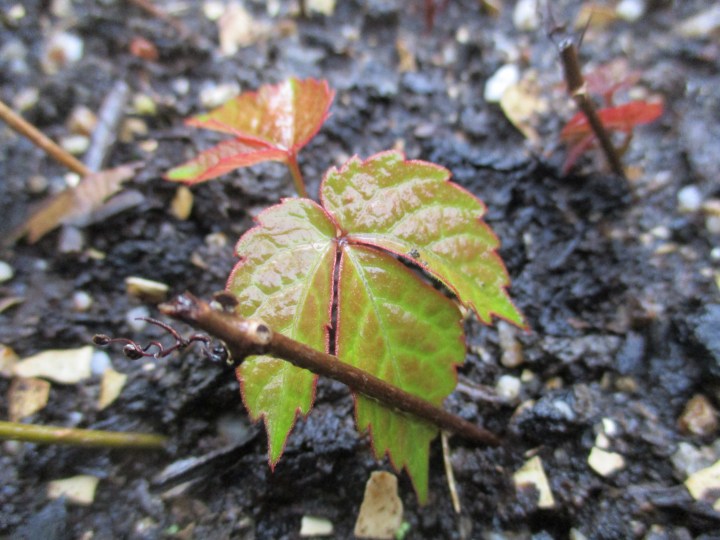


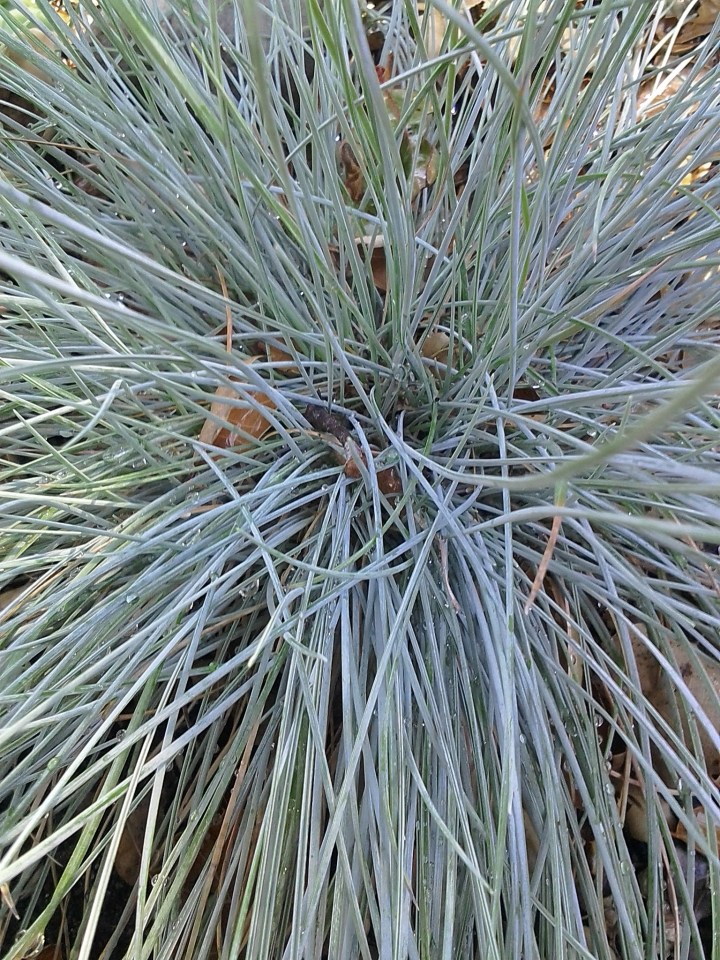
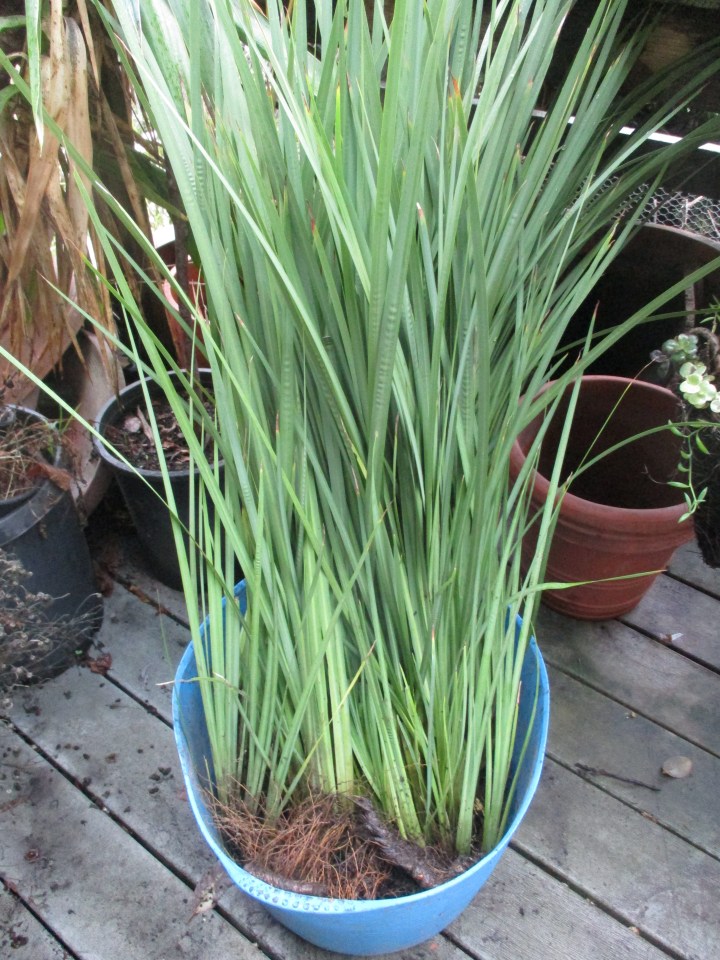


 Why do we all think we need a greenhouse? Some of us may rely on them for sheltering plants through cold winters. Some of us grow seedling late in winter, for an early start in spring. For some of us, greenhouses are where we grow plants that would not be as happy out in the natural climate. There is a multitude of uses for a greenhouse; but really, how many of us need one?
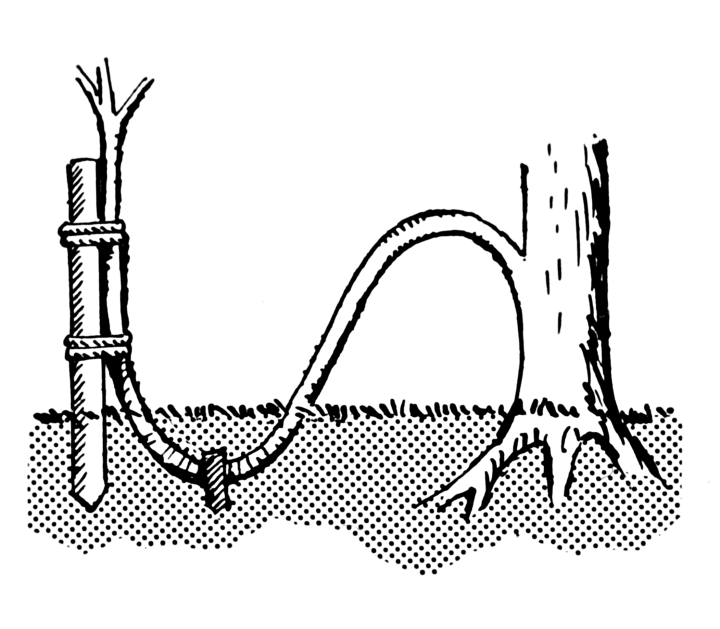 All plants propagate. Otherwise, they would go extinct. They all have the potential to propagate by seed or spores. However, some are more efficient at vegetative propagation from stems or roots. Of the later, a few propagate by seed so rarely that it is a wonder that they can evolve, since vegetatively propagated plants are clones, or genetically identical copies, of the original plants.
 Right next door to my downtown planter box, (
  Brent and I met in college, when we were assigned to the same dorm room in Fremont Hall at Cal Poly in San Luis Obispo. Our similarities were remarkable. He came two hundred miles north from west of Los Angeles. I came two hundred miles south from west of San Jose. We were both the middle of three children, although I had just acquired an extra younger sister the year before. While the other boys we grew up with were playing with Hot Wheels, Brent and I were busy planting miniature trees around the miniature roadways. His childhood dog was Speckles. Mine was Freckles. We were weirdly similar prior to September of 1986, but have been perfecting our differences since then.
 Tony Tomeo