Soil Is More Than Dirt

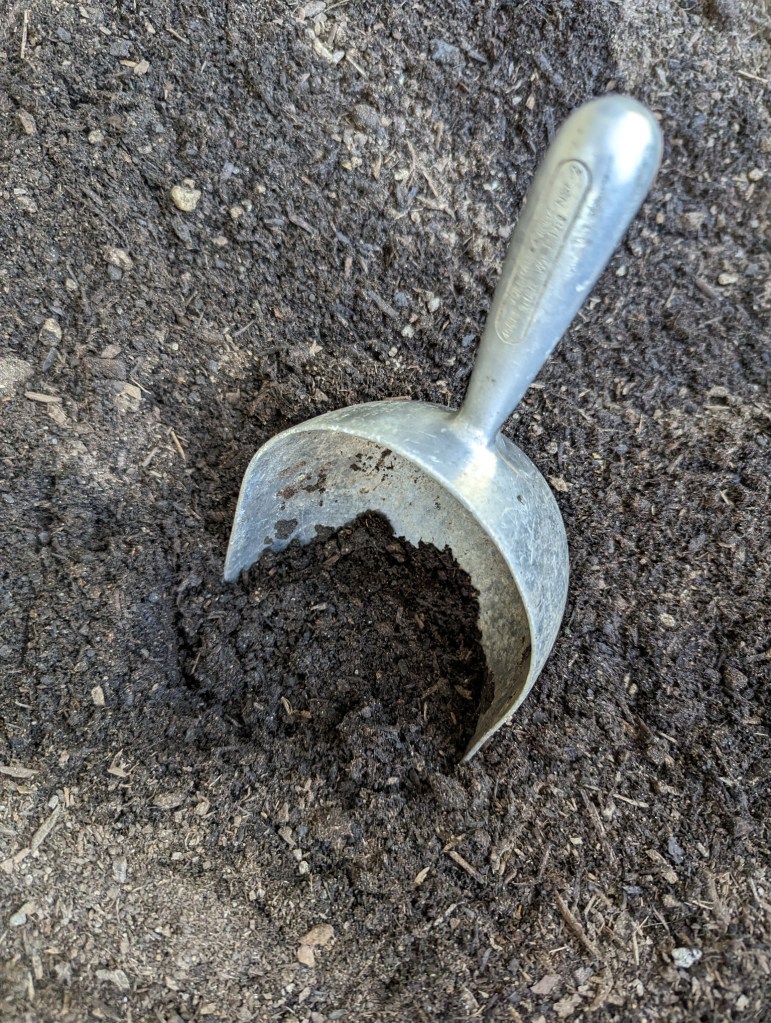
Amendment makes good soil even better.

Weeds are plants that grow wildly where they are undesirable. Therefore, all weeds are plants, but not all plants are weeds. Similarly, dirt is soil or similar substances where it is undesirable. Therefore, some dirt is soil, but soil is not necessarily dirt. The assumption that soil is dirt is disrespectful to the foundation of the garden. Roots know the difference.

Roots are experts in regard to soil because they inhabit it. They must disperse through it to procure nutrients and water, and to conduct respiration. They also provide stability for their associated stems and foliage above. Various soils are naturally diverse. Vegetation is more diverse to exploit them. Not many soils can not sustain some type of vegetation.

Soil, most simply, is the loose aggregates on the surfaces of most land. Loose is relative, since some soils are dense and quite hard. The inorganic aggregates range in size from microscopic clay particles to coarse sand. Most soils include small stones. Some include significant stones. Almost all soils contain organic material. Exposed bedrock lacks soil.

The texture of a soil is its ratio of the three basic components, sand, silt and clay. Sandy soils drain efficiently, but do not retain moisture as well as dense clay soils do. Clay soils retain more moisture, but do not drain as efficiently. Like climates, soils limit what grows well in a garden. Although local soils are of good quality, some benefit from amendment.

Soil amendments, such as compost, may improve both drainage and moisture retention. They also improve aeration and, as they decompose, they generate additional nutrients. Such organic amendments are helpful with the installation of new plants. They promote healthy dispersion of roots. They are also particularly useful for annuals and vegetables.

Fertilizers promote growth by providing more of the nutrients that the soil provides. Each nutrient promotes different types of growth. For example, phosphorus promotes floral and fruit growth. Nitrogen promotes vegetative growth. The formulation of synthetic fertilizers is very precise for specific results. Organic fertilizers can be less potent, but are effective.
Soil Is More Than Dirty

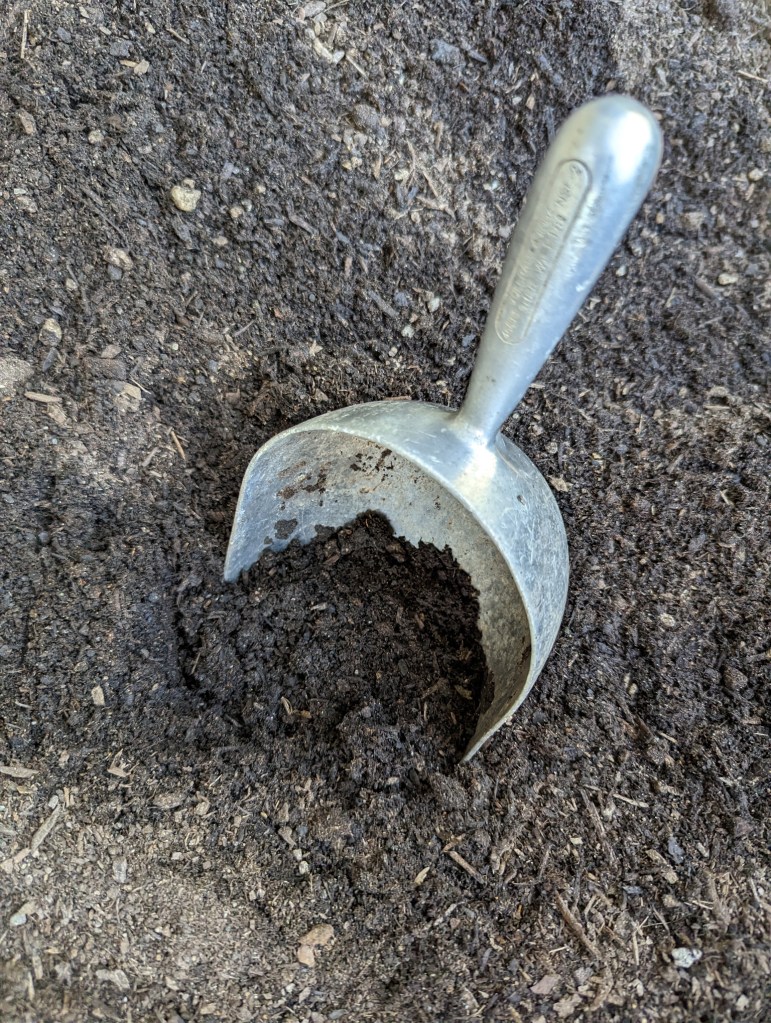
Soil amendments improve percolation of moisture.

All weeds are plants. Not all plants are weeds. Weeds are a specifiable subset of plants. Specifically, weeds are plants that grow wildly where they are undesirable. Similarly, dirt is likely soil, although it could be anything that is dirty. Soil is not merely dirt, though. Dirt is soil or a similar matter, where it is undesirable. Plants and weeds know the difference.

Most simply, soil is the loose material on the surfaces of most land. Obviously, looseness is relative. Some is quite dense and hard. It is not solid rock though. All of it consists of a combination of various inorganic aggregates. Most also includes various organic matter. Inorganic aggregates range in size from microscopic clay particles to substantial stones.

Soil provides stability and nutrients for vegetation that inhabits it. Roots disperse through it for structural support of their associated stems and foliage. Roots also absorb nutrients and water, as well as conduct respiration. Soils are naturally quite diverse. Vegetation is naturally more diverse to exploit various soils. Very few soils can not sustain vegetation.

Lawns are the carpets of a garden. Hedges are the walls. Tree canopies are the ceilings. Soils are the foundations. They support all vegetation that is not self-reliant in containers or epiphytically. Some soils are sandy, so drain very efficiently. Some are denser clay, so may drain slowly. Like climate and exposure, soils can limit what grows within a garden.

Most common and popular vegetation is satisfied with most common types of soil. Some, particularly vegetables and annuals, are more demanding. Even within good quality soil, they appreciate amendments such as compost. Amendments improve aeration, drainage and moisture retention. Organic amendments also provide nutrients as they decompose.

The most demanding vegetation also appreciates fertilizers. Most fertilizers are chemical or synthetic fertilizers of very precise formulation. Organic fertilizers are only slightly less precise. All allow application of specific amounts of specific nutrients for specific results. For example, nitrogen enhances foliar growth. Also, phosphorus enhances floral growth, and fruit growth.