Ginger Ail

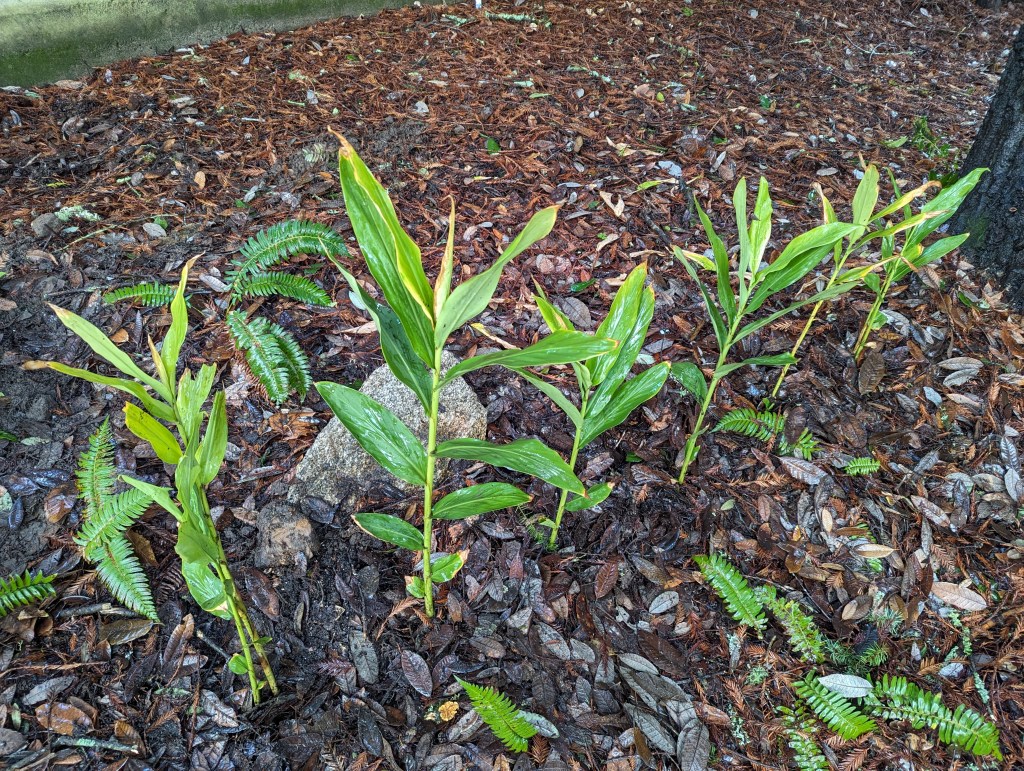
White butterfly ginger is still green.

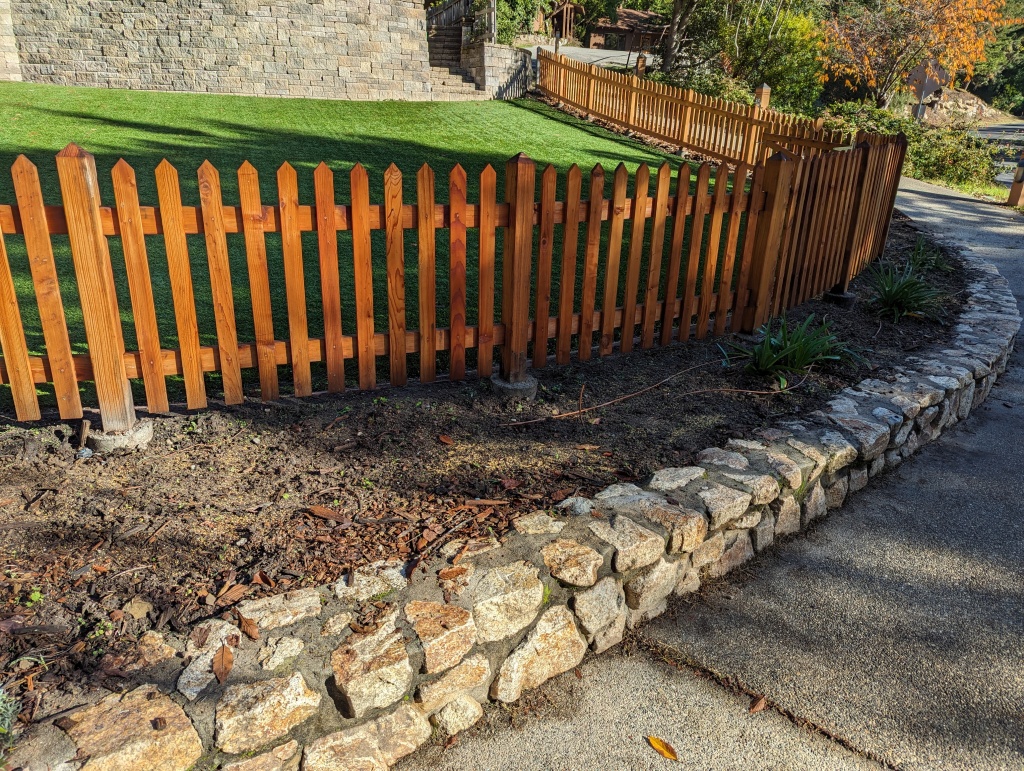
At least seven gingers live here. Five are ornamental. Two are culinary. None have yet died back as they should for winter.

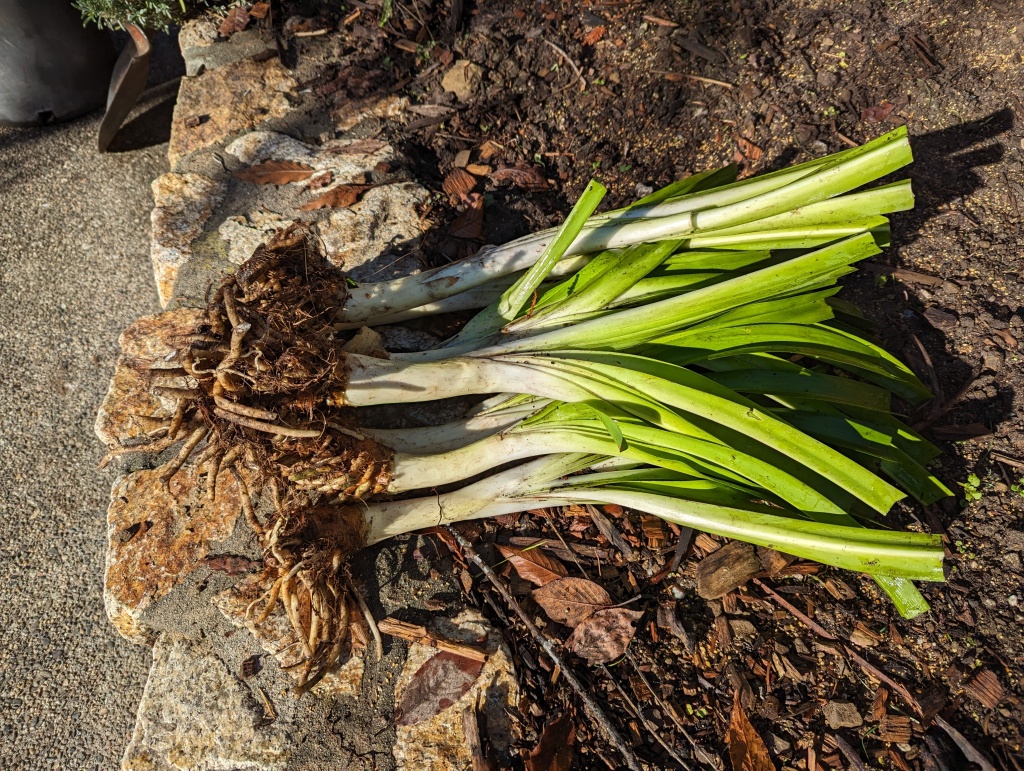
Now that it is time to divide them, I do not know what to do with their intact foliage. For this white butterfly ginger from Forest Garden, I divided the rhizomes and installed them into the landscape with their healthy foliage still attached. I do not want to cut it back until it succumbs to frost. I suppose that it can remain as long as it is healthy. It is likely promoting healthier secondary growth. Because none of the gingers are crowded yet, it should not be difficult to selectively groom out older growth as new growth develops. I doubt that older foliage absolutely must be pruned away during winter. If it were that important, the rhizomes would shed it naturally, with or without frost.

This is a mild climate, with very mild frost; but gingers should still die back for winter regardless. Cannas certainly do, even without significant frost. Even some of the banana trees were somewhat unhappy about the chill.

Actually, the banana trees seem to be bothered more by chill than the gingers. Is this normal? Angel’s trumpet, cup of gold vine and blue ginger (which is not related to ginger) also expressed more displeasure than the gingers.

I really should have sheltered some of these species better. Actually, I probably should not be growing so many species that are so sensitive to chill and frost. I will be going to Southern California again in about April, so could bring back even more tropical species. It is a bad habit.

Technically, the average last frost date is about a month and a half from now. Technically, a bit of frost is possible even after that.
Six on Saturday: Plugging Along

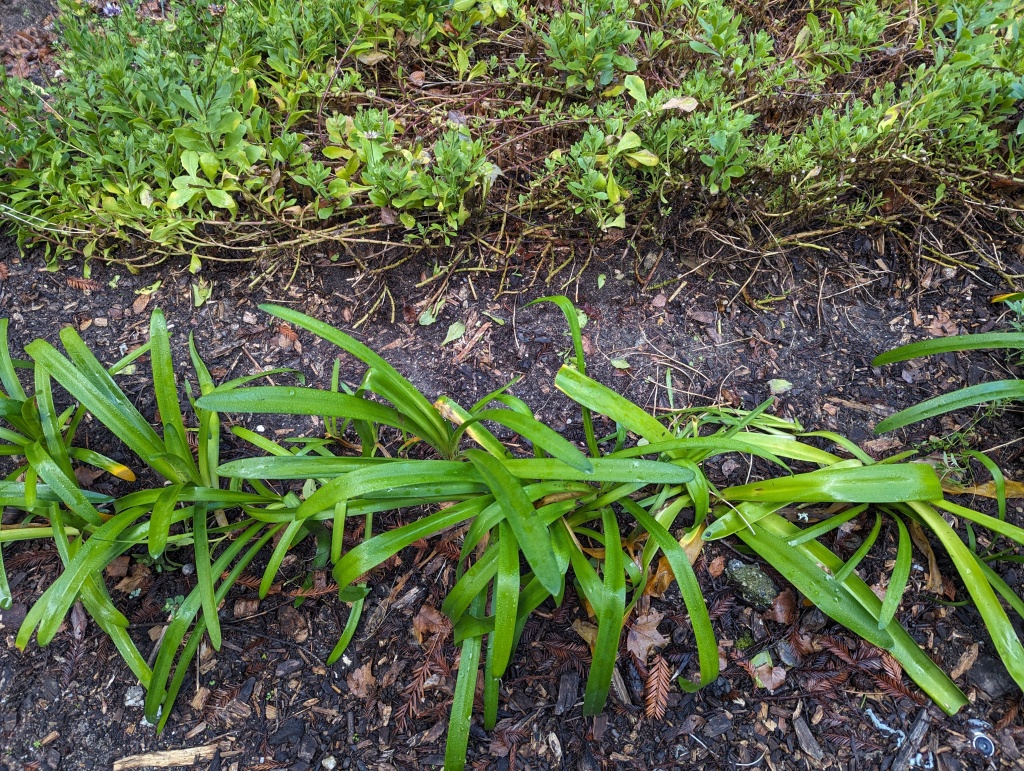
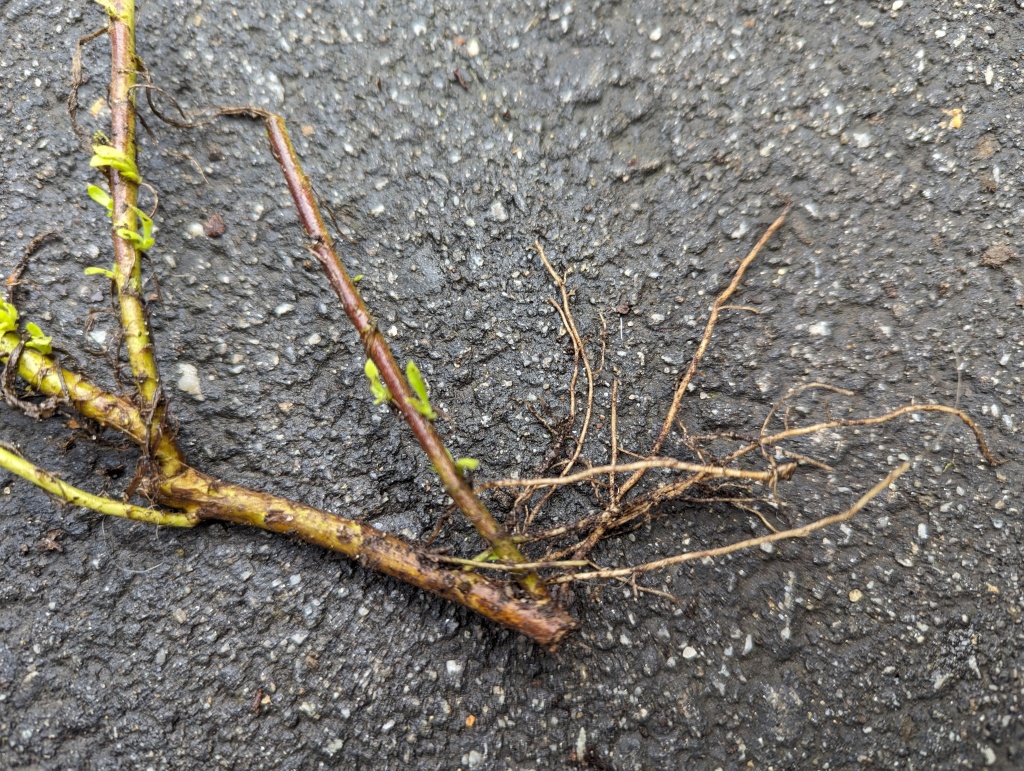
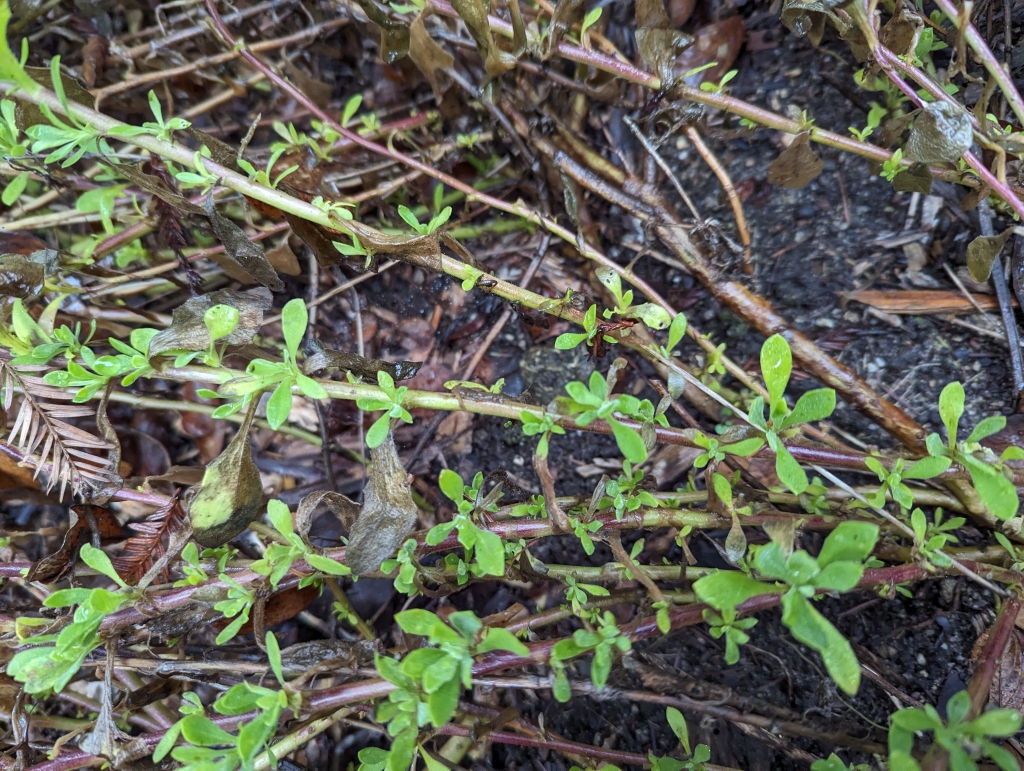
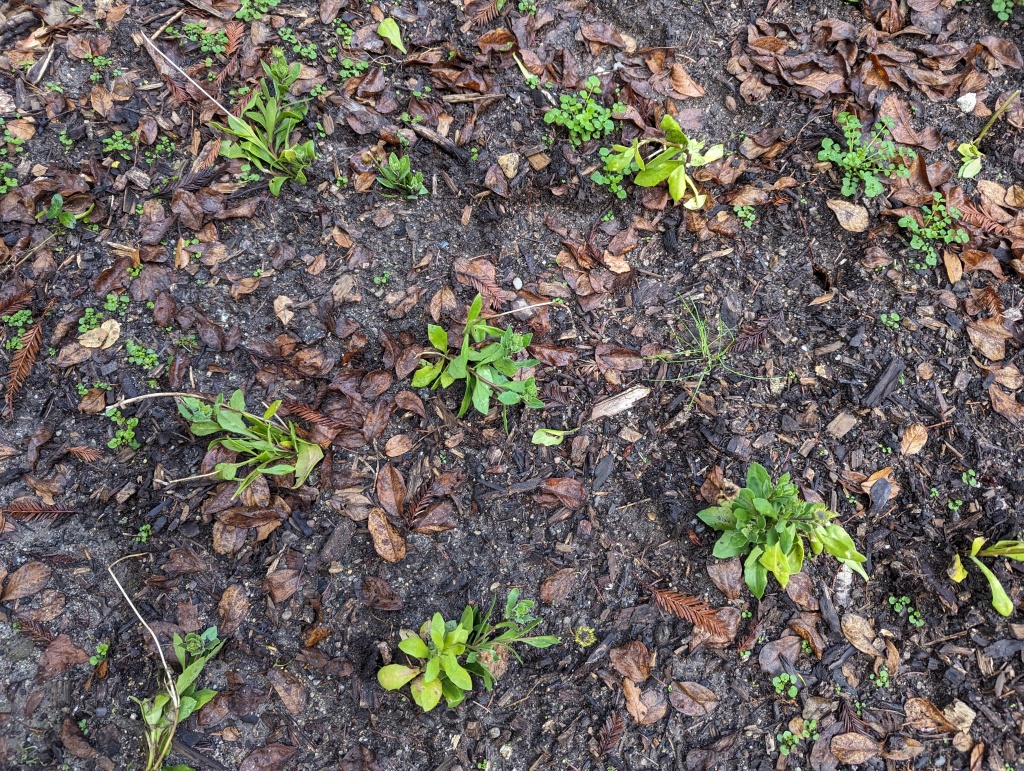
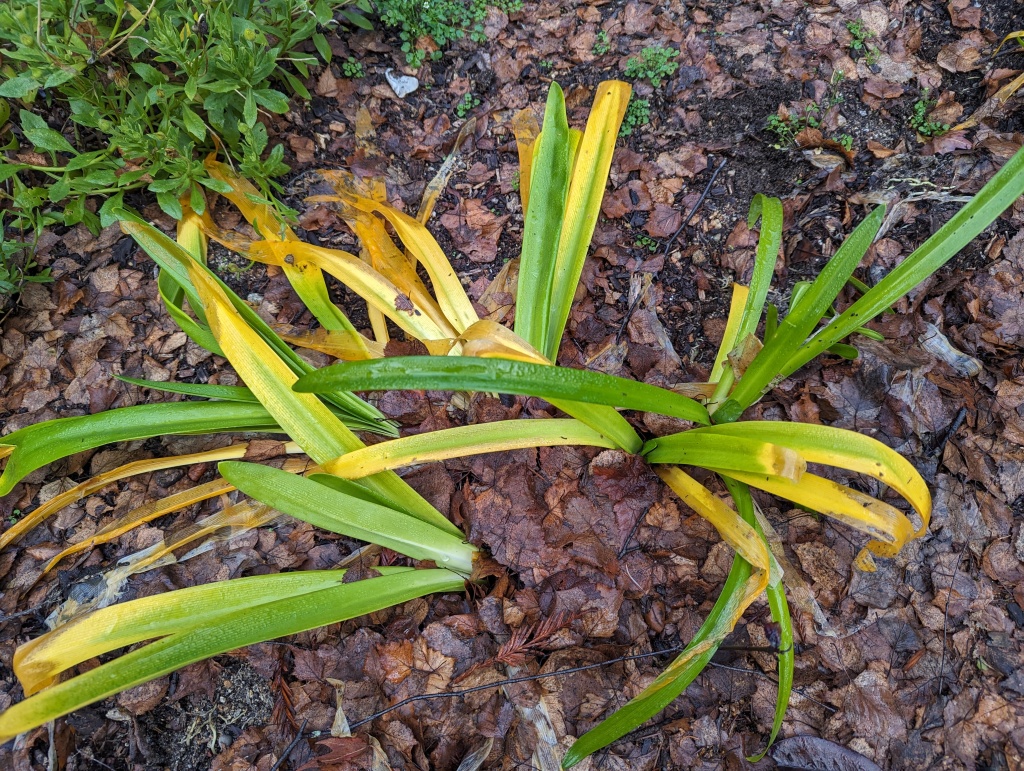
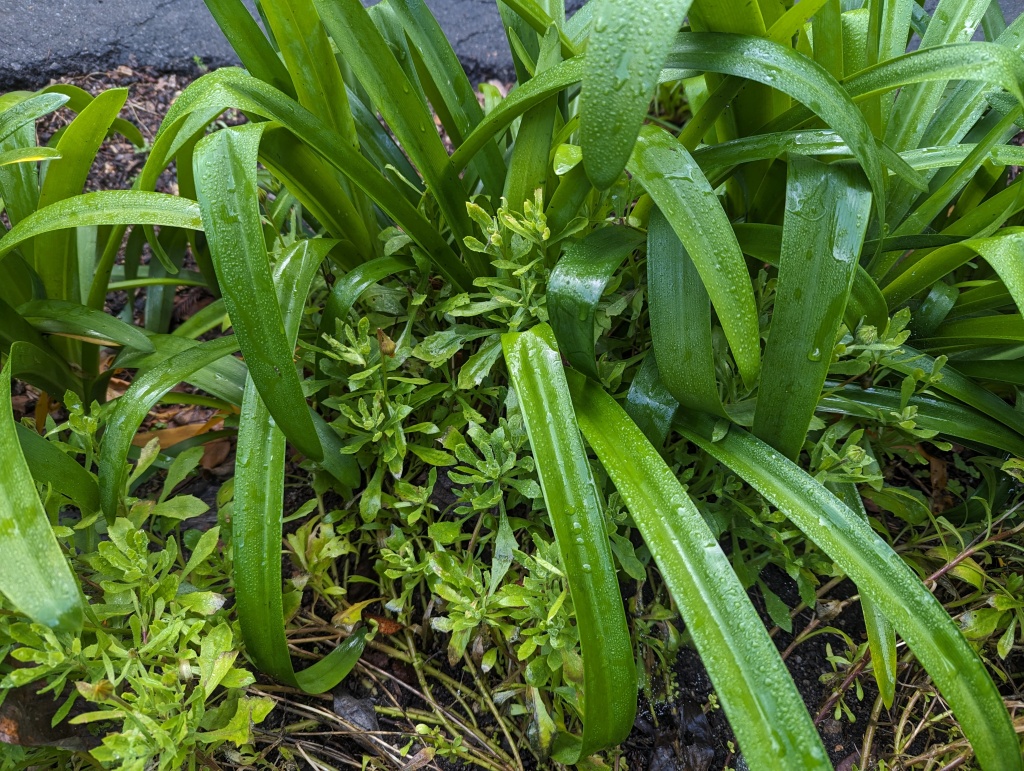
Agapanthus orientalis, lily of the Nile and Osteospermum ecklonis, African daisy are all there is to my Six for this Saturday. Lily of the Nile is in the first three. African daisy is in all but the first. Both are in the second and third. Both are from South Africa. Both have been getting recycled from where they are migrating a bit too much, and getting plugged into more appropriate situations. It is nursery production directly within the landscapes where the finished products are desired. Processing African daisy cuttings and lily of the Nile shoots takes time, but is still less expensive than purchasing nursery stock. They are byproducts of our normal landscape maintenance.

1. Gophers are killing fewer lily of the Nile than they killed last year. I must plug some of the spare shoots from last Saturday here though. Gophers ate the thick rhizomes below.

2. African daisy is performing as well as the majority of lily of the Nile in this landscape. It migrates nicely, but also encroaches somewhat into the adjacent row of lily of the Nile.

3. Edging is now necessary to separate the African daisy from the lily of the Nile. The lily of the Nile should grow to become too dense for the African daisy to encroach next year.

4. Some of the pruning scraps of the African daisy had already developed roots, as if they belong there. Their roots can be useful somewhere else. These scraps became cuttings.

5. Remaining stems are generating axillary growth for this year. We should apply a layer of compost over the stems to hold some against the soil so that they can develop roots.

6. Pruning debris from the African daisy was processed into unrooted cuttings that were plugged wherever we wanted more African daisy. They will develop roots prior to spring.

This is the link for Six on Saturday, for anyone else who would like to participate: https://thepropagatorblog.wordpress.com/2017/09/18/six-on-saturday-a-participant-guide/

‘Rosalie Figge’?

Bearded iris should bloom for early spring, not winter.

Each of the several bearded iris that I grow have history. Their origins are more significant than their performance. None were merely purchased. I obtained my first, which is actually Dalmatian iris rather than bearded iris, from the garden of my maternal maternal great grandmother when I was about five years old, before I was in kindergarten.

Some of the seventeen or so that inhabit my garden may be added to a designated iris garden at work as they multiply. Some of the eight or so that inhabit the designated iris garden at work may be added to my garden as they multiply. I will likely procure at least two additional cultivars when I return to the Pacific Northwest later in winter, as well as Louisiana iris from another source.

The most abundant of the bearded iris within the designated iris garden at work were recycled from where they had become too abundant in a home garden in Santa Cruz. They are unidentified. I suspected that they might be a simpler species, rather than a hybrid bearded iris, because they resemble my simple Dalmatian iris. Their floral stems are similarly slender. The leaves are similarly somewhat narrow. The fragrance is similar. The main differences are that the floral stems are a bit shorter, the flowers are rich purple rather than lavender blue, and instead of blooming promptly and thoroughly only for early spring, they bloom sporadically throughout spring, and again about now.

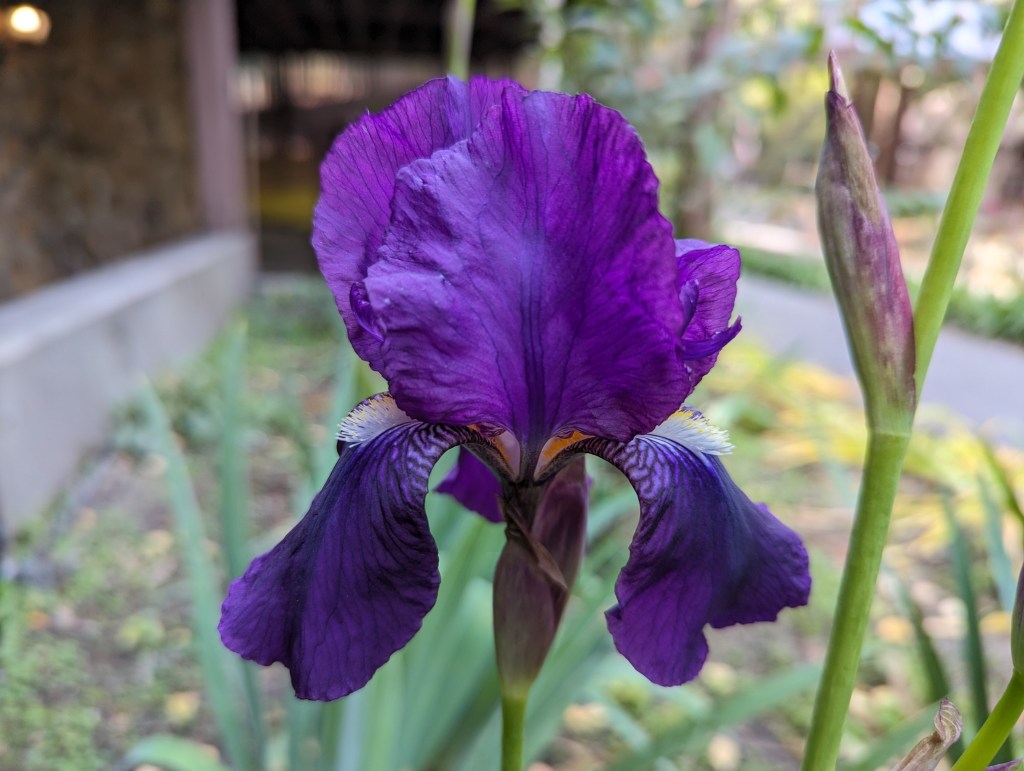
After posting a picture of them last winter, I was informed that they could be ‘Rosalie Figge’. They conform to the description of the cultivar, although they bloom for winter rather than autumn. They were blooming a month ago, and are still blooming now. Although I do not care what they are, it would be nice to know.

It was blooming a month ago.

Six on Saturday: Lily of the Nile Division

Now that the weather is getting cooler and almost rainy, it is time to relocate overgrown lily of the Nile. Quite a bit of it has slowly climbed over stone retaining walls to encroach into walkways. I remove rhizomes that are on top of walls, as well as any that are within a foot or so of the walls. After I divide and groom them, I install them where they will be more of an asset to the landscapes. They settle in with cool and rainy wintry weather, so should be ready to grow as soon as the weather gets warmer in spring. I neglected to get any before and after pictures to show where they came from and where they went to, (or to get six pictures).

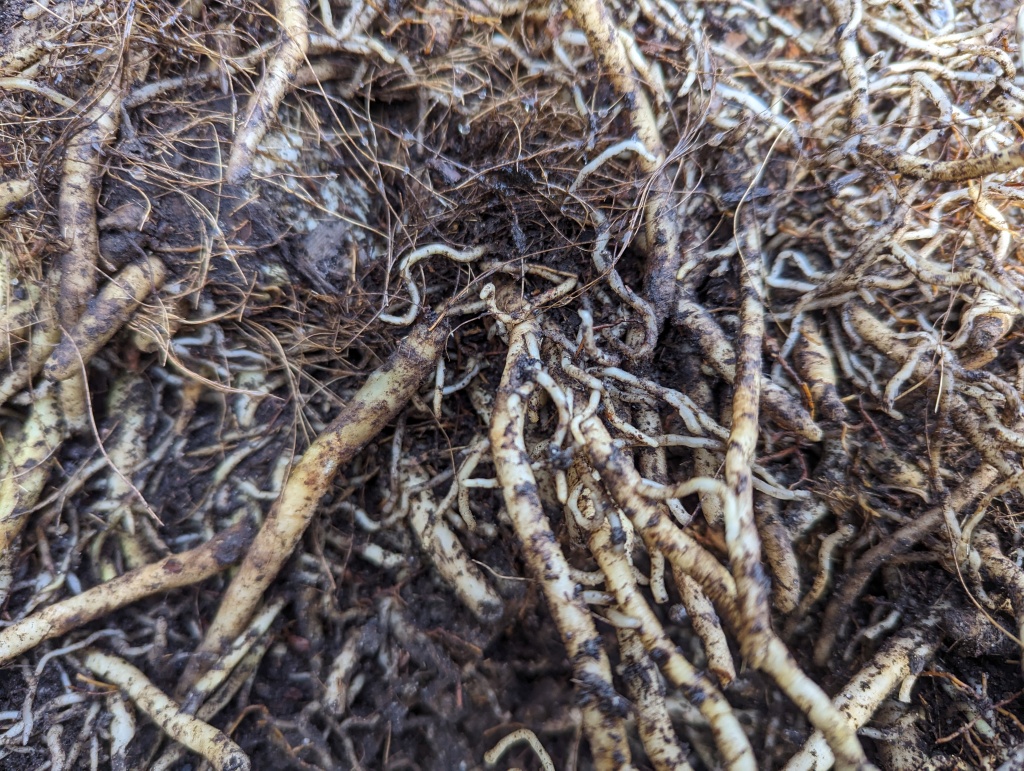
1. Roots of lily of the Nile can hold firmly onto a silty riverbank as the river floods above. They are impressively densely meshed. They are fleshy though, and therefore easily cut.

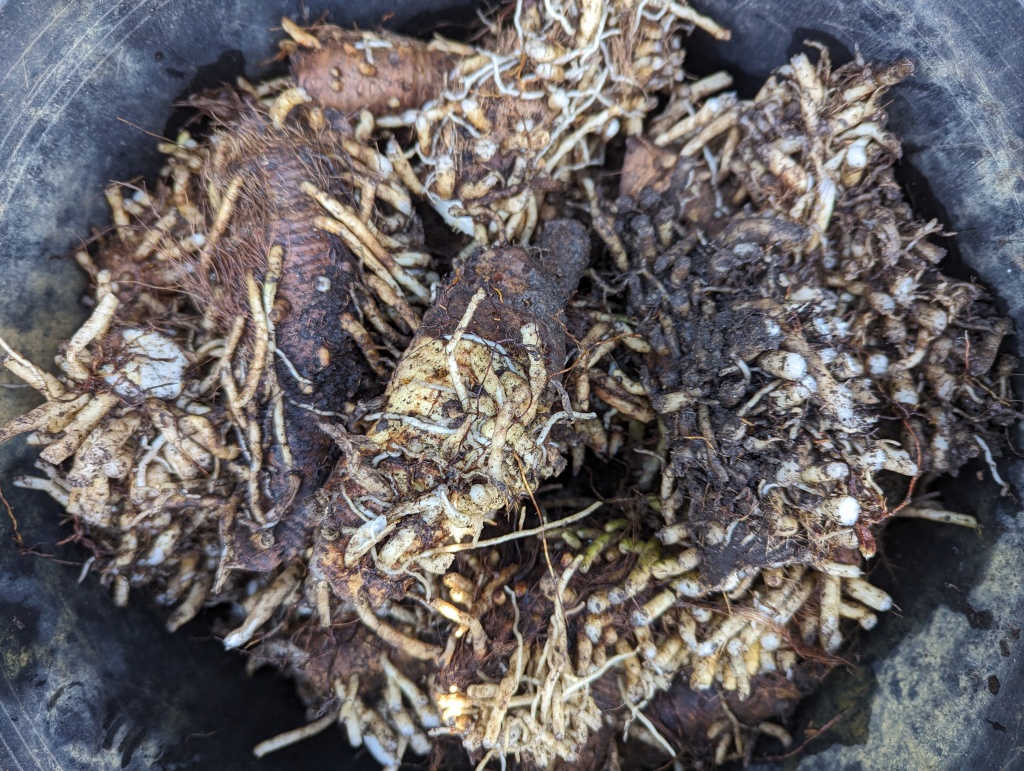
2. Rhizomes are also both impressively densely meshed and fleshy. Division is no simple task. I separated these scraps by cutting their roots. I bury them between divided shoots.

3. Foliar shoots or rosettes with a few inches of their rhizomes will grow into new plants. These have been groomed, so are ready for plugging with scraps of rhizomes in between.

4. Gophers claimed all but a few lily of the Nile that were plugged here last year. I should have taken a picture of their replacements here, even if they are not much to brag about.

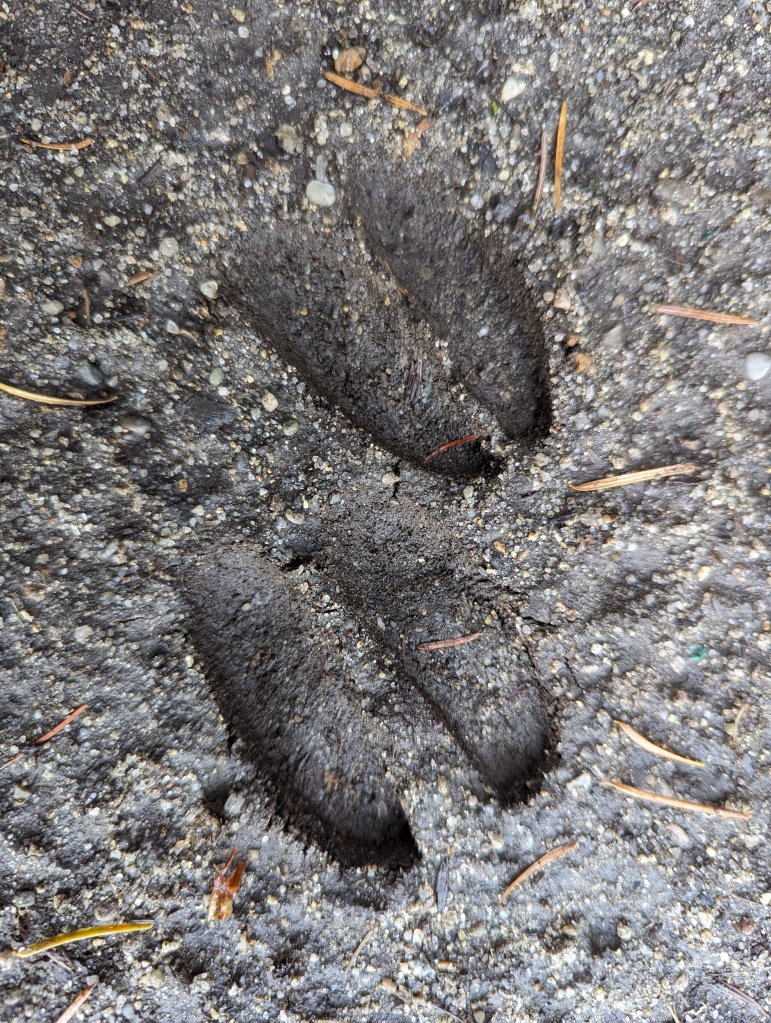
5. Oh deer! We are very fortunate that deer avoid the landscapes here. They always have.

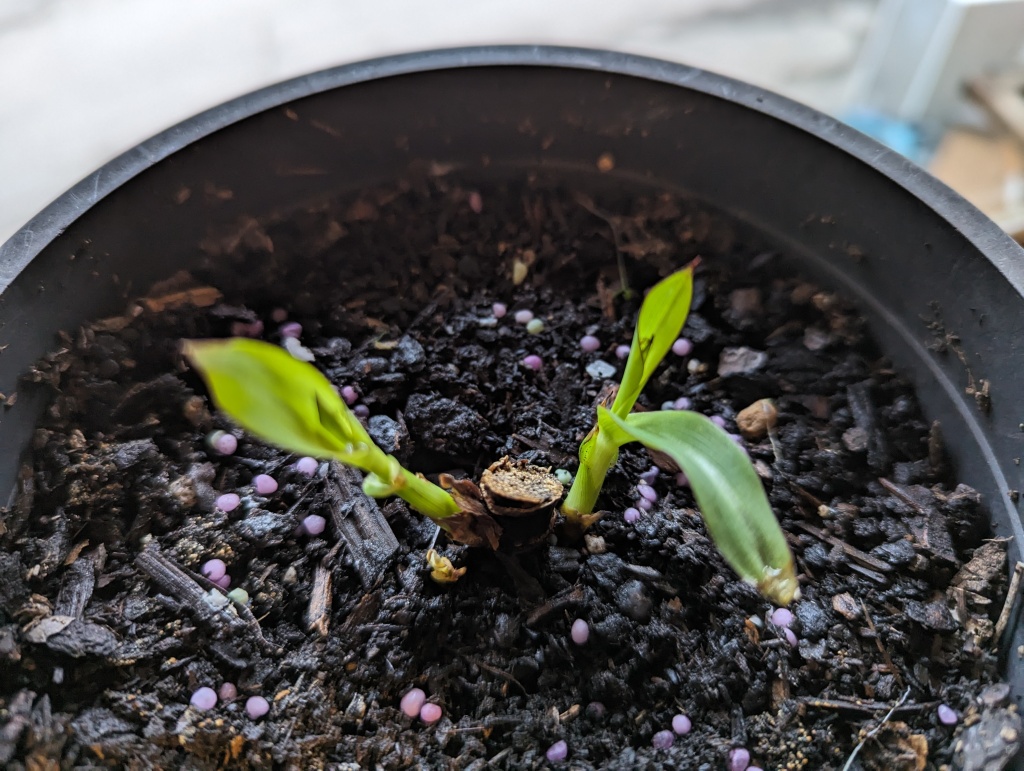
6. Sugarcane is growing like a weed. This is one of too many cuttings that I brought from Los Angeles. They were pruning scraps from what I believe to be ‘Pele’s Smoke’. Sweeet!

This is the link for Six on Saturday, for anyone else who would like to participate: https://thepropagatorblog.wordpress.com/2017/09/18/six-on-saturday-a-participant-guide/

Mondo Grass

Of course, it is not actually a grass.

The thick clumps of evergreen grass-like foliage of mondo grass, Ophiopogon japonicas, make a nice lumpy ground cover for small spaces. Because it is rather tolerant of shade, and actually prefers partial shade to full sun, it works nicely under Japanese maples or highly branched overgrown rhododendrons. It gets only about half a foot deep. Narrow stems with small pale purplish blue flowers that bloom in summer are not too abundant, and are generally obscured below the foliage, but can actually get taller. ‘Silver Mist’ is variegated with white.

New plants are easily produced by division of large clumps. Overgrown or tired looking clumps can be shorn down at the end of winter, before new growth begins. Slugs and snails can be problematic.

Too Late To Divide Cymbidiums

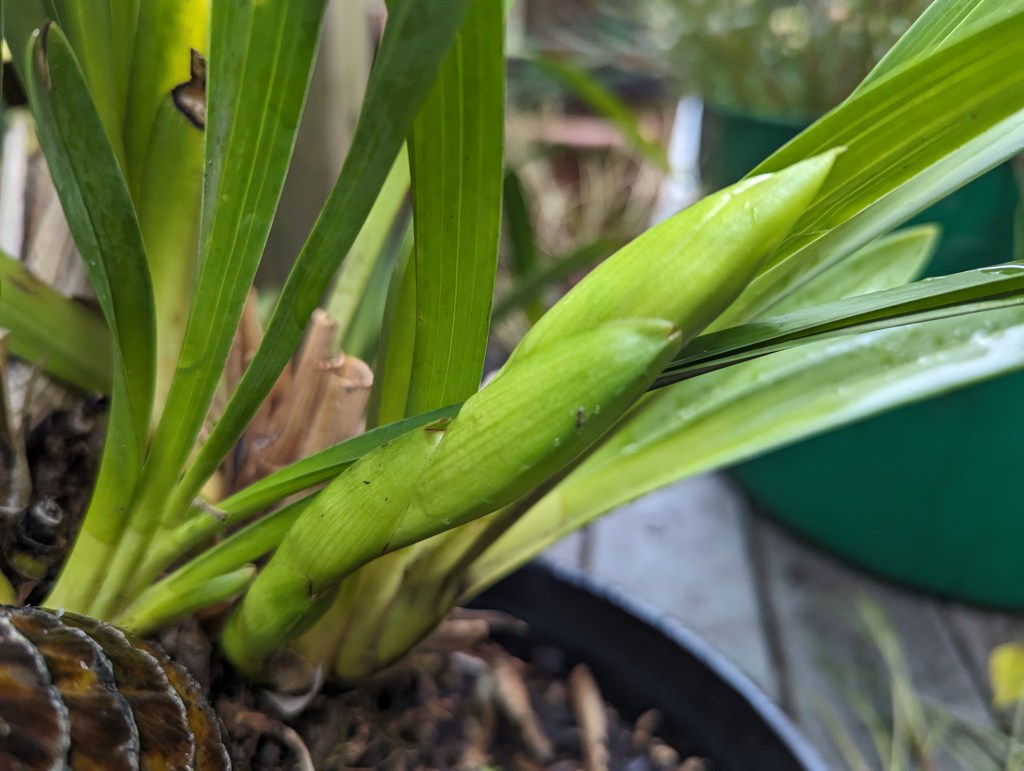
New floral shoots appeared almost immediately after the former bloom finished.

Cymbidium orchids perform quite well here, and seem to be happier with a bit of neglect. Actually, those with a tolerable bit of foliar blemishing or discoloration bloom better than those with exemplarily healthy and vigorous foliage. Those that get everything that they supposedly want, such as coarse chunks of fir bark to disperse their roots into, and regular application of fertilizer, are likely to produce an abundance of healthy foliage with only moderate bloom.

Only two cymbidiums inhabit my garden. I gave all others away many years ago. I acquired one of these two from a neighbor in the early 1990s, and have divided many copies of it since then. It remains potted within a bunch of leafy debris that I raked from my driveway under a massive valley oak many years ago. I suspect that the debris has decomposed to soggy muck at the bottom of the pot, although it remains friable on top, where I only rarely add a bit more leafy debris. I am not so keen on its simple pink bloom, but I continue to grow it because it has been with me for so long.

The other cymbidium was a gift from a colleague here. It originally grew ‘properly’ in a pot of coarse fir bark, but was removed from its pot many years ago, and left to die on top of a pot of potting soil that something else had already died in. It grew unattended there for a few years before coming here. It has bloomed splendidly and annually since its arrival. I want to divide it, but have not managed to do so between bloom phases. Its bloom continues for so long, that by the time it finishes, the next bloom phase is beginning. Fortunately, it is not too overgrown yet.

Jungle Update

New foliage is already beginning to replace older foliage.

Strelitzia nicolai, giant bird of Paradise is growing! It is not much growth, but it is more than expected. The specimens were heeled in about a month ago to begin the slow process of recovery from division and relocation. Within the damp soil of their temporary situation, they should begin to develop rudimentary roots without actually dispersing them too remotely prior to another relocation to their more permanent landscape after the beginning of the rainy season of autumn. In other words, the roots should begin to grow, but not grow too much.

They can grow more when they get settled within their permanent situation. This is done in two separate processes because the specimens are easier to monitor and irrigate prior to rain within the confined space where they are heeled in. Besides, they would not be very appealing within their permanent landscapes until they begin to recover. Once they begin to recover, they should grow faster, so will not be too unappealing for too long, and even if they are, it will be through winter, when fewer people are here to notice.

Anyway, while they begin the process of recovery and development of rudimentary roots, foliar growth is expected to be minimal. It was expected to stagnate for at least a month or so, and then to slowly resume as the minimal foliage that was retained deteriorates. Like root growth, foliar growth should accelerate after final relocation.

Instead, foliar growth is already accelerating, perhaps as a response to removal of so much of the original foliage while foliage is necessary to sustain rudimentary root growth. Perhaps these specimens actually are as healthy and as vigorous as they seem to be. Although this fresh new foliar growth will be more vulnerable to frost through winter, it is nonetheless gratifyingly encouraging.

Daylily

Each flower lasts about a day.

Each flower lasts for only a day. That is why the common name of Hemerocallis is simply daylily. Each floral stalk provides several flowers that bloom continually for several days. As one flower deteriorates, another replaces it. Because floral stalks shed so continually, they are not very practical as cut flowers. They are splendidly colorful in gardens though.

Most popular daylily cultivars are products of breeding that is too extensive to document. That is why almost all lack species names. Their cultivars names generally suffice. Most daylilies bloom for a month or so. Also, most bloom best for early summer. A few bloom a bit earlier. Some bloom as late as autumn. Some can bloom randomly or twice annually.

Daylily bloom can be yellow, orange, red, pink, almost purplish or combinations of these. Yellow or pink can be so pale that it seems to be almost white. Flowers can stand as tall as three feet, on bare stem. Their arching grassy foliage stays somewhat lower, in dense mounds. Most cultivars are evergreen. Some are deciduous. They propagate by division. Some migrate by vigorous stolons.

Cuttings Become Copies Of Originals

Elderberries grow efficiently from hardwood cuttings.

Seed is the most familiar source of much of the vegetation that inhabits home gardens. It is the origin of almost all vegetables and most annual flowers. Some seed grows directly into its gardens. Some grows in nurseries to become saleable young plants. Seed is not the only method of propagation though. Cuttings, division and layering are as productive.

Cuttings, as well as divisions and layers, are genetically identical to their single parents. Unlike seed, which are products of two parents, they lack potential for genetic variation. Division is the separation of stems with roots from perennials or clumping woody plants. Layering is the rooting of stems by partially burying them while attached to their parents.

Cuttings grow simply as pieces of stem within moist rooting medium such as potting soil. They initially lack roots and perhaps foliage. They develop new roots and foliage as they grow. Their medium must remain moist throughout the process. For many plants, rooting hormone accelerates root initiation. Some species can grow roots as they soak in water.

Hardwood cuttings are mostly from deciduous species as they defoliate for winter. Those from last winter are developing now. Evergreen hardwood cuttings retain some foliage through their winter dormancy. Softwood cuttings can be either deciduous or evergreen. They involve fresh new growth, so can begin as soon as such growth is mature enough.

The lower cuts of cuttings should be just below a node. Upper cuts should be just above a node. Terminal cuttings are tips of stems without upper cuts. Each cutting must include at least two good nodes. Some species may need cuttings to be several inches long in pots. Most grow better from small cuttings that fit into flats. Some can go directly into a garden. Cuttings should lack leaves below the level of their rooting medium.

Softwood cuttings generally require humidity to help compensate for their lack of roots. Most also appreciate partial shade. Evergreen hardwood cuttings appreciate the same as weather gets warmer and drier. Warmth from a heating mat below pots or flats might accelerate rooting. Many species are difficult or impossible to grow from cuttings though.

Butterfly Iris

Butterfly is like a more softly textured version of African iris, with pale pastel yellow bloom.

What was introduced as a seemingly fancier alternative to the common African iris is now almost as popular. Butterfly iris, Dietes bicolor (or Morea bicolor), is about as easy to grow, and nearly as resilient. Instead of white, the flowers are soft yellow with three prominent purplish brown spots with orange margins. The grassy evergreen leaves are a bit narrower and pliable.

Mature plants may get nearly three feet high and five feet wide. For those who do not mind digging and splitting apart the tough and densely matted rhizomes, large clumps are very conducive to propagation by division in autumn or winter. Deadheading (removal of stems that have finished blooming) promotes continued bloom and limits dispersion of seed that might otherwise grow new plants where they are not wanted. A bit of partial shade or minimal watering are probably nothing to worry about, but may inhibit bloom. Well exposed, well watered and well deadheaded butterfly iris should bloom from early spring until early winter.