
Shasta Lake is a large reservoir on the Sacramento River. It contains water for flood control and to generate electricity. Some of the water within is used for agricultural irrigation and, to a relatively minor degree, to supply regional municipal water.
It is a very common misconception that the volume of water within Shasta Lake is necessarily relative to ‘drought’ conditions. Low water level is supposedly indicative of a ‘drought’. High water level is supposedly indicative of ‘normal’ weather conditions, including adequate precipitation. This same misconception seems to apply to all reservoirs in California.
Well, after the rainiest winter since 1982 and 1983, Shasta Lake is still not full. The level fluctuates, so might have been full earlier, or might be full later, but regardless, is not presently full. Water must be released prior to expected rainy weather, which can still occur during spring, in order to accommodate more water to control flooding. Less water may be released as drier weather is expected. Shasta Lake could therefore be fuller or completely full for summer, when almost no rain is expected. The presently observed water level does not indicate deficiency of water any more than a potentially higher water level during summer indicates surplus.
Most of California has a chaparral climate. Some of California has a desert climate. Such climates are naturally dry through summer. It is quite normal. It does not constitute a drought. A drought is an unusually dry weather pattern. It is not so normal.
Contrary to popular belief, California is NOT in perpetual drought. Although droughts occasionally happen, they are not annual events. Dry weather that occurs annually every summer is normal climate. If there is a deficiency of water here, it is because there are nearly forty million people relying on a limited supply of water.
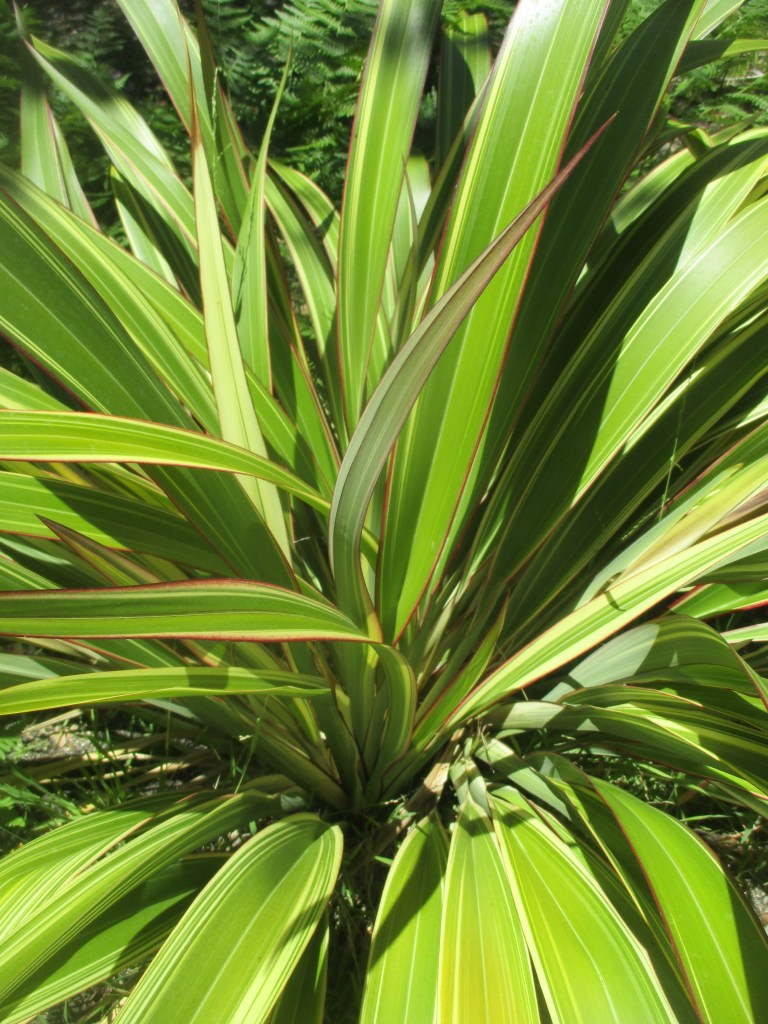

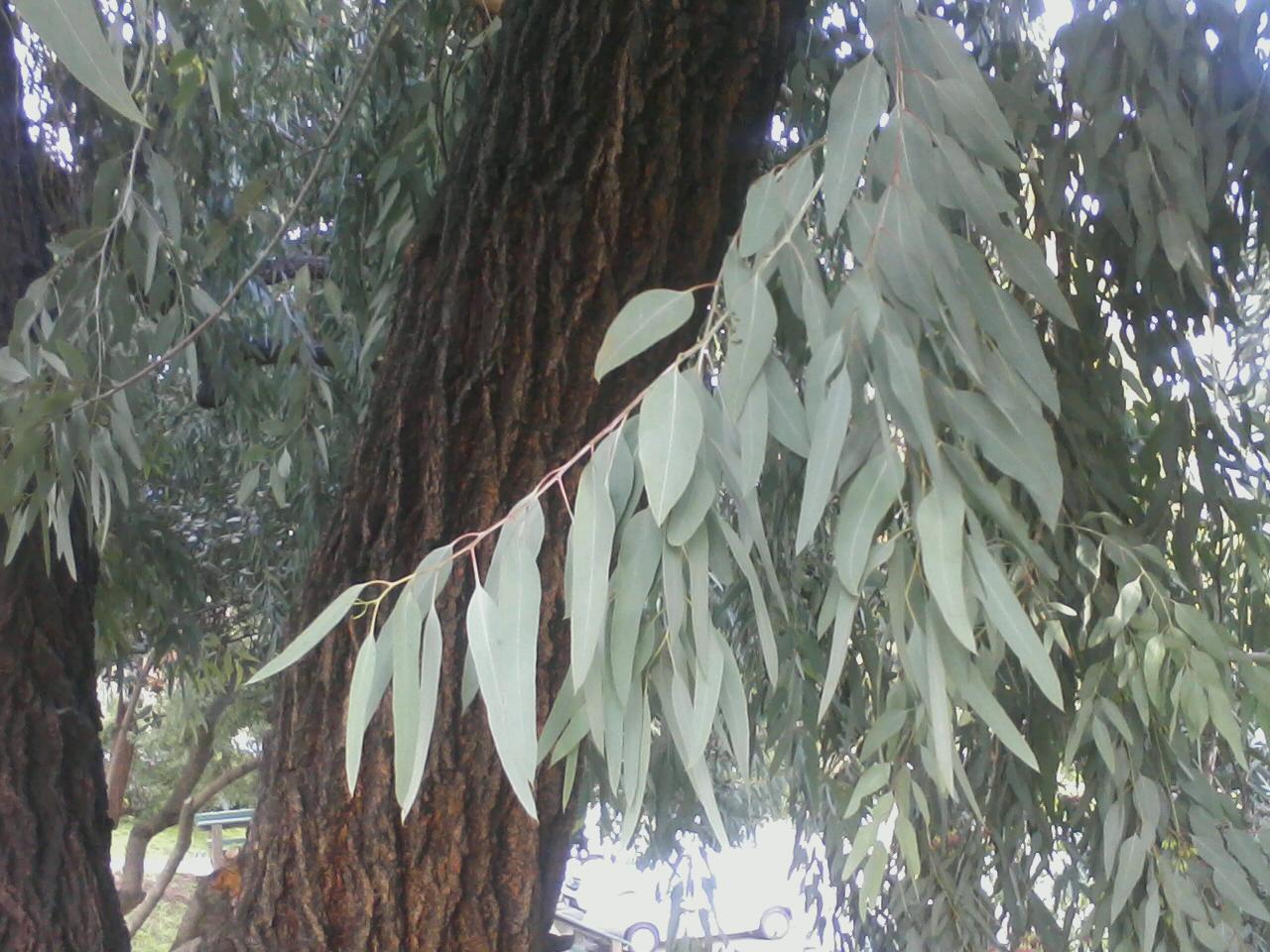
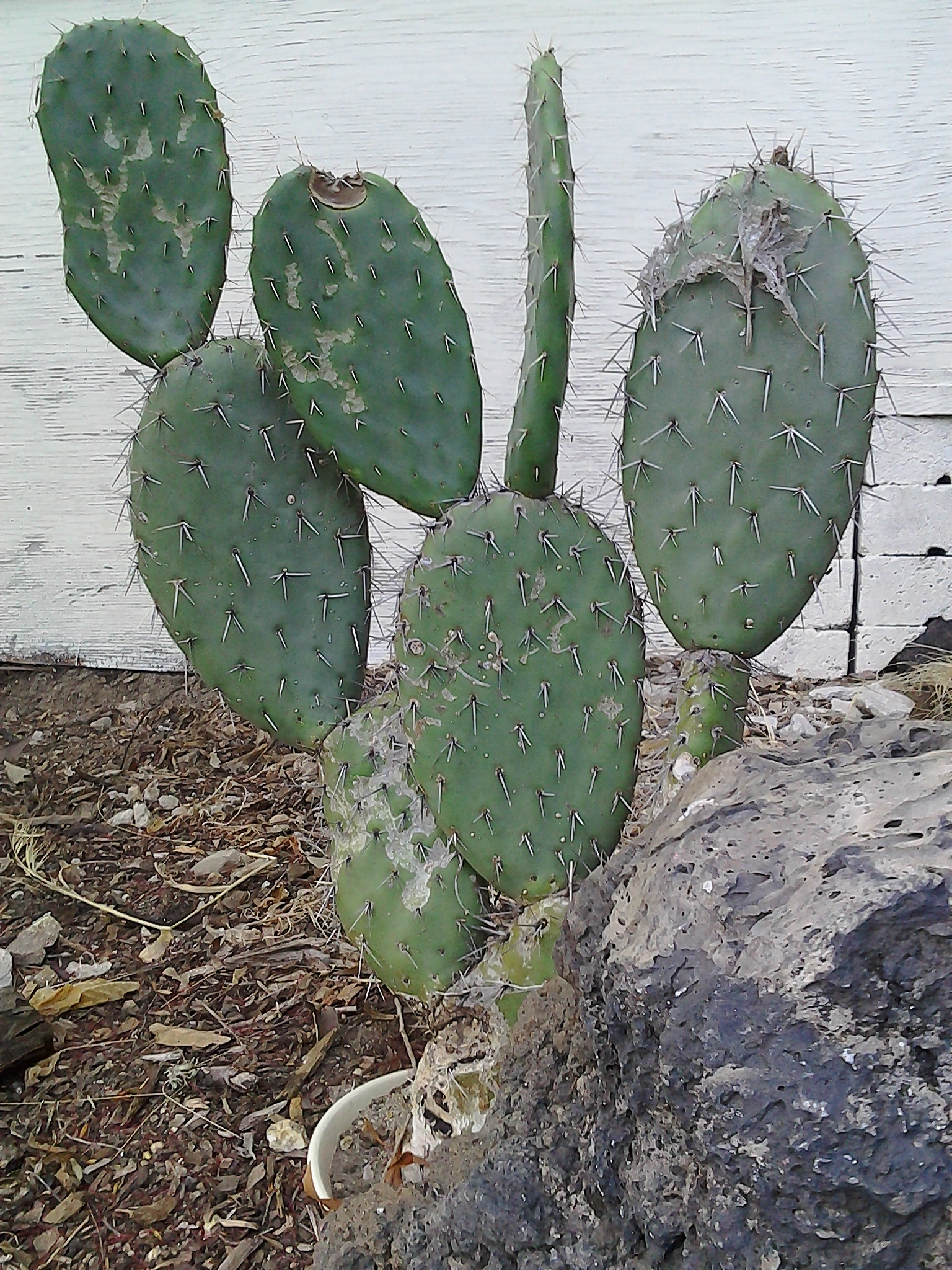
 Much of California is chaparral. Much of what is not chaparral is full blown desert. Some coastal climates gets quite a bit of rain; and some climates up in the Sierra Nevada are among the snowiest places in America. Generally though, the most populous and most agriculturally productive parts of California do not get much water to spare.
 For those who do not remember ancient history, this wet stuff that fell from the sky recently is known as “rain”. It used to be more common, particularly through winter. It has an unfortunate way of getting everything exposed to it quite wet. It makes soil muddy. Yet, rain has many attributes. It is composed of water, so provides much of what irrigation systems have provided for so long in the absence of rain.
 It is a way of life in much of California. Many of us grew up with it, or at least believing in it. Many of us never heard the end of it. That is how it lost its meaning.
 Tony Tomeo