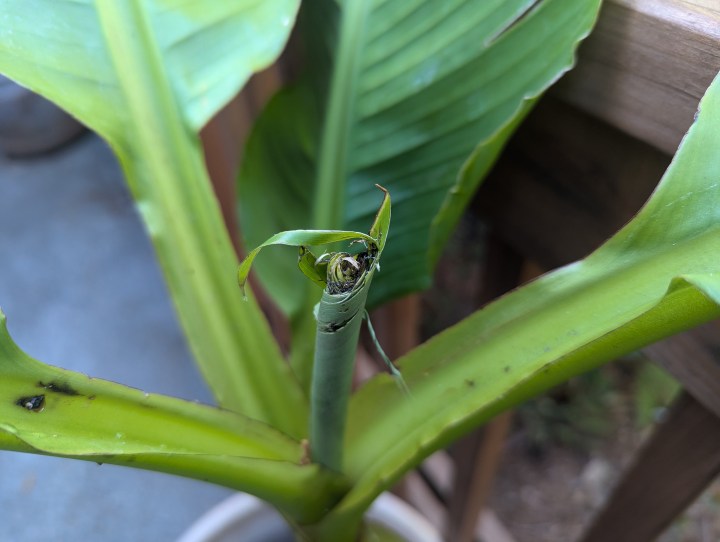
Ecological balance should be an asset to the garden. Good insects eat bad insects. Certain birds eat more bad insects. The problem is that some visitors to the garden are not so beneficial.
Besides the bad insects that can damage various plants in the garden, there are several types of birds and squirrels that compete for nuts and fruit. Birds and squirrels are much more aggressive in their tactics than insects are, and are often more difficult to control.
Some people like to provide alternate sources of food for hungry birds. However, birds that crave fresh berries are not so likely to be distracted by dry birdseed in a bird feeder.
Flash tape (which is strips of silver Mylar) or unwanted CDs hung prominently in fruit trees repels birds for a while, but eventually fail to impress. Such bling should be put out in the garden only as fruit starts to become attractive to birds. If hung out too early, birds become accustomed to them and will not be deterred by the time the fruit ripens.
Flash tape or CDs should be placed where they will flutter in the breeze and can be seen from most perspectives, and may be more effective if moved every few days. Scarecrows are much more work to move about, but are no more effective. Besides, they can be unpopular with neighbors.
Bird netting is more effective to keep birds away. It can be installed over fruit trees a week or more before the fruit ripens. It should be tied around the trunk below lower branches or extend to the ground if birds are persistent enough to look for access through it. Netting should be removed when the fruit is harvested, so that stems to not grow through it.
Squirrels are more of a challenge. They have no problem getting through netting, and do not mind flashy bling. Squirrels may temporarily avoid dummy owls that repel pigeons and rats, but eventually realize that they are not a threat. Poison baits are dangerous to cats or dogs or anyone else that may be interested in poisoned squirrels, particularly since squirrels are so easy to catch as they succumb to poison!
Plastic rodent guards (or even sheet metal) wrapped around the trunks of fruit trees block access to squirrels because they are too smooth for rodents to get a grip into. Some types flare out too far for rodents to reach around. Others are too wide (from top to bottom) for squirrels to reach over. They should be located at least six feet above the ground so that squirrels do not simply jump past them from the ground.
However, rodent guards are only effective if all other access is also blocked. Lower limbs should be pruned about six feet above the ground, as well as six feet from roofs, fences, other trees or anything else that squirrels can jump from. This can be somewhat of a hassle when it is time to harvest ripe fruit that is out of reach.


 This little critter surprised me at work last week. Even though I knew it to be harmless, my instinctual response was to get away from it fast. I have encountered enough rattlesnakes to know better than to take the time to identify a snake before getting some distance from it. Even after identifying a snake as a harmless garter snake, I still prefer to avoid it as it leaves. This one was in no hurry, so got picked up with a rake and set safely aside.
 Fake environmentalism is a HUGE topic, so for now, will be limited to fake environmentalism as justification for the eviction of homeless encampments.
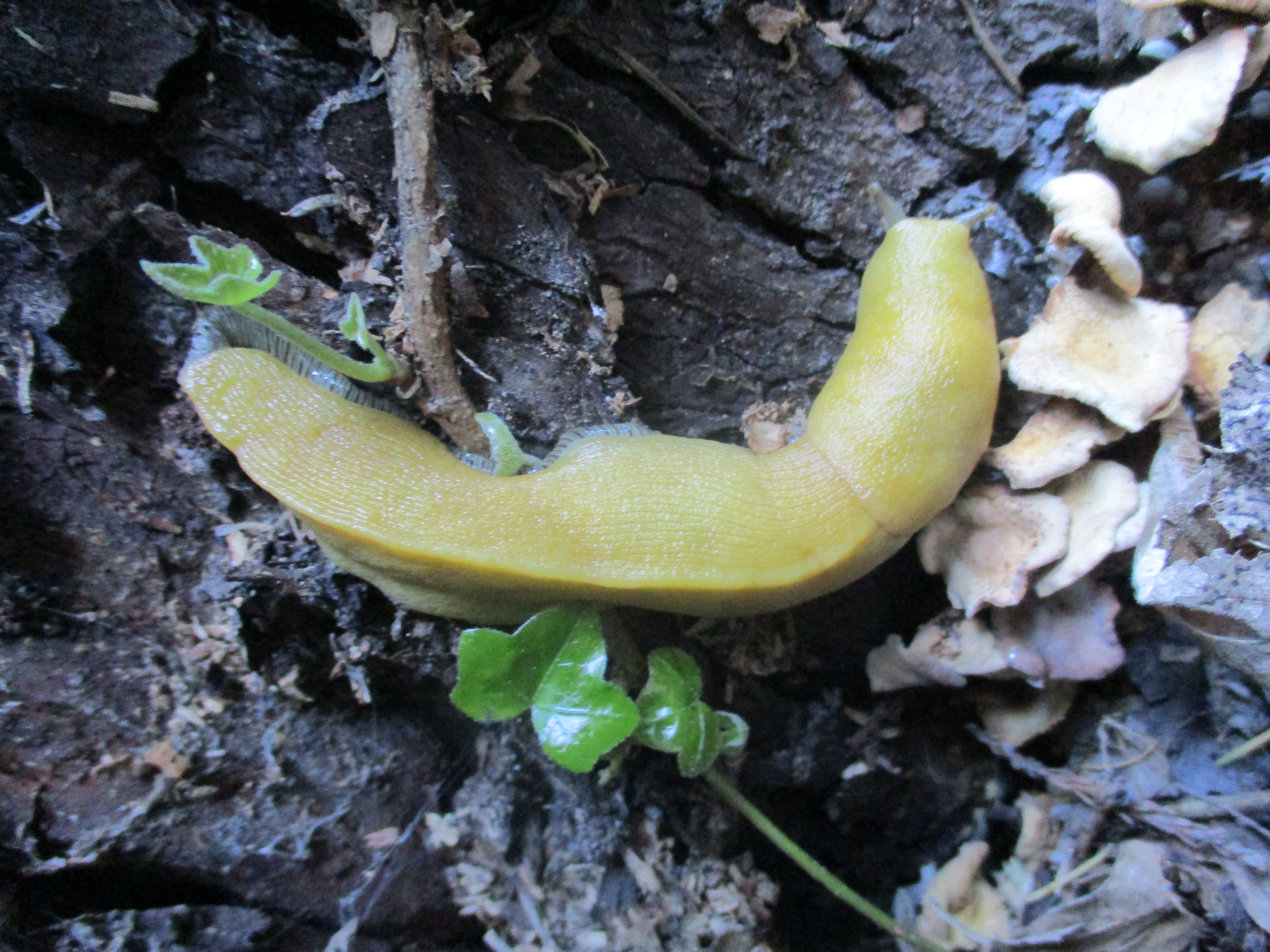 They are not as dangerous as they look. Really. If they were, just one could do more damage than an entire herd of average slugs. The fortunate truth is that banana slugs consume only decaying plant parts and fungus. Yes, they literally cruise about the garden eating bits of decomposing debris that we may not want there anyway, and converting it into a very nutritious and nitrogen rich ‘fertilizer’. They are actually beneficial to home gardening.
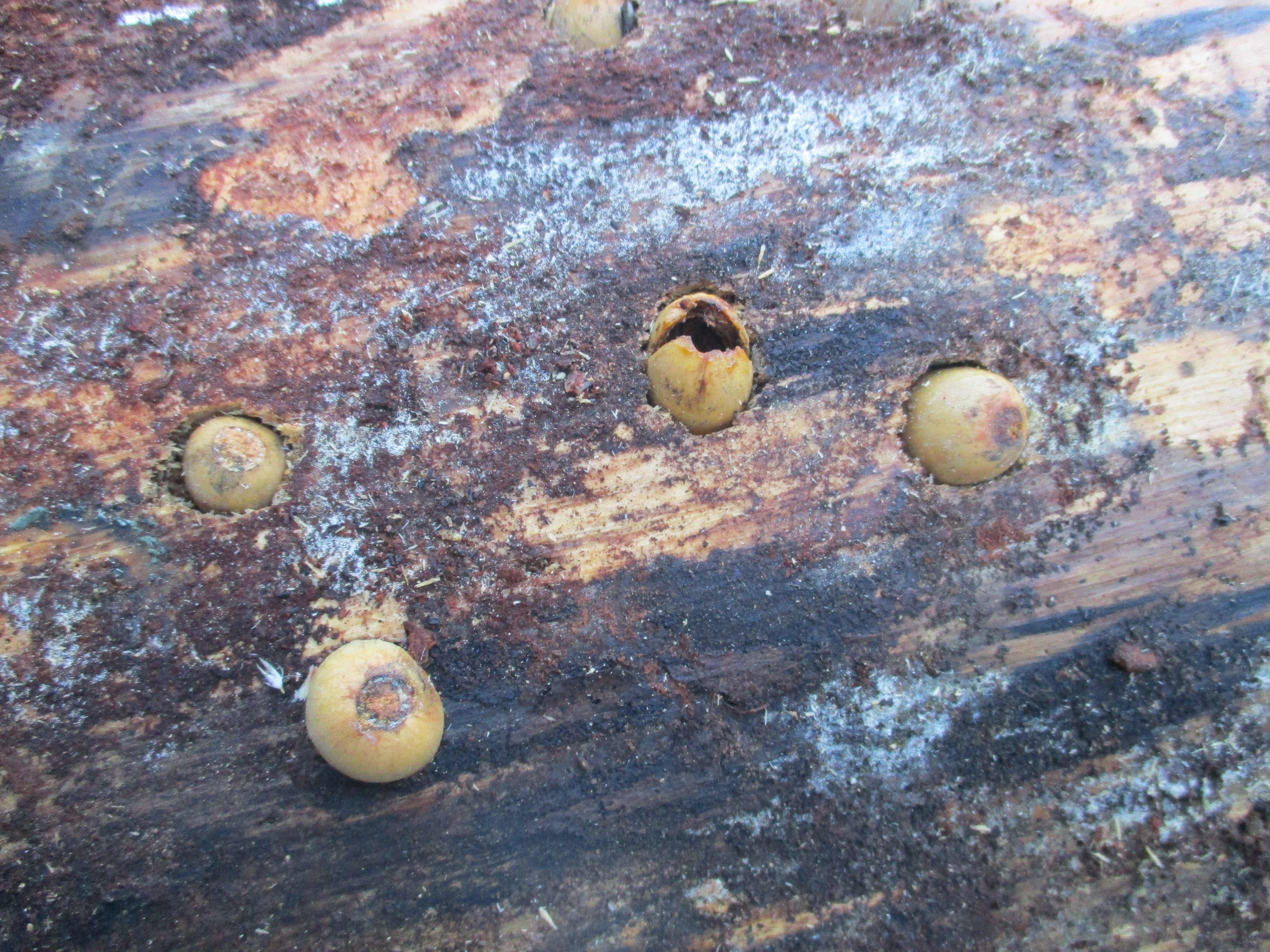 Birds do some odd things. They seem to know what they are doing. The odd things that they do make sense. Nonetheless, some of what they do out there is just plain odd.
 This is a relatively new development. The first few arrived here only two years ago. By last year, a few more arrived to make a significant herd that split into two smaller herds. Now these two smaller herds are quite significant. If they continue to proliferate as they have been, they will become more of a problem. They are already shredding flowers and colorful berries that are within their reach, and digging up flexible irrigation hoses.
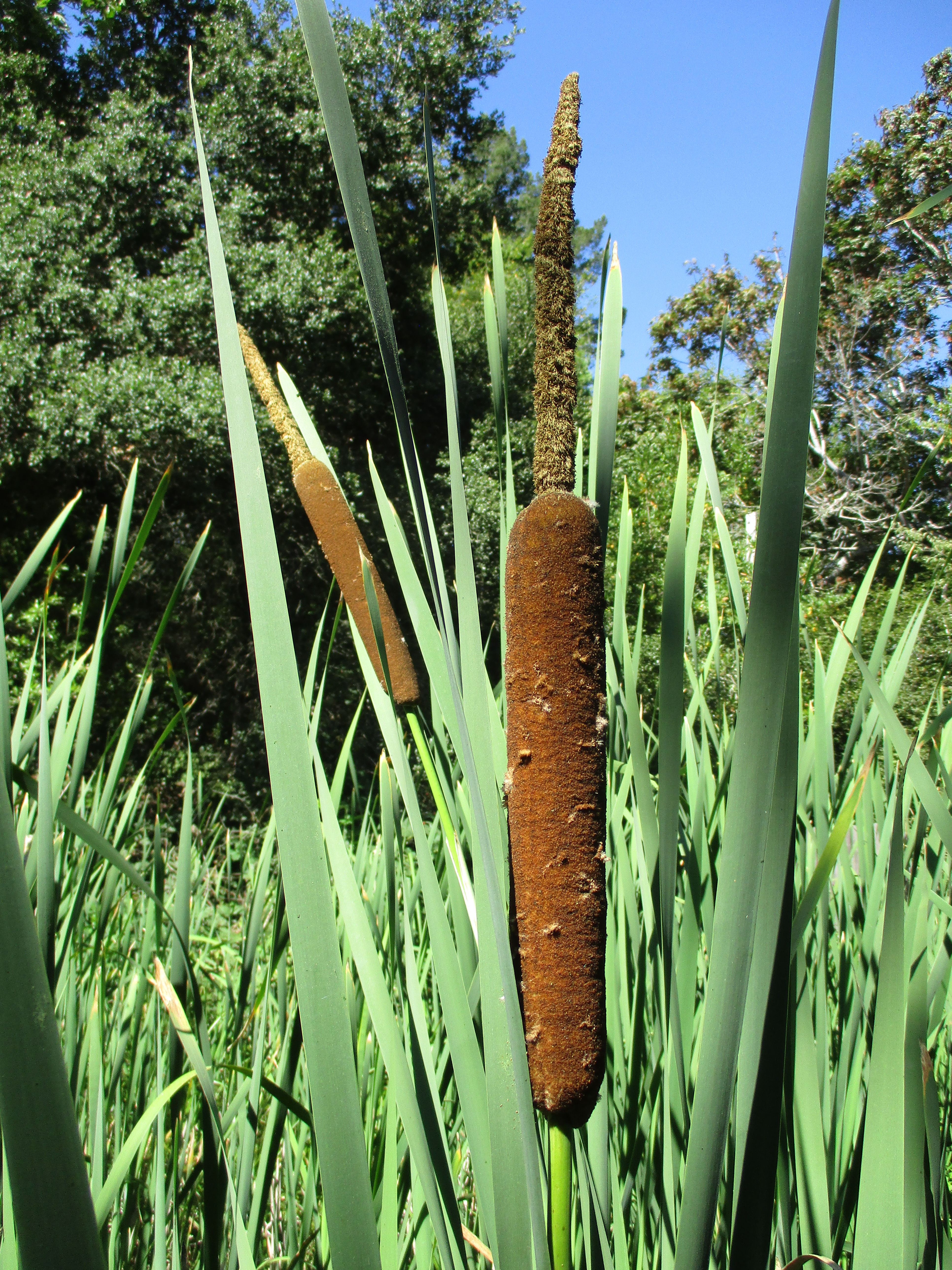 Urban sprawl replaced the formerly vast orchards of the Santa Clara Valley a long time ago. Nowadays, it is difficult to imagine that they were ever here. Apricots, prunes, cherries, almonds, walnuts and all that the region was once famous for are all now rare commodities.
 There is so much more to gardening than mere horticulture. There is so much more to horticulture than mere plant life. Plants get eaten by insects and animals, and also take advantage of insects and animals for pollination and dispersion of seed. Some of us who enjoy gardening also like to attract some types of animals and insects to our gardens because they are nice to have around.
 Tony Tomeo