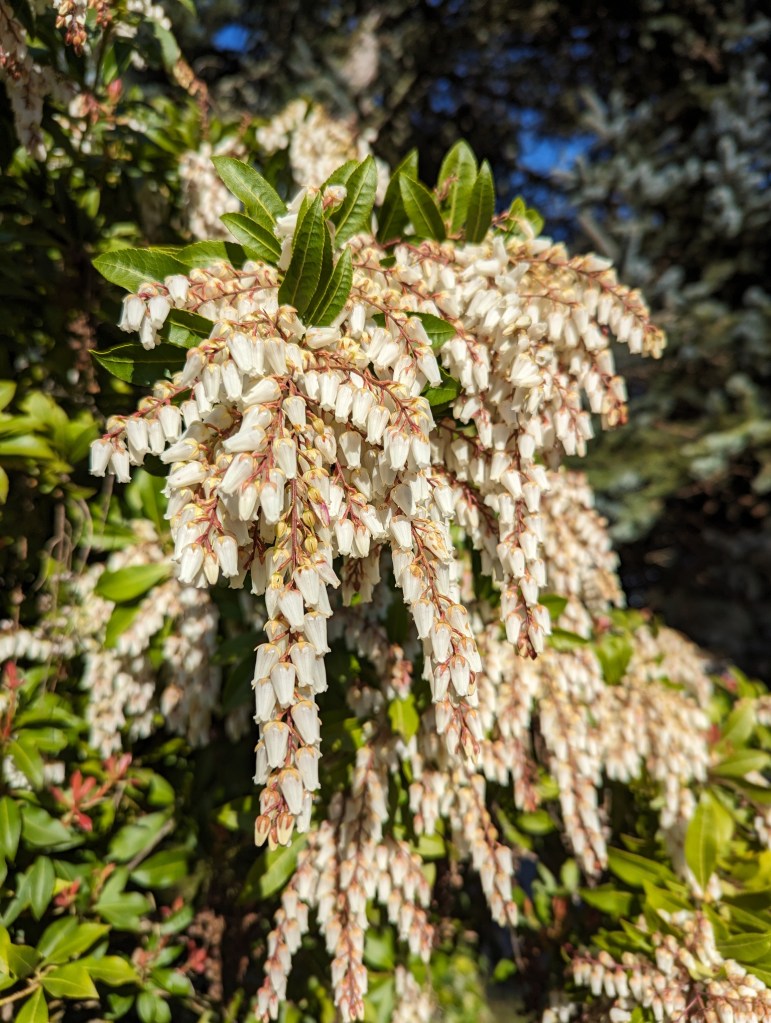
Shade influences every ecosystem. Where it is scarce, some vegetation adapts to harsh exposure to sunlight. Some develops glaucous foliar color to reflect some of the sunlight. Some develops tomentum, or foliar fuzz, to shade its foliar surfaces below. Where shade is abundant, understory vegetation adapts as efficiently. Essentially, it is made for shade.
Understory vegetation naturally grows beneath larger trees and shrubbery. It is therefore more tolerant of partial shade. Some tolerates significant shade. Ferns that inhabit forest floors beneath shady redwood trees are notable examples. So are most houseplants that originated from tropical rainforest. Naturally, most live in the shade of bigger forest trees.
Not all understory vegetation is diminutive. Some Japanese maple trees can grow rather large. However, they naturally inhabit forests of trees that grow larger. Some palms begin as understory vegetation to become the tallest trees of their gardens. Their foliage simply adapts as it becomes more exposed. Banana and tree fern foliage might adapt similarly.
Such adaptation is an advantage now that home gardens are becoming shadier. Modern homes are taller, so produce bigger shadows than older homes. They are closer to other tall homes with comparable shadows. Fences are higher to compensate for the proximity of homes. Garden spaces are more compact, with less space that is not partially shaded.
No vegetation survives without sunlight. Understory vegetation is simply more tolerant of partial shade than most other sorts. It is adapted to it, just as some vegetation is adapted to extreme exposure. Generally, understory vegetation is deep green, to absorb as much sunlight as possible. For the same reason, individual leaves are typically large and lush.
Cast iron plant seems to tolerate more shade than any other understory vegetation. Kaffir lily and hosta tolerate almost as much shade as some ferns. Rhododendron, azalea and andromeda prefer only partial shade. Excessive shade inhibits bloom. The same applies to camellia and hydrangea. Realistically, all species of understory vegetation are unique. Each tolerates a particular degree of shade that it is adapted to.
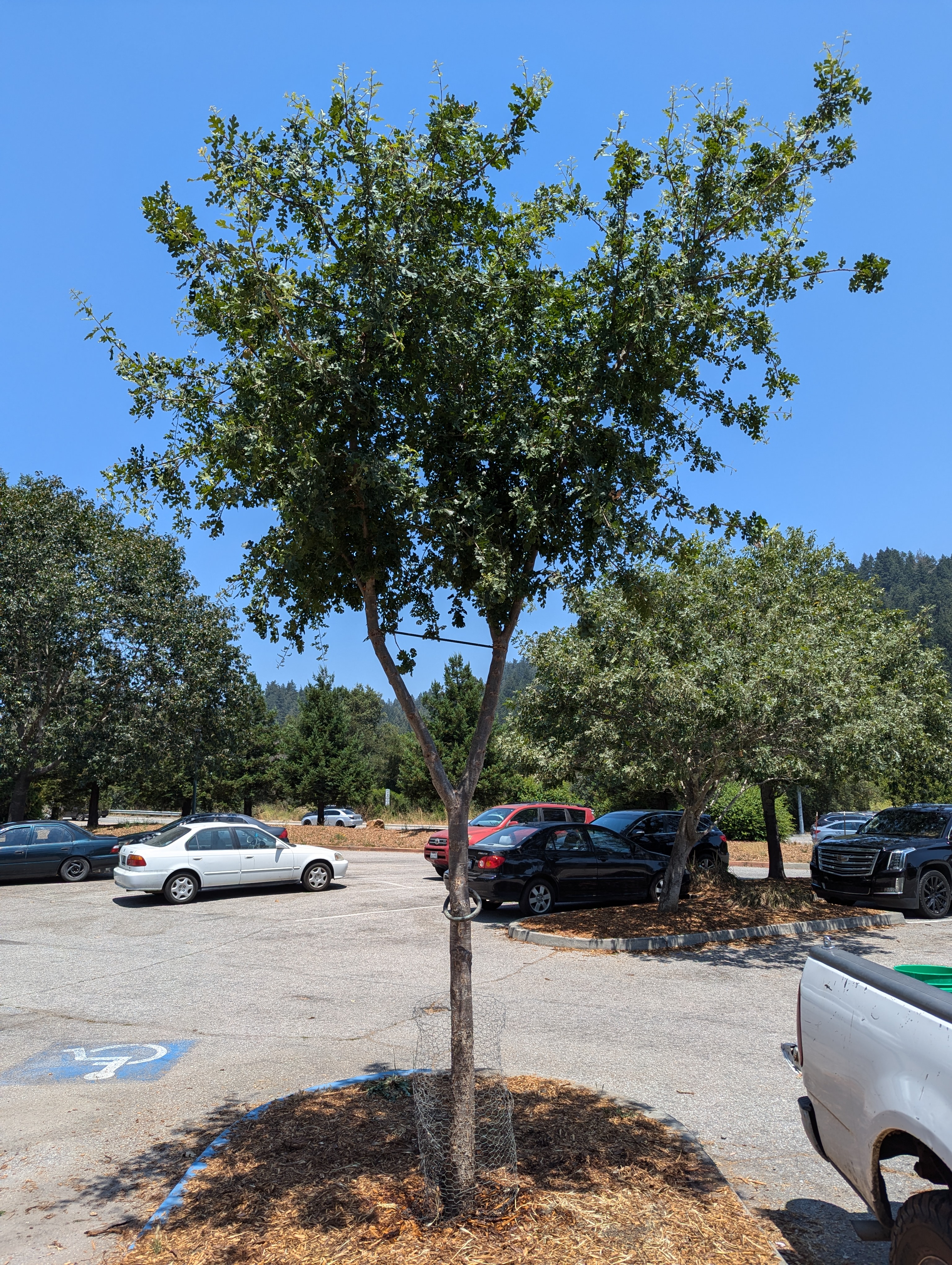
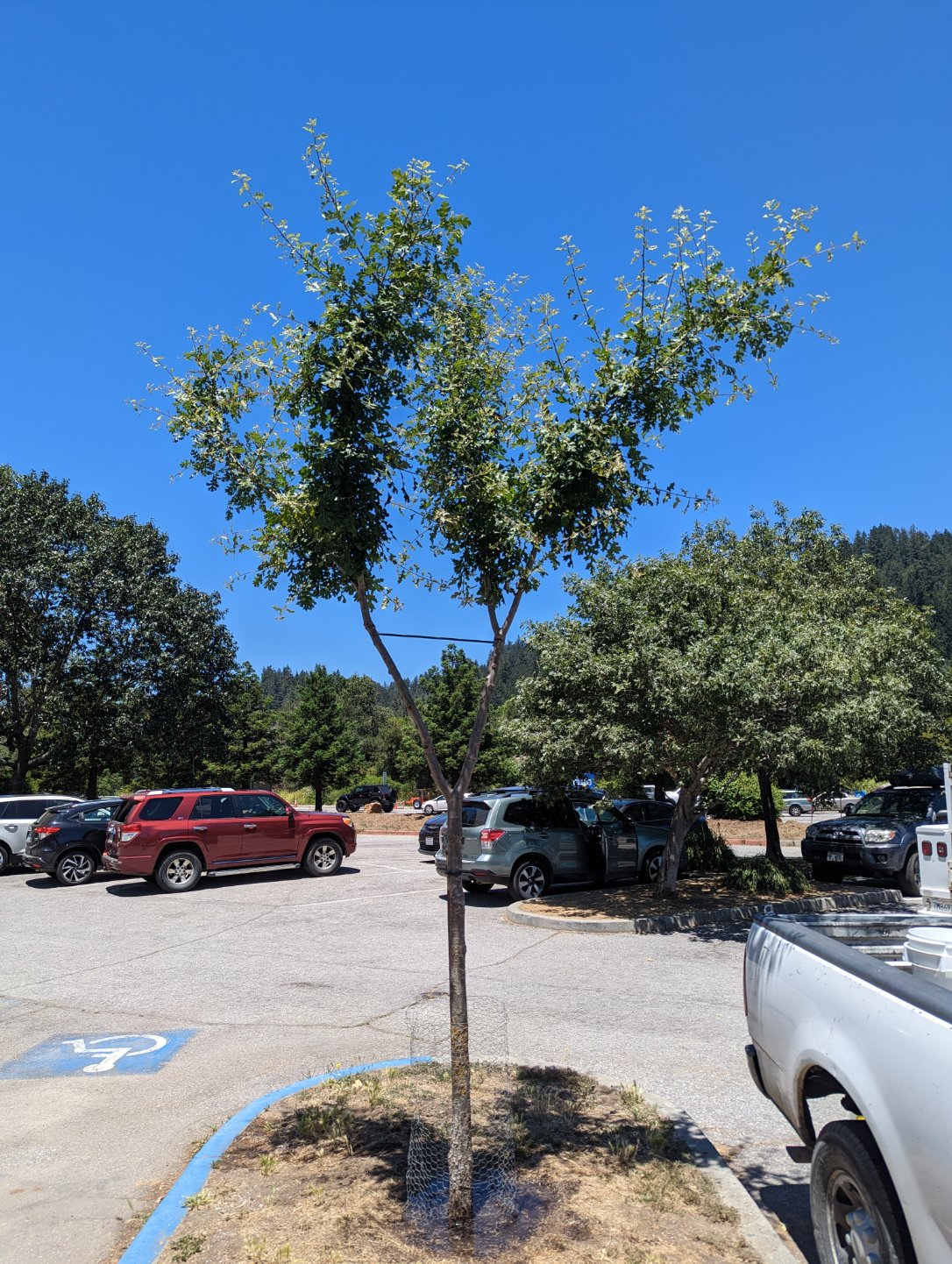


 Fake environmentalism is a HUGE topic, so for now, will be limited to fake environmentalism as justification for the eviction of homeless encampments.
 Nature has been getting by just fine for a very long time before humans started to interfere. It has survived all sorts of catastrophes literally longer than anyone can remember. It was here when dinosaurs were exterminated by a meteorite or comet or vulcanism or whatever catastrophic yet natural event finished them off. In fact, Nature was here for all of the few mass extinction events of the very distant past, including the Permian – Triassic Extinction, which only about 4% of life on earth survived! We all know that “It’s not nice to fool with Mother Nature.”, or serve her margarine that tastes like real butter; but we should also realize that it is rather presumptuous to think that we can be more efficient with correcting all environmental damage. Very often, it is best to let nature do what nature does best.
 Every invasive exotic (non-native) species has a story of how it got here.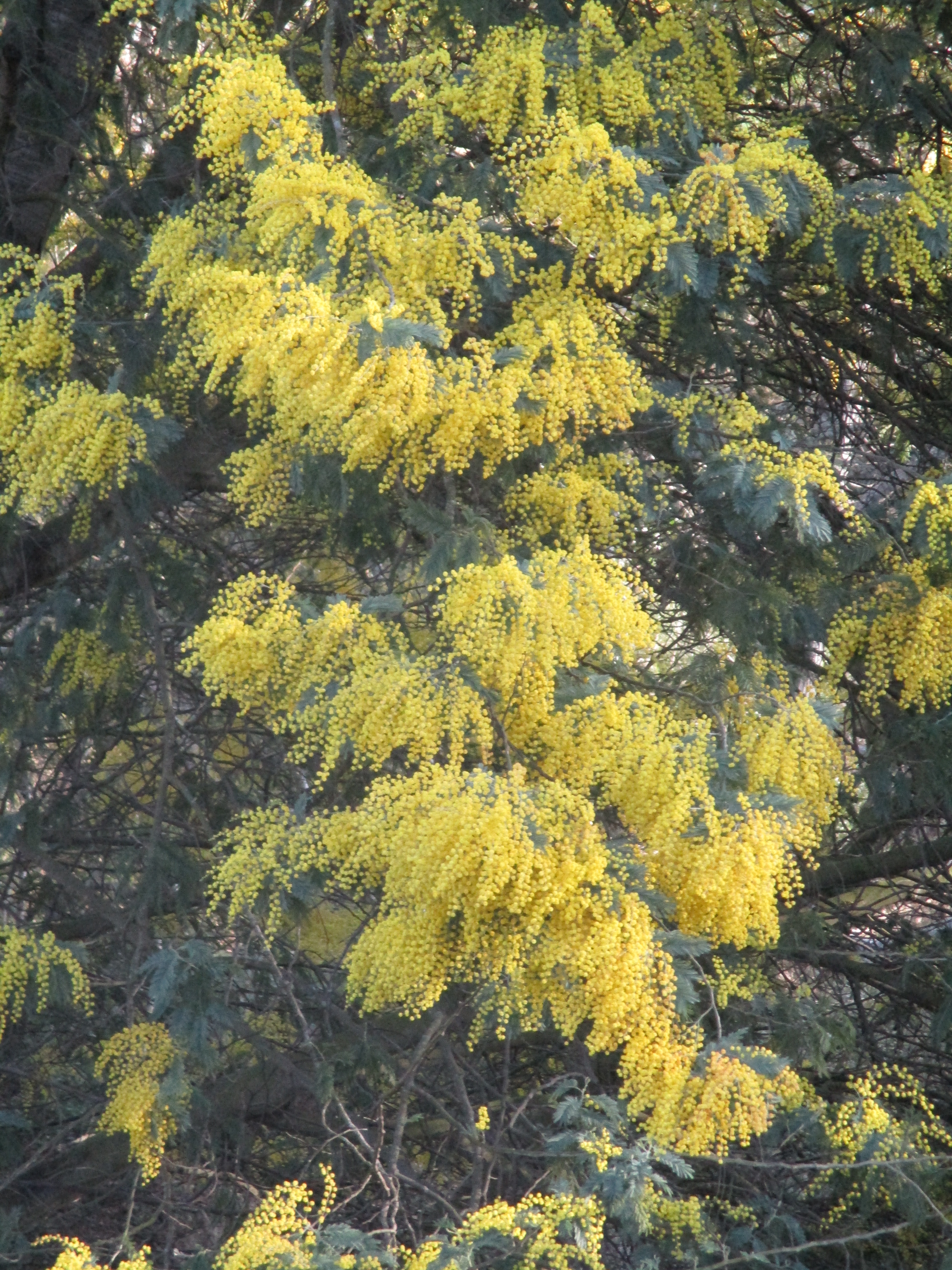
 Tony Tomeo