The Seventh Rule of Six on Saturday suggests that verbiage regarding pictures should be reasonably limited. I prefer to limit mine to three hundred words, although I sometimes exceed this limit. I certainly would have exceeded this limit this week if I had explained, for example, why I want so many new flax lily, what we intend to do with another lemon gum, why I intentionally plant elderberry seedlings and promote better pollination while so many grow wild, what our options for yellow flag are, why a perfectly good apple tree remains canned and underappreciated, and what justified a pair of white bougainvilleas. Perhaps I should limit words within individual sentences as well as cumulative verbiage.
1. Dianella caerulea, flax lily has been a notably reliable perennial. I know nothing more about it. I am not even sure of its identity. Grooming scraps make good cuttings though.

2. Eucalyptus citriodora, lemon gum came back with me from the Los Angeles region. It has a bad reputation as a Eucalyptus. My colleague here and I are very fond of it though.

3. Sambucus caerulea, blue elderberry seedlings grow like weeds. I can them though, to later install them where I want them, and because they pollinate a bit better than clones.

4. Iris pseudacorus, yellow flag can be invasive within riparian situations. I really craved it though. A colleague here got it for me from a roadside ditch. Now what do I do with it?

5. Malus domestica, ‘Golden Delicious’ apple is not exactly my favorite. It lives here in a can though. Perhaps it will go live in a garden this winter, where it can make better fruit.

6. Bougainvillea ‘Barbara Karst’ came with a pair of white Bougainvillea ‘Mary Palmer’s Enchantment’ from the Los Angeles region. It is unplanned. It is such the classic though.

This is the link for Six on Saturday, for anyone else who would like to participate: https://thepropagatorblog.wordpress.com/2017/09/18/six-on-saturday-a-participant-guide/


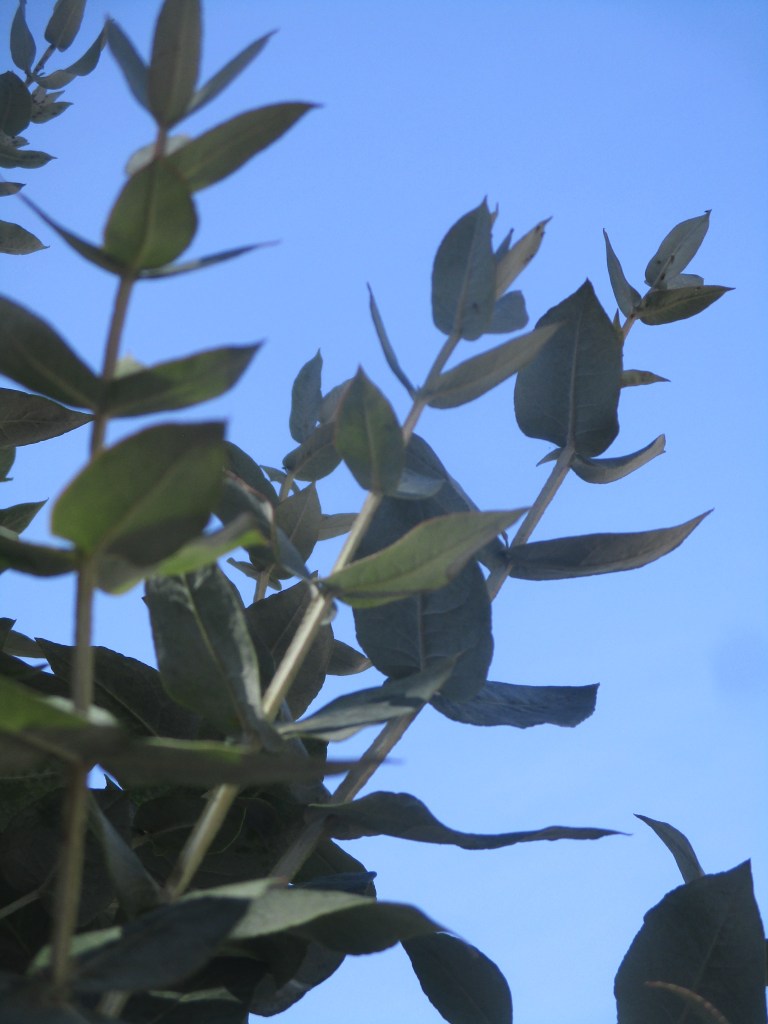


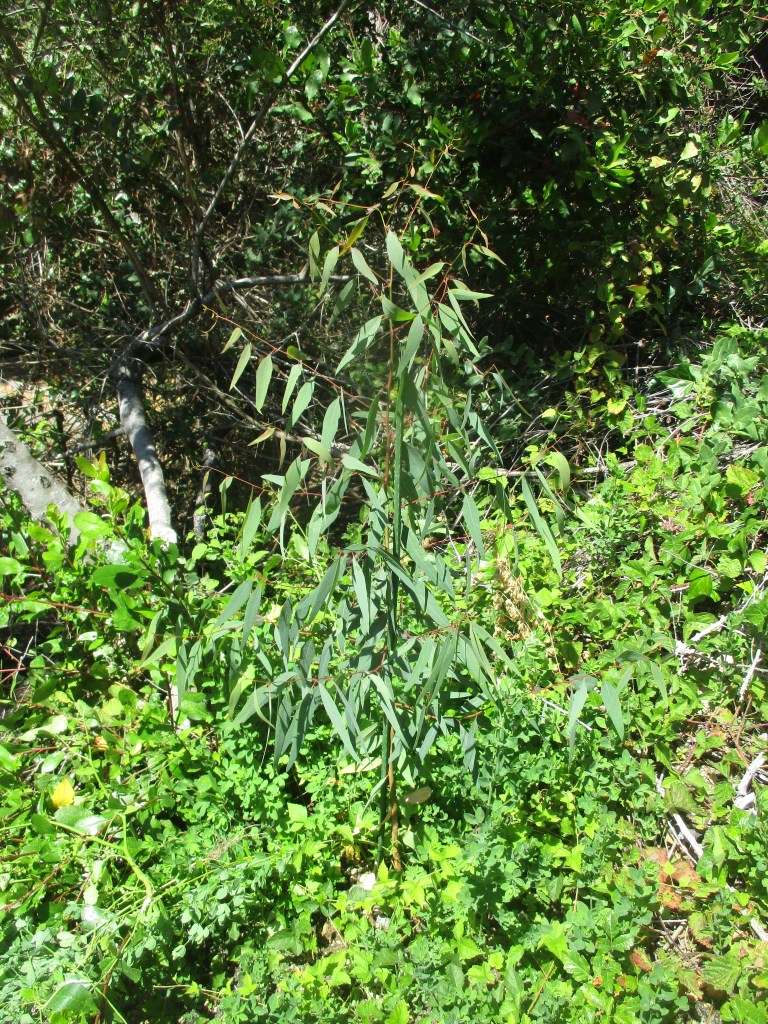
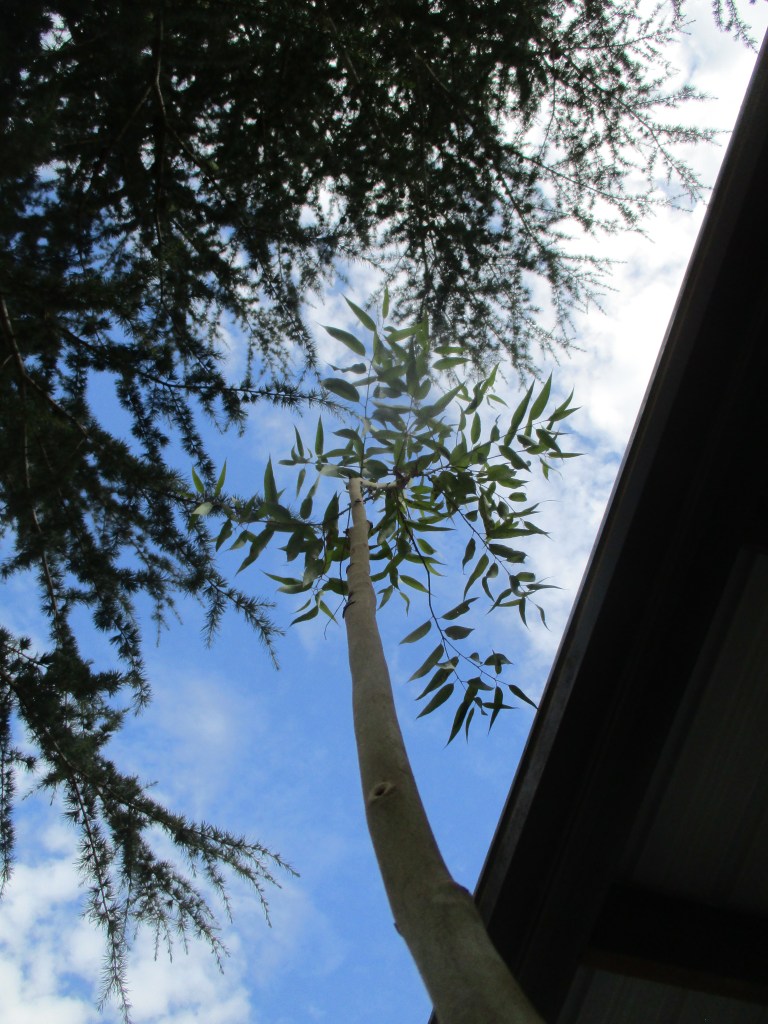
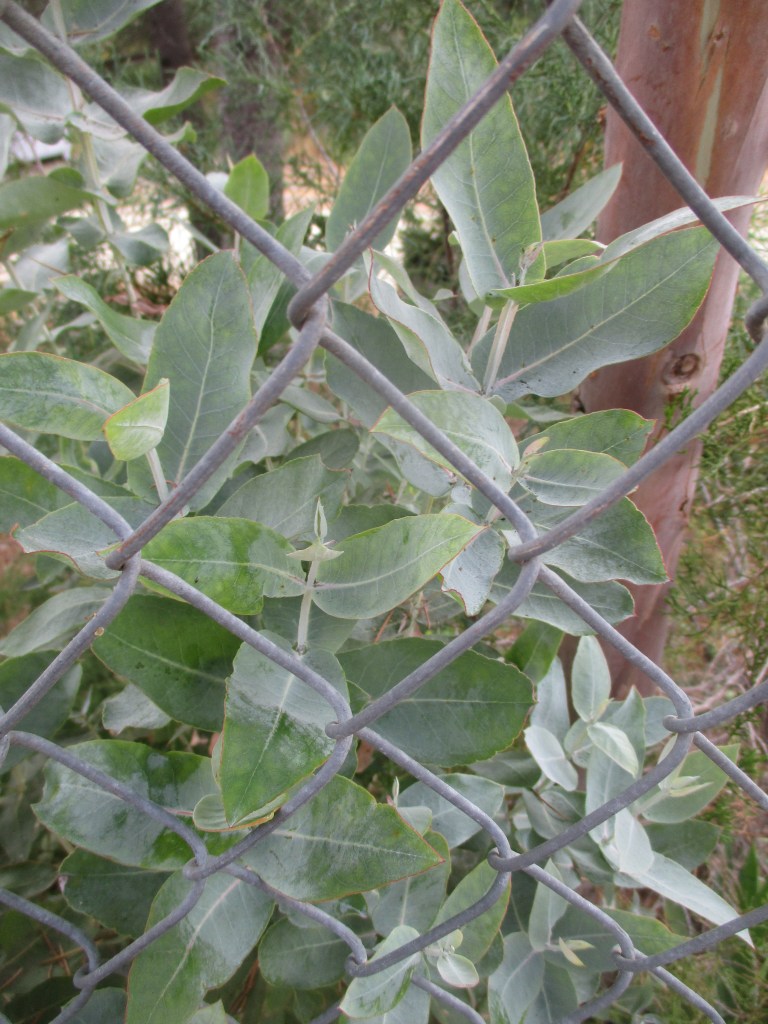
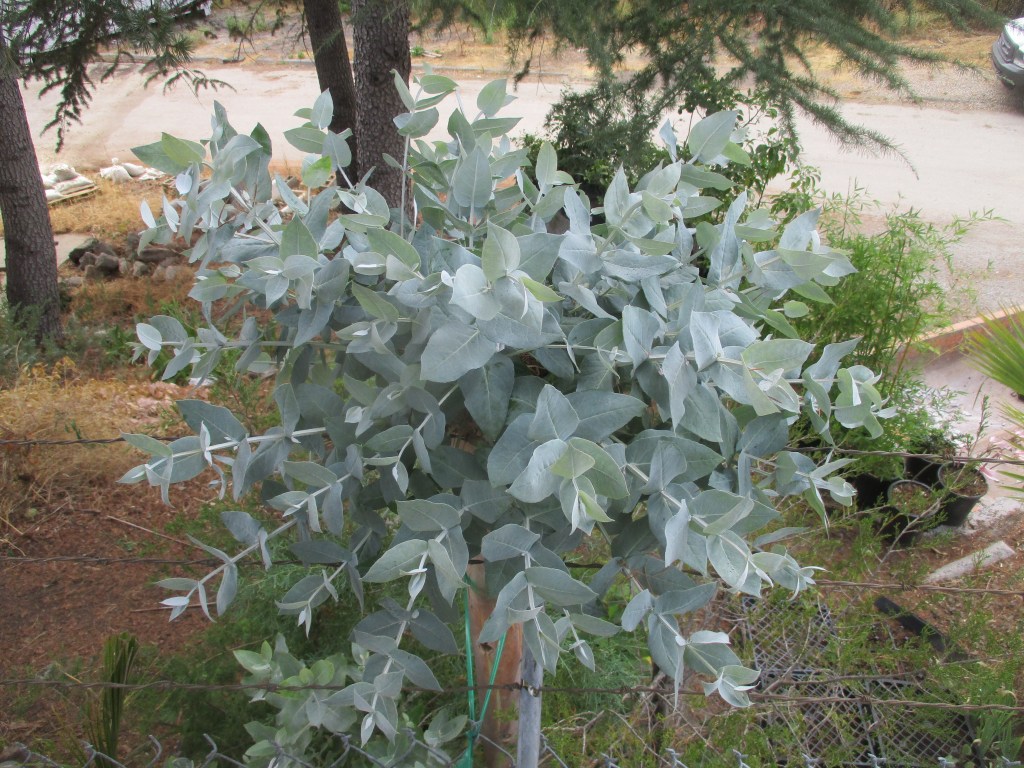
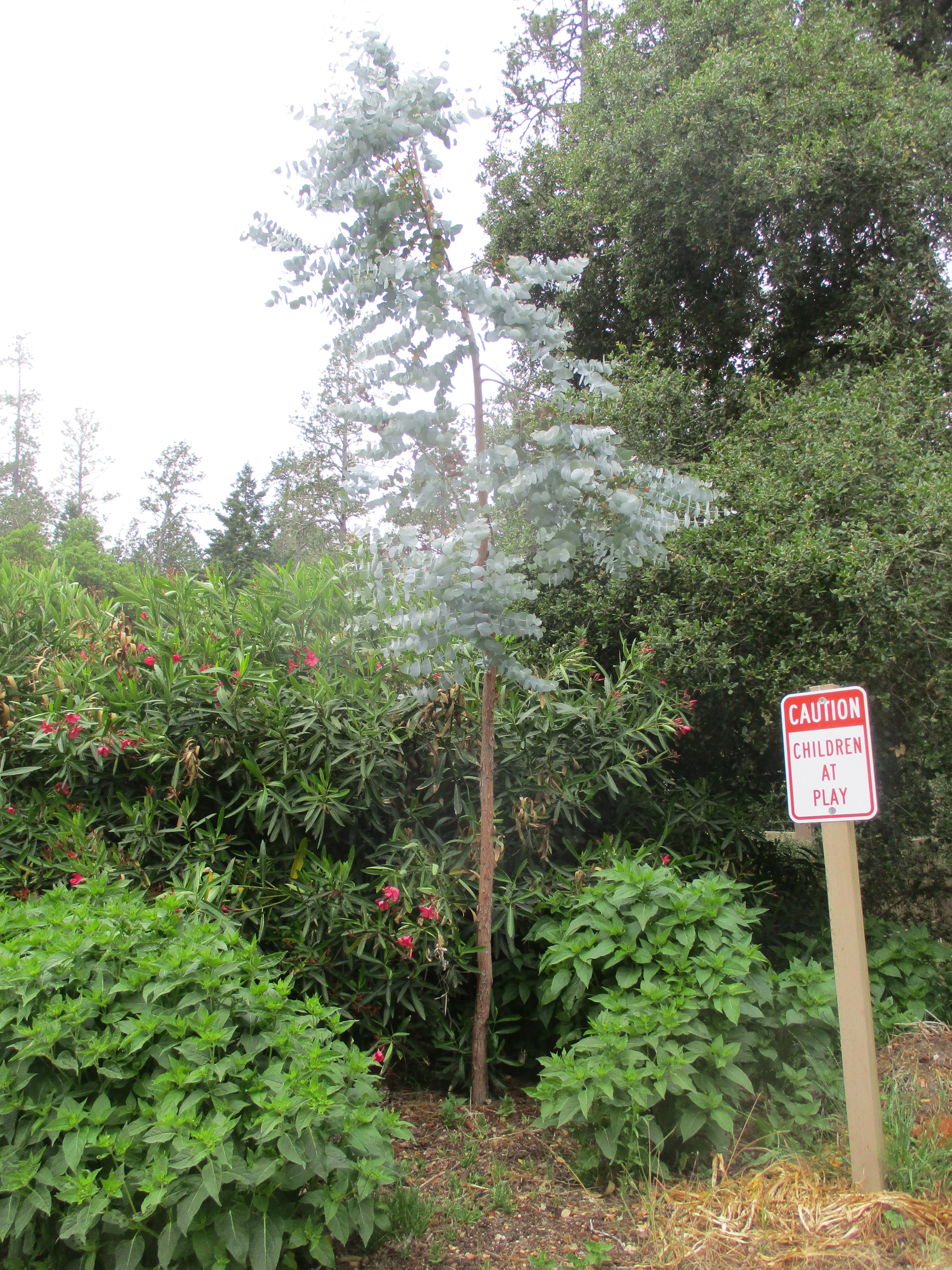
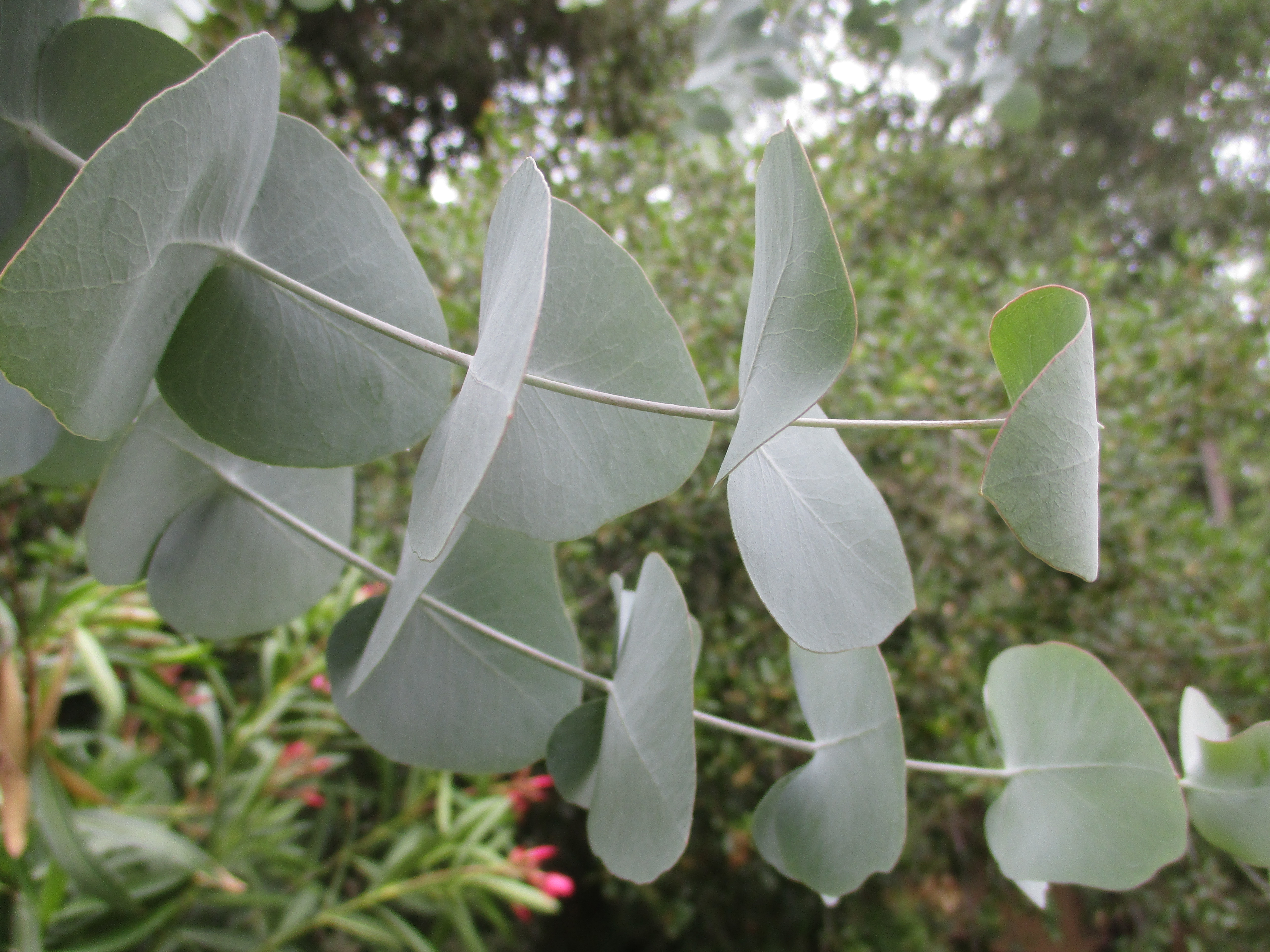
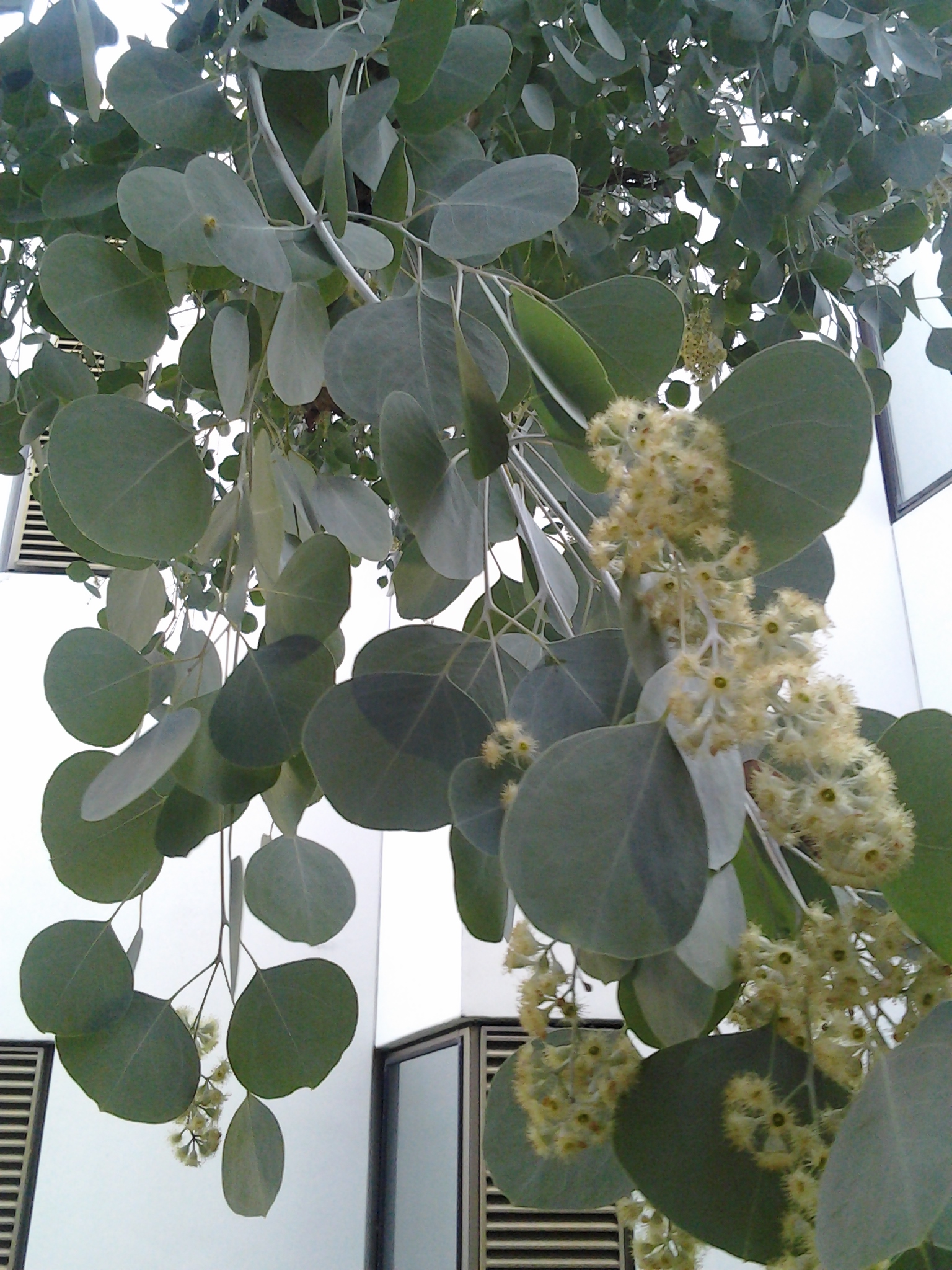
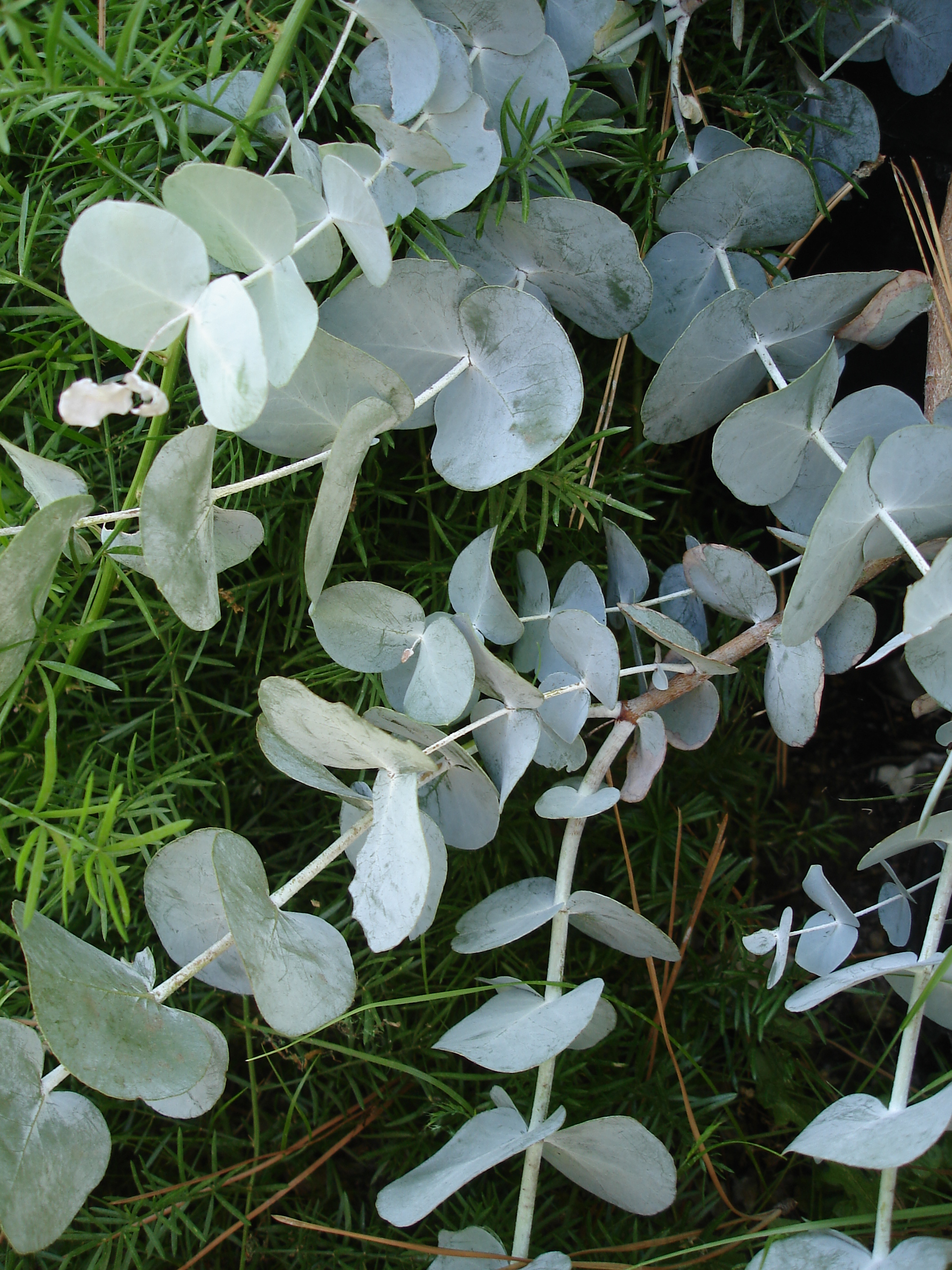 What an odd name. It sure sounds interesting, like some sort of exotic fruit tree. Alas; argyle apple is a eucalyptus; to be specific, Eucalyptus cinerea. Compared to most other eucalypti, it stays rather low. It barely gets as tall as a two story house, even if it gets broad enough to shade most of the backyard. The rusty brown bark becomes roughly furrowed. The irregular branch structure can be quite sculptural.
 That refers to the pattern of the veins in the leaves. Long before studying horticulture and botany at Cal Poly, my classmates and I learned a bit about horticulture within the contexts of studying ‘nature’. While in the sixth grade, we all went to camp for a week. One of the many projects we did during that time was collecting a few leaves to represent three different vein patterns, and mounting them under clear plastic on a cardboard plaque. The three different patters were, ‘pinnate’, ‘palmate’, and ‘parallel’. I do not remember if we all used the same leaves, but for my plaque, I got a blue gum eucalyptus leaf to represent pinnate veins. Palmate veins were represented by English ivy. Parallel veins were represented by English plantain.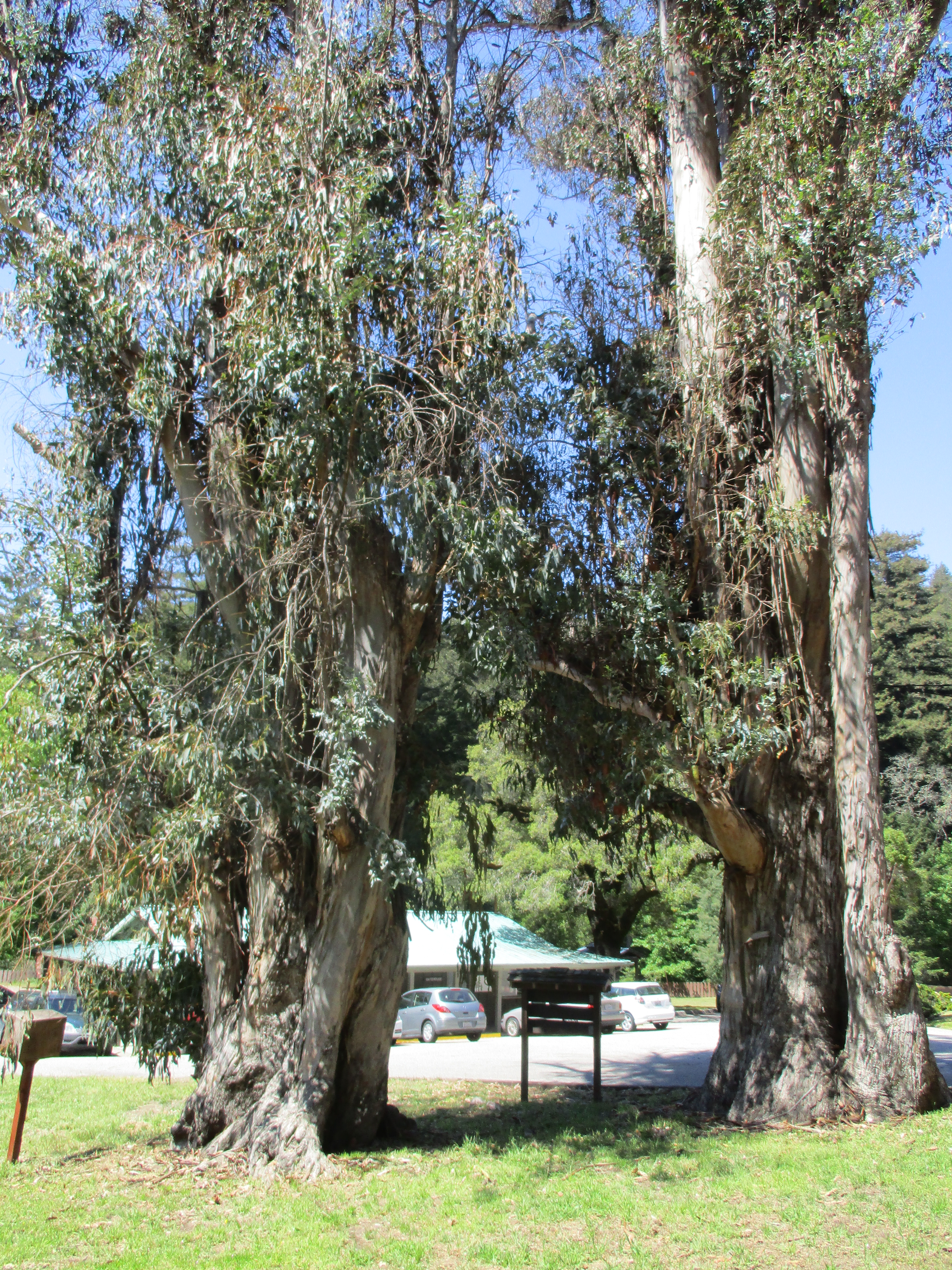
 Tony Tomeo