
Exotic species are not native. It is that simple. There is nothing fancy about it. They came from elsewhere to live here. They are not necessarily rare, unusual or innately desirable. Most plant species within most refined landscapes and home gardens are exotic. Native species that inhabit unrefined areas, although trendy, remain unpopular for landscaping.
Not only are exotic plant species not necessary rare or desirable, many are too common or undesirable. With few exceptions, the most aggressively invasive of weeds are exotic. For a variety of reasons, they proliferate faster than native species. Some are aggressive because they are endemic to competitive ecosystems. Most lack natural pathogens here.
A weed is merely any undesirable plant. Some might be desirable in some situations but not others. English ivy, for example, which is a practical ground cover within landscapes, is also an aggressively invasive weed within coastal forests. Most weeds are annuals or biennials, but others are perennials, shrubbery, vines, aquatic plants or substantial trees.
An unfortunate reality about exotic weeds is that they are not here by mistake. Generally, their importation was justifiable at the time. Most were ornamental plants for gardens and landscapes. Some came as fruits, vegetables, herbs, cover crops or forage for livestock. Some came as timber. Species that escaped cultivation and naturalized became weeds.
Such weeds compete for the same resources that desirable plants utilize, and are mostly visually unappealing. Some enhance the combustibility of landscapes and forests. A few weeds produce seed structures that are hazardous to pets and wildlife. Even if problems are not directly obvious, weeds disperse seed to share their innate problems elsewhere.
This is typically the best time of year to pull or grub out weeds, although more weeds will grow later. Annual weeds are mature enough to get a good grip on. Soil should be damp enough from winter rain for roots to pull out relatively easily. Weeding will likely require a bit more effort this year because of the extended dry and warm weather since December.
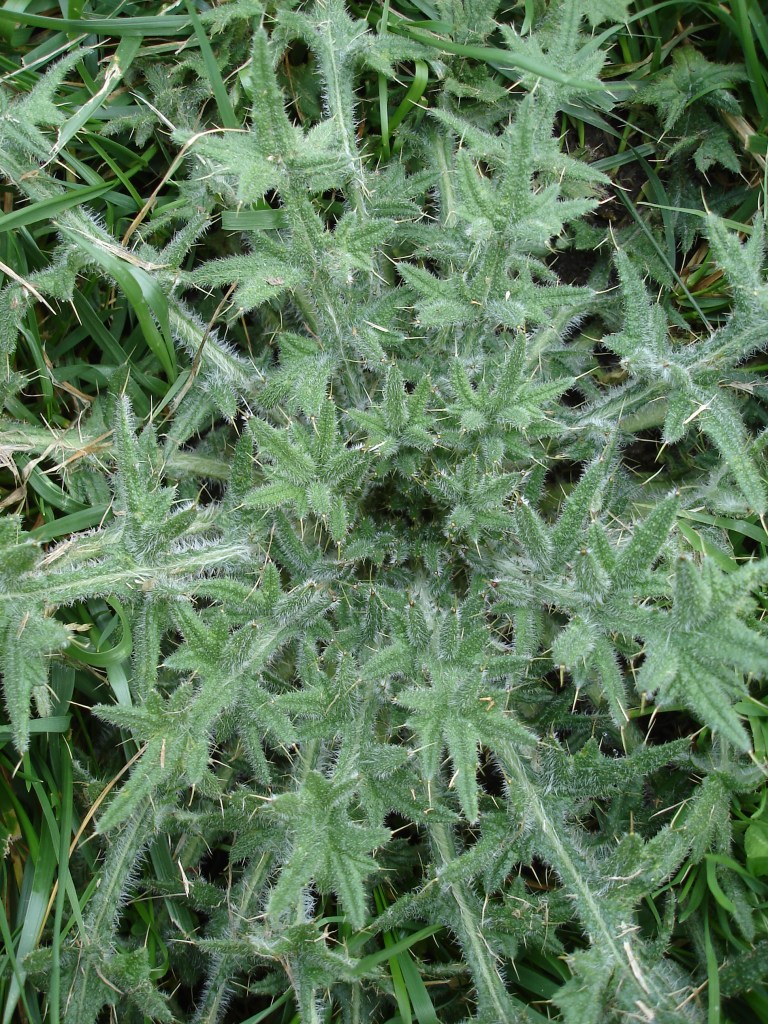

 Not many of our favorite plants grow like weeds. We must help most of them along, and give them what they want. A few might naturalize and perform well on their own, but if they do too well and become aggressive or invasive, they too become known as weeds. Although we might prefer some of our favorites to be easier to grow, we are probably fortunate that more do not do too well.
 Tony Tomeo