Botanical nomenclature is a standardized system of naming plants. It can be confusing since it is all Latin. Some of it is Latinized from other languages or is Latinized names of botanists. For home garden applications, it includes the name of a genus and a species. Variety names are more specific. A less specific botanical classification is that of family.
Hence, varieties are classifications within a species. Species are classifications within a genus. Genera (which is plural for genus) are classifications within a family. It should be no wonder why common names are more common than botanical names. However, the problem with common names is that they are regionally variable. They are not universal.
Taxonomy is the standardized system of classification for all biological organisms. It can be more involved or confusing than nomenclature. Families fit into orders, which fit into classes, which fit into divisions, which fit into kingdoms. Any average garden enthusiast certainly does not need to know all these categories. Such is for professional botanists.
Familiarity with certain botanical families might be useful, though. It provides insight into characteristics of some or most members of particular families. Different species of one genus are generally similar to each other. Similarly, different genera of one family might be similar to each other. Such similarities are not likely as obvious, but they are helpful.
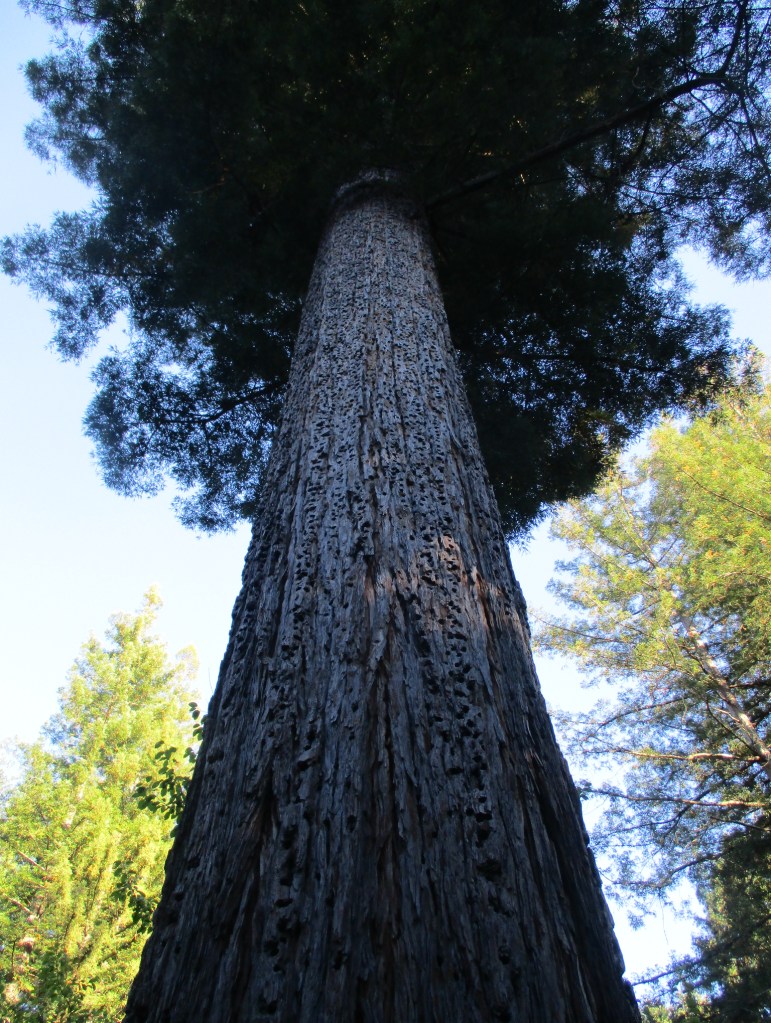
For example, coastal redwood, or Sequoia sempervirens is of the family Cupressaceae. All members of this family are coniferous. With only three exceptions, all are evergreen. Incense cedar, or Calocedrus decurrens, is also of the extensive family Cupressaceae. Therefore, without prior experience, it is easy to assume that it is an evergreen conifer.
Some families are very diverse, though. The Rosaceae family includes strawberries and apples, which do not seem related. The Cactaceae family is famously endemic to desert climates. However, several of its genera are conversely endemic to tropical rain forests. Therefore, expertise with botanical families is useful for some but not all generalizations.

