
Good old fashioned suburbia will never bee the same. Bigger modern homes on smaller modern parcels leave little space for gardening and trees. What is not shaded by the taller homes is shaded by the taller fences, which are ‘needed’ for privacy since the homes are closer together. Building codes in most municipalities limit the height of fences, but lattice screens are often added on top for extra height.
Because lumber is not of the quality that it was when shorter light duty redwood fences were built decades ago, relatively expensive modern fences do not last nearly as long. They might last longer if they would get repaired instead of replaced when only the posts rot. Green technology seemed to work better before it became trendy.
Ironically, no one wants these bigger and bolder fences that are closer to home to be so prominent in the landscape. We try to obscure them with vines that can tear them apart, or shrubbery that can push them over. Watering these vines and shrubs accelerates rot in the posts.
Shrubbery intended to obscure a fence should not be so voracious that it wants to displace the same fence that it is intended to obscure. Some types of pittosporum work nicely because they support themselves without leaning against other features in their surroundings too much, even if they eventually get quite large. However, they do get quite thick, and can obscure a fence so well that no one would miss the fence if it were to get pushed over! A good hedge without a fence is sometimes a better option.
Many types of vines can be kept much closer to a fence than shrubbery can, but most tend to be more destructive. Star jasmine works nicely if allowed to climb a trellis directly in front of the fence, but should not be allowed to get between planks in the fence, or to get too intertwined in lattice. If it gets too fluffy, it can be shorn back like a light hedge.
Clinging vines like creeping fig can be very appealing on fences, and can be shorn like hedges, but will eventually necessitate the replacement of the fences that they climb. For those who appreciate such a tailored appearance, replacement of the affected fences every few years is a fair compromise.


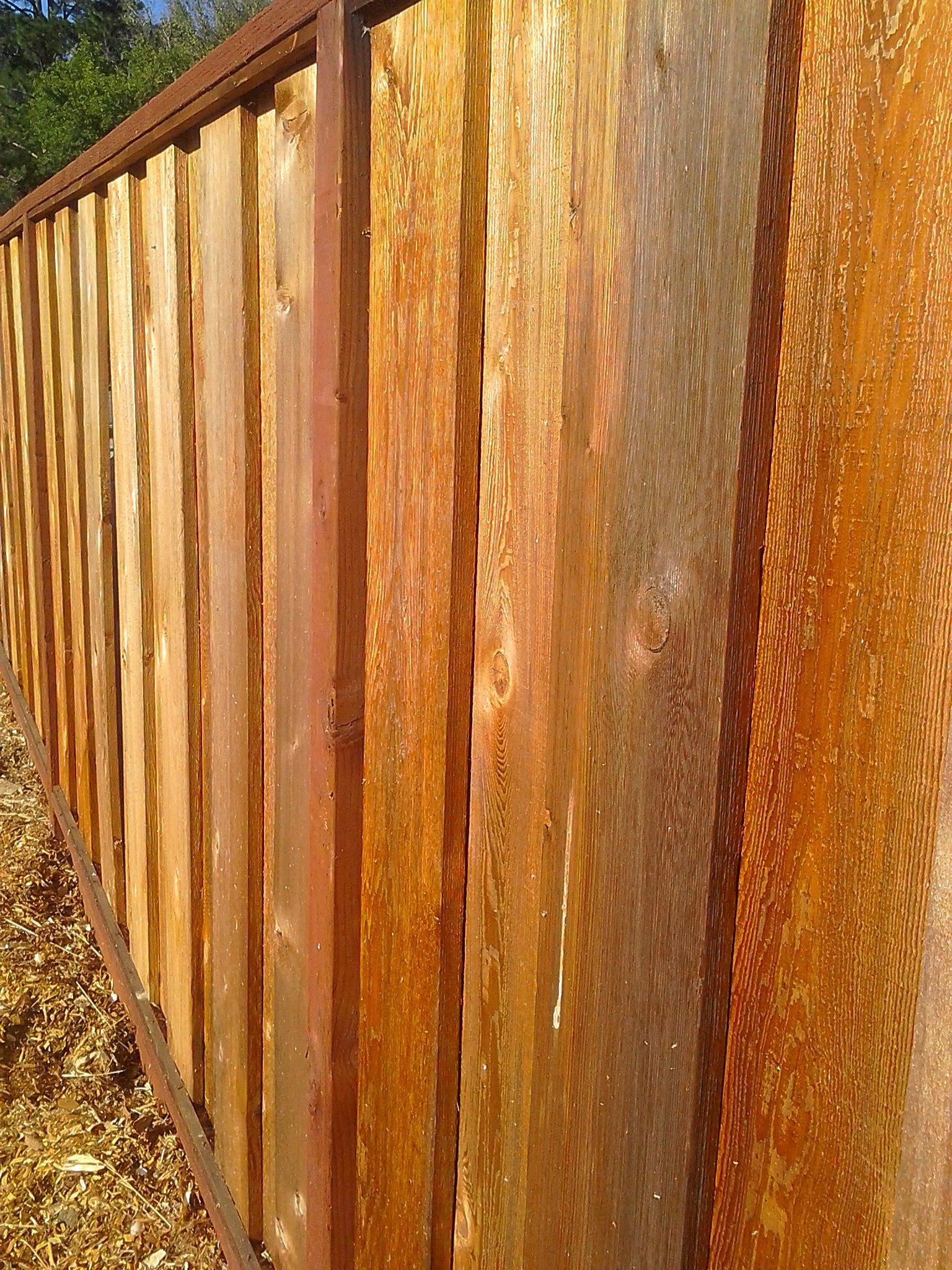 Where I lived in town, the backyard was surrounded on three sides by fences, with the house on the only unfenced fourth side. These were the sort of fences that were common in suburban neighborhoods. They kept children and dogs in or out of adjacent gardens, and probably provided some sense of privacy, although I never understood why we all needed such privacy there.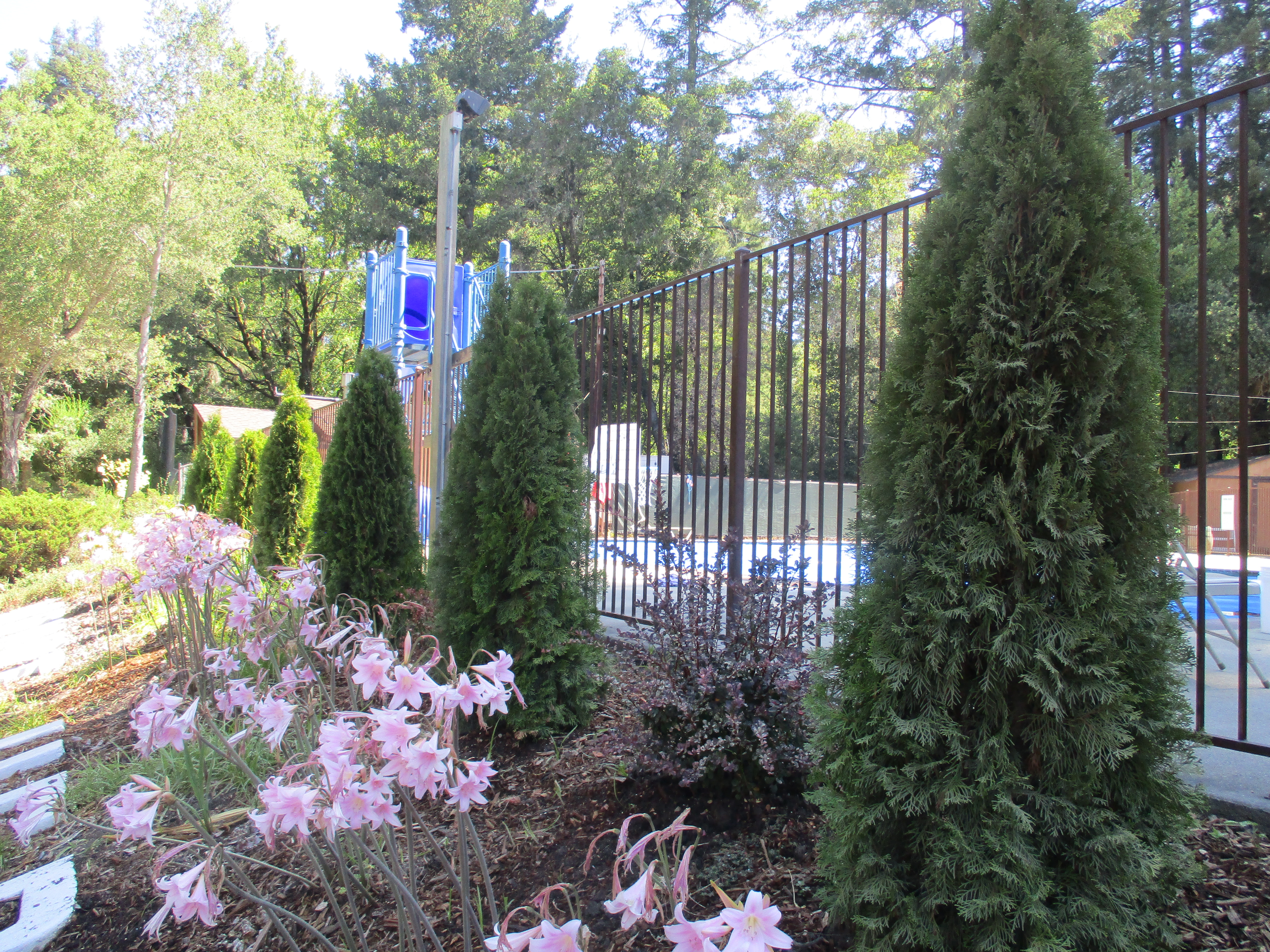
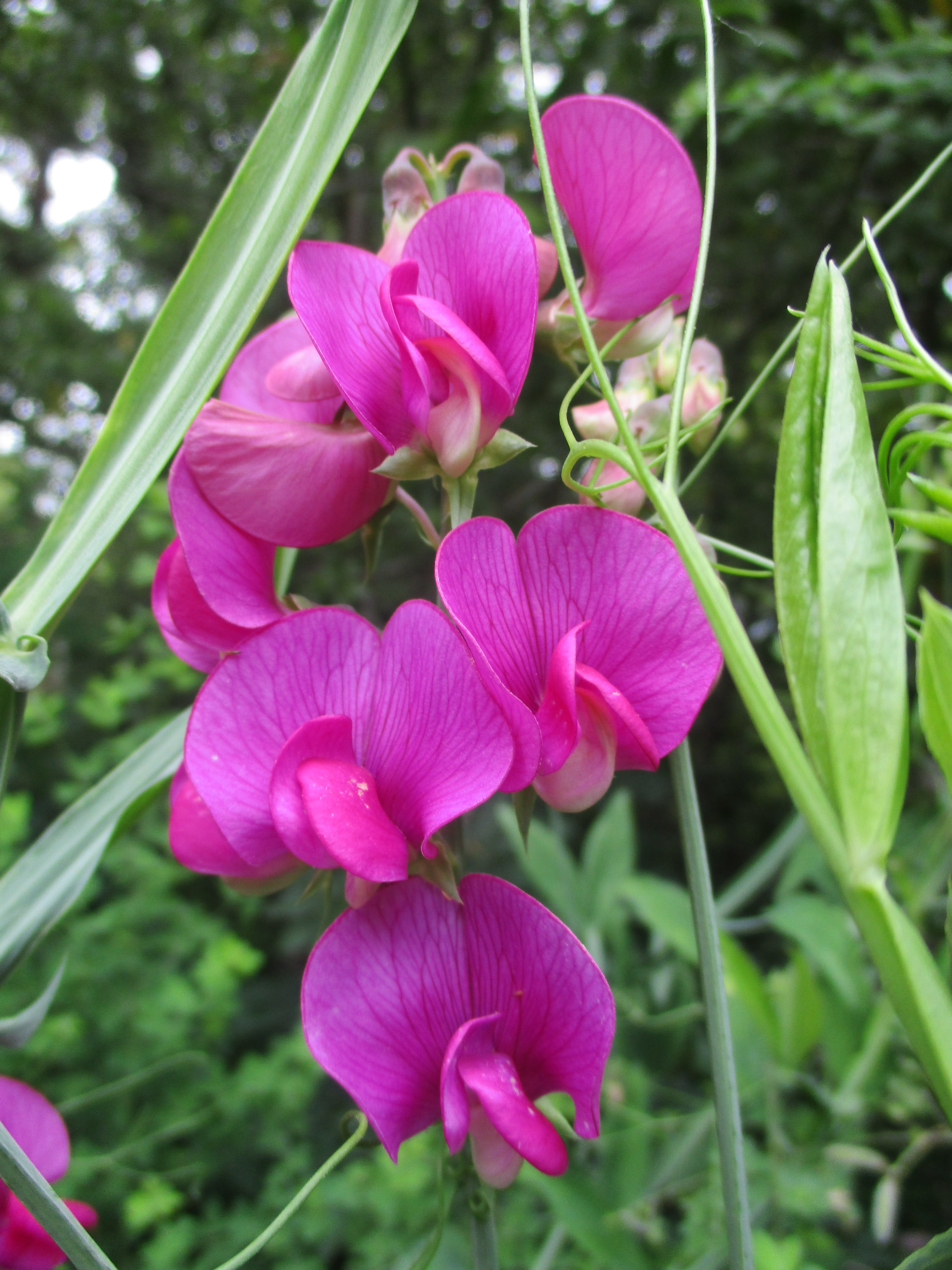 Most of the familiar vines really are exploitative bullies. They shade the same trees and shrubs that they climb for support. Some will even strangle and kill those who make it possible to get where they want to be. If they do not find trees or shrubs to victimize, they are likely to climb walls and ruin the paint, stucco or siding. Their aggressive nature can be a problem in landscape situations.
 After all the years it was out there, someone, somewhere must have gotten good pictures of it. I never did. Nor did anyone I know. It was something of a famous landmark in Santa Clara.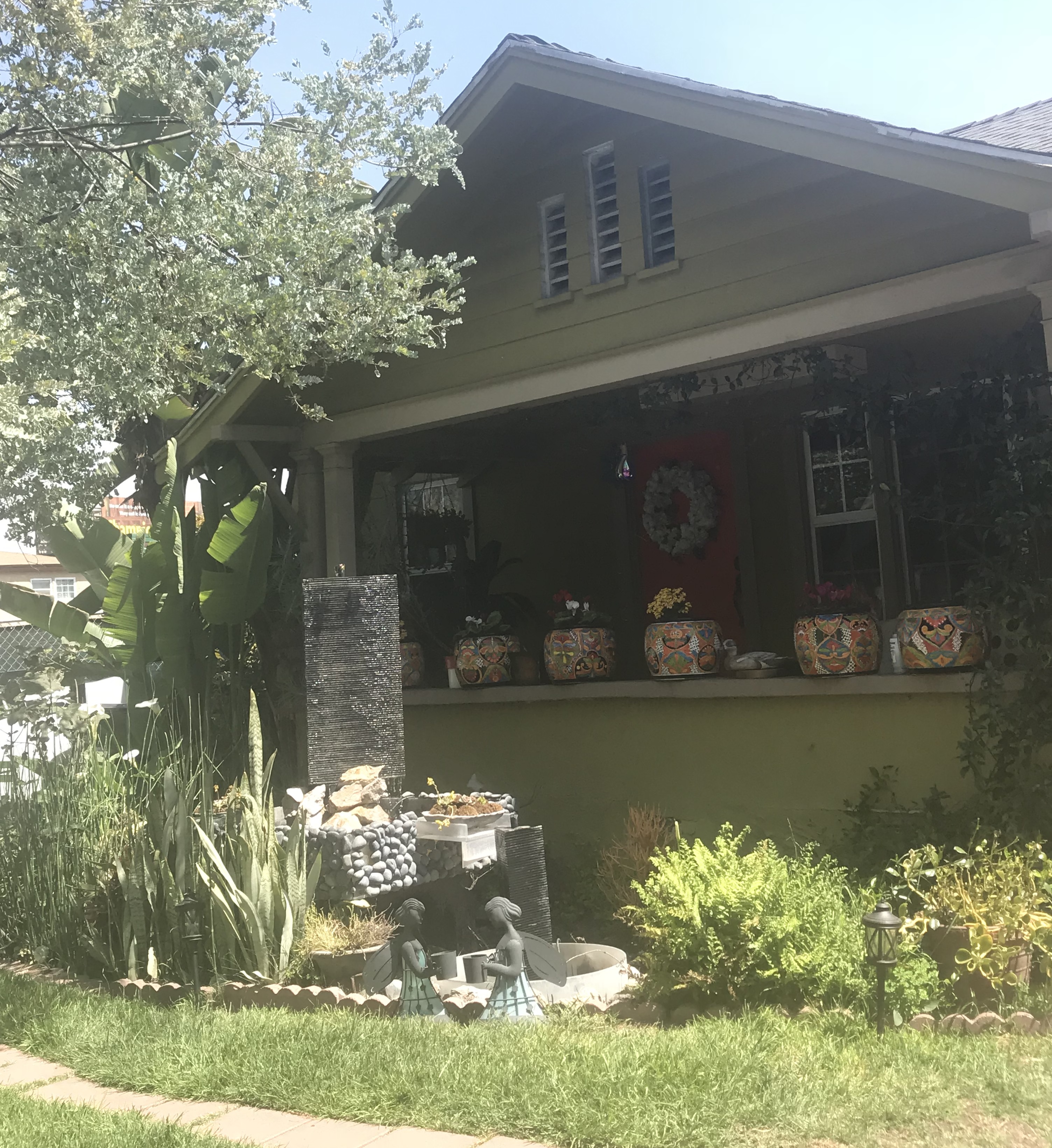
 Tony Tomeo